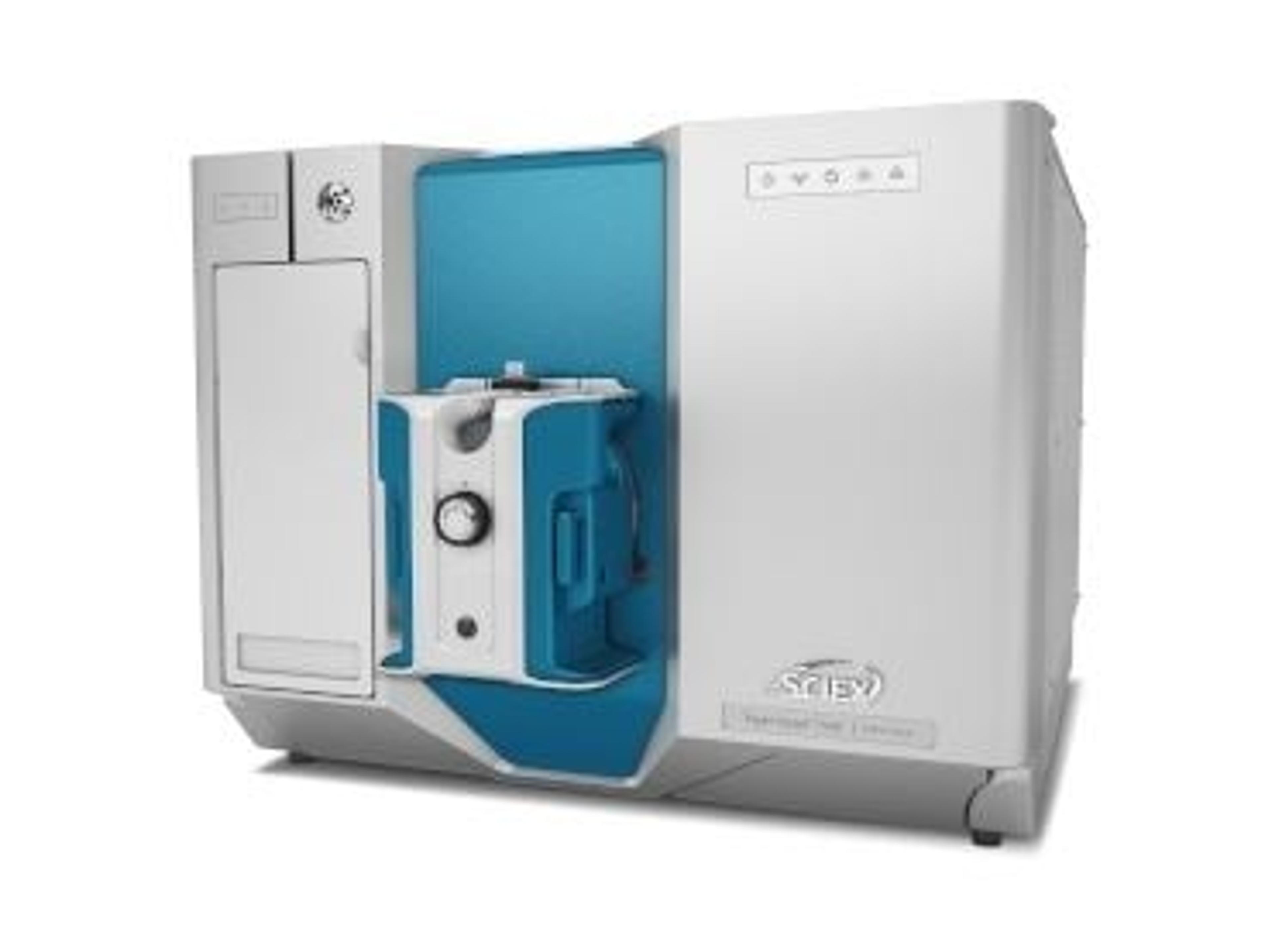
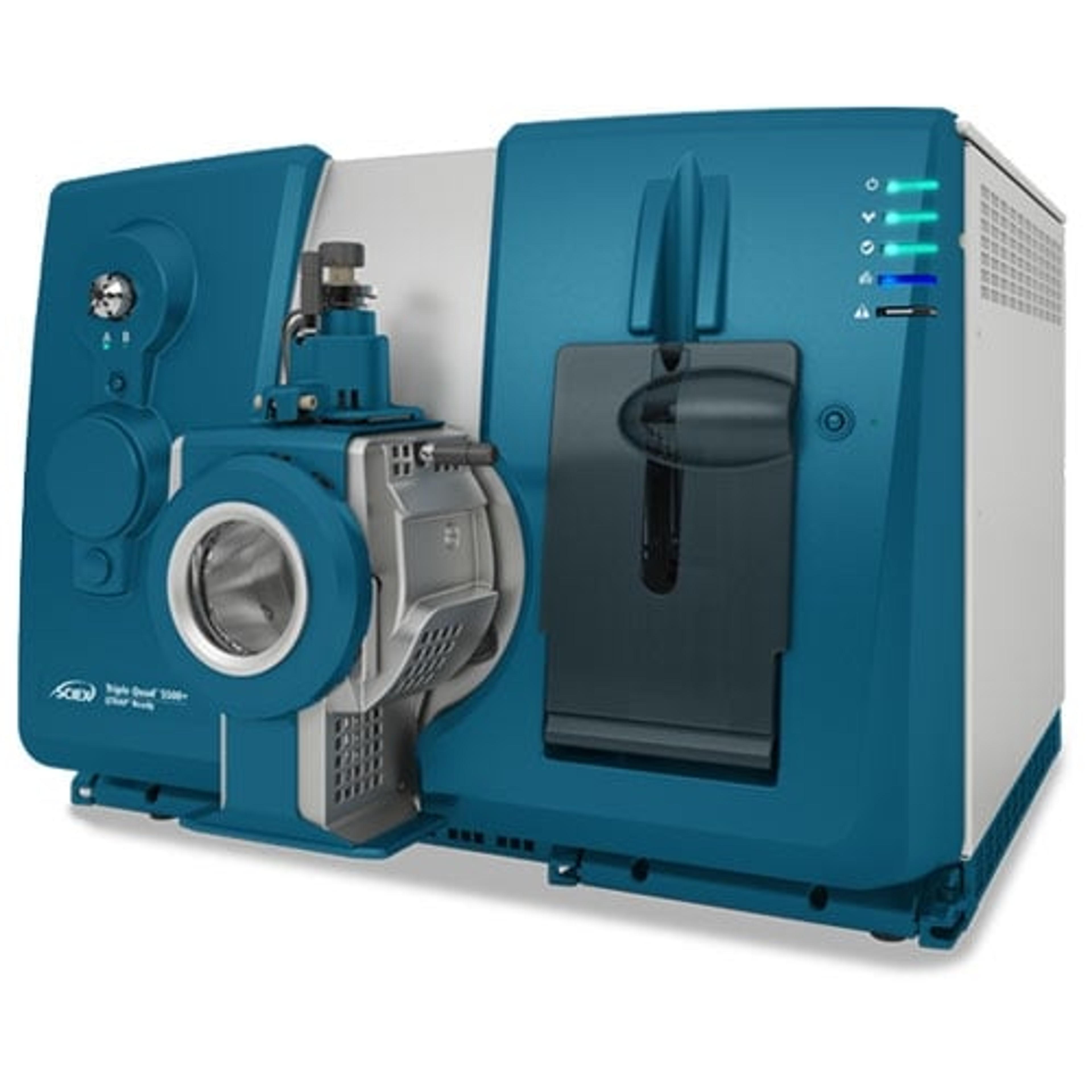
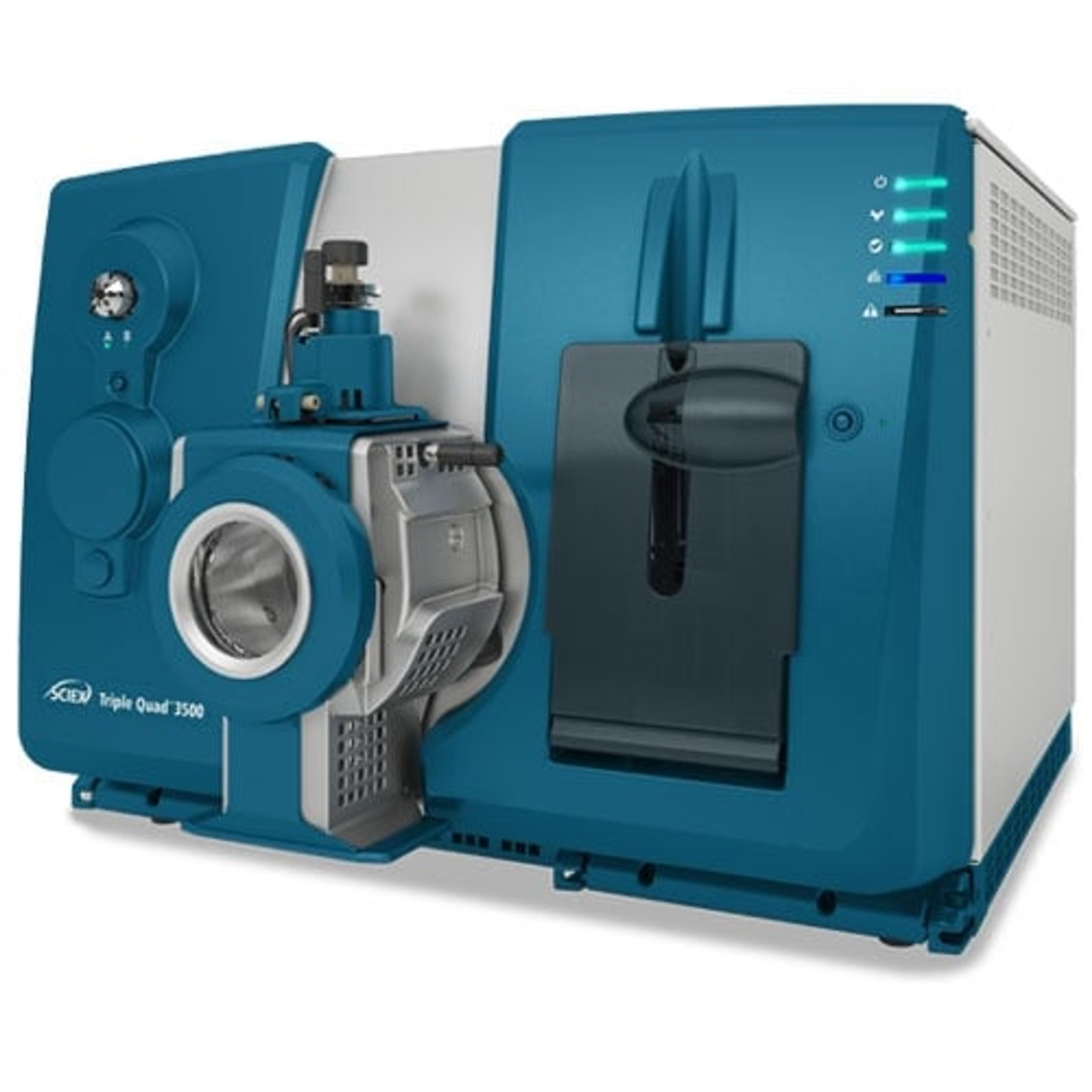
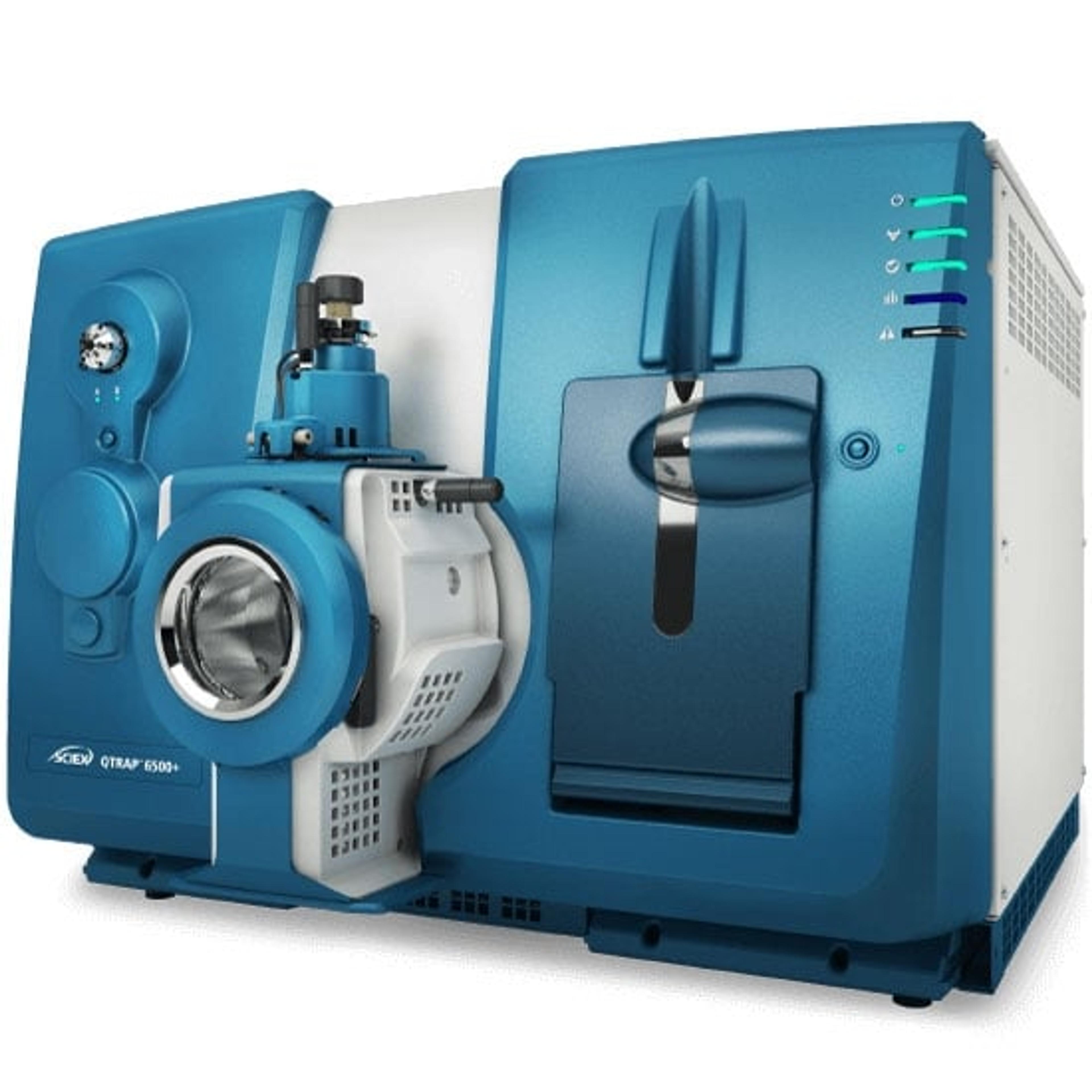
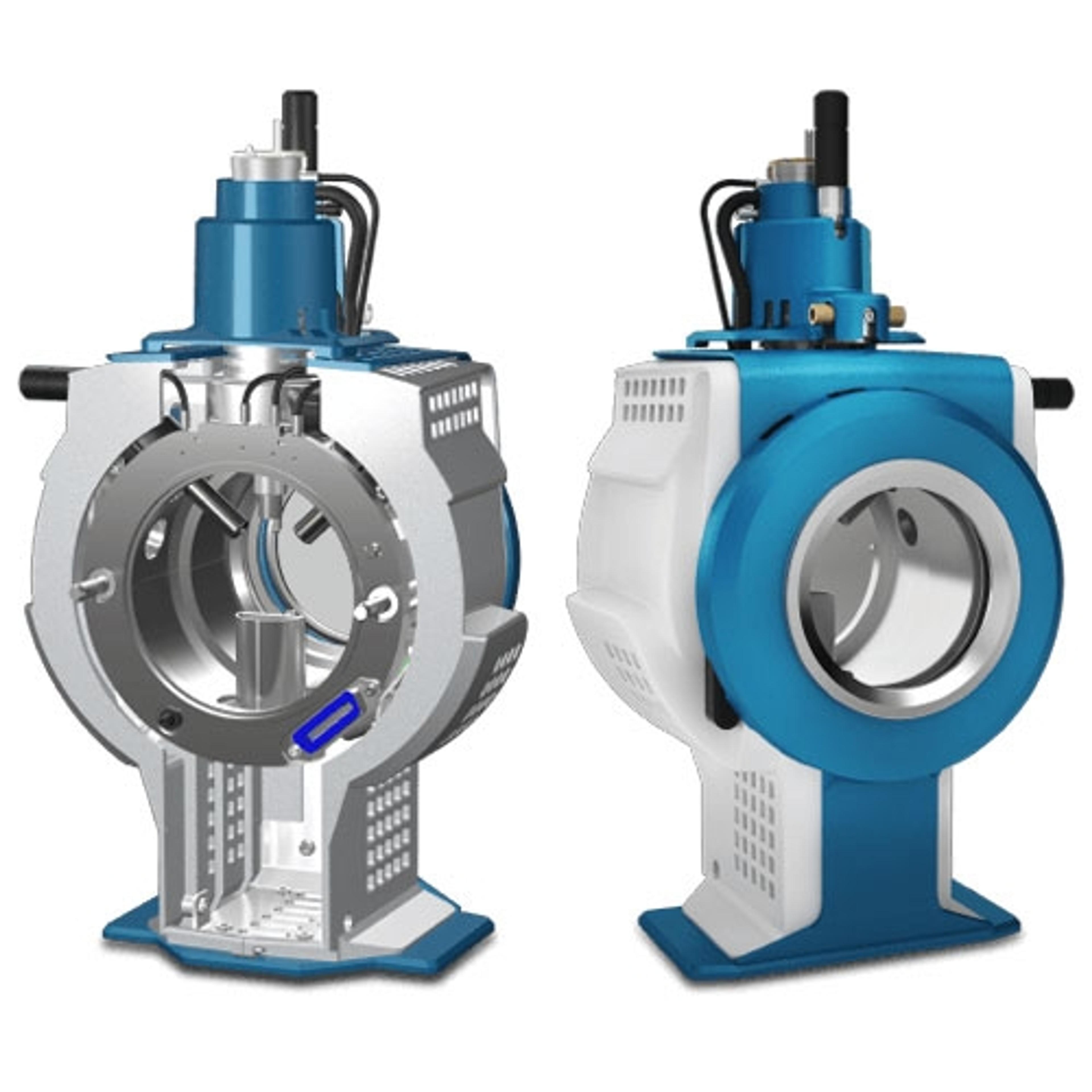
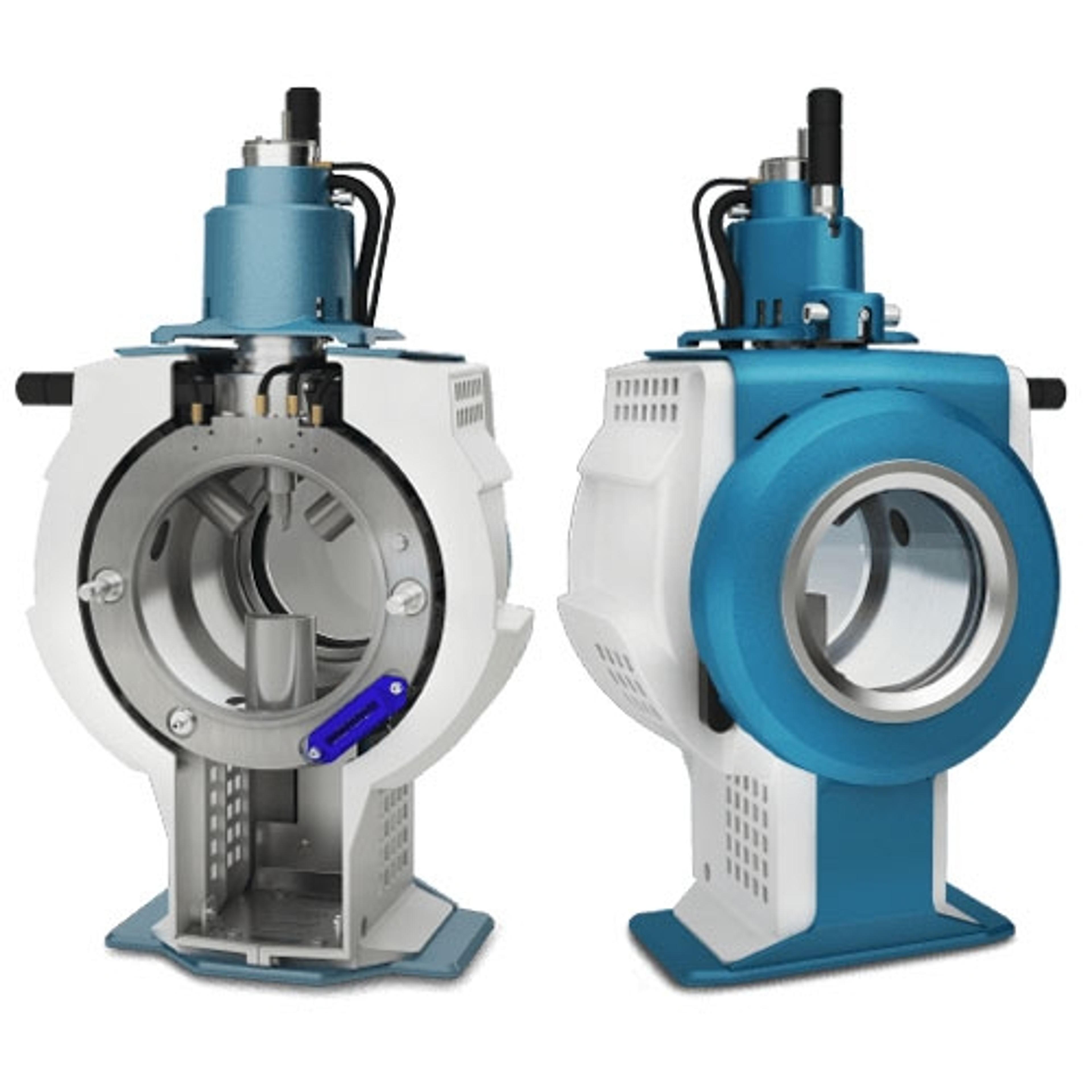
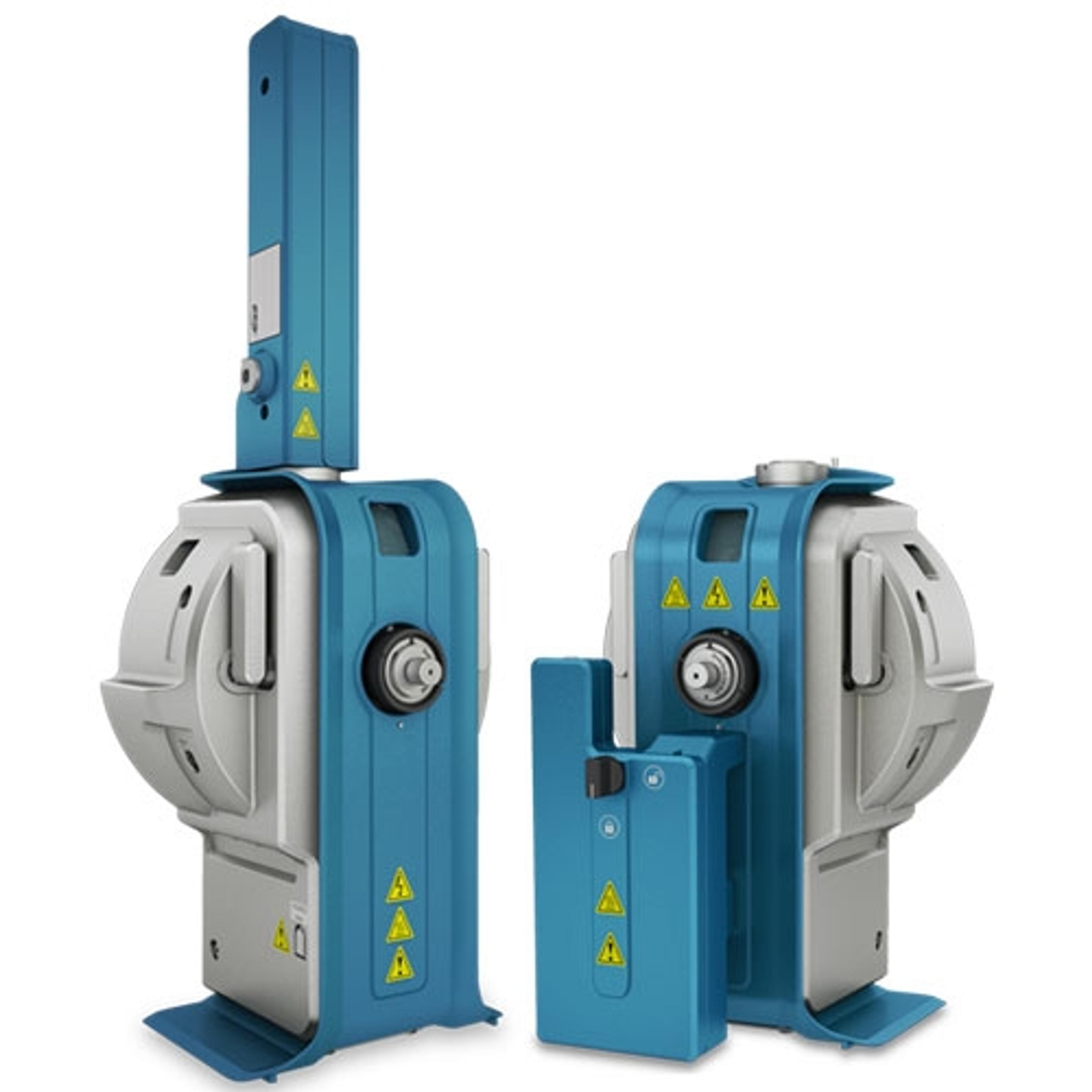
Triple Quad 7500 system
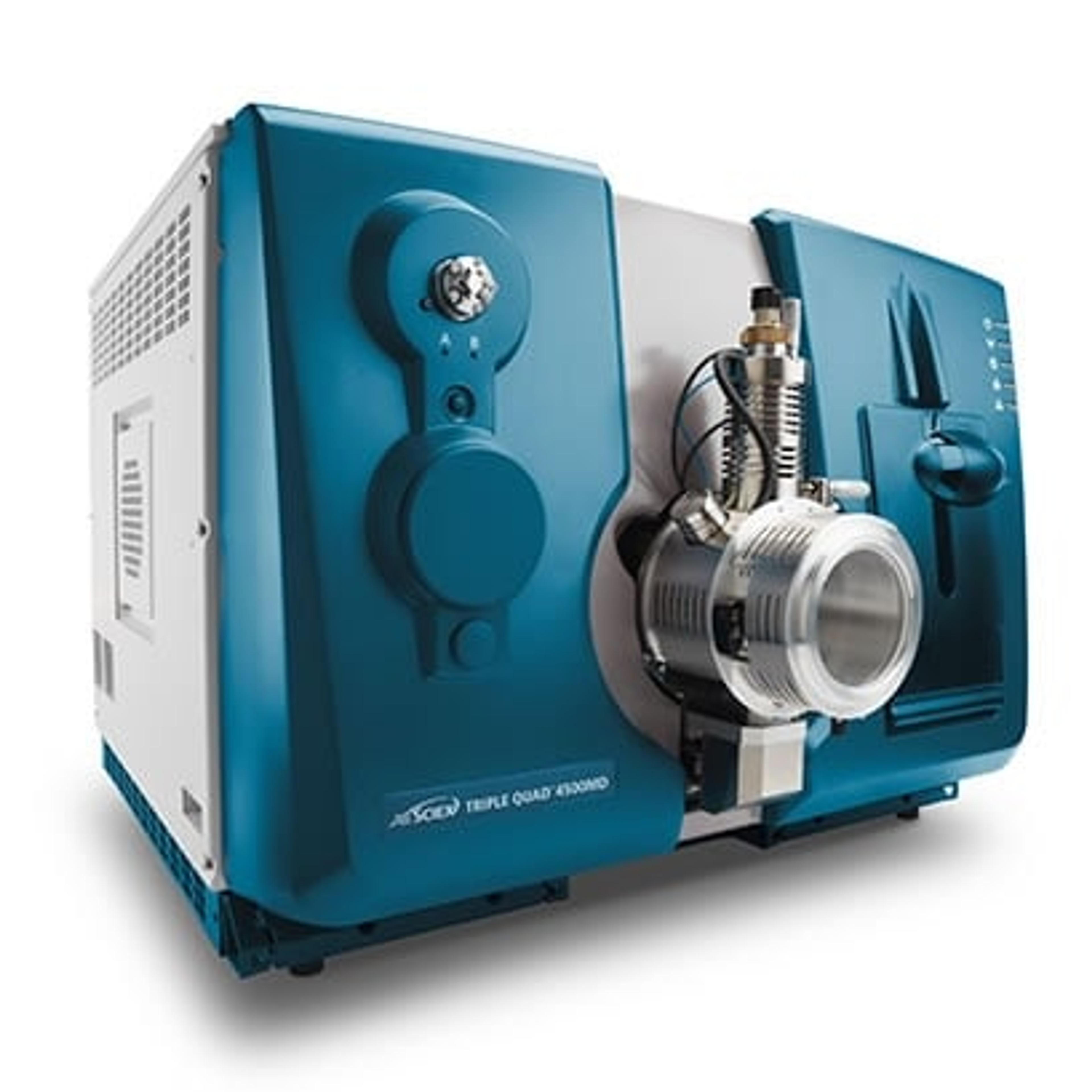
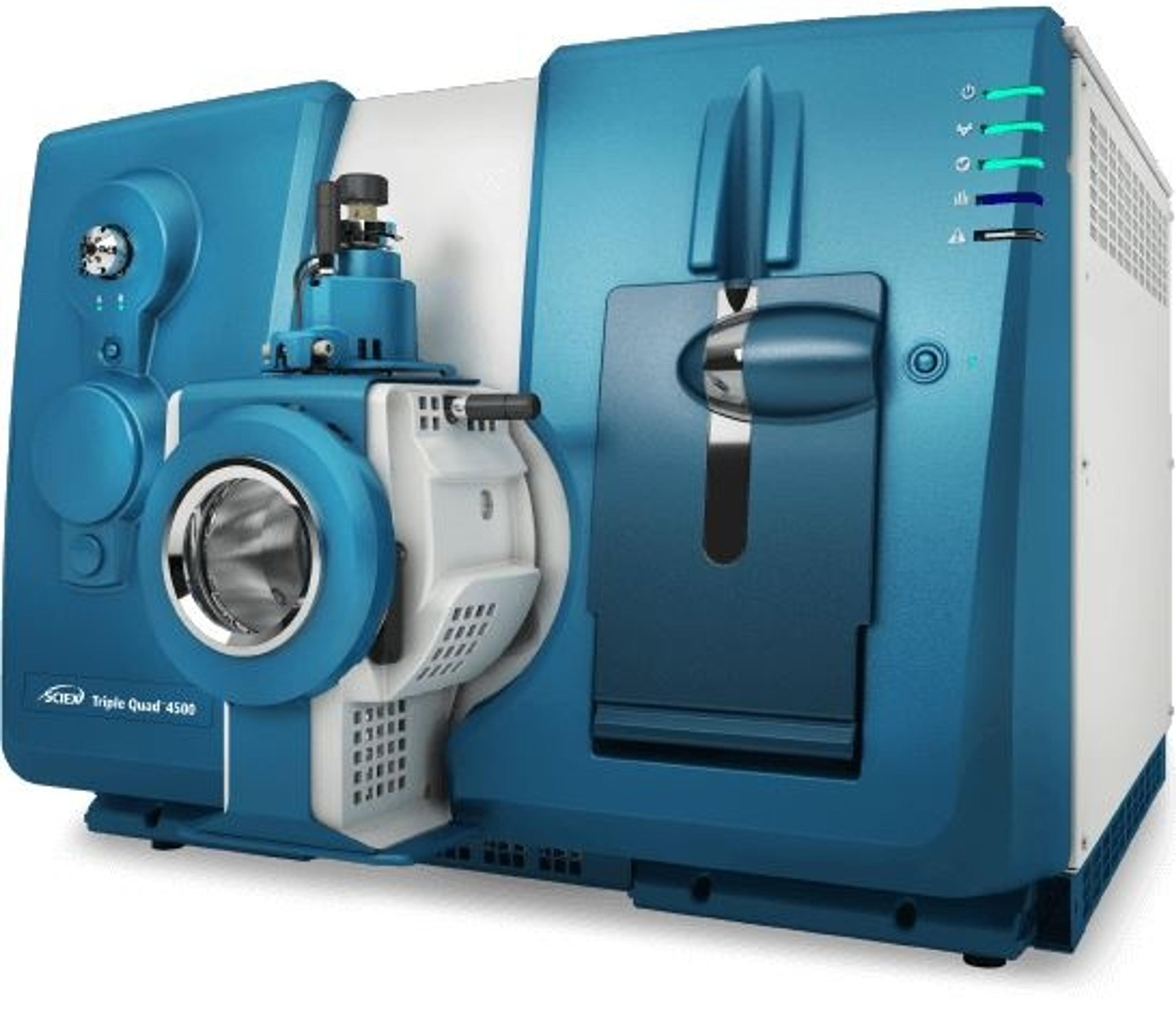
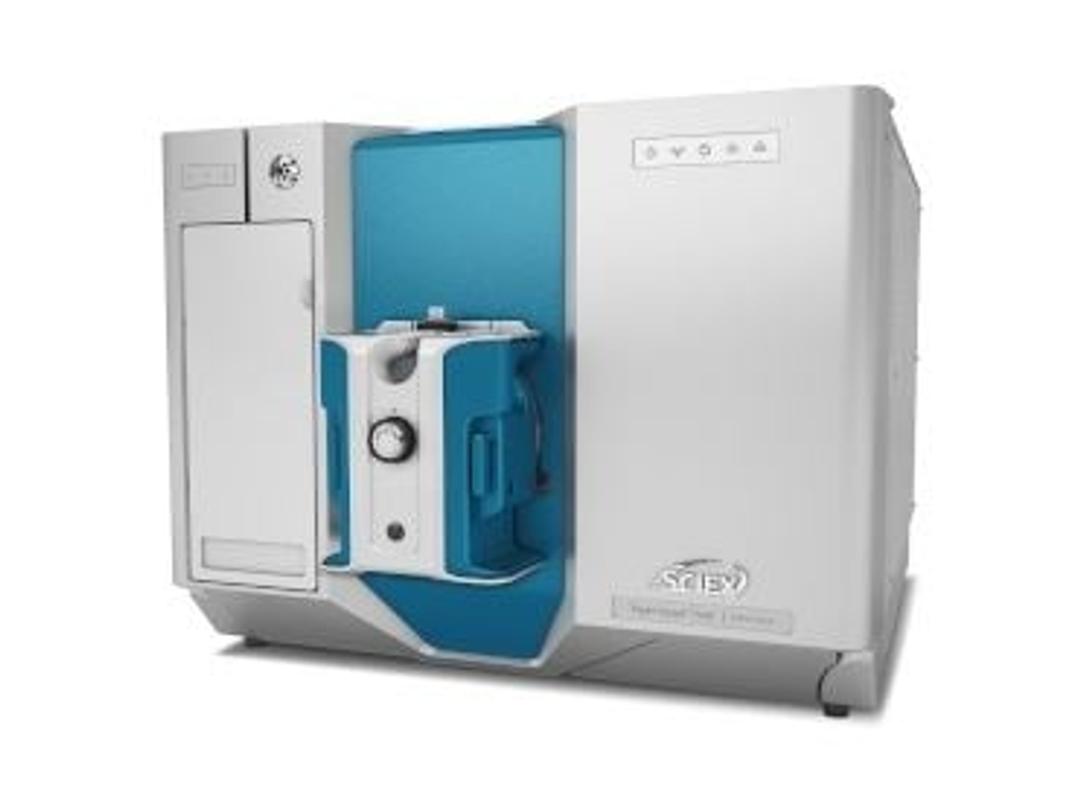
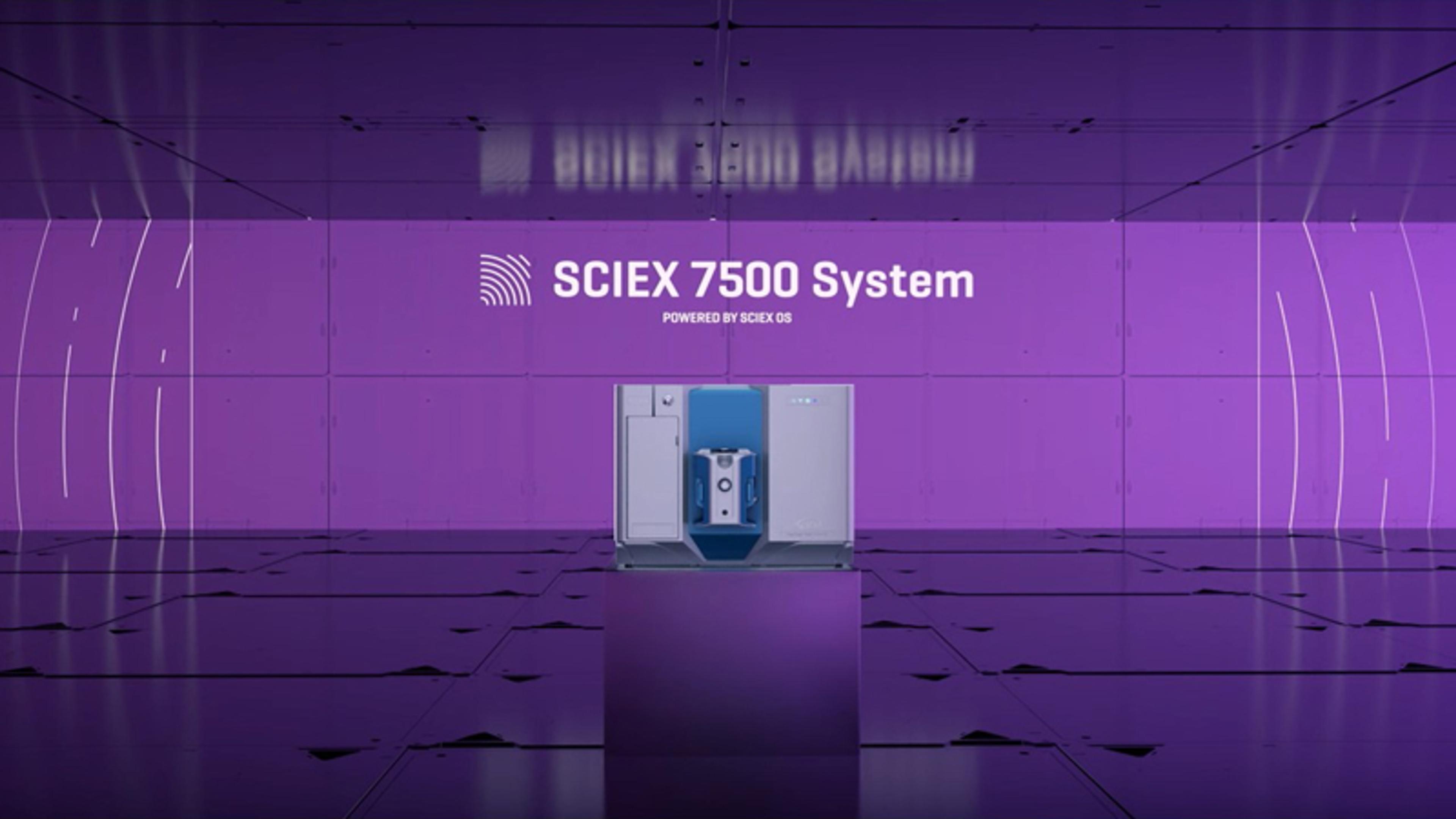
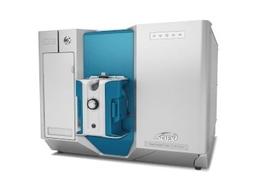
Enter a new era of sensitivity and LC-MS/MS innovation with the SCIEX 7500 system. GO BEYOND current limits of sensitivity, productivity targets, ruggedness, and robustness challenges. Pioneer new discoveries with this innovation.

Receive your quote directly from the manufacturer.
The gold standard for PFAS in food
Contaminant analysis
The Sciex 7500 LC-MS/MS mass spectrometer sets a new benchmark in sensitivity and accuracy, making it an indispensable tool for high-precision analysis in the food industry. This instrument excels in detecting trace levels of contaminants, such as PFAS (Per- and Polyfluoroalkyl Substances), which are increasingly scrutinized due to their potential health risks. One of the standout features of the Sciex 7500 is its superior sensitivity. The system consistently achieves ultra-low detection limits, allowing for accurate quantification of PFAS even at concentrations far below regulatory thresholds. This makes it an ideal choice for laboratories looking to comply with the stringent guidelines outlined in EU Recommendation 2022/143. The accuracy of the Sciex 7500 ensures reliable results, crucial for food safety assessments and compliance with legal standards. In addition to its performance in PFAS analysis, the Sciex 7500 offers robust versatility for various food safety applications. Its advanced ionization technologies and intuitive software enhance workflow efficiency and data analysis, reducing the time and effort needed to achieve high-quality results. Overall, the Sciex 7500 LC-MS/MS is an exceptional tool for any laboratory involved in food testing. Its unmatched sensitivity, accuracy, and compliance with EU standards make it a vital instrument for detecting contaminants like PFAS in food products, ensuring both regulatory compliance and consumer safety.
Review Date: 16 Oct 2024 | SCIEX
Get ready to GO BEYOND robustness with breakthrough innovation...
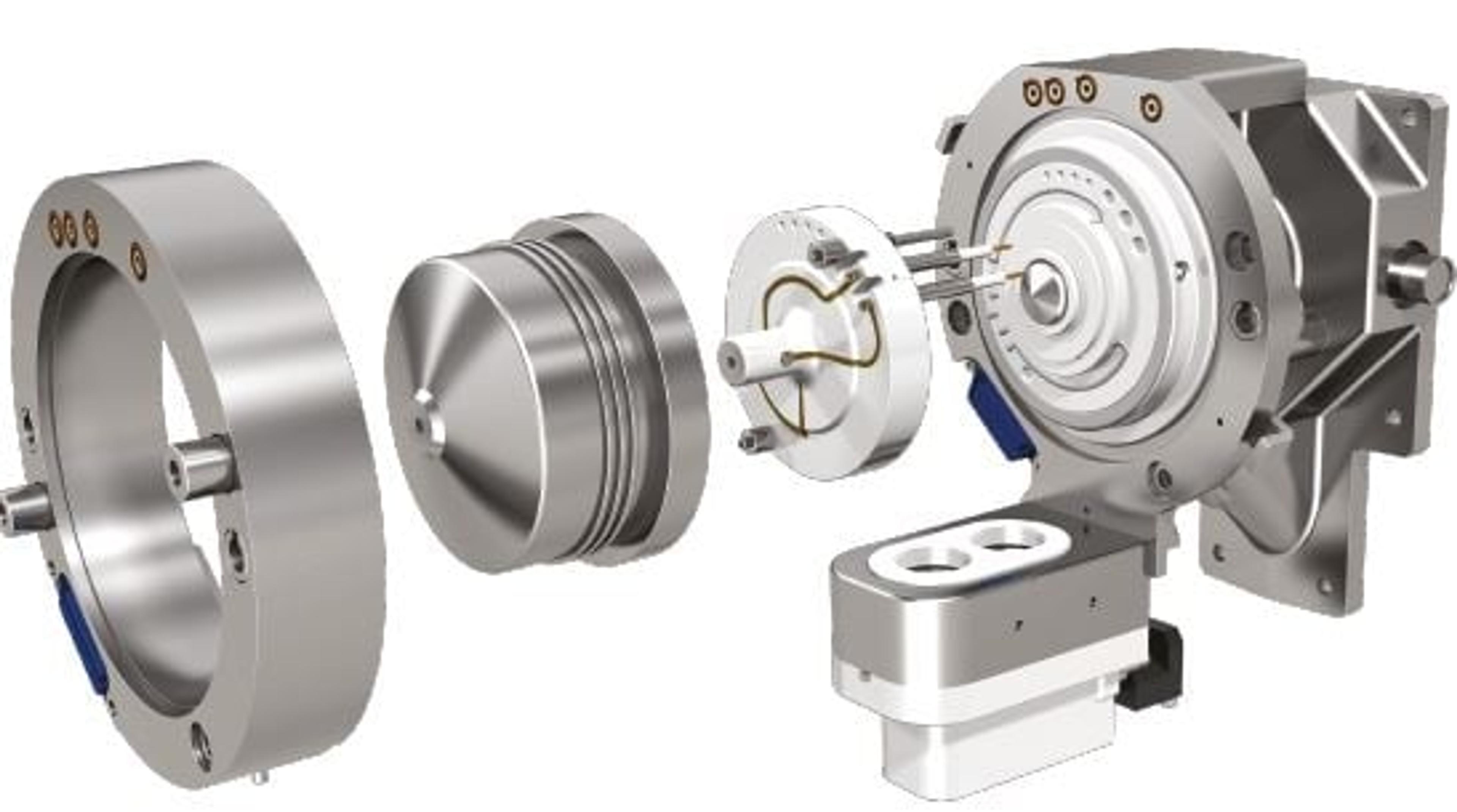
- Incomparable: Experience up to 7X greater sensitivity. Uncover new trace level analytes in your samples and get ready to reach quantification limits as low as 100 parts per quadrillion. Built with D Jet™ Ion Guide and integrated E Lens™ start detecting the previously undetectable and quantify at lower levels with impressive precision when analyzing your crude and complex samples. Get ready to expand and simplify your workflow with a linear dynamic range of up to six orders magnitude.
- Ingenious: The new the OptiFlow® Pro Ion Source is built on the foundation of the legendary Turbo V™ Ion Source. Whether it’s standard ESI and APCI workflow or even the option of setting up microflow workflows, you can achieve optimal spray conditions without manual adjustments. This durability and flexibility on the SCIEX 7500 System, offers you a wide compound class coverage to address your laboratory’s opportunities. Get ready to execute fast interchanges between high flow to low flow and microflow (1 µL/min) to analytical flow (up to 3 mL/min). The E Lens Technology further enhances the power and efficiency of the OptiFlow Pro Ion Source to create an increased field strength near the instrument orifice. This improves ion collection efficiency and drives more energetic ESI droplet desolvation. Experience increased sensitivity and up to a 2-fold improvement for peptides.
- Productive: Move your workflow to this highly sensitive instrument and quickly see measurable gains in productivity. Powered by SCIEX OS Software, it’s time to control, acquire, analyze, process, interrogate and report from an all-in-one software platform. Combine transparency and control to create the ideal security blanket for your laboratory. The software is complete with features and functions to operate in a 21 CFR Part 11 compliant environment. Access customizable tools that give you the flexibility to configure security settings to comply with your specific requirements. With SCIEX OS Software, you will have a GxP compliant LC-MS/MS software and a reliable validation support team behind you to get your SCIEX 7500 System up and running in your lab.
"

Improved LC-MRM quantification sensitivity for cyclic peptides from the natriuretic peptide family
In this application note, SCIEX demonstrates that the SCIEX Triple Quad 7500 LC-MS/MS System (QTRAP Ready) was able to quantify cyclic peptides (ANP and BNP) at 0.05 ng/mL in rat plasma with reproducibility, precision, accuracy, and linearity.
Ultra-sensitive quantification of intact insulin lispro in rat plasma
In this application note, SCIEX describes how a sensitive LC-MRM method was developed for the quantification of intact insulin lispro in rat plasma using the SCIEX Triple Quad 7500 LC-MS/MS System – QTRAP Ready. The OptiFlow® Pro Ion Source, together with the D Jet™ Ion Guide, promises significantly improved sensitivity for intact insulin analogues.

How to map disease-specific changes using innovative LC-MS/MS-based omics approaches
June 26, 2025 – 16:00 BST / 17:00 CEST / 11:00 EDT / 08:00 PDT
Mass spectrometry coupled with liquid chromatography (LC-MS/MS) has become a cornerstone of clinical research for the analysis of biomarkers indicative of disease. The integration of this technology across omics applications provides significant advantages in terms of assay sensitivity, specificity, robustness, and multiplexing. These benefits are enabling researchers to gain new insights into disease etiology and pathogenesis through the identification and quantitation of disease-specific biomarkers.
In this webinar, Professor Martin Giera, Leiden University Medical Center and Professor Antonin Lamazière, Sorbonne University and Saint Antoine’s Hospital, will demonstrate how the latest advancements in mass spectrometry-based omics are providing a comprehensive assessment of disease mechanisms and patient-specific treatment responses.
The presentations will showcase several examples of how the integration of LC-MS/MS technology across various omics applications provides disease state evaluation and monitoring, ultimately resulting in more personalized and effective patient care.
Key learning objectives
- Learn best practices for the development and implementation of LC-MS/MS assays for biomarker identification and quantitation
- Discover novel, LC-MS/MS-based metabolomic and lipidomic workflows that provide semiologic indications and understanding of disease pathogenesis
- Explore recent technological advancements in LC-MS/MS hardware and bioinformatics improving performance for biomarker discovery and quantitation
- Understand the benefits of sensitive MS techniques to establish mapping of changes in the human lipidome and metabolome linked to disease onset and progression
Who should attend?
Anyone in a clinical laboratory interested in the development of LC-MS/MS-based clinical research, biomarker discovery, and assay development. Clinical researchers, healthcare professionals, biomarker discovery experts, laboratory directors, scientists, method/assay developers, and laboratory personnels who wish to learn about best practices for assay development and LC-MS/MS methods to accurately and reliability characterize, identify, and quantify biomarkers in clinical samples.
Certificate of attendance
All webinar participants can request a certificate of attendance, including a learning outcomes summary, for continuing education purposes.
If you view the on-demand webinar, you can request a certificate of attendance by emailing editor@selectscience.net.
Go beyond with the SCIEX Triple Quad™ 7500 LC-MS/MS System – QTRAP<sup>®</sup> Ready
GO BEYOND the limits of sensitivity with the SCIEX Triple Quad™ 7500 LC-MS/MS System – QTRAP® Ready.
Small molecule therapeutics continue to have a big impact on the pharmaceutical industry
Discover the latest technologies and methods advancing small molecule therapeutic discovery and development, from PROTAC quantification to microsampling innovations
Top methods and technologies advancing the field of mass spectrometry
Explore exclusive interviews, methods, and free downloads to help you optimize your mass spectrometry experiments