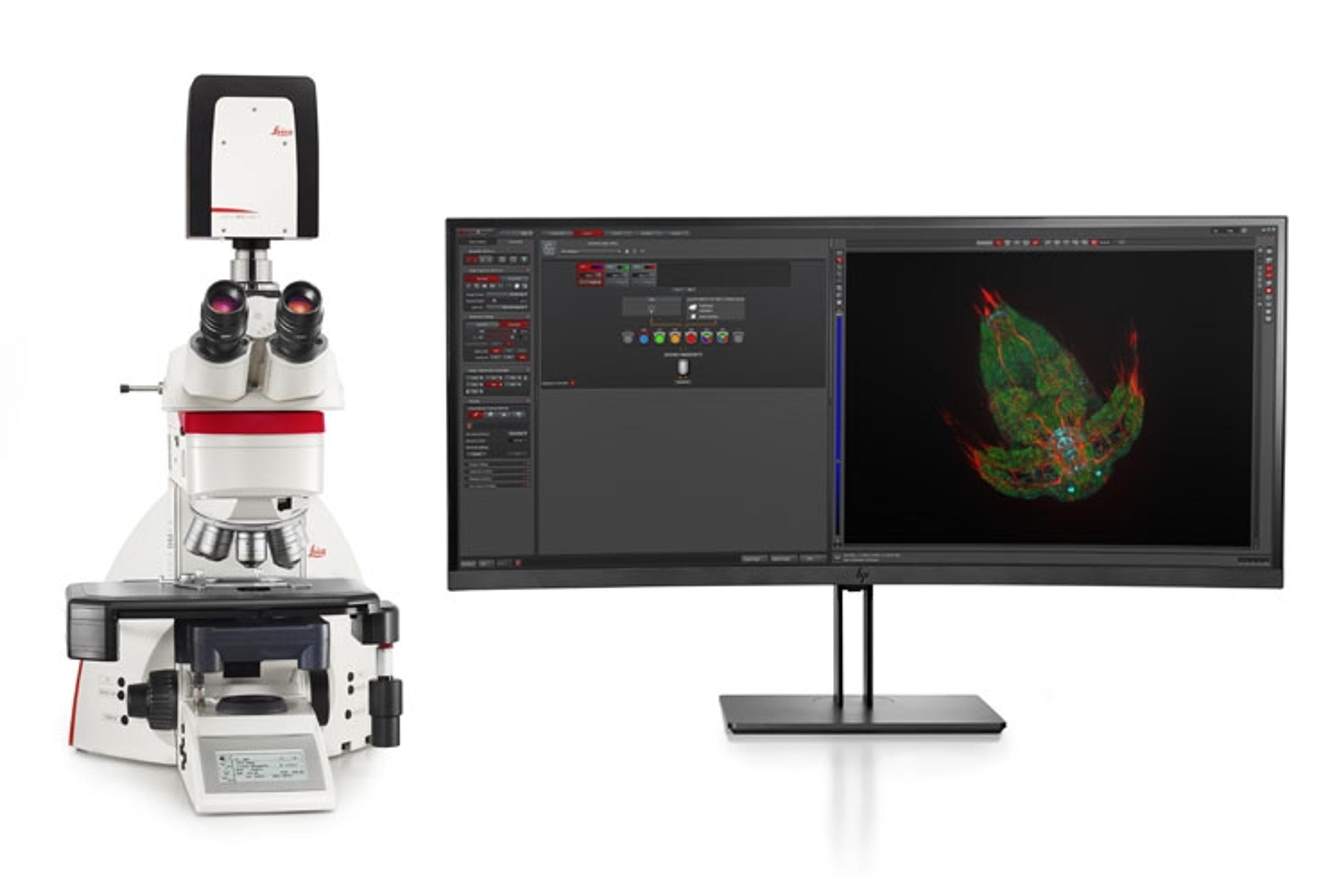
THUNDER Imager Tissue
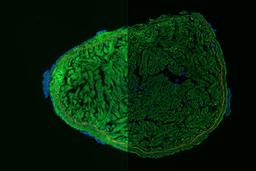
Real-time fluorescence imaging of 3D tissue sections typically used in neuroscience and histology research
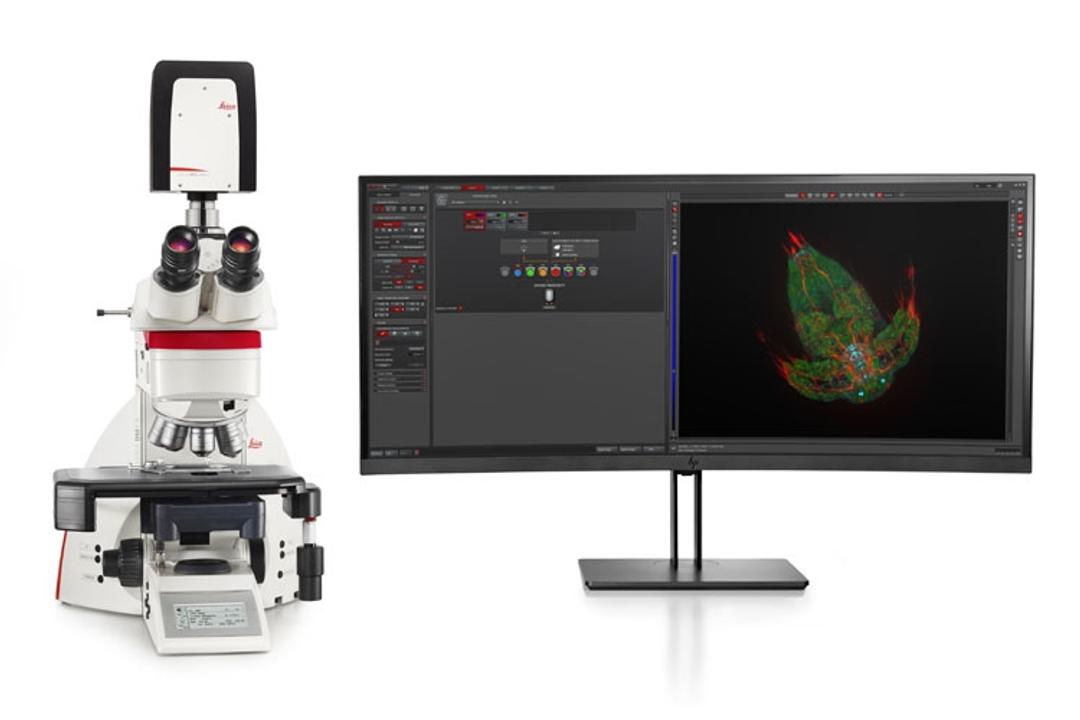
THUNDER Imager Tissue - Cyclops
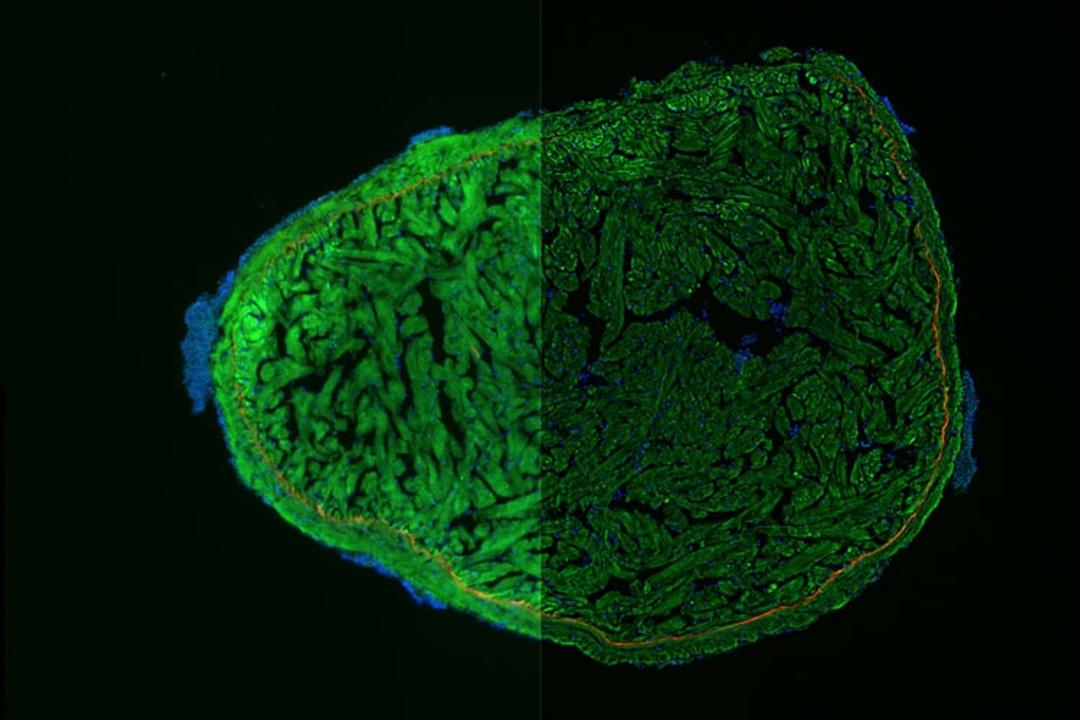
Courtesy Anna Jazwinska, Uni Fribourg (FR)
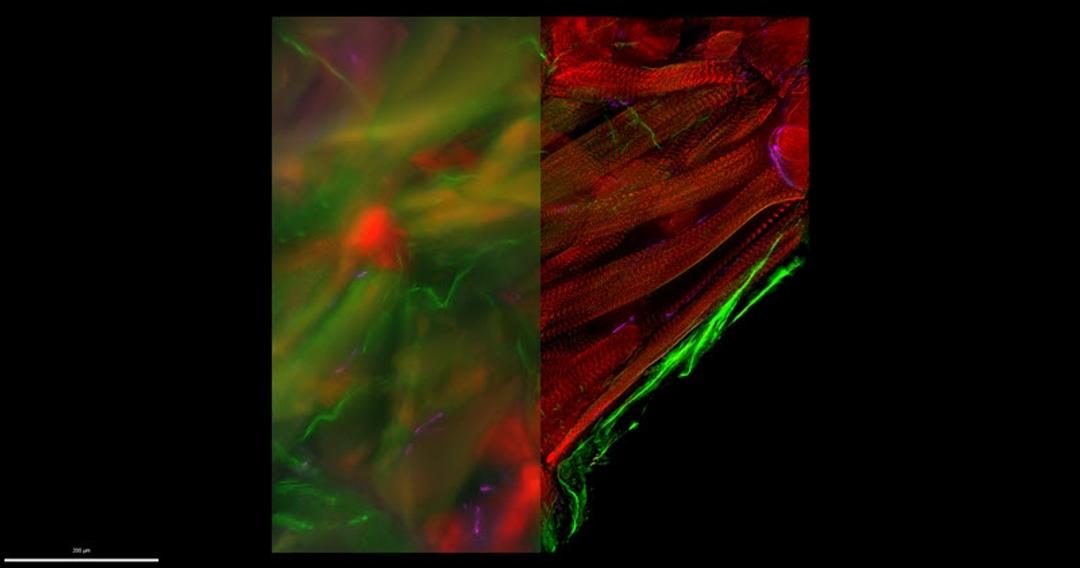
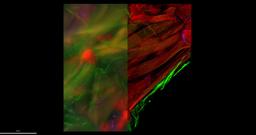
Courtesy Dr. Amicia Elliott, NIH/NIMH, Bethesda, MD



The supplier does not provide quotations for this product through SelectScience. You can search for similar products in our Product Directory.
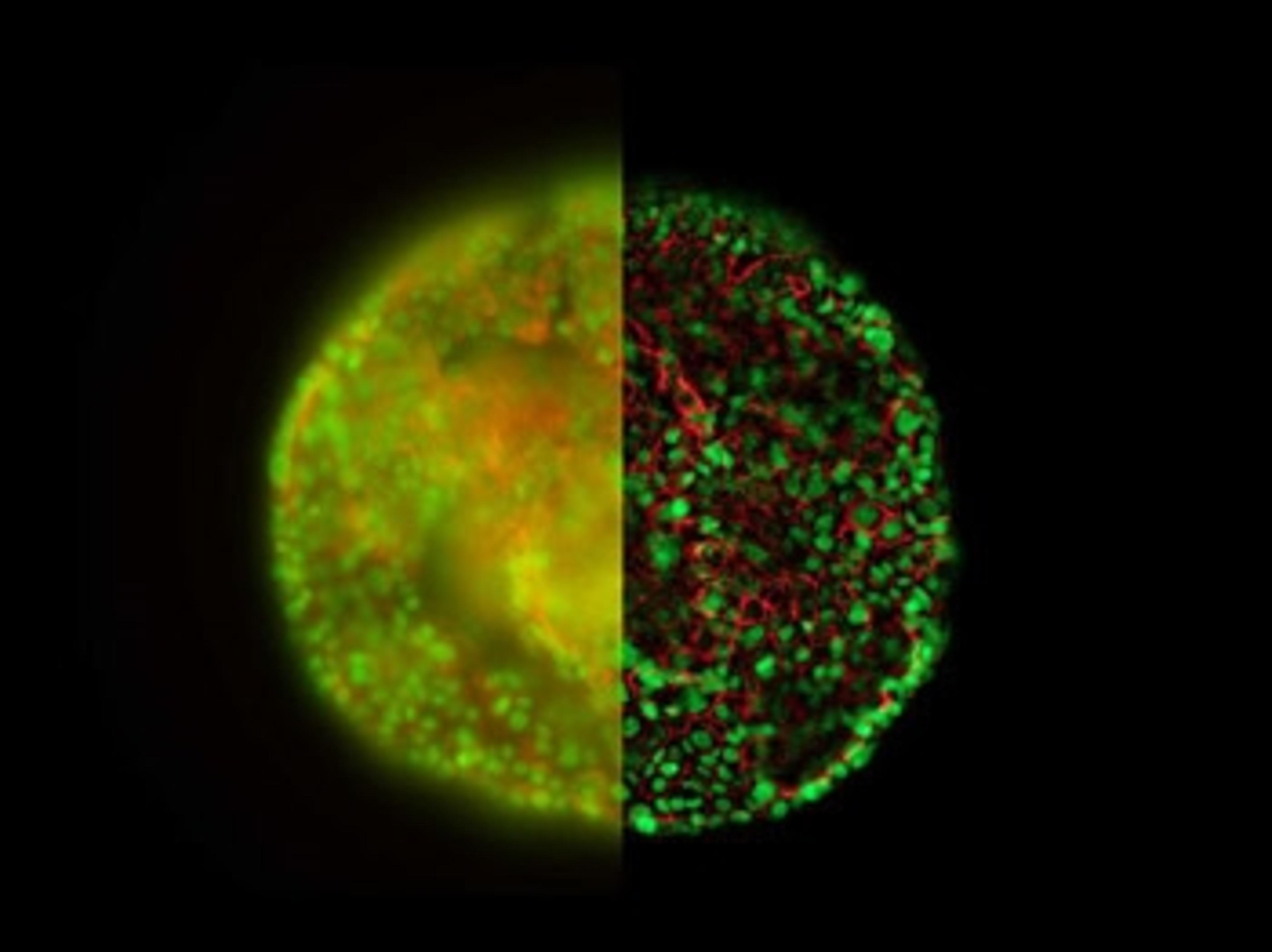
The THUNDER Imager Tissue allows real-time fluorescence imaging of 3D tissue sections typically used in neuroscience and histology research. Acquire rich, detailed images of thick tissues free of haze from out-of-focus blur. Even fine structures deep in tissues can be resolved thanks to Computational Clearing, an innovative Leica technology. Image detailed morphological structures like axons and dendrites of neurons in a brain slice. The high image quality, even with thick tissue sections, is combined with the well-known speed, fluorescence efficiency, and ease of use of widefield microscopes.
Advantages for your research are:
- Rapidly acquire blur-free images showing finest details of the morphology, even deep within thick sections
- Get fast overviews of whole tissue sections
- Image and analyze challenging tissue sections with an easy workflow
THUNDER Imagers feature the innovative Leica technology Computational Clearing. It efficiently removes out-of-focus blur in real time, enabling the meaningful use of 3D specimens with camera-based fluorescence microscopes. The high sensitivity of the system ensures low phototoxicity and photobleaching, i.e., higher throughput with optimal conditions.
Find the THUNDER Imager that’s right for you
The THUNDER Imager Tissue is part of the THUNDER family of imaging systems. Whether you are looking for a dedicated high-end imaging system that excels in a given application, or a versatile solution for a lab running different kinds of assays with various samples, we’ve got you covered.
Brochures

THUNDER Imaging Systems
THUNDER Imagers with Computational Clearing define a new class of instruments for high-speed, high-quality imaging of thick 3-dimensional specimens.

The power of spatial biology: A microscopy guide
Location is key to understanding biological mechanisms, from the inner workings of subcellular components to how cells form and interact across normal and diseased tissues.
Many application areas are seeing a growing trend toward spatial biology, which uses transcriptomics, imaging, and other approaches to put dissociated cellular information into spatial context.
In this free eBook, explore key microscopy techniques, across the spatial biology workflow, including:
- Multiplexing
- Laser microdissection
- Removing the blur to observe fine details
- Super-resolution microscopy
- Ultra-structural context
- AI-enabled spatial analysis
Plus, we look "under the microscope" at how these can be applied to study a wide range of spatial biology questions and gain expert insight into the imaging solutions designed to meet a variety of different research needs and priorities.
The power of pairing adaptive deconvolution with Computational Clearing
Deconvolution is a computational method used to restore the image of the object that is corrupted by the point spread function (PSF) along with sources of noise. In this technical brief, learn how the deconvolution algorithm offered by Leica Microsystems allows you to overcome losses in image resolution and contrast in widefield (WF) fluorescence microscopy due to the wave nature of light and the diffraction of light by optical elements. Explore the methods of user-controlled or automated deconvolution to see and resolve more structural detail.
An introduction to Computational Clearing - A new method to remove out-of-focus blur
Commonly in widefield (WF) microscopy, the imaging of objects in the object plane results in captured images that are compounded by image haze (referred to as background noise). The presence of background noise in an image obscures structural features from being resolved. Many software packages include background subtraction algorithms to enhance the contrast of features in the image by reducing background noise. The most common methods used to remove background noise from WF images are rolling ball and sliding paraboloid. Recently, Leica Microsystems introduced their own background subtraction method called Instant Computational Clearing (ICC), which is present in all Leica THUNDER WF imaging platforms. Find out more about how the technology works.
Quantitative segmentation of single cells in retina sections with the THUNDER Imager 3D Tissue
The segmentation of single cells can be a pain point in angiogenic research using retina sections. With the THUNDER Imager 3D Tissue from Leica Microsystems it's now possible.

CrestOptics and Leica Microsystems collaborate to expand capabilities of spinning disk microscopy
The partnership will incorporate CrestOptics' CICERO spinning disk imaging unit within Leica Microsystems' THUNDER Imager Cell system
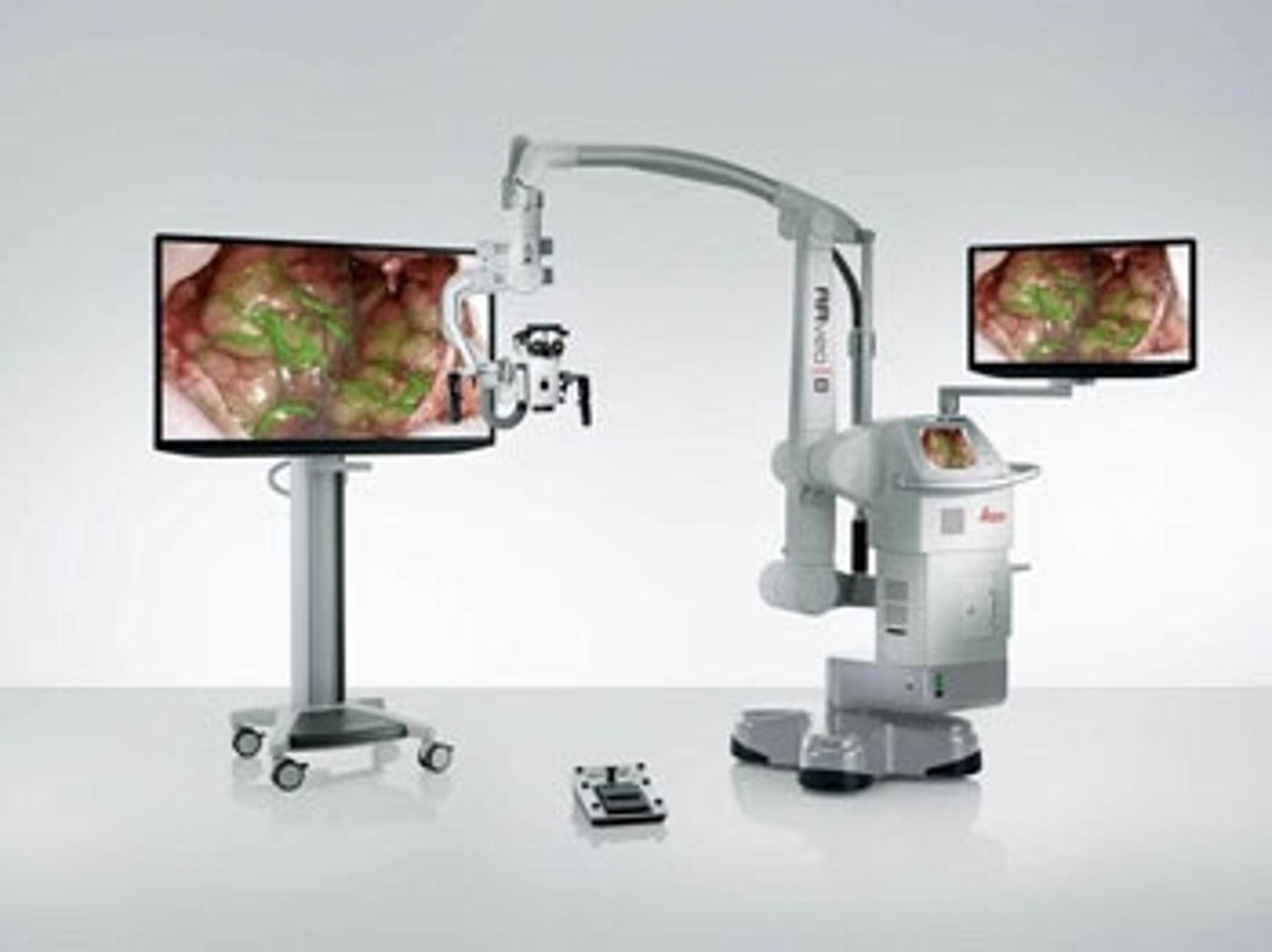
Ultra-fast ARveo 8 advances possibilities for digital neurosurgery
Introducing the next-generation digital visualization microscope from Leica Microsystems
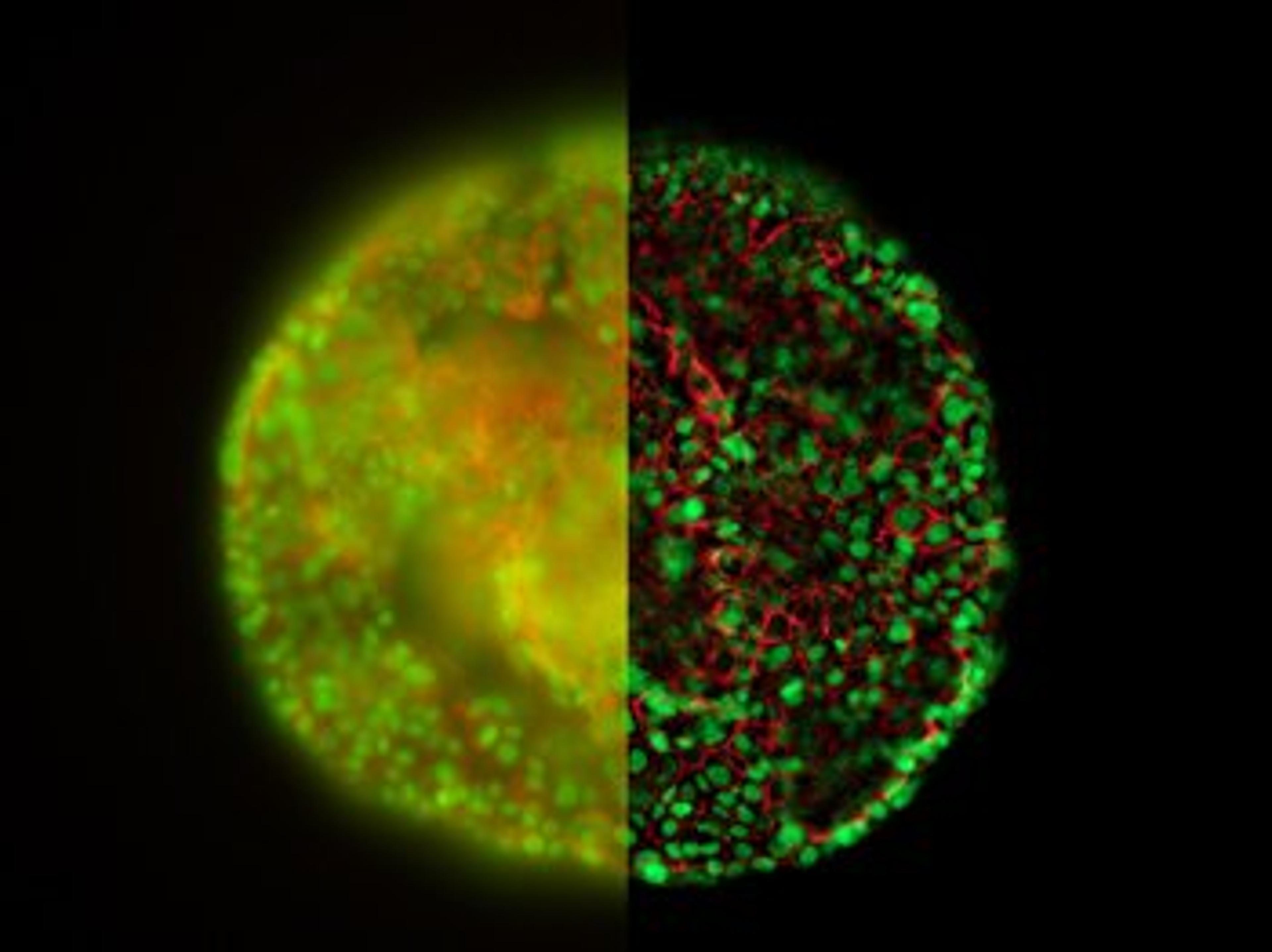
Cut Through the Haze: Can the Latest 3D Imaging Technology Help You Remove Out-of-Focus Blurring?
In this article, discover how Computational Clearing technology from Leica Microsystems quickly resolves the longstanding challenge of blurry contrast when imaging thick sections
New Leica imagers set to transform visualization of 3D samples
The THUNDER imager family enables users to decode 3D biology in real-time*