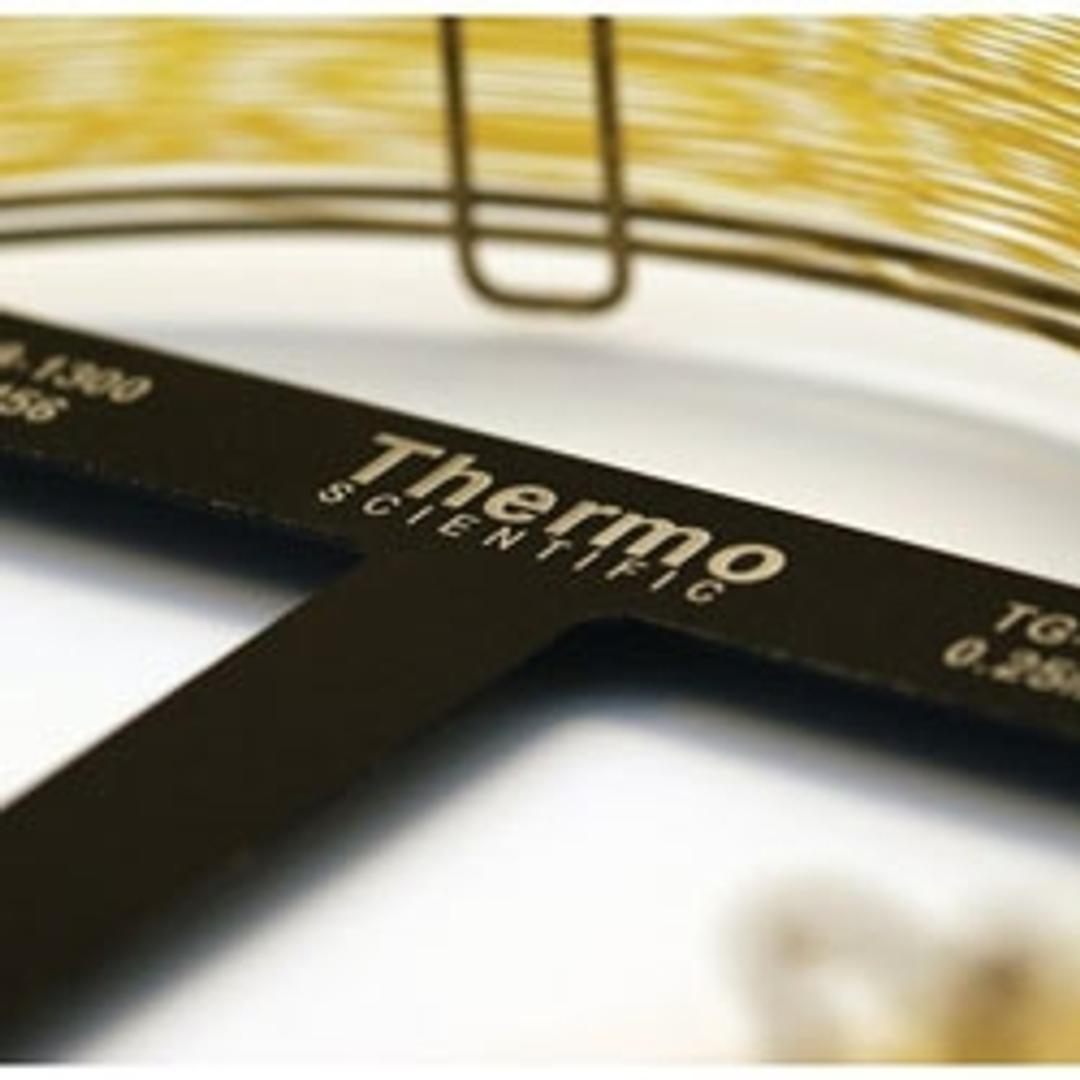
Thermo Scientific™ TraceGOLD TG-5SilMS GC Columns
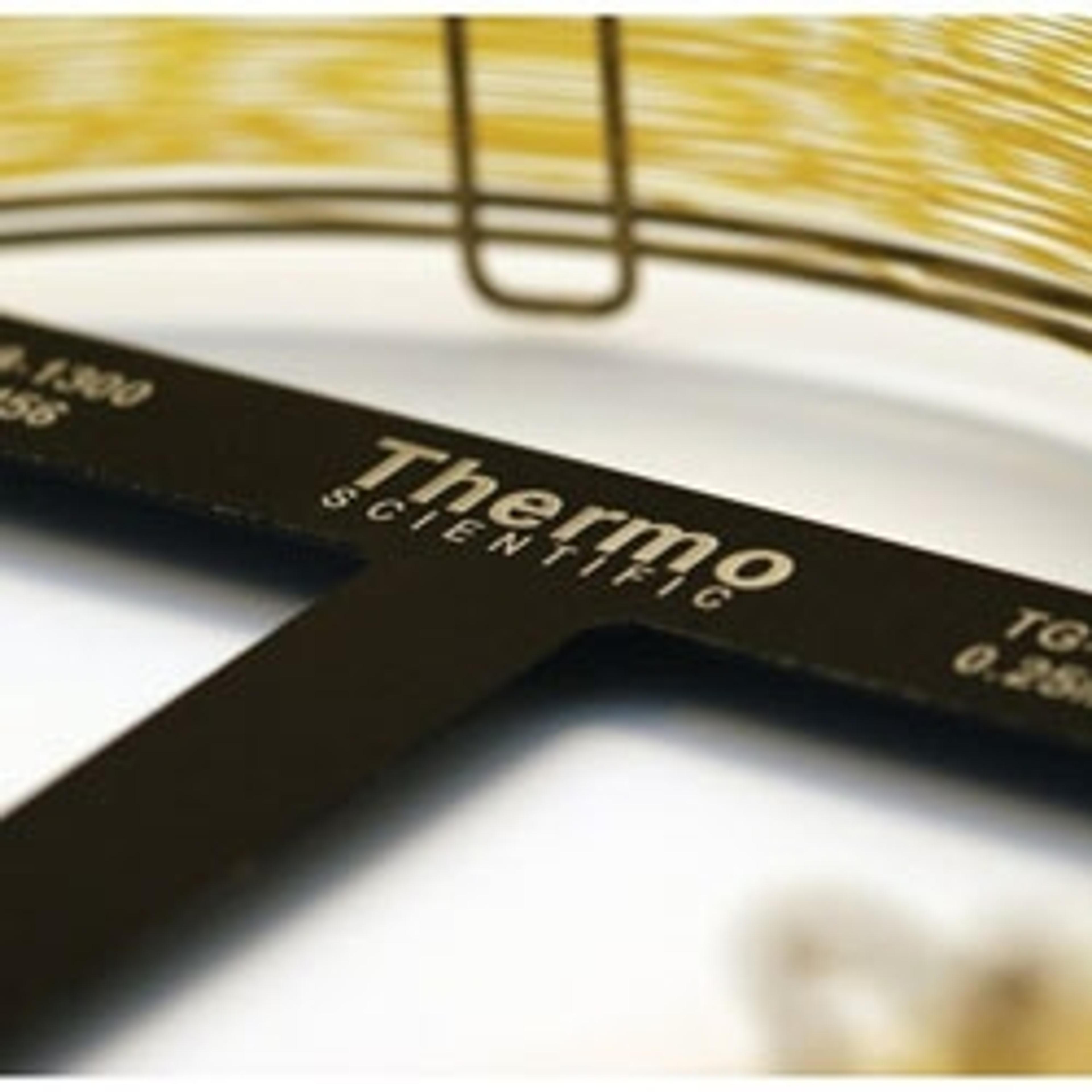
Thermo Scientific™ TraceGOLD TG-5SilMS GC Columns incorporate phenyl groups in the polymer backbone for improved thermal stability, reduced bleed and reduced susceptibility to oxidation.


The supplier does not provide quotations for this product through SelectScience. You can search for similar products in our Product Directory.
Very rugged column. Consistent performance even after 1000 GC injections.
Analysis of cosmetics and personal care products
The GC capillary column is of utmost importance in analyzing samples, even at high sample concentrations. I have especially used these columns for the analysis of some preservatives, stabilizers etc, in the cosmetics and personal care products.
Review Date: 31 Jan 2019 | Thermo Fisher Scientific
- Low polarity, silarylene phase with selectivity comparable to 5% diphenyl/95% dimethyl polysiloxane
- Designed for low bleed and outstanding inertness
- Similar to DB-5MS, VF-5ms, CP-Sil 8 Low-Bleed/MS, Rxi-5Sil MS, BPX5, ZB-5ms, Optima-5MS, SLB-5
Recommended for:
- GC/MS applications using ion-trap systems
- Polycyclic aromatics
- Hydrocarbons including chlorinated hydrocarbons
- Phthalates
- Phenols
- Amines
- Organophosphates

Identification of microplastic particles in environmental water and food using pyrolysis GC with high-resolution Orbitrap mass spectrometry
Microplastics are widely present in the terrestrial and aquatic environment and can easily migrate from the environment into the food chain due to their small size, posing a threat to human health. Microplastics originate from cosmetic and medical products, and from debris formed through the fragmentation of larger items made from synthetic polymers. Thermo Fisher Scientific demonstrates the effectiveness of pyrolysis-gas chromatography-Orbitrap™ mass spectrometry for the detection and identification of common polymers in food and environmental samples. Discover how this analytical approach enables time-saving detection of bulk amounts of micro- and nanoplastics below the lower size limit of conventional microscopy techniques.