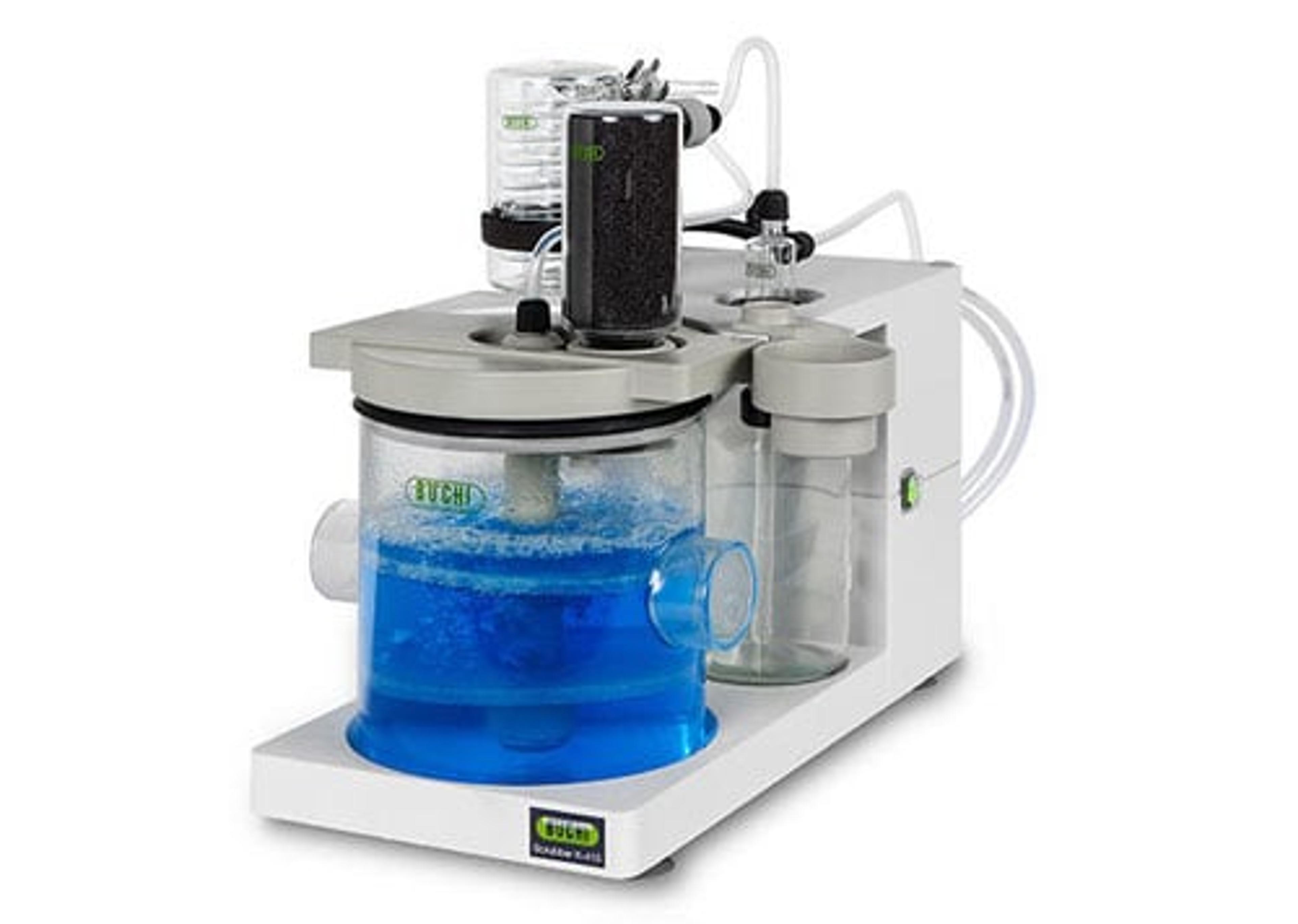
Scrubber K-415
Optimized occupational safety during the Kjeldahl process
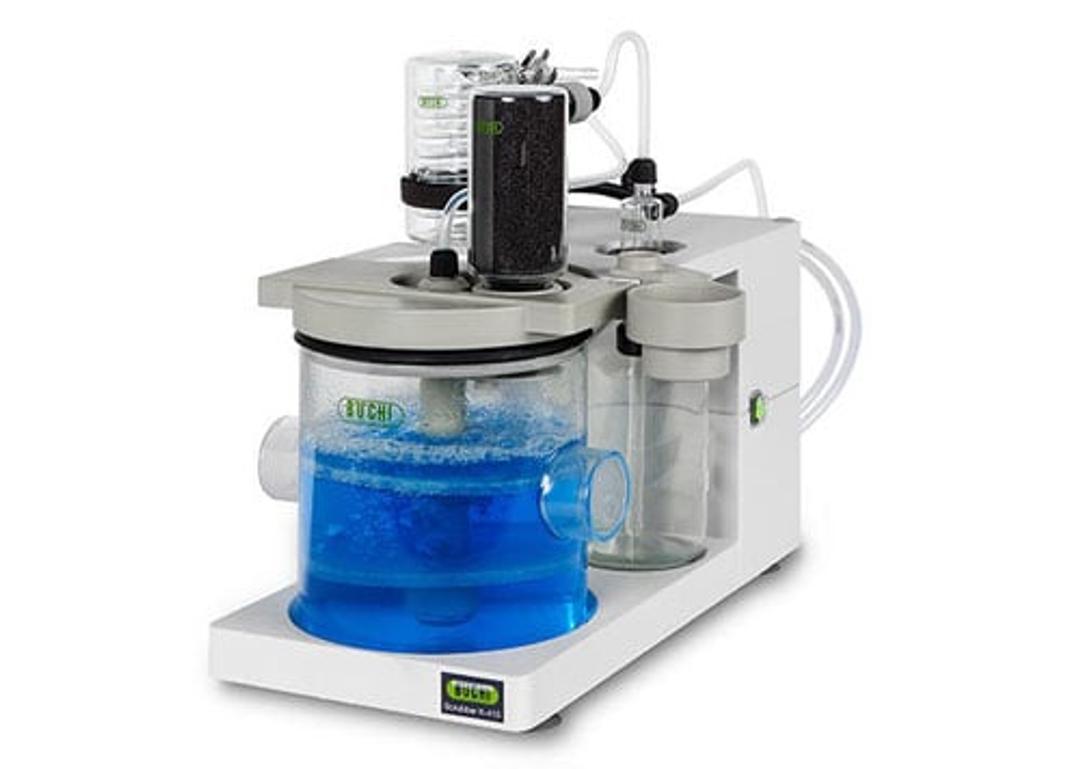
Scrubber K-415 optimizes workplace safety

The supplier does not provide quotations for this product through SelectScience. You can search for similar products in our Product Directory.
Effective and easy to maintain.
Analyze substances containing nitrogen (Variation of a kjehldall analysis)
Very easy to use and maintain, has not failed us so far and neutralized all sulfuric acid vapor effectively.
Review Date: 15 Mar 2021 | BUCHI
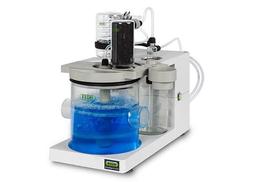
Scrubber K-415 operates with four cleaning steps to provide maximal user safety. The instrument protects both the operator and the environment by neutralizing poisonous fumes, reactions gases and by reducing the use of cooling water.
- Wide range of applications due to the following cleaning steps: Pre-condensation of fumes, Neutralization of acid or alkaline fumes, Adsorption of organic and inorganic compounds, Redox-reactions of specific fumes
- Eliminates exposure of the user to harmful acid fumes
- Self-contained design that increases workplace safety
- Control of sample dryness through adjustable suction power
- Highly efficient neutralization thanks to large contact area between gas and liquid
- Scrubber ECO model with automatic cooling water control
- Full compatibility and control of the scrubber via the Kjeldahl digester
- No fume hood corrosion
- Swirl discs guarantee optimal neutralization efficiency
- Effortless evaporation of water samples

Kjeldahl Proficiency Guide
The Kjeldahl Proficiency Guide from BUCHI aims to help you understand the chemical basis for various nitrogen determination processes and to carry them out. The deeper understanding of the procedure will help laboratory personnel, laboratory supervisors, students and teachers to optimize the individual method and increase the reliability of the results.
Nitrogen determination in urea
In this application note, BUCHI highlights the reliability and reproducibility of the KjelDigester K-449 and KjelMaster System K-375 for the determination of nitrogen in urea.
Guidebook to proximate analysis
A method for the quantitative analysis of the different macronutrients in food stuff is called proximate analysis. Nutritional analysis began in 1861 and since then it has have been continuously developed, modified and improved. The analysis uses combination of techniques to determine protein, fat, moisture, ash and carbohydrates that are well documented due to the need for legal declaration requirements.
Kjeldahl knowledge base: Nitrogen and protein determination
Comprehensive guide covering all aspects of theoretical and practical nitrogen and protein determination according to Kjeldahl. The guide helps you to understand the method and enables you to set up experiments correctly.
Tips & tricks from BUCHI experts
Bring your instruments up to full performance with tips and recommendations from practical experience. These tips & tricks can make your daily lab work easier, safer and more sustainable.
Food process analytics guidebook
In this application note is a view of modern food and beverage analysis methods, with a focus on incoming goods inspections and how the ‘time factor’ plays an important role. The guidebook shows you the process of incoming goods inspections and selected methods for dealing with them.