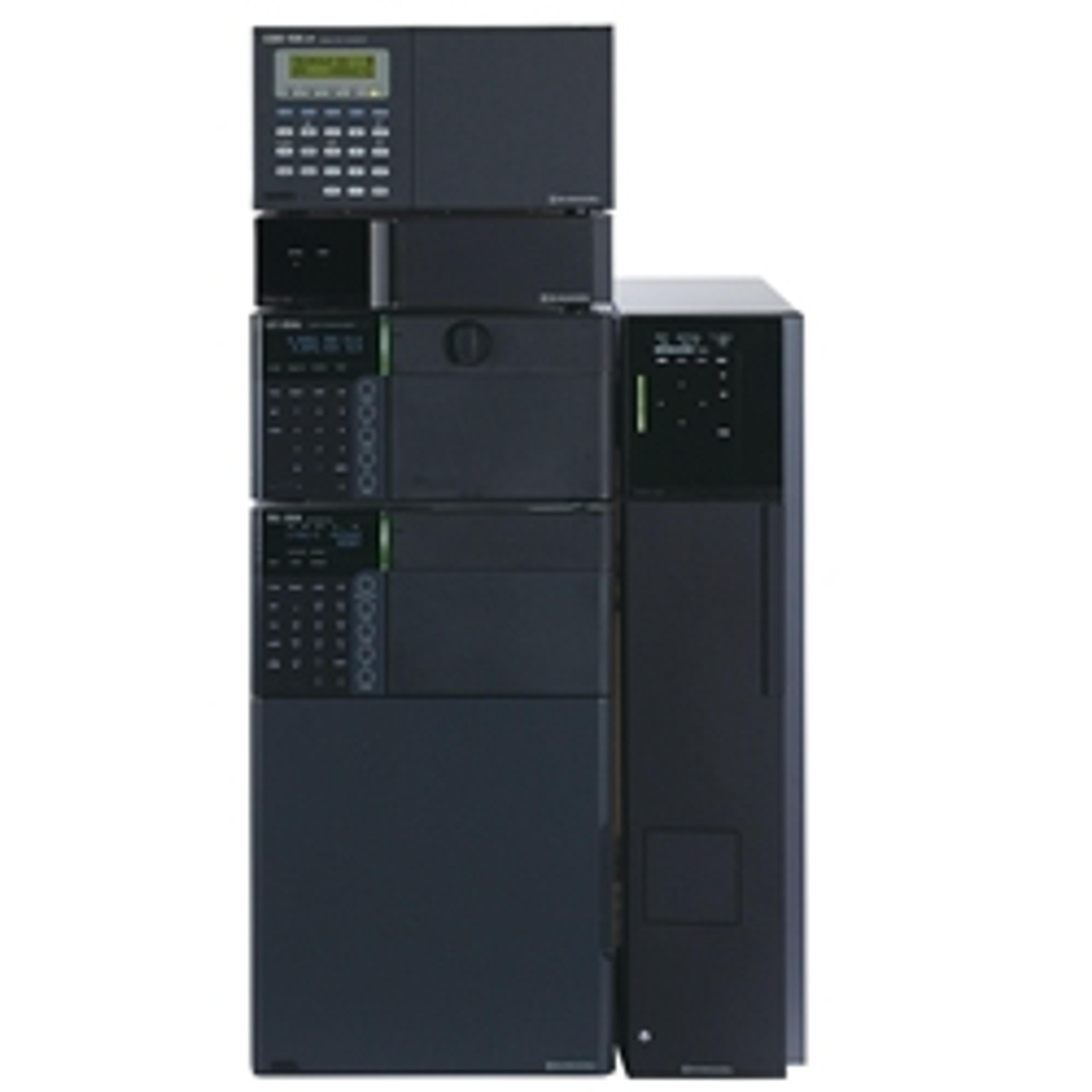
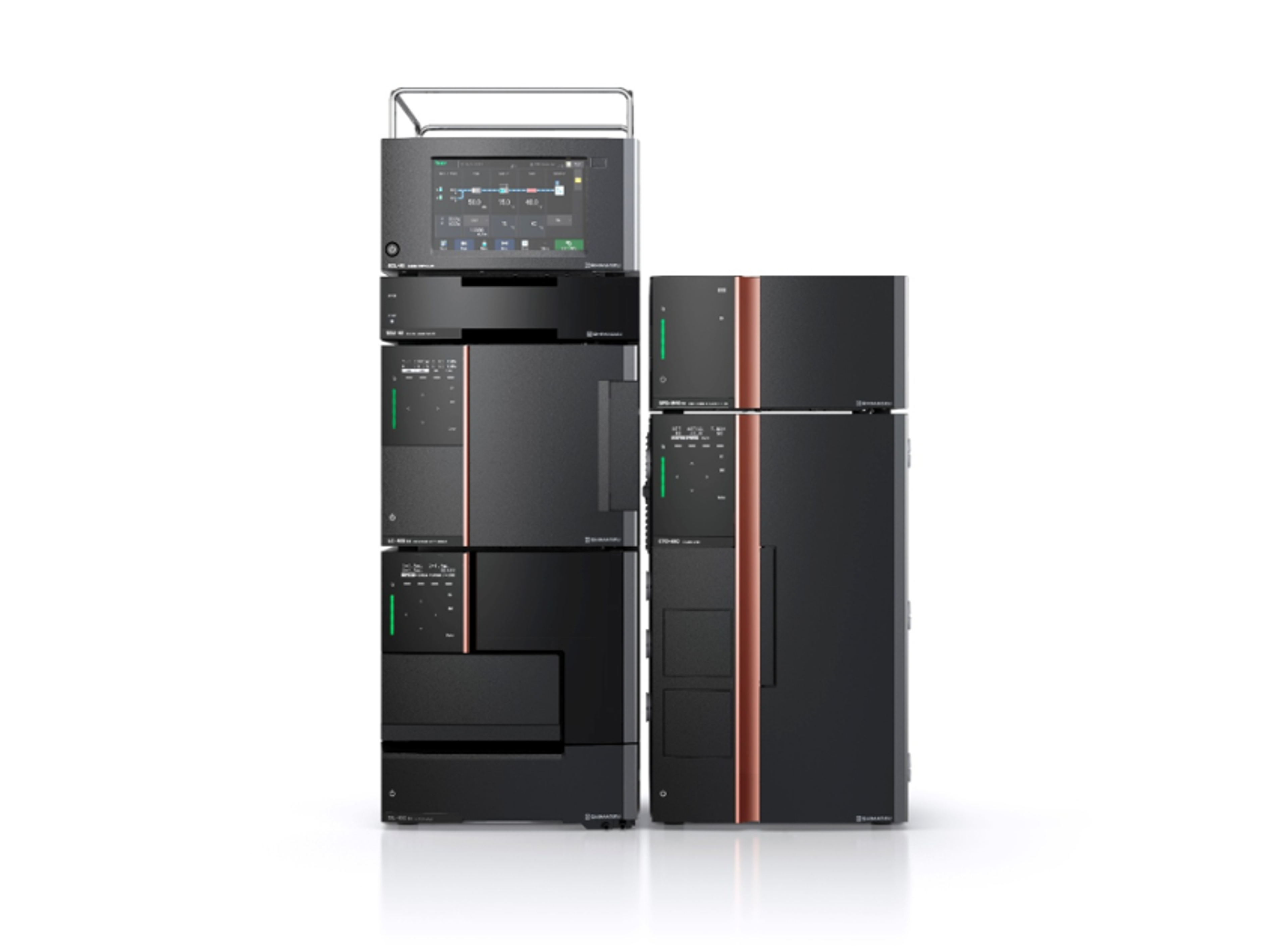
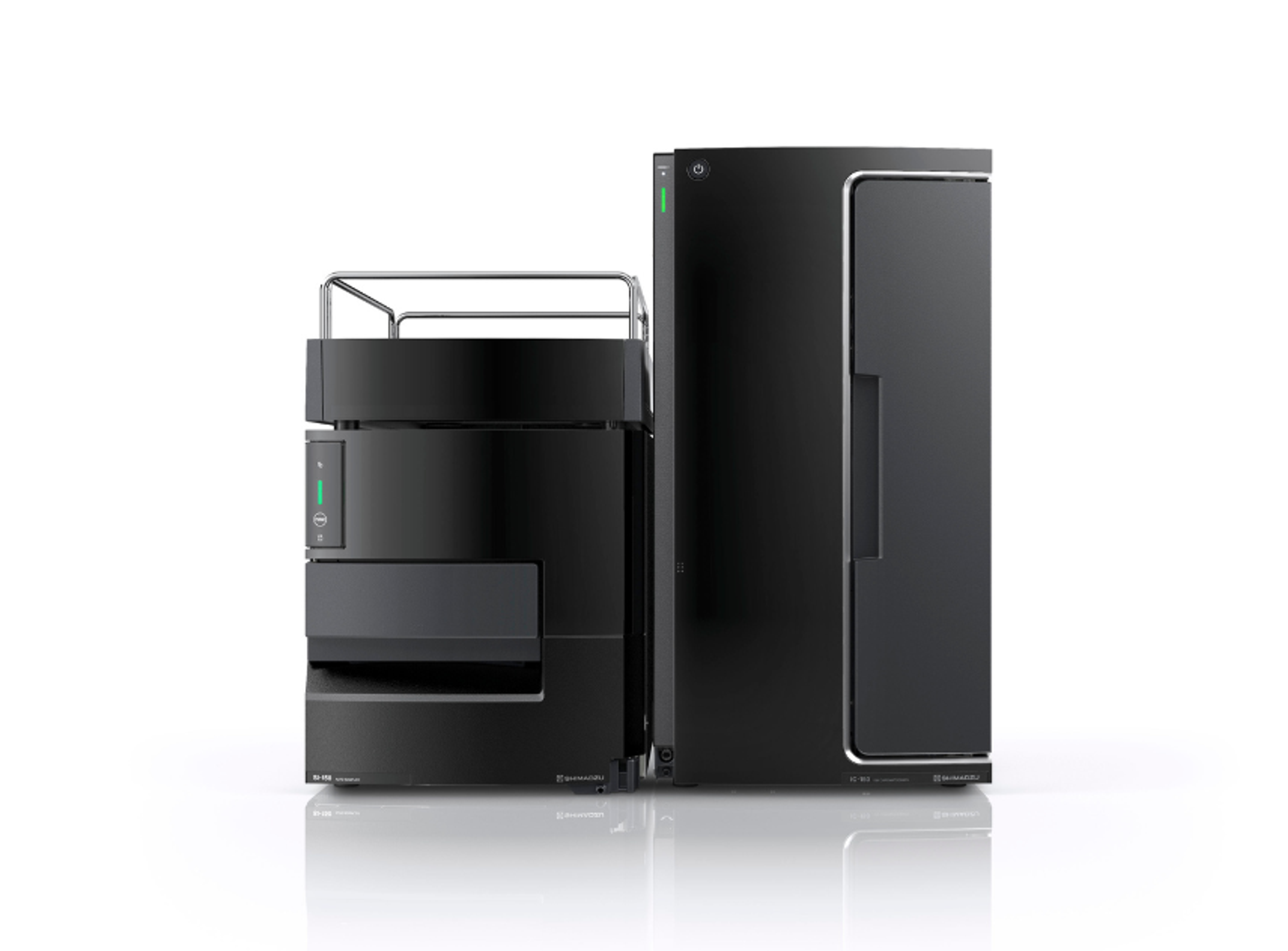
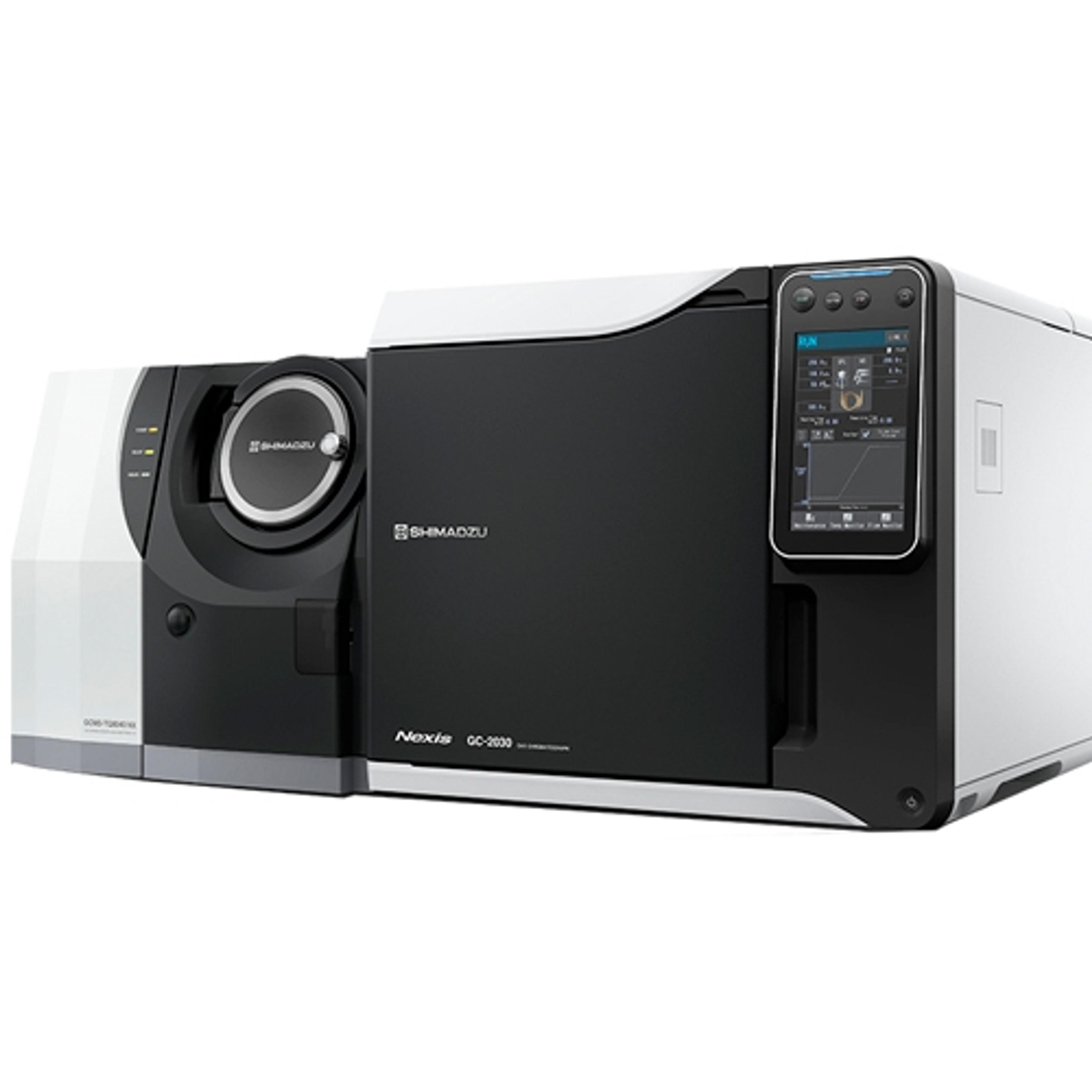
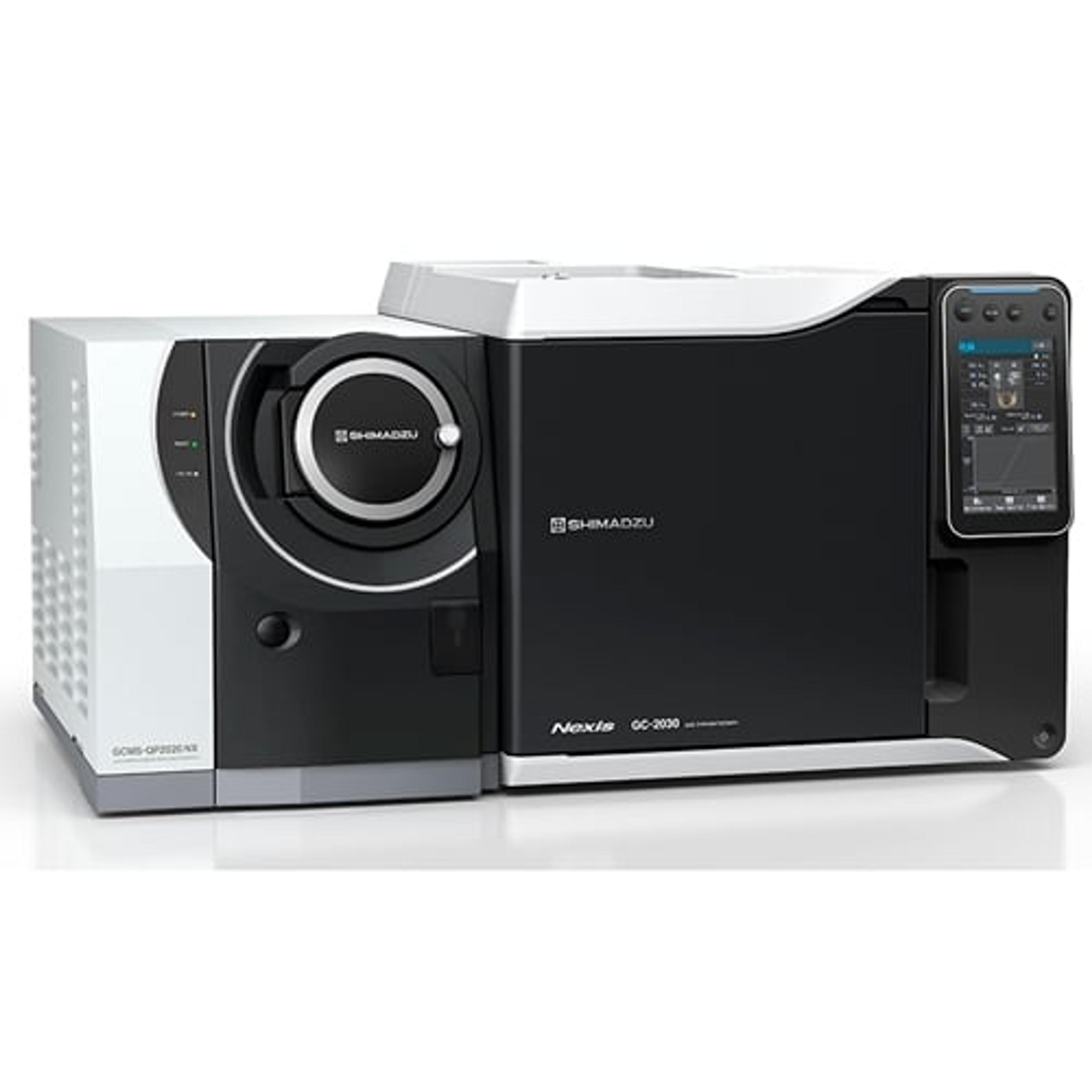
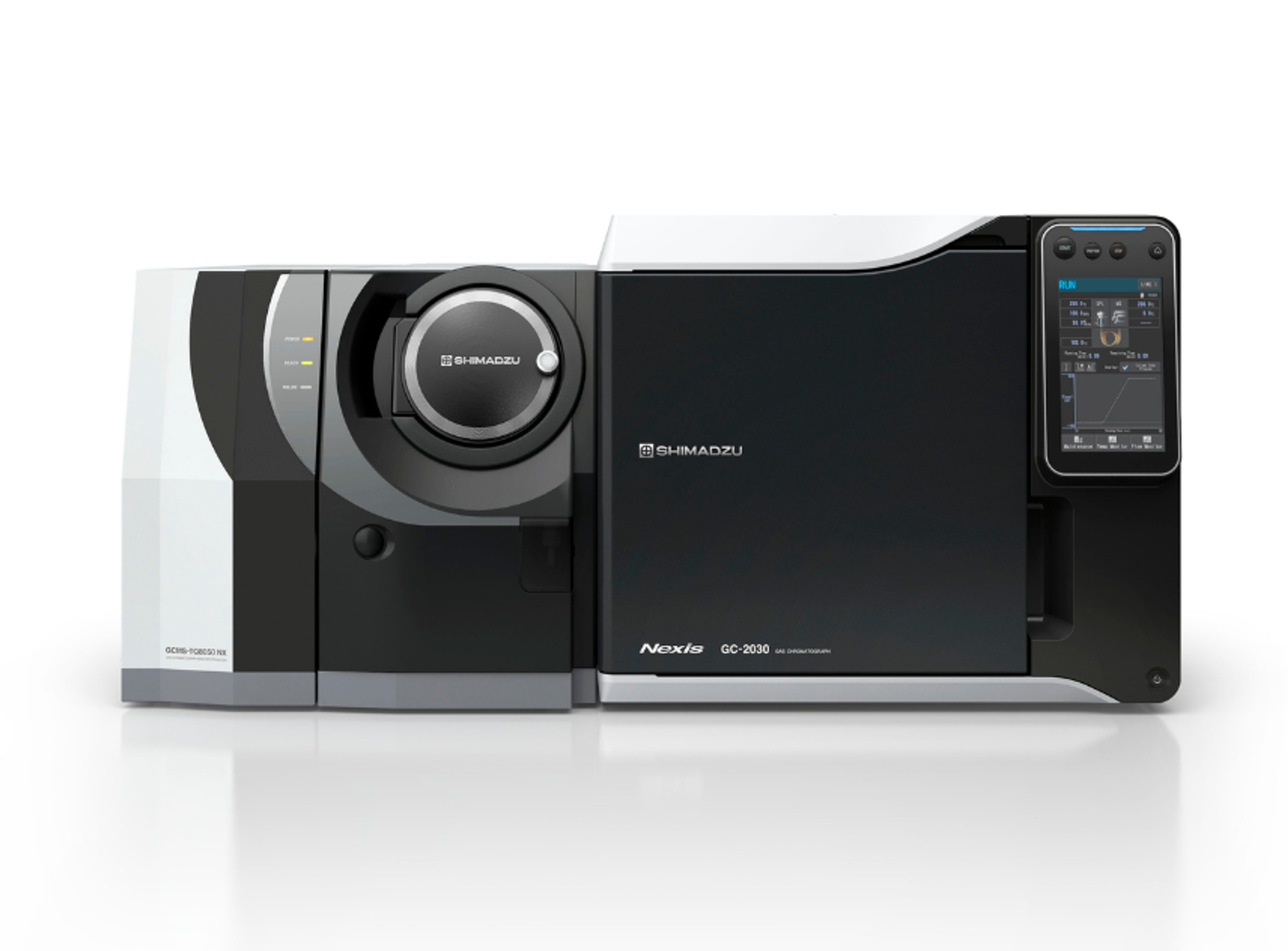
Prominence Ion Chromatograph
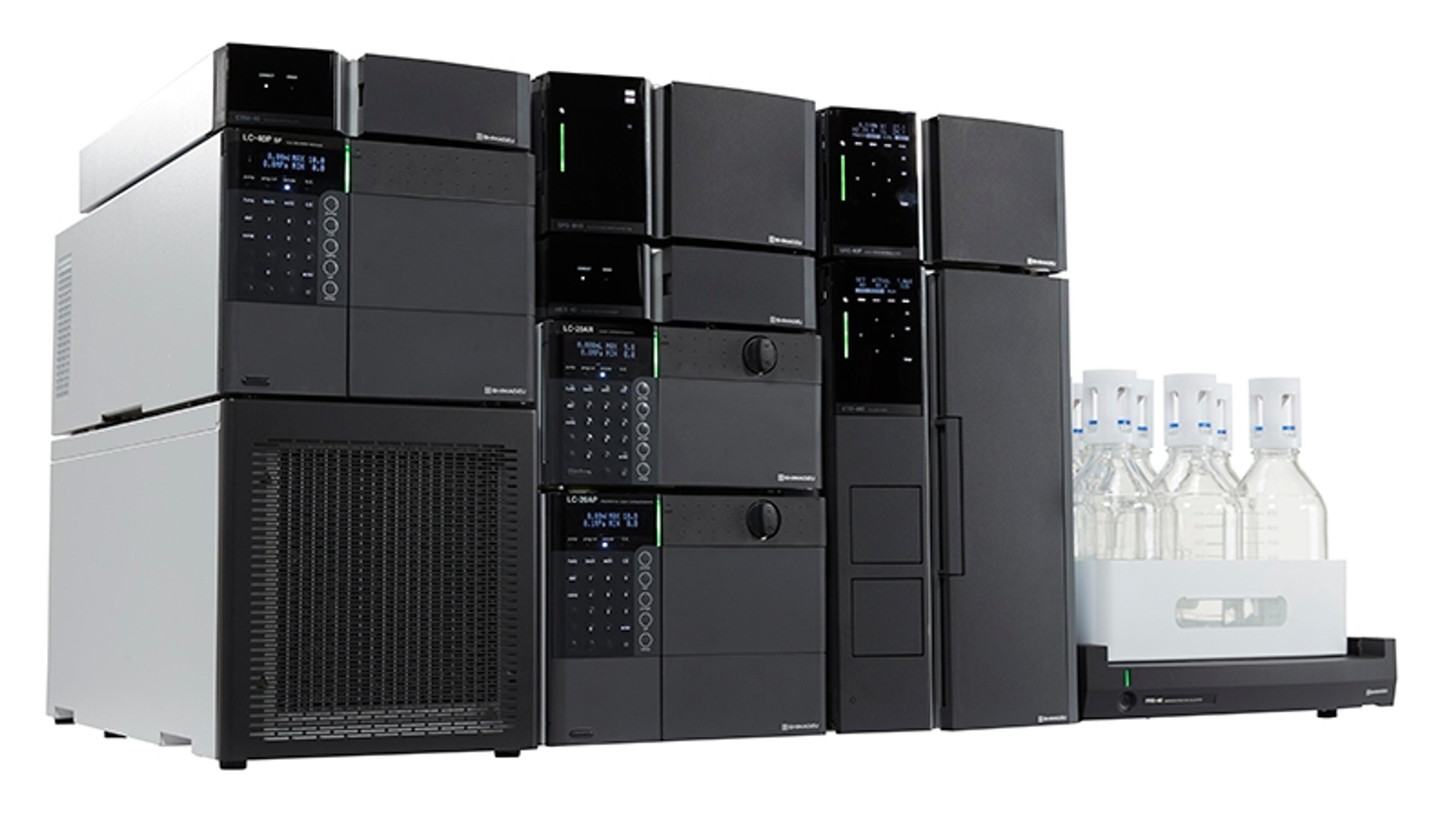
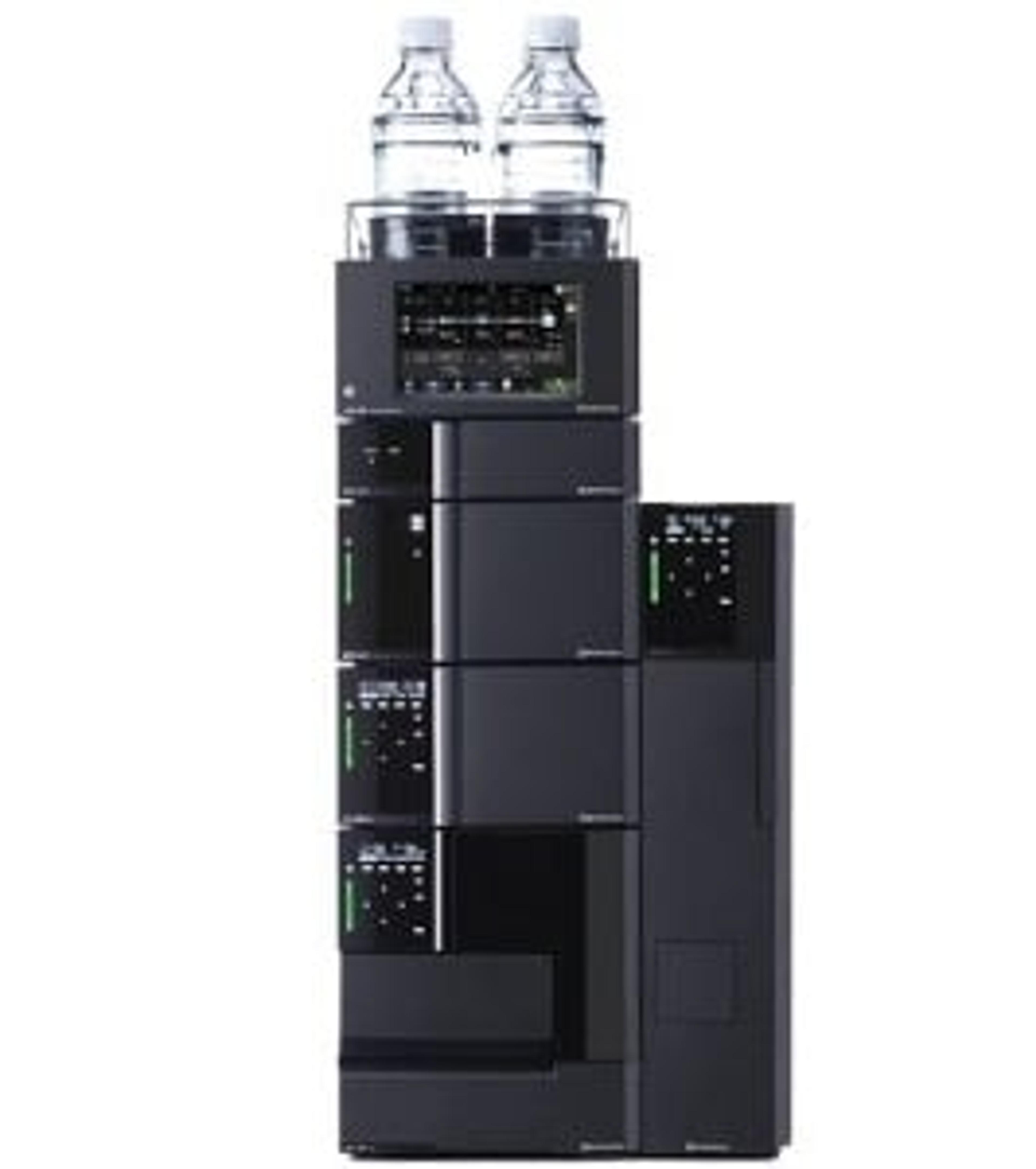
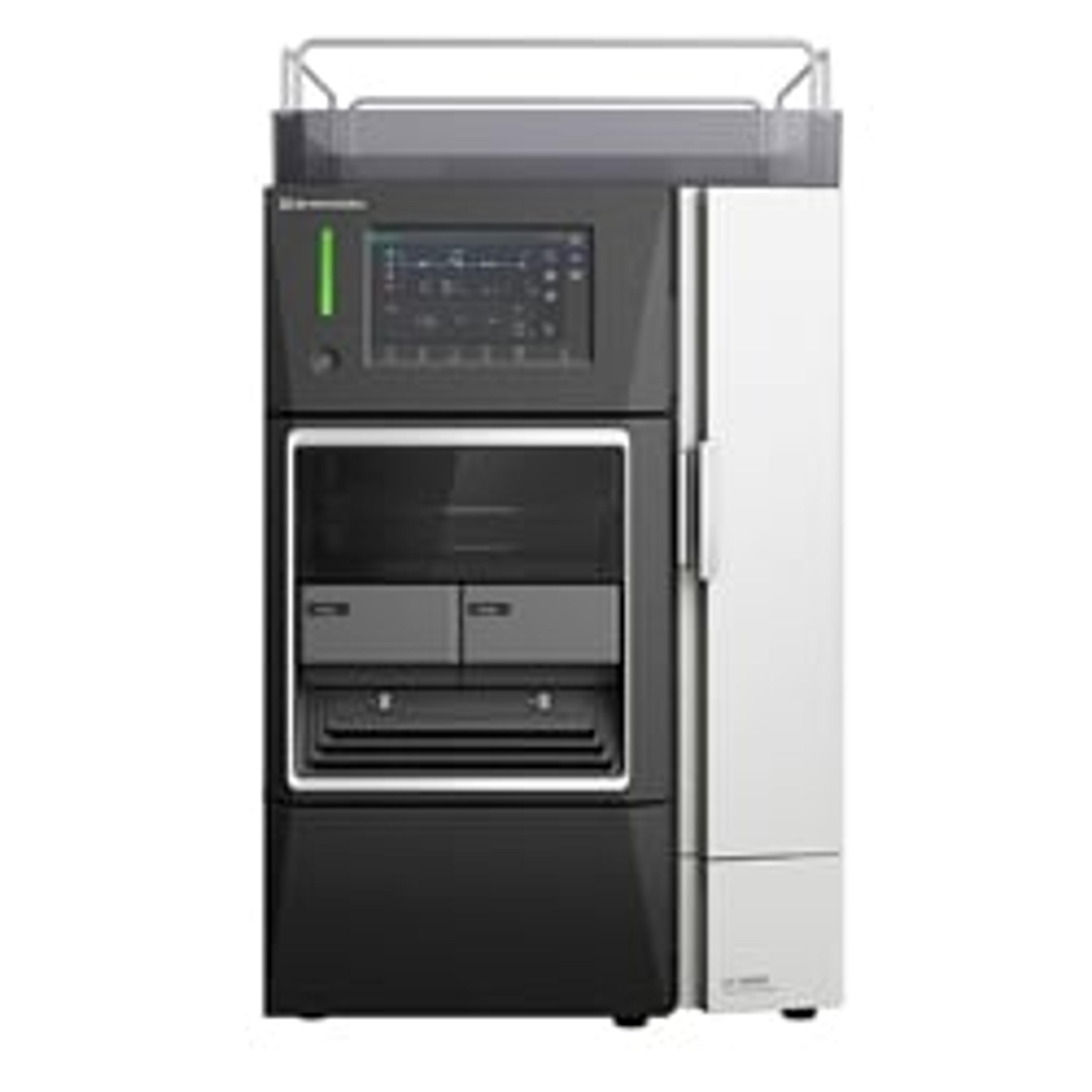
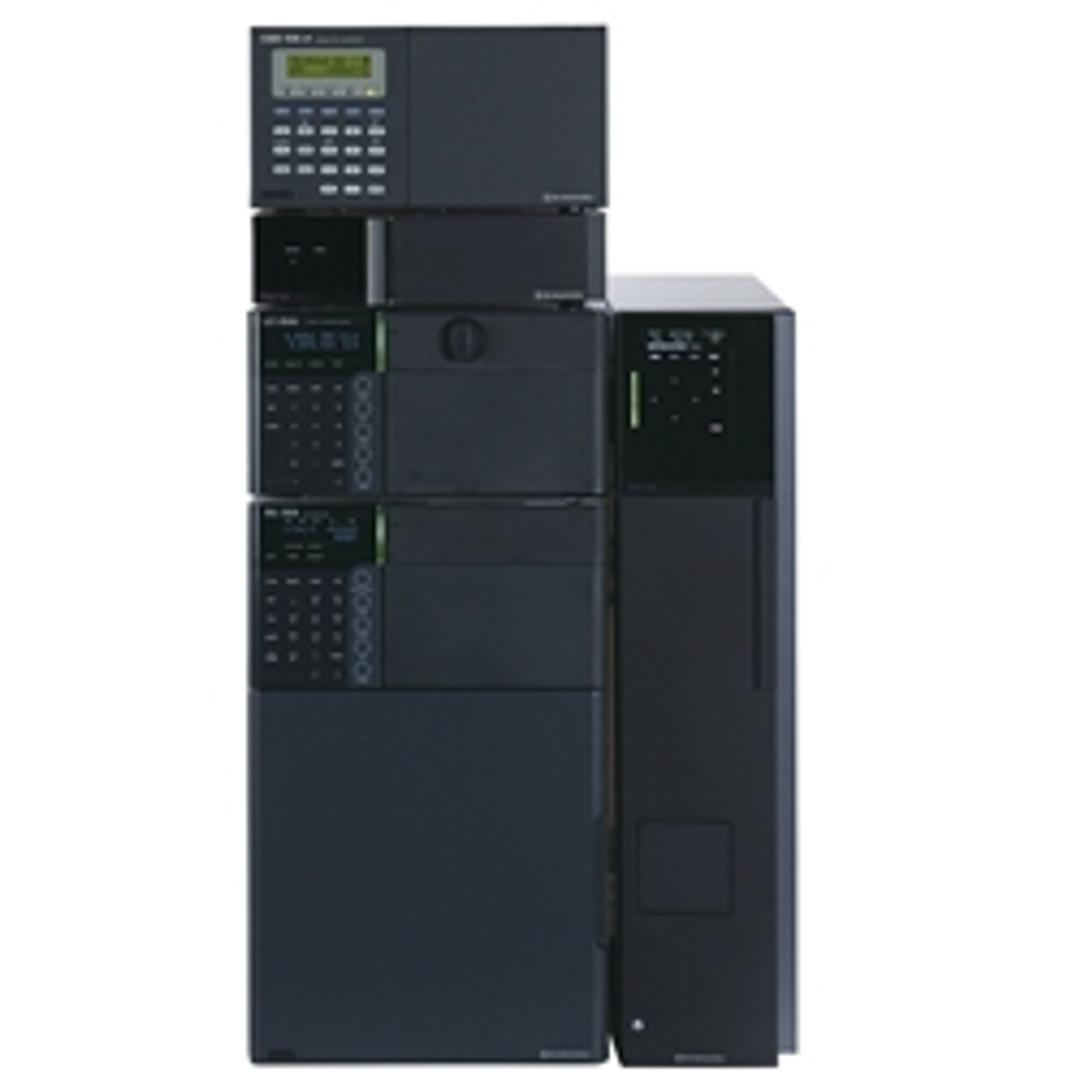
The Prominence Ion Chromatograph with built-in electrodialytic suppressor boasts the same low carryover and excellent injection precision characteristics of Shimadzu HPLCs to bring you highly reliable results.


Receive your quote directly from the manufacturer.
It is Important for Analysis of Active Pharmaceutical Ingredientsand Finshed Products
Pharmaceuticals and Life sciences
Best System for analysis of RS/Purity/Assay
Review Date: 29 Apr 2022 | Shimadzu Corporation
Practical and simple handling
Analyse principe actif in samples
It is easy to use, easy to detect the trouble shooting and practical.
Review Date: 11 Jan 2022 | Shimadzu Corporation
Super reliable results.
Chemistry
It features a rugged electrolytic suppressor, with excellent injection precision. All these made my results highly reliable. The price is acceptable with reasonable size to fit the lab. Shimadzu also provided good training and support to teach users. I would like recommend the prominence ion chromatograph for environmental, medicinal and food science.
Review Date: 9 Feb 2021 | Shimadzu Corporation
Very accurate results.
Ion chromatography
Testing anions and cations in drinking water, the repeatability is perfect.
Review Date: 9 Feb 2021 | Shimadzu Corporation
Very accurate and excellent results.
Quantitative and qualitative analysis
Excellent hardware and software gives fast and accurate results.
Review Date: 2 Feb 2021 | Shimadzu Corporation
The new ICDS™-40A anion suppressor unit features a unique, volume-minimized folded flow path, combined with optimized dialytic, enabling it to achieve high efficiency and stability. The design reduces peak spreading, which increases the sensitivity for components with low retention, such as fluoride, and improves separation from the water dip.
The ICDS™-40A allows for analysis and regeneration simultaneously, maximizing workflow efficiency. Because the anion suppressor uses effluent from the detector as regenerant, it eliminates the need for cumbersome offline regeneration with environmentally unfriendly solutions such as sulfuric acid.
At just 16.5 inches (420 mm) wide, the Shimadzu IC takes up significantly less space on the bench. In addition, the user-friendly ion chromatograph integrates seamlessly with Shimadzu’s LabSolutions™ platform. This lets users easily manage settings for IC analysis parameters, continuous analysis, auto-shutdown, data processing and report creation. Data integrity is assured with the addition of LabSolutions DB and LabSolutions CS.

Tackling PFAS contamination with cutting-edge robust analytical solutions
Per- and polyfluoroalkyl substances (PFAS) are a diverse group of over 4000 organic fluorinated compounds, which have been widely used in industry since the 1950s. Their properties make these substances heat-resistant, oil- and water-repellent, and chemically and thermally stable.
For these reasons, PFAS have multiple uses and commonly function as surface treatment agents, water repellents, coatings and even fire extinguishers. Those very properties make them resistant to degradation and this has led to their persistence in the environment and bioaccumulation through food chains and other routes of exposure.
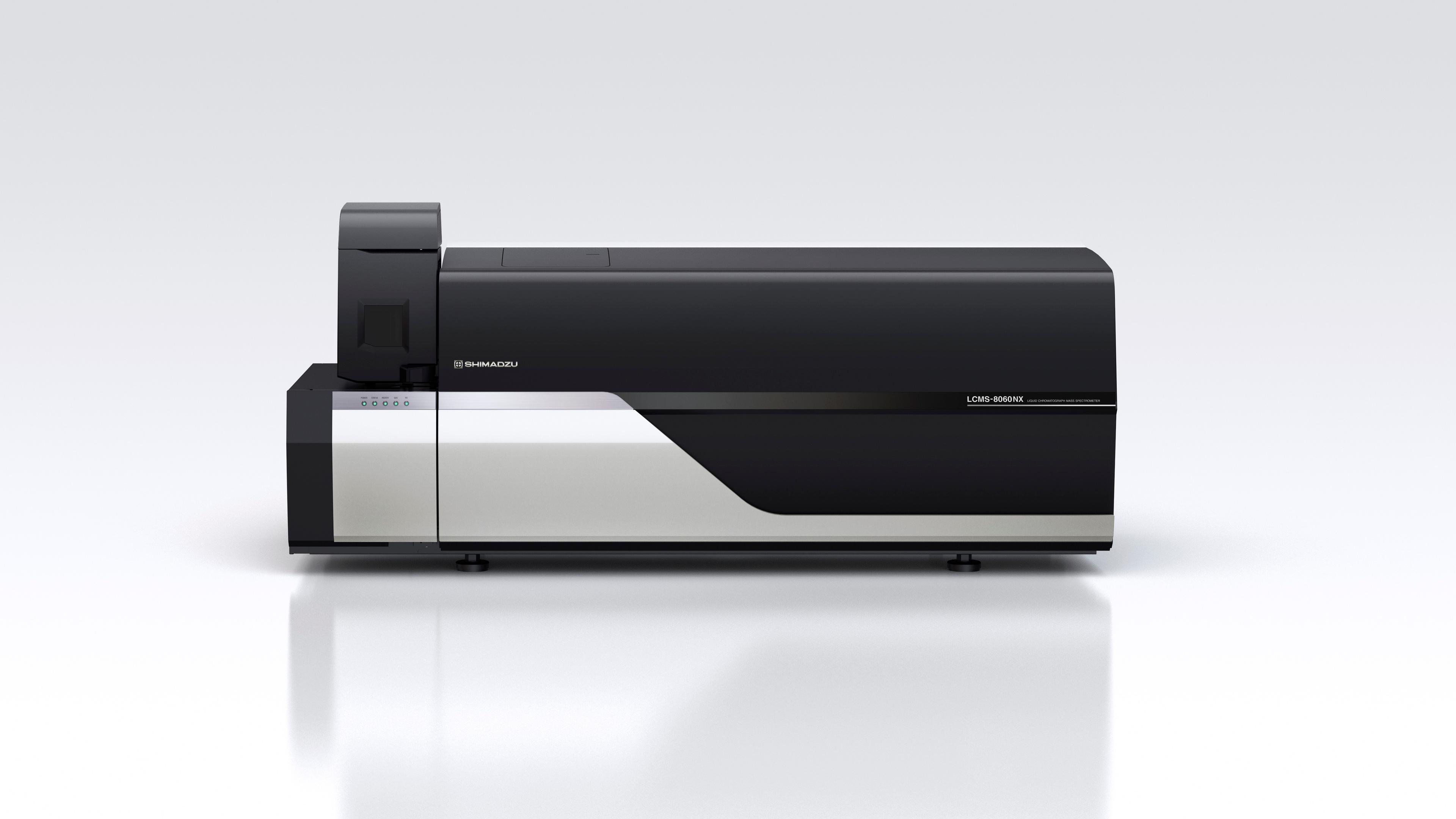
In this expert guide, we explore Shimadzu Corporation’s range of chromatography and mass spectrometry (MS) solutions for detecting very low levels of PFAS in a range of matrices. Plus, learn through a series of case studies how Shimadzu’s Triple Quadrupole LCMS instruments and other analytical methods meet and often exceed performance criteria included in EPA methods for PFAS analysis – generating accurate results with fast turnaround times designed to enhance lab productivity.

Supercritical fluid chromatography FAQs
Research on supercritical fluid chromatography (SFC) as an analytical technique began in the 1960s. Typically, SFC refers to chromatographic technique involving using supercritical carbon dioxide as the mobile phase. Explore these FAQs for a thorough break down of some of the most common questions when working with SFC.