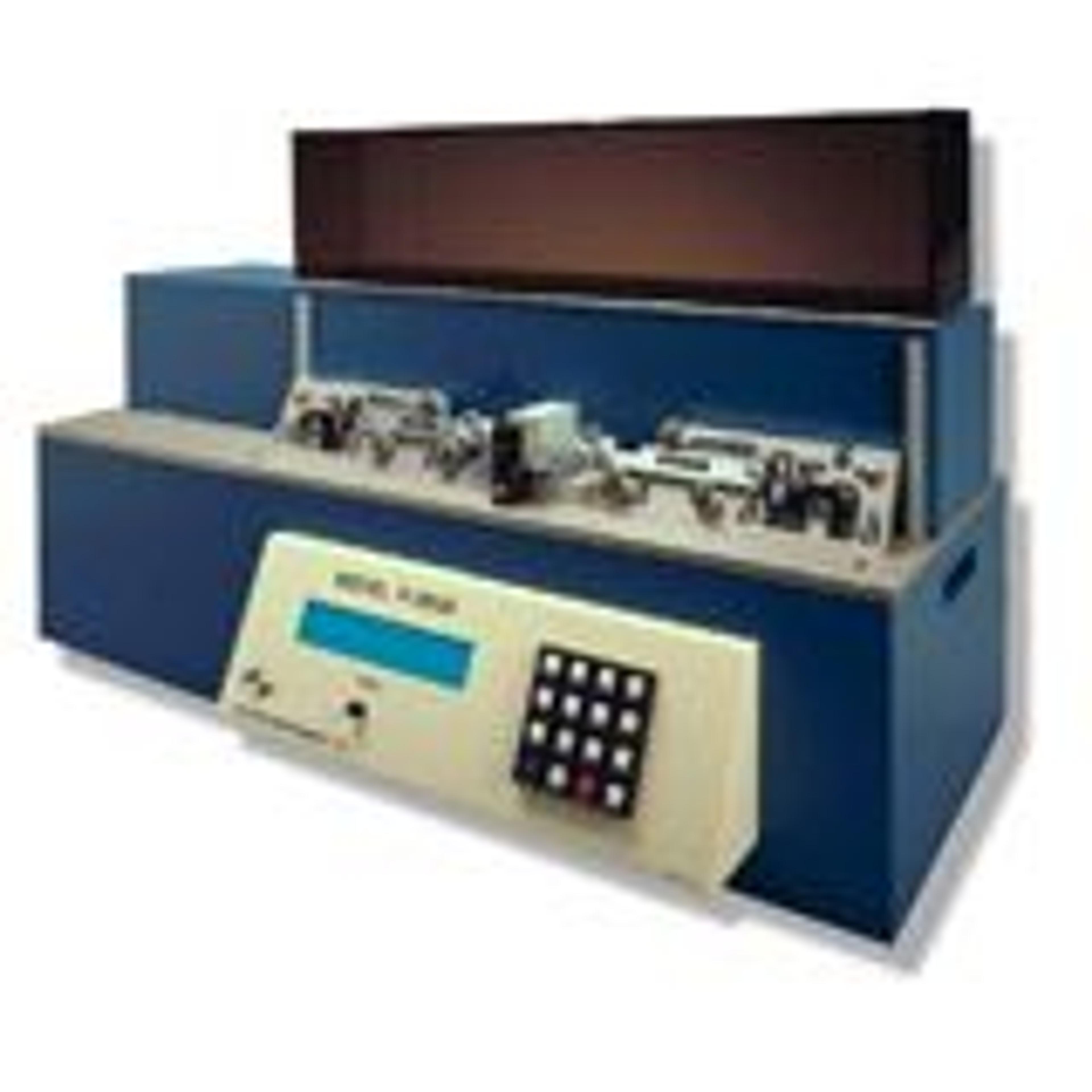
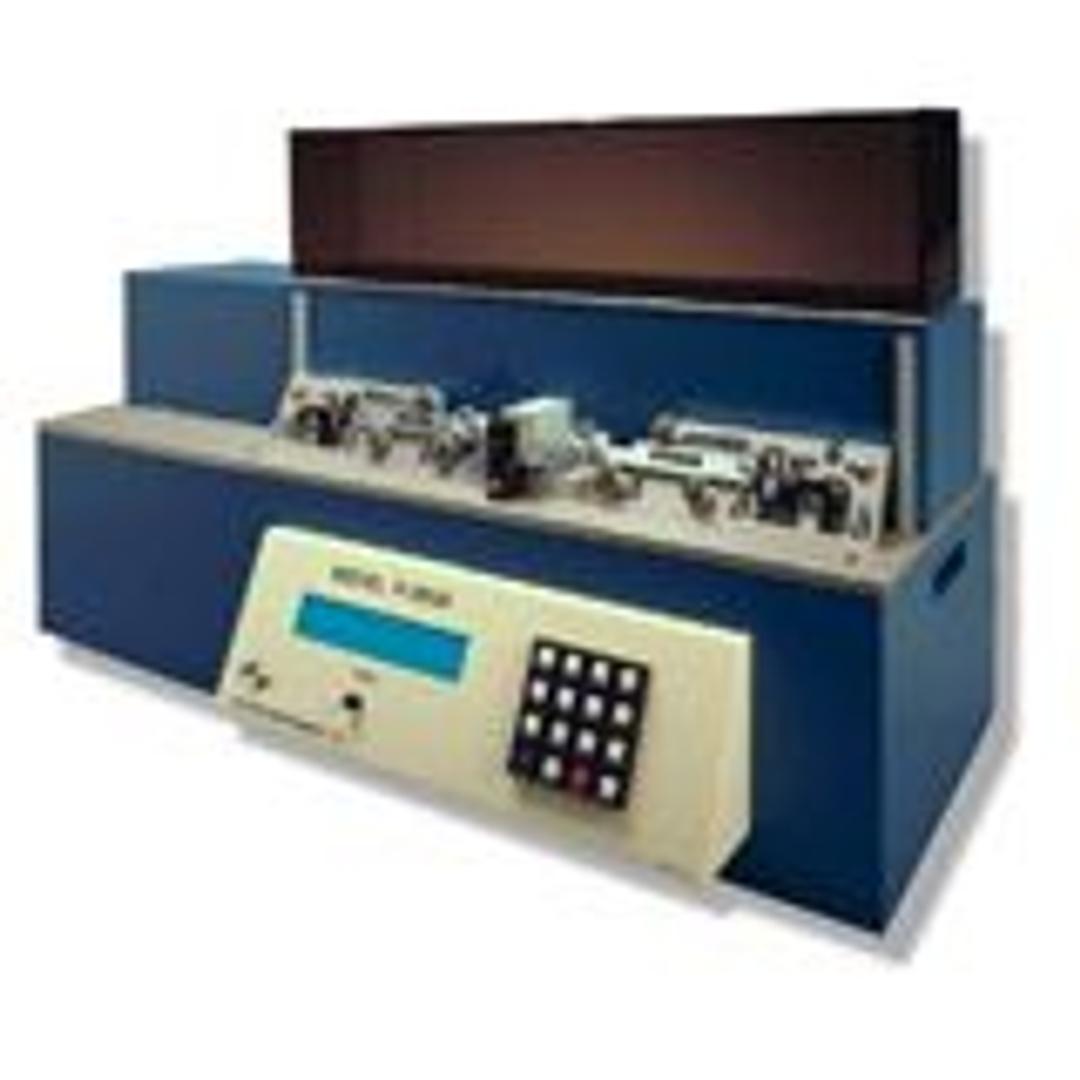
P-2000 Laser Based Micropipette Puller
A significant advance in the technology of fabrication of micropipettes, optical fiber probes, and nanospray tips, is offered with the P-2000 micropipette puller. The P-2000 integrates a CO2 laser-based heat source with the technology derived from our extensive experience with conventional pullers. This system offers capabilities unmatched by other pullers. Key Features: Capable of pulling quartz, borosilicate and alumino…

The supplier does not provide quotations for this product through SelectScience. You can search for similar products in our Product Directory.
Pretty good.
Preparing micropipette for electrophysiology and/or microinjections
Is a nice puller, we were using it for borosilicate glass, but it's designed to be used for quartz glass as well, contrary to many other pullers. The possibility of adjusting parameters of pulling in 2 stages, every parameter (laser intensity, heating time, strength of pulling, delay between stages) can be settled. This gives the opportunity to use all kinds of pipettes with longer or shorter tips, of different diameter and even different thickness of glass, that is very useful for electrophysiology studies. Though, if not using for quartz glass, the price is a bit high. In terms of disadvantages, sometimes it breaks pipettes during pulling.
Review Date: 26 Oct 2020 | Sutter Instrument Co.
A significant advance in the technology of fabrication of micropipettes, optical fiber probes, and nanospray tips, is offered with the P-2000 micropipette puller. The P-2000 integrates a CO2 laser-based heat source with the technology derived from our extensive experience with conventional pullers. This system offers capabilities unmatched by other pullers.
Key Features:
- Capable of pulling quartz, borosilicate and aluminosilicate glass.
- Fully programmable — including heating filament characteristics.
- The laser has no melting point limit as with conventional metal filaments; and therefore, cannot be burned out.
- Pulls electrodes with tip diameters smaller than 0.03µm.
- Optimized velocity sensing circuit for maximized sensitivity and reproducibility.
- Operating life of the CO2 laser is expected to be in excess of ten years with normal use, after which the laser can be refurbished by the Sutter Instrument Company for a nominal charge.
- Individual programs can be write-protected in order to secure them from inadvertent changes.
- The total time that the heat is on during the pull is displayed for improved program development and troubleshooting.
- A date and time stamp is displayed to show the last time that a program has been changed.
- The P-2000/F is ideal for applications such as nanospray and NSOM.
- Preprogrammed sample programs for intra-cellular and patch pipettes. Special programming available upon request.

Protective Ruler for Nanospray Tubes
HPLC fused silica tubes are widely used for making nozzles for various types of mass spectroscopy techniques. These tubes can be drawn down to the desired tip diameter using the Sutter Instrument P-2000/F laser-based micropipette puller. This technical note describes this process and details the use of a protective ruler, which makes the process of preparing the tubes much more straightforward.
Which P-2000 Model Do I Need?
This technical note contains useful information for choosing the model of P-2000 laser puller best suited to your needs. It describes the differences between the P-2000/G and P-2000/F, and discusses which applications each is best suited to.
Novel Applications for the P-2000 Micropipette Puller
The Sutter Instrument P-2000 micropipette puller was originally designed to allow the use of quartz glass in the well-established applications of micropipette techniques, such as intracellular or patch type recordings from neurons and microinjection into animal and plant cells. The ability to work with quartz and fused silica has allowed the development of new applications for this type of device outside the traditional range of micropipette techniques.
Effects of the Velocity on the Pipette Shape
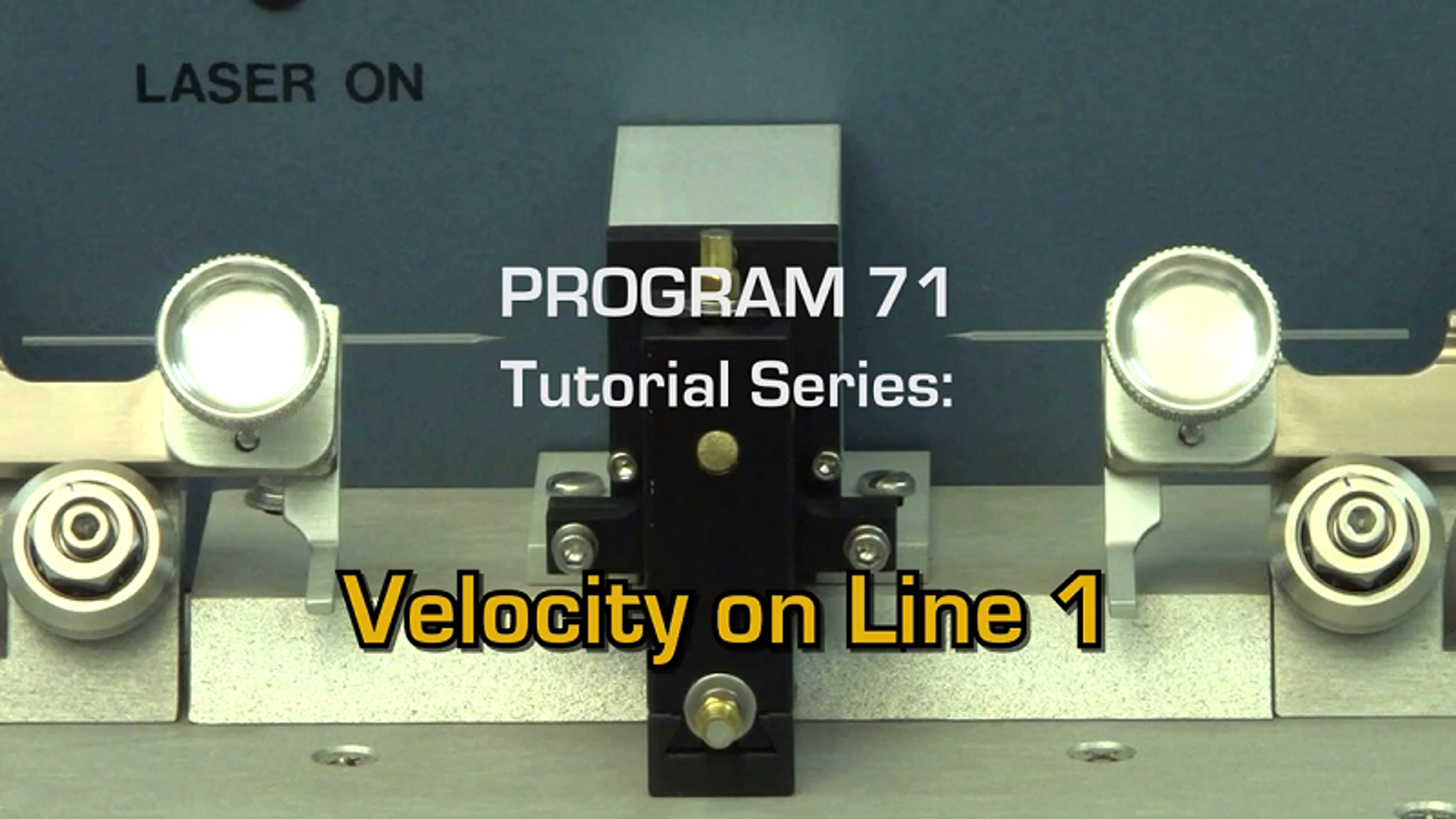
This video illustrates the impact of changes in the velocity in the next-to-last line of a multi-line pull program. Starting point for those changes is sample program #1, which is covered in much detail in the tutorial video "Pulling a Patch Pipette from Quartz Glass". Learn how to recognize inappropriate settings of this parameter.
Pulling a Patch Pipette from Quartz Glass
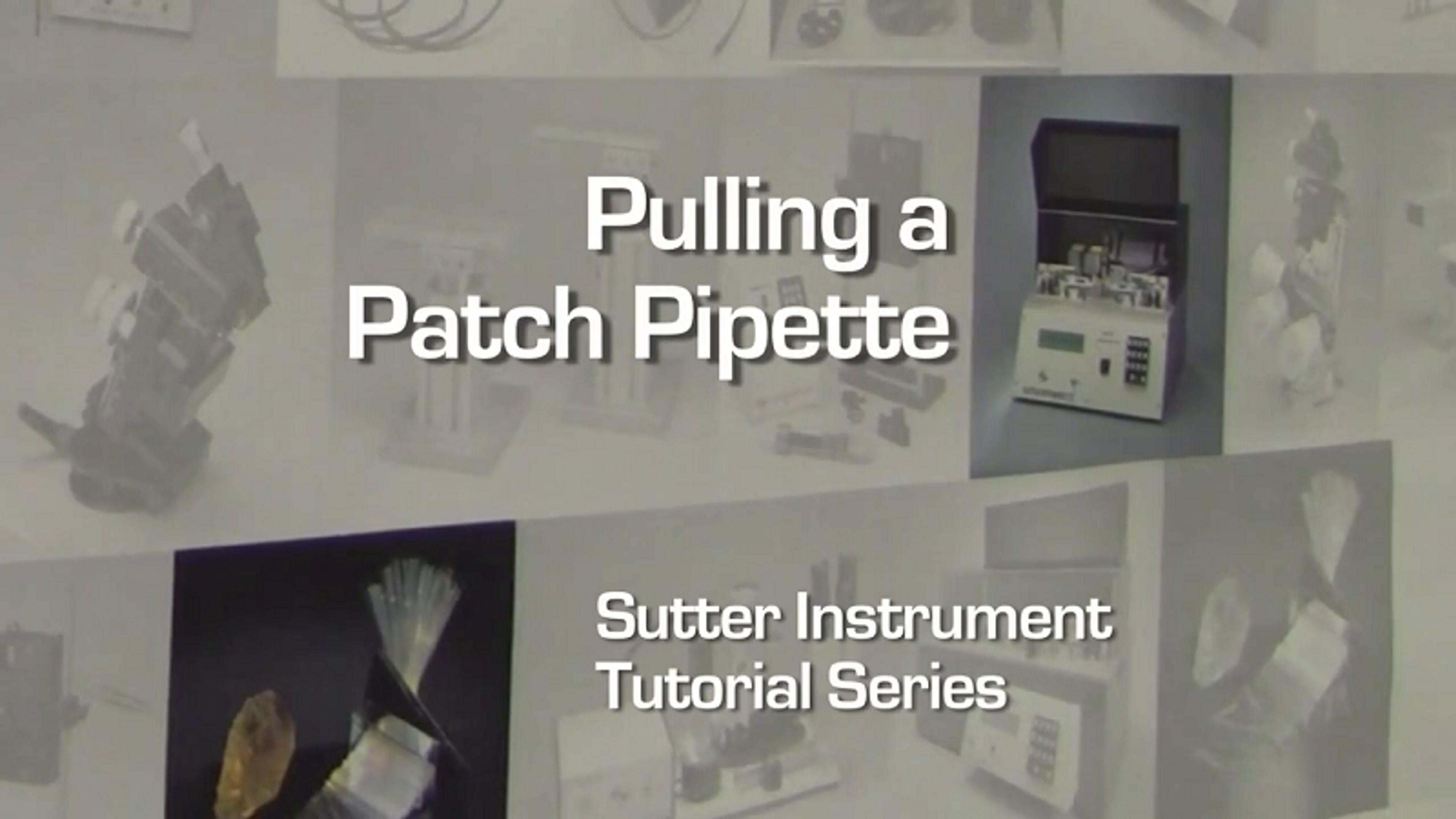
Watch this video from Sutter Instruments for a tutorial on pulling a patch pipette from quartz glass using the P-2000 Laser-based Micropipette Puller. The P-2000 integrates a CO2 laser-based heat source offering a significant advance in the technology of fabrication of micropipettes, optical fiber probes, and nanospray.