8700 LDIR Chemical Imaging System
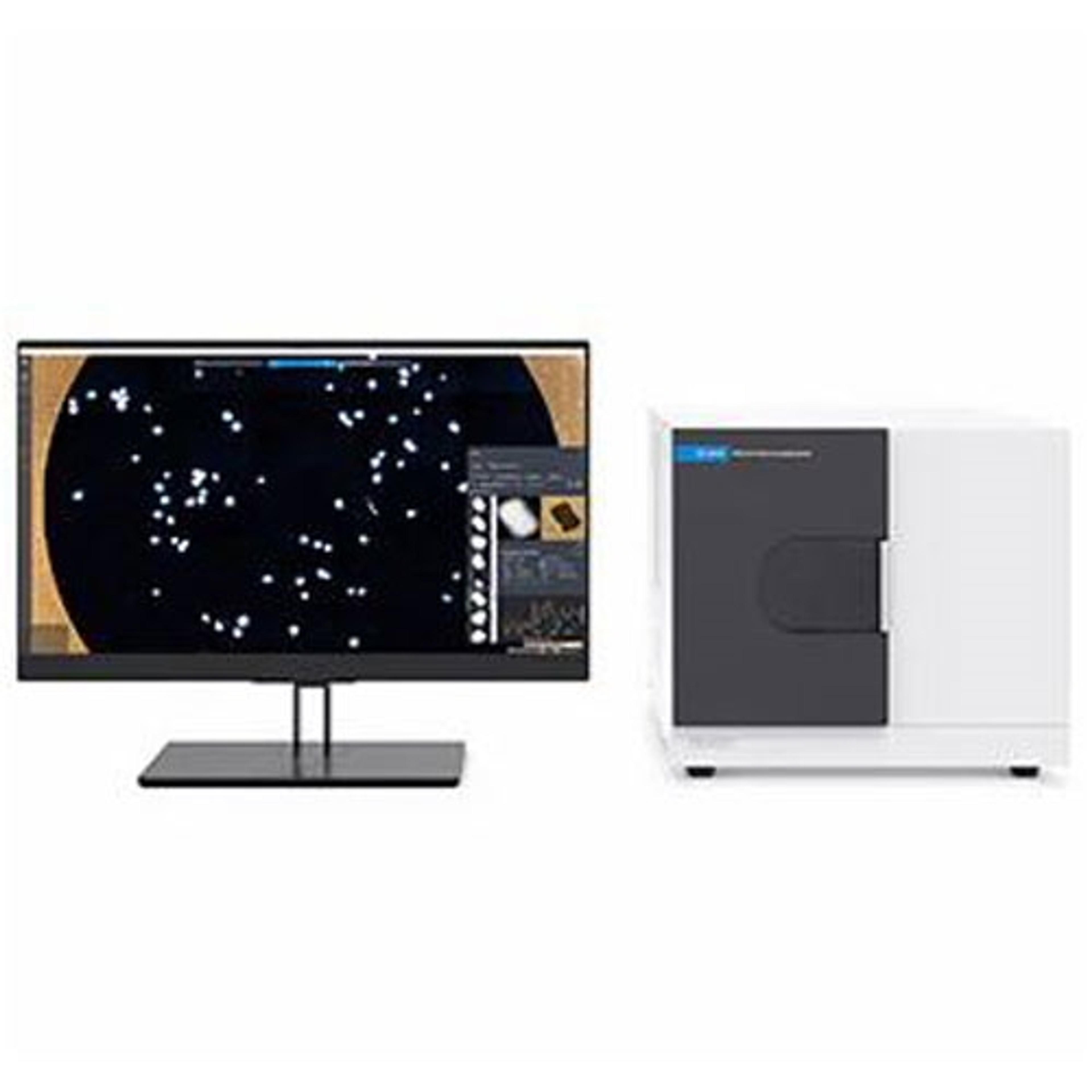
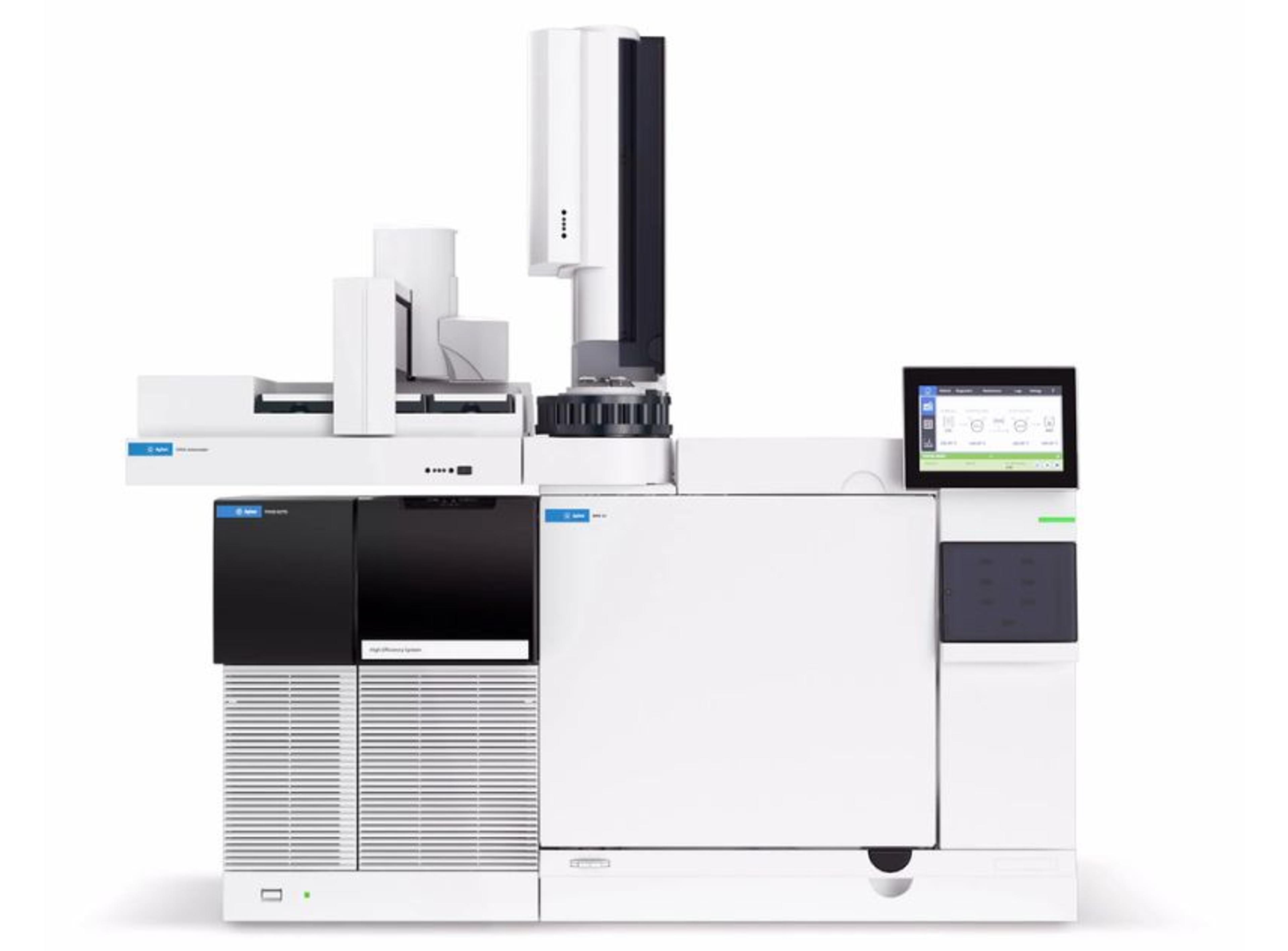
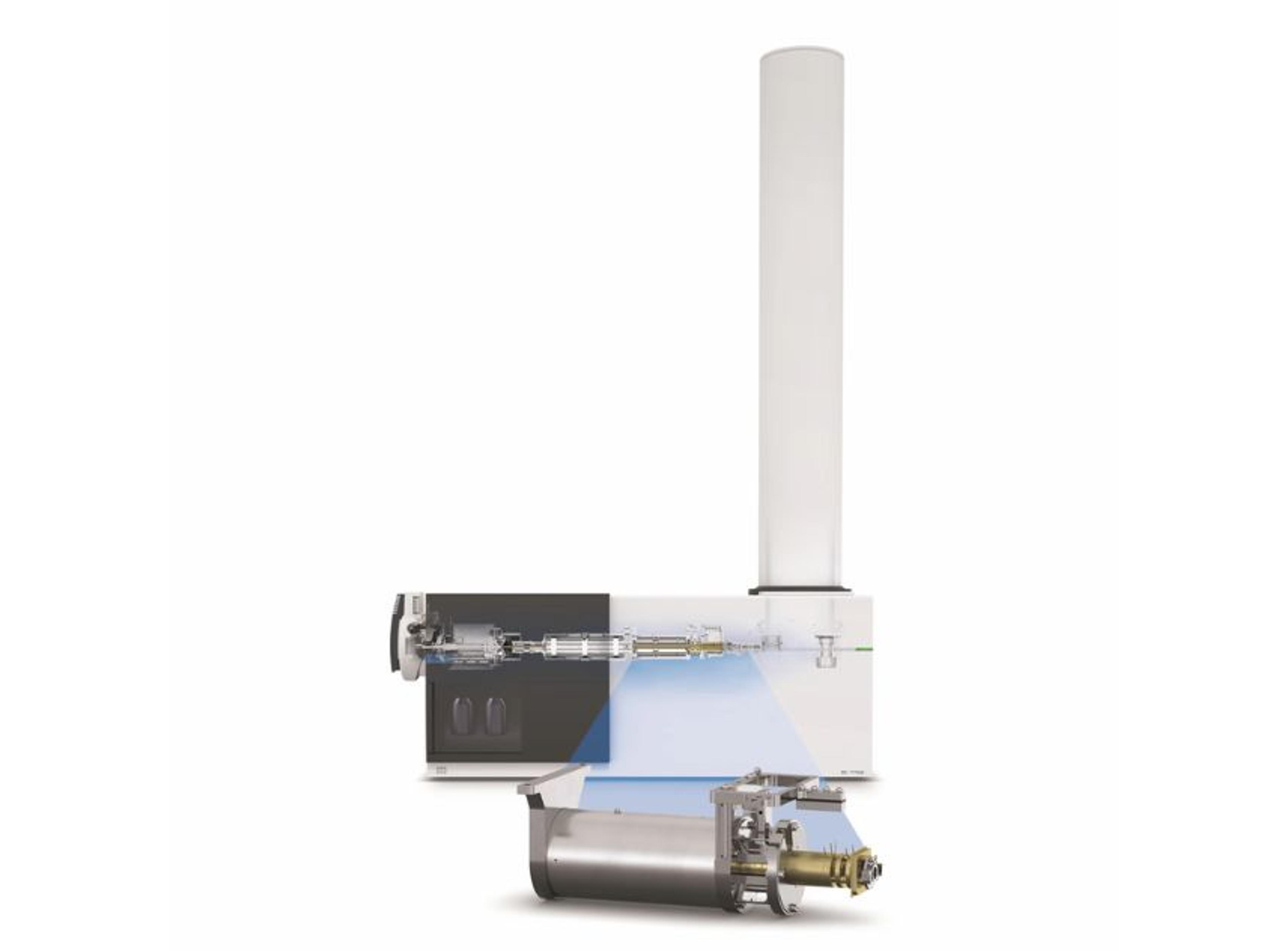
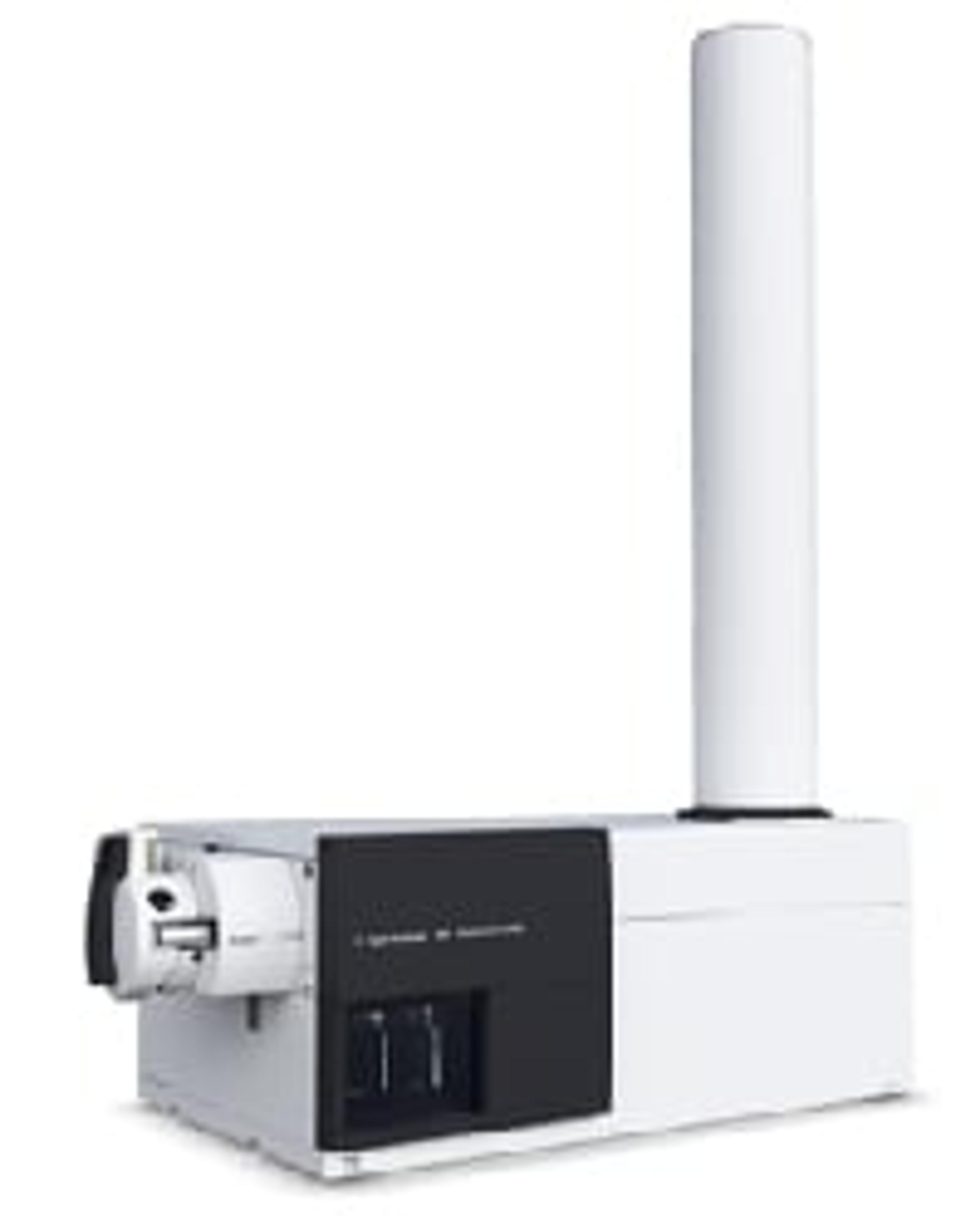
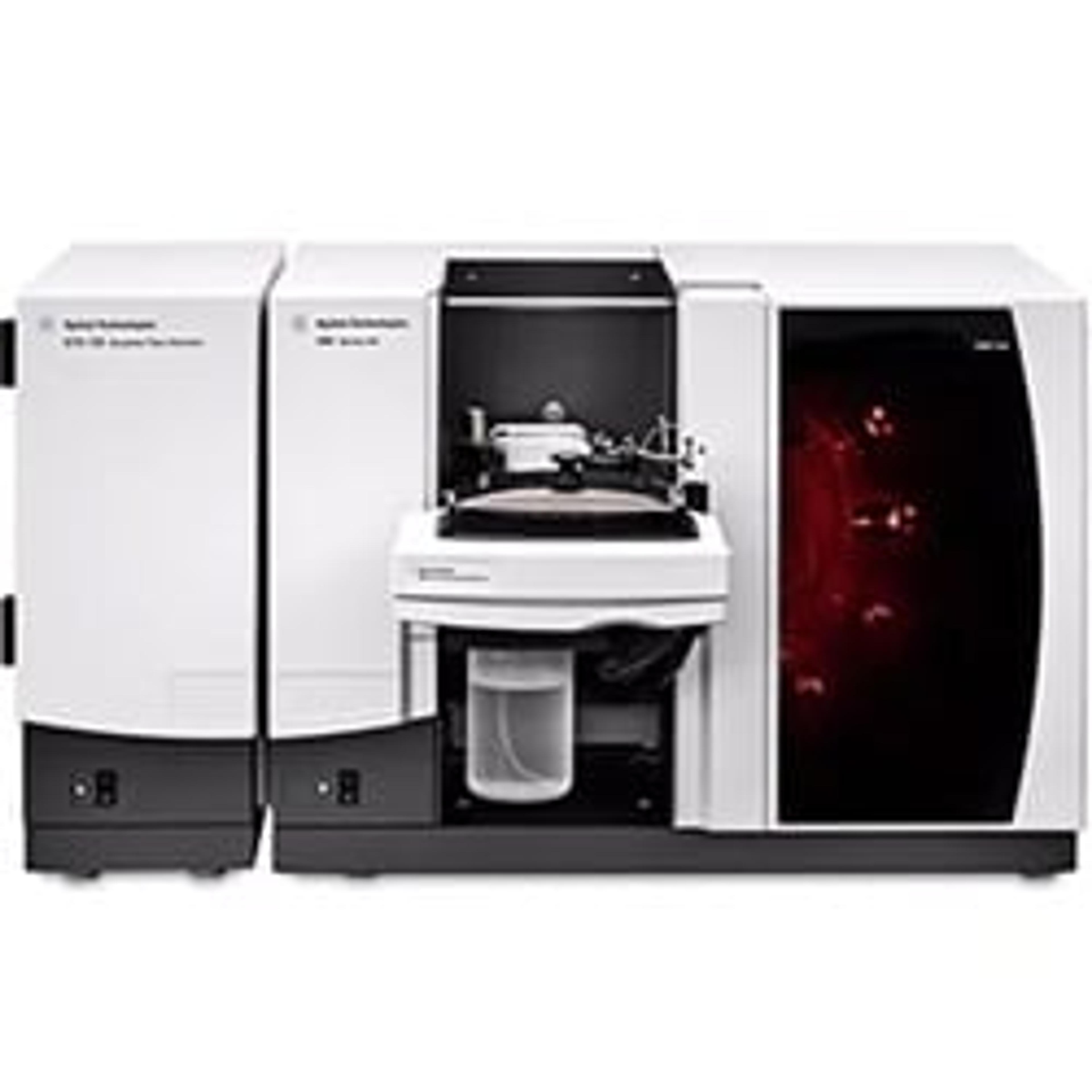
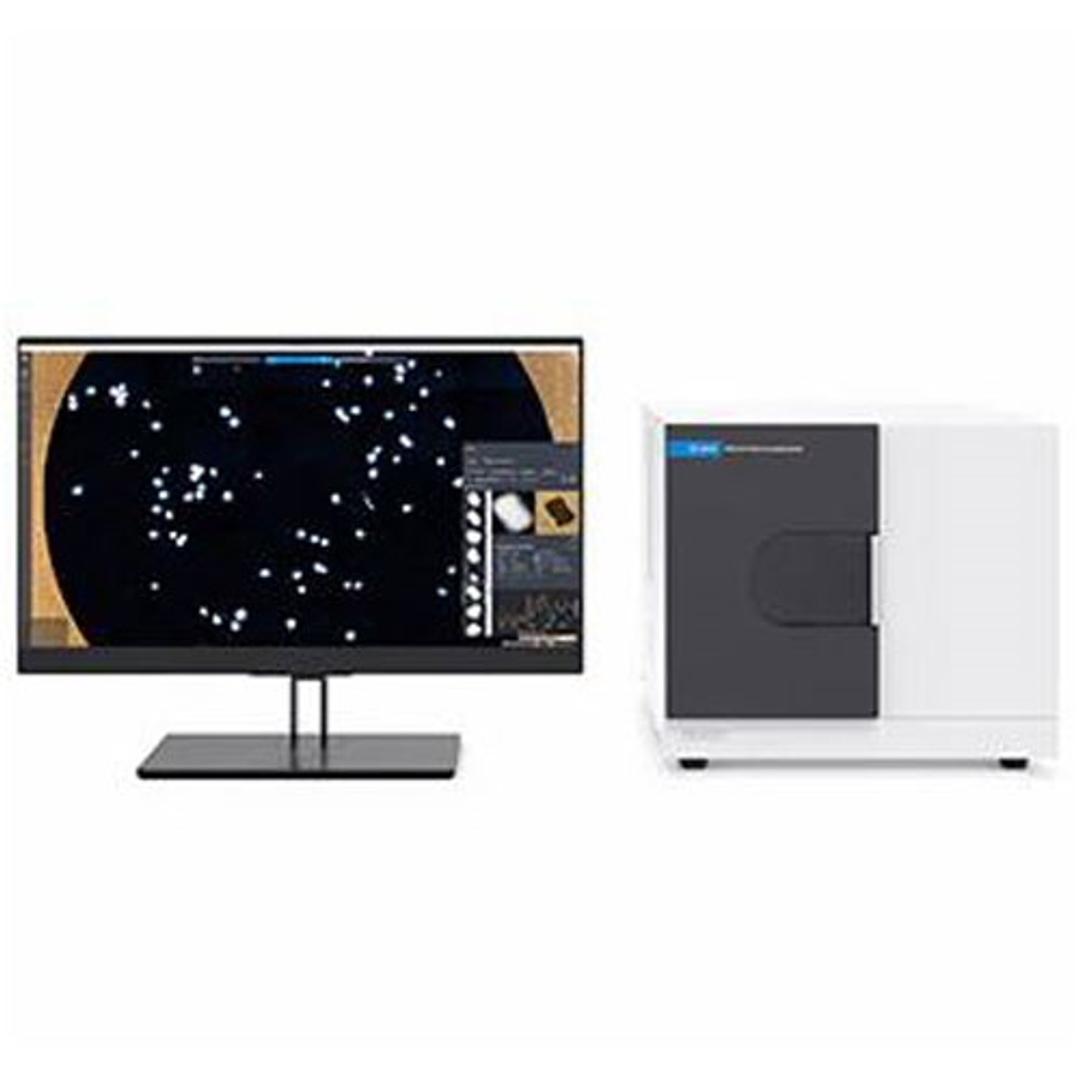
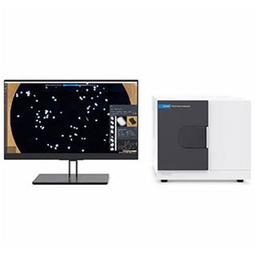
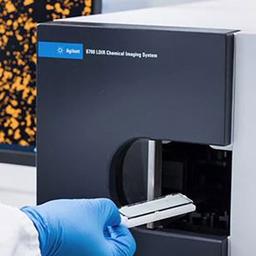
Emerging contaminants such as microplastics require innovative analysis techniques. Applying quantum cascade laser spectroscopy, the Agilent 8700 Laser Direct Infrared (LDIR) Chemical Imaging System brings unprecedented speed of analysis and ease of use to analytical challenges such as this.



Receive your quote directly from the manufacturer.
Emerging contaminants such as microplastics require innovative analysis techniques. Applying quantum cascade laser spectroscopy, the Agilent 8700 Laser Direct Infrared (LDIR) Chemical Imaging System brings unprecedented speed of analysis and ease of use to analytical challenges such as this.
The 8700 LDIR system’s fully automated microplastics workflows are ideally suited to the analysis of microplastic particles in environmental samples, food, and more. By processing samples in minutes or hours, not days, the 8700 LDIR allows a higher sample throughout with minimal operator intervention. This can reduce costs and potential errors, and give you the results you need, fast.
Features
- Highly automated workflows allow you to locate, describe and identify microplastics particles from a range of sample matrices.
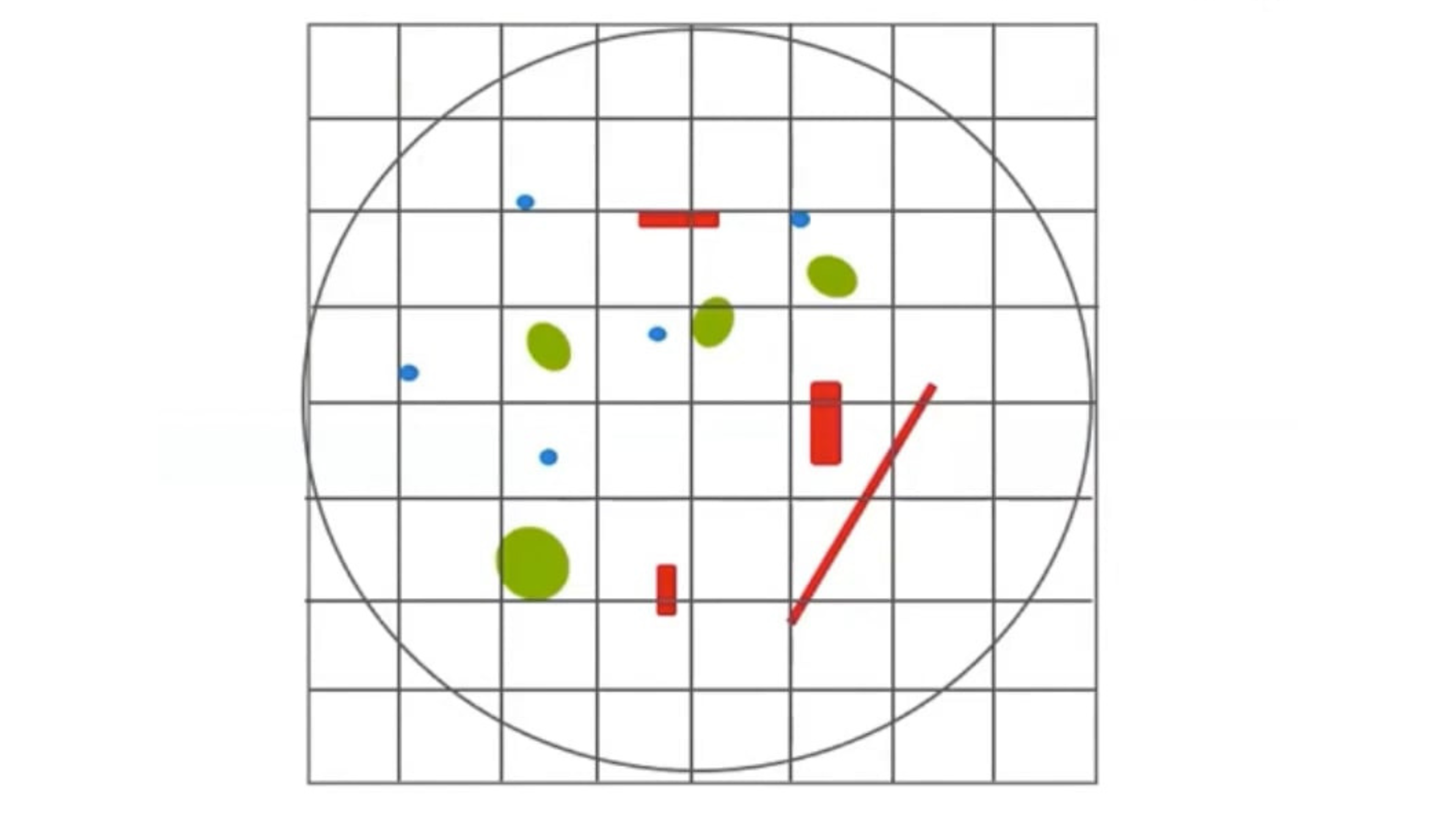
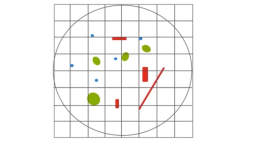
- Ability to survey and image large sample areas and then interrogate smaller areas of interest in more detail without changing any optics.
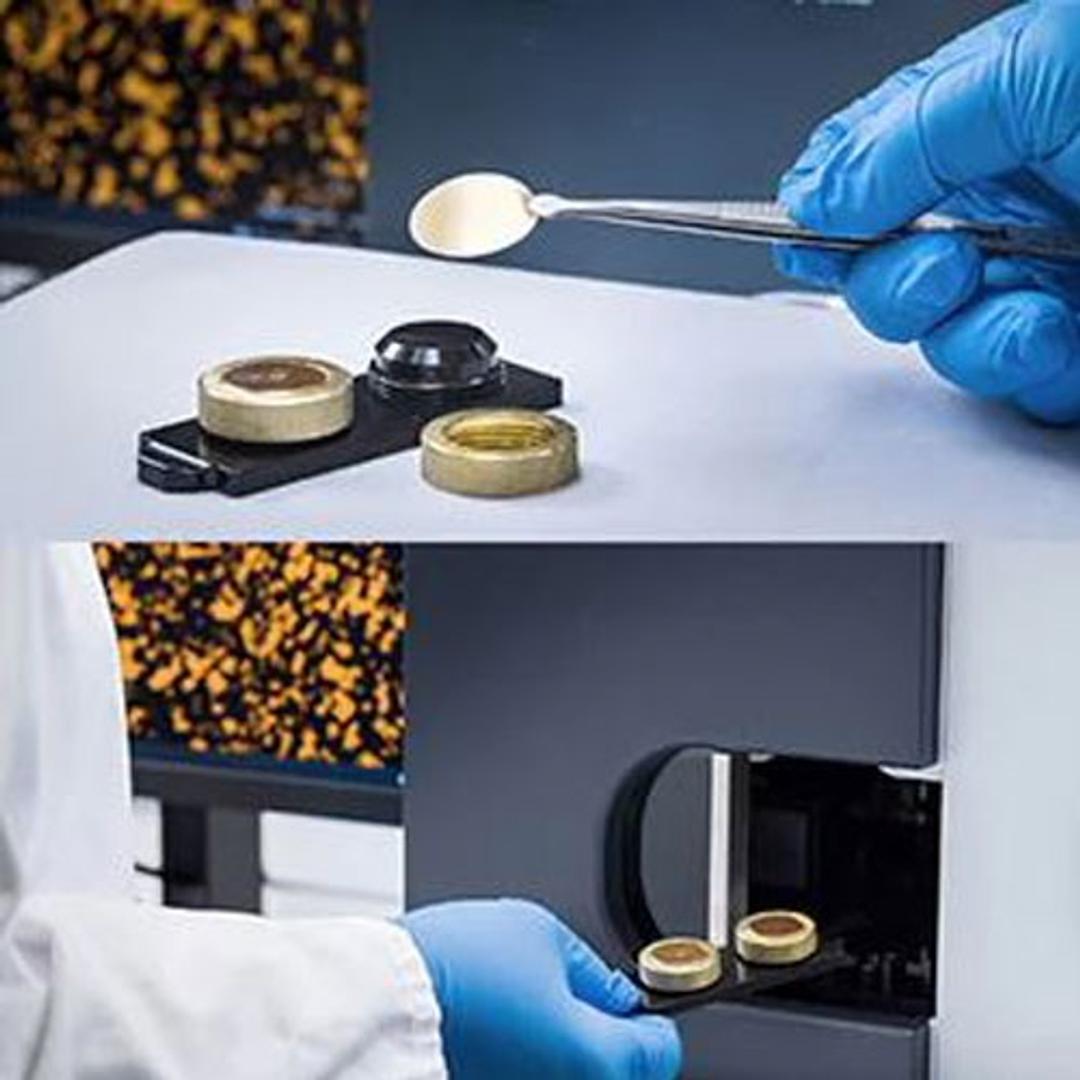
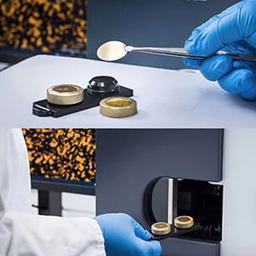
- Fully controlled using Agilent Clarity software, simple load-and-go methods require minimal instrument interaction, and small footprint saves laboratory bench space.
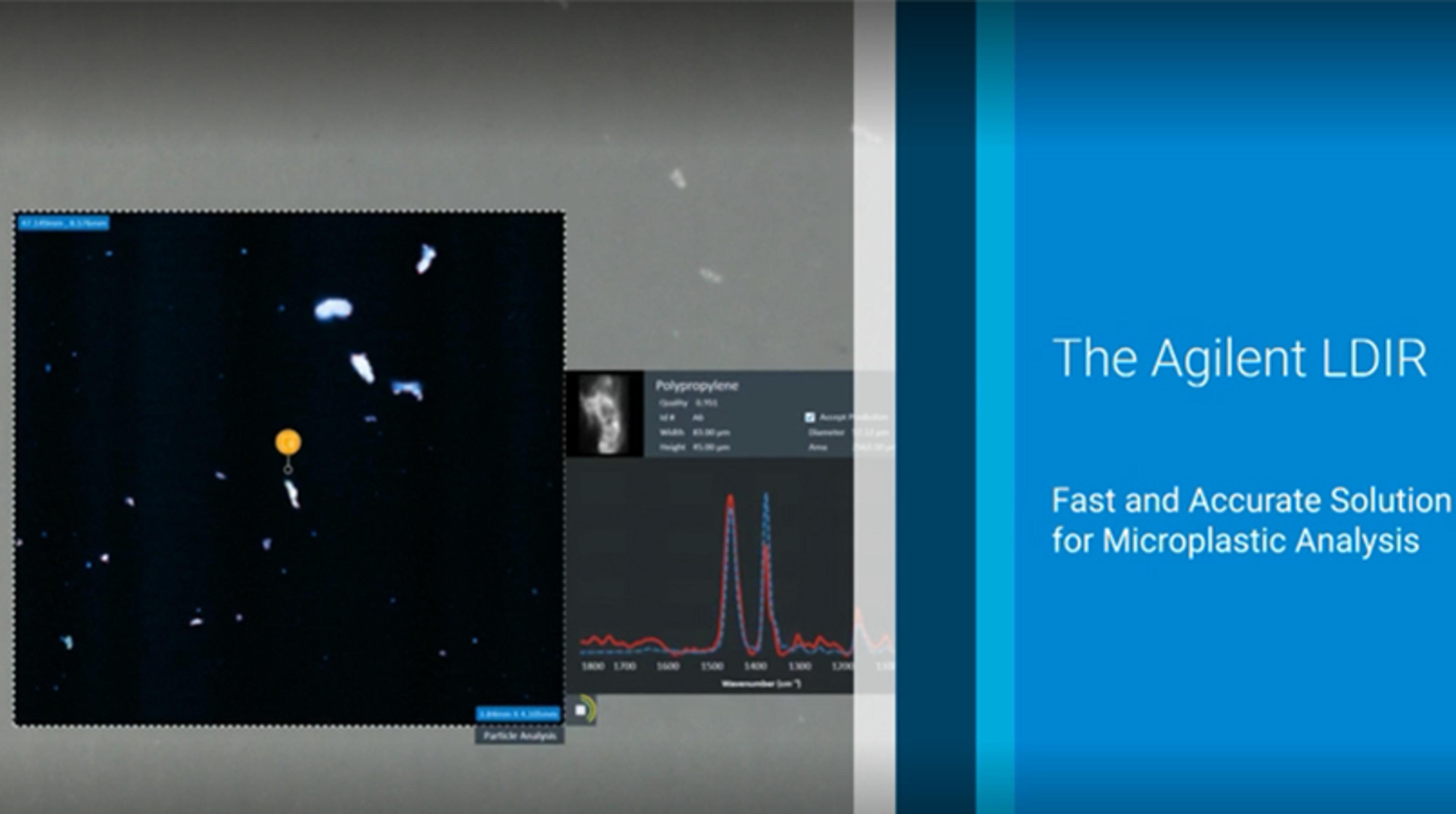
- Inbuilt libraries for real-time spectral matching. Results are updated as spectral acquisition continues.
- Quantum cascade laser (QCL) and thermoelectrically cooled detectors eliminate the need for liquid nitrogen, reducing operating costs and simplifying maintenance.
- On-board ATR allows you to further interrogate unknown particles without removing the sample. Spectra can be exported to external libraries for confirmation of identity.
- Enables expert spectroscopists and trained technicians to analyze and characterize samples rapidly and accurately.
Brochures

Analyzing microplastics
Contamination in our waterways, soil, air, and drinking water from microplastics is gaining significant public interest due largely to its emergence as an environmental threat. This brochure describes an instrument that can be used to identify and semi-quantify microplastics down to 10 µm in minutes.
Micro and nanoplastics: A deep dive into a global issue
Microplastics are miniscule pieces of plastic in the environment, a consequence of global plastic consumption and the plastic pollution this causes. Current research finds that microplastics will also degrade into smaller particles on a nanoscale, called nanoplastics, which measure in the range of 1 to 1000 nm. Find out more about the sources, scale, and consequences of plastic particle pollution, and about the tools from Agilent Technologies that have been developed to combat this global issue.
Distinguishing between polyamide microplastics and natural polyamide
In this application note, an Agilent 8700 Laser Direct Infrared (LDIR) chemical imaging system was used to successfully discriminate between natural and synthetic polyamides. The instrument utilized a large field of view camera to obtain an entire view of the sample and a microscope-grade objective to capture high magnification visual images.
Quick and easy characterization of microplastics in surface water and treated effluent
In this application note, Agilent evaluates a simple approach to isolating microplastics from various water matrices and identifying them using an Agilent 8700 Laser Direct Infrared (LDIR) Chemical Imaging System.
Fast, automated microplastics analysis using laser direct chemical imaging
In this application note, Agilent presents an innovative microplastics analysis workflow using laser direct infrared imaging.
Standardized ISO methodologies for the assessment of microplastics: An update on key developments
This webcast from Agilent Technologies explores the standardization of microplastic assessment methodologies. Dr. Anja Sokolowski and Dr. Andreas Kerstan discuss their roles in ongoing standardization projects at a European and international level. The discussion covers the challenges and solutions in microplastic analysis, including automation, sample preparation, and data processing. It also outlines action items such as initiating inter-laboratory studies and continuing research into machine learning.
A fast and accurate solution for microplastic analysis
In this video, discover how the Agilent 8700 Laser Direct Infrared (LDIR) Imaging System can be used to study microplastic particles in environmental samples (e.g., water). Hear how the Agilent LDIR gives users the ability to survey and image large sample areas and then interrogate smaller areas of interest in more detail without changing any optics.