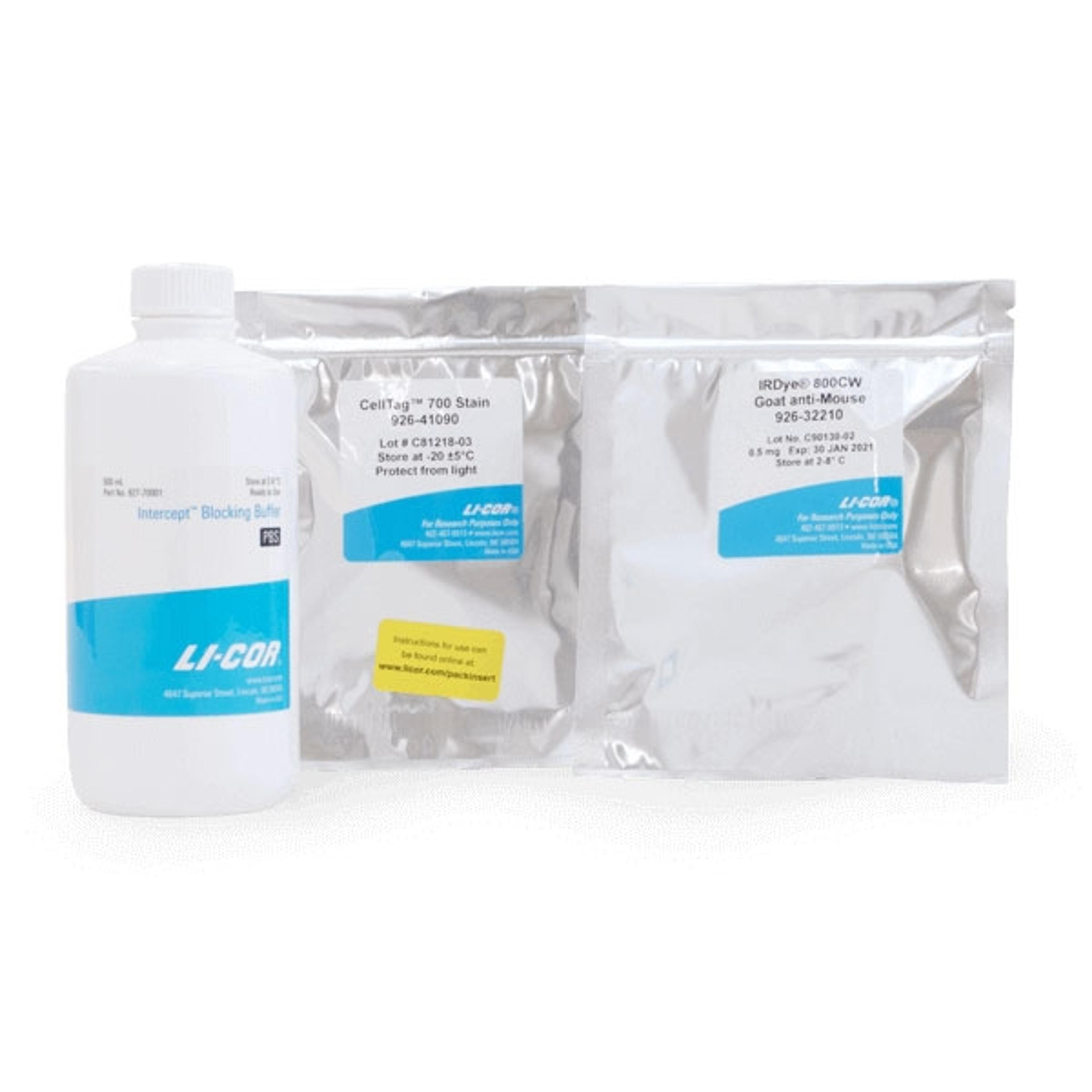
IRDye 800CW Infrared Dyes
Imaging probes conjugated to IRDye 800CW and IRDye 700DX have propelled more than 20 Phase I and Phase II clinical trials worldwide.
Place your order directly with the manufacturer.
Good value, consistent performance.
Western blotting, functionaliztaion assay
There are a bunch of essentially equivalent NIR labeling reagents on the market, but LI-COR offers a consistently performing product at a reasonable price. The world could use NIR reagents with better photostability and higher quantum yield but I understand that this is easier said than done.
Review Date: 21 May 2021 | LICORbio
Good, but depends on the target.
Western Blots
The 800CW is a good product, but does have some background issues for my Westerns. I found other brands to be a little better.
Review Date: 30 Sept 2016 | LICORbio
Imaging probes conjugated to IRDye 800CW and IRDye 700DX have propelled more than 20 Phase I and Phase II clinical trials worldwide.
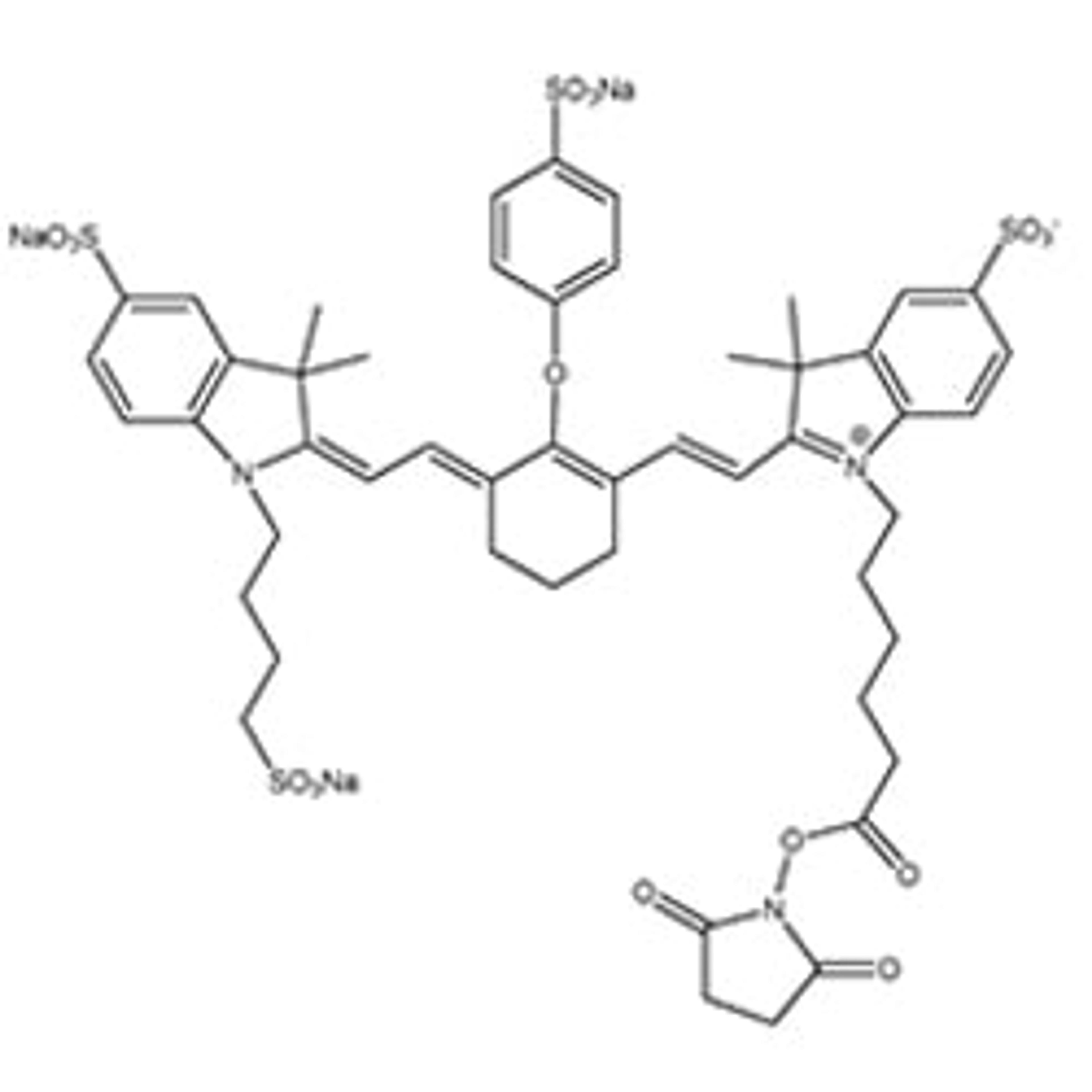
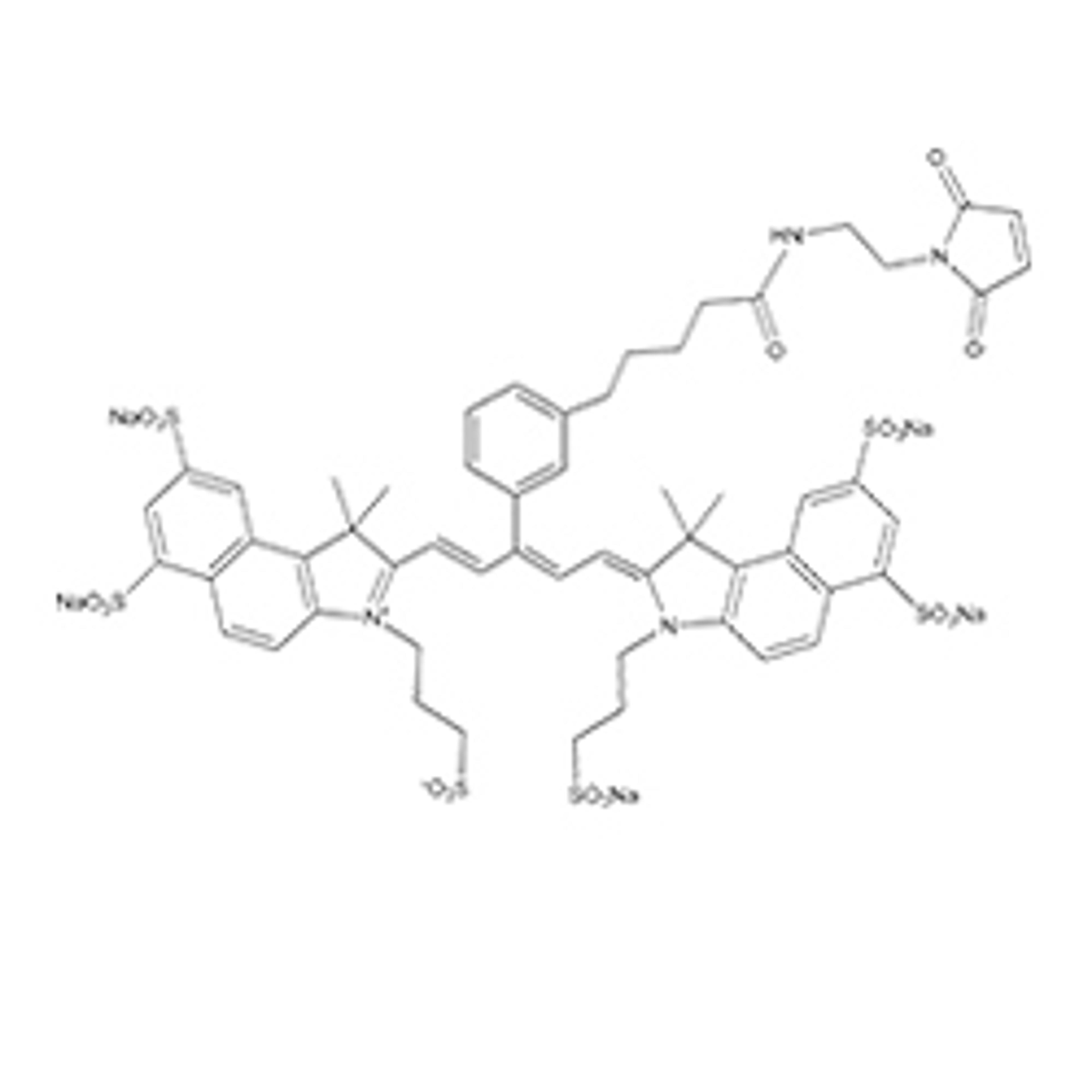
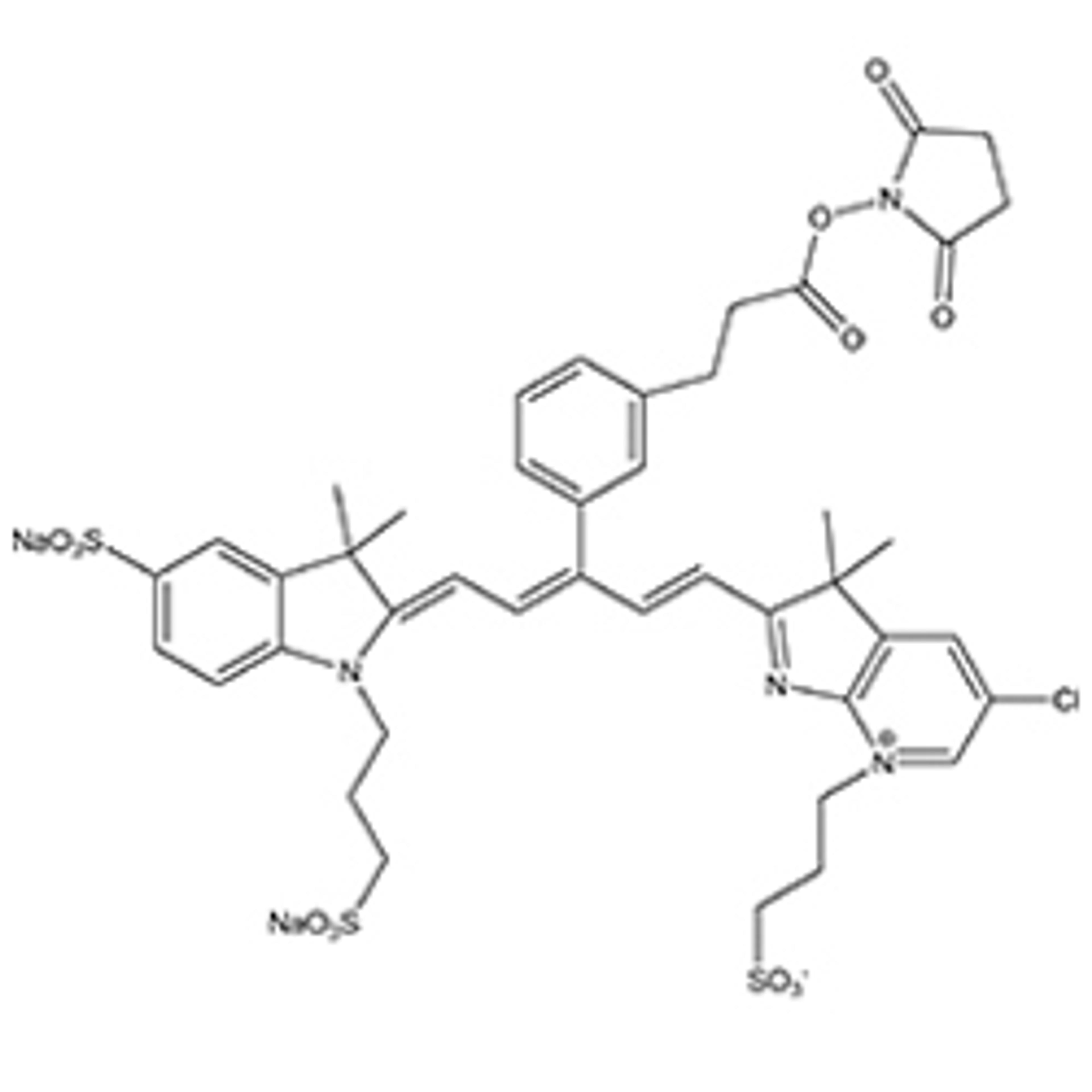
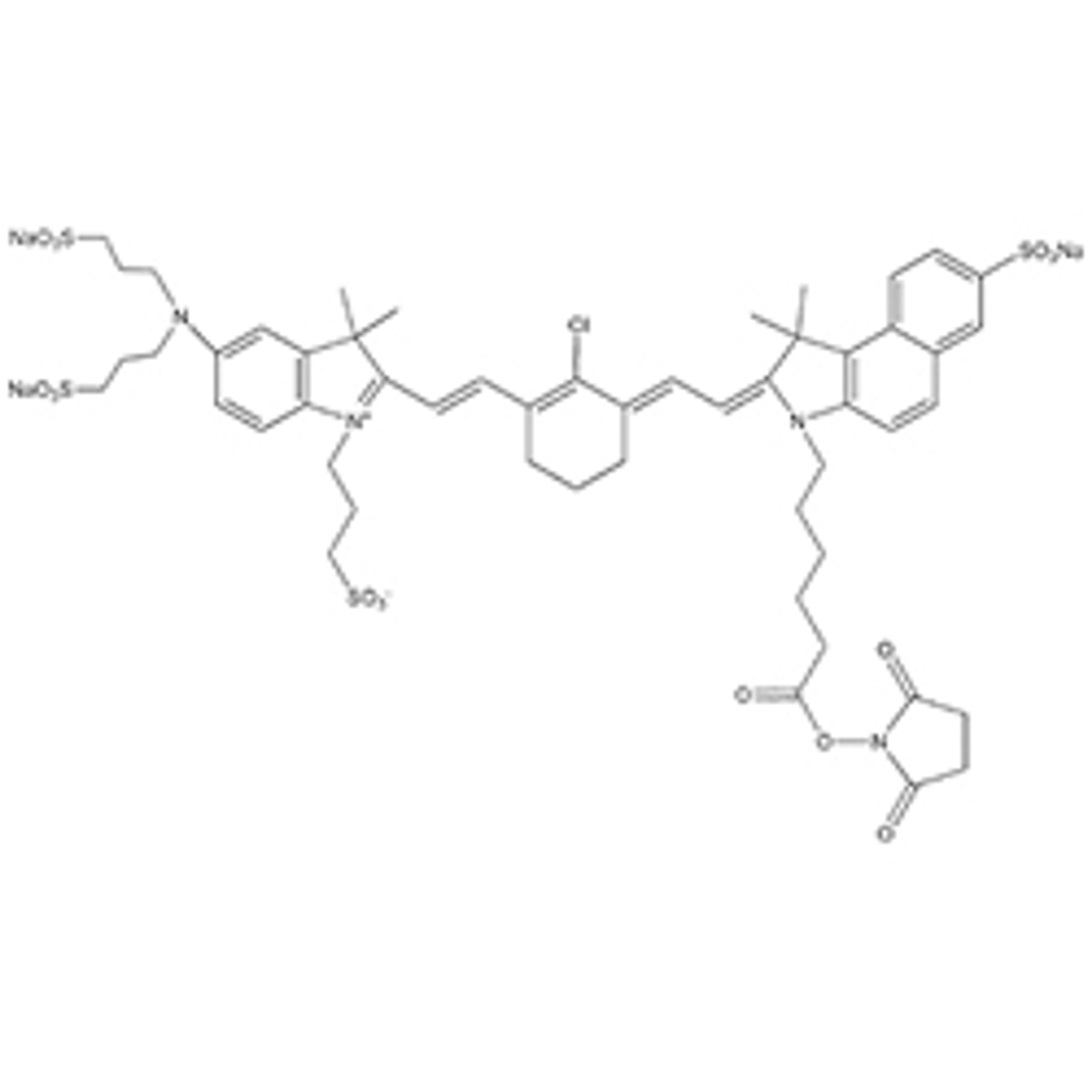
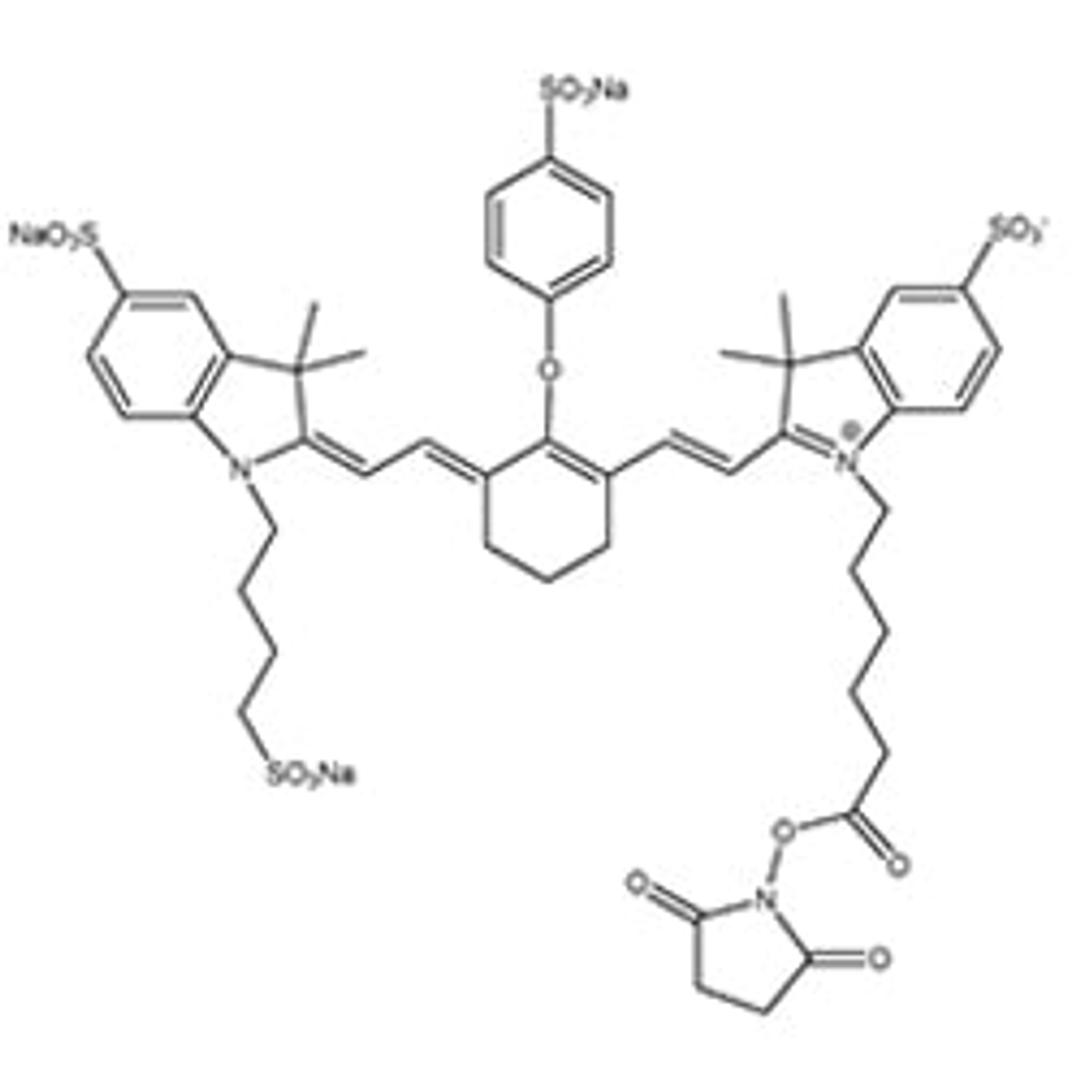
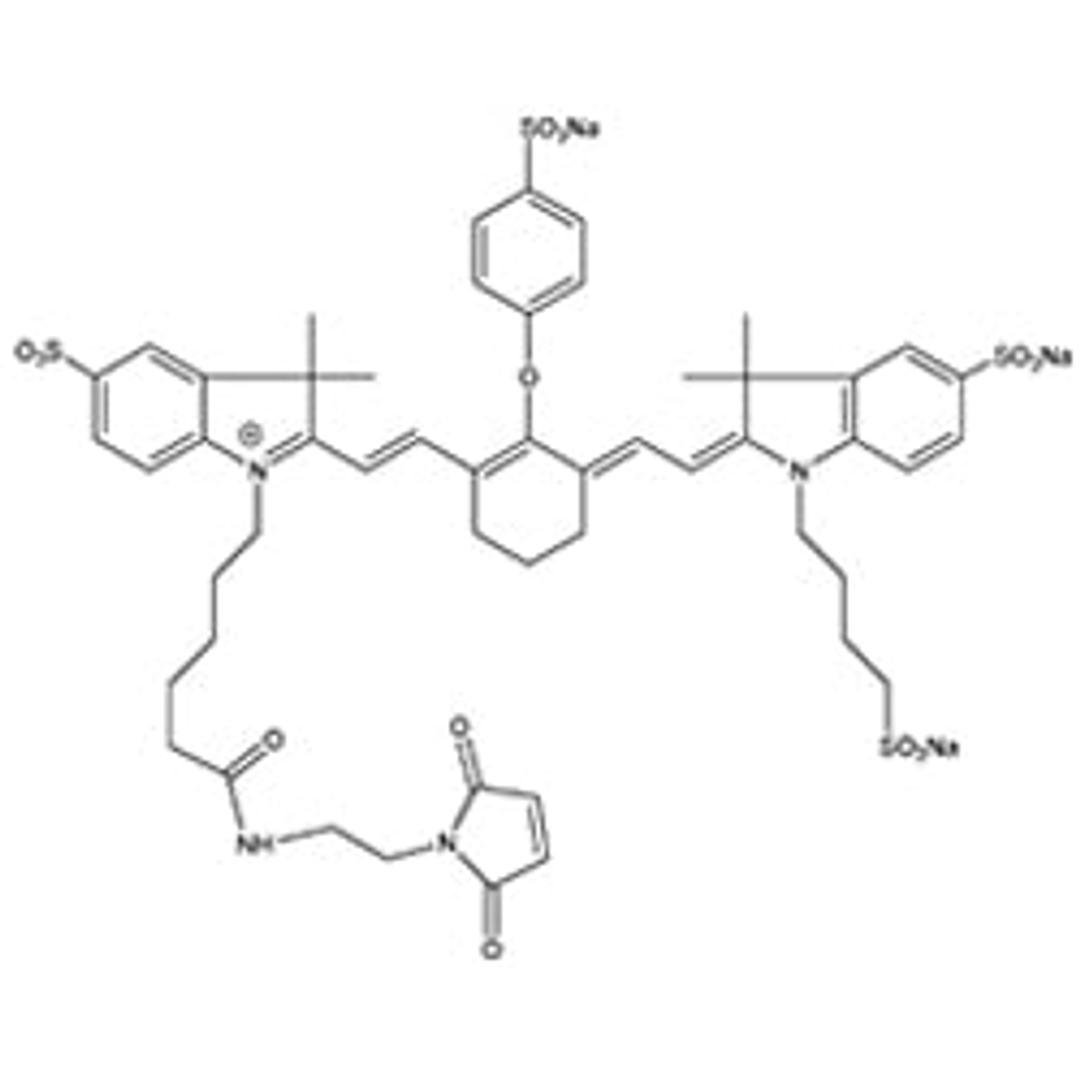
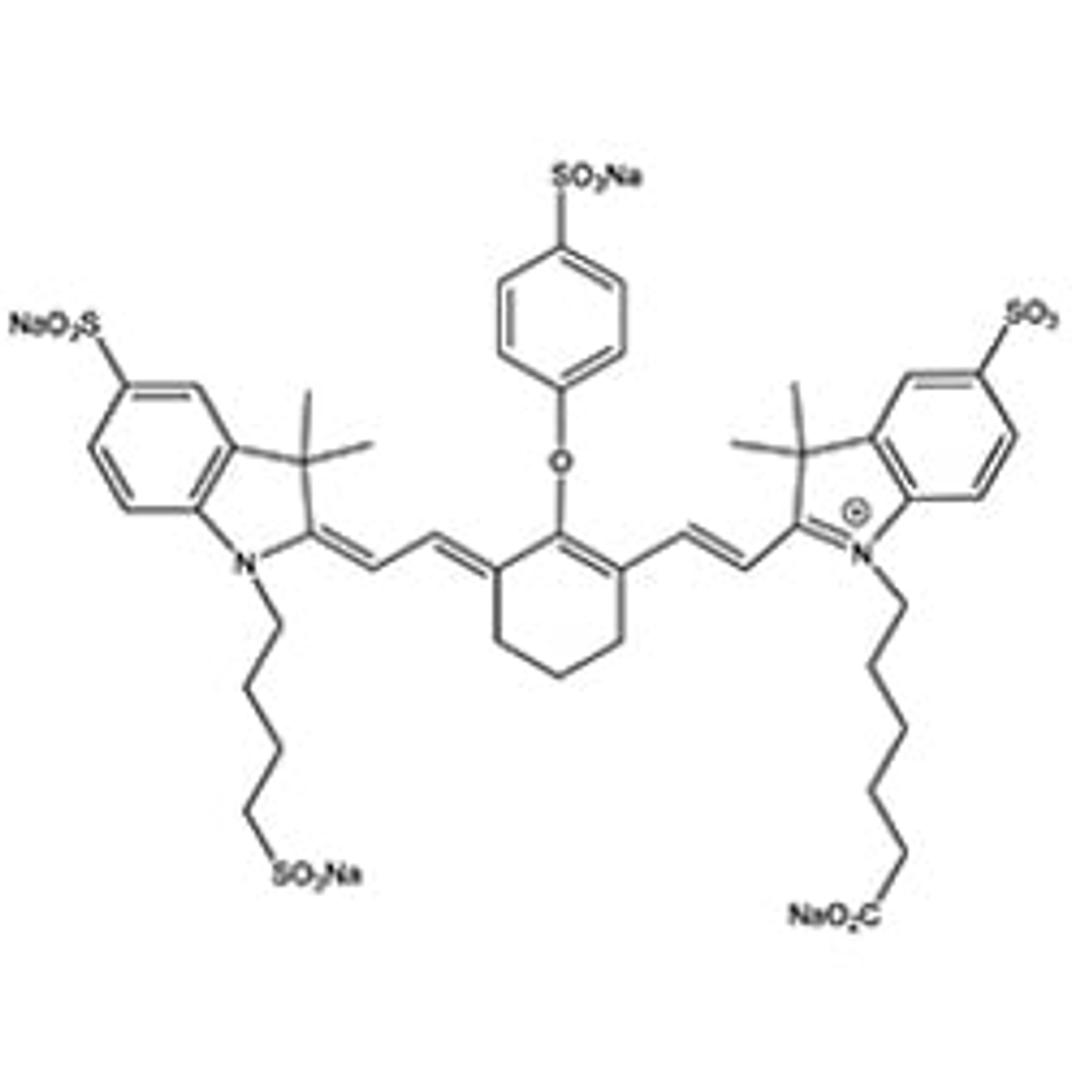
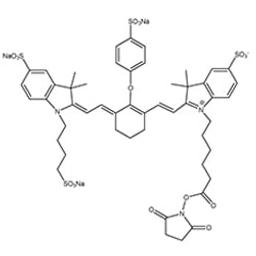
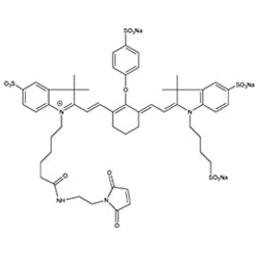
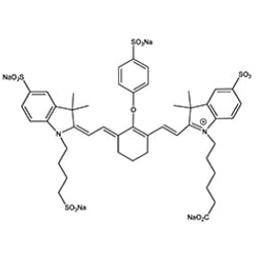
IRDye 800CW dye products include NHS ester, maleimde, carboxylate and labeling kits. IRDye 800CW conjugates include secondary antibodies, streptavidin, carboxylate, and optical agents for small animal imaging.
IRDye® 800CW Infrared Dyes Features: Optimal performance in Western blotting and immunocytochemical assays Superior performance for in vivo imaging High water solubility and salt tolerance Low nonspecific binding to cellular components High signal-to-noise ratio
IRDye® 800CW Applications: Multiplex Western blot detection In-Cell Western™ assays Small Animal Imaging

Maximizing the Performance of Your Western Blot
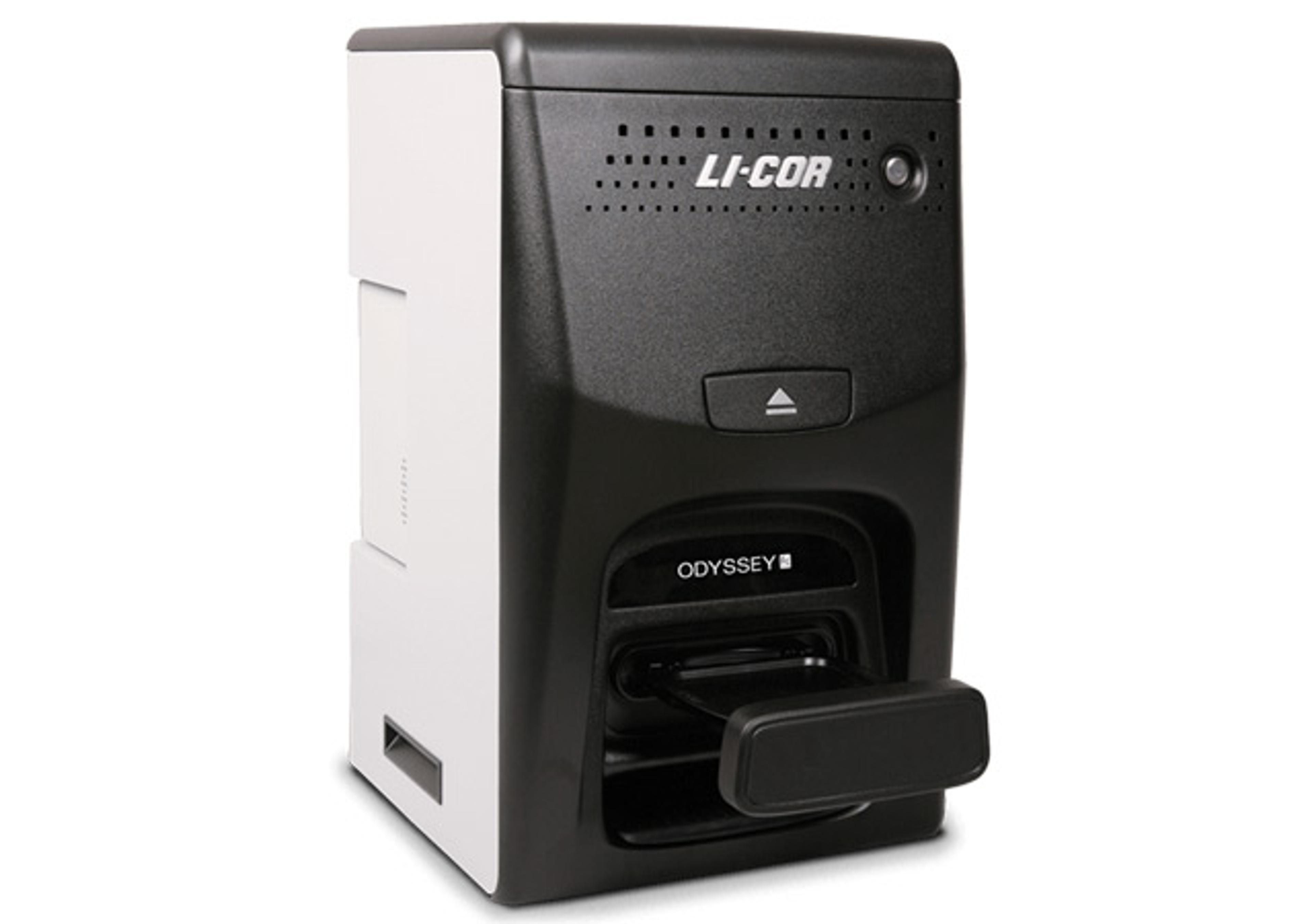
In this note find tips to make the most of your near-infrared (NIR) Western Blot. Some of the factors, including antibody quality, blocking agent selection, contamination and membrane variability that may alter the performance and imaging of a NIR Western blot are discussed. Methods of maximizing performance using the Odyssey Infrared Imaging System and Odyssey software are also described.
Normalization Accuracy for Western Blotting
The normalization of data to an internal control is critical for meaningful quantitative analysis. Small changes in protein expression can have a huge impact on data interpretation. This white paper discusses normalization controls and how they can affect the accuracy of your Western blots. The use of housekeeping genes and choice of detection methods are also evaluated.
A Comparative Study of Affibody, Panitumumab and EGF for Near-Infrared Fluorescence Imaging of EGFR- and EGFRvIII-Expressing Tumors
Aberrant overexpression and/or activation of epidermal growth factor receptor (EGFR) is associated with many types of cancers. While EGFR has been extensively studied as a molecular imaging target, information about the common in-frame deletion mutant, EGFRvIII (targeting) is lacking. This poster describes a comparative study using labeled tumor imaging agents; EGFR-specific affibody, therapeutic antibody panitumumab, and ligand EGF, for the detection of EGFR- and EGFRvIII-expressing Tumors.
Near-Infrared-Labeled Tetracycline Derivative is an Effective Marker of Bone Deposition in Mice
Bone-specific compounds have been used for the detection of bone mineralization, growth, and morphological changes in this application note. A subset of iminodiacetic acid chelators were exploited to produce a near
infrared (NIR) optical bone marker for preclinical animal imaging. By conjugating target compounds to
IRDye® 800CW, the effective fluorescence signal detection to the NIR region was extended without affecting the
compound’s ability to function as a marker.
IRDye<sup>®</sup> 800CW 2-DG Optical Probe is Described.
This application note from LI-COR outlines the use of IRDye® 800CW 2-DG, a fluorescent optical imaging agent that has been shown to be reactive with implanted tumors derived from a number of cell lines and should find use in research pertaining to tumor biology, its metastases, and diabetes. In this investigation, two examples in which IRDye 800CW 2-DG was used to detect subcutaneous A431 tumors are shown.
IRDye<sup>®</sup> BoneTag<sup>TM</sup>Optical Probe
This application note introduces Calcium-chelating compounds IRDye 680 and IRDye 800CW BoneTag, conjugated to either IRDye 680 or IRDye 800CW NIR dyes. Used effectively for the detection of bone mineralization, growth, and morphological changes, in addition, IRDye 800CW BoneTag from LI-COR may prove effective for studies dealing with bone metasteses and bone remodeling studies.
BrightSite™ Near-Infrared Fluorescent Targeting Agents for Optical Imaging of Disease
This application note by LI-COR Biosciences assesses the use of NIR dyes for clinical in vivo imaging. In the NIR wavelength range (700–900 nm) tissue autofluorescence is lower and light can penetrate more deeply than in visible light wavelengths. Here NIR fluorophores are used to image mice tumours and bone structure.