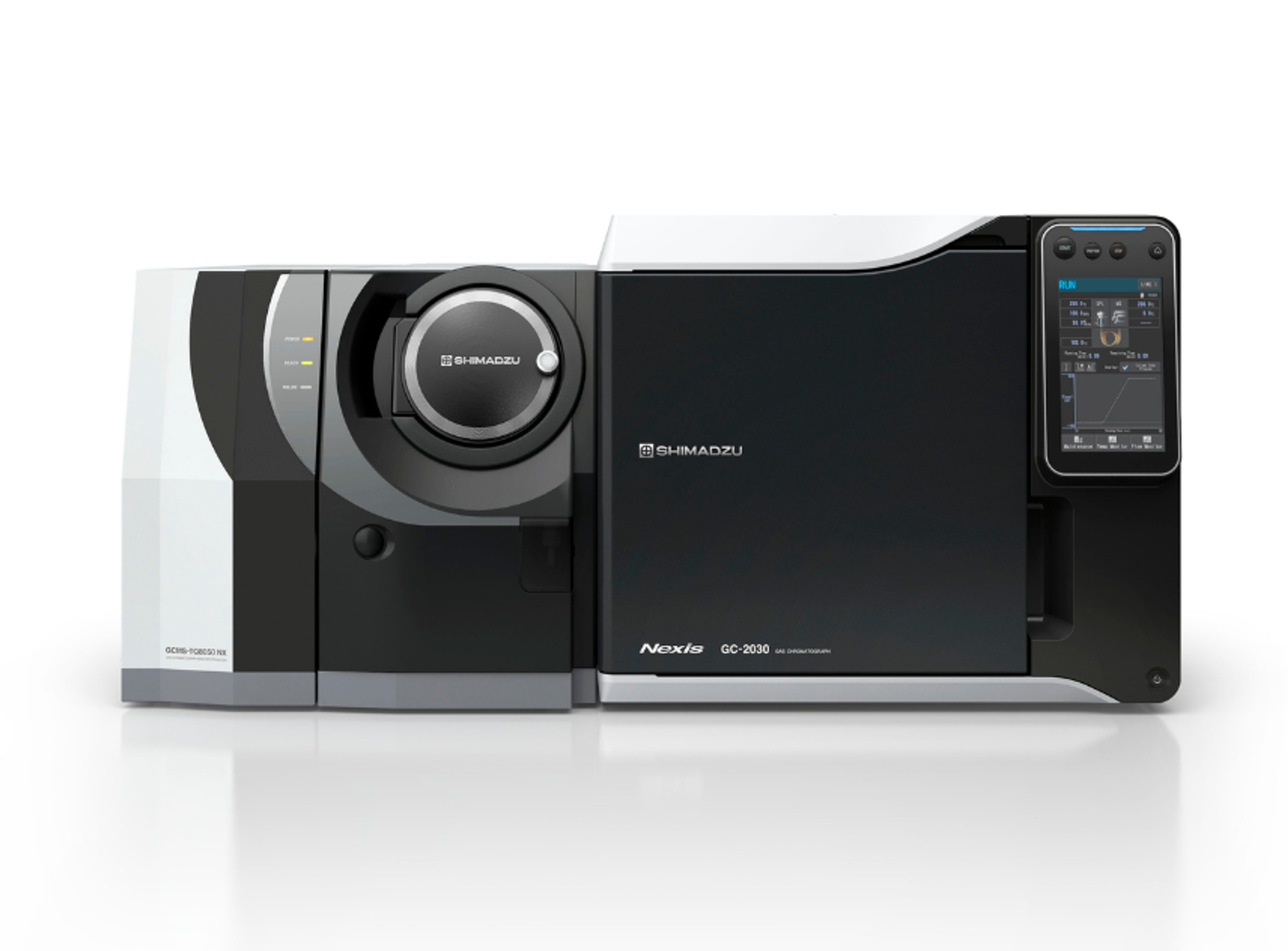
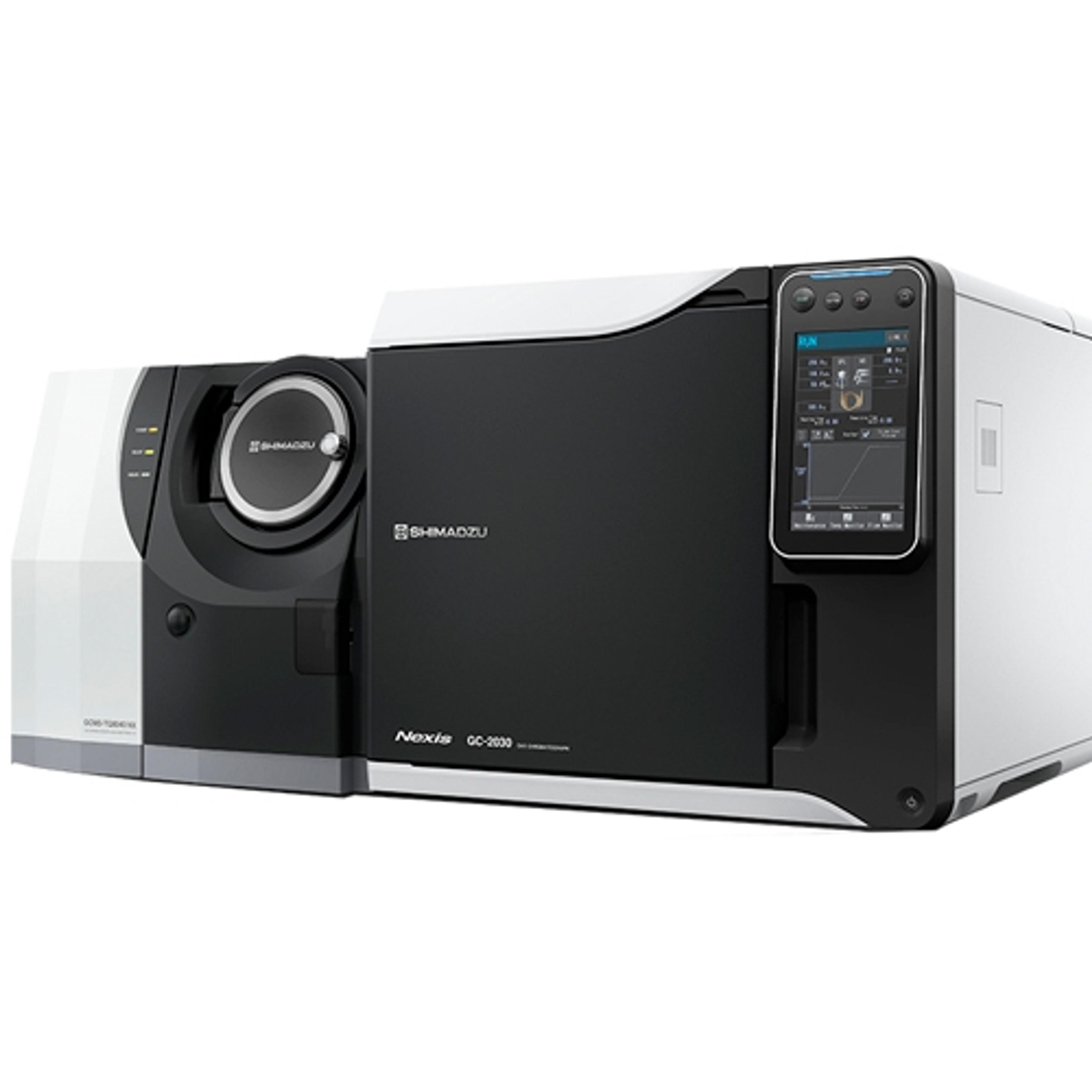
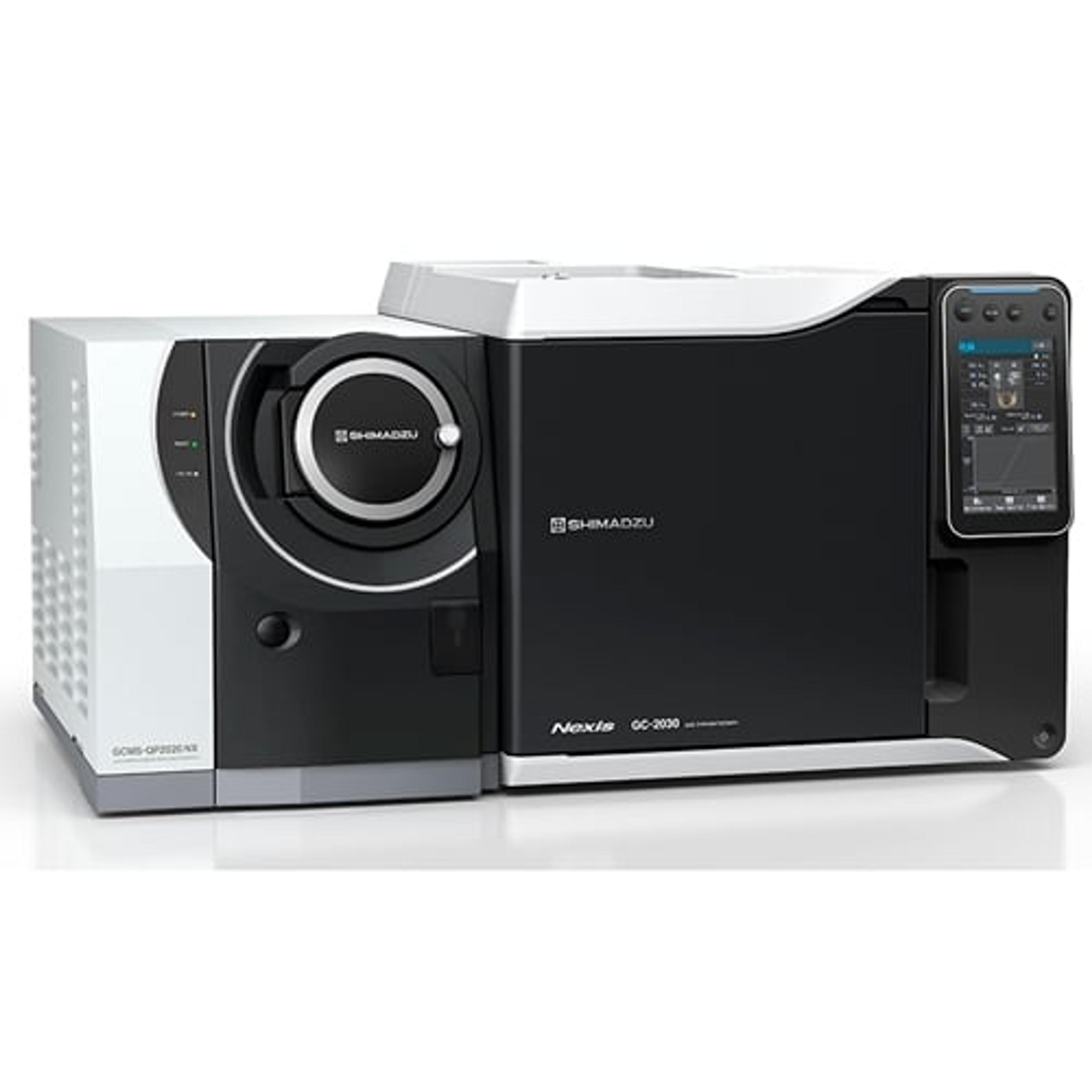
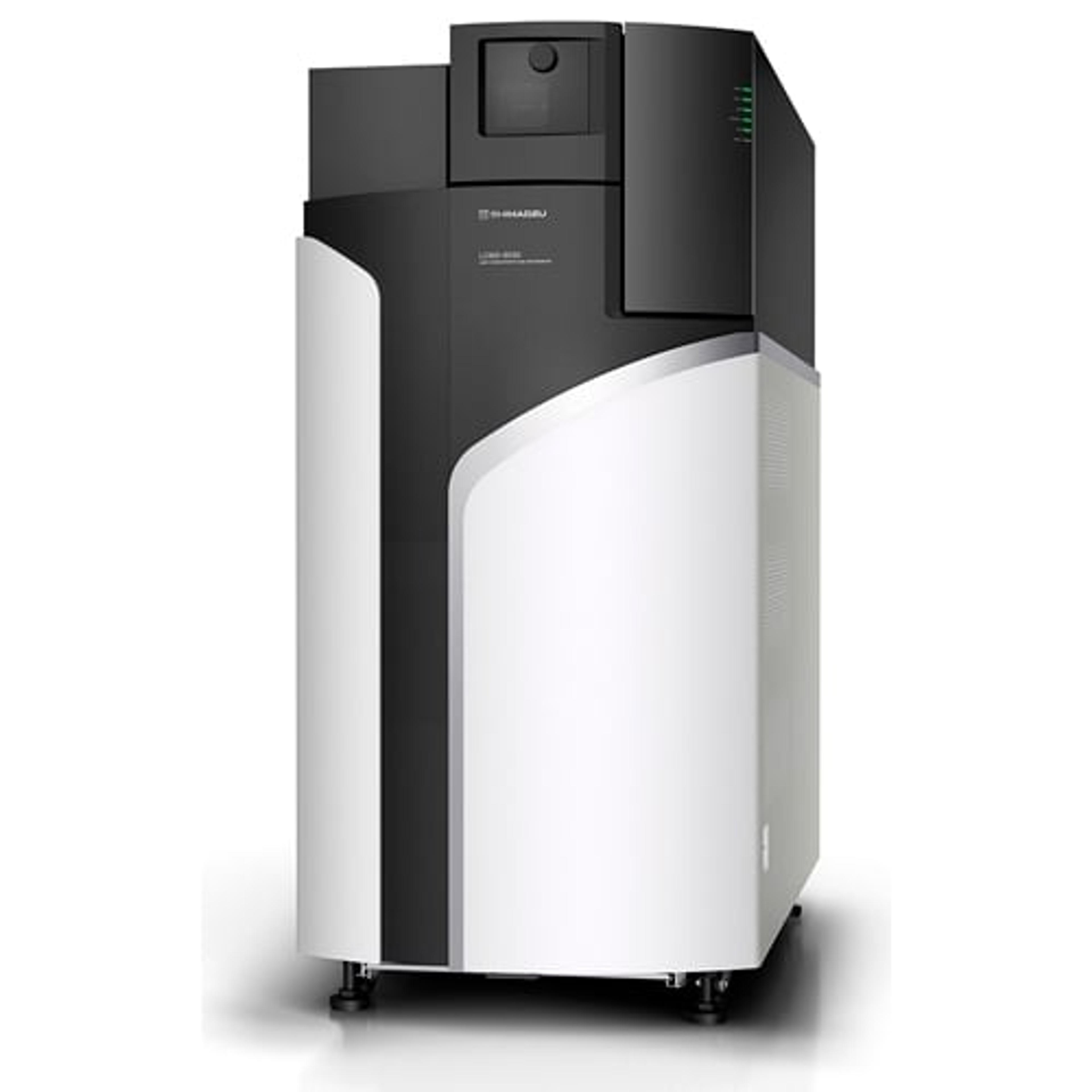
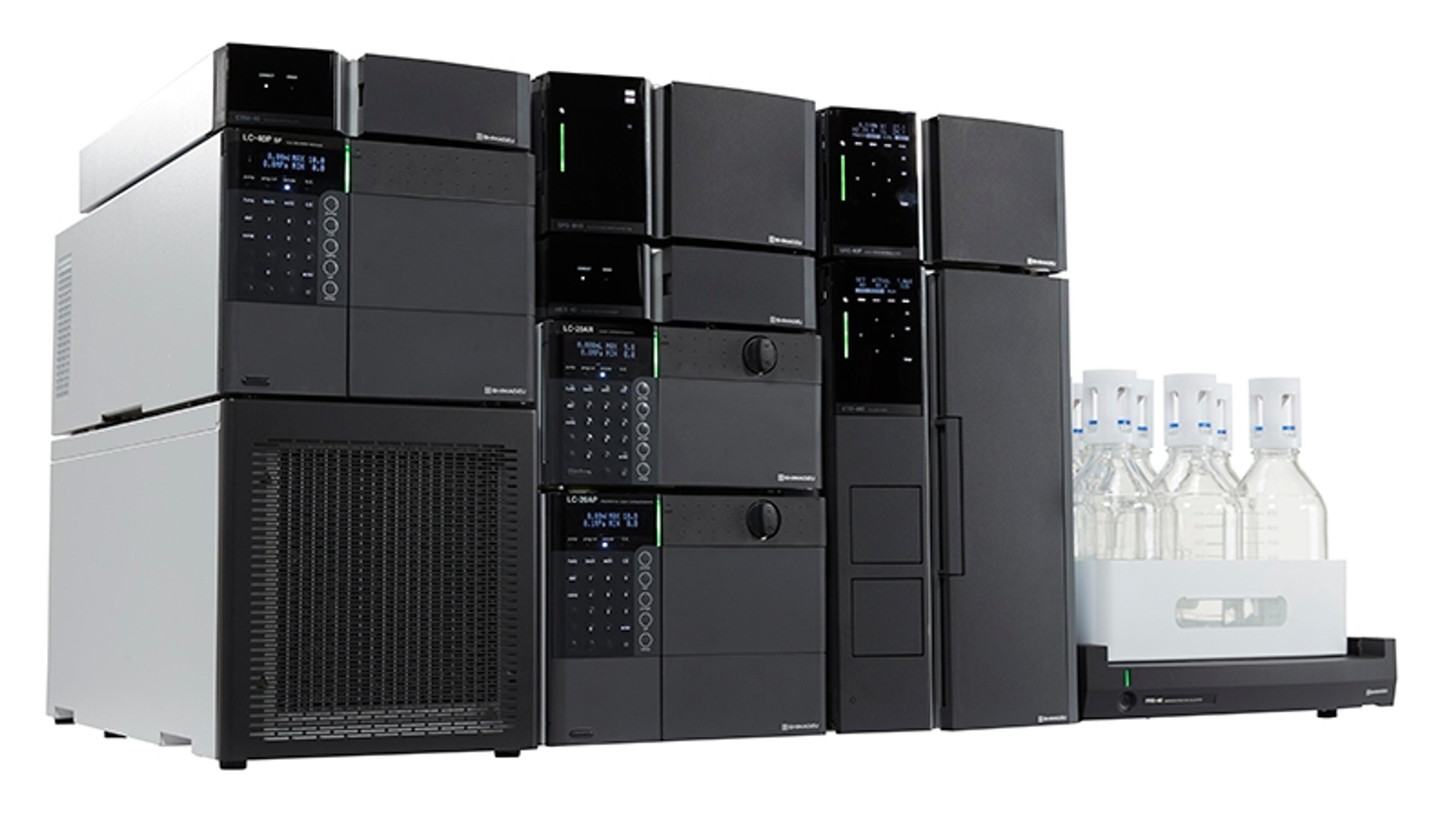
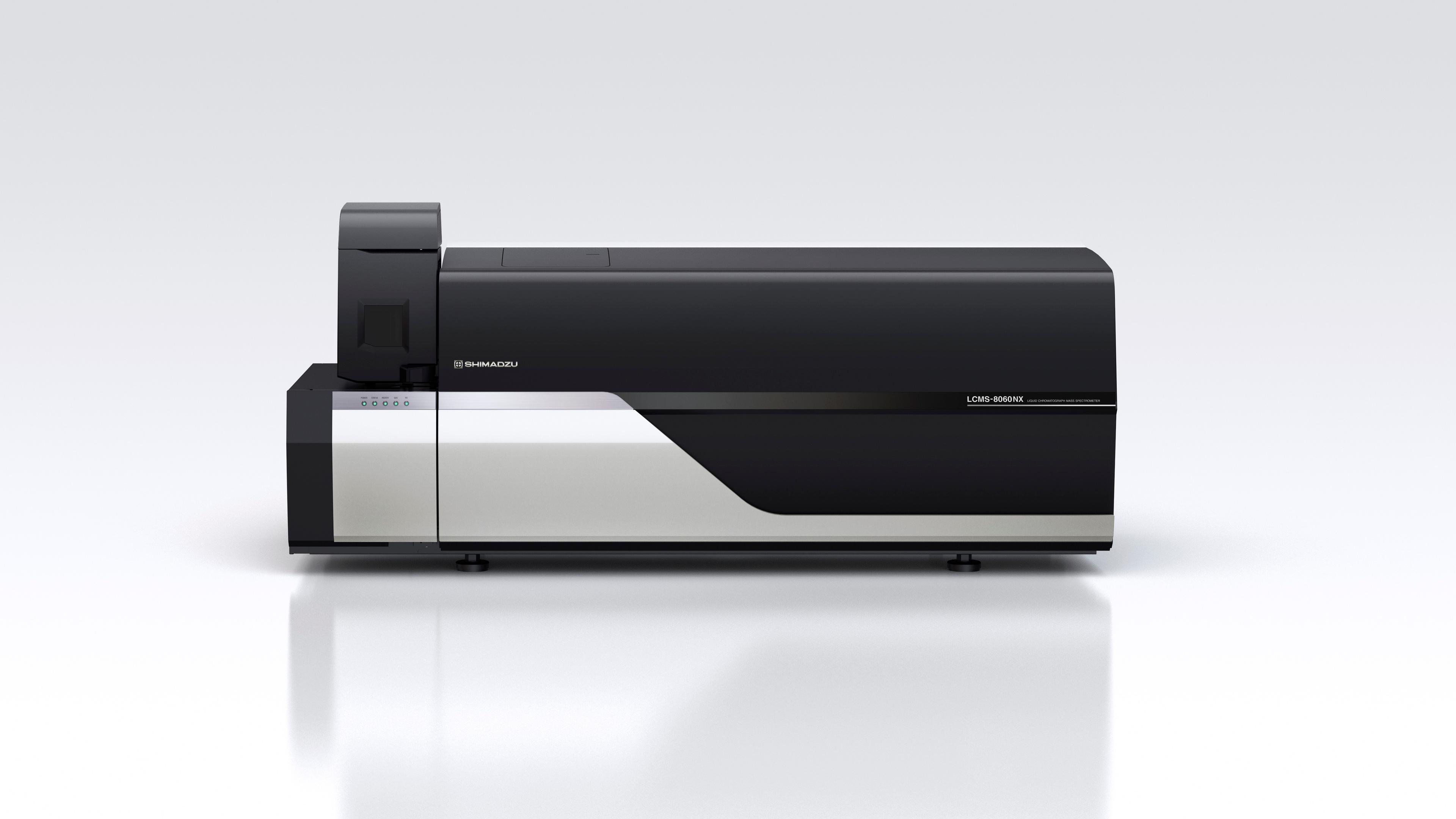
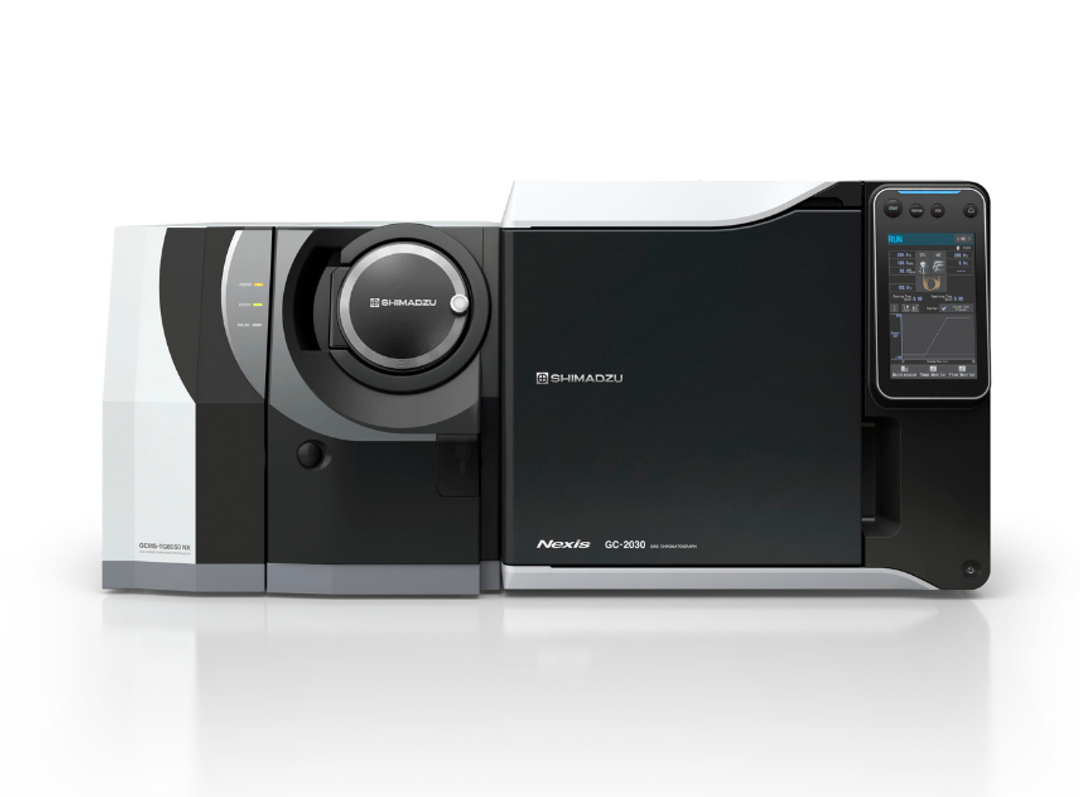
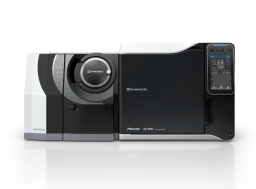
GCMS-TQ8050 NX Triple Quad Mass Spectrometer
Enhanced Sensitivity and Superior Performance

Receive your quote directly from the manufacturer.
Good performance and technical service
We use this machine
Very good performance, technical service is perfect
Review Date: 22 Jan 2026 | Shimadzu Corporation
We love this instrument!
Analyzing contaminants in water supplies
Shimadzu has fantastic technicians that provide high quality service to help us use SPME, headspace, liquid-liquid extraction, and thermal desorption on our GCMS-TQ8050. If you buy this instrument, you also buy a reliable team to help you achieve the goals you want to pursue.
Review Date: 4 Mar 2024 | Shimadzu Corporation
We can't reach any conclusion without this analysis.
Laboratory
Provides accurate results for product development
Review Date: 23 Mar 2019 | Shimadzu Corporation
The GCMS-TQ8050 NX triple quadrupole mass spectrometer has been created based on continuously advancing smart technologies that go beyond what was previously possible.
A new highly efficient detector and newly developed technologies enable femtogram-level quantitative analysis, while robust performance ensures dramatically improved reliability.
Key features/benefits include:
- Enhanced Sensitivity – State-of-the-art technologies enable reliable detection of ultra-trace quantities of ions, down to the femtogram level
- Superior Durability – New detector with a contamination-resistant ion source and extended service life ensures long-term stable analysis
- Outstanding Performance – A new turbomolecular pump with higher evacuation performance achieves a superior vacuum state in the MS unit, resulting in higher sensitivity, accuracy, and stability
- Reliable Operation – Smart MRM technology helps accurately create methods for ultra-trace analysis and ensures high sensitivity for MRM measurements
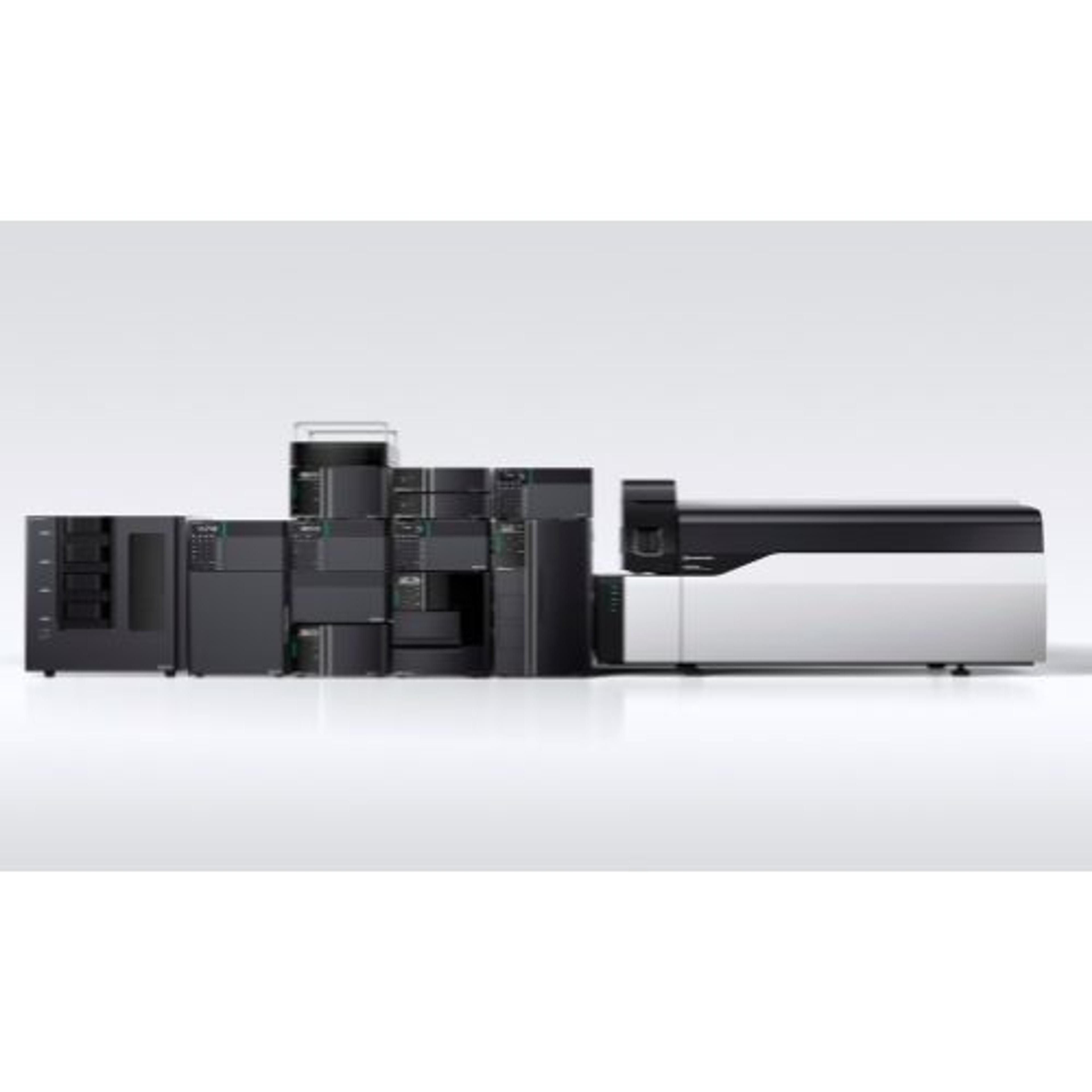
GCMSsolution software provides intuitive control of the GCMS-TQ8050 NX. Also included is LabSolutions Insight. This data review software enables faster quantitative analysis and higher productivity when analyzing pesticides, forensic toxicological substances, environmental pollutants, and many other substances. In addition, each system can be configured with a variety of sample introduction devices to address specific application requirements.

Managing the risk of nitrosamines in medicinal drugs
Nitrosamines, also known as N-nitrosamines, refer to any molecule with a nitroso functional group (NO⁺) bonded to a deprotonated amine. Nitrosamine impurities are of particular concern as there is evidence that they can be carcinogenic, and therefore their presence in medicines is considered unacceptable.
In this free eBook, discover a range of ultra-fast mass spectrometry technologies for the quantification of trace levels of nitrosamine impurities from various drug substances, drug products, and solvents.
This eBook will also cover:
- Sartan analysis
- Metformin analysis
- Other API analyses
- Residual solvent analysis
California and Oregon residual pesticide analysis using APCI with LC-MS/MS
With the increase in medicinal and recreational cannabis legislation throughout the United States, there is an emerging demand for pesticide testing on cannabis products. In this application note, Shimadzu demonstrates the use of atmospheric pressure chemical ionization (ACPI) and liquid chromatography-mass spectrometry (LCMS), while also exploring the utility of LCMS for the analysis of complete California and Oregon pesticide lists for cannabis.
Choosing the right instrumentation for cannabinoid analysis
In this application note, Shimadzu explores the various techniques for the analysis of cannabinoids and terpenes, highlighting techniques like high-performance liquid chromatography (HPLC) and the use of single quadrupole liquid chromatograph mass spectrometers (LCMS).
Analysis of Aroclor and Organochlorine Pesticides in Ground Water using Triple Quadrupole GC-MS/MS
USEPA method 608 is GC-ECD method to determine Aroclor and organochlorine pesticides. This method requires the use of second column for confirming the detected compounds due to the low selectivity of the ECD detector comparing with GC-MS/MS. Also pattern recognition is required for accurate identification of Aroclors. Triple quadrupole GC-MS/MS based method offers a solution for the GC-ECD method’s drawbacks by providing high selective analysis. In addition, the type and concentration of Aroclor can be simultaneously determined.
Fast, Quantitative Analysis of 1000+ Pesticides Using MRM Mass Spectrometry
As the global population continues to increase, food security becomes a greater concern. This places significant pressure on agricultural producers to grow food in a faster, safer and more sustainable fashion. Faced with this challenge, many farmers use pesticides to protect crops from environmental pests, such as weeds (herbicides), insects (insecticides) and fungus (fungicides).
Fast, Accurate Analysis of Toxicological Substances in Whole Blood
For many forensic laboratories, there is a need for a simpler, faster and more effective way to conduct analysis. These labs face the challenge of delivering accurate results for an increasing number of samples. To improve productivity and confidence in results, they need more advanced instrumentation and software solutions designed specifically for forensic analysis.
Analyses of PFOS and PFOA Precursors in Textile Products Using EI-MRM and PCI-SIM Method
Precursors of perfluoro compounds (PFCs) such as perdluorooctane sulfon-amides (FOSEs, FOSAs) and acrylates (FTAs), which may potentially degrade to perdluorooctane sulfonate (PFOS) and perflurooctanoic acid (PFOA), are analysed via an electron ionization-multiple reaction monitoring (EI-MRM) method and a positive chemical ionization-selective ion monitoring (PCI-SIM) method. For all targets, both acquisition methods report a limit of quantitation (LOQ) value of 5.0 ng/mL. The EI-MRM method provides a lower limit of detection (LOD) than the PCI-SIM method, LOD of the former is as low as 0.5 ng/mL whereas that of the latter is 4.0 ng/mL.
Redefine Volatile and Semivolatile Organic Compounds Analysis by GC-MS, from Start to Finish
Routine analysis and reporting of volatile and semivolatile organic compounds (VOCs and SVOCs) in environmental samples is well established, defined and standardized by the Environmental Protection Agency (EPA) and other organizations. However, cutting-edge GC-MS technology is redefining laboratories’ performance for environmental analysis, whether using single or triple quadrupole mass spectrometry.
Yoshiro Hiramatsu, GC-MS Product Liaison and Dr. Ruth Marfil-Vega, Senior Market Manager, Shimadzu Scientific Instruments, will explore how Shimadzu’s latest GC-MS instruments, in combination with the multi-platform software LabSolutions and LabSolutions Insight, enable successful detection, quantitation, and suspect screening of VOCs and SVOCs. Plus, discover how these tools support EPA methods, from initial sample analysis to final data reporting.
Key learning objectives
- Learn how to boost throughput with the use of an enhanced tuning algorithm, faster data acquisition, and other novel GC-MS designs for prolonged stability and shorter analysis time
- Find out how to effectively mitigate human error, minimize rework, and reduce operational costs with advanced GC-MS technology to simplify maintenance and routine analysis
- Discover how to streamline data processing and reporting through AI-assisted data integration for EPA and other environmental methods
Who should attend?
- Lab managers
- Environmental analytical chemists
- Water quality professionals
- GC-MS users
- Environmental analysts
- Environmental laboratory managers
Certificate of attendance
All webinar participants can request a certificate of attendance, including a learning outcomes summary, for continuing education purposes.
Clever new GC is small but powerful
Making more space for high-performance analyses
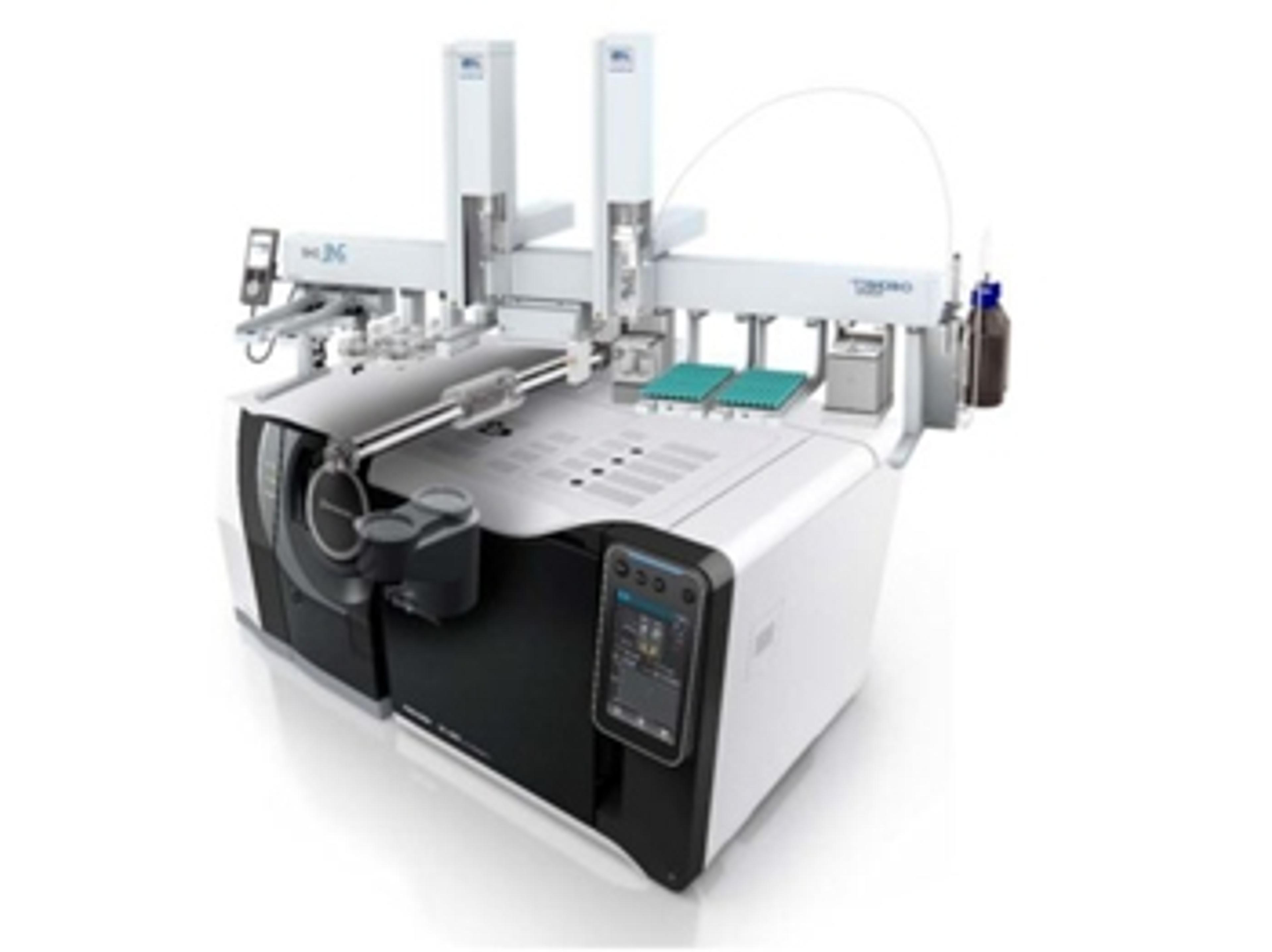
Joint solution provides rapid detection of fatty acid esters in oils and fats
An automated sample management system paired with a triple quadrupole mass spectrometer is said to drastically shorten analysis time

Pittcon 2020: 14 tech highlights to provide advanced analytical research solutions
Top innovations and technology news from the laboratory science conference and expo in Chicago, U.S.A.