
ResourceSeparations
California and Oregon residual pesticide analysis using APCI with LC-MS/MS
9 Mar 2020With the increase in medicinal and recreational cannabis legislation throughout the United States, there is an emerging demand for pesticide testing on cannabis products. In this application note, Shimadzu demonstrates the use of atmospheric pressure chemical ionization (ACPI) and liquid chromatography-mass spectrometry (LCMS), while also exploring the utility of LCMS for the analysis of complete California and Oregon pesticide lists for cannabis.
Related products
Request Quote for All Products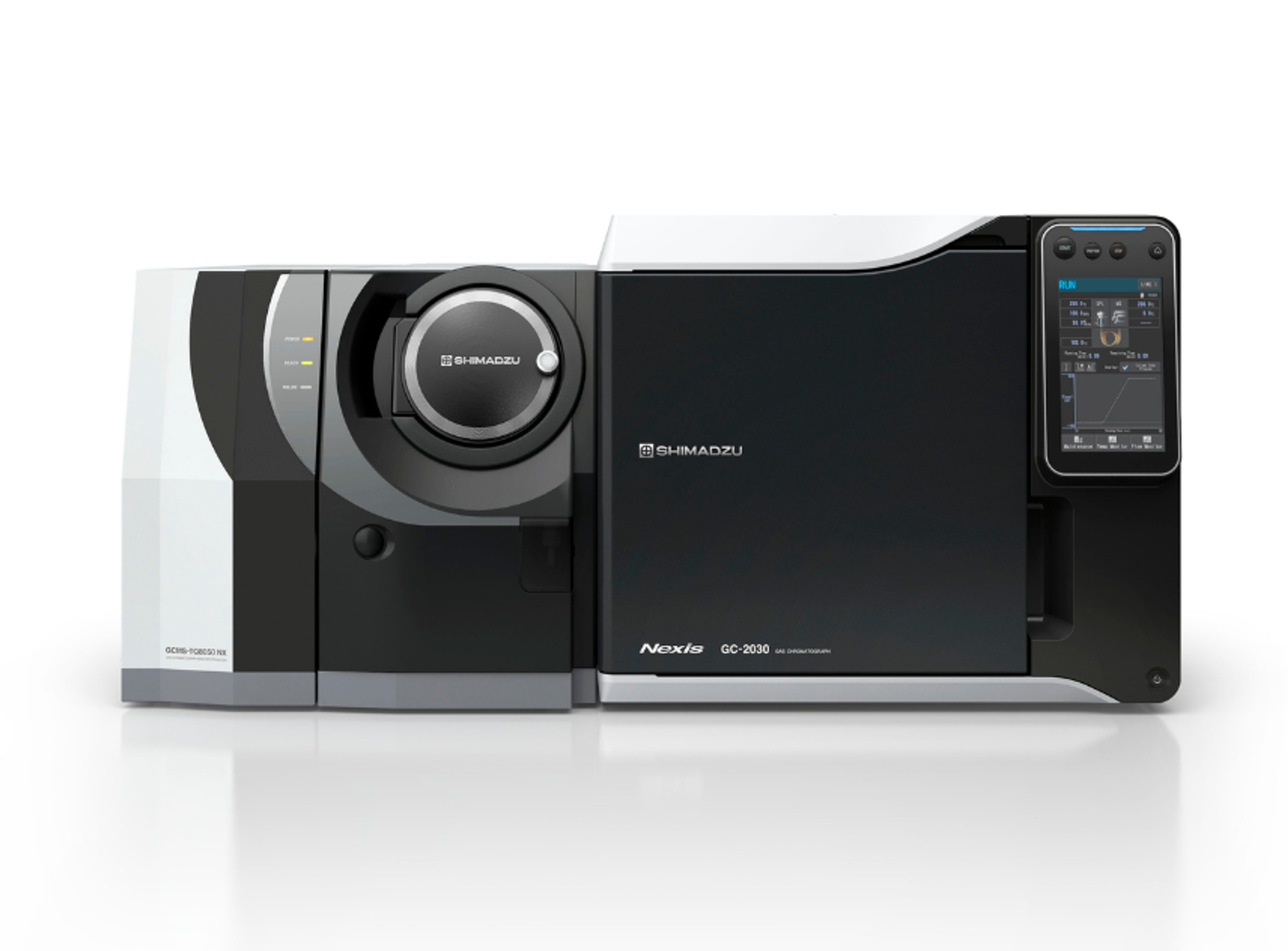
GCMS-TQ8050 NX Triple Quad Mass Spectrometer
Shimadzu CorporationEnhanced Sensitivity and Superior Performance
Links
Tags
LC-MSLC-MS (liquid chromatography-mass spectrometry) systems and equipment are used for separation and quantitative analysis of complex mixtures, combining liquid chromatography and mass spectrometry. Quantify proteins, contaminants, pesticides or screen for drug metabolites with a high level of sensitivity. LC-MS systems and equipment include reverse phase, normal phase and specialized columns integrated with various MS detectors such as time-of-flight (TOF), quadrupole, orbitrap or ion trap mass analyzers. LC-MS/MS instruments equipped with a qTOF or triple quadrupole analyzer give greater sensitivity and resolving power to your analysis. Find the best LC-MS equipment in our peer-reviewed product directory: compare products, check customer reviews and receive pricing direct from manufacturers.PesticidesPesticides are used to protect crops from diseases, pests and unwanted plants. They are classed as persistent organic pollutants (POPs) and can be harmful to humans. The Environmental Protection Agency (EPA) currently regulates the use of pesticides in the USA. Cannabis