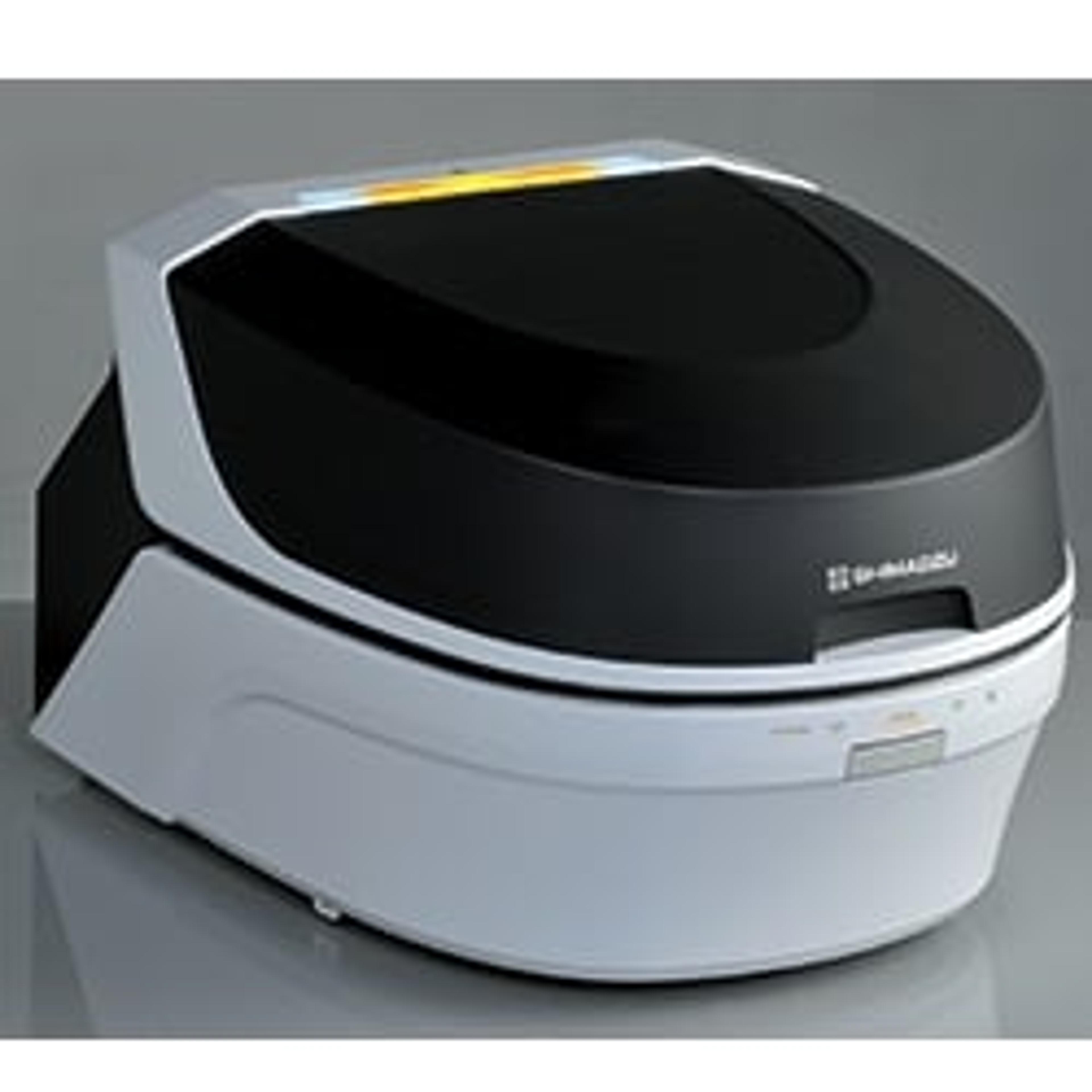
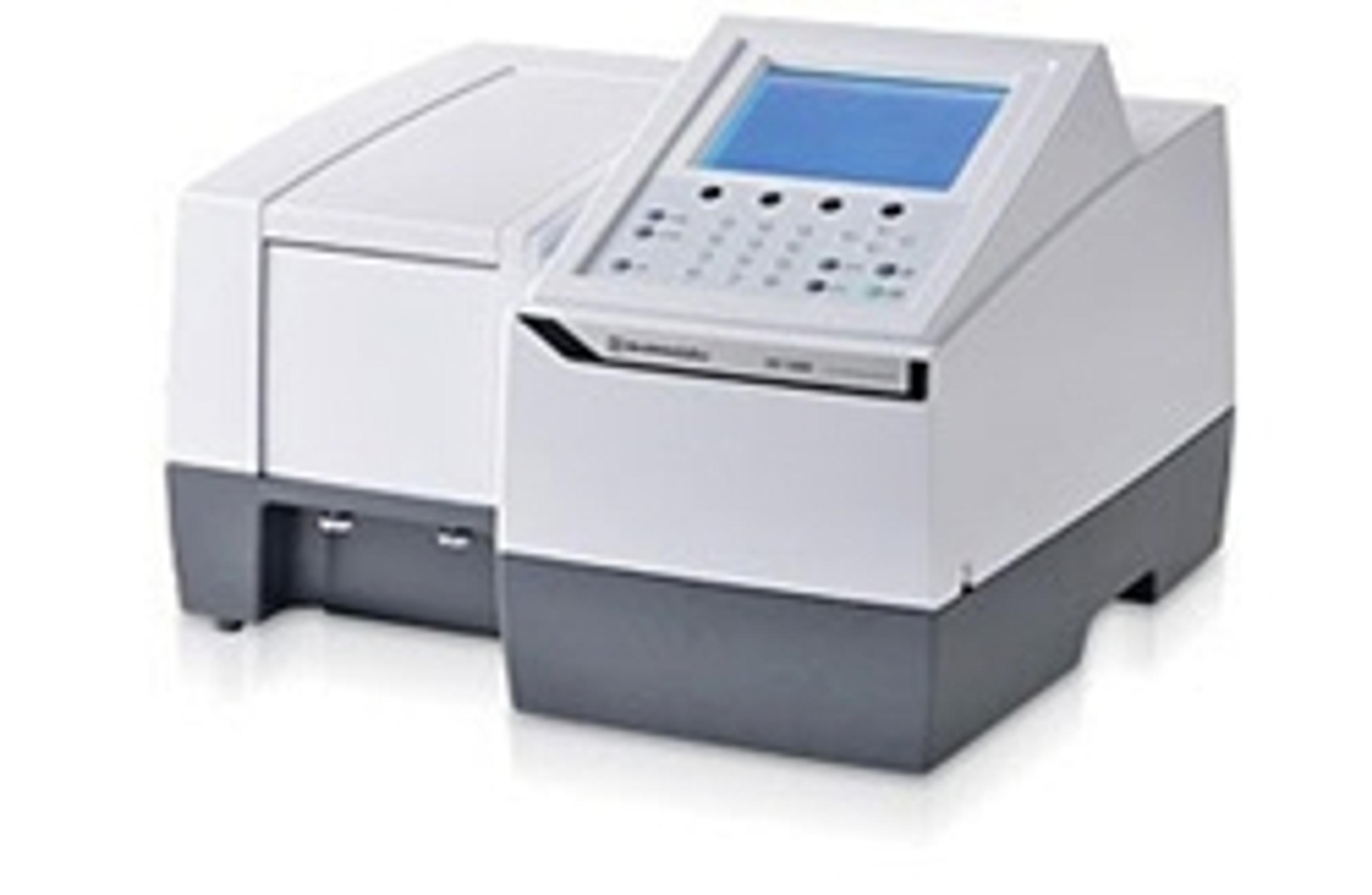
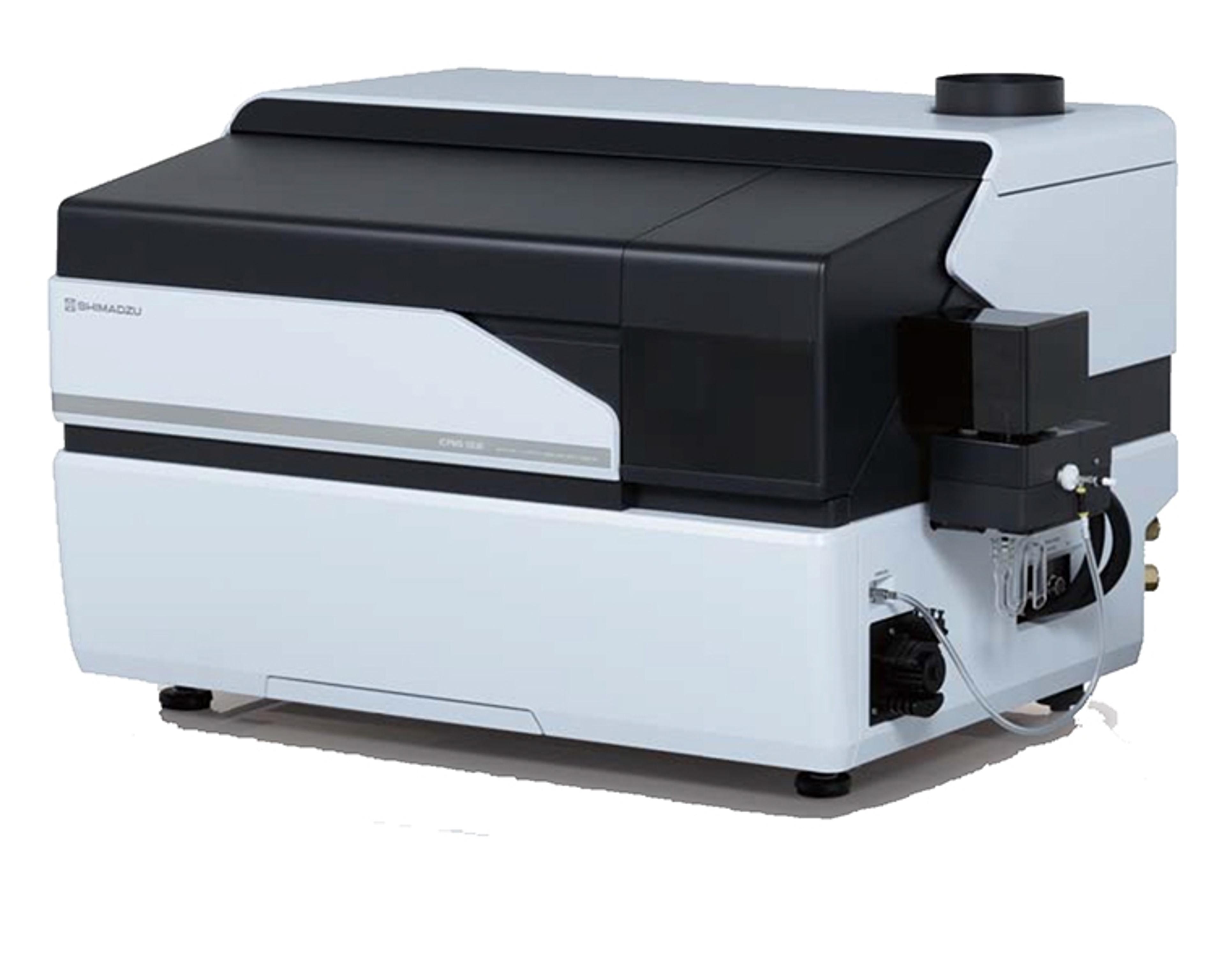
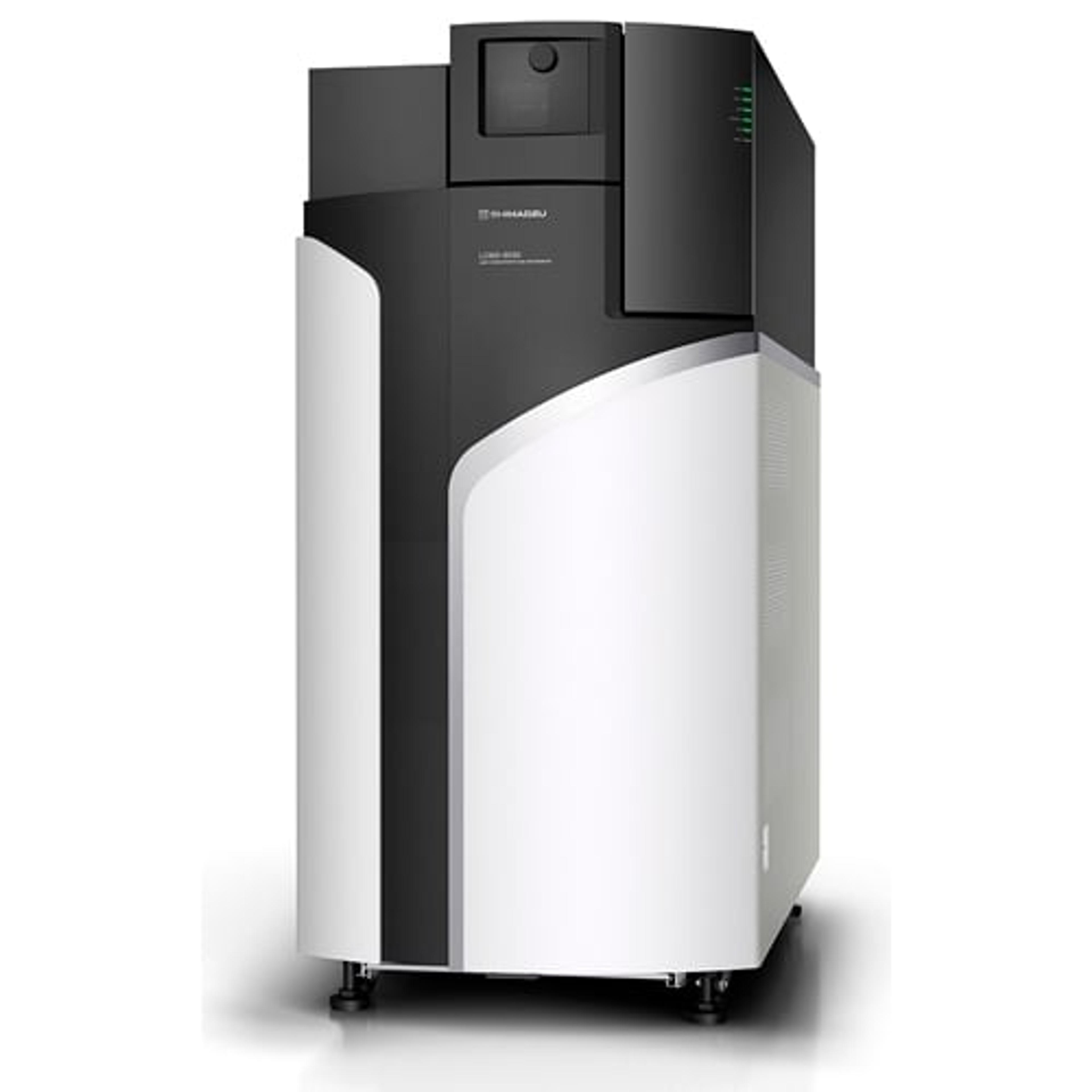
EDX-8100 Energy Dispersive X-ray Fluorescence Spectrometer
EDX-8100: One EDX over all others

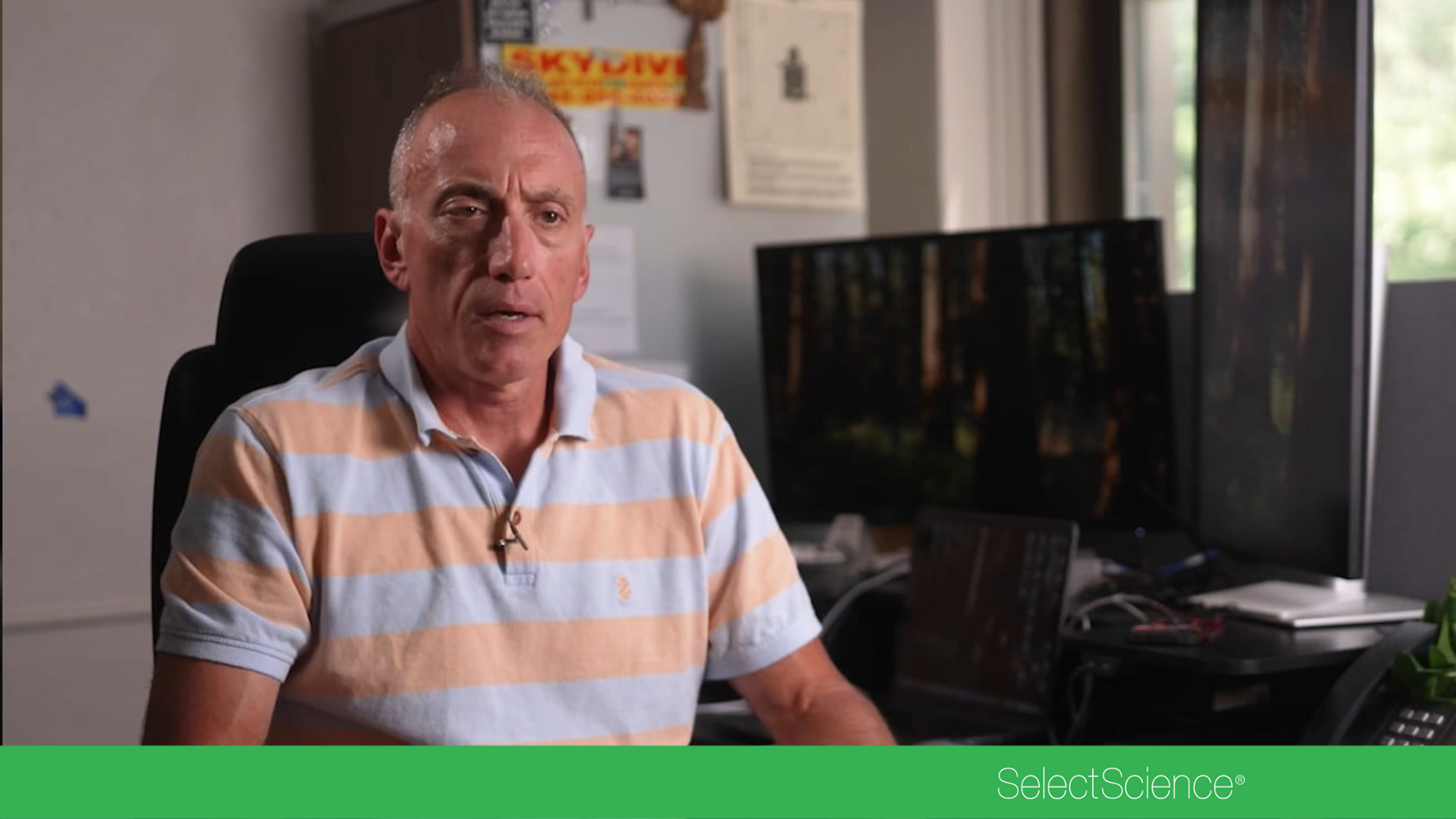
Dr. Tom Spudich, Professor of Analytical Chemistry, discusses the advanced spectroscopy tools that are transforming forensic science

Receive your quote directly from the manufacturer.
Fast, accurate and user friendly
Oil and Gas
I have experience on this instrument more than 24 years. Its fast. accurate and works perfectly without troubling to user. It takes a little space on the bench compare to other products. Less trouble shooting and service provider also giving big support to the end user . Highly recommend .
Review Date: 6 Sept 2022 | Shimadzu Corporation
EDX-8100: One EDX over all others
The Energy Dispersive X-ray Fluorescence spectroscopy (ED-XRF) is a non-destructive analytical technique for identifying and quantifying elemental compositions in solid, powder, and liquid samples. It is widely used for non-destructive elemental analysis for quality and process control in applications including metals, chemicals, polymers, environmental testing, food safety, and pharmaceuticals, etc.
The EDX-8100 energy dispersive X-ray fluorescence spectrometer offers a high level of accuracy and speed in analyzing elements contained in various samples. It supports ultra-light element analysis of 6C to 92U, and can be used in conjunction with the helium substitution option to analyze liquid samples containing light elements (F to Al) as is.

Explore the planet: Break scientific boundaries and discover more in volcanology, gemology and mineralogy
Naturally occurring minerals in the Earth’s crust contain unique chemical signatures, which can reveal detailed information about the history of their formation and geographic origins.
In this free eBook, discover a suite of analytical technologies designed to assess the properties and composition of various minerals to help researchers understand how their instruments can be used for the analysis of gemstones for the jewelry industry, as well as basic research into the mineralogy of both volcanic and metamorphic rocks.
This eBook will also cover:
- Spectrophotometric analysis of gemstones
- X-ray analysis of precious stones
- Elemental mapping
- Electron probing of minerals in volcanic rocks
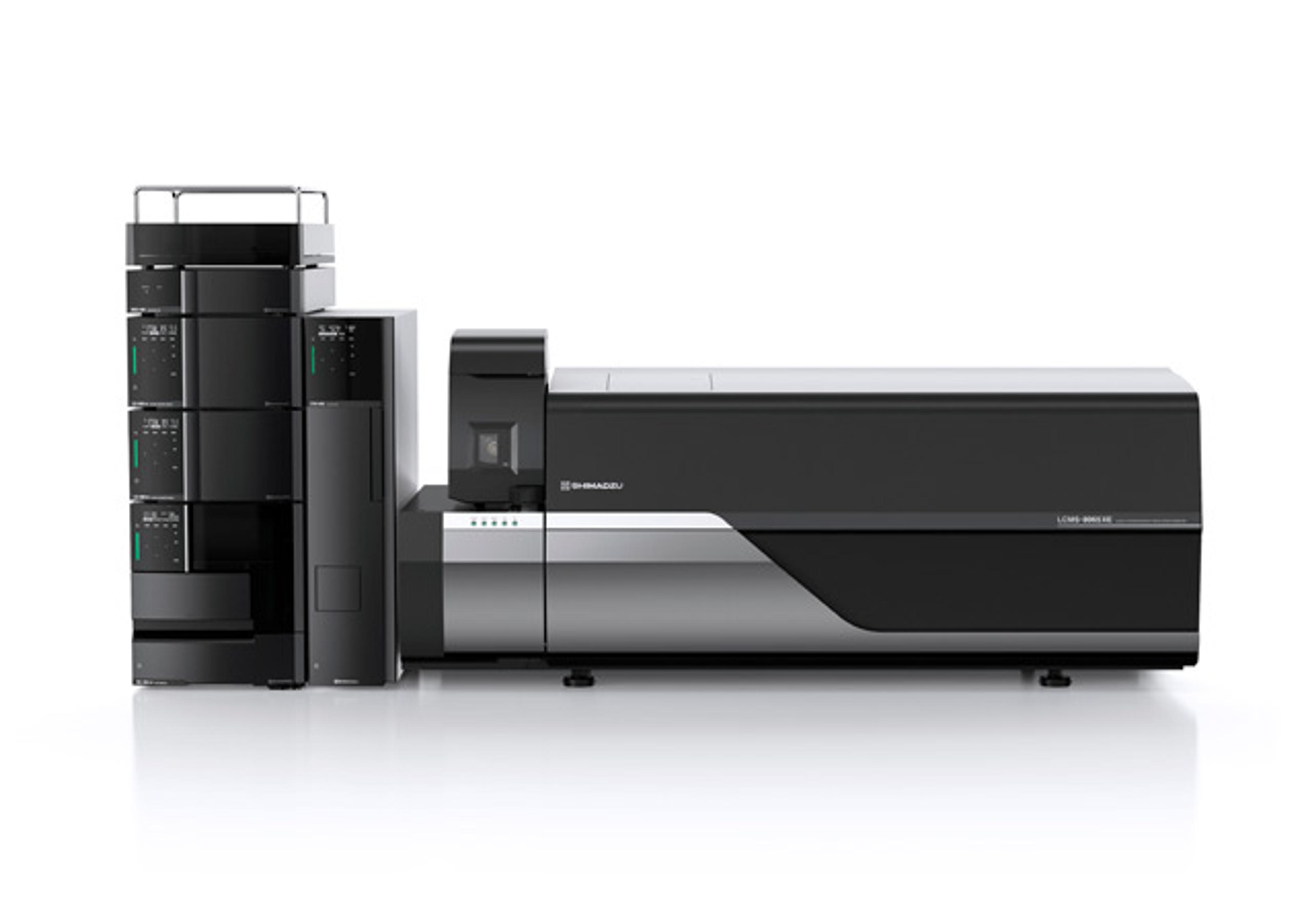
Multi-Component Analysis of Heavy Metals in Various Foods Using AA, ICP, ICPMS & EDX
The U.S. Food and Drug Administration (FDA) identifies chemical hazards as serious threats to the food supply. Heavy metal contamination is among the many chemical hazards included in the official FDA guidance documents. Chemical contamination can be introduced at any stage in food production and processing. Heavy metals (e.g., cadmium, arsenic and mercury) can contaminate foods through agricultural practices or the use of contaminated soil or water. Additionally, heavy metals from equipment, containers or utensils can leach into food during processing and production.
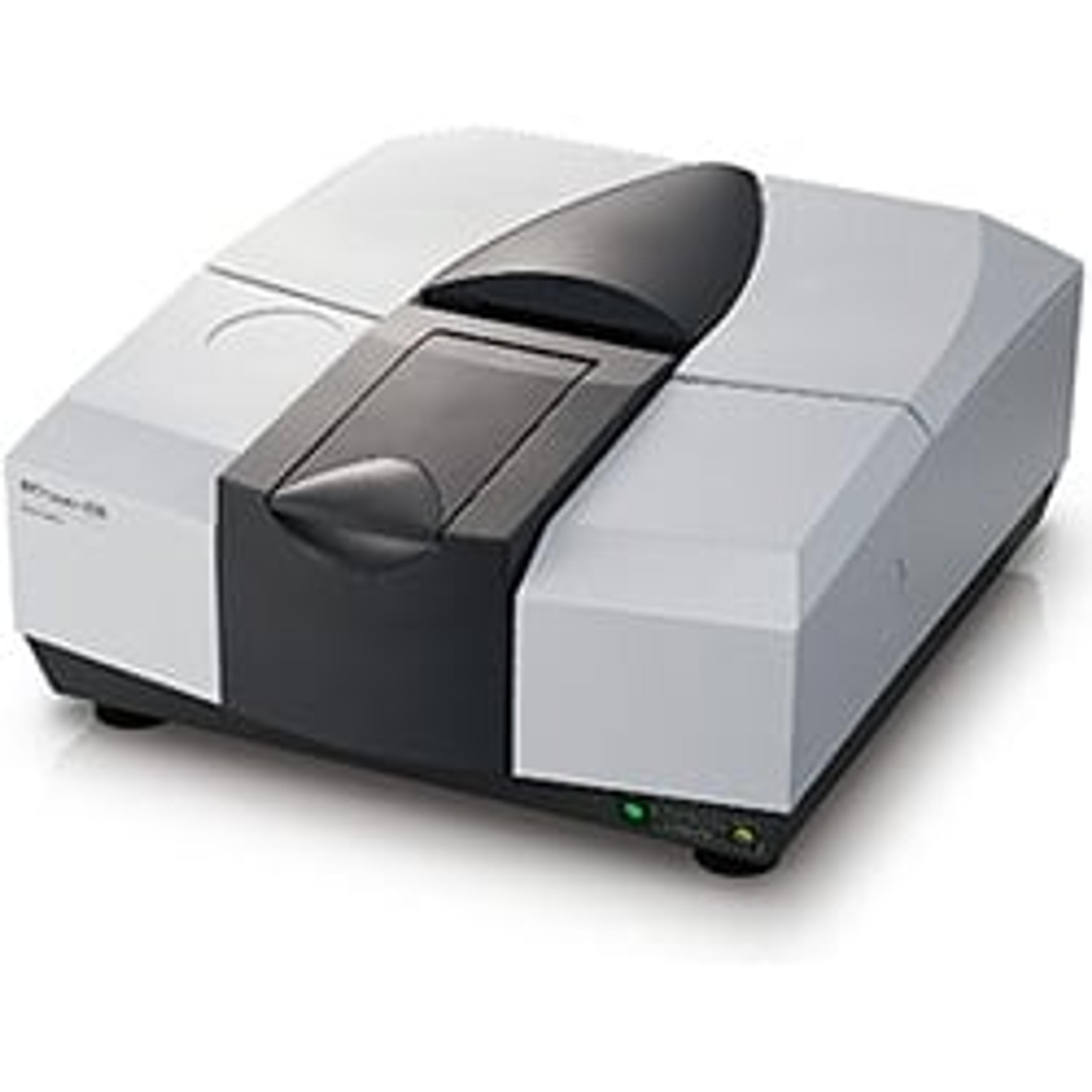
Combined Analysis of a Contaminant Using a Compact FTIR and EDX
Demands regarding the analysis of contaminants that are mixed in or adhered to products are increasing for food and chemical manufacturers and inspection agencies which are consigned inspections.
The Use of EDX Fluorescence Spectrometry for Pharmaceutical Elemental Impurity Analysis Based on USP<735>
New guidelines governing the analysis of elemental impurities in pharmaceuticals are being implemented. Toxic heavy metals and residual metal catalysts may exist in the raw materials of Active Pharmaceutical Ingredients (APIs) or be added during the manufacturing process. These impurities may be a risk to human health.
Quantitative Analysis of Cement by EDX-8000
EDX instruments have become capable in recent years of analysis accuracy comparable to that of low-output wavelength dispersive type instruments. Not only do they offer such conveniences as the ability to analyze powders as they are, their range of applicability has greatly widened to include the analysis of such substances as cement. This application note describes the analysis of pressure-formed cement standard powder samples using the new model EDX-8000.
Quantitative Analysis of Waste Oil by EDX-7000
In recent years, elemental analysis by EDX has been increasing due to the heightened concern for the environment. Even waste oil can quickly and easily be analyzed by EDX by merely pouring it as is into a container. This application note evaluates the repeatability and limit of detection in analysis using new, unused commercially available general oil that is similar waste oil using the EDX-7000.
Quantitative Analysis of Elements in Small Quantity of Organic Matter by EDXRF - New Feature of Background FP Method
This application note presents an example of quantitative analysis of a small amount of hijiki (a type of seaweed) using the background fundamental parameter Method (BG-FP) method.
Speeding up forensics with advanced spectroscopy tools
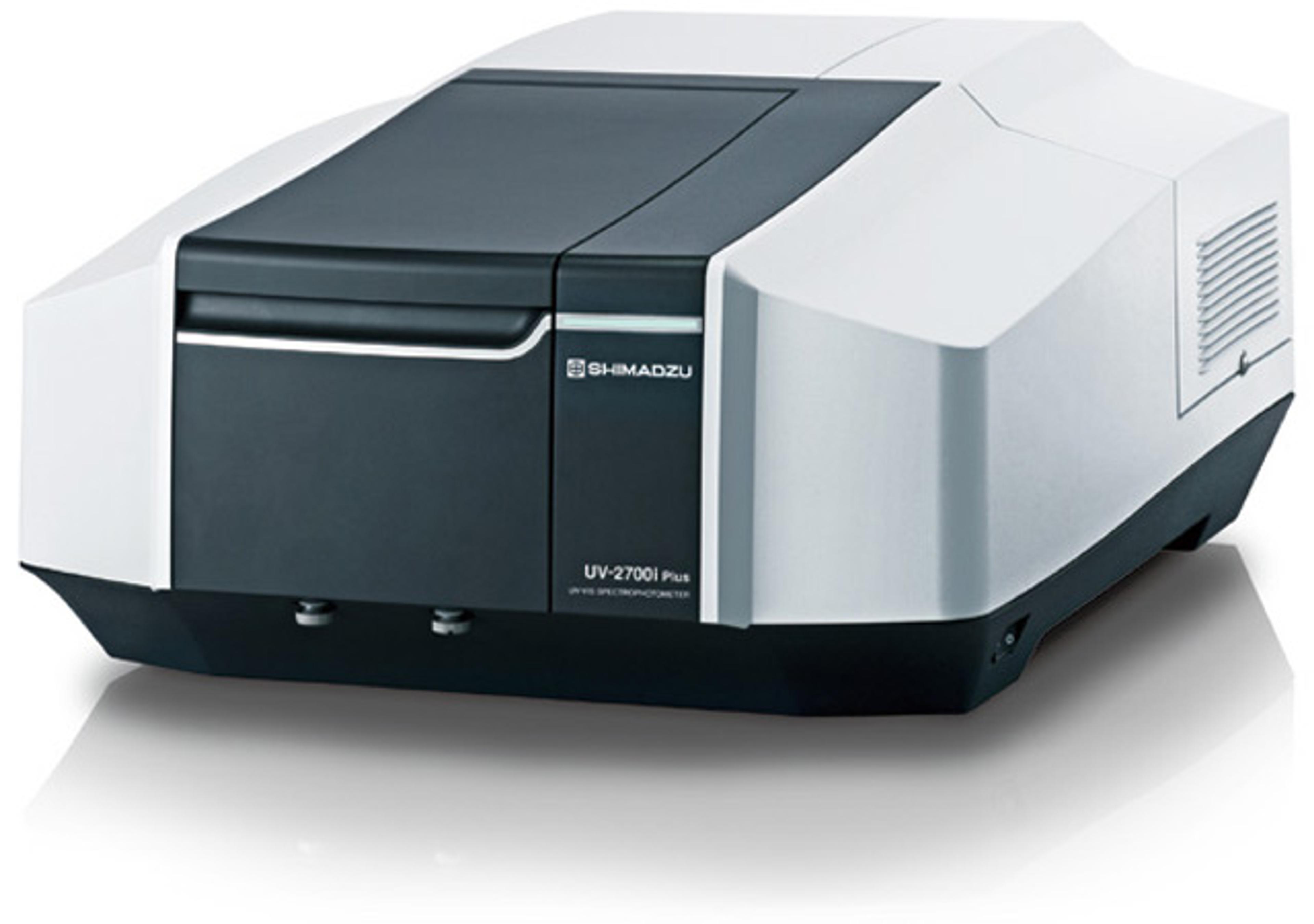
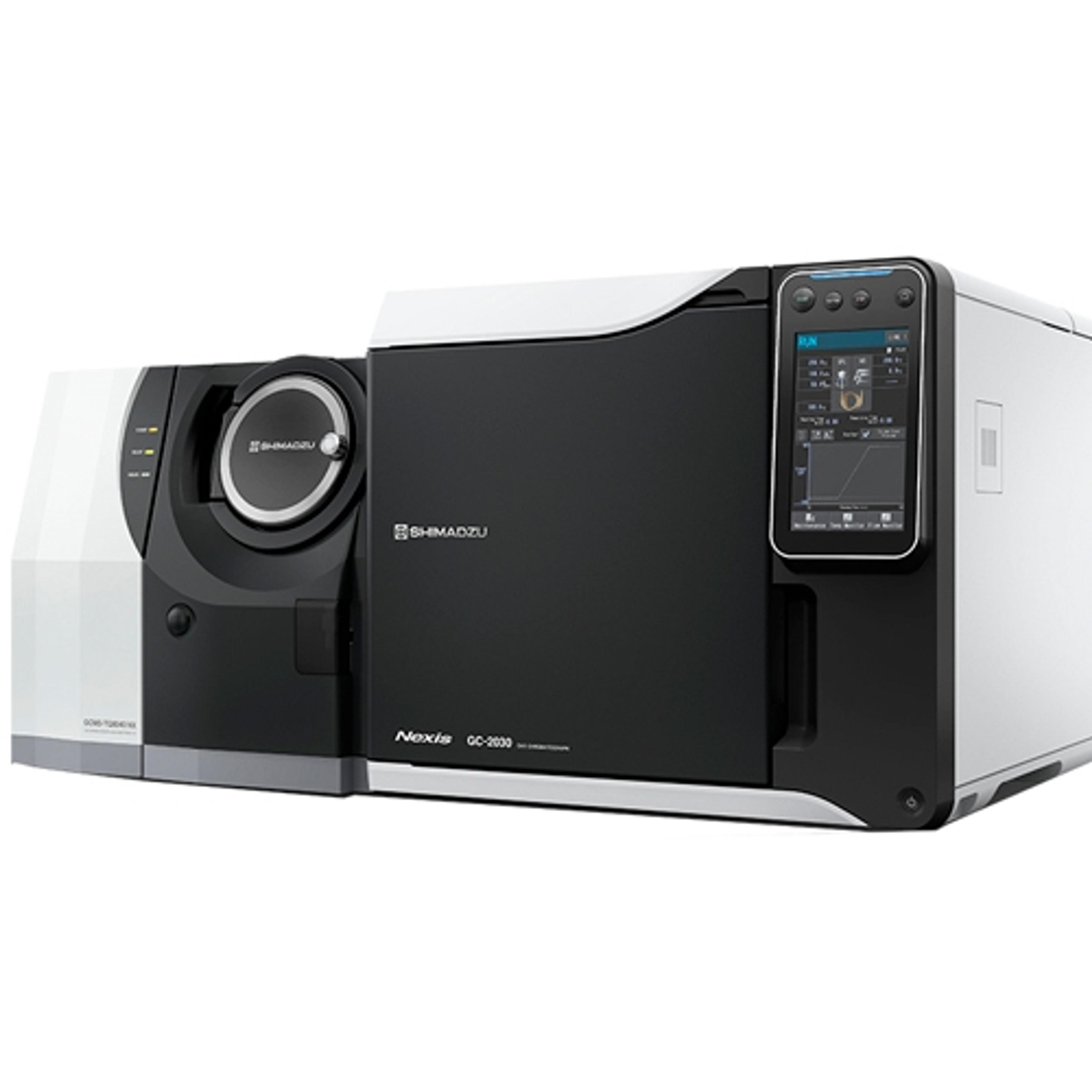
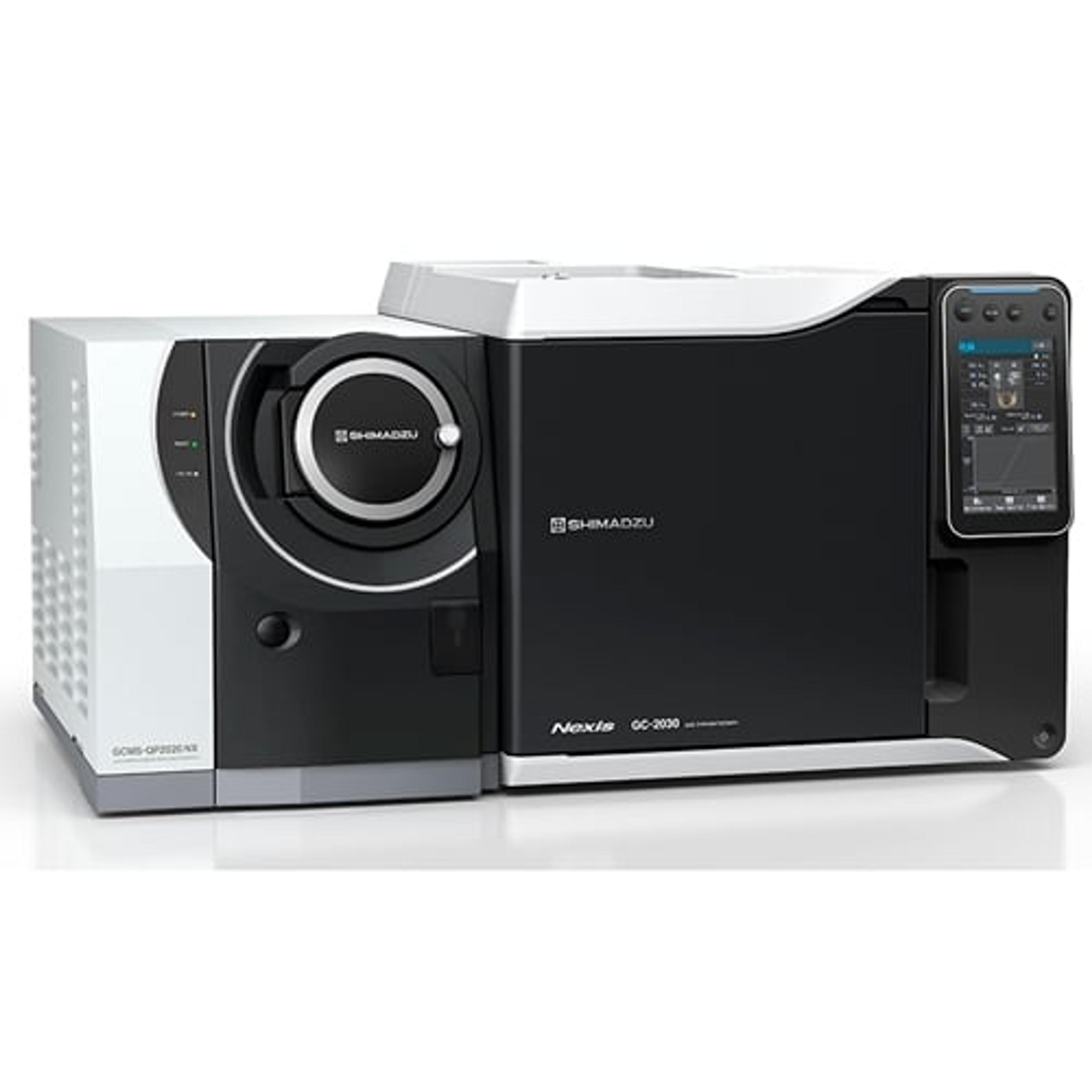
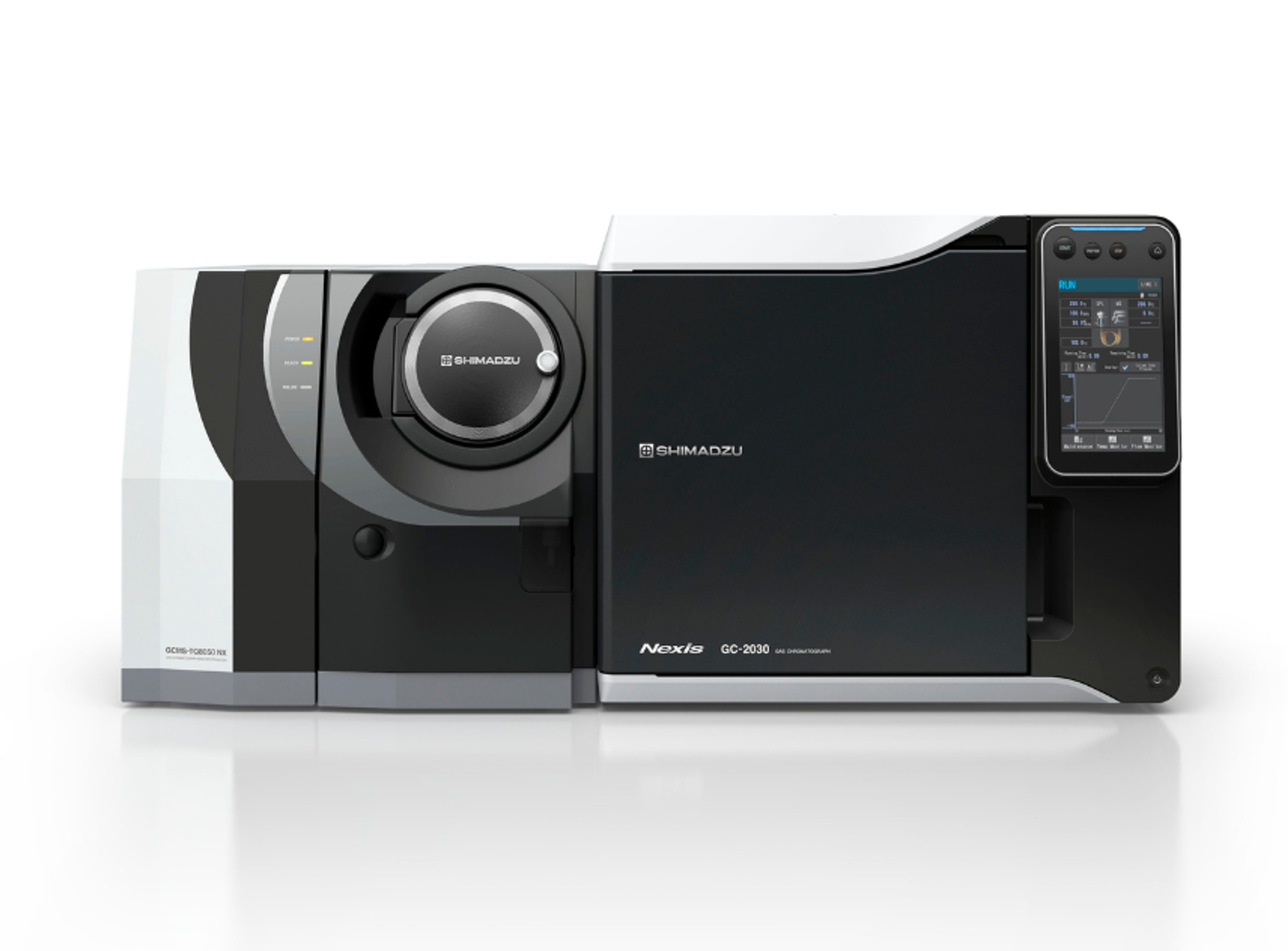
Forensic spectroscopy encompasses a suite of analytical techniques designed to identify unknown substances and quantify trace elements with extreme precision and speed. In this SelectScience interview, Dr. Tom Spudich, Professor of Analytical Chemistry, explores how advanced tools like UV-Vis spectroscopy, GC-MS, FTIR with ATR, and ICP-OES are transforming forensic science workflows.
Discover how these methods are instrumental in diverse applications, from preserving historic documents through elemental analysis to detecting beverage adulterants like 1,4-butanediol. Learn how Shimadzu’s high-sensitivity instrumentation is slashing analysis times from hours to just 15 minutes, significantly boosting sample throughput and accessibility in the field.
Find out more information on Shimadzu forensics solutions here.