TLC Scanner 4
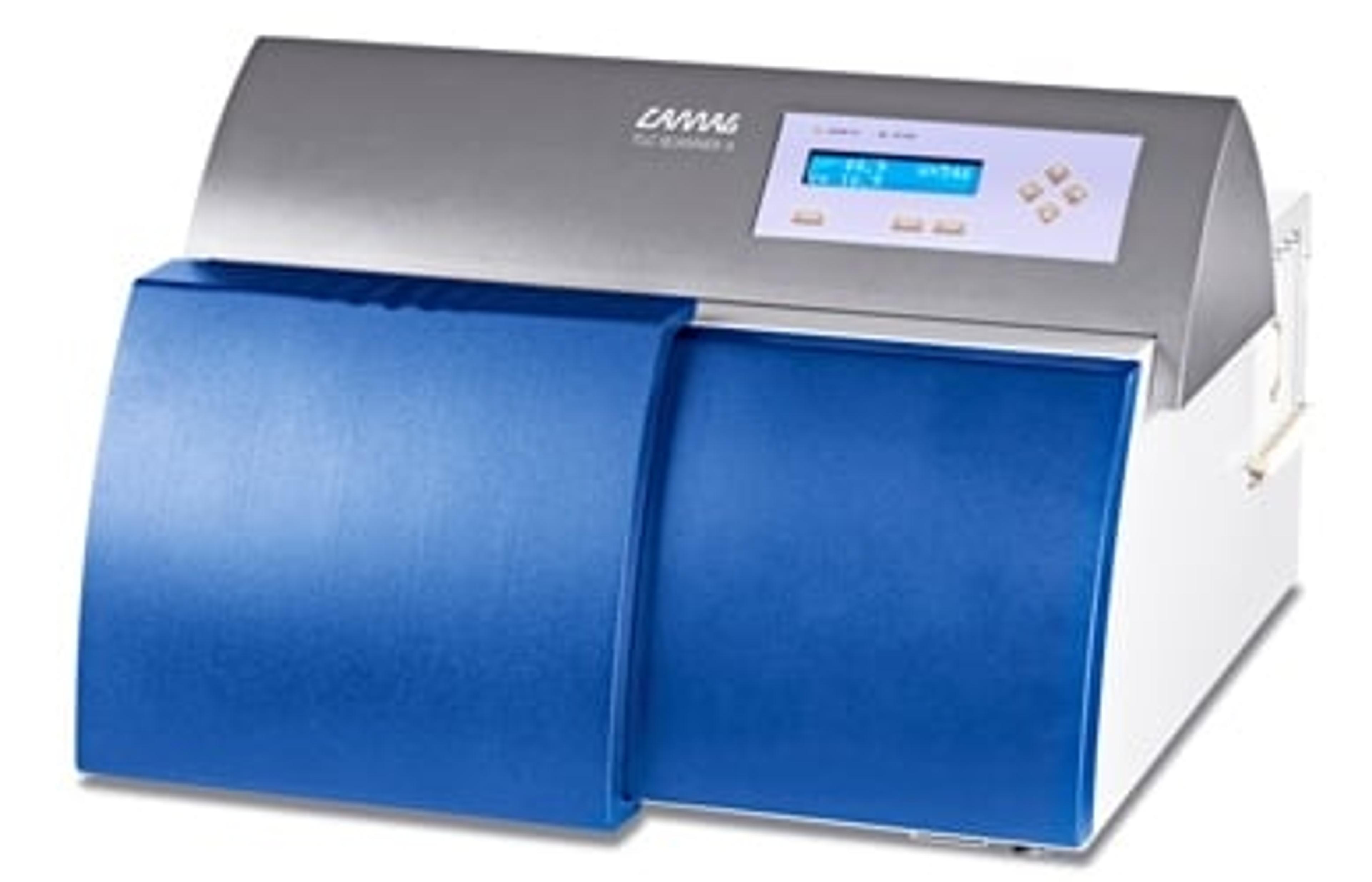
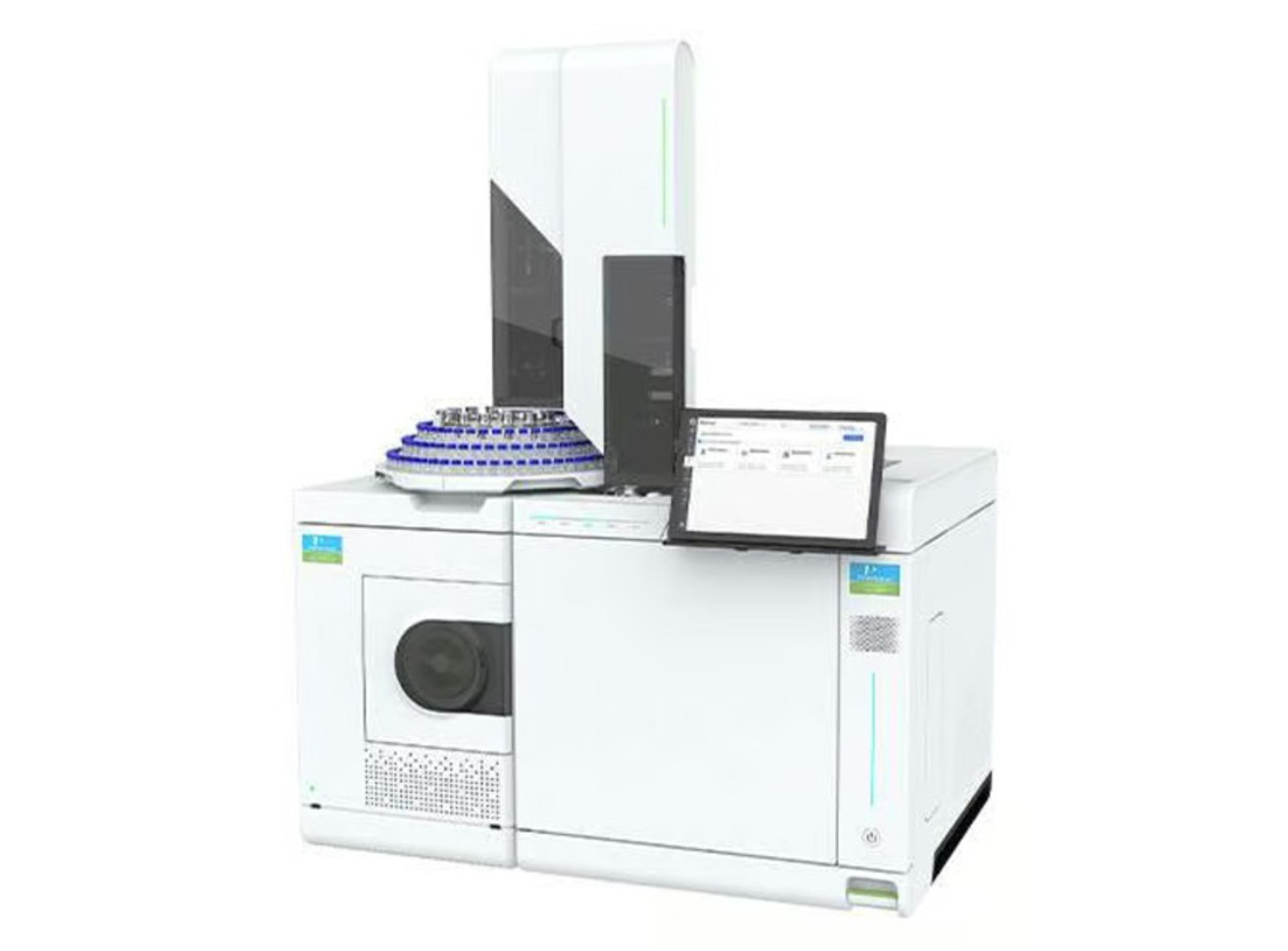
The TLC Scanner 4 is the most advanced workstation for densitometric evaluation of TLC/HPTLC chromatograms and other planar objects.
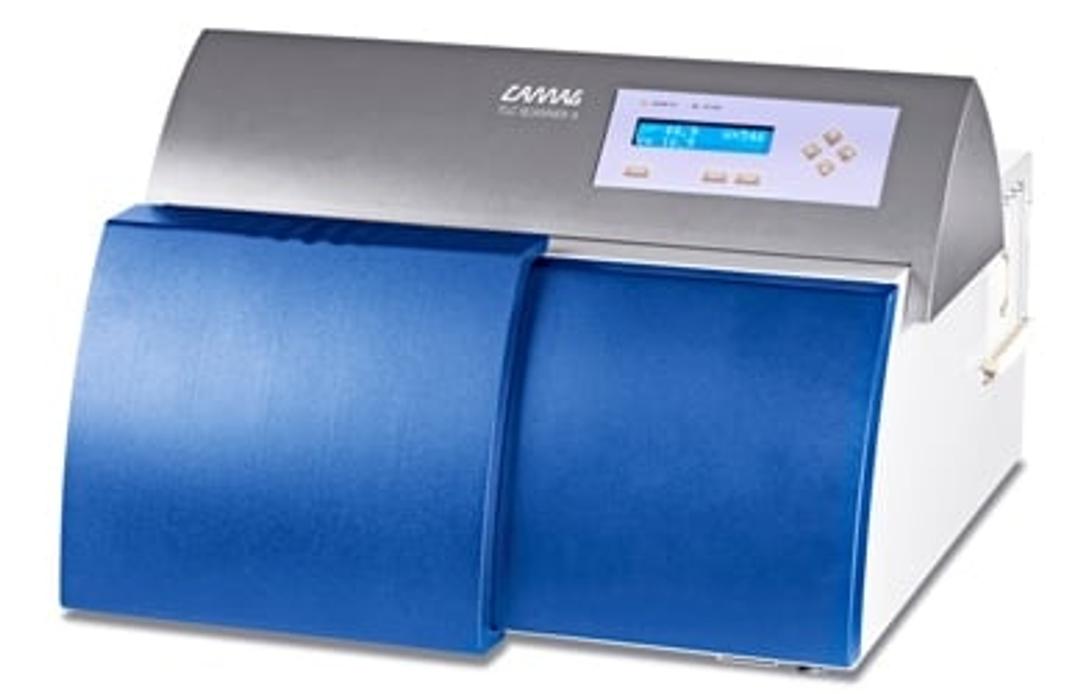
CAMAG® TLC Scanner 4

The supplier does not provide quotations for this product through SelectScience. You can search for similar products in our Product Directory.
Great results and reproducibility
HERBAL PRODUCTS QUANTIFICATION
Scan speed, Accuracy and ease of use.
Review Date: 14 Jul 2022 | CAMAG
Makes our measurements very easy.
Content of aminbase in pharmaceutical products
Reproducible and good results, easy to use very good further development from the previous model.
Review Date: 9 Nov 2020 | CAMAG
The TLC Scanner 4 is a scanning densitometer. It measures the reflection of separated compounds in absorption and/or fluorescence mode. Controlled by visionCATS software the TLC Scanner 4 enables quantitative evaluation of the generated densitometric data. The spectral range of light from 190 to 900 nm is available for selecting single or multiple wavelengths for scanning densitometry. Detection can thus be fine-tuned to match the spectral properties of the analyte to its optimized specificity and sensitivity of the detection.
Key features:
- Measurement of reflection, either in absorbance and/or fluorescence
- Spectral range from 190 to 900 nm
- Data step resolution 25–200 μm
- Spectrum recording up to 100 nm/s
- Any plate format up to 20 x 20 cm
- Software-controlled by visionCATS

Detection of chemical warfare agents by HPTLC
Chemical warfare agents pose a significant threat to human health and can cause a range of symptoms from irritation to death. It is important for law enforcement agencies and military personnel to have the knowledge and tools necessary to detect and prevent exposure to these harmful substances. High-Performance Thin-Layer Chromatography (HPTLC) is a reliable and widely used analytical technique for the identification of chemical warfare agents including nerve agents, blistering agents, irritants and arsenic agents. Explore CAMAG's collection of a range of studies where HPTLC is used to identify and quantify a variety of chemical warfare agents, critical in securing the safety of individuals and communities.
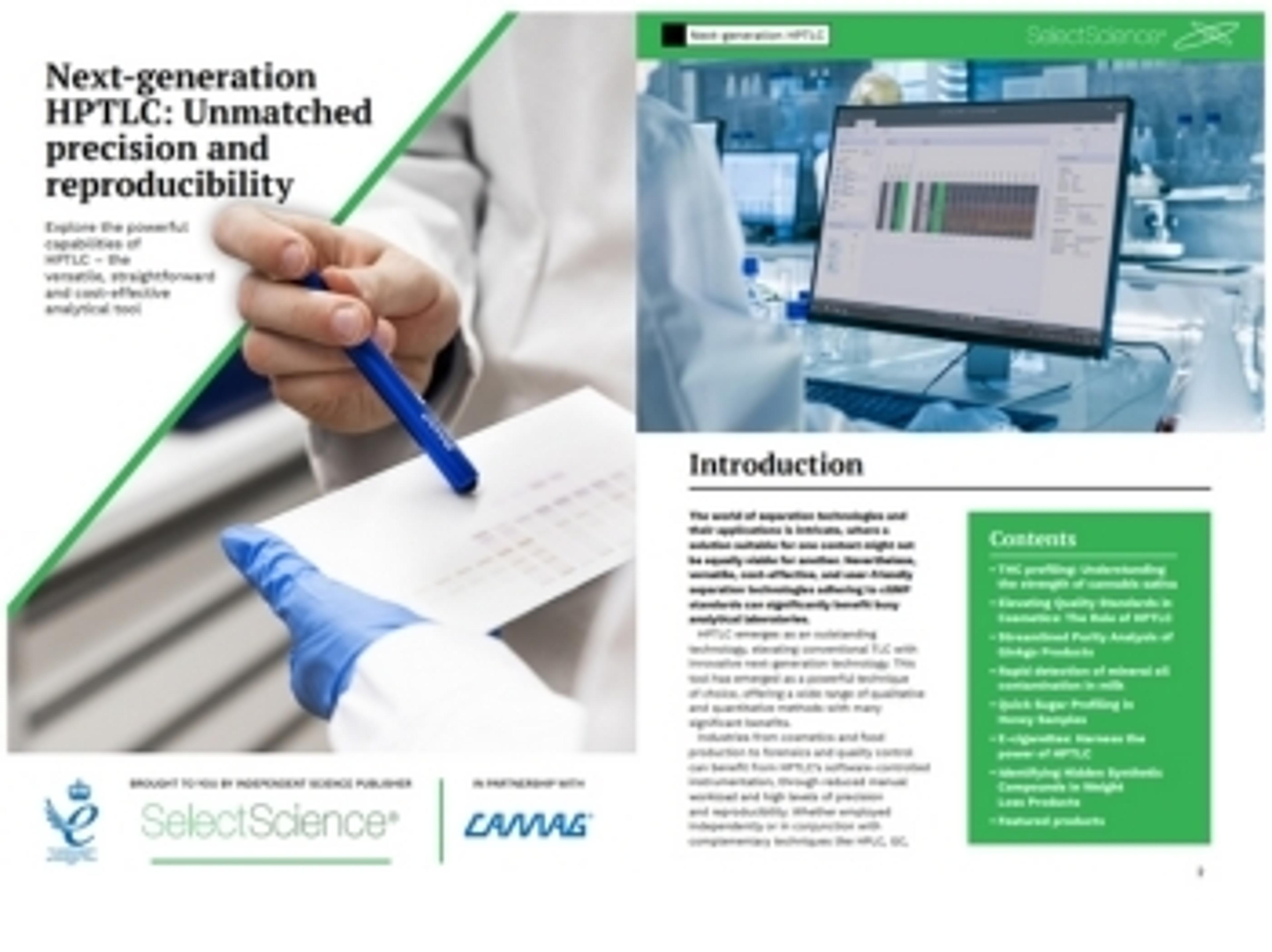
HPTLC: Unmatched precision and reproducibility
The world of separation technologies and their applications is intricate, where a solution suitable for one context might not be equally viable for another. Nevertheless, versatile, cost-effective, and user-friendly separation technologies adhering to cGMP standards can significantly benefit busy analytical laboratories.
In this expert guide, we delve into the diverse applications of CAMAG’s high-performance thin-layer chromatography (HPTLC) technology, providing you with a comprehensive grasp of its exceptional versatility. This eBook will reveal how this advanced technology delivers speed, simplicity, standardization, and reproducibility, all of which are crucial for the modern analytical laboratory.
This eBook will also explore:
- The capabilities of next-generation HPTLC
- How to quantify cannabinoids in plant tissue and nicotine in e-cigarette liquids
- How to analyze the quality of weight loss products, fragrance allergens, and emulsions
Quality control of lateral flow test strips by scanning densitometry analysis (e.g. COVID-19)
Many diseases, caused by viruses or other pathogens, can be detected by lateral flow (immunochromatographic) test strips as soon as enough antibodies have been produced by the immune system of the person to be tested. In this application note, CAMAG shows a densitometric-assisted evaluation of lateral flow test strips for the purpose of quality control.
Determination of aflatoxins in tomato extract by HPTLC
Aflatoxins are natural mycotoxins produced by Aspergillus fungi. High temperatures and humidity favor the occurrence of molds and thus the production of aflatoxins. The contamination of crops, nuts, dried fruits/vegetables, dried medicinal plants, and milk is quite common. Because of their strong carcinogenicity aflatoxins must be controlled in food and feeds.
Screening method for identification of forensic drugs
Confiscated drugs have to be tested for their identity in a cost-efficient way in police labs worldwide. To check for identity by HPTLC, micro-chemical reactions (derivatizations) can be performed on the plate after development, evaluated within a short time, and at low cost. Further confirmation can be achieved by comparing UV and mass spectra of samples and references.

2nd HPTLC Online User Meeting, hosted by the HPTLC Association
Promoting the use of HPTLC in plant analysis and other analytical fields is the main purpose of the International Association for the Advancement of High-Performance Thin-Layer Chromatography (HPTLC Association). For this, we bring together representatives from academia, industry, research, regulatory, and standard setting bodies.The “HPTLC Online User Meetings” shall facilitate a worldwide exchange of knowledge between HPTLC users and share the spirit of working in an exciting analytical field!
Using just classical Silica gel 60? There is more!
The stationary phase most commonly used in basic and High-Performance Thin-Layer Chromatography is the classic Silica gel 60 layer. It is also referred to as the normal phase. However, for many applications the choice of a modified silica gel layer could lead to a much better chromatographic result. Plus, the corresponding mobile phase may permit the use of less hazardous solvents. This session will discuss the diverse properties of available stationary phases, and present unique application examples to illustrate the possible improvements of separation conditions.
How to assess the safety of food products in absence of toxicological data
Assessing the safety of food is challenging as foods are complex mixtures containing thousands of known and unknown substances occurring at various concentrations. What is the best method to detect chemicals of most concern on which further toxicological investigations should be focused? Recent progress using Thin-Layer Chromatography (HPTLC) coupled to bioassays has been proposed as a breakthrough solution to fill some of the gaps identified with standard bioassays. In this session, HPTLC effect-direct analysis (EDA) for toxicologically relevant endpoints will be presented, anchoring bioassays and chemical analysis in complex mixtures of unknown composition with the goal to optimize and speed up decision-making in Food Safety.
Space for discussions – Meet the speakers and representatives from the HPTLC Association in a follow-up meeting held via Zoom at 15:15 BST
Take the opportunity to engage in discussions with speakers, colleagues, and representatives from the HPTLC Association in a moderated Zoom meeting, scheduled immediately after the main event. A separate registration for the Zoom meeting is not required – registrants for the main event will receive an email invitation with an access link one day prior to the event. Additionally, a QR code and a shortlink will be displayed after the Q/A session to bridge the gap, enabling a seamless transition from the webinar platform to the Zoom meeting also for last minute registrants.
Key learning objectives
- Extend your knowledge about HPTLC and understand the benefits of HPTLC for diverse applications.
- Get insights into the daily work of HPTLC users.
- Learn how to optimize your HPTLC application(s).
Who should attend?
- Researchers
- Students
- Analysts
- Technicians
- Scientists
- Members of the HPTLC Association
Certificate of attendance
All webinar participants can request a certificate of attendance, including a learning outcomes summary, for continuing education purposes.
This event is sponsored by: