Bio-VOC Breath Sampler
Non-invasive tube-based biological monitoring

Receive your quote directly from the manufacturer.
Non-invasive tube-based biological monitoring
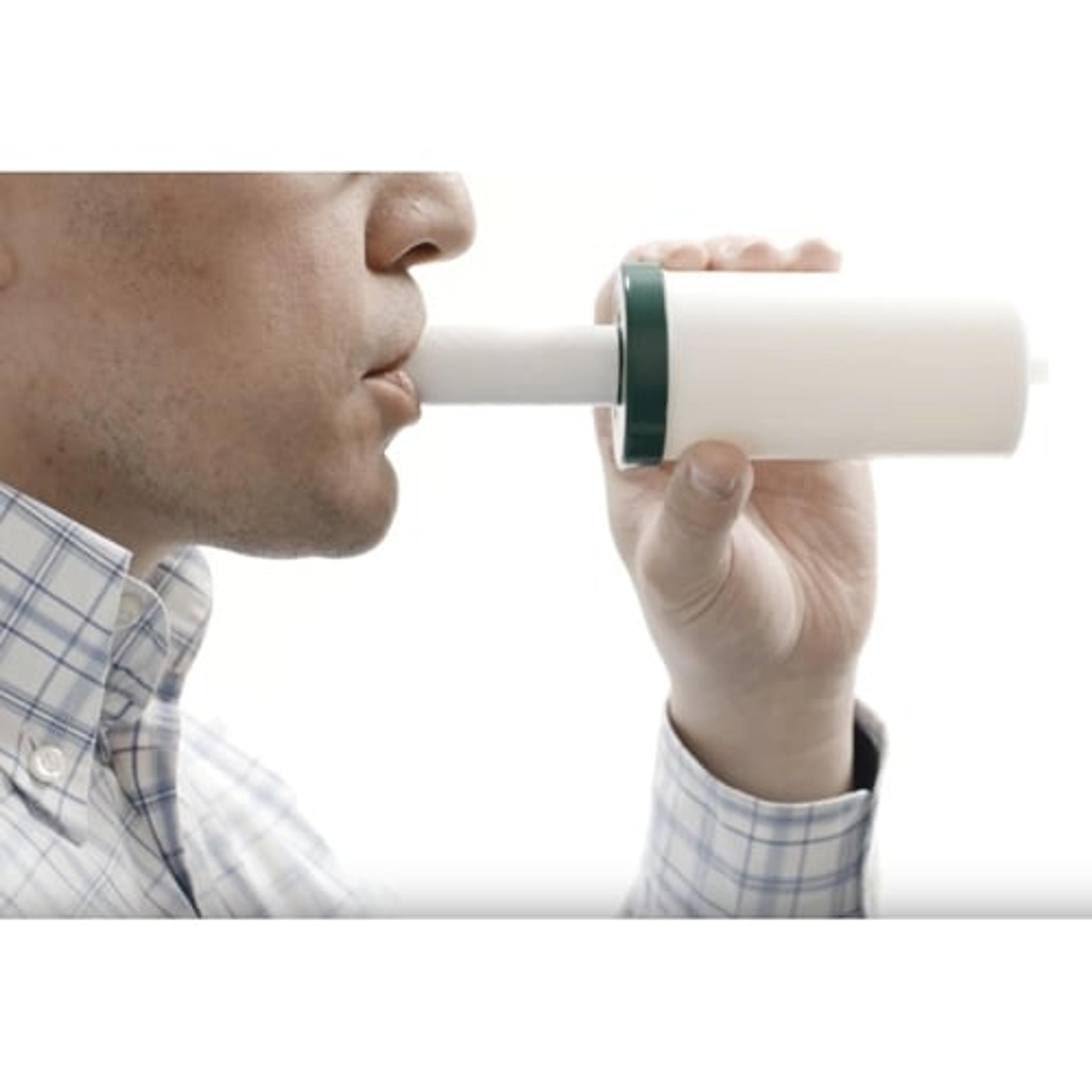
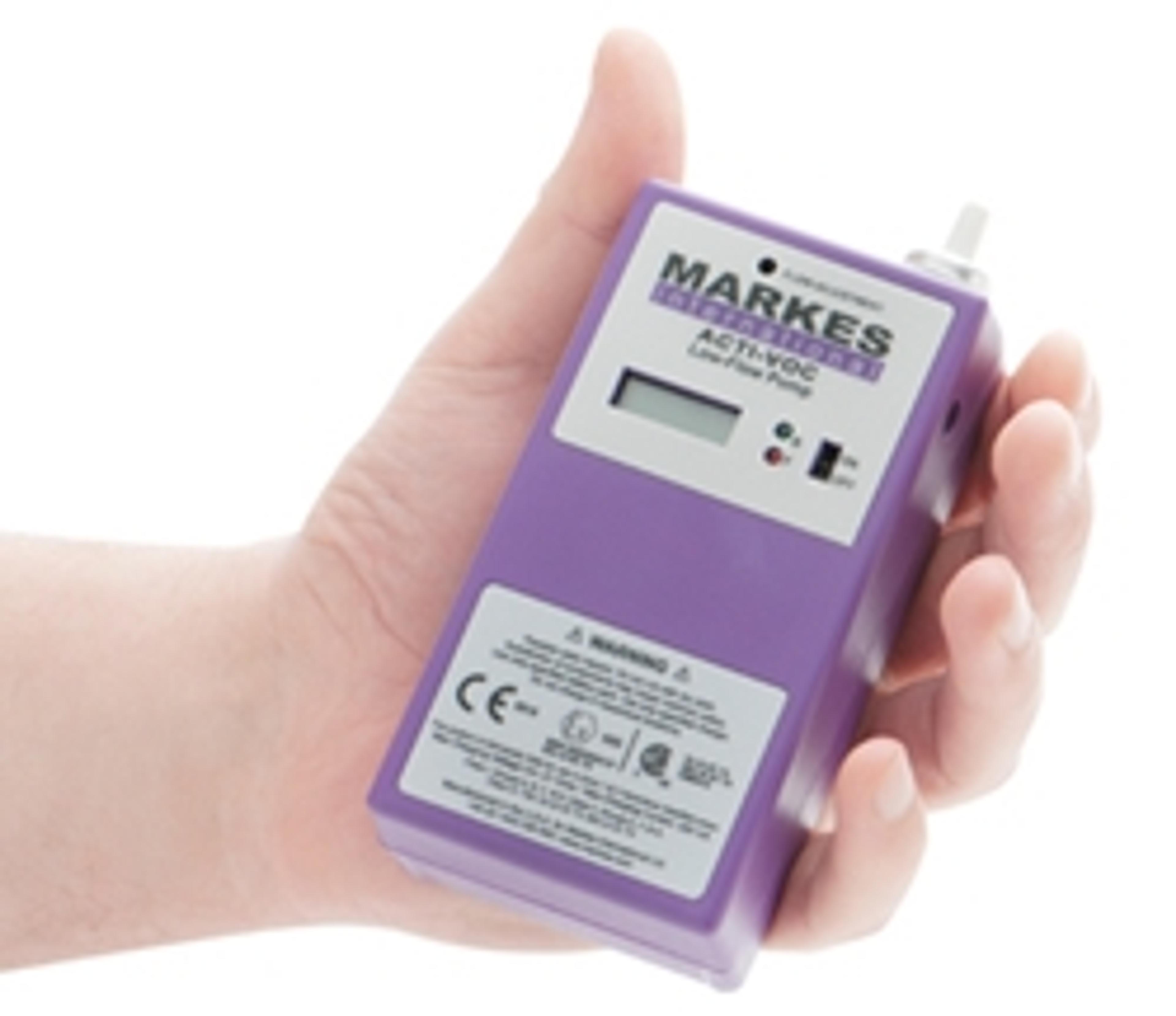
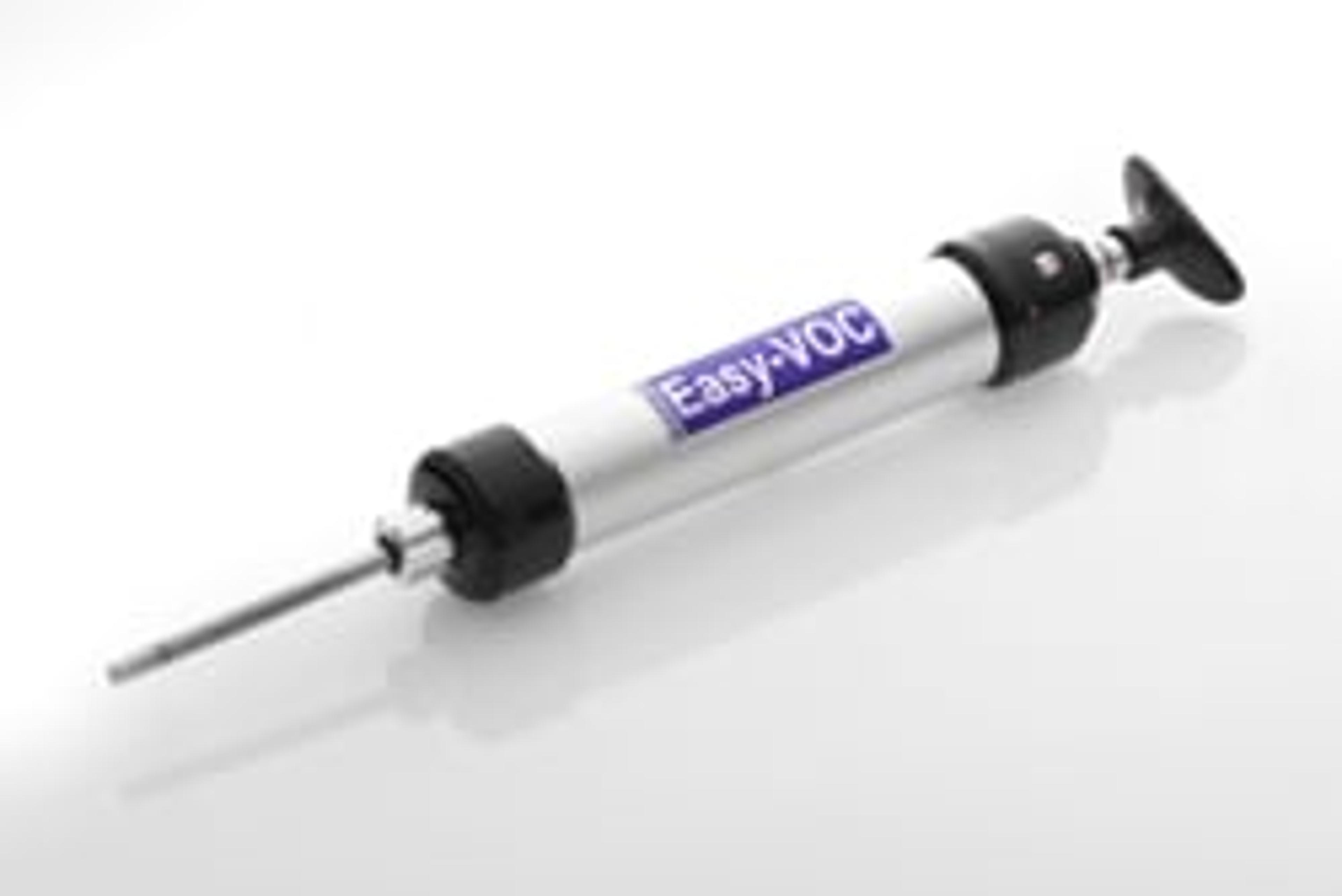
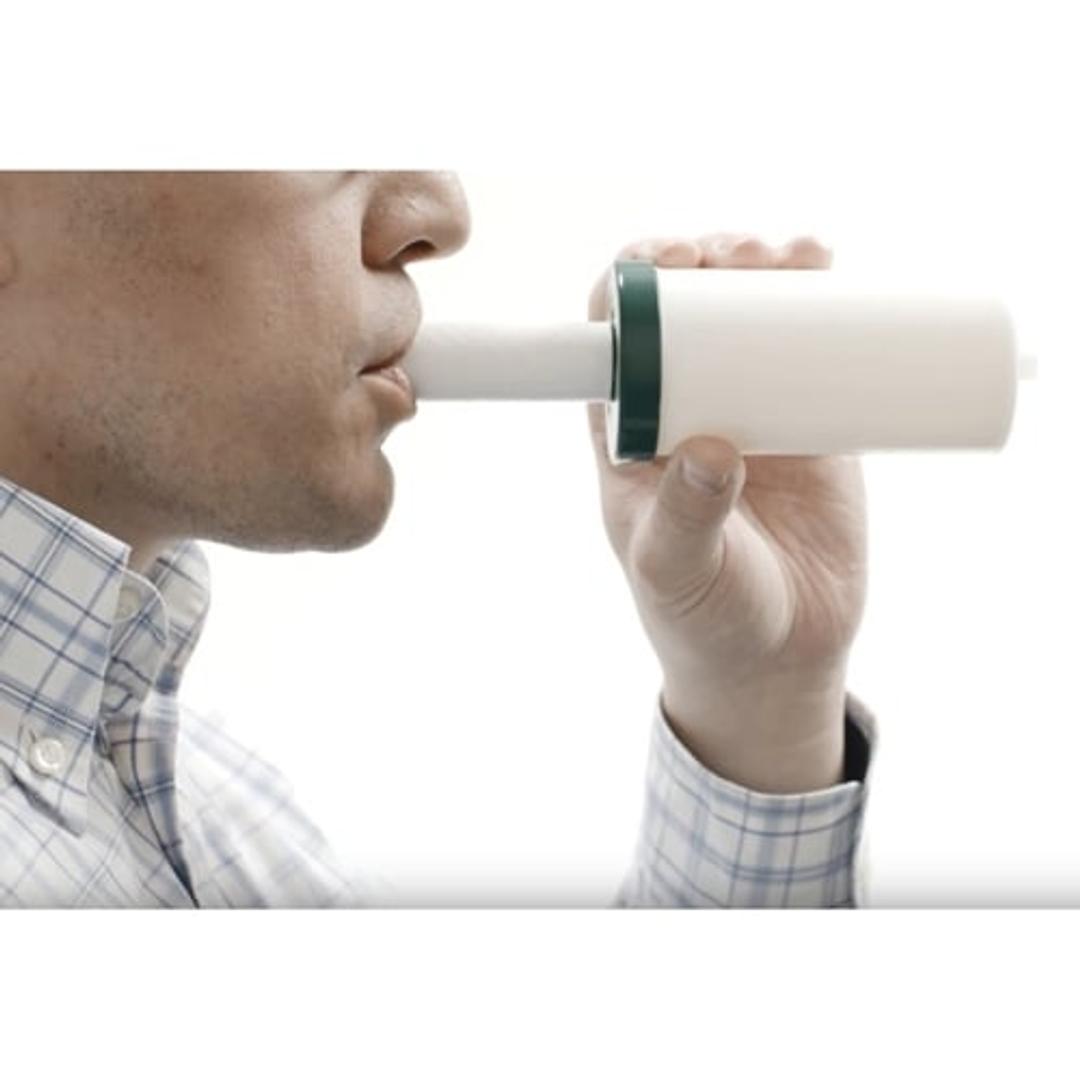
Based on pioneering work carried out at the UK Health & Safety Laboratory, Markes’ BioVOC-2™ breath sampler is a simple-to-use device designed for non-invasive biological exposure monitoring of volatile organic compounds (VOCs). Constructed of safe, non-emitting plastic, the Bio-VOC can be operated with minimal training and without medically qualified staff in attendance.
Each BioVOC-2 is supplied with a disposable cardboard mouthpiece (additional packs of mouthpieces are available). The sampler collects a representative sample of end-tidal air, without contamination or dilution with breath from the bronchial tubes or mouth.

What is thermal desorption?
In this application note, Markes International offers a guide to the basics of thermal desorption, including the basic principles, applications of the technique, different sampling options and answers how and the benefits of applying thermal desorption across a wide range of scenarios.
Disease diagnosis via breath and bio-monitoring: Optimizing the analytical performance of sorbent tube sampling and thermal desorption–GC–MS
Breath monitoring has the potential to provide diagnostic solutions for a wide range of diseases. However, its application remains challenging, and many aspects must be taken into consideration when developing and optimizing sampling and analytical parameters.
In this application note, Markes International describes how to optimize the analytical performance of thermal desorption (TD) for those carrying out routine or research monitoring of breath for disease diagnosis. Download the full note below to explore guidance on the major steps in the sampling and laboratory workflow, discover the main analytical challenges, and gain advice on which features and parameter ranges to select.
Use of Diffusive Samplers with TD–GC Analysis for Monitoring VOCs in Ambient Air
This application note reviews indoor and outdoor air monitoring of volatile organic compounds (VOCs) using tube type diffusive samplers and thermal desorption (TD)–GC analysis. Specific attention is paid to general sampling/analytical procedures, concentration/detection limits, applicable analyte ranges, minimizing artefacts, quality assurance and method limitations.
Evaluation of the Bio-VOC – A Low-Cost, Simple Device for Biological Monitoring of VOCs in Breath
An easy-to-use device for sampling of volatile organic compounds (VOCs) in breath is described, and its successful use shown for a range of applications.
Optimizing Analytical Performance and Extending the Application Range of Thermal Desorption for Monitoring Air Indoors and Inside Vehicle Cabins
This application note describes considerations relating to analyte retention efficiency, desorption efficiency, artifacts, band broadening and analyte /system stability during the development and validation of thermal desorption procedures. Examples of optimum method performance in terms of precision, linearity and sensitivity are presented.
Developments in the Determination of Nitrous Oxide using TD–GC
This application note describes the development of a method for the determination of nitrous oxide, sampled both passively and by breath sampling using Markes’ Bio-VOC™.
Volatile Breath Analysis in Cancer Diagnostics
The latest advances in breath detection of volatile organic compounds

Pittcon 2016 – Short Course On Air Monitoring, Technical Presentations and Posters from Markes
Pittcon 2016 – Short Course On Air Monitoring, Technical Presentations and Posters from Markes