Air Server-xr
On-line sampling module for the UNITY-xr™ thermal desorber

Receive your quote directly from the manufacturer.
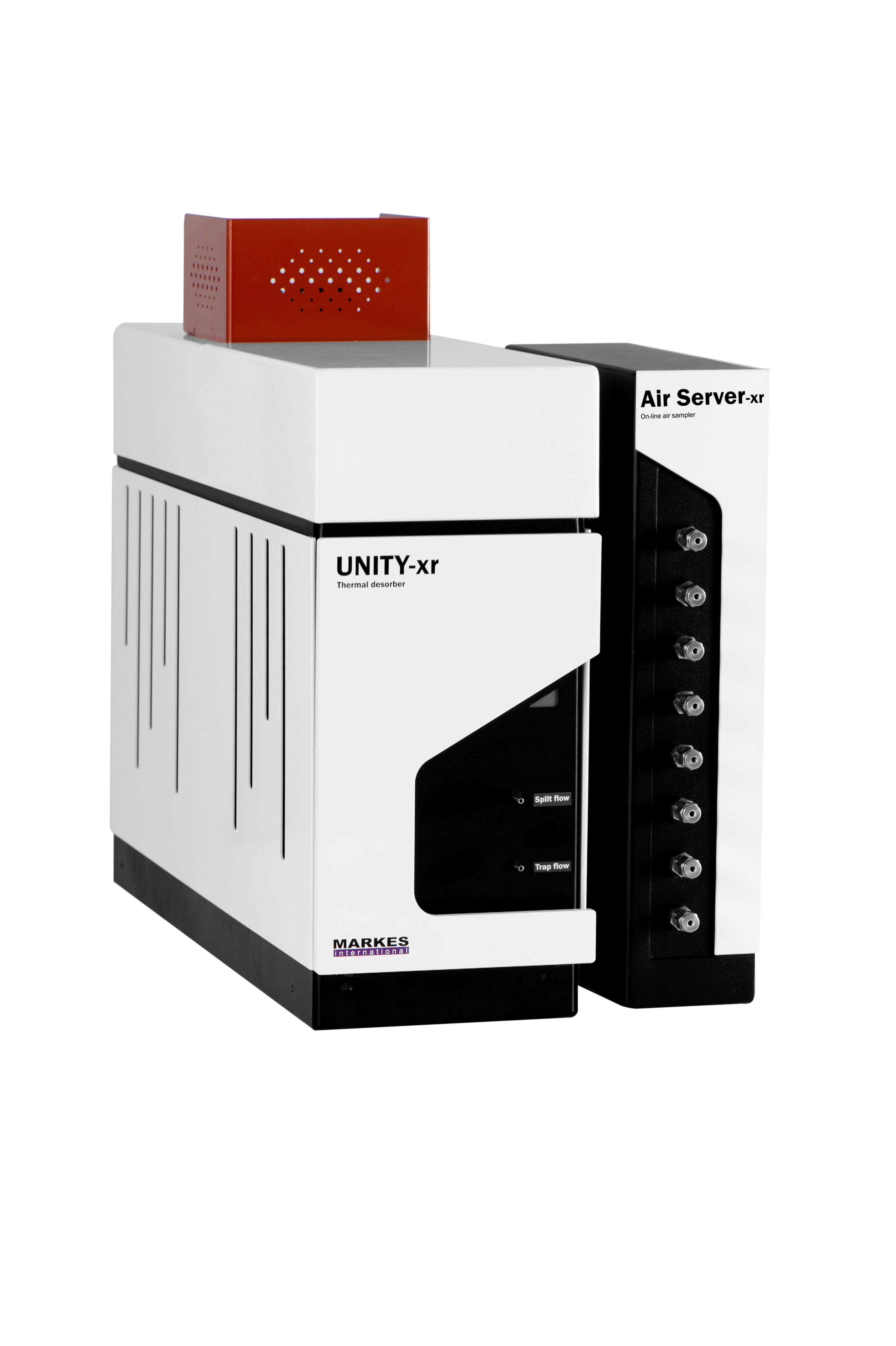
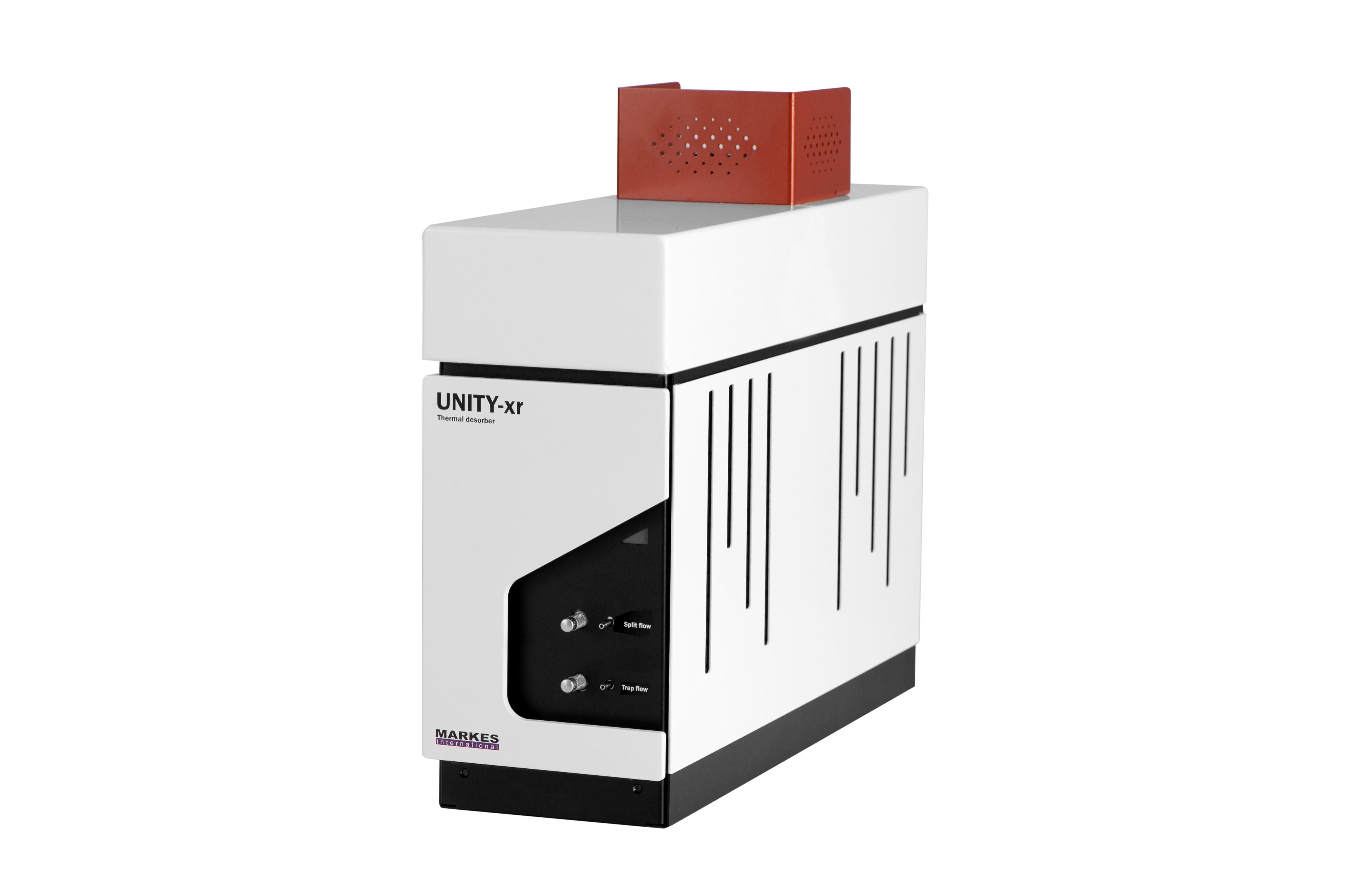
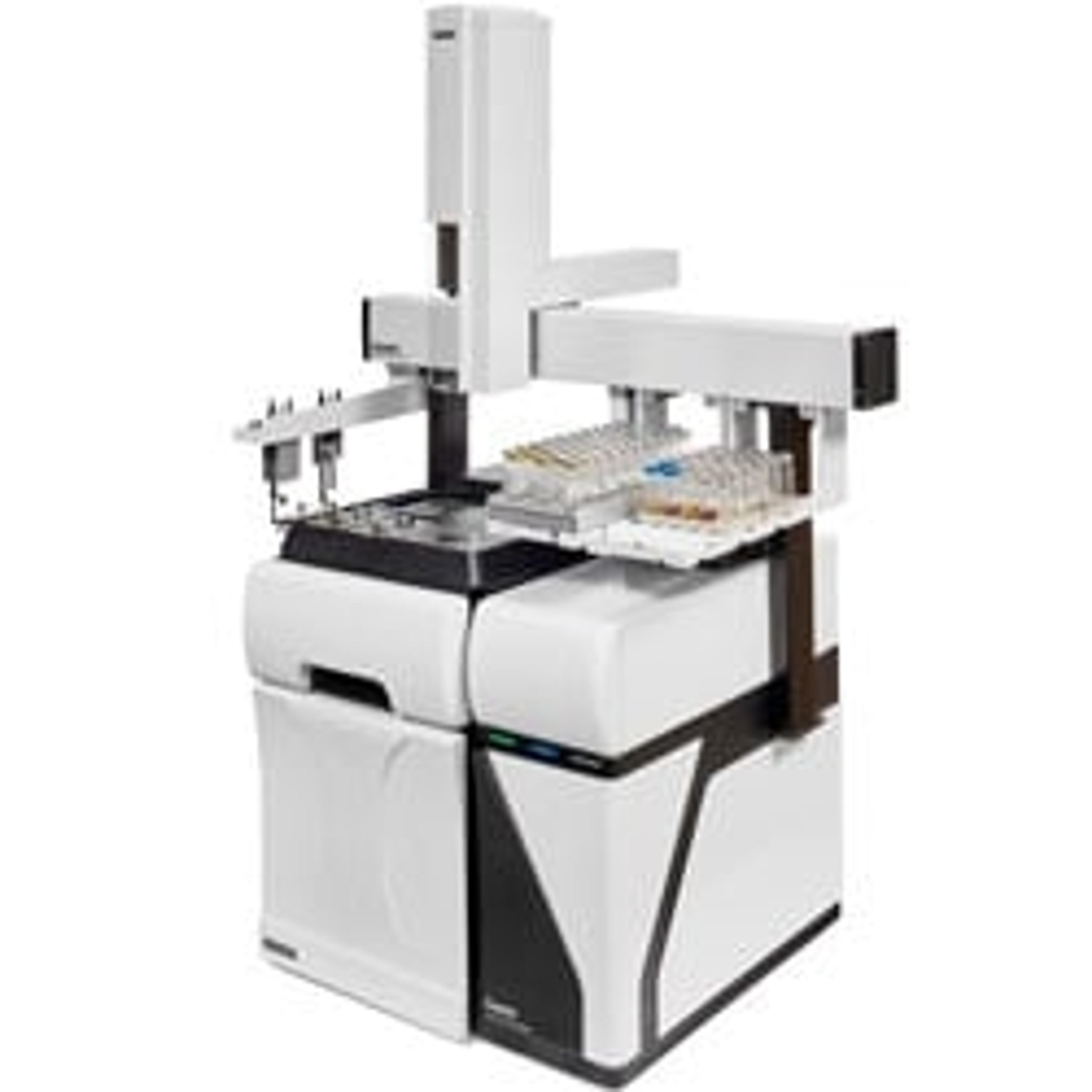
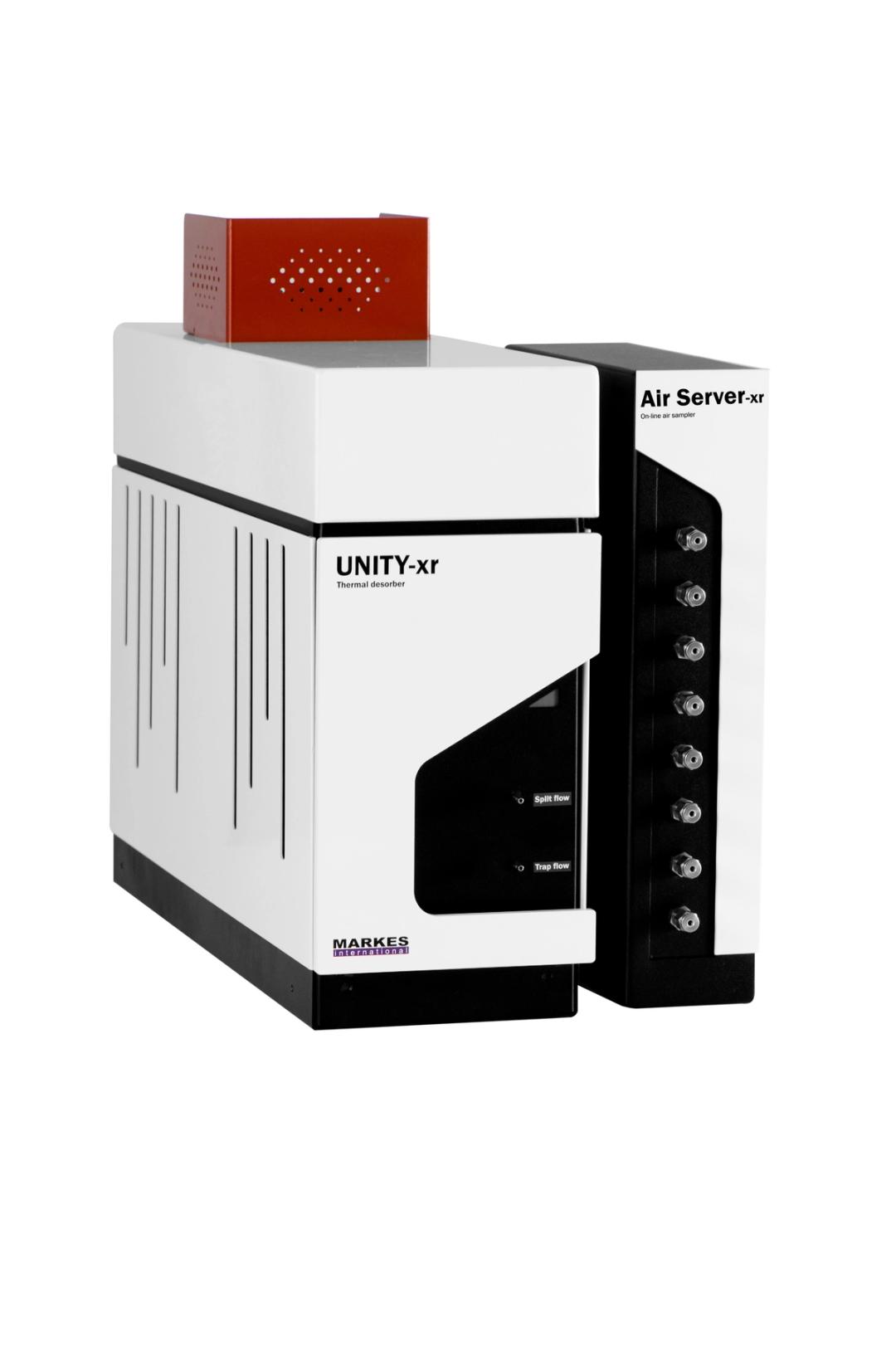
The Air Server-xr is a slimline module that allows a controlled flow of air/gas to be introduced directly into the focusing trap of the UNITY-xr thermal desorber, allowing automated sampling from on-line air or gas streams.
Features:
- Couples to any UNITY-xr or ULTRA-UNITY-xr system. Up to eight channels, with automated sequencing between sample, zero and standard gas streams.
- Compatible with all major makes of GC and GC–MS.
- Quantitative recovery of C2 to C44, including reactive and thermally labile species.
- Cryogen-free operation and low gas consumption means reduced running costs and higher uptime.
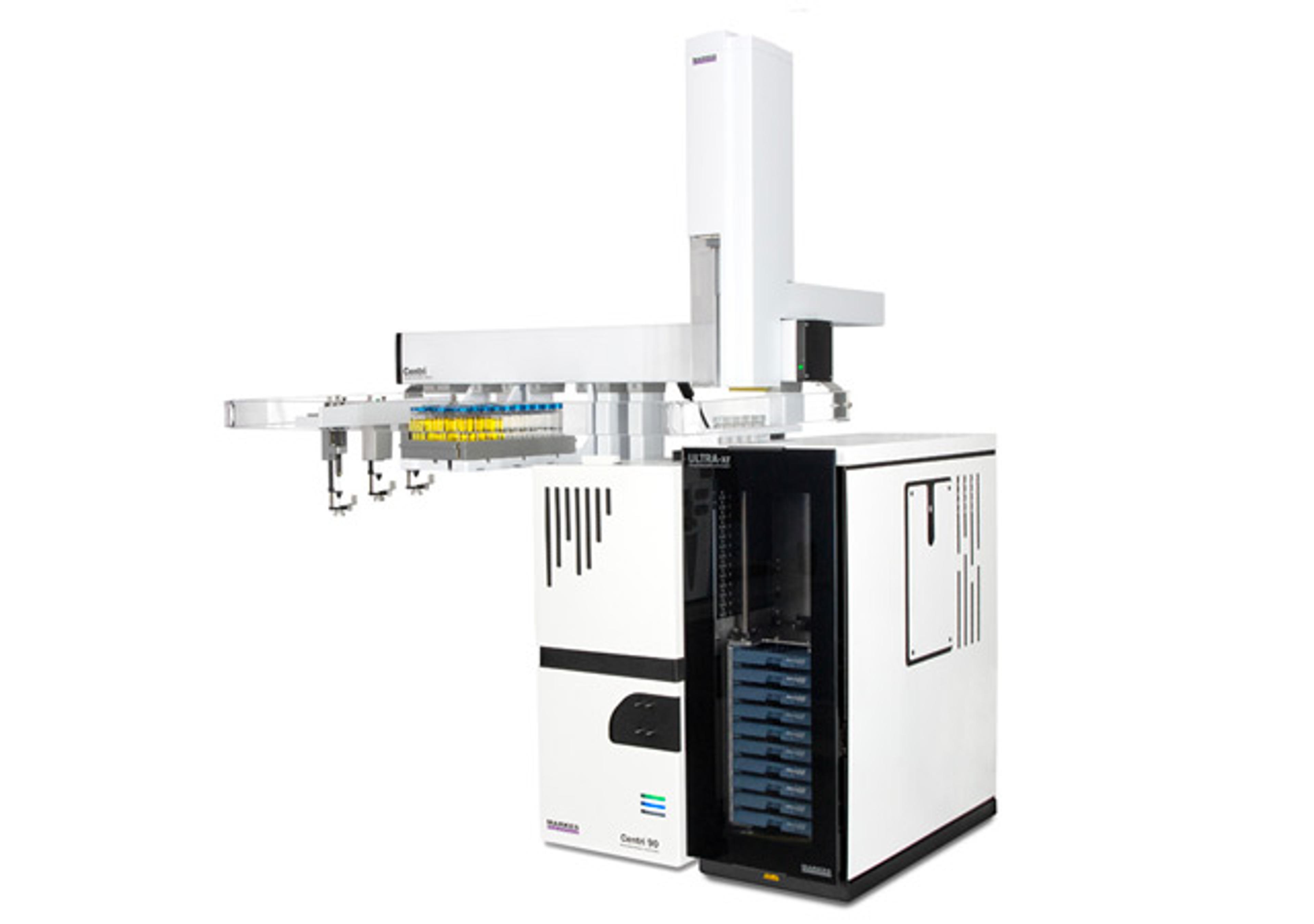
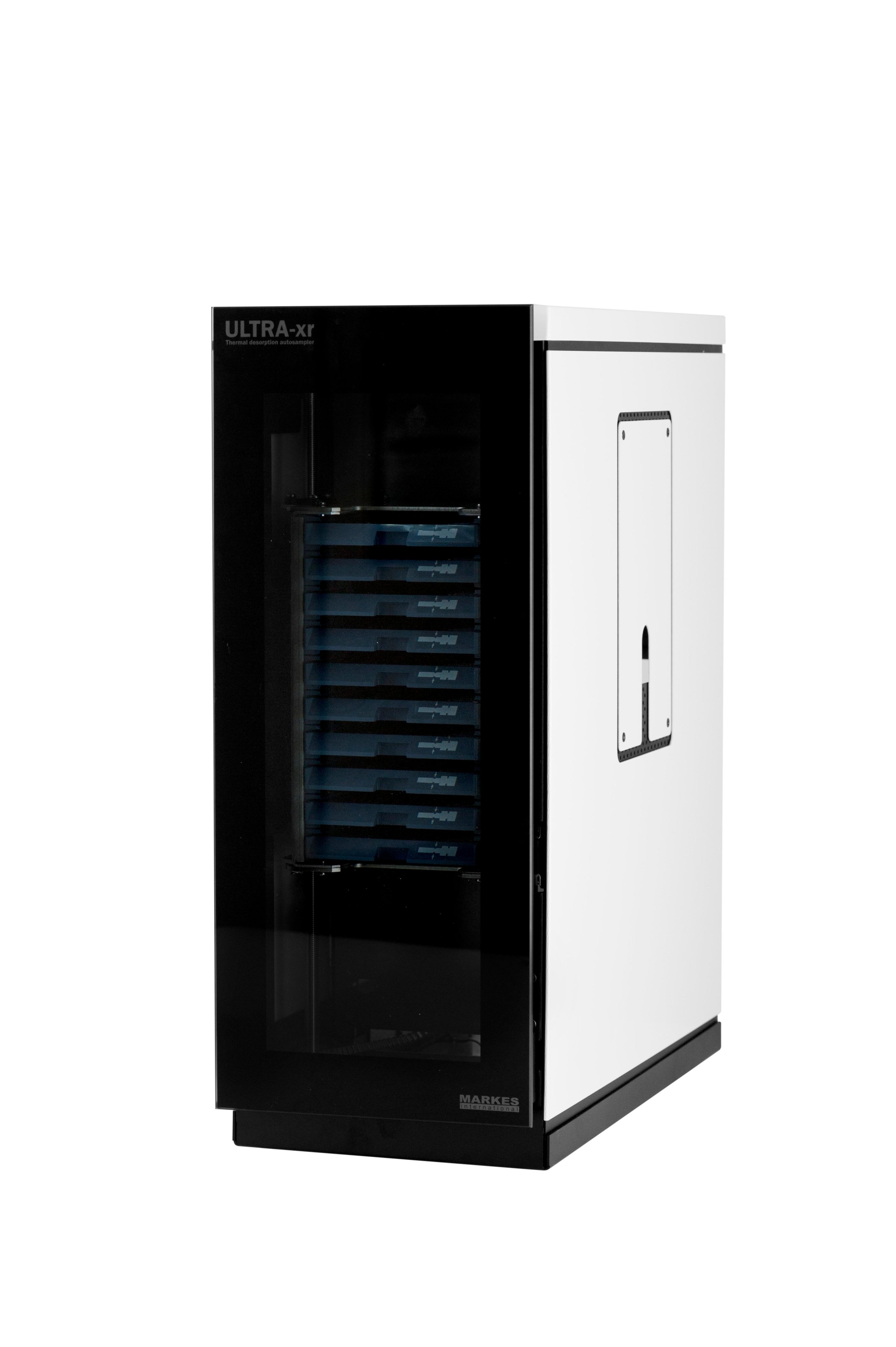
- Modular addition of ULTRA-xr autosamplers gives multi-sorbent tube analysis capability.
- Remote system control – suitable for field sites and mobile laboratories.
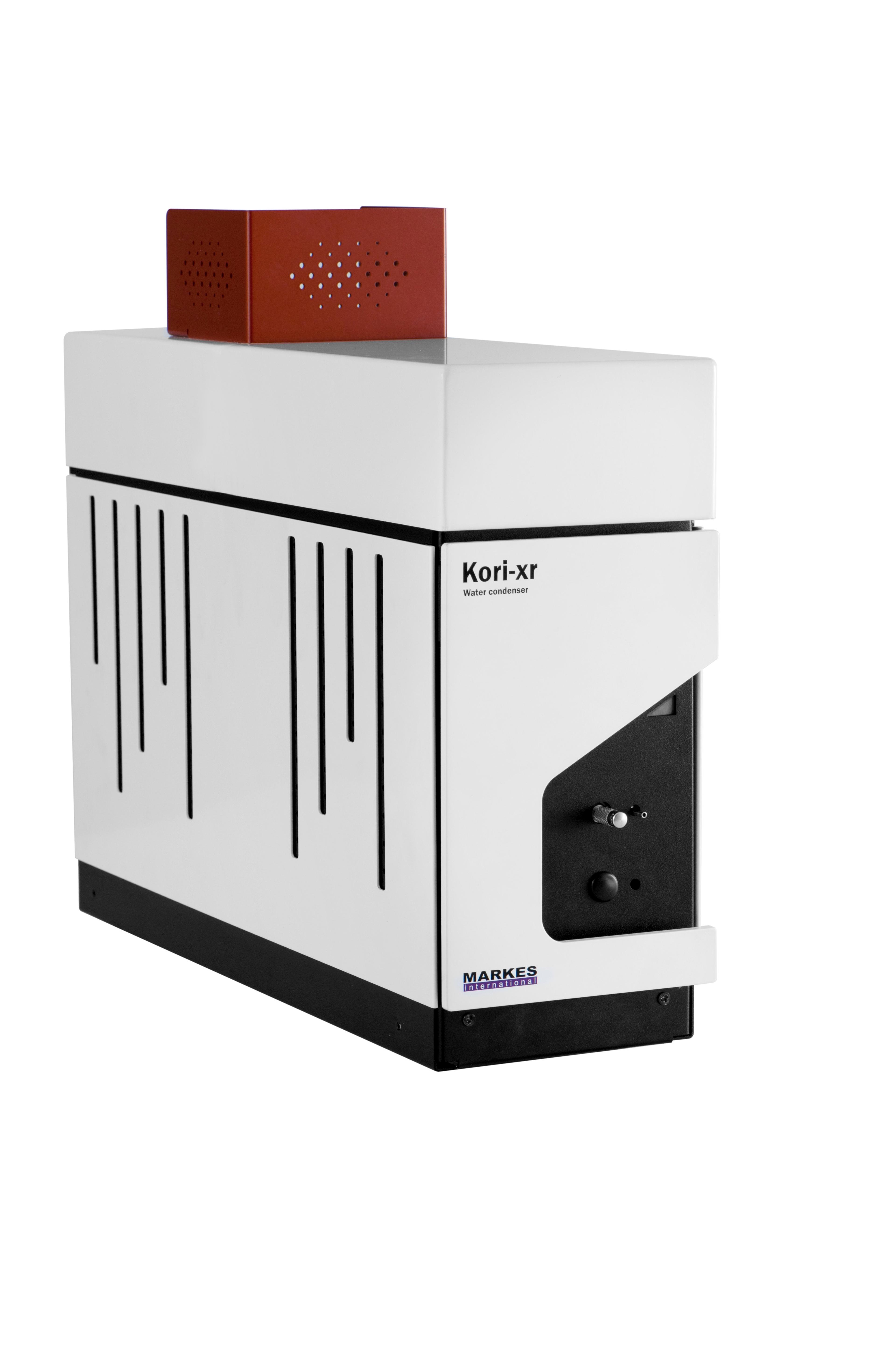
- Kori-xr™ water-management option for improved reccovery of polar species, oxygenates and pinenes in humid air streams.

Environmental Monitoring Using Thermal Desorption
This is a comprehensive guide to monitoring chemicals in the environment and the workplace using thermal desorption. It describes how thermal desorption can be used in air and water monitoring applications including detection of ‘air toxics’, mapping of environmental pollutants and assessing underground contamination. In each case, the guide directs you towards relevant application notes which describe the methods mentioned in detail. The guide also describes relevant analytical and sampling techniques and outlines the advantages of using thermal desorption for environmental monitoring.
Automotive Studies using Thermal Desorption
This is a comprehensive guide to using thermal desorption in the vehicle-manufacturing industry. The guide describes how thermal desorption can be applied to various applications in the industry including vehicle interior air quality monitoring, analysis of polycyclic aromatics hydrocarbons (PAHs) and detecting volatile carbonyl compounds, and directs you towards relevant application notes which describe the methods in detail. The guide also describes relevant analytical and sampling techniques and outlines the advantages of using thermal desorption in automotive studies.
Biological Profiling using Thermal Desorption
This is a comprehensive guide to how thermal desorption is being applied to advance research into human health, atmospheric chemistry and chemical ecology. The guide details how thermal desorption is used diverse branches of biological research such as disease diagnosis, monitoring of marine halocarbons and interspecies interactions and in each case, directs you towards relevant experimental data from published research.
Assessing Consumer Environmental Health using Thermal Desorption
This is a comprehensive guide to the use of thermal desorption to assess chemical emissions from construction materials and consumer products. It describes how the standard methods developed to assess emissions from construction materials and consumer products are compatible with thermal desorption. The guide goes onto details how thermal desorption can be applied to various techniques in assessing consumer environmental health, from near-real-time-air monitoring to assessing formaldehyde emissions, and directs you towards relevant application notes which describe the methods in detail.
Defense and Forensic Applications of Thermal Desorption
This is a comprehensive guide to using thermal desorption for homeland security, military and forensic applications. It describes how thermal desorption can be used for a variety of defense and forensic applications, from detecting trace-level agents, monitoring air for explosives and drug analysis and directs you towards relevant application notes which describe the methods in detail. The guide also describes relevant analytical and sampling techniques and outlines the advantages of using thermal desorption.
Use of Diffusive Samplers with TD–GC Analysis for Monitoring VOCs in Ambient Air
This application note reviews indoor and outdoor air monitoring of volatile organic compounds (VOCs) using tube type diffusive samplers and thermal desorption (TD)–GC analysis. Specific attention is paid to general sampling/analytical procedures, concentration/detection limits, applicable analyte ranges, minimizing artefacts, quality assurance and method limitations.
On-Line Process Control of Speciated Organic Chemicals in Industrial Gases at Sub-Ppb Levels
This Application Note describes validation of an on-line thermal desorption–mass spectrometry (TD–MS) system for rapid measurement of sub-ppb levels of VOCs in industrial carbon dioxide.
Principles of Diffusive Monitoring
Diffusive monitoring is widely used in all air monitoring scenarios, i.e. occupational hygiene plus indoor air and ambient air monitoring. By eliminating the requirement for a sampling pump, diffusive monitoring provides a simple and cost-effective method of collecting the large number of samples required in many air monitoring programmes.
The Analysis of Sulfur Compounds using On-Line and Off-Line TD–GC(MS)
In this application note, Markes International show how Markes’ TD technology is compatible with trace-level sulfur compounds, both in standard mixes and in real-life samples.