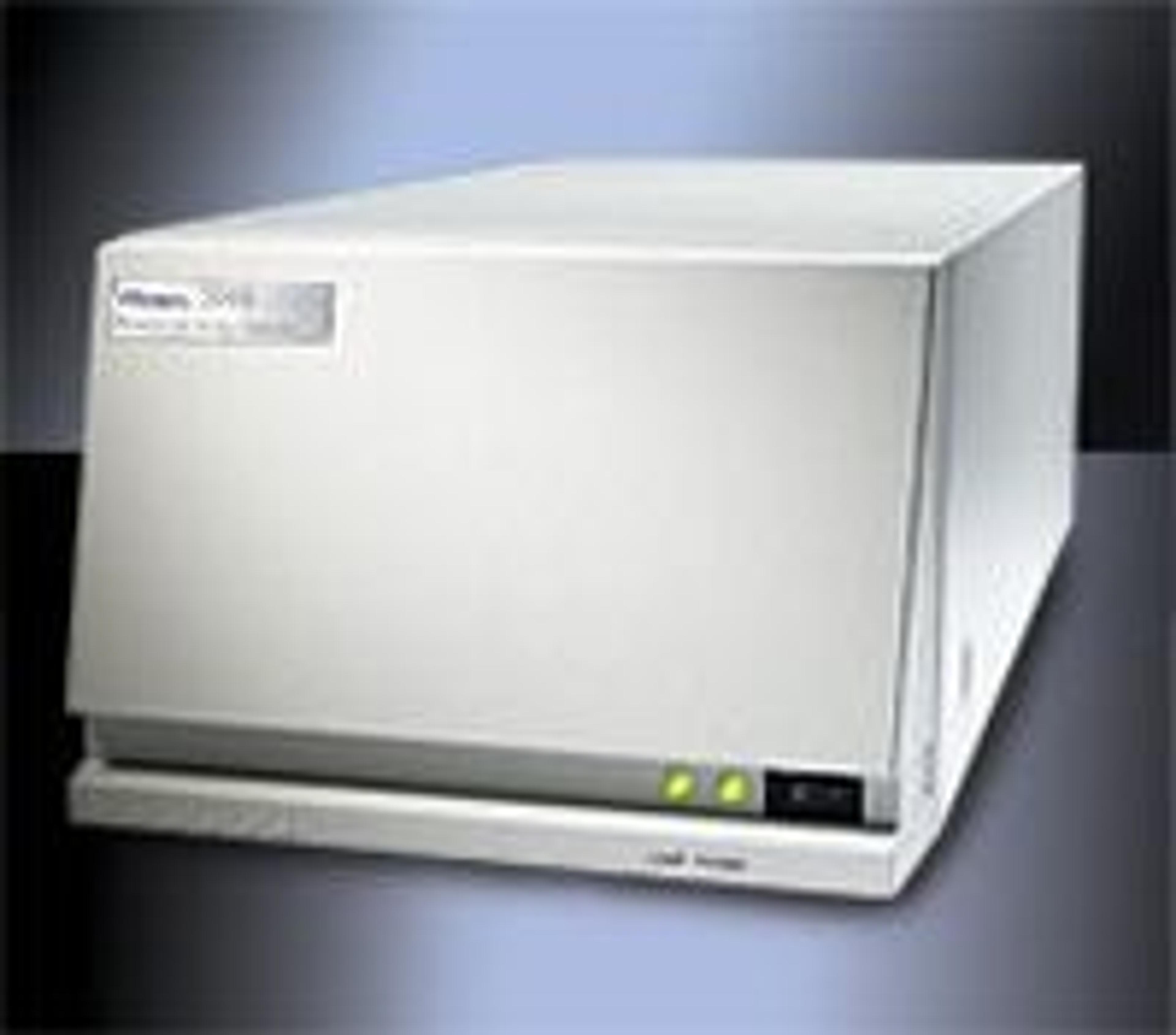
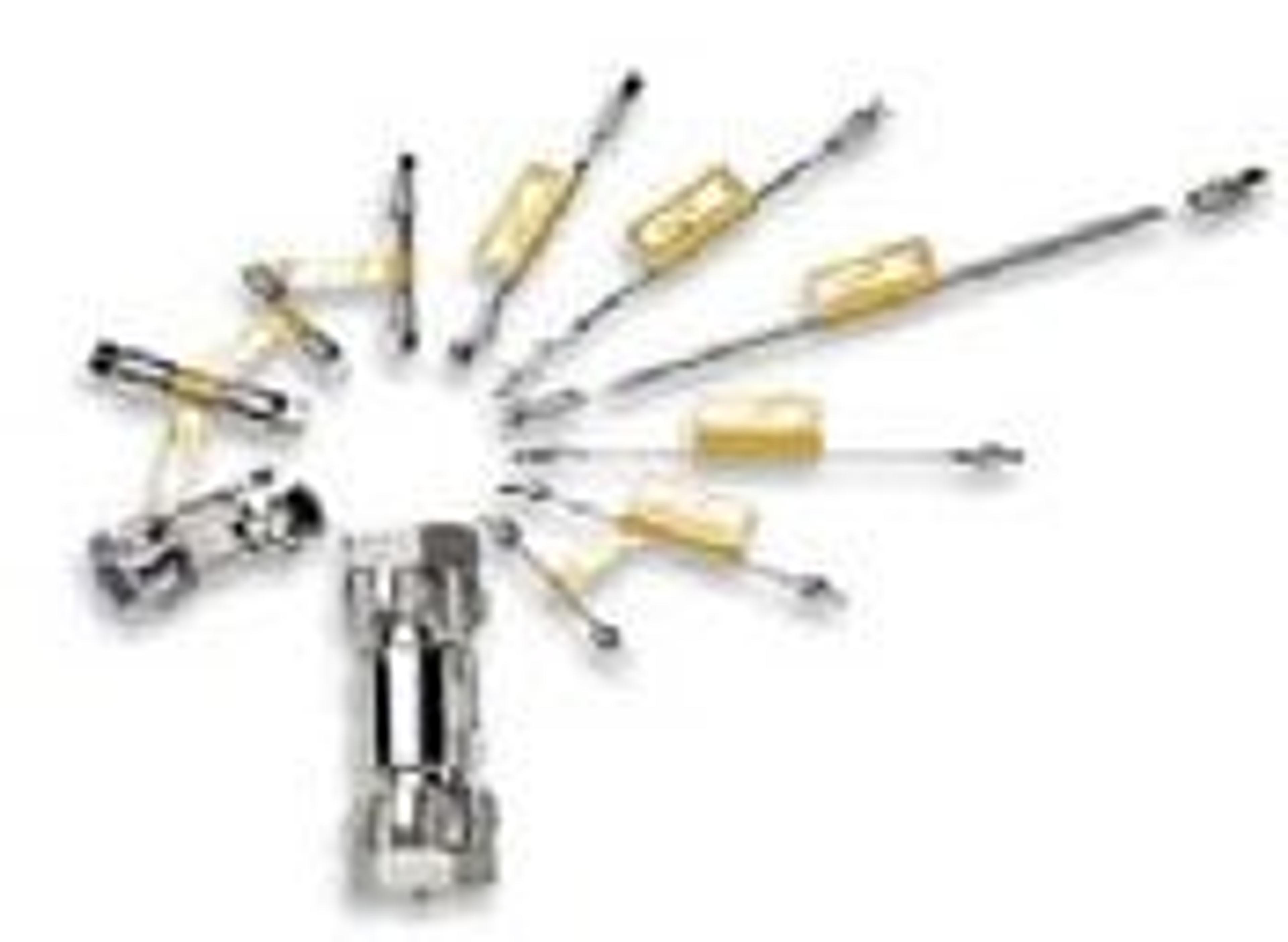
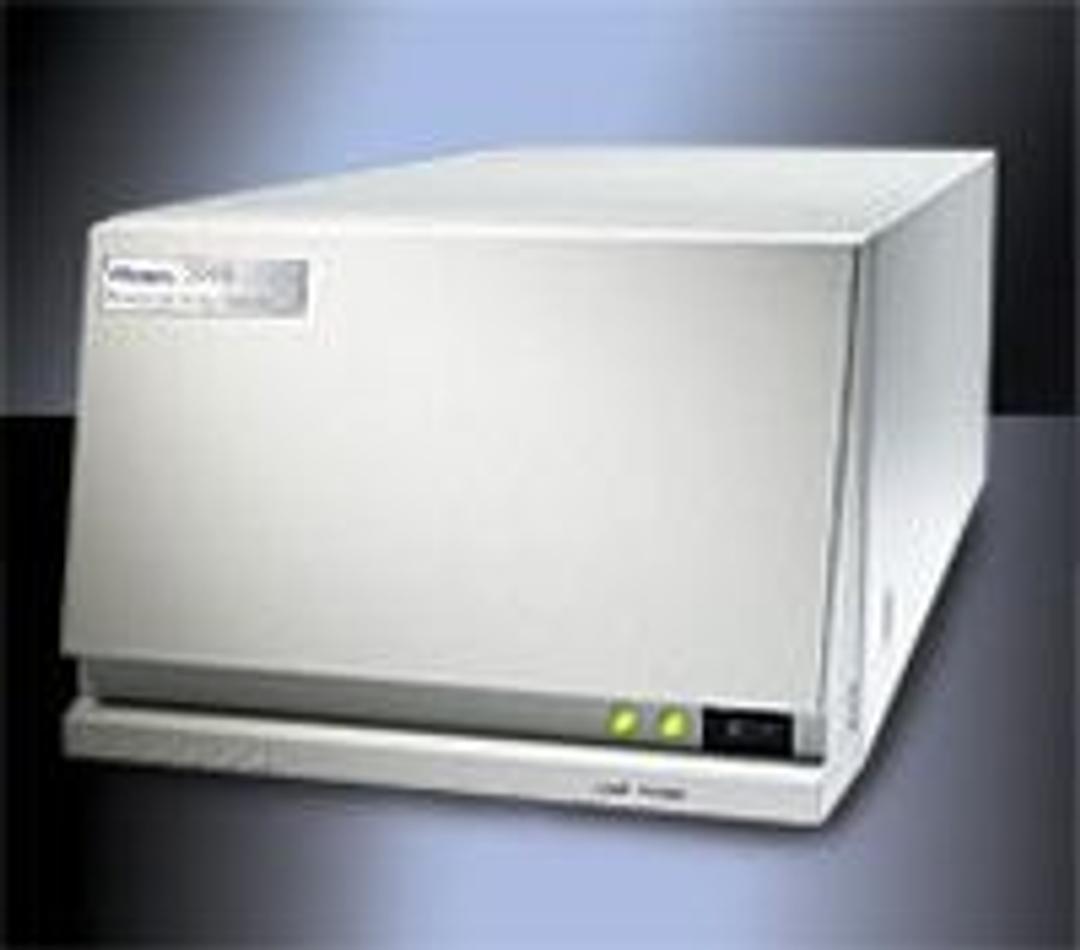
2998 Photodiode Array (PDA) Detector
The 2998 Photodiode Array (PDA) Detector offers advanced optical detection for Waters analytical HPLC, preparative HPLC, or LC/MS system solutions. Providing unprecedented trace impurity detection and quantitation, the 2998 PDA Detector’s integrated software and optics innovations deliver high chromatographic and spectral sensitivity. Enhanced software control provides flexibility for simultaneous 2D and 3D operation with eith…

Place your order directly with the manufacturer.
High sensitivy and reliability, the right choice for a DAD detector.
Pharmaceuticals
Easy to use, high sensitivity compared to other DAD detectors or even previous versions of Waters PDA detectors, highly stable.
Review Date: 30 Oct 2020 | Waters
We find this instrument to be very reliable.
Review Date: 19 Oct 2011 | Waters
The 2998 Photodiode Array (PDA) Detector offers advanced optical detection for Waters analytical HPLC, preparative HPLC, or LC/MS system solutions. Providing unprecedented trace impurity detection and quantitation, the 2998 PDA Detector’s integrated software and optics innovations deliver high chromatographic and spectral sensitivity. Enhanced software control provides flexibility for simultaneous 2D and 3D operation with either Empower™ or MassLynx™ Software.
The Waters 2998 PDA Detector is designed for a range of laboratory applications, including trace impurity detection and quantification, compound identification and method development.
Features of the Waters 2998 Photodiode Array PDA Detector:
• Patented TaperSlit™ flow cell ensures high sensitivity while maintaining optimal spectral performance
• Maximum signal-to-noise performance of <10 µAU
• Simultaneous quantification of high- and low-level components within a single chromatographic separation for extended linear range
• Flexible sampling rates for normal and fast LC separations from 1 to 80 Hz
• Definitive compound identification & co-elution detection
• Superior linear range with constant optical bandpass
• Spectral exposure optimization to maximize the signal-to-noise across the entire wavelength range with a single Deuterium lamp
• Thermal wander management for maximum baseline stability

UPLC separation for the analysis of cannabinoid content in cannabis flower and extracts
As the legalization of cannabis for both medicinal and recreational use continues to advance, the need for simple, reliable analytical methods for the analysis of these products is desired by many parties. In this application note, Waters present the modification of a simple isocratic HPLC separation of 16 cannabinoids to a separation under ULC conditions.
UPLC analysis of cannabinoid content in cannabis flower and extracts
In this application note, Waters presents the modification of a simple isocratic HPLC separation of 16 cannabinoids to a separation under UPLC conditions.
Developing Analytical Chromatographic Methods for Pharmaceutical Stability Investigations
This application note describes a case study where Quality by Design approach was used to develop an analytical stability indicating method for monitoring degradation of amoxicillin powder for oral use.
Acquity UPLC Analysis of Edible Oils
This application note describes a 10-minute separation and identification method for analysis of edible oils with Waters® ACQUITY UPLC®/PDA system using low toxic solvents, acetonitrile and 2-propanol as the mobile phase. The UPLC/PDA method not only allows faster and more precise analysis of triglycerides to authenticate the edible oils but also detects oxidized and decomposed triglyceride, enabling simultaneous determination of oil purity.
Acquity UPLC Analysis of Olive Oil Quality & Adulteration
This application note describes a 10-minute method for olive oil analysis with Waters® ACQUITY UPLC®/PDA system using low toxicity solvents, acetonitrile and 2-propanol as the mobile phase. The UPLC/PDA method allows fast and precise analysis of triglycerides to authenticate olive oil and can be used to unambiguously identify the adulteration of olive oil.
Isolating Trace Impurities for Structural Elucidation in a Commercial Fungicide Formulation Using Preparative SFC
Trace impurities in synthetic products that interact with human end users or may have an undesirable environmental fate are regulated by various government agencies such as FDA and EPA. As a result, impurity separation and their structural identification are important research functions for many industries, including pharmaceutical, agrochemical, food, and consumer products. This application note describes a workflow to achieve full structural elucidation of trace impurities that can be implemented using preparative supercritical fluid chromatography to isolate trace impurities.
Enantiomeric and Diastereomeric Separations of Fragrance and Essential Oil Components Using the ACQUITY UPC2 System with ACQUITY UPC2 Trefoil Columns
This application note demonstrates the successful chiral separations of fragrance compounds on ACQUITY UPC2 Trefoil AMY1 and CEL1 Columns using an ACQUITY UPC2 System. The low system volume and extra-column volume of the UPC2, combined with the reduced particle size of the ACQUITY UPC2 Trefoil AMY1 and CEL1 Columns, enable superior, faster, and more efficient separations compared with traditional SFC and GC.
Analysis of Artificial Food Dyes Using UltraPerformance Liquid Chromatography and an Extended Wavelength Photo Diode Array Detector
This application note presents a fast, efficient method for the analysis of food dyes in a variety of foods and beverages using the ACQUITY UPLC H-Class System with an ACQUITY UPLC Photodiode Array (PDA) extended wavelength (eλ)Detector. This 10-minute method, which includes column wash and equilibration time, allows for the simultaneous analysis of 15 artificial food dyes and selected isomers.
Quantitative Analysis of Astaxanthin in Dietary Supplements by UltraPerformance Convergence Chromatography (UPC2)
This application note presents a fast 5-minute method was developed for astaxanthin quantitation. The method was applied to confirm the label claim for three commercially available astaxanthin supplements.
Rapid Quantitative Analysis of Cannabidiol from Consumer Products
This application note will describe the rapid analysis of CBD from a several consumer products using UltraPerformance Convergence Chromatography™ (UPC2).

Waters and BioCity Debut New Open Access Analytical Laboratory in the BioHub at Alderley Park, UK
Laboratory provides access to cutting-edge analytical technologies which strengthen modern life and health sciences research