Waters Atmospheric Pressure Gas Chromatography (APGC)
GC capabilities for today's advanced MS technologies

The supplier does not provide quotations for this product through SelectScience. You can search for similar products in our Product Directory.
Too much method development required; not a sensible instrument for industry.
Pesticides (MRLs)
Nothing comes easy with this instrument. Changing over from the ESI source to the APGC source is not straight forward and quick. The chance that you will damage a probe or capillary during this change over is high. Then, you have to ever so often open the source to put water in the vials to ensure wet conditions (this is honestly just bizarre). If you are lucky, the software will communicate the first time, but this is also a struggle (Agilent hardware, but Waters MS and software). The software to operate the GC is extremely basic with many missing features. You will spend more than a week optimizing one pesticide, let alone a sample that contains many pesticides. There is a plethora of parameters you can change, and there is no consensus from application chemist as to which parameter will have the biggest effect. Repeatability is shocking. If you need to tune the APGC, you actually have to take the source off and place the ESI source back and then place the other source back. This is most definitely not a user friendly industry instrument. We are actually at a point where we will rather procure an Agilent source and split the instrument as it really doesn't make sense. Applications for this soft ionisation technique should stay in academia.
Review Date: 11 Aug 2021 | Waters
Bravo!
Low polarity compounds
Very user friendly and intuitive. This system is easier to operate as compared to a magnetic sector and it is highly flexible which allows for multiple analyses to be run on a single platform rather than the use of a dedicated solo system geared towards dioxin / furan analysis.
Review Date: 20 Jul 2021 | Waters
Amazing machine with great service.
Urine organic acid analysis
Very good connection with the Waters agent to trouble shoot problems with the machine or software. Even without the agent, the software is very smart and does many things with a good explanation for the user. Value wise for this product - it looks good!
Review Date: 15 Jul 2021 | Waters
It provides the speed and sensitivity we need for dioxin analysis.
Dioxin analysis
APGC is a very sensitive detection system that enables us to improve the detection and quantification of toxins (PCDDs and PCDFs) in feed and food samples – a technological advancement that serves our mission to advance dioxin analysis.
Review Date: 14 Sept 2018 | Waters
It provides the speed and sensitivity we need for dioxin analysis.
Dioxin analysis
APGC is a very sensitive detection system that enables us to improve the detection and quantification of toxins (PCDDs and PCDFs) in feed and food samples – a technological advancement that serves our mission to advance dioxin analysis.
Review Date: 13 Sept 2018 | Waters
If we need sensitivity, it’s the instrument of choice.
Food safety
We set out to develop advanced analytical methodology to improve the monitoring of contaminants in food samples. The increased sensitivity of the Xevo TQ-S with APGC enabled us to develop and test a method that would increase the number of contaminants detected at much lower levels in the most complex samples.
Review Date: 27 Apr 2018 | Waters
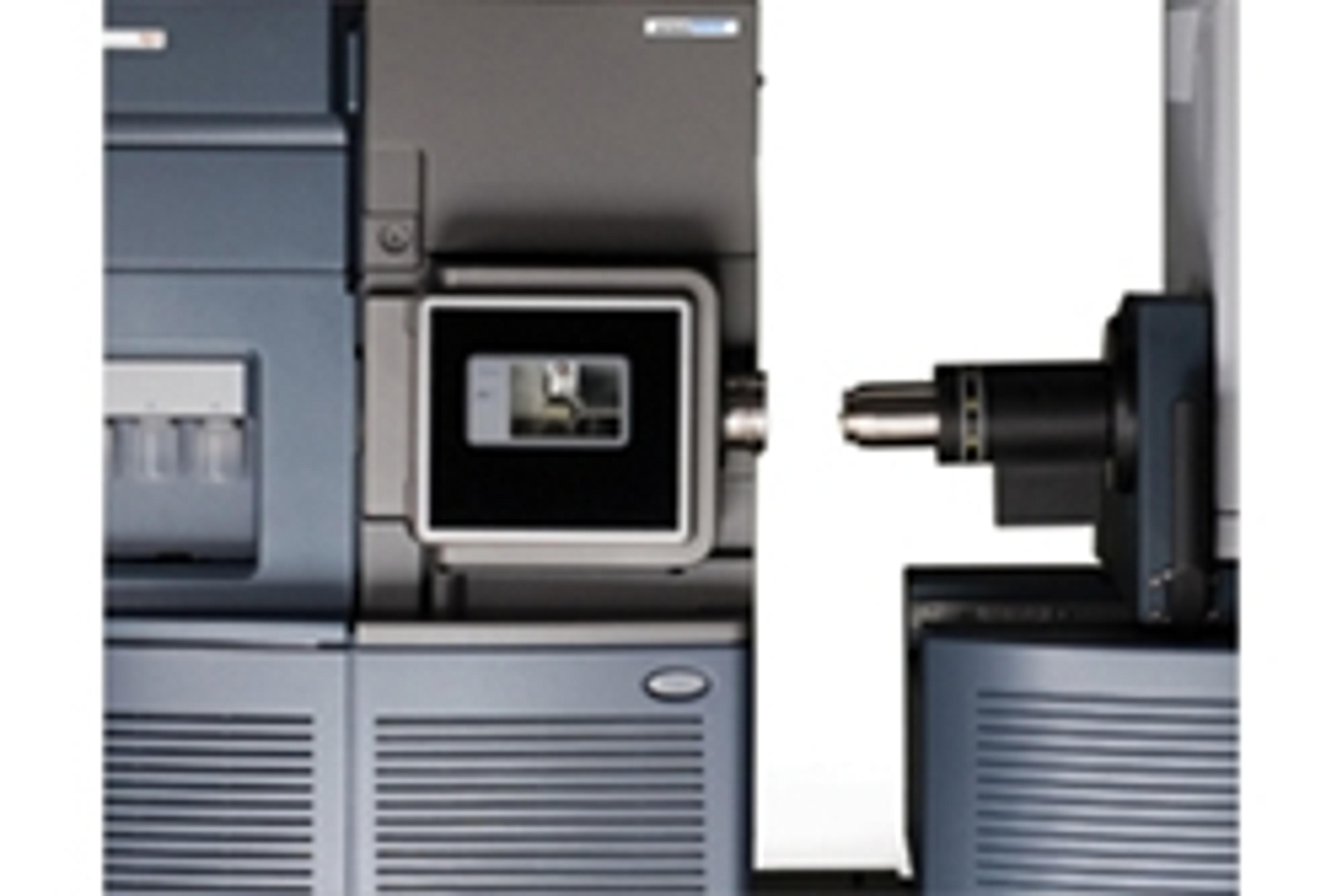
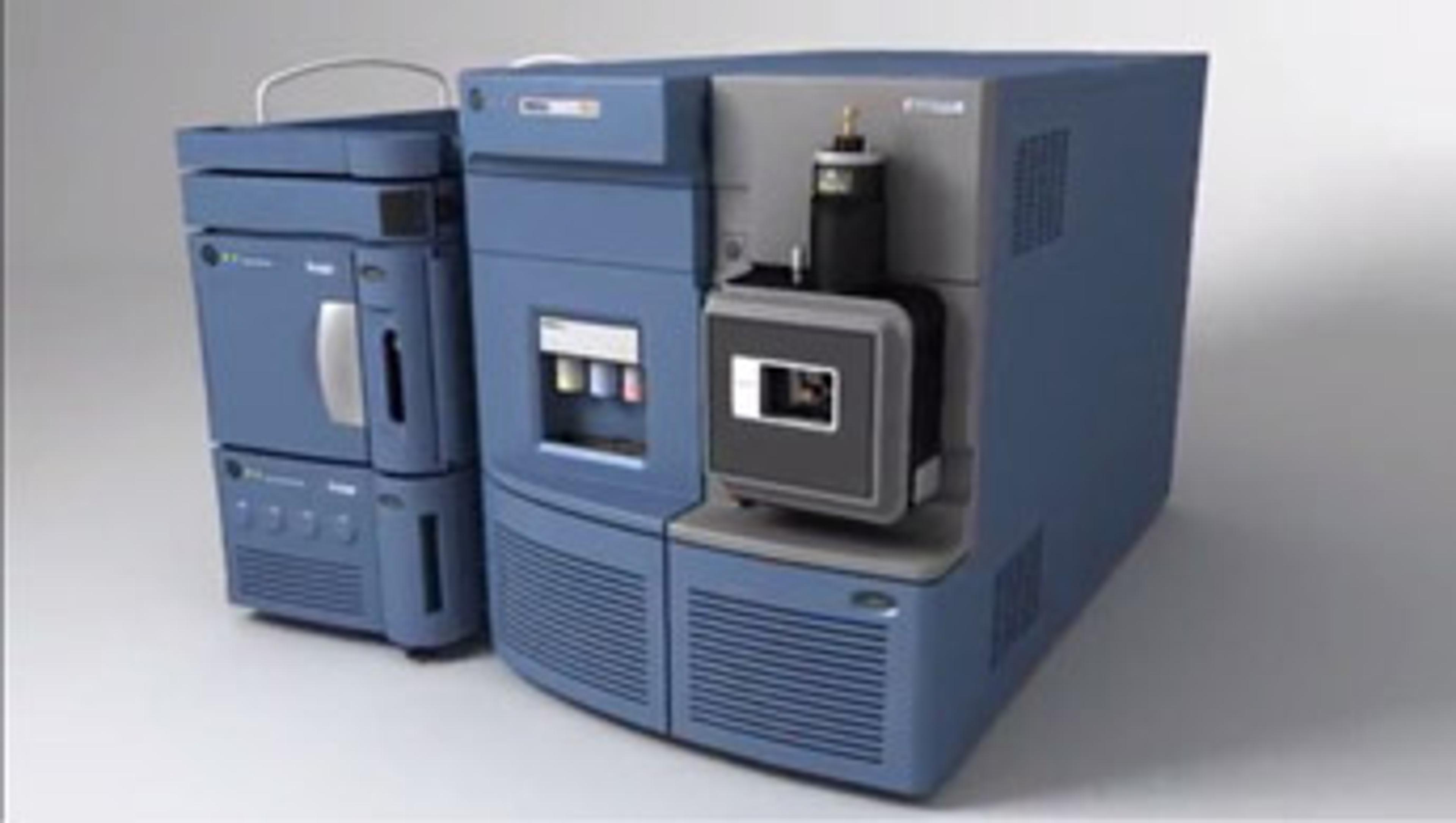
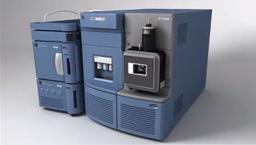
Waters Atmospheric Pressure Gas Chromatography (APGC) adds GC capability to today’s advanced MS technologies.
APGC is an ionisation source for Xevo™ and SYNAPT™ mass spectrometers. The ionisation is ‘soft‘ meaning that less fragmentation is observed for many compounds when compared with techniques such as EI. Reduced fragmentation can give higher sensitivity and specificity, therefore simplifying pre-cursor ion selection in MS/MS analyses.
Waters™ Universal source architecture and Engineered Simplicity™ means that changeover from UPLC™ to GC is quick and simple. Since APGC is not a vacuum technique equilibration time between techniques is kept to a minimum. This means that analysis can be tailored to business demands, maximizing up-time and instrument utilization.
Waters enhanced, unique MS technologies such as RADAR™, MS E & HDMS™ are now available to GC separations. Unlock the secrets of your sample and make sure you have the widest possible coverage from your analyses.
Waters Atmospheric Pressure Gas Chromatography (APGC) Features:
- High performance, ease of use allowing quick reaction to meet demands and increase throughput.
- Access to ultra-trace quantification.
- Comprehensive qualitative MS & MS/MS.
- High-resolution ion-mobility separations.

Multi-residue method for analyzing pesticides in cannabis using UPLC-MS/MS and APGS-MS/MS
In this application note, Waters present the use of a simple sample extraction and d-SPE clean up where the resulting extract is analyzed by UPLC-MS/MS or APGS-MS/MS in a manner that complies with Canadian regulatory requirements. A single workflow for the multi-residue analysis of pesticides in cannabis is demonstrated.
Harnessing the Efficiency of Nitrogen Carrier Gas with the Atmospheric Pressure Gas Chromatography (APGC) Source
Helium is the most commonly used carrier gas in gas chromatography, however, finite reserves results in periodic price increases and concern of availability. Nitrogen is a more affordable alternative. This application note highlights the ease of implementing nitrogen as a replacement carrier gas for helium in GC separations, illustrating a cost-effective approach for atmospheric pressure MS sources, while maintaining critical separations and chromatographic performance.
Structural Elucidation of an Unknown Compound in the Fatty Acid Methyl Esters (FAMEs) Extract of Avocado Using APGC-HRMS
Avocado is a major tropical fruit with various known health benefits when consumed as part of a balanced diet. Its high lipid fraction in particular contains phytosterols, tocopherols, and most notably omega fatty acids. This application note looks to profile the fatty acid content, using gas chromatography following derivatization into fatty acid methyl esters.
Detection of Dioxins in Food and Environmental Samples using APGC-MS/MS
This application note describes a method to measure dioxins in a variety of sample matrices using Waters Atmospheric Pressure Gas Chromatography (APGC) with Xevo TQ-S. Dioxins are known to persist in the environment and pose significant toxicological concern, so testing is enforced globally.
The Use of HRMS and Statistical Analysis in the Investigation of Basmati Rice Authenticity and Potential Food Fraud
A proof of principle method has been established to assess the authenticity of basmati rice using off the shelf supermarket samples with the latest advancements in high resolution GC-MS hardware and informatics. Volatile compounds of interest were extracted from heated dry rice via SPME and headspace. Following a generic GC separation, detection was performed using a Waters® SYNAPT G2-Si MS run in HDMSE mode. Collection of an HDMSE dataset offers a high level of specificity as a result of an ion mobility separation of compounds based on size, shape, and charge, performed after and orthogonal to a GC or UPLC separation.
Analyzing Multi-Class Persistent Organic Pollutants (OCPs, PCBs, PBDEs, and PAHs) in Food Matrices in a Single Injection by APGC-MS/MS
This application note describes the development and validation of a quantitative method for 141 multi-class POP compounds in a variety of foodstuffs to ensure continued monitoring and consumer safety in Quebec, Canada. The sensitivity, selectivity, and quantification capability of APGC, when coupled with the Waters® Xevo TQ-S is determined, using a generic sample preparation method for the satisfactory extraction of all analytes from a variety of food matrices.
Faster, Easier, and more Accurate Food Safety Analyses
Food safety is a growing worldwide concern, and so is the responsibility of laboratories to meet the increasing demand for monitoring and testing. In this app note discover Water’s solutions to identify diverse chemical compounds, meet compliance requirements, reduce operational costs, and increase productivity.
A Validated Method for the Analysis of 142 Pesticide Residues Using Atmospheric Pressure GC Coupled with Tandem Quadrupole Mass Spectrometry
Various technologies are used to meet the challenge of multi-residue analysis of pesticides in food products destined for human consumption. This application note describes the development and validation of a multi-class method for the routine determination of 142 pesticide residues in various fruit and vegetable matrices.
Sensitive and Repeatable Analysis of Pesticides in QuEChERS Extracts with APGC-MS/MS
Multi-residue pesticide analysis is challenging due to the low limits of detection required in a diverse range of food commodities. As there are currently in excess of 1000 pesticides in use, laboratories are under increasing pressure to broaden the range of pesticides determined in ever shorter turnaround times. Therefore, the analytical methods they employ need to be sensitive and robust in a wide variety of sample matrices. This application note demonstrates that the Waters Xevo TQ-S equipped with an APGC source provides a sensitive and repeatable solution for the analysis of pesticides in QuEChERS extracts of strawberry, pear, and spinach.

Advancing technology for dioxins analysis – adapting methodology to address current and future needs
With the decline in availability and performance limitations of magnetic-sector high-resolution mass spectrometry (HRMS), many laboratories are investigating new methodology and instrumentation to address the demanding needs of ‘“dioxin’” and dioxin-like persistent organic pollutants (POP’s) analysis. In recent years, both the European Union (EU 644-2017 and EU 771-2017) and the United States (USEPA ATP 16130) have recognized the use of tandem quadrupole mass spectrometry (MS) as an acceptable alternative to traditional high-resolution magnetic sector-based methods. Additionally, other countries have evaluated and validated this methodology as a replacement for the traditional HRMS approach, and in doing so, have realized several advantages.
This webinar will discuss:
- Selecting a new instrument to replace legacy HMRS
- How the atmospheric pressure gas chromatography (APGC) MS/MS technology that was selected compared with the previous instrument in performance and usability
- How the new method was accredited
Key learning objectives
- Assessing alternative systems for the analysis of dioxins and furans
- The advantages of tandem MS and atmospheric pressure chemical ionization (APCI) as an alternative test procedure
- Accrediting a new method
Who should attend?
Laboratory managers and senior scientists working with environmental samples for contract testing organizations, regulators, academics
Using nitrogen as a GC-MS carrier gas: Opportunities to eliminate reliance on helium
During this webinar, an expert panel will discuss the historical events that have resulted in the consolidation of the use of helium as the GC carrier gas of choice, and how those events may no longer apply to modern instrumentation. The panelists will discuss the benefits of migration to alternative carrier gases, including hydrogen and, more importantly, nitrogen, so that GC and GC-MS laboratories can eliminate their reliance on helium. Due to the cost of helium and increasing supply limitations, this topic is especially relevant, as some have estimated that helium may no longer be available for use in the chromatographic market within a relatively short space of time.
Key learning objectives
- Learn about how the consolidation to helium as the GC carrier gas of choice has come about
- Understand why helium reliance may cause a significant impact on the analytical testing market
- Discover how GC-MS methodologies can be adapted to use nitrogen as a carrier gas, without sacrificing analytical performance
- Understand why hydrogen may not be the best alternative to helium, in terms of GC carrier gas
Who should attend?
- Laboratory analysts
- Laboratory managers
- Laboratory directors
Certificate of attendance
All webinar participants can request a certificate of attendance, including a learning outcomes summary, for continuing education purposes.
Discover the Benefits of Atmospheric Pressure Gas Chromatography
Watch this video to learn about the benefits of atmospheric pressure gas chromatography as an alternative to traditional analytical techniques. For more information, click on the website link below.
Waters Atmospheric Pressure Gas Chromatography: No-Compromise GC/MS
Watch this video to learn about Waters Waters Atmospheric Pressure Gas Chromatography (APGC). Whether you need to reach ultra-trace levels in complex samples or perform a complete UPLC, UPC2 & GC screen to get all the information from your sample, Waters APGC brings advanced MS technologies previously unavailable to GC users.

Using nitrogen as a GC-MS carrier gas: Opportunities to eliminate reliance on helium
SelectScience speaks with a panel of gas chromatography experts on the implications of switching to nitrogen as a carrier gas