Sep-Pak® Cartridges and Plates
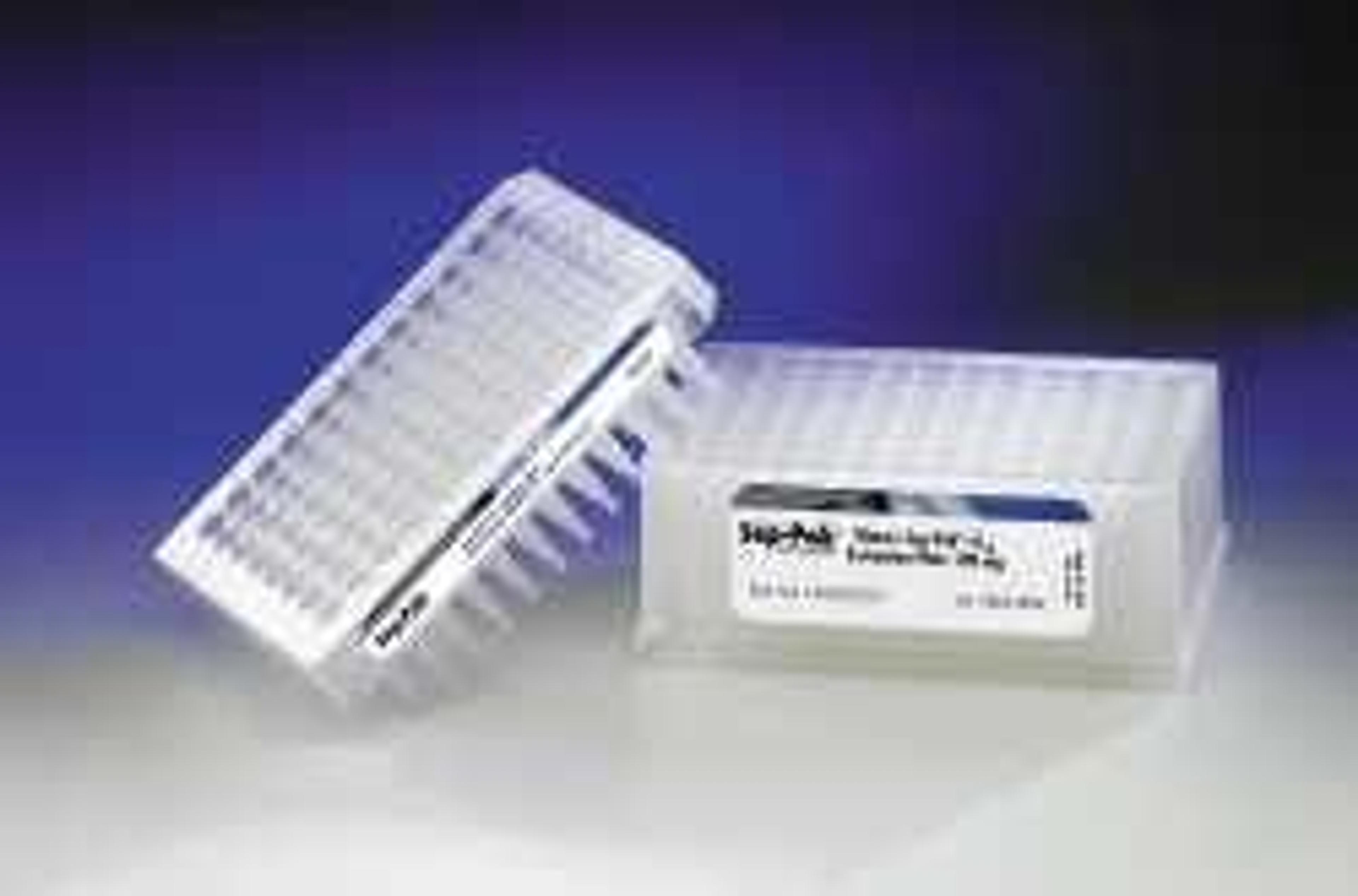
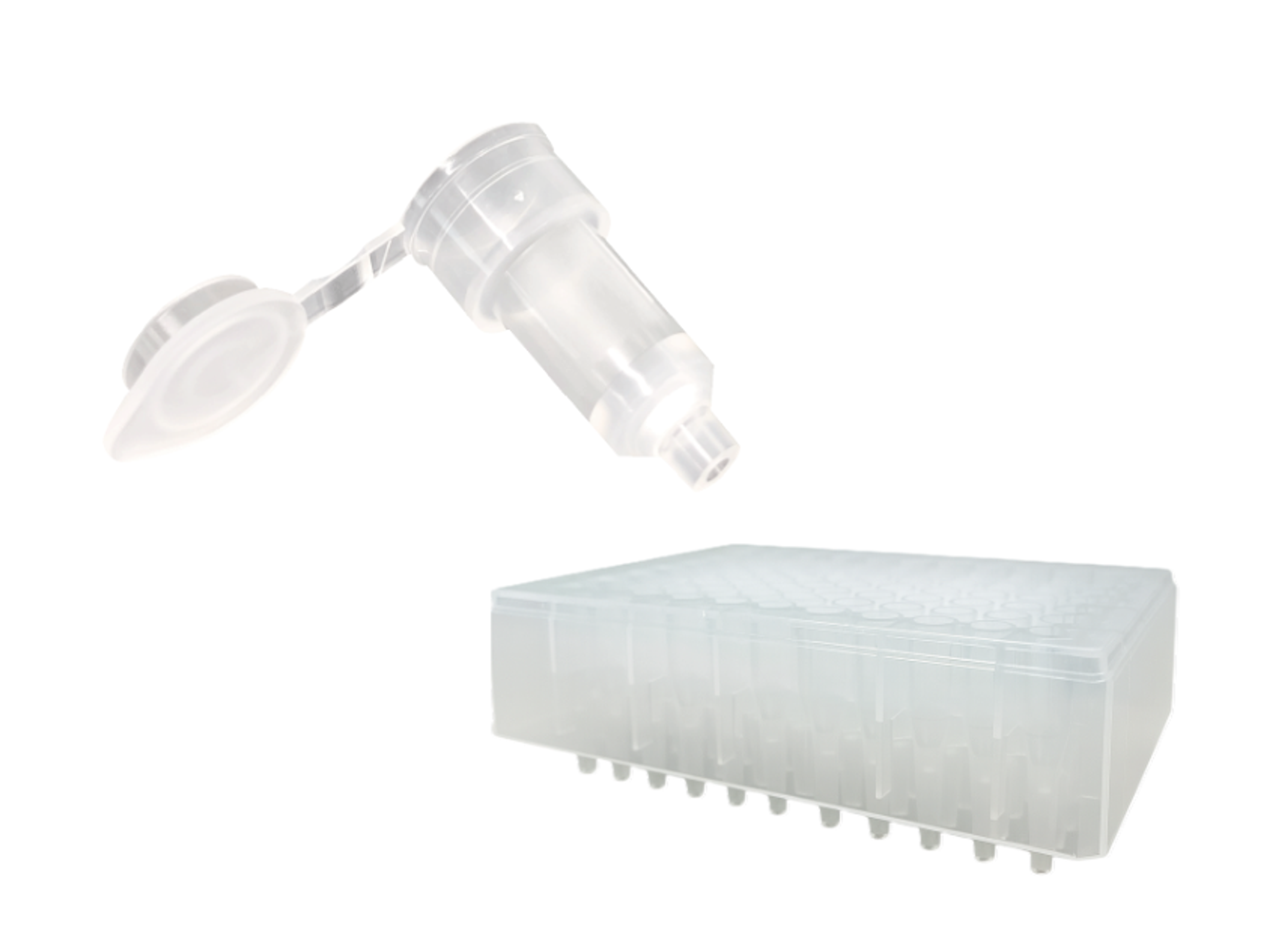
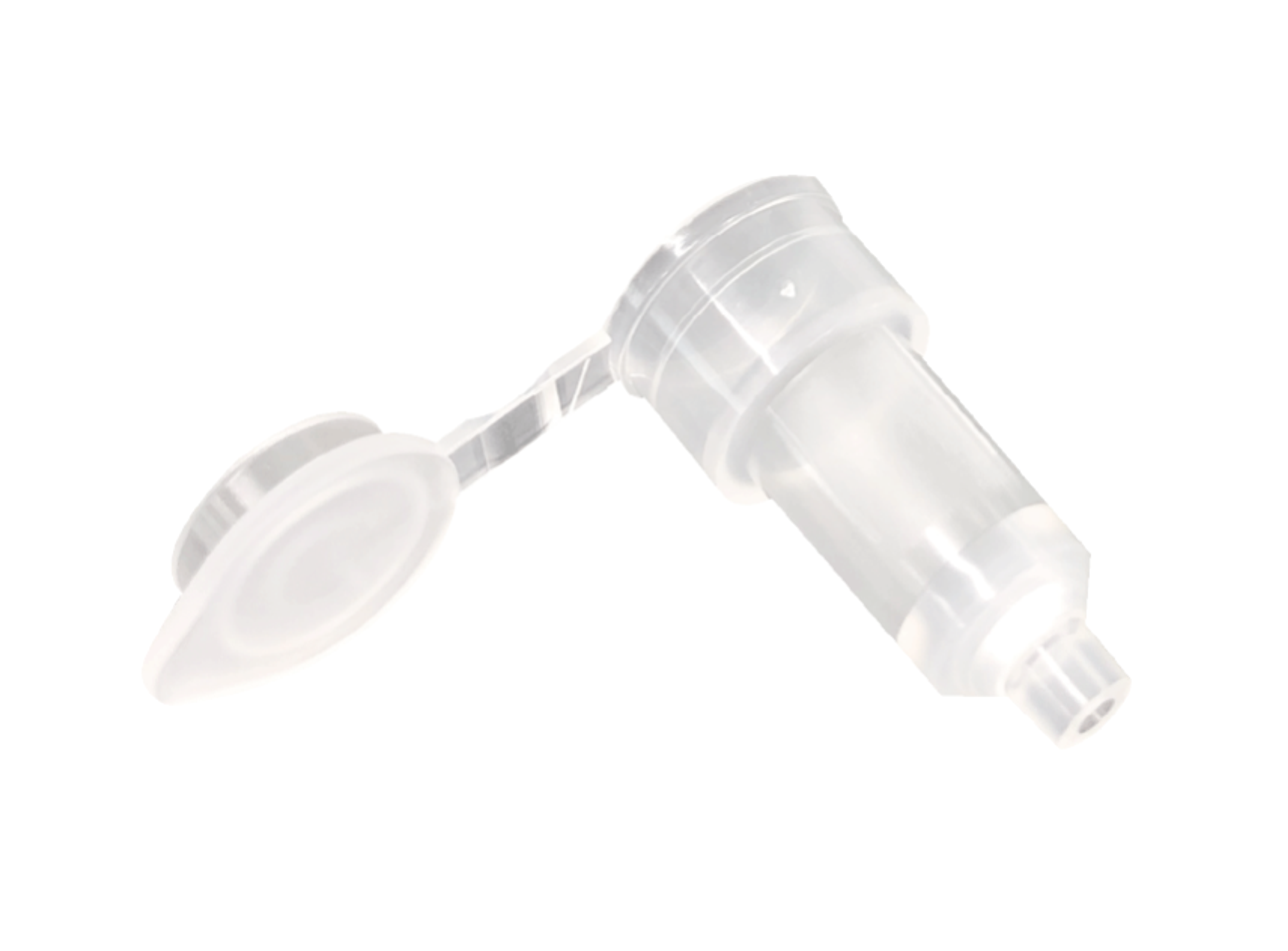
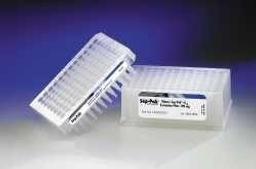
Sep-Pak Plates enable high throughput solid-phase extraction with the same silica sorbents that have been proven for years in Sep-Pak Cartridges. The plate design has been optimized for automated sample handling systems as well as for standard vacuum manifolds. Sep-Pak Plates are available with different silica sorbent mass selections to optimize sample loading.

The supplier does not provide quotations for this product through SelectScience. You can search for similar products in our Product Directory.
Good inexpensive product for day to day analysis.
Analysis, separation of glycoform peptides
Quality product, easy to use. The syringe cartridges are great for enrichment of glycoform peptides, followed by mass spec analysis from antibody/ protein digest.
Review Date: 2 Mar 2019 | Waters
Can't possibly do SPE techniques without Oasis cartridges
Analyze drug in plasma samples
I couldn't achieve reproducibility or good results with Sep-Pak Cartridges, although it was due to the characteristics of the drug in study. I already have changed the product for MCX Prime Cartridges with good results and reproducibility.
Review Date: 3 Oct 2018 | Waters
Easy to use. Disposable.
Proteomics
We have used Waters Spe cartridges for sample clean up and sample prep for many years. I feel like I get highly reproduce able results in a convenient disposable design.
Review Date: 29 Nov 2016 | Waters
Sep-Pak Plates enable high throughput solid-phase extraction with the same silica sorbents that have been proven for years in Sep-Pak Cartridges.
The plate design has been optimized for automated sample handling systems as well as for standard vacuum manifolds. Sep-Pak Plates are available with different silica sorbent mass selections to optimize sample loading.

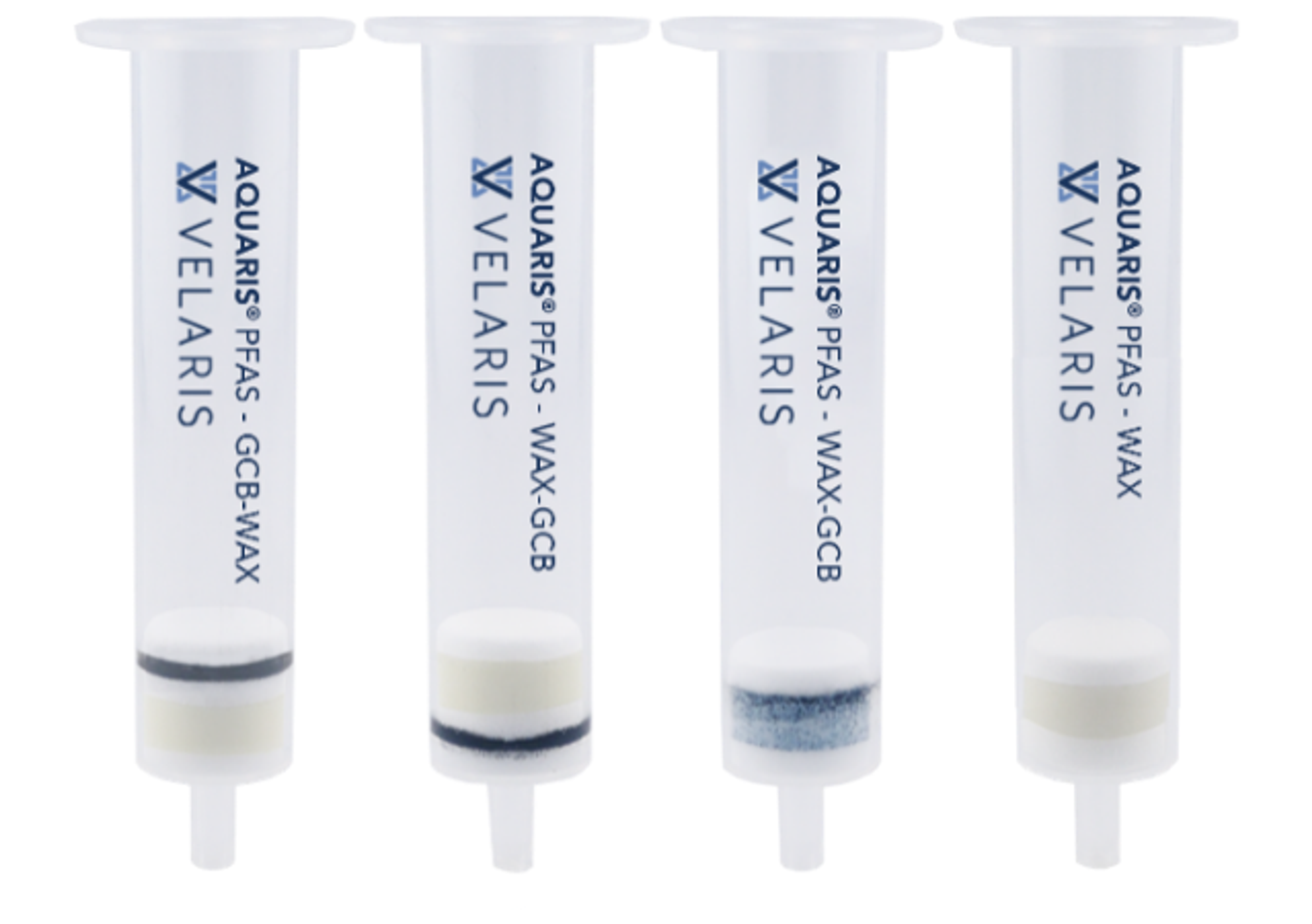
Addressing the global challenge of PFAS contamination
Per- and polyfluoroalkyl substances (PFAS) are a class of synthetic chemicals that pose significant environmental and health challenges due to their persistence and bioaccumulation. PFAS testing is one of the most pressing issues facing analytical labs today. As global attention grows, so does the demand for reliable answers.
Technologies such as liquid chromatography-tandem mass spectrometry (LC-MS/ MS) and high-resolution mass spectrometry (HRMS) can be essential for assessing PFAS contamination accurately. Discover how advanced LC-MS/MS and HRMS technologies are helping scientists and regulators tackle PFAS challenges head-on.
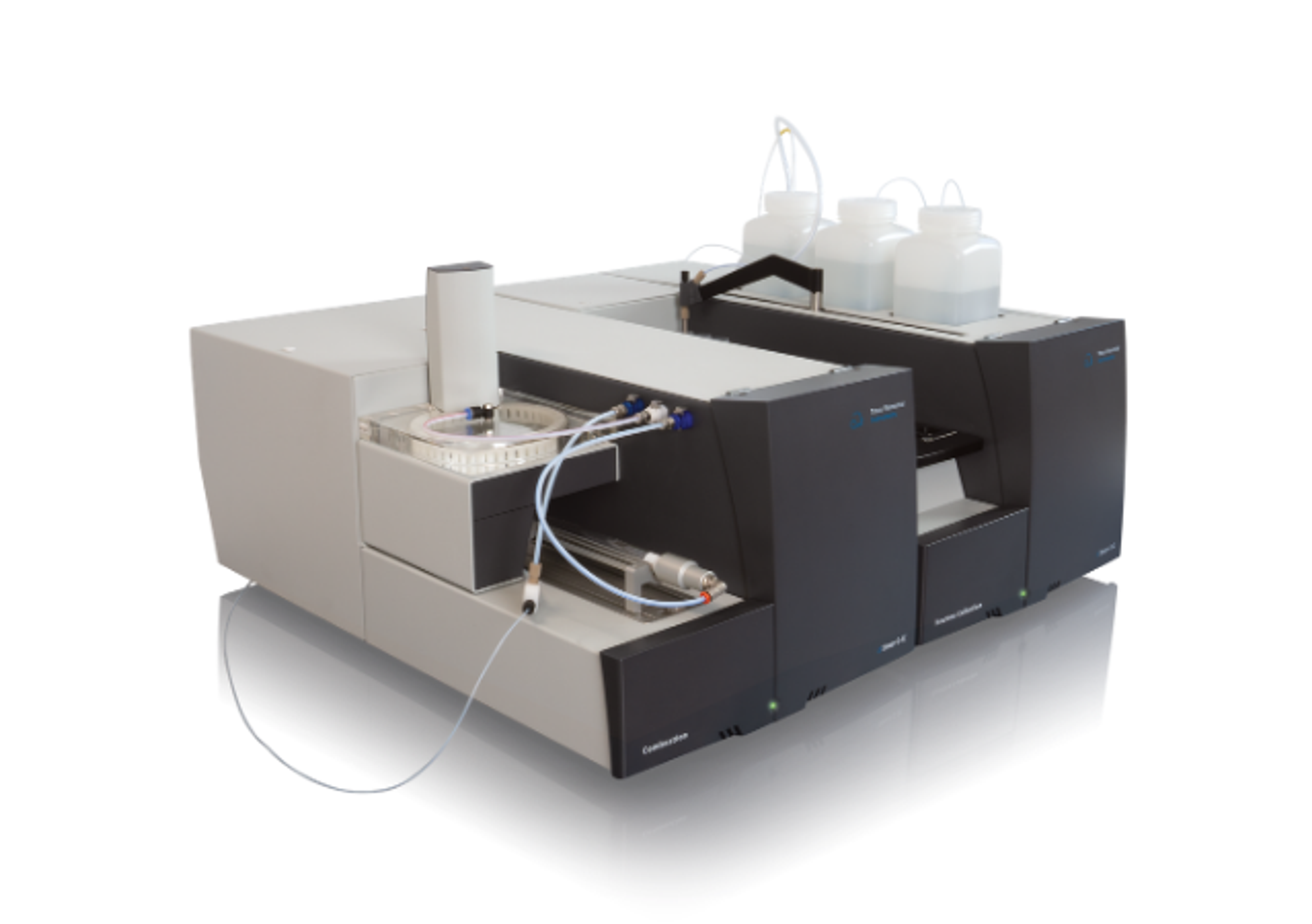
From sample preparation to data analysis, explore how Waters Corporation provides the tools needed to measure, manage, and mitigate the impact of PFAS, driving scientific progress and regulatory compliance.
Enantioseparation and Detection of Triazole Fungicides in Wheat Grain and Wheat Straw using the ACQUITY UPC2 System and Xevo TQ-S
The safe use of crop protection products is of paramount importance to the agricultural chemicals manufacturing industry. In this application note, ACQUITY UPC2 level enantioanalysis of five triazole fungicides and tandem quadrupole mass spectrometry were used for the trace in wheat grain and/or wheat straw. UltraPerformance Convergence ChromatographyTM (UPC2) applies the performance advantages of UPLC® to SFC, combining the use of supercritical CO2 with sub-2-μm particle columns.
Multi-Residue Pesticide Analysis in Dried Chili Powder: Optimized Cleanup after QuEChERS Extraction for UPLC-MS/MS and GC-MS/MS Analysis
This application note presents QuEChERS extraction and SPE-based cleanup strategies for multi-residue pesticide analysis of chili powder, a highly resinous and oily material obtained from dried chili pepper fruits. For the analysis of chili powder, the sample is first equilibrated with water before extraction using the DisQuE pouch for CEN QuEChERS.
Profiling Mono and Disaccharides in Milk and Infant Formula Using the ACQUITY UPLC H-Class System and ACQUITY QDa Detector
The analysis of carbohydrates in food samples can be challenging because of the mix of closely related UV-transparent compounds. The combination of the ACQUITY UPLC H-Class System and the ACQUITY QDa Detector offers scientists the advanced performance expected of UPLC separations – high resolution, sensitivity, and improved throughput, along with a complementary mass detector to Refractive Index (RI) or Evaporative Light Scattering (ELS) detectors that are commonly employed for carbohydrate analysis.
Enantioseparation and Detection of Triazole Fungicides in Wheat Grain and Wheat Straw using the ACQUITY UPC2 System and Xevo TQ-S
In this application note, ACQUITY UPC2 and tandem quadrupole mass spectrometry were used for the trace level enantioanalysis of five triazole fungicides. Chiral separations using a 3.0 μm chiral CSP followed by multiple reaction monitoring (MRM) detection allowed concentrations of part per trillion (ppt) levels to be reproducibly detected and quantified.