
Profiling Mono and Disaccharides in Milk and Infant Formula Using the ACQUITY UPLC H-Class System and ACQUITY QDa Detector
21 Sept 2014The analysis of carbohydrates in food samples can be challenging because of the mix of closely related UV-transparent compounds. The combination of the ACQUITY UPLC H-Class System and the ACQUITY QDa Detector offers scientists the advanced performance expected of UPLC separations – high resolution, sensitivity, and improved throughput, along with a complementary mass detector to Refractive Index (RI) or Evaporative Light Scattering (ELS) detectors that are commonly employed for carbohydrate analysis.
Related products
Request Quote for All Products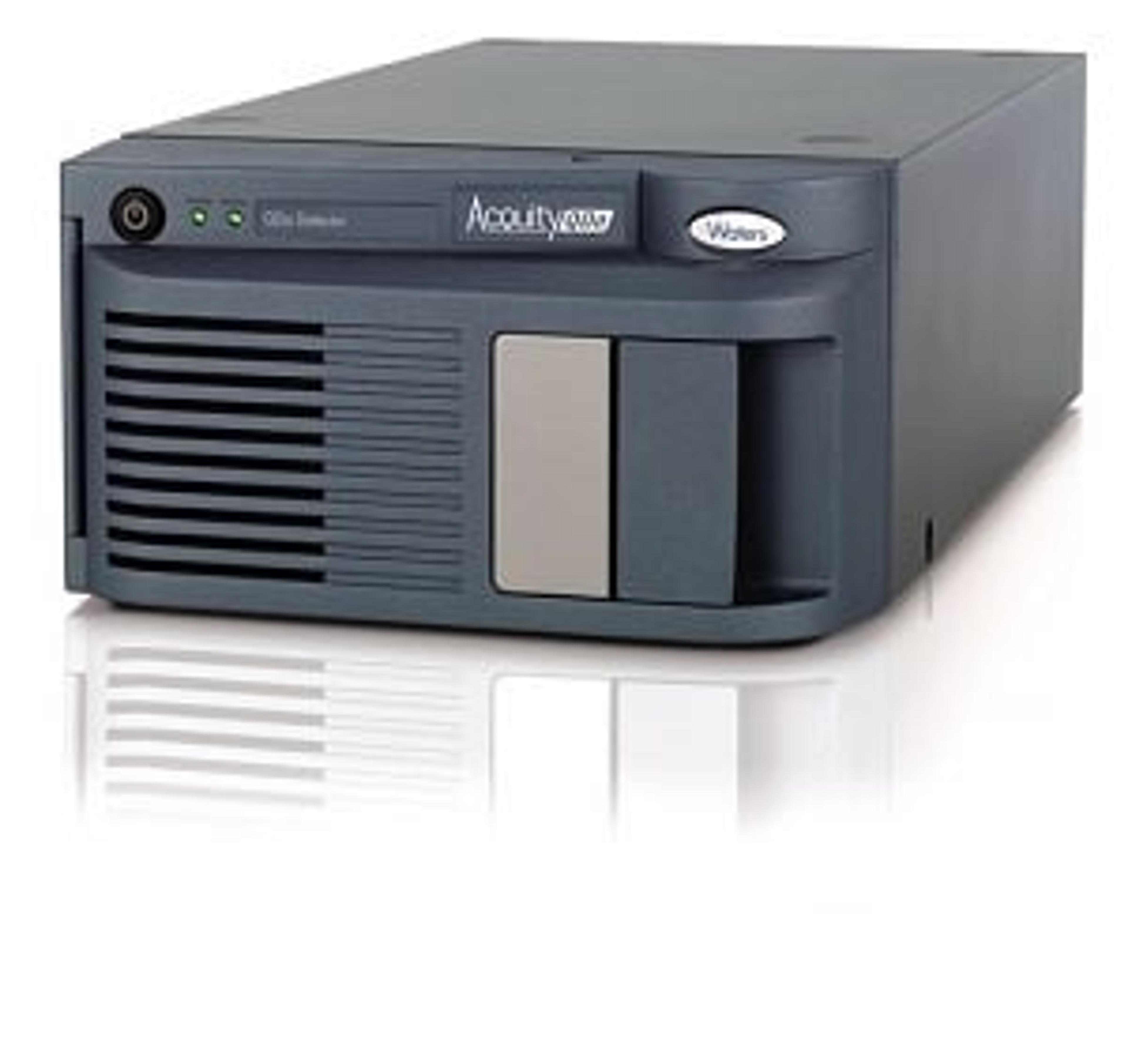
ACQUITY QDa Mass Detector
WatersThe ACQUITY QDa® Mass Detector gives you certainty above all else. You can minimize the risk of unexpected coelutions or components and confirms trace components with the analytical confidence of mass detection. The ACQUITY QDa® Detector is a mass detector built around the needs of analytical scientists for chromatographic analysis. Robust, reliable and requiring no sample adjustments, it just integrates with your current LC, ACQUITY UPLC, ACQUITY UPC2 and purification systems. You'll enhance the analytical value and productivity of each analysis, and you won't need to run all the additional assays or time-consuming alternative techniques or even wait for results from specialist labs that cost your laboratory productivity. With the ACQUITY QDa® Detector, you now have information-rich mass spectral data to complement data from your current Waters® optical detectors, including the ACQUITY UPLC PDA, TUV, ELS, and FLR detectors, as well as the ACQUITY UPC² PDA Detector. This mass spectral information integrates seamlessly into the same workflow; routinely giving you more complete separation characterization. Features: Intuitive operation More information from every sample Effortless integration Increased efficiency Resolving complexity Applications: Food & Environment Life Sciences and Pharmaceuticals Chemical
Sep-Pak® Cartridges and Plates
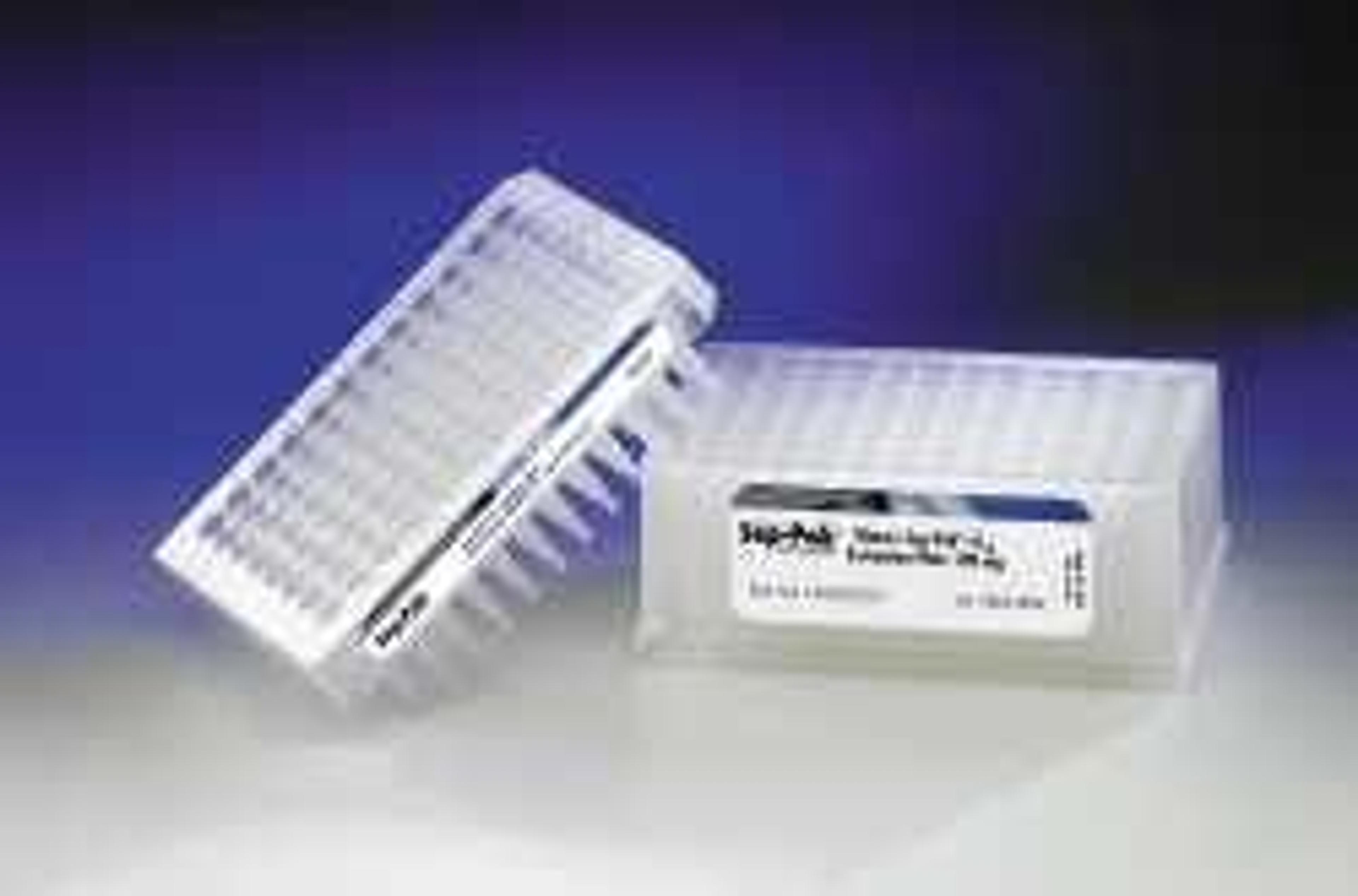
WatersSep-Pak Plates enable high throughput solid-phase extraction with the same silica sorbents that have been proven for years in Sep-Pak Cartridges. The plate design has been optimized for automated sample handling systems as well as for standard vacuum manifolds. Sep-Pak Plates are available with different silica sorbent mass selections to optimize sample loading.