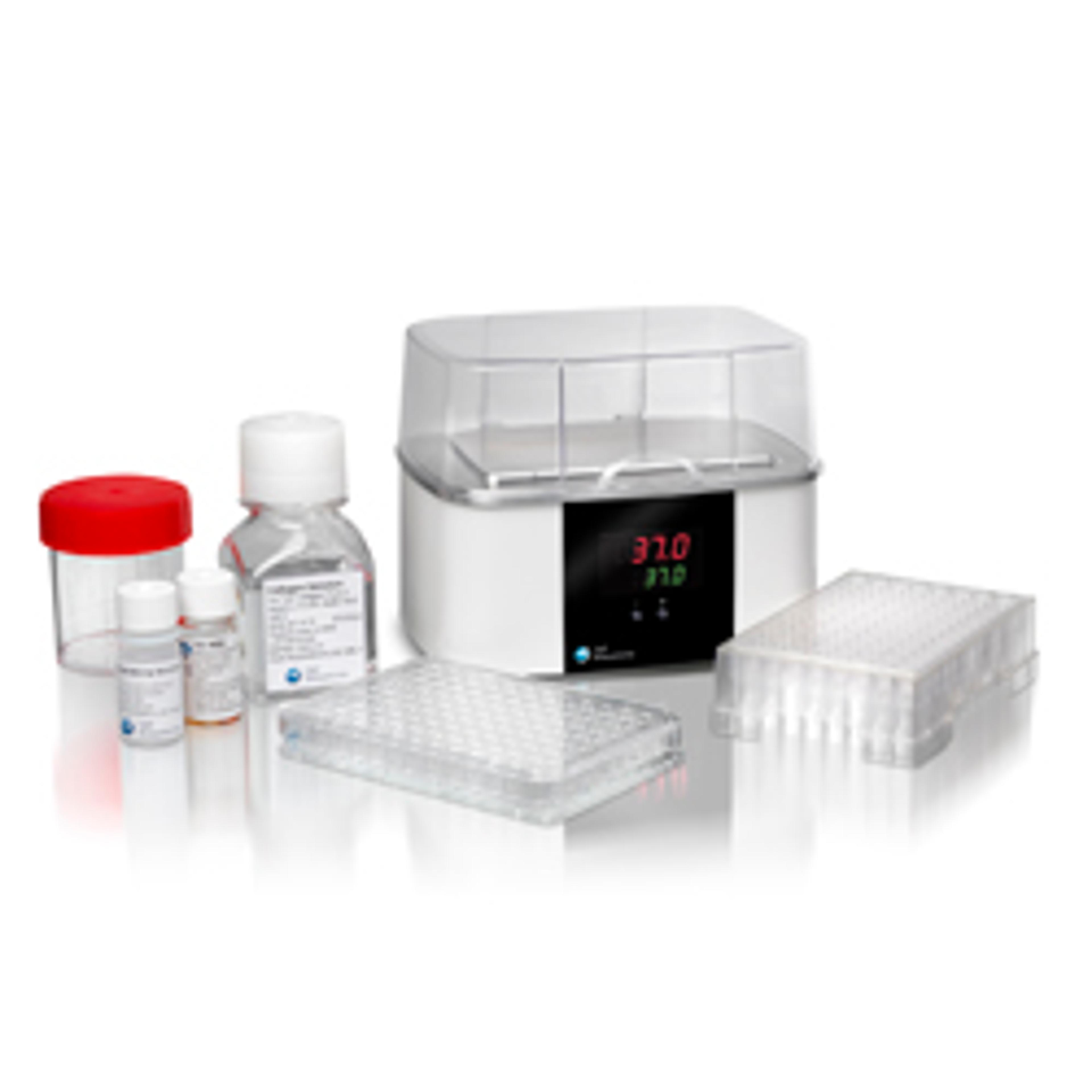
RAFT (Real Architecture for 3D Tissue)
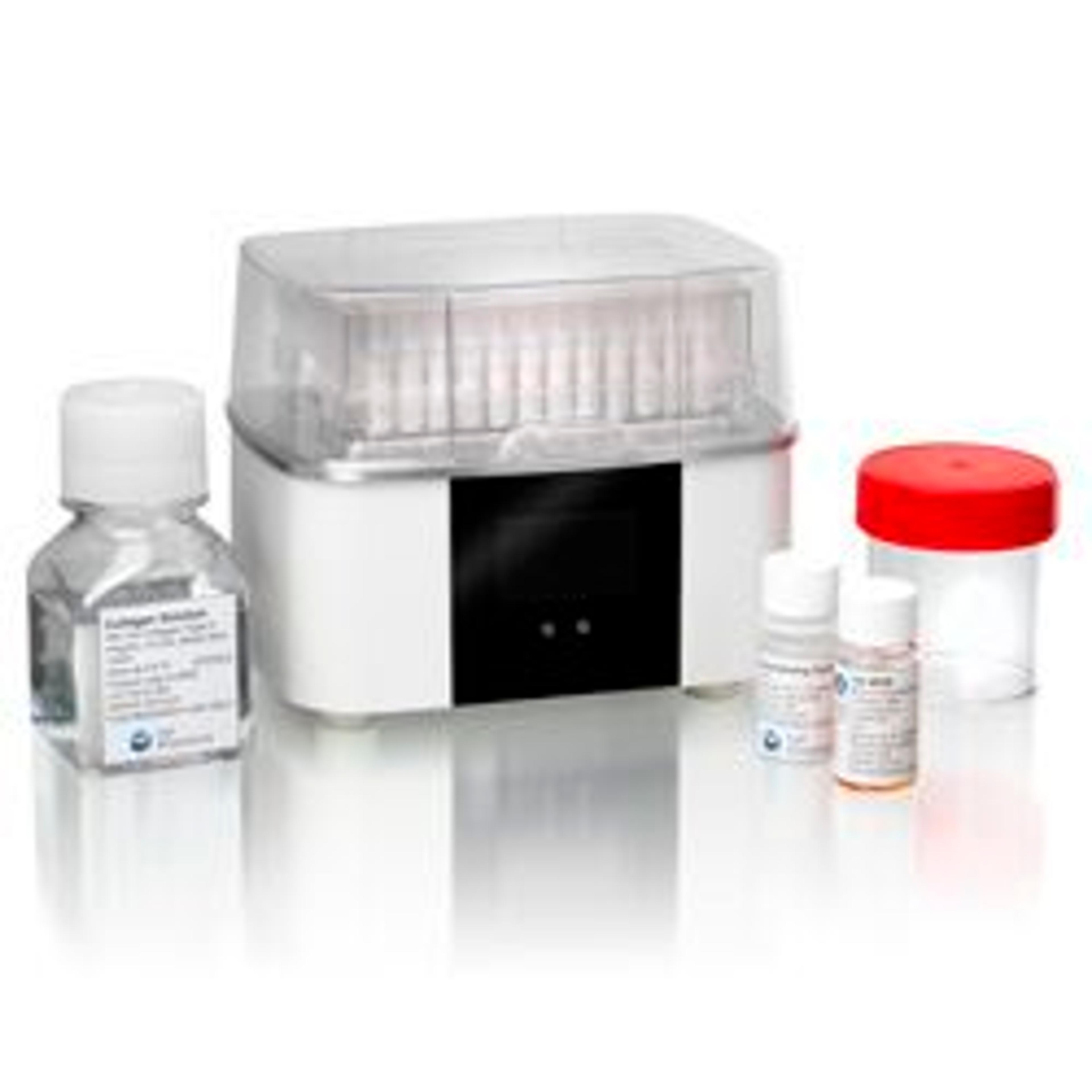
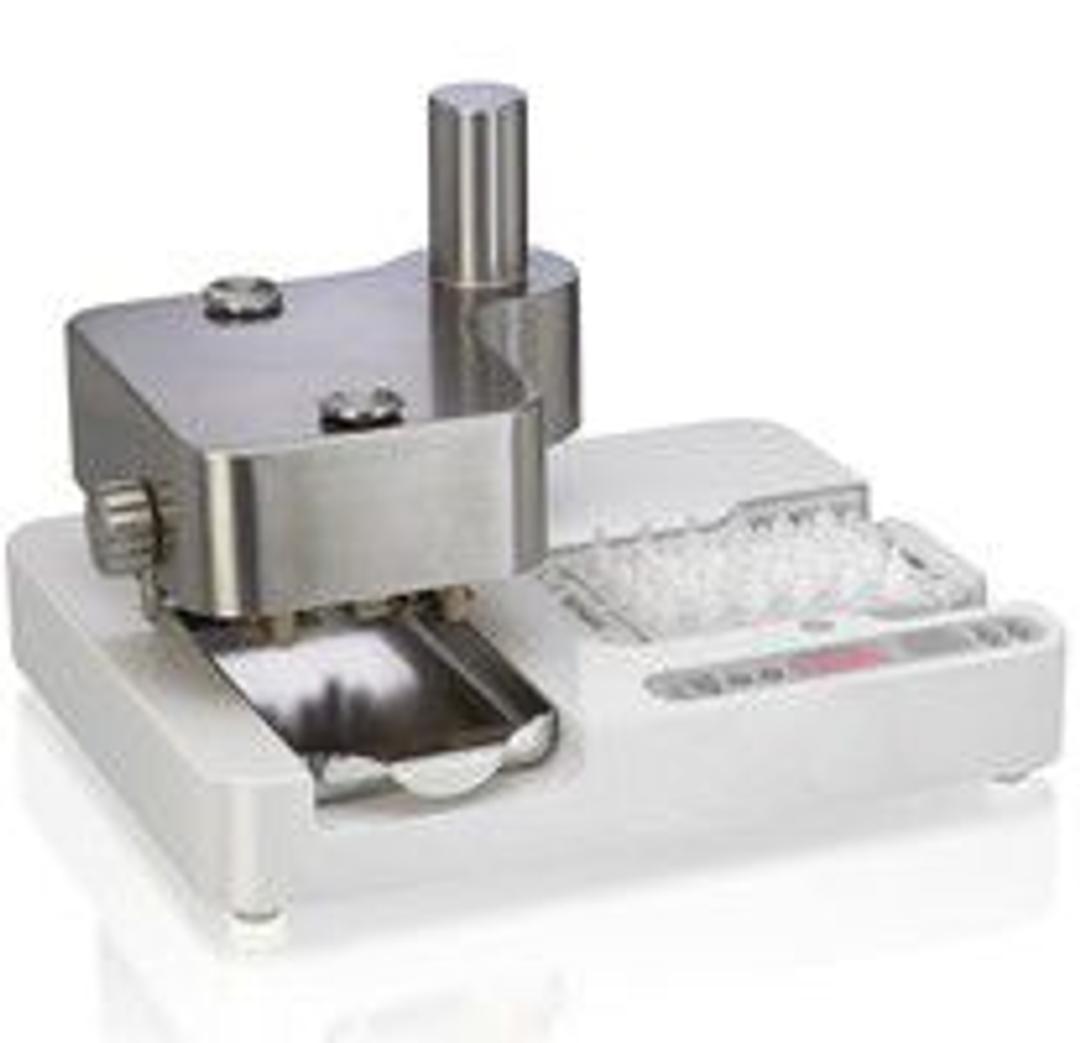
RAFT is a new 3D cell culture system that enables scientists to create complex 3D tissue models in a simple, consistent and reproducible format. RAFT uses physiologically relevant collagen concentrations to create the most natural environment for cells. RAFT enables scientists to create 3D cell cultures in 3 simple steps in less than 1 hour. RAFT can be used to support assay development and secondary screening applications.…





The supplier does not provide quotations for this product through SelectScience. You can search for similar products in our Product Directory.
RAFT is a new 3D cell culture system that enables scientists to create complex 3D tissue models in a simple, consistent and reproducible format. RAFT uses physiologically relevant collagen concentrations to create the most natural environment for cells.
RAFT enables scientists to create 3D cell cultures in 3 simple steps in less than 1 hour. RAFT can be used to support assay development and secondary screening applications. It can also be used in a broad range of cell biology applications including: stem cell research, oncology research, toxicology and tissue engineering / scaffolds.

Measuring Mitochondrial Function and Glycolytic Flux in 3D Cell Cultures
One of the most informative ways to increase the biological relevance of an in vitro assay using 3D cell culture is to measure cell metabolism, whereby perturbed metabolism or mitochondrial function is probed without disrupting the 3D structure. This application note describes use of the FLUOstar Omega microplate reader from BMG LABTECH for the sensitive and high throughput measurement of oxygen consumption and extracellular acidification in 3D cell cultures.
RAFT 3D Cell Culture Viability and Proliferation Determination Using the CellTiter-Glo Luminescent Assay
It is a common requirement to assess the viability and proliferation of cells in culture and this is the same in 3D cell culture as it is in planar 2D culture. The CellTiter-Glo luminescent cell viability assay kit from Promega is a popular approach to this requirement in cell biology. In this technical note, it is shown that the standard protocol provided with the kit can be used without modification when some preliminary controls are used with the RAFT 3D cell culture system.
New Platform Technology for Simple, Consistent Production of Collagen-Based 3D Cell Cultures for Physiologically Relevant Assays
3D cell culture enables more complex systems to be studied, providing greater insights into complex cellular interactions and more relevant data than conventional 2D systems. In this scientific poster the RAFT (Real Architecture For 3D Tissues) is shown to allow 3D collagen-based cell cultures to be made simply, consistently and rapidly in 96-well cell culture plates.
Automation of the RAFT™ Collagen-Based 3D Cell Culture System
Researchers are increasingly turning to 3D cell culture techniques for their studies, due to the improved physiological relevance of the cellular environment. TAP Biosystems has developed a novel 3D cell culture technique, RAFT (Real Architecture for 3D Tissue), which allows researchers to culture cell types of their choice in an in vivo like environment. In this poster it is shown that the Tecan EVO freedom can be used to reliably automate 3D cell culture preparation. RAFT 3D cell cultures maintain high cell viability, reproducibility and experimental versatility.
RAFT Culture Viability Determination Using the LIVE/DEAD Viability/Cytotoxicity Assay
In this application note the LIVE/DEAD Viability/Cytotoxicity kit from Life Technologies is shown to be an easy and rapid assay that can be used to assess cell viability in a RAFT 3D cell culture. Controls need to be included in the test to ensure that possible background noise is taken into account.
New RAFT Kit for 3D Cell Culture from TAP Biosystems
Traditionally, in vitro research has been conducted using 2D cell cultures. However, an increasing number of researchers have questioned the validity of studying cells in an environment that is so far removed from the in vivo state. Watch this video to learn how 3D cell culture technology from TAP Biosystems enables cells to be studied in a more in vivo like environment. Dr. Grant Cameron tells SelectScience about the new RAFT cell culture insert kit, which enables barrier models to be created for transport, chemotaxis and invasion assays. Grant also explains how throughput can now be increased through the use of automated 3D cell culture. Interview filmed by SelectScience at SLAS2013.
Build Complex 3D Tissue Models from Collagen In Less Than 1 Hour
Discover the technology of RAFT (Real Architecture for 3D Tissue), the 3D tissue modelling system from TAP Biosystems. The RAFT system enables researchers to create robust and reproducible 3D cell culture for compound screening, cell biology, drug discovery, tissue engineering and regenerative medicine. The technology is designed to mimic an in vivo environment, utilising cell culture with physiological concentrations of collagen. SelectScience.tv interview at SBS 2011.