QuanRecovery Vials and Plates with MaxPeak HPS
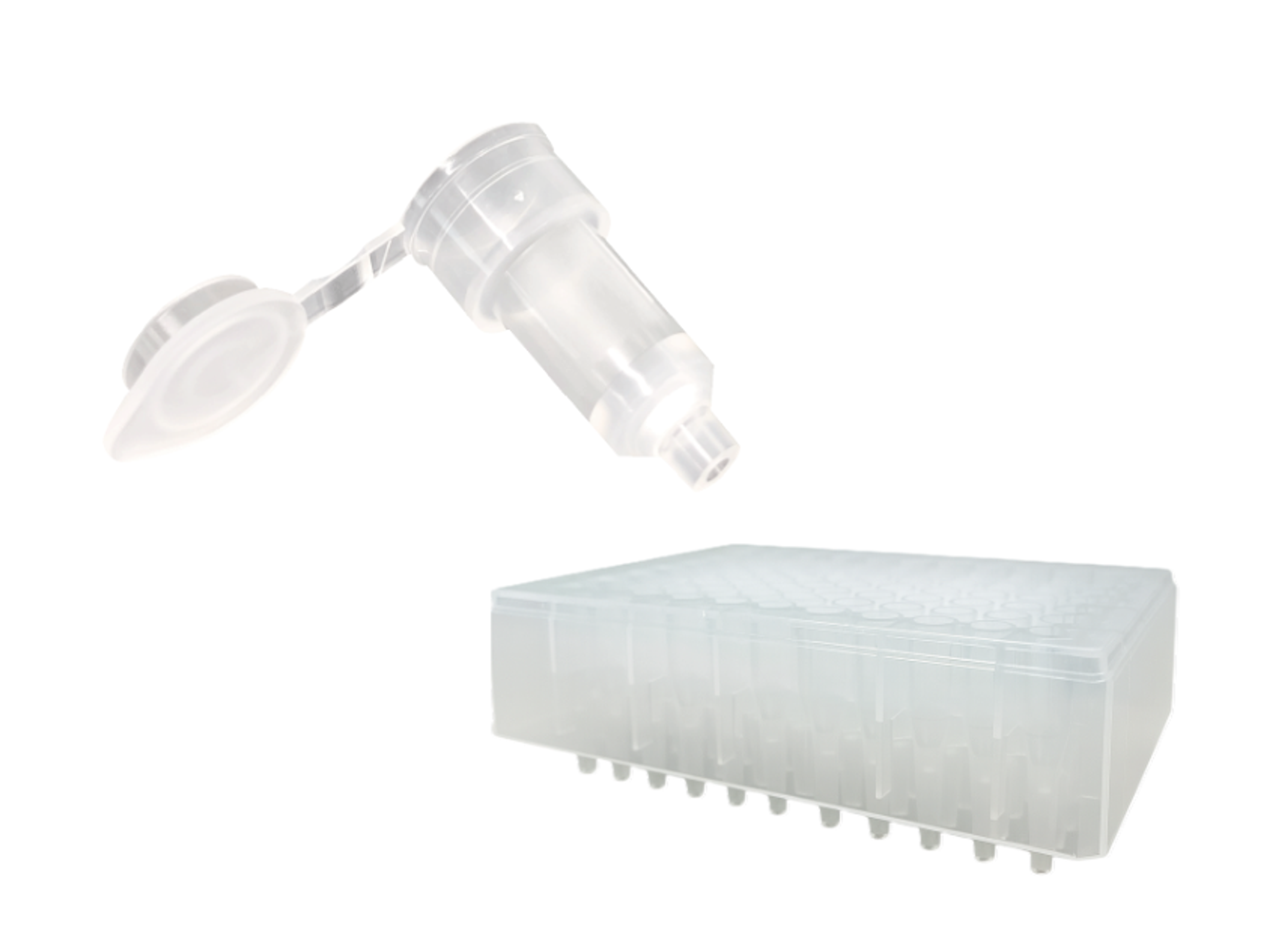
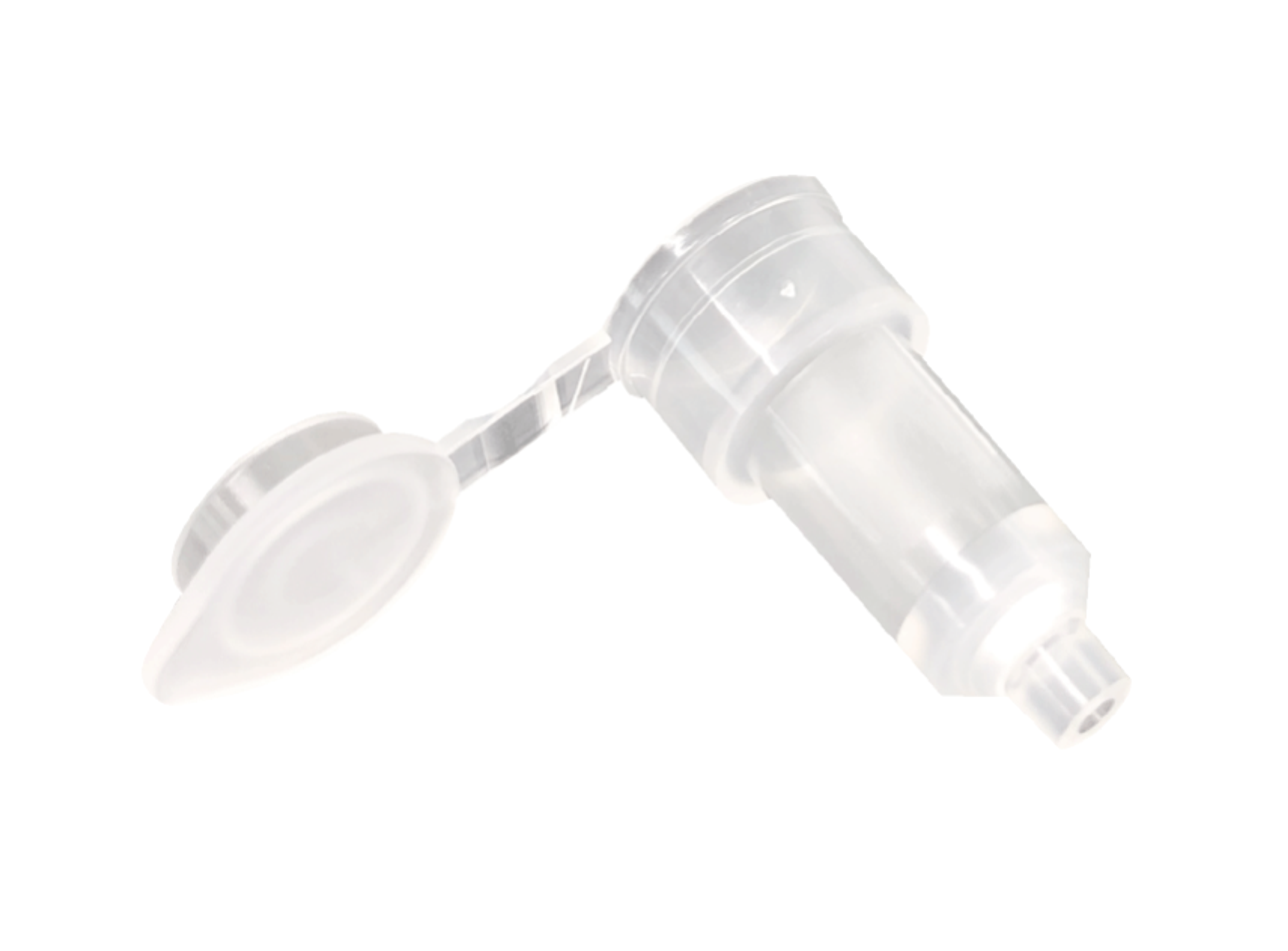
Protect peptides/proteins from non-specific binding losses. Autosampler ready QuanRecovery Vials and Plates with MaxPeak High Performance Surfaces (HPS) are designed to enable scientists to meet challenging sensitivity and reproducibility requirements in LC-MS peptide and protein quantification by reducing sample losses due to non-specific binding (NSB) and ionic interactions.


The supplier does not provide quotations for this product through SelectScience. You can search for similar products in our Product Directory.
Protect peptides/proteins from non-specific binding losses.
Autosampler ready QuanRecovery Vials and Plates with MaxPeak High Performance Surfaces (HPS) are designed to enable scientists to meet challenging sensitivity and reproducibility requirements in LC-MS peptide and protein quantification by reducing sample losses due to non-specific binding (NSB) and ionic interactions. Using QuanRecovery products to minimize these effects will enable:
- Higher recovery
- Increased sensitivity
- Improved repeatability
Improved LC-MS analysis of peptides and proteins
It can be difficult to predict peptide losses due to non-specific binding and ionic interactions, as it can be dependent on many characteristics, such as pI and hydrophobicity. Demonstrated here are the recovery of four different peptides. The recovery of desmopressin is not affected by the sample container, while glucagon, insulin, and melittin suffer varying losses due to non-specific binding and ionic interactions in the glass and standard polypropylene containers.
Only QuanRecovery Vials and Plates with MaxPeak HPS protect these peptides from loss, in turn, producing high recovery and repeatability.
Improved recovery and sensitivity at high and low sample concentrations
Biomolecule sample losses are a problem at low concentrations. However, non-specific binding and ionic interactions can also cause losses at higher concentrations.
When comparing the sensitivity of glucagon at 1 ng/mL stored in a QuanRecovery Plate versus standard polypropylene, better sensitivity (11x) is observed with the QuanRecovery Plate. Additionally, we performed the same container comparison with insulin at a much higher concentration (100 ng/mL), and even at this higher concentration, we observe that the sensitivity is higher (2x) in the QuanRecovery Plate versus standard polypropylene.
This means that sensitivity, recovery, and repeatability can be affected at higher concentrations as well as lower concentrations.
QuanRecovery Vials and Plates with MaxPeak HPS protect your sample, ensuring improved analytical results.
Maximize small sample volume utilization
Peptide and protein analysis is challenging. Often, sample volumes may be limited due to the number of analyses required from a single sample. In some cases, a sample may require cleanup, such as solid-phase extraction, to increase target peptide specificity while removing endogenous matrix components. This can also be used to concentrate the sample for increased sensitivity but the result is a lower sample volume.
QuanRecovery Vials and Plates were developed by and designed for LC-MS scientisits with this challenge in mind to ensure every drop of your precious sample can be used to gain valuable information.
These autosampler ready formats with low residual volumes maximize small sample volume utilization.
MaxPeak High Performance Surfaces
MaxPeak High Performance Surfaces are new and innovative technologies designed to increase analyte recovery, sensitivity, and reproducibility by minimizing analyte/surface interactions that can lead to sample losses.
Brochures

Arc Premier Solution brochure
In this brochure, Waters demonstrates how you can solve some of the most complex challenges associated with undesired analyte interactions by utilizing the Arc™ Premier System with MaxPeak™ Premier Columns and QuanRecovery vials and plates.
Enhancing the LC-MS/MS analysis of B-group vitamins with MaxPeak high performance surfaces technology
In this application note, Waters investigates the effects of the MaxPeak HPS on the LC-MS/MS analysis of B-group vitamins, and demonstrates the key benefits of using the MaxPeak HPS in the simultaneous analysis of B-group vitamins in energy drinks and vitamin B complex dietary supplements.
Non-specific adsorption: Common causes, how it affects chromatographic results, and how to prevent it
In this presentation, Kim Haynes, Principal Product Marketing Manager in the Chemistry Technology Center at Waters, discusses the common causes of non-specific adsorption, how it affects chromatographic results, and how to prevent it.
Analyzing Intact Peptides using LC-MS for Translational Research
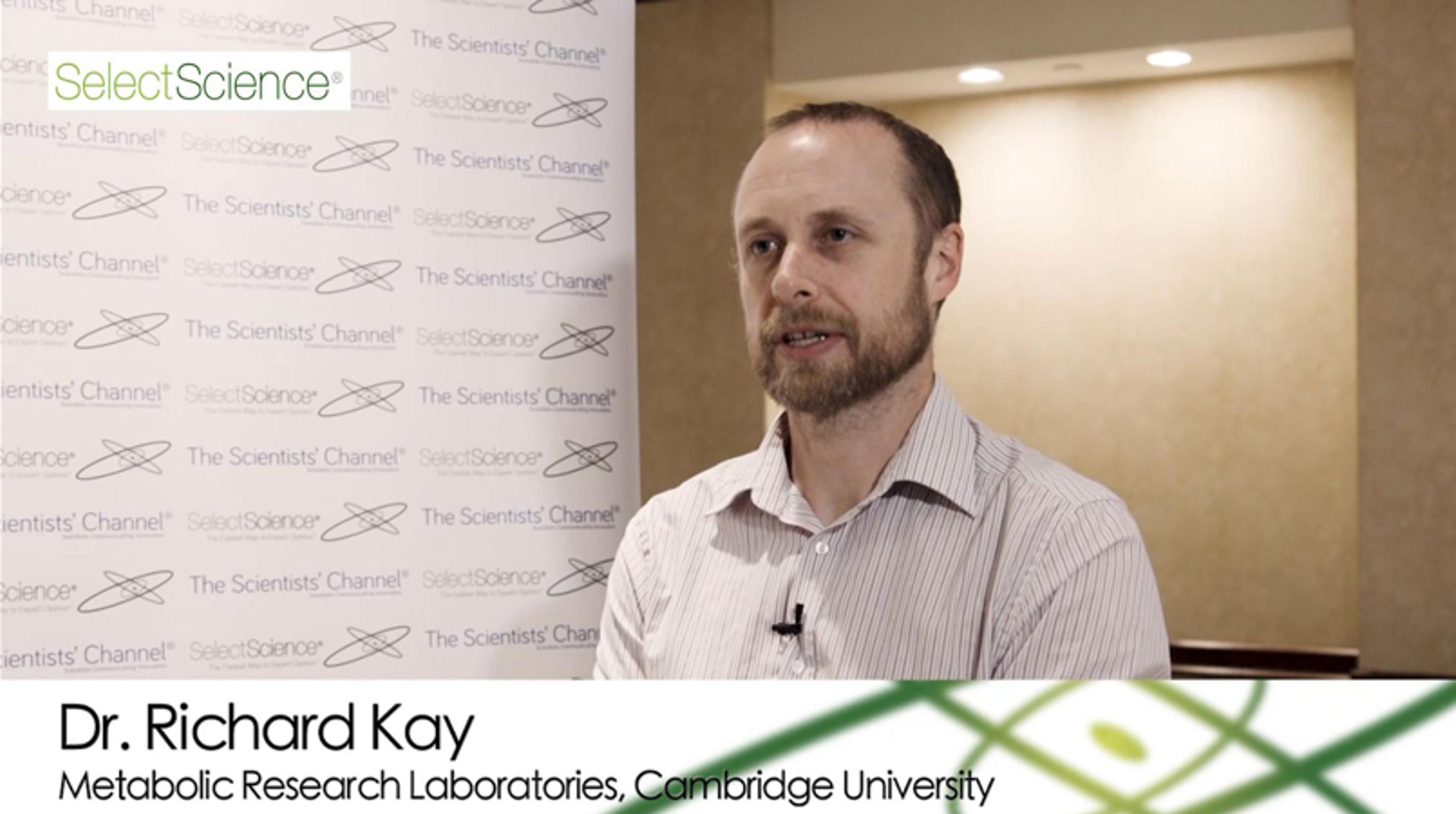
In this video, Dr. Richard Kay from the Metabolic Research Laboratories at Cambridge University shares how he and his team use mass spectrometry to identify and quantify intact peptides related to diabetes. Kay explains the benefits of using mass spectrometry over immunoassays for peptide analysis, as well as addressing the current challenges of the technique.
This interview was filmed as part of our coverage of ASMS 2019 in Atlanta, U.S.A. - see other video highlights here >>

Best practices for bioanalytical method development
Explore top tips for oligonucleotide analysis and learn how to optimize your sample prep and LC-MS acquisition
Waters redefines laboratory science with new ACQUITY PREMIER Liquid Chromatography Solution
The company’s most significant advance in chromatography since UPLC aims to accelerate scientific research and development
Top 8 Mass Spectrometry Videos from ASMS 2019
Watch the latest expert interviews from this year’s American Society for Mass Spectrometry (ASMS) conference