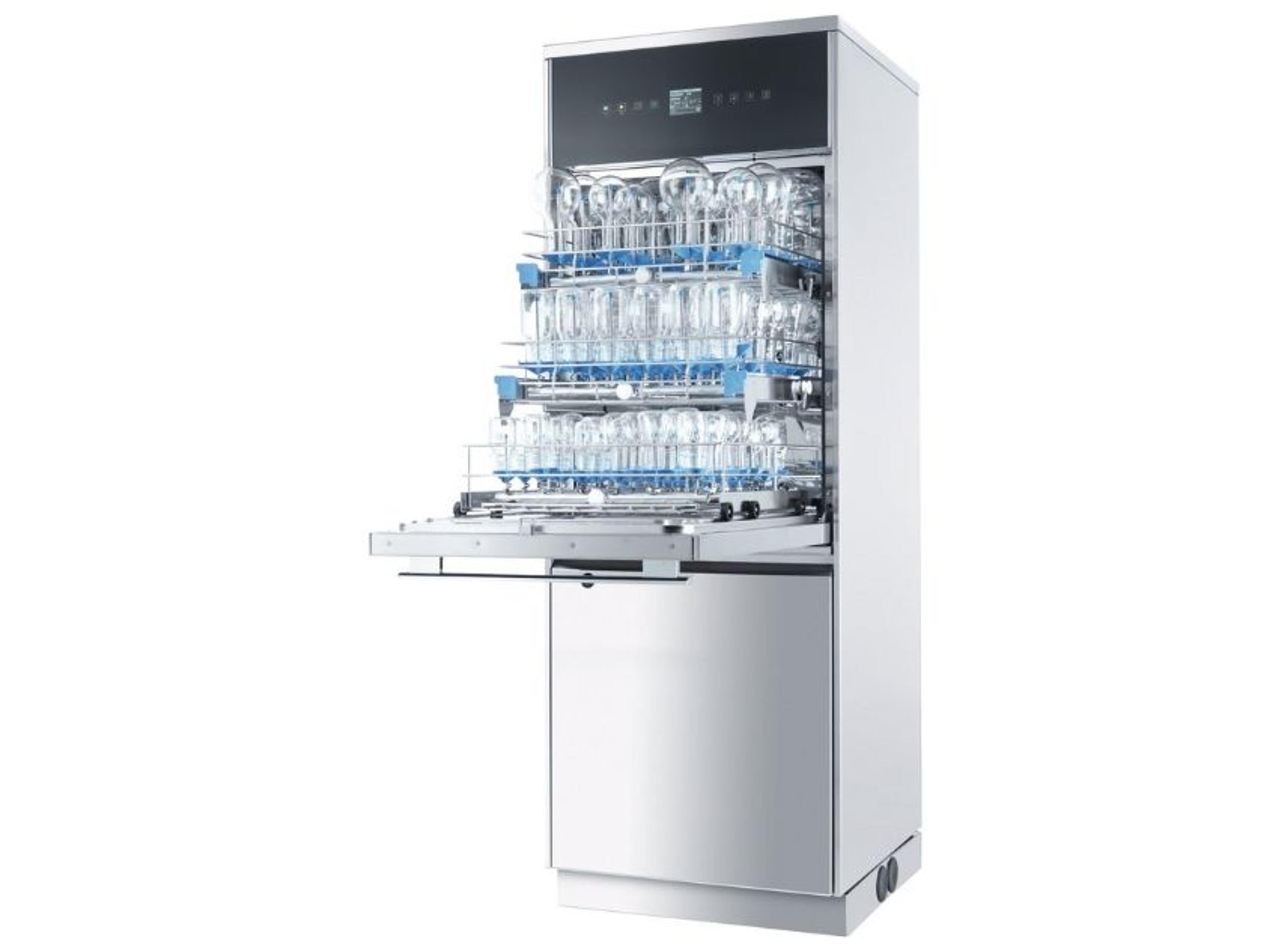
PLW 6111 SlimLine Laboratory Glassware Washer
Please see various variants in description below



The supplier does not provide quotations for this product through SelectScience. You can search for similar products in our Product Directory.
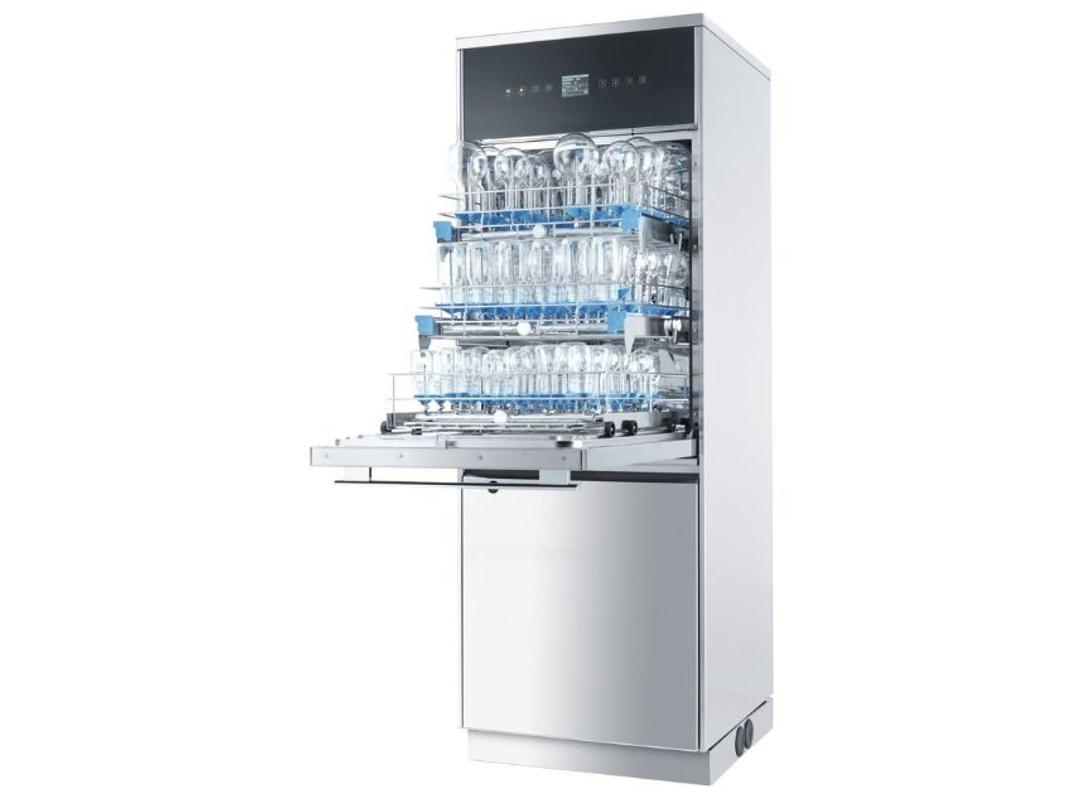
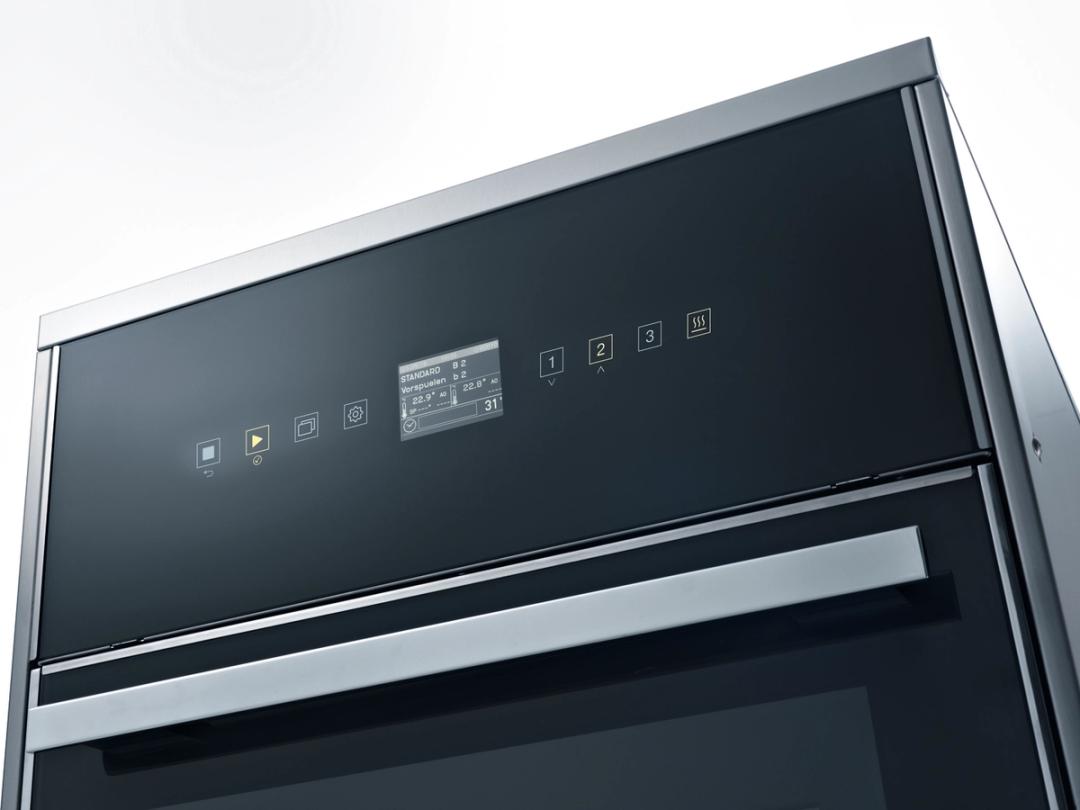
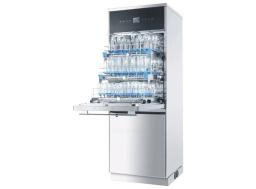
1) PLW 6111 [DP BO SC CL H14 PR UL] - SlimLine Laboratory washer with 3 racks with steam condenser, boiler, printer, and chamber lighting
Performance/cycle 126 narrow-neck glasses or 121 pipettes – 7.42 (210) l capacity
Ergonomic loading and unloading – telescopic runners
Flexible – 4 different level positions
Have everything in view thanks to the full-glass door
High capacity – reprocessing of containers up to 13 gallons
Electrical
3 AC, 208V, 60Hz;
Fuse 3 x 25A;
Power rating: 8.25 kW
Plumbing
1x cold water (CW);
1x hot-water (HW)
1x de-mineralized water (AD);
1 drain pump connection
Dispensers
2 dispenser for liquid chemicals;
Height 73 5/8"
Width 25 9/16"
Depth 27 1/16"
Net weight 553 lbs
Baskets, accessories and cleaning agents are additional and not included.
For more information on the product, pricing, please click on "Request pricing" or contact Miele directly at 1.866.707.3239
Brochures

SlimLine laboratory glassware washers
In this product brochure, Miele Professional demonstrates its range of SlimLine laboratory glasswashers. This new generation of SlimLine laboratory glassware washers allows the use of up to three baskets on telescopic runners which can be positioned and connected to the water circuit at four different levels - providing maximum flexibility through multiple chamber configurations depending on the height of loaded items.
Manual cleaning versus machine reprocessing of laboratory glassware and utensils
In this whitepaper, Miele provides an overview of the pros and cons of manual cleaning versus machine reprocessing of laboratory glassware and utensils. Experiments and analyses in laboratories require a steady supply of clean laboratory glassware in sufficient quantities. Excellent and reliable results can only be achieved if laboratory glassware and utensils are clean and residue-free from the outset. In other words, items should be free from any impurities and the process chemicals previously used. Producing this level of consistent quality is rare when using manual cleaning methods, which leave laboratories open to the risk of compromising the standards required for analytical work.
Even today, the manual cleaning of laboratory glassware is still commonplace. The reasons for this approach are usually pecuniary in nature – manual cleaning is cheaper than procuring and maintaining a laboratory glasswasher, or at least that is the general perception. Looking at the pros and cons more closely, this supposition turns out to be a fallacy.
SimpleLoad – Fast loading and highly efficient use of chamber space
In this application note, Miele Professional highlights the features and key benefits of the new SimpleLoad system, a system designed to enable the rapid loading of glassware washers with increased efficiency and convenience.
NEW 2019: PLW 6111 SlimLine Laboratory Washer
In this application note, Miele introduces the PLW 6111 Slimline Laboratory Glass Washer, designed for high-performance reprocessing methods, perfectly matching ProCare Lab process chemicals and practical accessories, and promising a comprehensive and systematic solution to the reprocessing of laboratory glassware for analytical experiments.
Manual versus automated lab glassware cleaning
In this video, Miele provides an overview of the pros and cons of manual cleaning versus machine reprocessing of laboratory glassware and utensils. Experiments and analyses in laboratories require a steady supply of clean laboratory glassware in sufficient quantities. Excellent and reliable results can only be achieved if laboratory glassware and utensils are clean and residue-free from the outset. Therefore, items should be free from any impurities and the process chemicals previously used. Producing this level of consistent quality is rare when using manual cleaning methods, which leave laboratories open to the risk of compromising the standards required for analytical work.
Therefore, items should be free from any impurities and the process chemicals previously used.

Durable, flexible, and user-friendly: Why science start-up supporter LabCentral opts for Miele Glasswashers
We go behind the scenes at LabCentral 238 to learn what it takes to meet the biomanufacturing needs of burgeoning scientific entrepreneurs, and learn more about how the team use Miele Glasswashers to meet their goals
6 top new resources to help your lab become more sustainable
Explore our exclusive interviews, free downloads, latest technologies, and more to support your lab make more environmentally safe choices

Miele launches new glassware washers designed to meet extraordinary safety and sanitation standards
Miele has added six new glassware washers to a portfolio that promises to meet the stringent safety and sanitary demands of productive laboratories