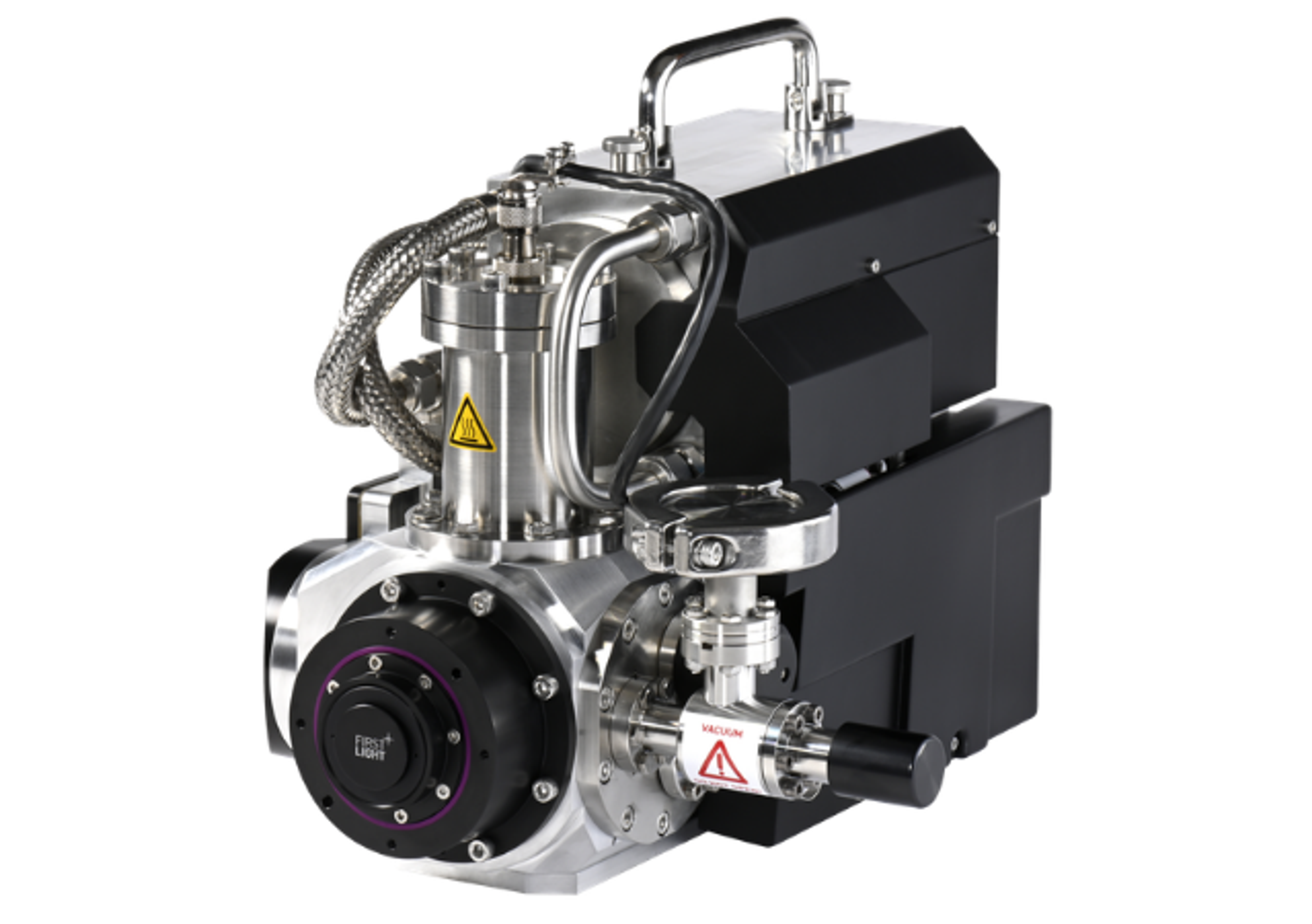
PlexFlo
Bruker microfluidics accessory units are designed to allow sequential labeling to be incorporated into localization microscopy protocols with the Vutara VXL single-molecule localization microscope. Bruker offers two units—PlexFlo and PlexFlo96. The units are controlled by Vutara's SRX software and allow flexible configuration of fluidics sequences that are run in conjunction with imaging cycles to allow users to label an unli…



The supplier does not provide quotations for this product through SelectScience. You can search for similar products in our Product Directory.
Accessory for sequential labeling in localization microscopy applications --- Bruker’s PlexFlo Multiplexing Platform enables impressive multiplexing capabilities with ease where buffer reservoirs can be swapped out during experiments. Bruker’s PlexFlo and PlexFlo96 are controlled by Vutara’s SRX software and allow flexible configurations of fluidics sequences that are run in conjunction with imaging cycles to allow users to label an unlimited number of probes before imaging them in a sequential fashion. This makes these systems ideal for developing applications in localization microscopy where the number of targets for imaging far outstrips the number of probes that can be chromatically separated. Additionally, these systems’ distinct features make them optimal for various super-resolution techniques such as DNA-PAINT, OligoSTORM, multiplexed antibody labeling, and chromatin tracing. Additionally, each system provides pressure-driven flow control, software integration, and an automatic cleaning procedure. PlexFlo96 expands on these capabilities by offering 96 buffer reservoirs (compared to 15) and sample temperature control (39°- 99° F; 4°- 37°C in a microwell plate).
Brochures

Super-resolution microscopy workstation Vutara VXL
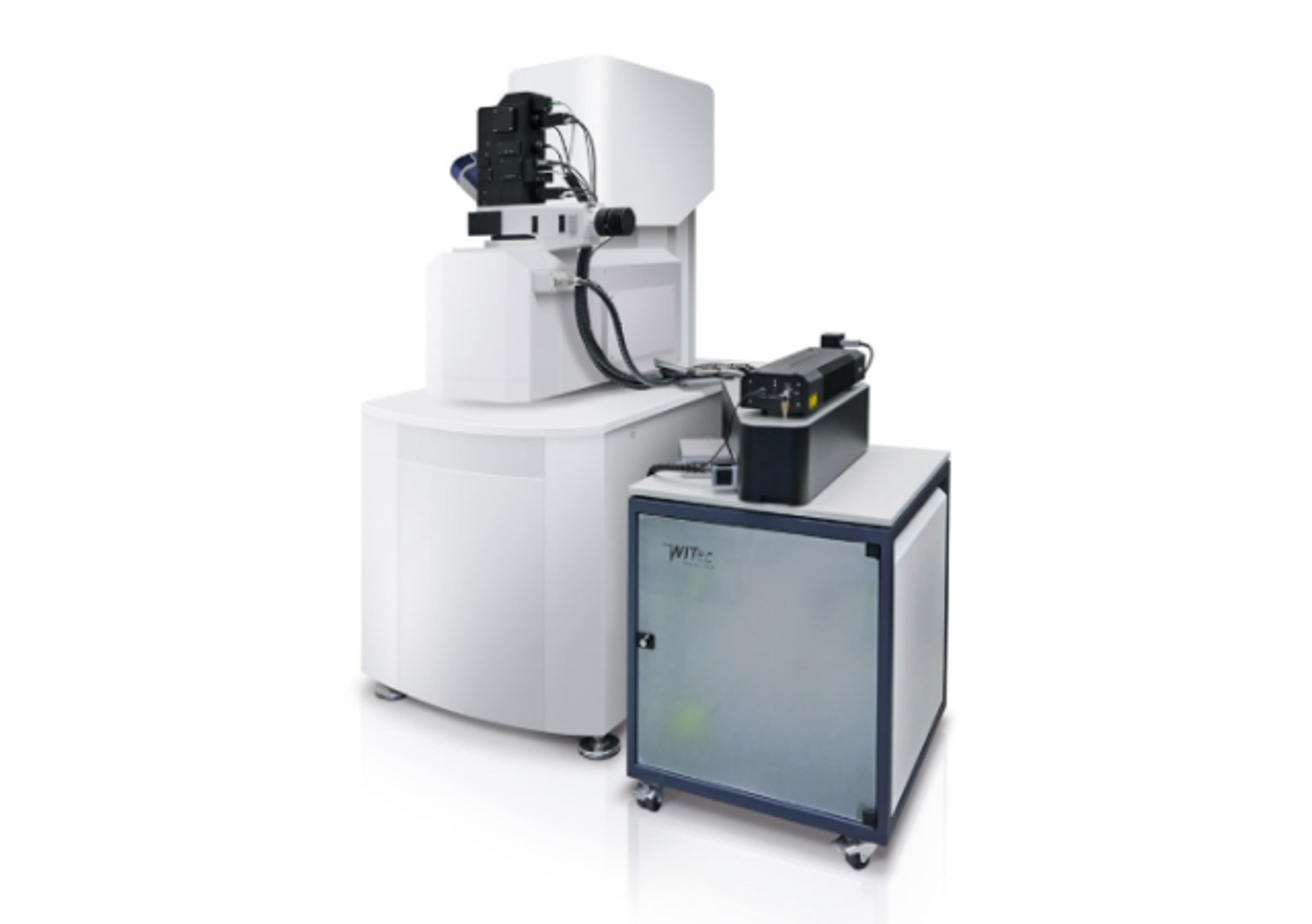
In this product brochure, Bruker presents the Vutara VXL. The Vutara VXL comprehensive biological workstation enables both core facilities and individual investigators to easily incorporate super-resolution microscopy in their research. This system utilizes single-molecule localization microscopy (SMLM) technology to achieve the highest resolution of all super-resolution techniques. When combined with Bruker’s microfluidics unit, Vutara VXL enables multiplexed imaging for targeted spatial genomics, transcriptomics, and proteomics research. With advanced SRX software, researchers can transform complex data into meaningful information to explore new frontiers in disciplines ranging from neuroscience and cell biology to virology and more.
Exploring genome structure and gene expression using super-resolution microscopy
A critical step in the central dogma of biology, the flow of genetic information within a biological system, is the transcription of DNA into RNA. RNA transcripts serve certain functions within a cell, and these functions can be influenced by a variety of factors. Here, Bruker Fluorescence Microscopy highlights Dr. Guy Nir's research program which focuses on how genome structures can shape transcriptional regulation in different biological systems, utilizing super-resolution microscopy as a main technology for investigation. His lab studies this phenomenon at the single-cell level, enabling simultaneous detection of gene expression and structure that is critical for determining their relationship. This relationship between genome structure and function can be explored in a variety of biological systems, lending to several interesting research efforts transcending disciplines.
Single-molecule localization microscopy - Beyond the coverslip
Traditional microscopy methods have been used for imaging biological organization but are limited to a lateral resolution of ~200-300 nanometers. Single-molecule localization, a super-resolution microscopy approach, allows for high-resolution imaging of specifically labeled biological samples at a resolution of 20 nanometers laterally. Here, Bruker Fluorescence Microscopy summarizes the presentation given by Lauren Gagnon, Applications Scientist for Bruker’s super-resolution microscopy solutions. Presented here are the advantages and principles of single-molecule localization. Also, the unique benefits of the Vutara top-hat illumination and bi-plane technology, as well as the multiplexing capabilities supported by the microfluidics unit, are discussed. Finally, examples of imaging a variety of sample types and popular applications of single-molecule localization microscopy are presented.