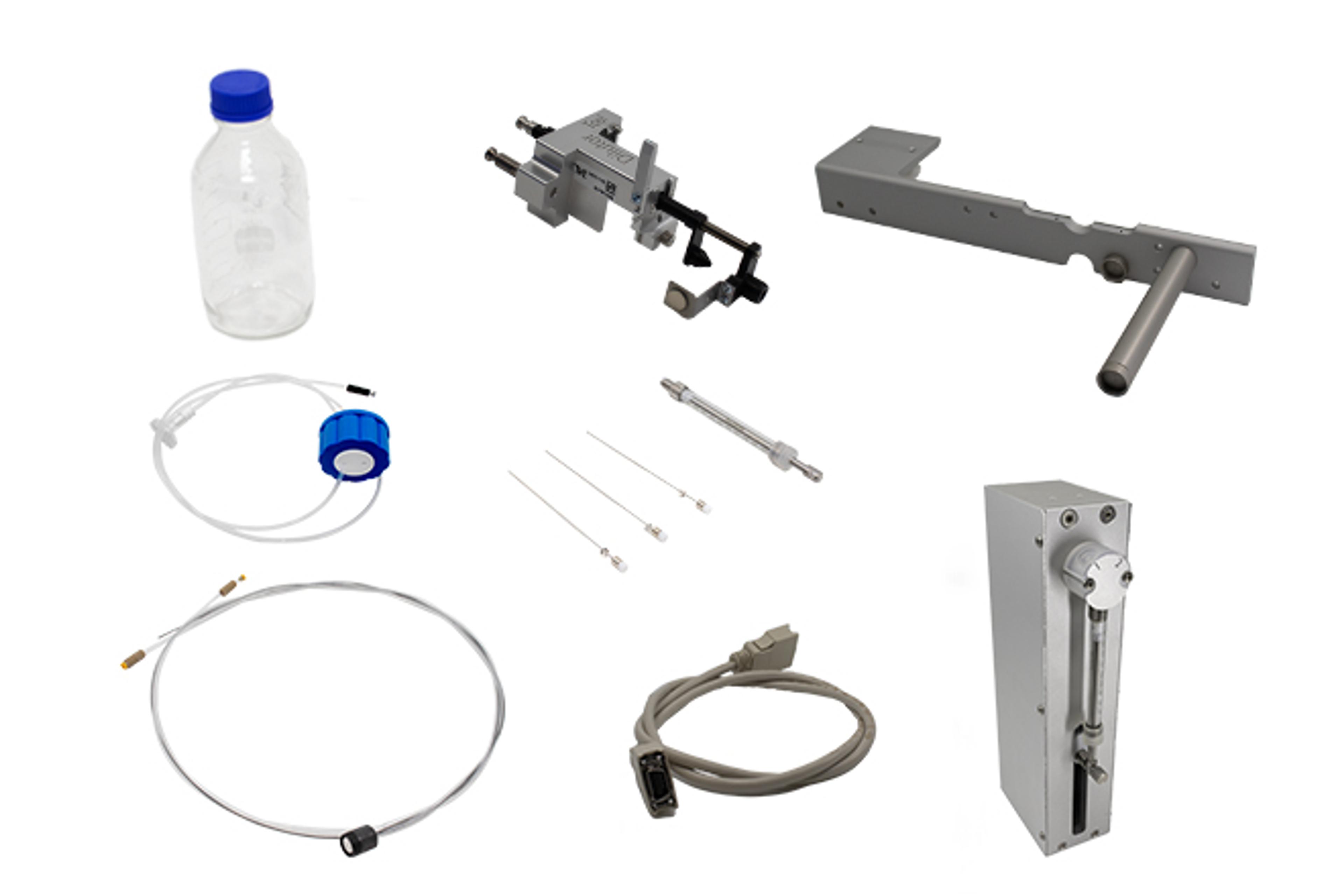
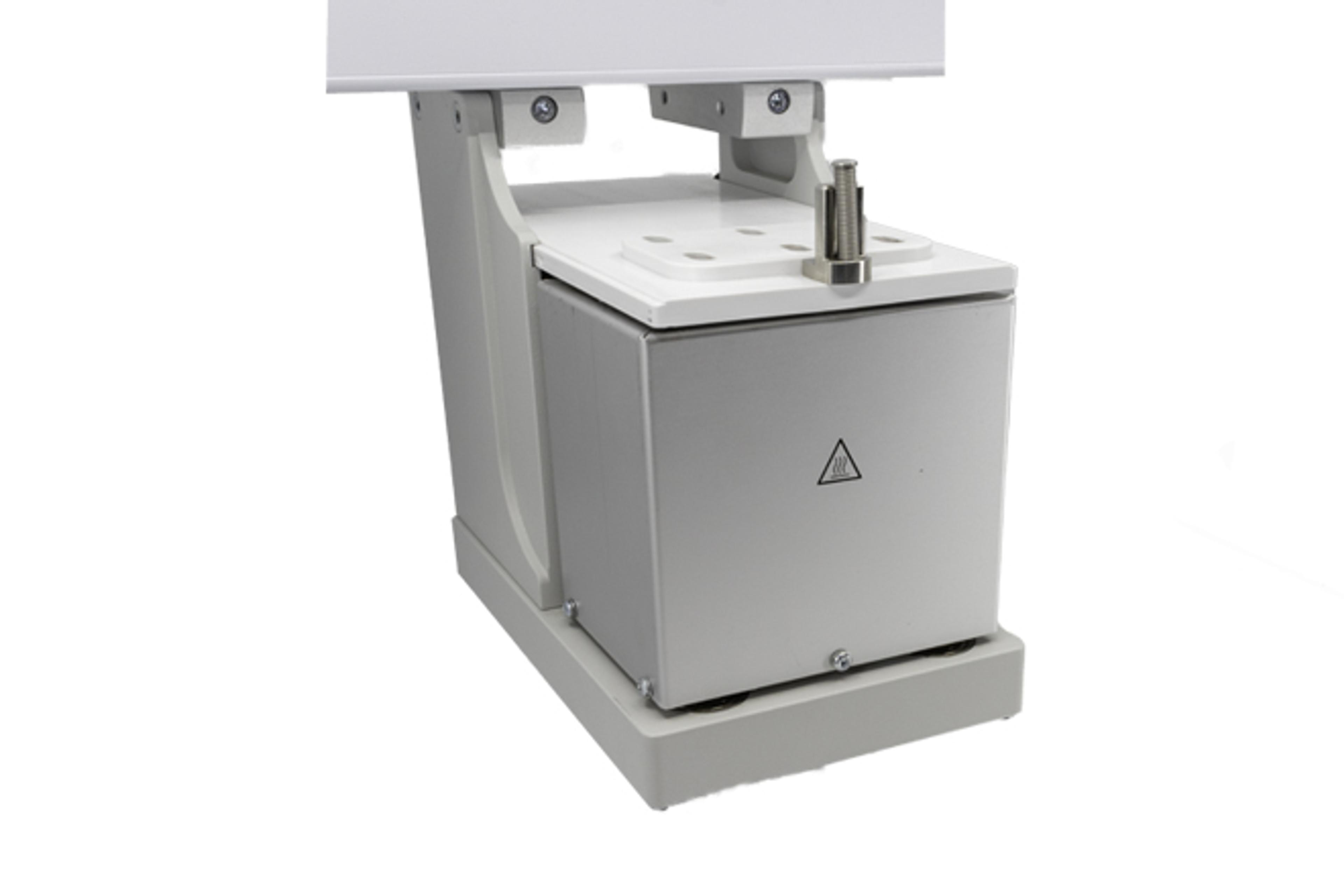
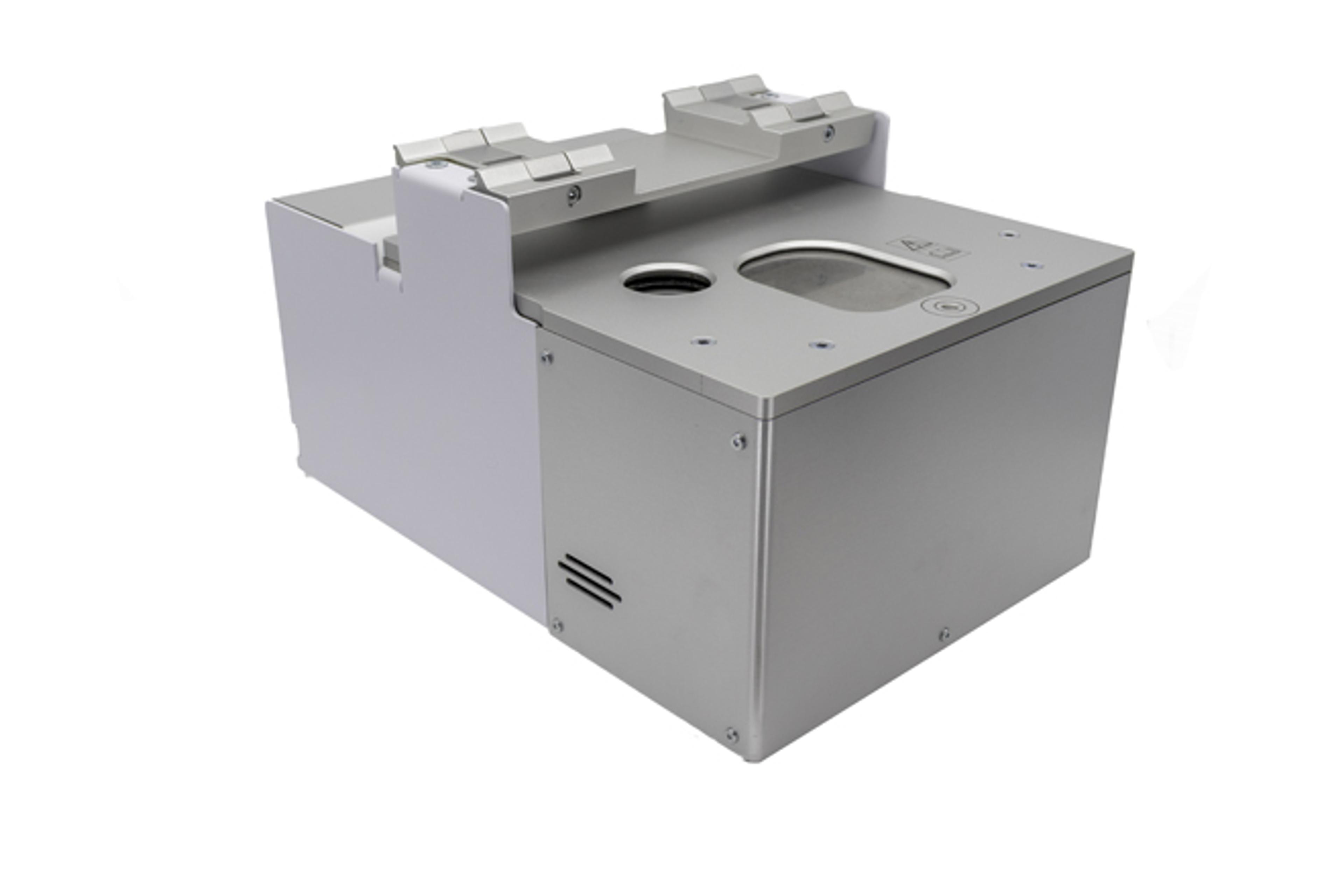
PAL µSPE
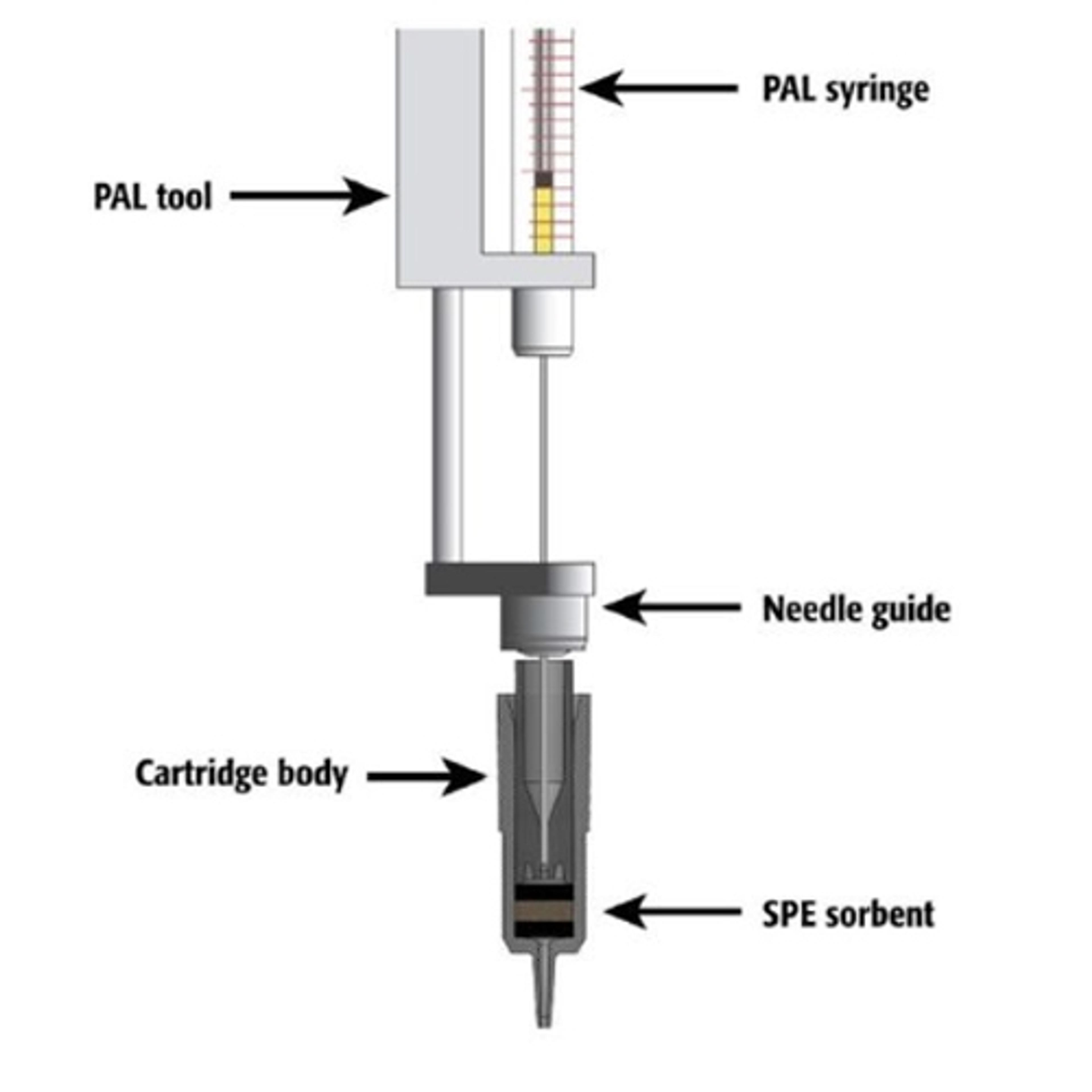
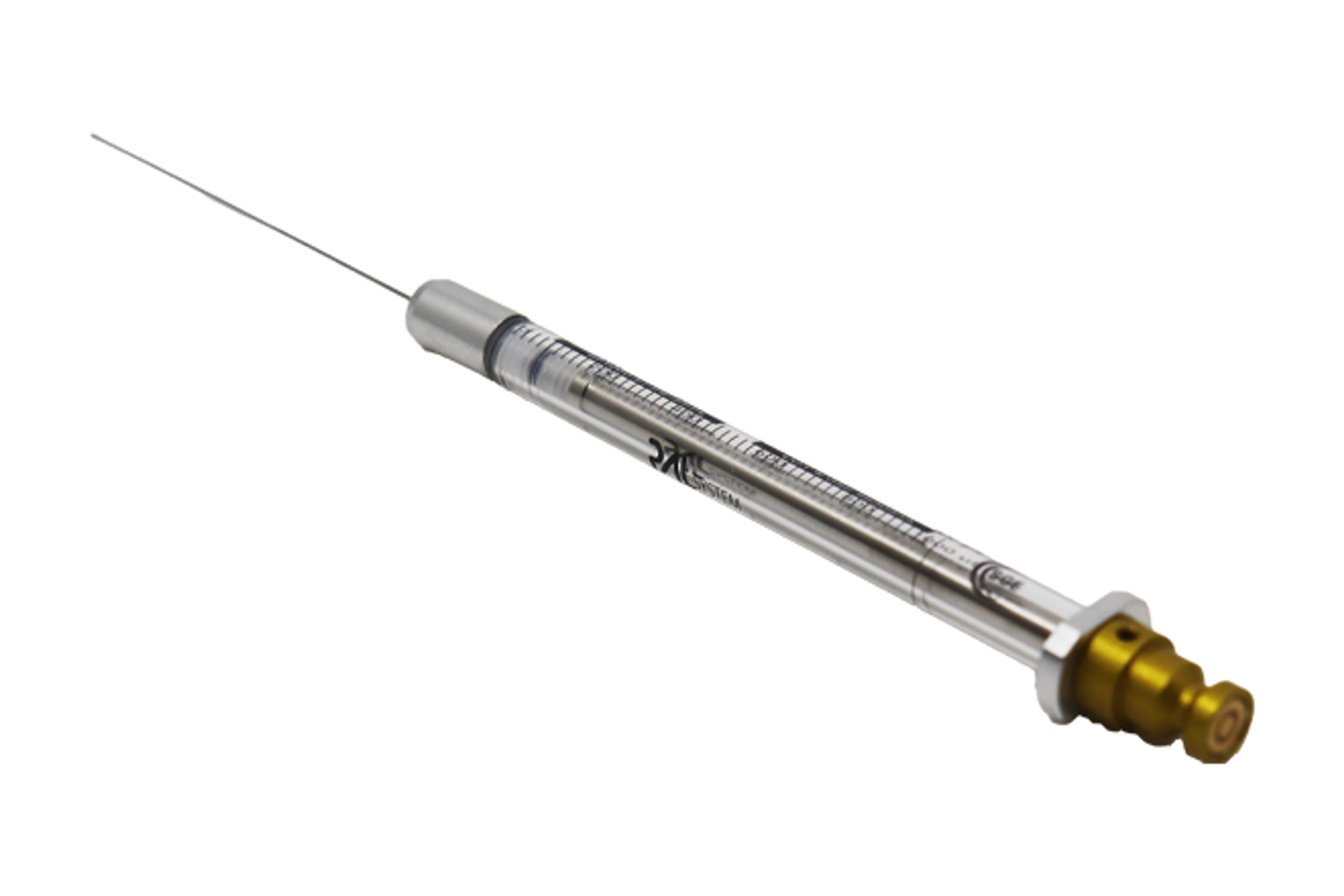
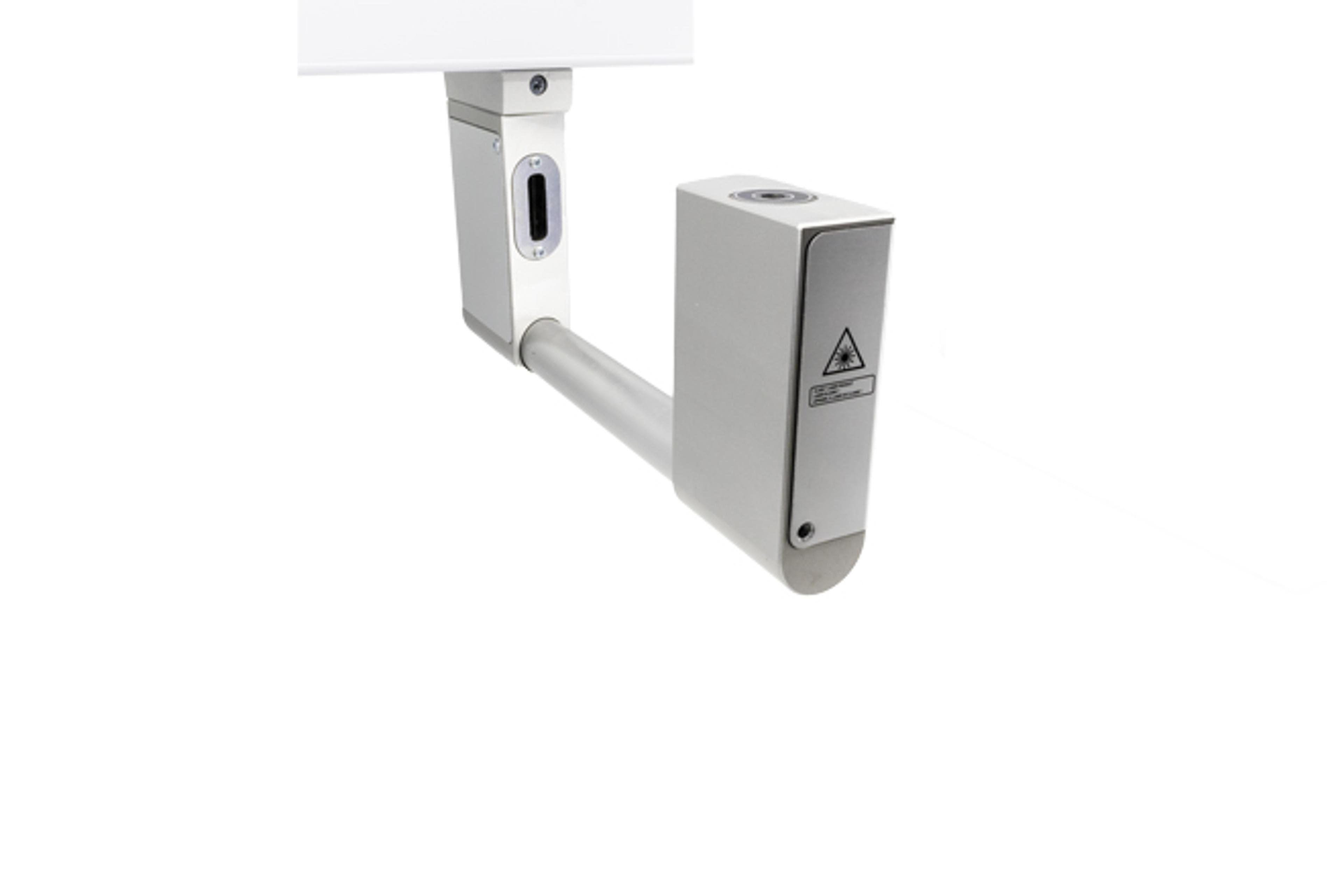
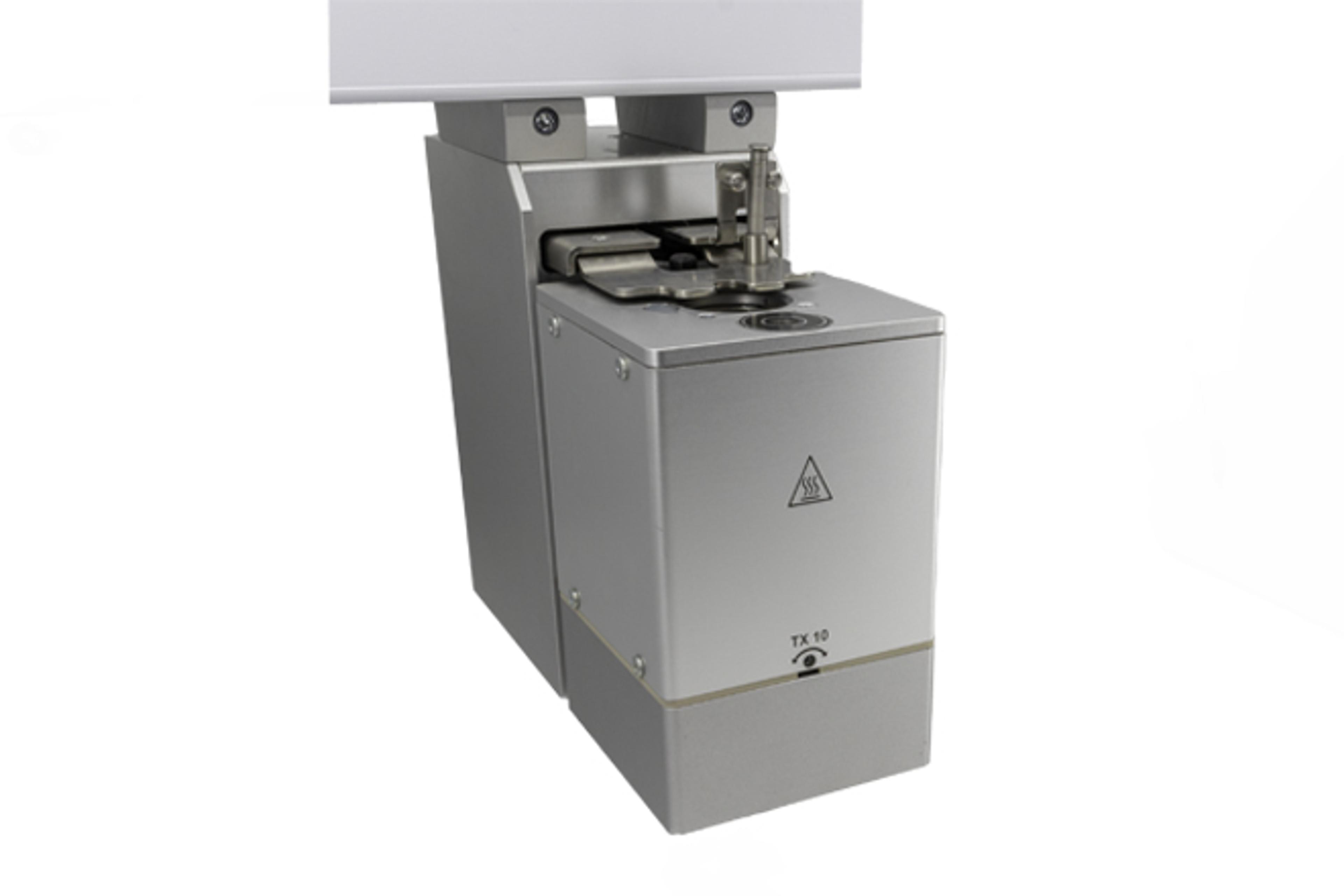
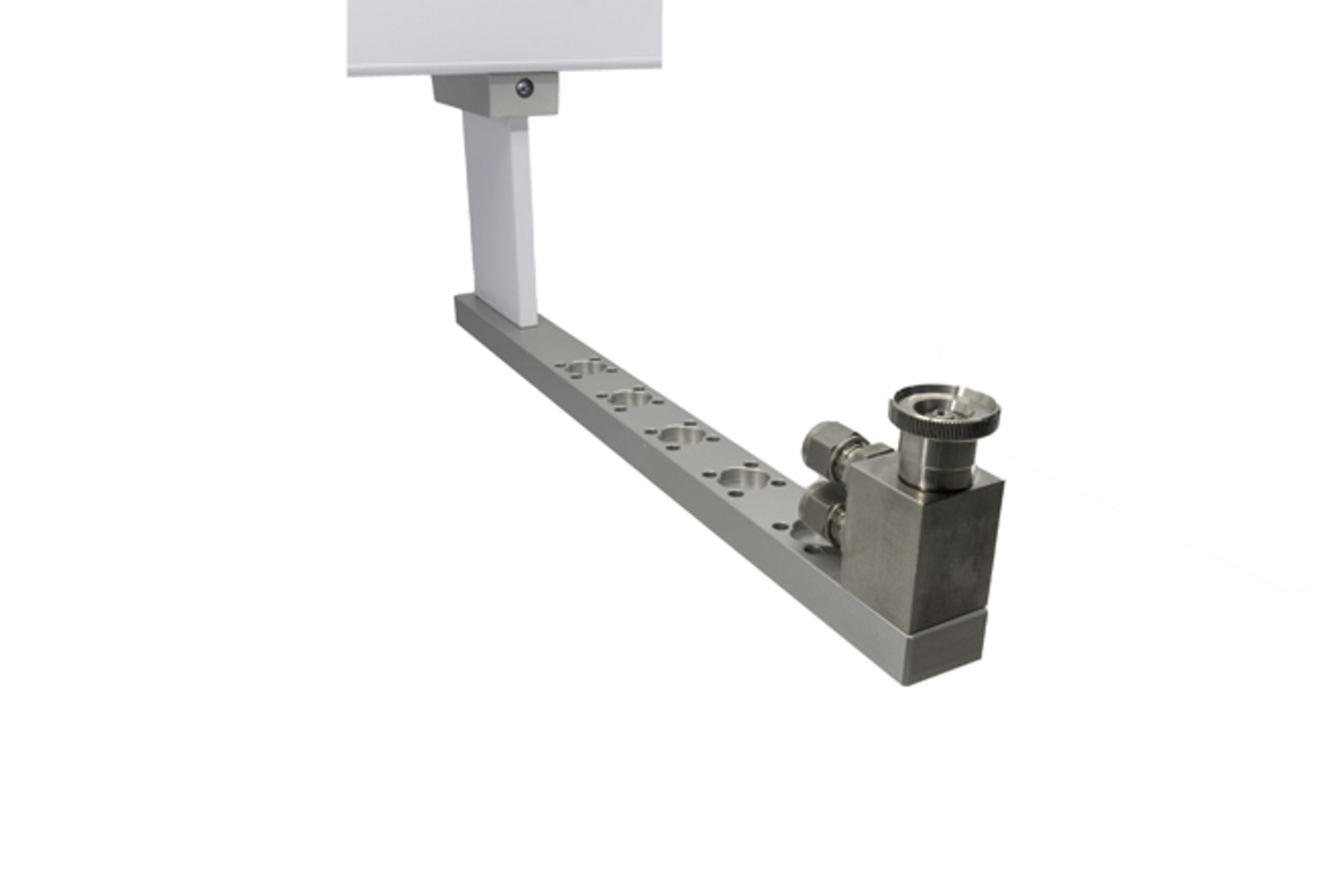
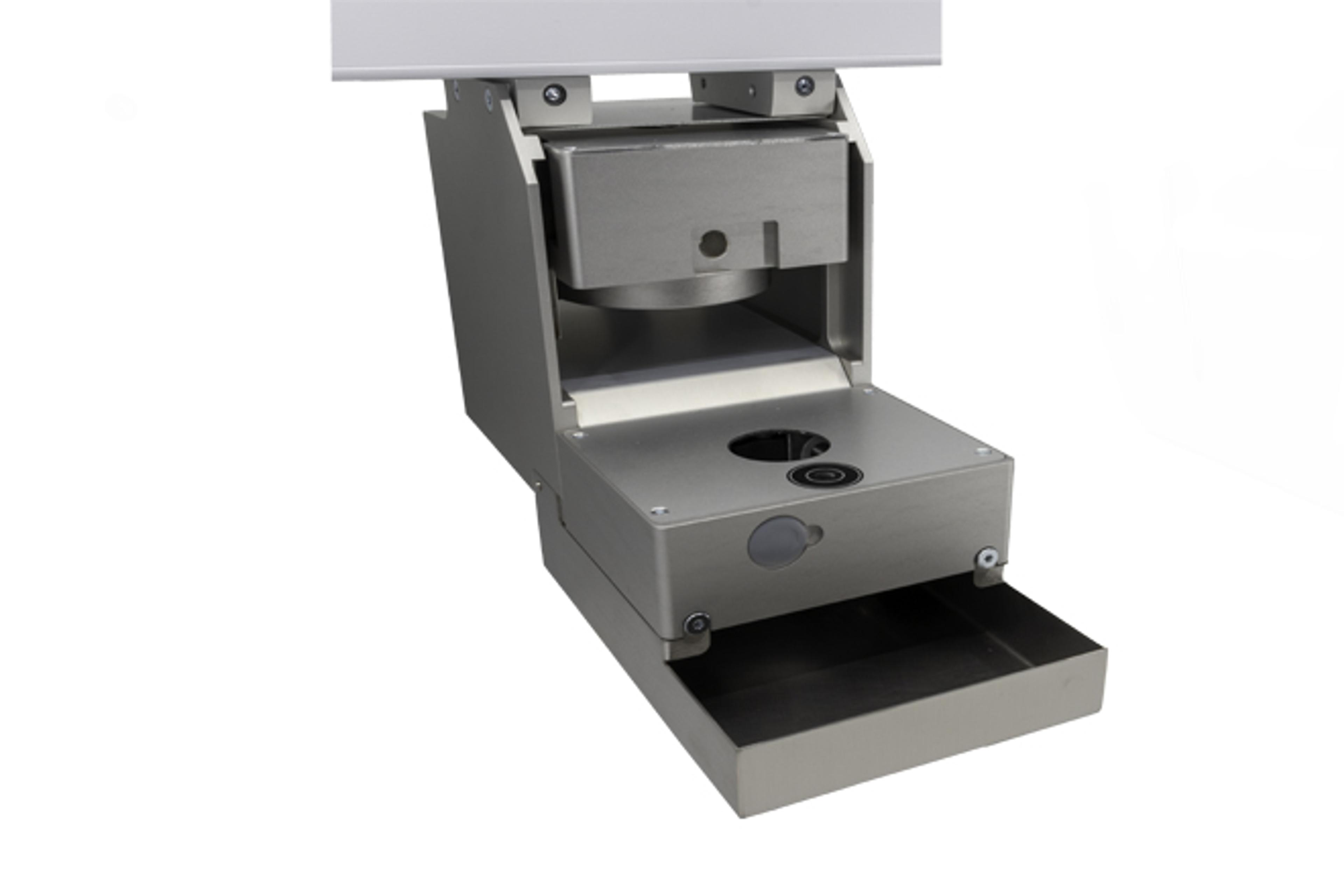
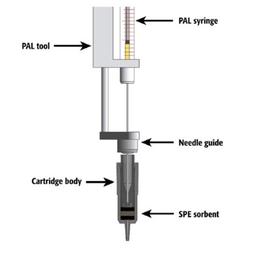
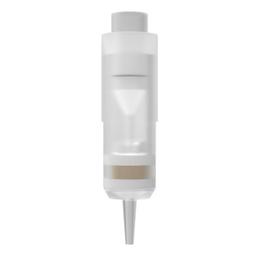
The PAL µSPE cartridge stands for a miniaturized and robust SPE technology that allows reliable automation and reduction of used sample and solvent without compromising performance. The µSPE has therefore emerged as a new standard for extraction, purification, concentration or filtration for automated environmentally friendly analysis processes.
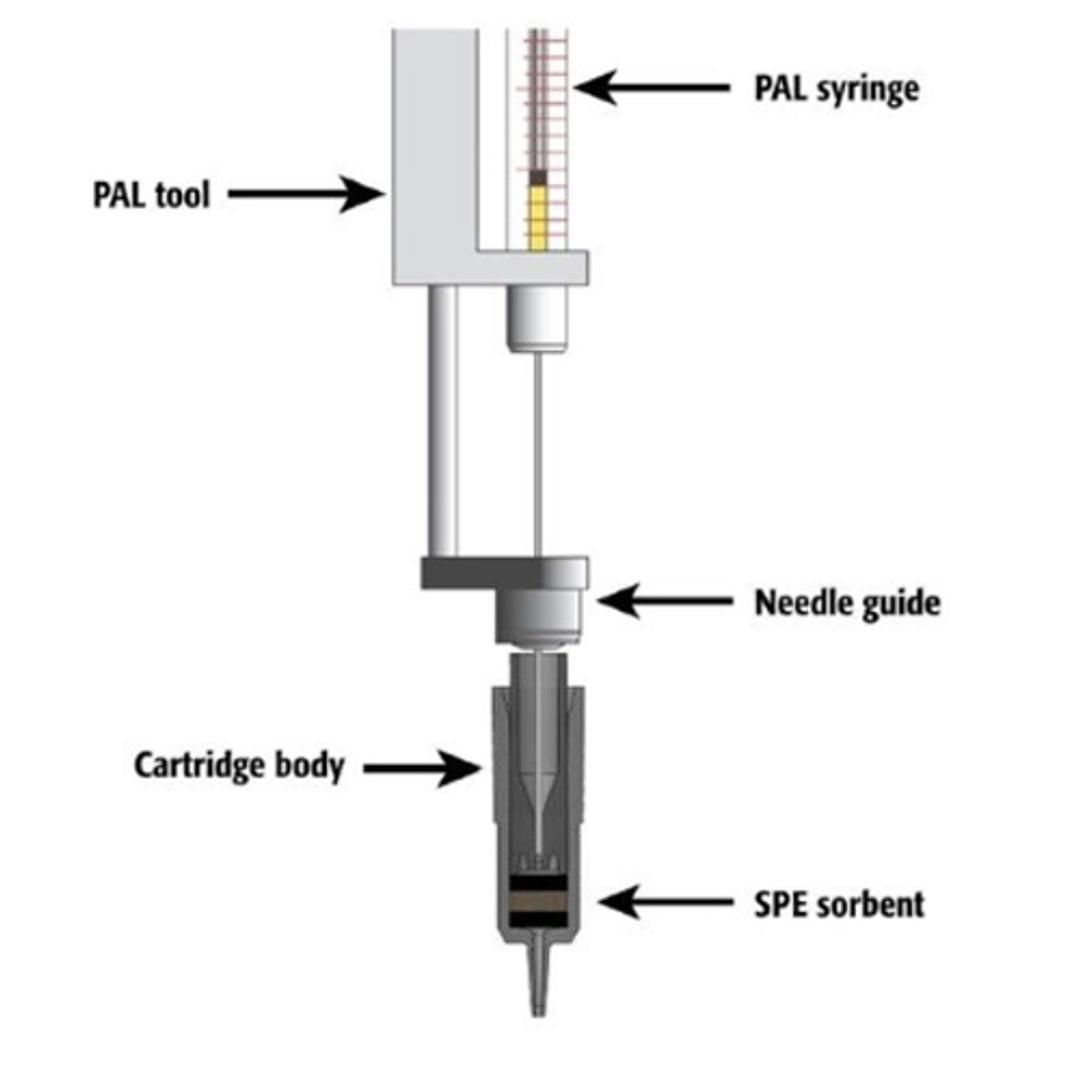
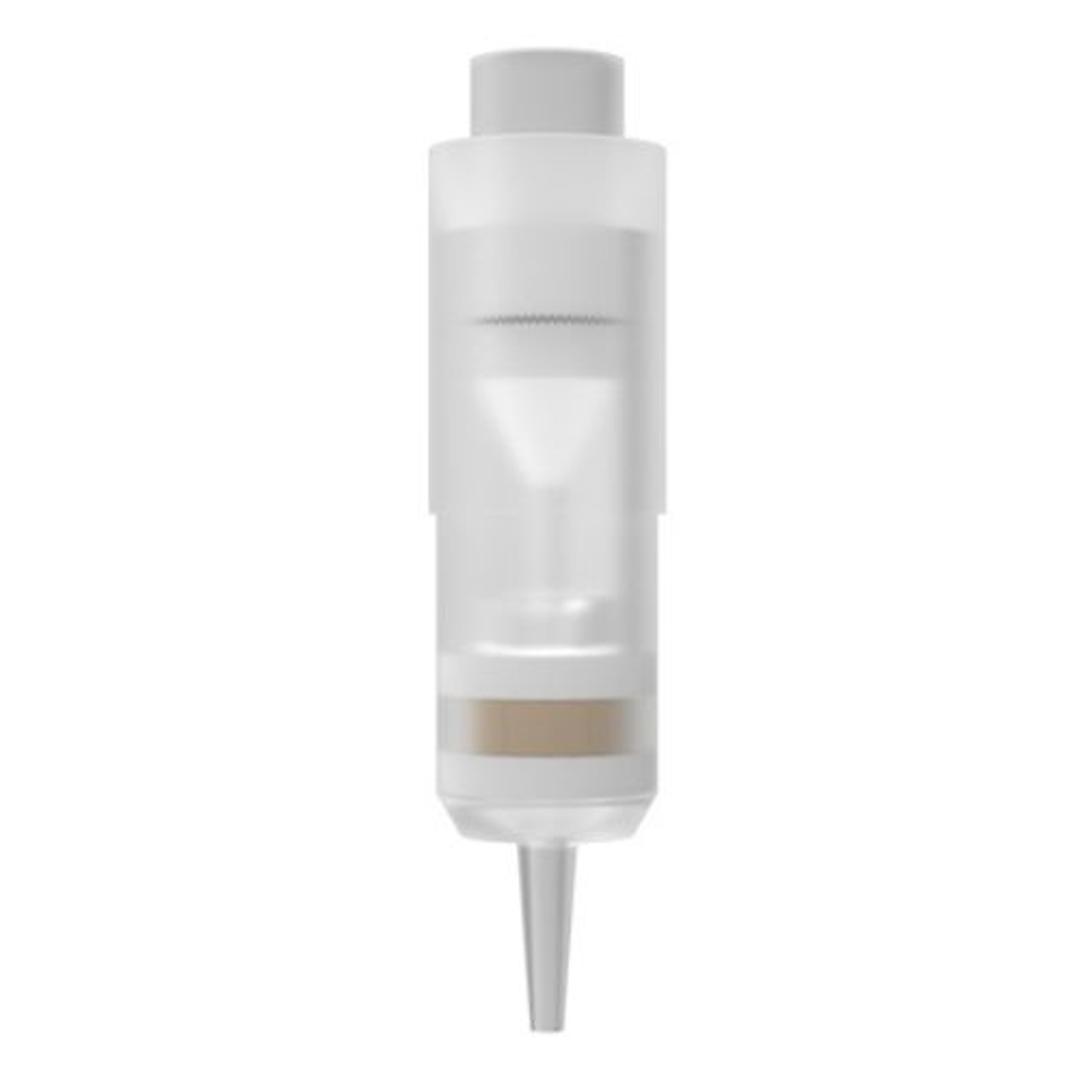
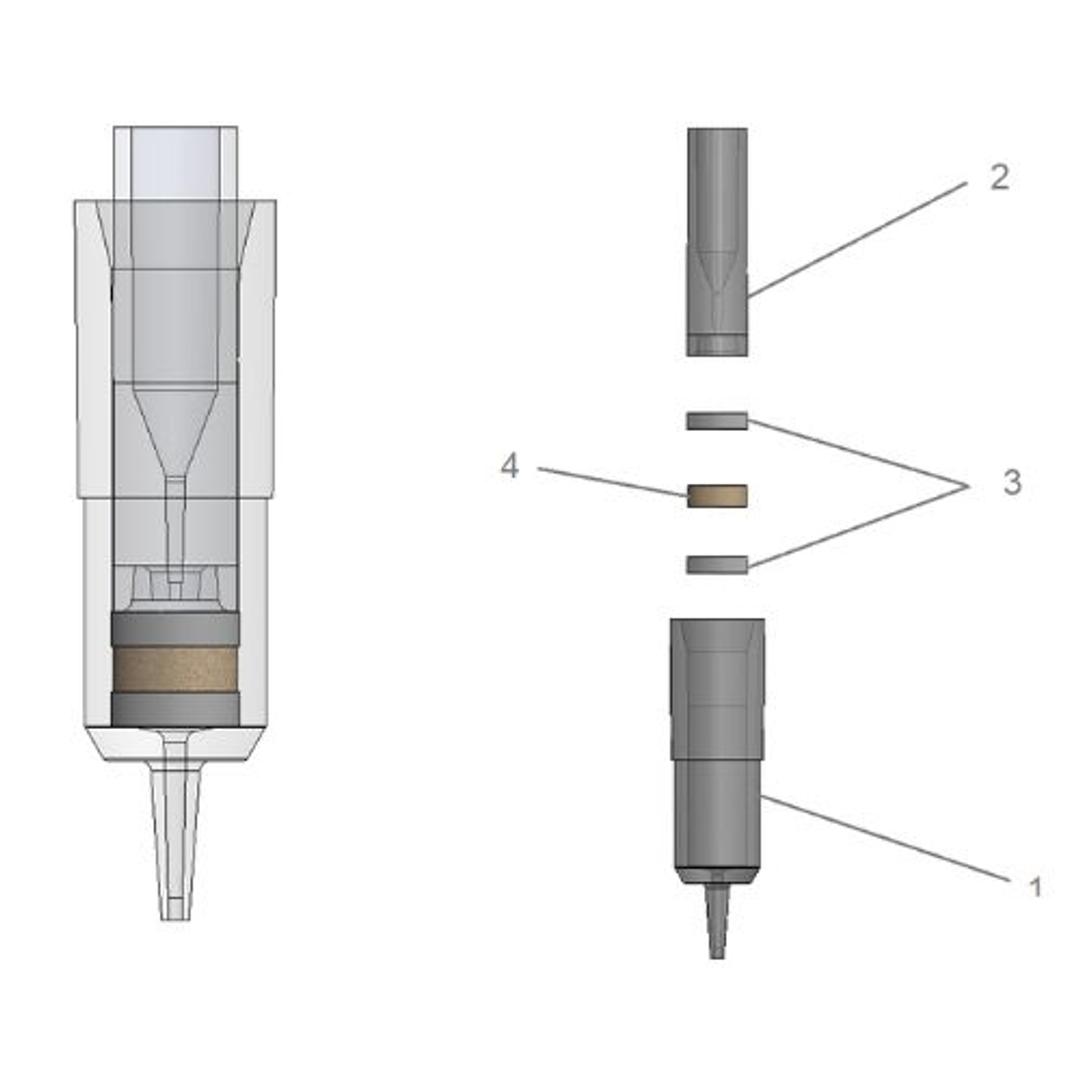
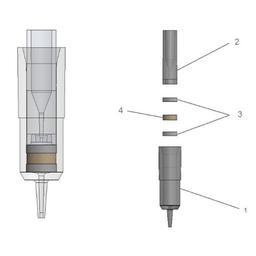
outer part (1) filter disks (3) sorbent material (4) inner

Receive your quote directly from the manufacturer.
Great product
Analyze Metabolites in Tissue Sample
It is easy to use and valuable to purchase
Review Date: 10 May 2024 | PAL System
Key functionality:
- Septumless cartridge design with patented sealing
- High pressure rating (up to 10 bar)
- Multiple elution’s supported
- Sorbent capacity: up to 100 mg packing possible
- Chemically inert materials used
- Free of extrables & leachables
- Designed to penetrate pre-slit septa of vials
- Designed to elute directly into PAL System liquid injection ports
Brochures
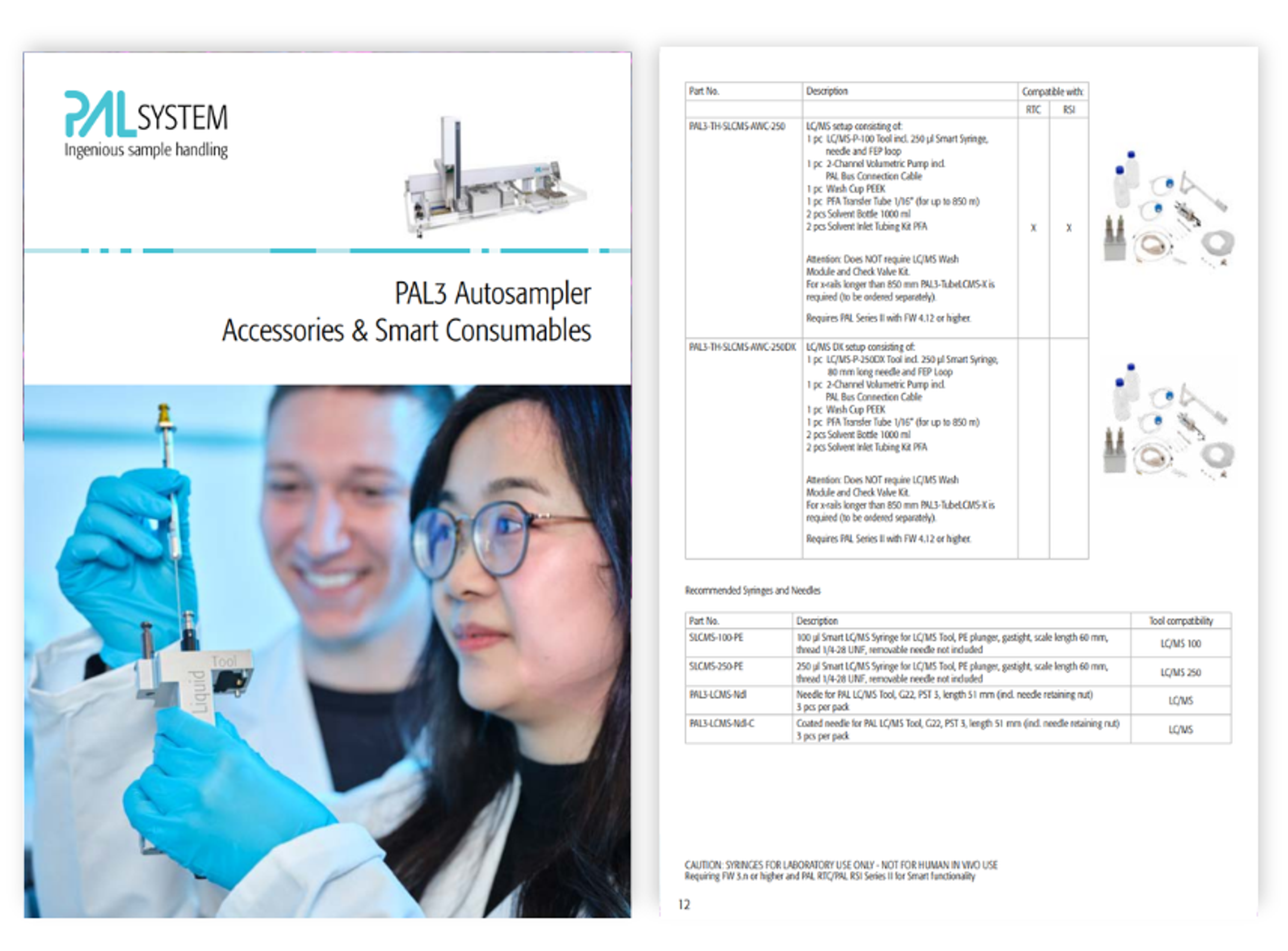
PAL3 Autosampler: Accessories & smart consumables
In this product brochure, PAL System, a brand of CTC Analytics, provides information on all of the accessories and smart consumables that are available for the PAL3 Autosampler.
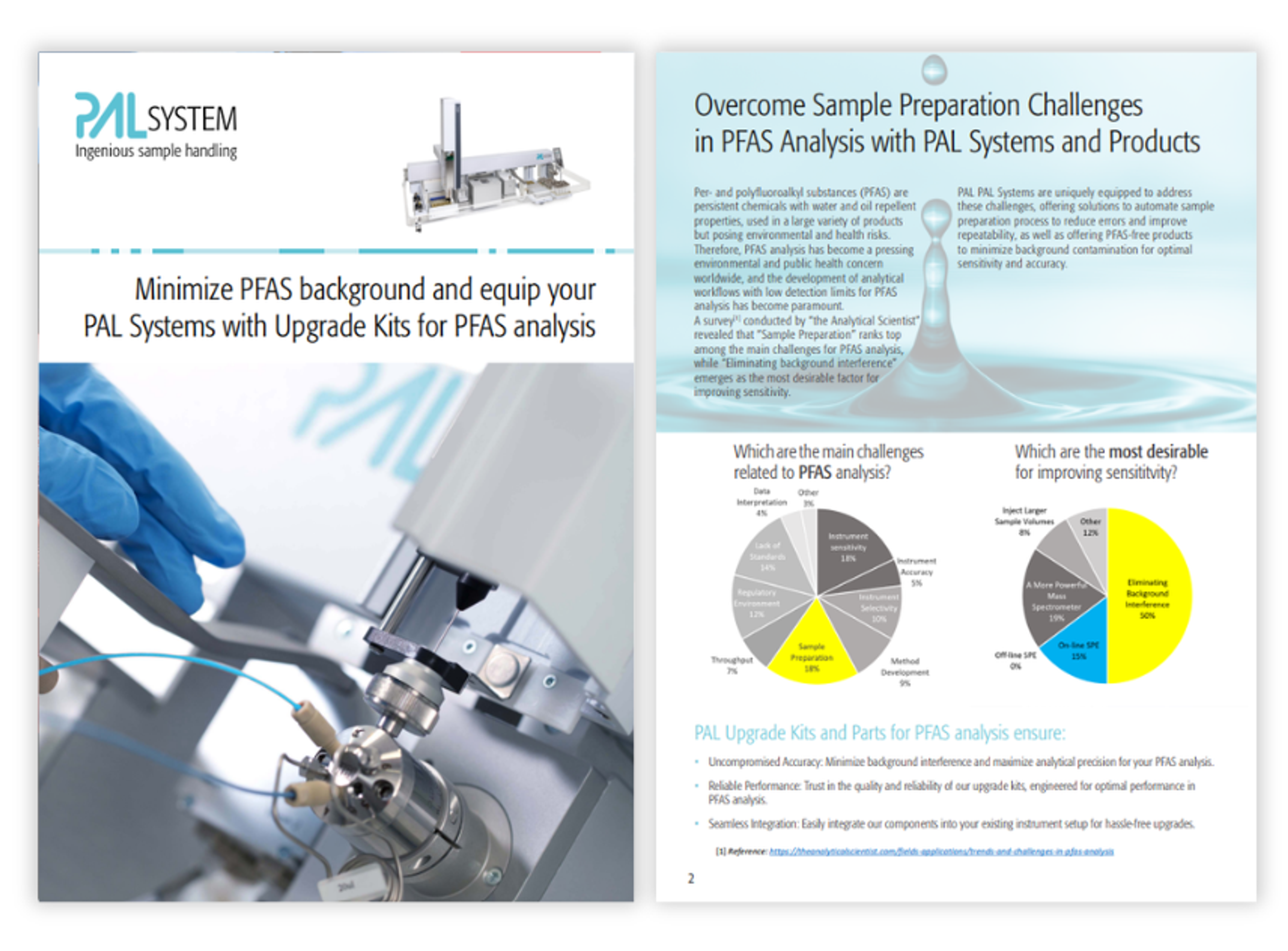
Minimize PFAS background and equip your PAL Systems with Upgrade Kits for PFAS analysis
Per- and polyfluoroalkyl substances (PFAS) are persistent chemicals used in a large variety of products but posing environmental and health risks. Therefore, with PFAS analysis becoming a pressing environmental and public health concern worldwide, the development of analytical workflows with low detection limits for PFAS analysis have become paramount.
In this product brochure, PAL System, a brand of CTC Analytics, demonstrates how PAL Systems are uniquely equipped to address these challenges, offering solutions to automate sample preparation process to reduce errors and improve repeatability, as well as offering PFAS-free products to minimize background contamination for optimal sensitivity and accuracy.

Analysis of highly polar pesticides
Micro-SPE (μSPE) has emerged as an automated green micromethod for sample preparation and clean-up in various fields such as food safety, proteomics, forensics, and environmental analysis for over a decade. The automation of μSPE sample preparation steps has standardized sorbent materials for extract clean-up across different food commodities, increased sample throughput, and provided potential for offline and online hyphenation with GC-MS, LC-MS, or even IC analysis.
CTC Analytics details the analysis of eleven highly polar pesticides (HPPs), including glyphosate, glufosinate, ethephon, and fosetyl-aluminium, along with their related metabolites, from complex food matrices such as honey and pollen. For the first time, micro-SPE clean-up is introduced for HPPs to address known analytical limitations by removing polar co-extracts through automated clean-up processing of sample extracts.
Automated QuEChERS extraction and extract clean-up
QuEChERS is a well-established quick, easy, and safe pesticide extraction procedure, and as a result, this technique has become a widely used sample preparation approach in pesticide residue analyses. CTC Analytics presents a fully automated QuEChERS extraction and extract clean-up method for GC-MS and LC-MS analysis. The method utilizes an industry standard robotic x,y,z-sampling system. It describes the analysis of organophosphate pesticides from homogeneous liquid samples, using orange juice as an example. The automated workflow involves extraction with acetonitrile, salting out, and using a µSPE cartridge for matrix clean-up before injection into a GC-MS/MS system.
Characterization of the new PAL micro-SPE cartridge for pesticides extract clean-up
Micro-SPE (µSPE) has emerged as a micromethod for sample preparation and clean-up in food safety, proteomics, forensic, environmental and analysis. Applications are wide-ranging and cover drugs, environmental contaminants, and, in particular, the QuEChERS extract cleanup in multiresidue pesticide analysis. The automation of the µSPE sample preparation steps led to the desired increase in sample throughput, unification of the used sorbent materials for food commodities, and the potential for the online hyphenation with GC-MS and LC-MS instrumentation. With the increasing demand and the use of automated µSPE workflows on PAL Systems, the requirement for extended functionality evolved due to mechanical and also analytical limitations of the initially employed ITSP micro-SPE cartridge (ITSP Solutions Inc., Hartwell GA, USA). With the new PAL µSPE cartridge CTC Analytics introduced a novel septumless cartridge design dedicated to an extended application range and a reliable high throughput automation. In this poster, the evaluation of the new cartridge design is presented with results for pesticides analysis from leading laboratories.

TechTalk: Advancing PFAS analytics across complex matrices
Friday, July 24 at 16:00 BST | 17:00 CEST | 11:00 EDT | 08:00 PDT
In this SelectScience® TechTalk, Dr. Stefan Christian Gaugler, Professor of Applied Analytics at the Institute for Chemistry and Bioanalytics, University of Applied Sciences Northwestern Switzerland (FHNW), will provide an up-to-date overview of per- and polyfluoroalkyl substances (PFAS), focusing on their environmental impact, regulatory landscape, and associated analytical challenges. Highlighting the growing concern surrounding PFAS contamination across Europe, alongside the complexity arising from their chemical diversity and persistence.
The session will explore current analytical workflows and sample preparation techniques, including the use of a novel PFAS-selective polymer for micro solid-phase extraction (µSPE), supporting efficient and automated analysis across diverse sample matrices. Attendees will gain insight into approaches for detecting both ultra-short and long-chain PFAS, as well as practical strategies to improve sensitivity, selectivity, and sustainability in PFAS analysis.
Certificate of attendance
If you attend the live TechTalk, you will automatically receive a certificate of attendance, including a learning outcomes summary, for continuing education purposes. If you view the on-demand TechTalk, you can request a certificate of attendance by emailing editor@selectscience.net.
TechTalk details
- Cost: Free to attend
- Location: Online
- Duration: 20 minutes
Registration is required to secure your place. If you register but can’t attend live, you will receive a link to the on‑demand recording once it becomes available
uSPE Workflow
In this video, PAL System, a brand of CTC Analytics, demonstrates the uSPE workflow.
Streamline food safety analysis through automation
Exploring food safety monitoring, USDA expert, Steve Lehotay, advocates for change, and highlights the need for innovation in current practices to enhance routine analysis