Octet® N1
Label-Free Analysis in a drop.

Receive your quote directly from the manufacturer.
Great instrument.
Biochemistry, immunology
It's a great product for evaluating kinetics and affinity for antibody-antigens interaction. Just need to provide a MacBook drive (only windows available).
Review Date: 2 Feb 2021 | Sartorius Group
simple and effective
RNA-binding proteins
The key advantage of the system is its easy of use, very straightforward, a student can be easily instructed to its use. It is an excellent resource for the determination of association and dissociation rates. On the downside, the lack of temperature control makes the reproducibility of the experiments dependent on the room temperature, which can be hard to control precisely. Also the software for analysis could be improved.
Review Date: 2 Aug 2017 | Sartorius Group
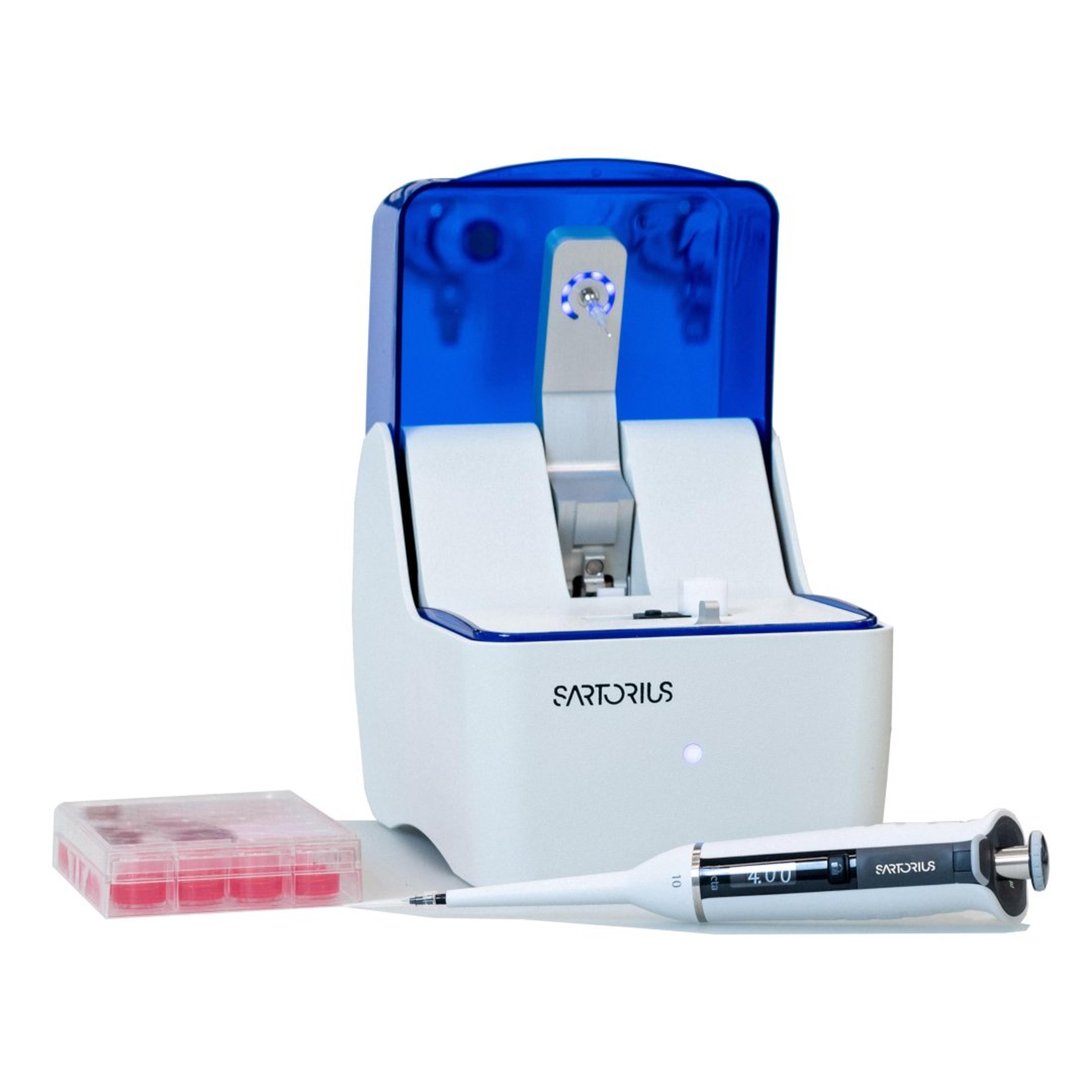
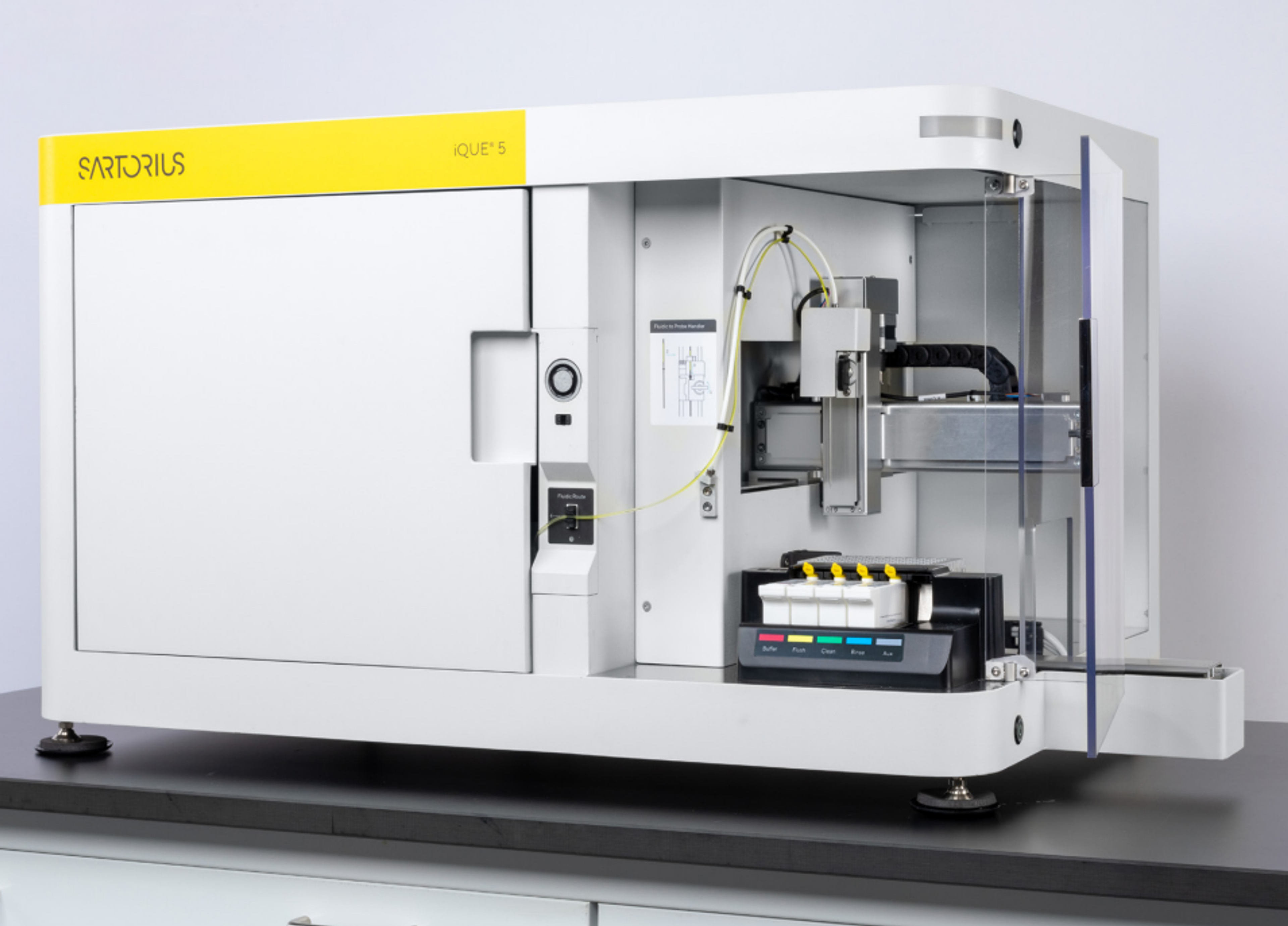
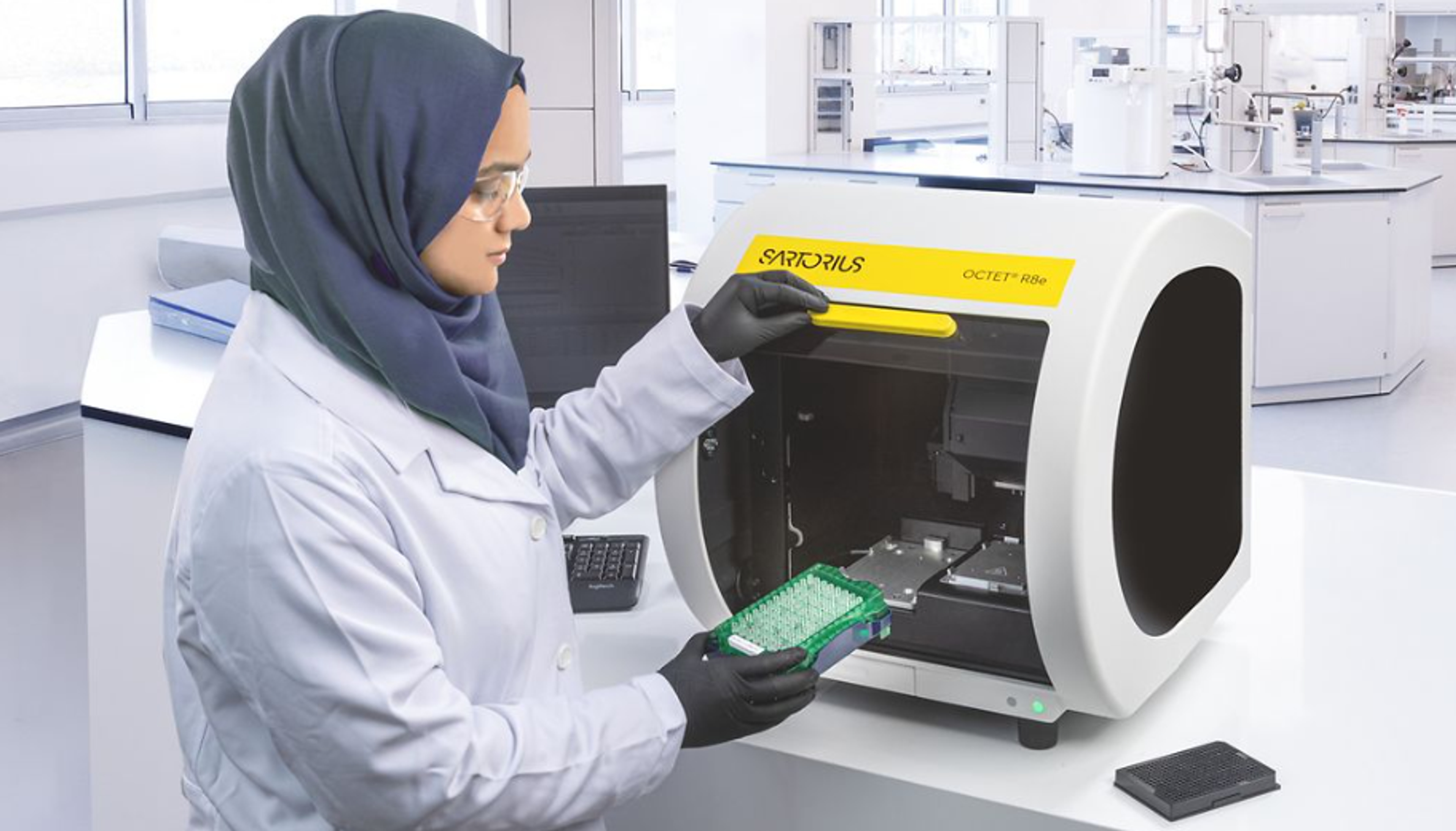
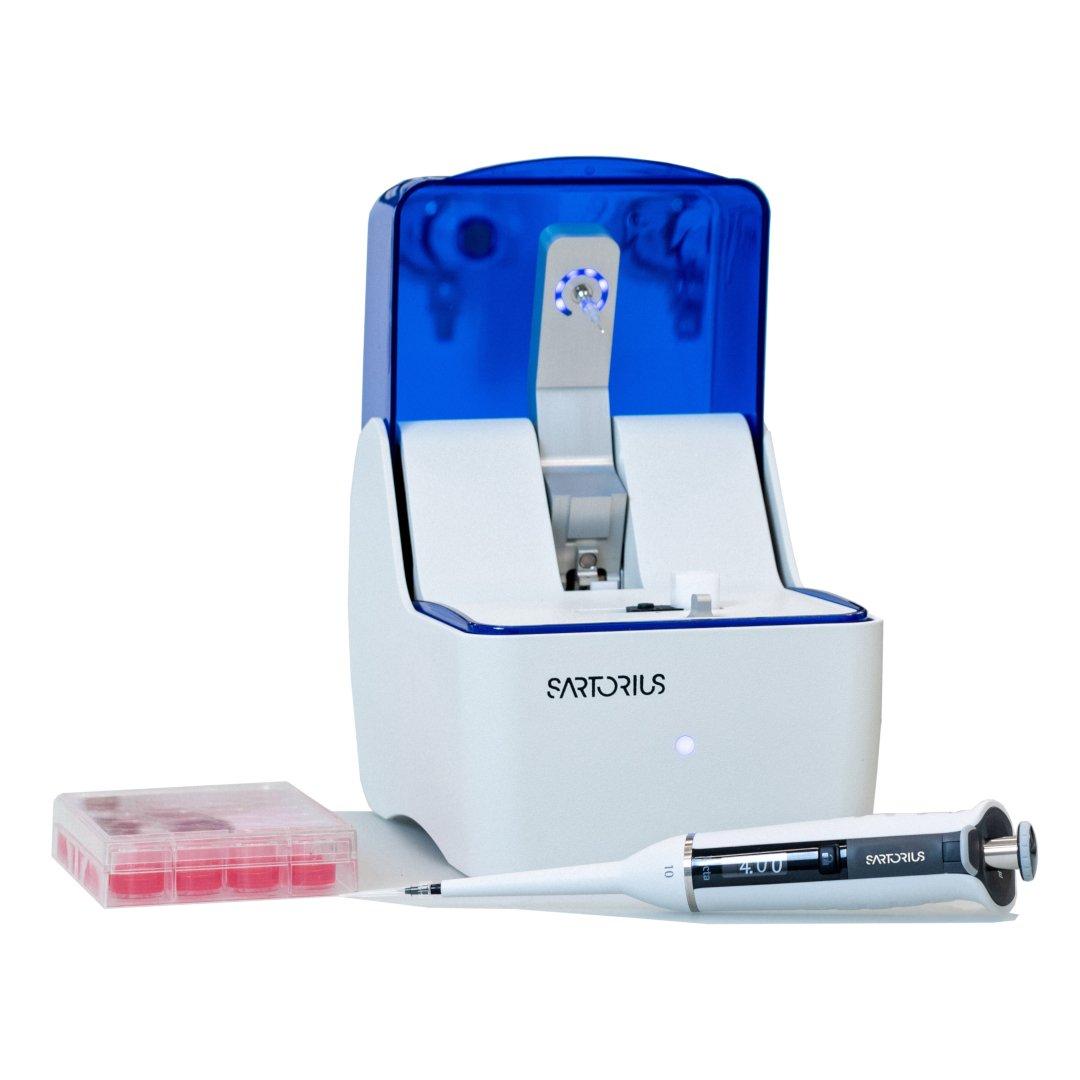
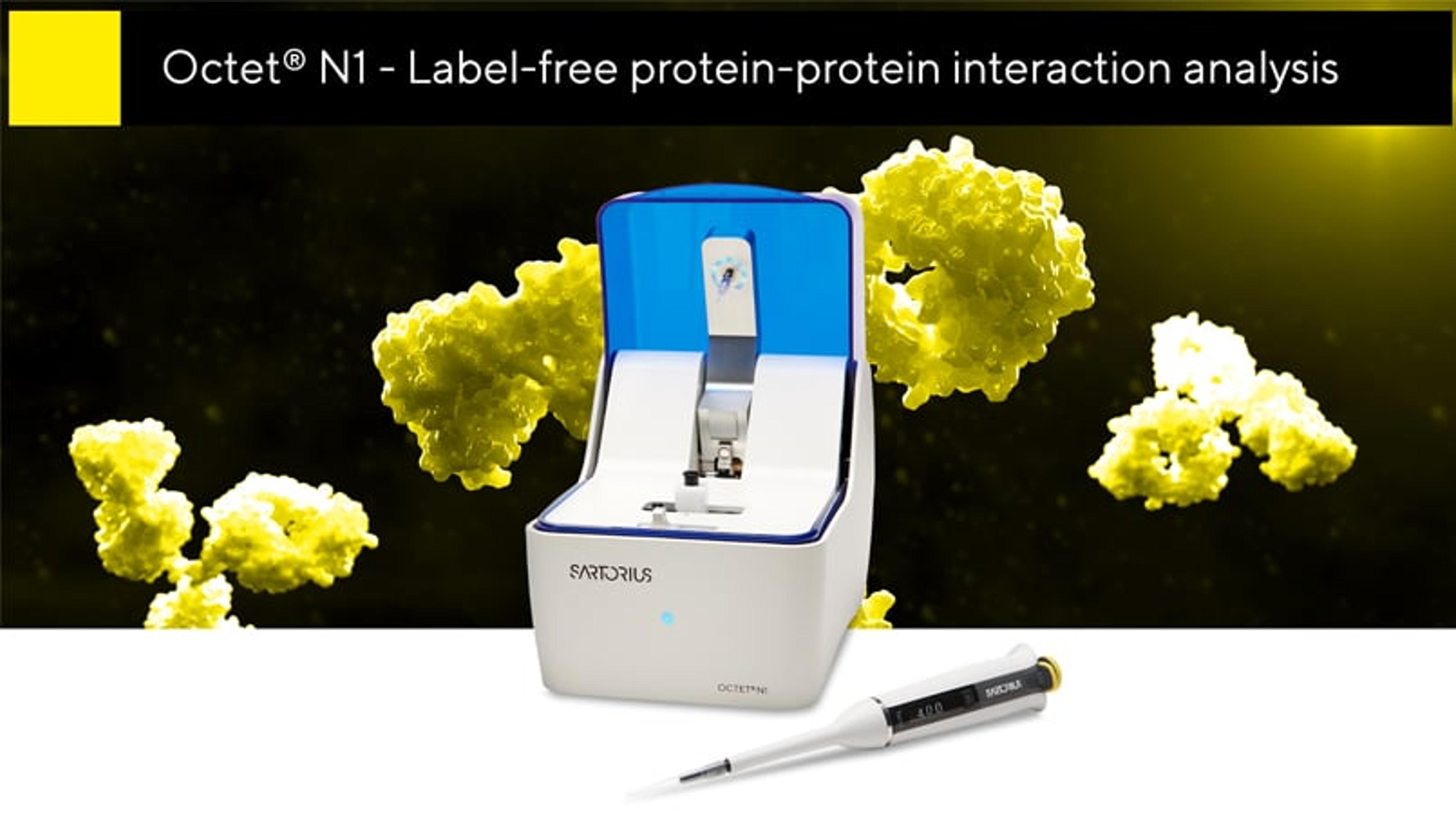
The Octet® N1 system is the perfect starter instrument for any lab, with an affordable price and almost instant BLI access. The portable benchtop system is designed for small experiments, its single-sample format makes assays easy to transport, set up and run.
Even if you're new to label-free assays, you'll be on your way to getting information-rich, real-time data in no time. The system provides BLI in a drop, requiring only 4 µL of sample, allowing protein quantitation and kinetics experiments when working with precious samples.
Key applications that leverage the unique strengths of system include monitoring concentrations of target proteins during cell line development and protein purification and confirming protein activity.
Key benefits:
- Stop waiting on results — check for the presence of proteins in media or lysate in 30 seconds
- Get way more than A280 — quantitate specific and active proteins in solution, not just total protein
- Optimize with purpose — get more insight into specific assay conditions for more robust ELISAs
- Troubleshoot immunoassays faster — check antibody binding and biotinylation to account for variation
- Watch analyte binding live — characterize protein interactions and determine rate constants at a fraction of the price of other methods
Brochures

Label-Free Assays Using the BLItz® System
The following brochure presents the BLItz® system, an instrument for label-free analysis. The BLItz® allows the monitoring of protein binding interactions, quantify protein expression, analyze column fractions, QC reagents, and run protein engineering studies on the benchtop.
Cell line development: Accelerating process optimization by combining Ambr 15 Cell Culture with Octet titer measurements
In this application note, Sartorius demonstrates the power of using the Ambr® 15 Cell Culture system with an integrated Vi-CELL XR and Ambr® Analysis Module together with an Octet® to identify optimum yield conditions in media screening and process optimization experiments.
Bio-layer interferometry (BLI) technology
In this infographic, Sartorius presents a label-free alternative for characterizing protein-protein and drug-protein interactions in standard microtiter plate format and helps you choose an Octet® system tailored to your particular requirements.
Fast quantitation of proteins and antibodies using the Octet N1 System
Download this application note to find assay design and best practices for the Octet® N1 system are provided, along with recommendations for biosensor preparation, data acquisition, curve fitting, and analysis of results.
Rapid Detection of Monoclonal Antibodies in Culture Using the BLitz System
This application note discusses the depth filtration options of the ForteBio BLitz system for harvesting and recovering monoclonal antibodies.
Anti-HIS Biosensor Quantitation Assays
This application note discusses the use of ForteBio Octet and Blitz systems for quantitation of HIS-tagged proteins in Anti-HIS biosensor assays.
Ni-NTA Biosensor Kinetic Assays
This application note discusses a rapid and label-free method for HIS-tagged protein quantitation and kinetic analysis with the use of the ForteBio Ni-NTA Biosensor.
Kinetic Analysis of Antibody Binding to an Expressed Membrane Protein on Captured Lipoparticles
Membrane proteins govern the majority of input and output signals of cells and represent the largest class of pharmaceutical drug targets, making the analysis of their molecular interactions critical to mapping the interactome as well as drug discovery efforts. Due to their integration into a lipid bilayer, in vitro characterization of molecular interactions of membrane proteins presents a unique challenge compared to soluble proteins. This application note demonstrates how capturing 150 nm sized lipoparticles that contain a targeted membrane protein on the surface of a biosensor using ForteBio’s octet platform enables the kinetic analysis (kon, kdiss and Kd) of membrane protein-analyte interactions.
Dip and Read™ Anti-Mouse IgG Fc Capture Biosensors
Anti-Mouse IgG Fc Capture (AMC) biosensors enable kinetic characterization of macromolecular interactions between mouse Fc-containing proteins and target analytes. Immobilization of mouse Fc-containing proteins is achieved through a factory immobilized anti-mouse Fc-specific antibody whose high affinity for the mouse Fc domain provides the stable baseline required for demanding kinetics applications. Cost-effective regeneration of the biosensors and the ability to directly immobilize mouse Fc-containing proteins from crude matrices make AMC biosensors extremely useful in high-throughput applications.
Best Practices for Performing Quantitation Assays Using the BLItz® System
The BLItz system, from ForteBio, provides a simple, rapid Dip and ReadTM approach for protein quantitation in a small, affordably-priced personal assay system. This application note describes best practices for using the BLItz system, as well as for developing and running quantitation assays, sample and biosensor preparation, and data analysis.
Instant Determination of Protein Presence Using the BLItz System
This application note describes the use of the BLItz™ system for instant, specific protein detection in crude matrices, enabling access to real-time sample information during bioprocess development and production.
Octet N1: Label-free protein-protein interaction analysis
In this video, Sartorius introduces the manual Octet® N1, an easy to use, personal assay system for label-free biomolecular interaction analysis of proteins in real-time.