NT8® v4
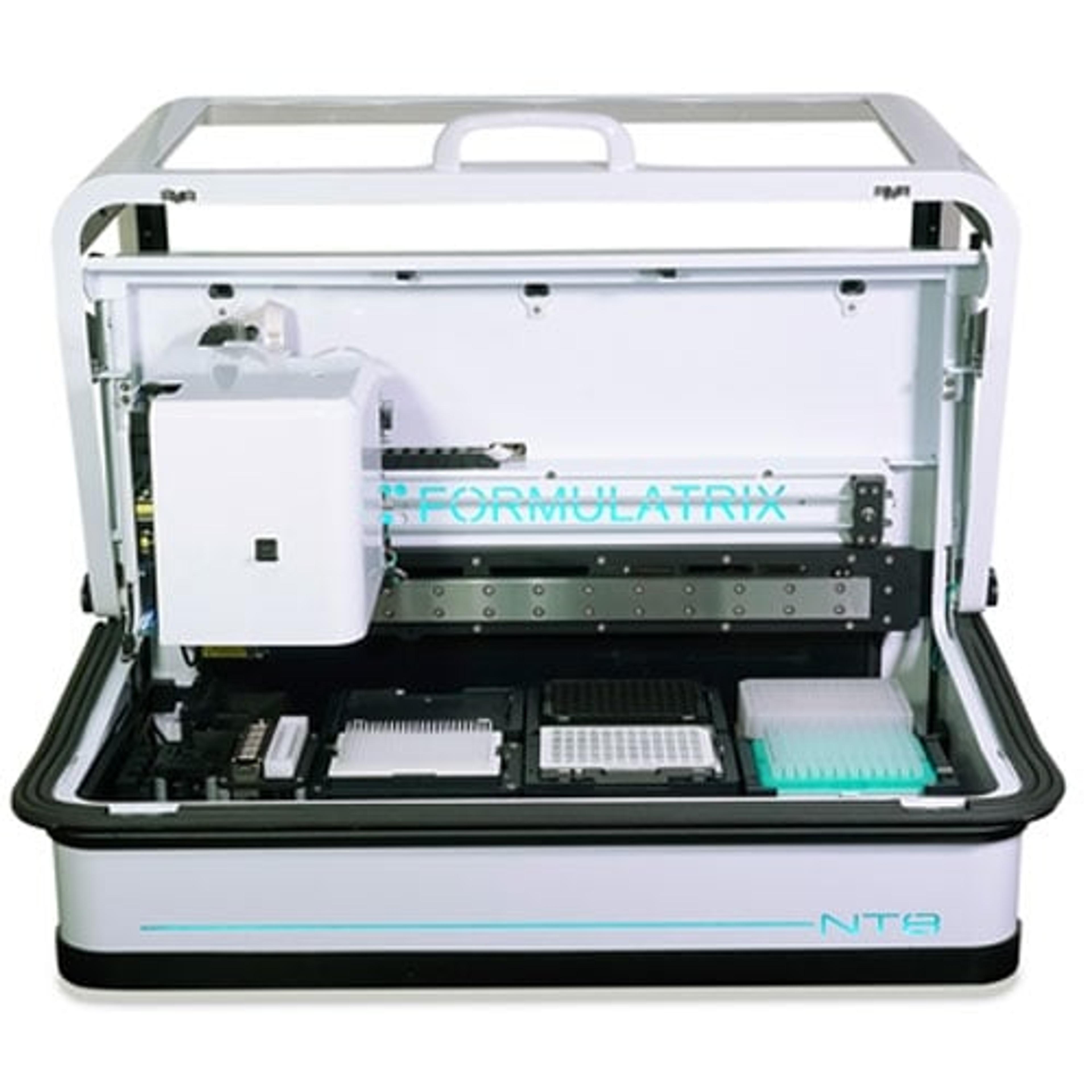
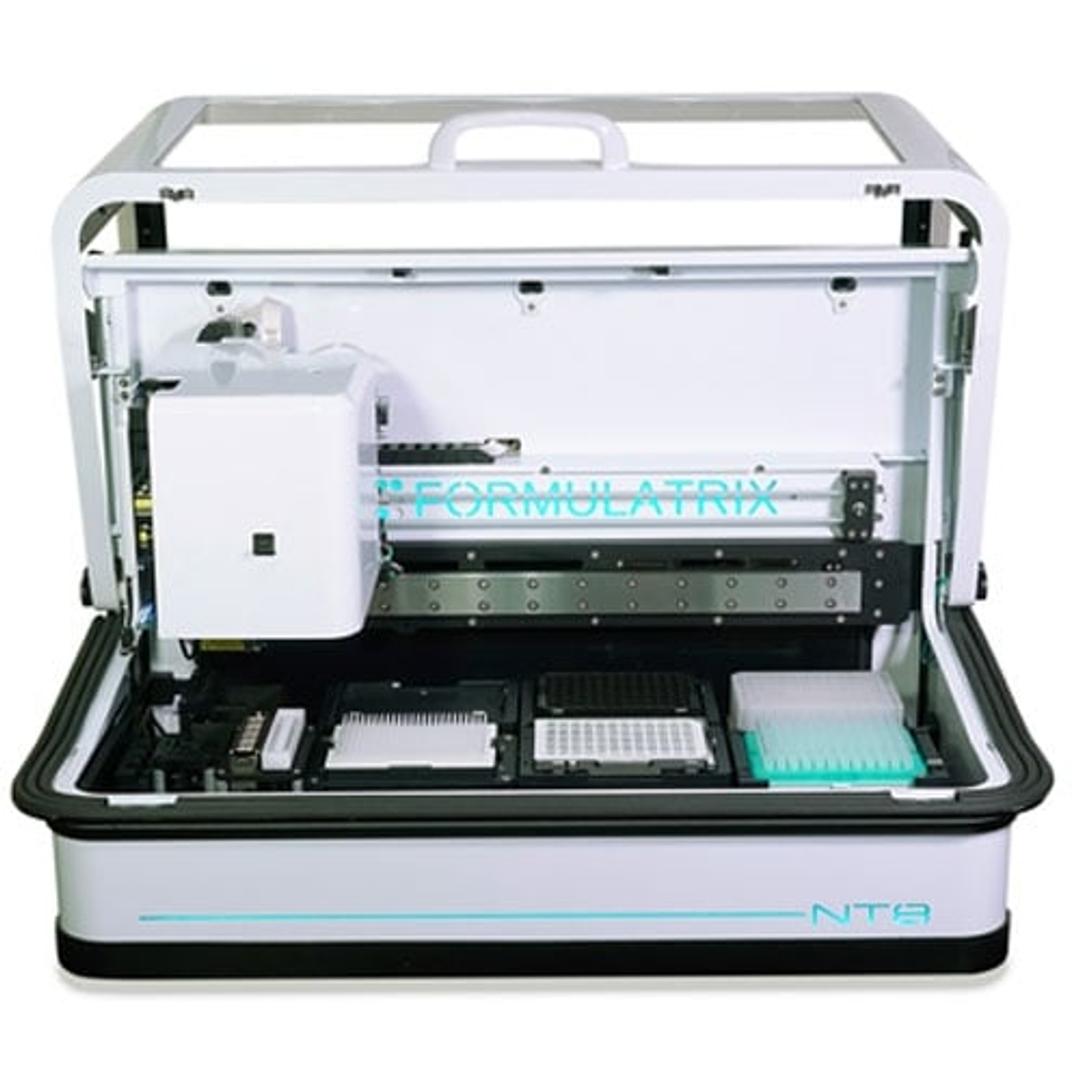
Reliable Drop Setting: Reduce Costs + Increase Reproducibility The NT8 ® - Drop Setter/Crystallization Robot is a fast, nanoliter-volume liquid handler with drop dispensing capability, including setting drops for Lipidic Cubic Phase (LCP) experiments. The 8-tip head aspirates and dispenses drops from 10 nL to 1.5 μL.
Receive your quote directly from the manufacturer.
A really great drop dispenser!
Protein crystallization
The NT8 is a very useful drop dispense robot that can increase protein crystallization capabilities. The built in humidifier is a huge help when using smaller drops. We use this robot for all of our crystallization needs.
Review Date: 26 Jul 2018 | FORMULATRIX®, Inc.
Huge timesaver!
Setting proteins for crystallization screens
The NT8 makes setting up our hanging drop and sitting drop plates a breeze, and has greatly streamlined our workflow.
Review Date: 2 Jun 2016 | FORMULATRIX®, Inc.
The NT8® provides users the ability to:
- Save Money + Reduce Waste
The Choice to Reusable Dispensing Tips - Set drops for a 96-well plate using only 8 tips, washing between steps or choose to use new tips per dispense. The choice is yours.
- Maintain Protein Drop Integrity
Proportional Active Humidification - Prevent sample evaporation and increase experiment reproducibility.
- Set-Up Plates in a Cold Room
Cold Room Compatible - Set up crystallization plates at any room temperature including 4°C.
- Screen Using a Variety of Techniques:
- Sitting Drop
- Hanging Drop
- Lipidic Cubic Phase Drops
- Microbatch
- Microseeding
- Additive/Fragment Screening
- Soaking Experiments
Clean Drop Release with Flexible Fingers
In order to ensure that drops wick to the crystallization plate, all eight tips must touch the plate. To achieve this, each tip is attached to a flexible finger that can travel +/- 0.5 mm vertically, enabling the dispense head to contour to the surface of each well. To protect your plate and sample, each tip has a sensor that indicates when the tip contacts the plate's surface. These sensors allow the NT8 to drive down precisely to the point where all tips touch the plate without damaging your plate or sample. The NT8 Drop Setter can then retract slightly away from the surface - yielding the perfect dispense gap for setting drops. This enhancement improves drop precision and reduces the chance of bubbles.
Prevent Drop Evaporation and Increase Reproducibility
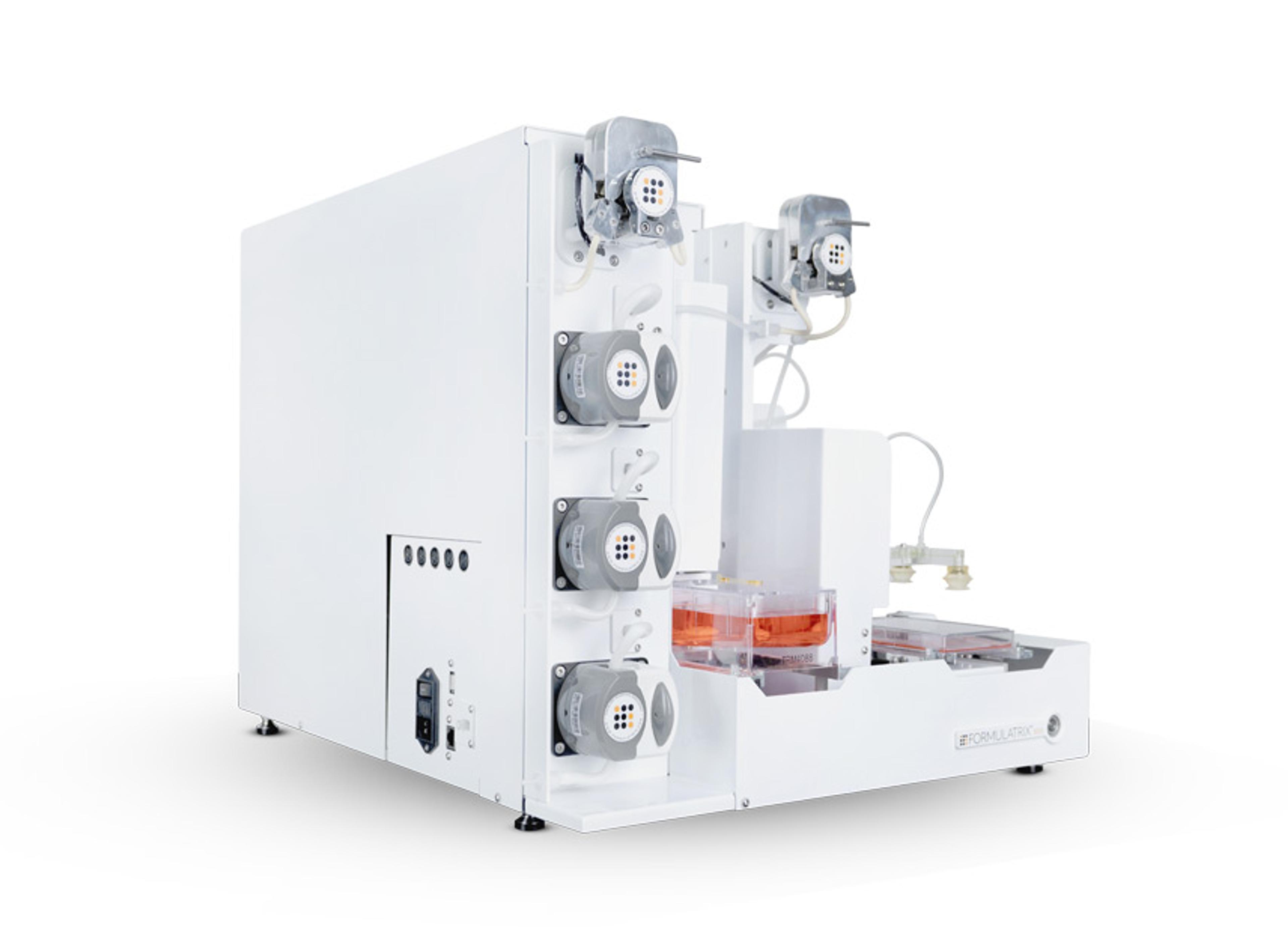
The NT8 prevents sample evaporation with three powerful, fully-enclosed humidifiers that actively control humidity from ambient up to 95%. You can set humidity on/off manually or “set it and forget it” and let the NT8 do the work. The system has tight control of the humidity with a variance of only +/- 2.5%. The NT8 Drop Setter can increase humidity from 60% to 85% in under 20 seconds. The humidifiers are positioned away from active samples so your drops are protected from condensation and buildup. No need to mop up excess water around your plates.

Multi-Fluorescence Imaging of Protein Crystals
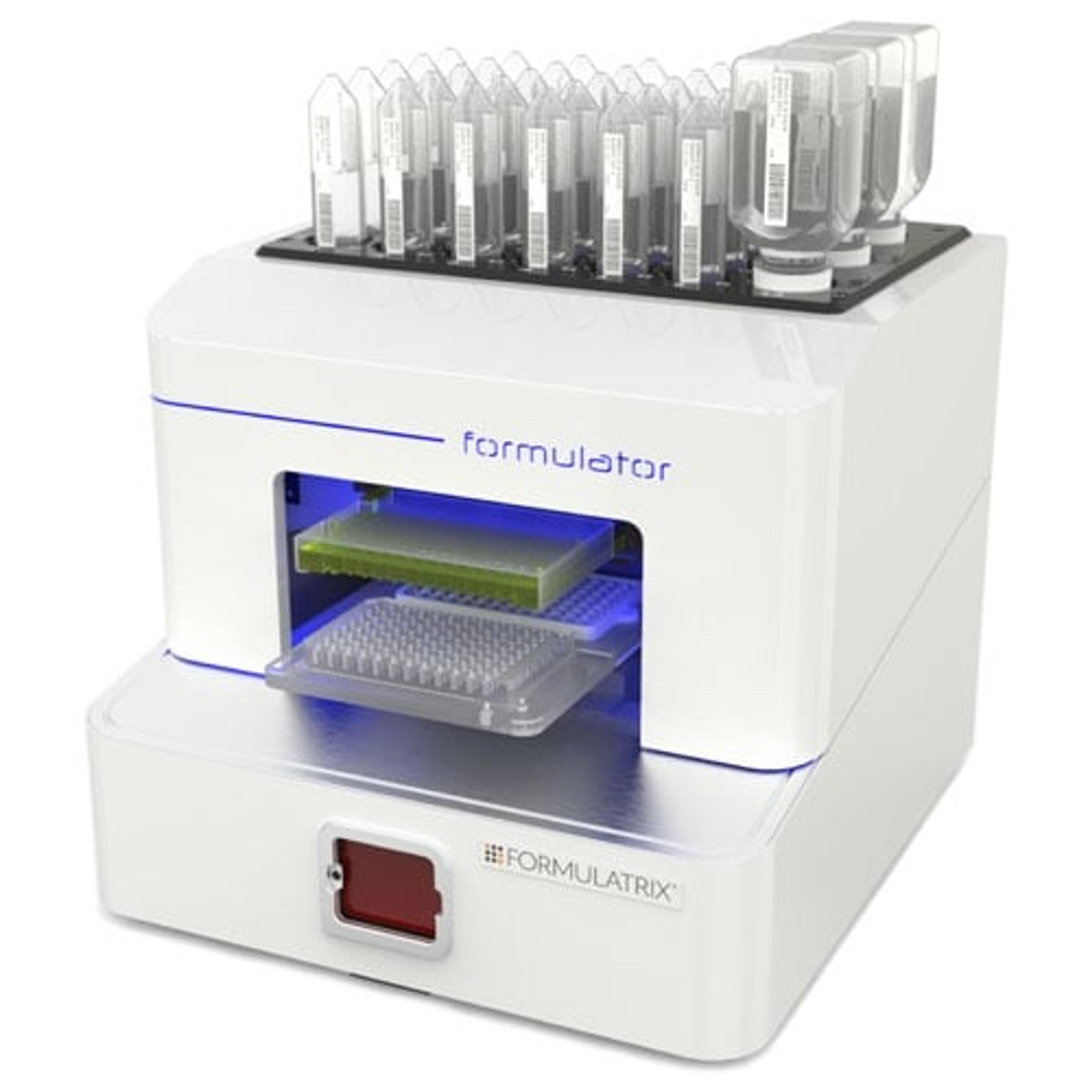
The unambiguous and reliable identification of biological crystals remains a major obstacle in crystallography, particularly in the critical stage of initial screening experiments. Crystallographers have often relied on the intrinsic fluorescence of aromatic amino acids, such as tryptophan, to differentiate between salt and protein crystals. In some cases, proteins have very few tryptophan amino acids, or none at all, making it impossible to use UV fluorescence for imaging. The addition of a fluorescent molecule to one’s protein enables the ability to do visible fluorescence imaging and acquire high contrast images in very short imaging times with no sample damage.
Lipid Cubic Phase: Drop Setting, Condition Screening and Imaging
Integral membrane proteins are arguably the most important class of proteins in terms of their role in cellular interactions and their associated significance in disease pathways. Lipidic Cubic Phase (LCP) has emerged as an effective medium for crystallizing membrane proteins. The current pace of adoption of LCP-based methods has increased substantially, in spite of the steep learning curve associated with their implementation. This application note will discuss the three major steps of LCP crystallization and how automation technology is significantly facilitating the use of this powerful methodology.