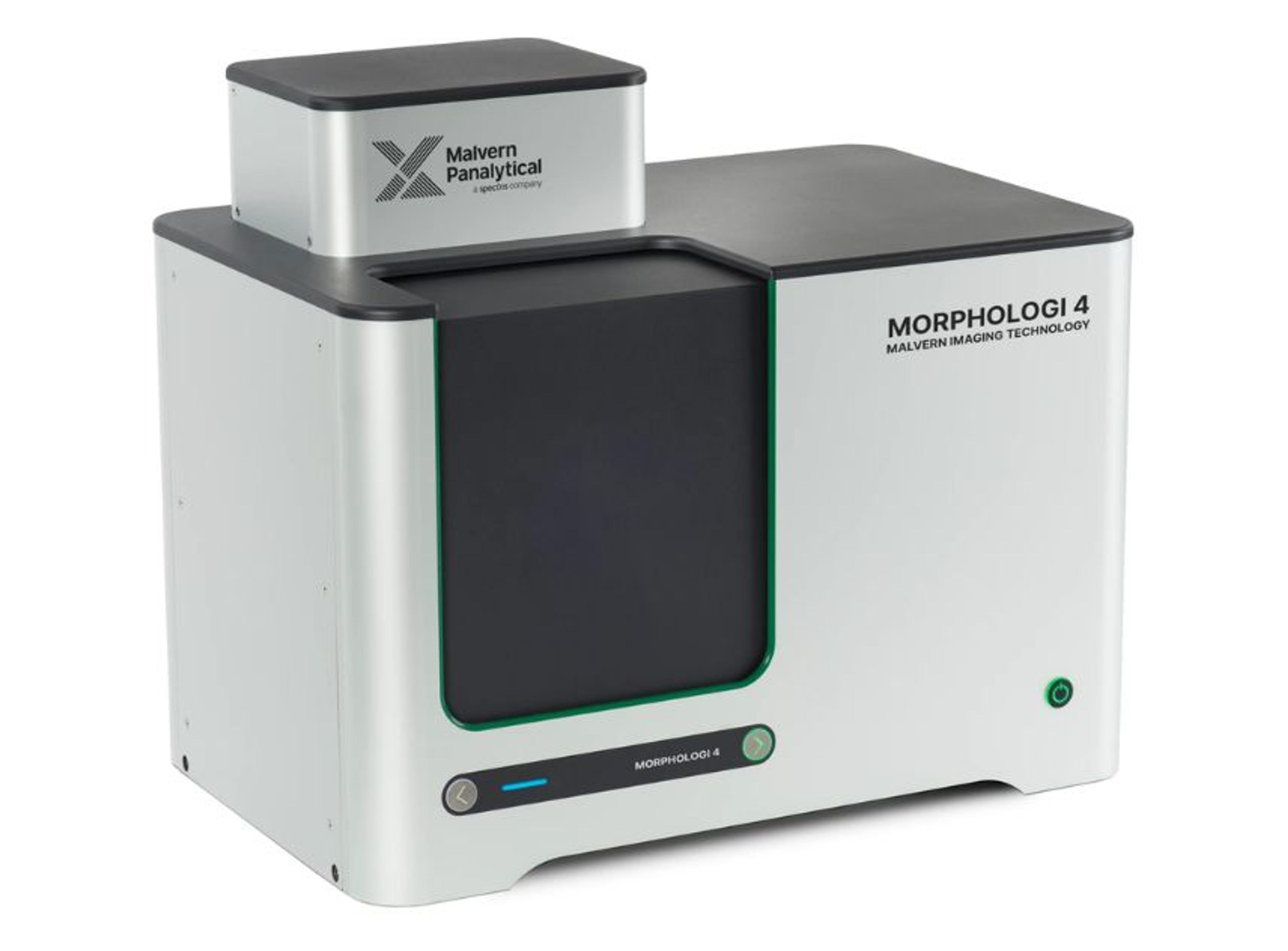
Morphologi 4
Rapid, automated particle size and particle shape analysis



Receive your quote directly from the manufacturer.
Great results
Analyze APIs
Is it easy to use
Review Date: 15 Dec 2021 | Malvern Panalytical
Manufacturer's Response
Thanks Victor Canseco for your feedback. We are really happy to hear you find our Morphologi 4 easy to us, thank you for sharing this with SelectScience.
Great instrument, saved time and increased productivity.
Analyze solid particles and emulsions in colloidal phase
This product is truly outstanding! I have been using it for around 4 years from Morphologi-G3 to 4-ID system. It is super helpful improving the productivity of particle analysis, size and shape detection.
Review Date: 17 May 2021 | Malvern Panalytical
Very good device; Support could be improved (RR test, CRM, application database needed).
Determination of particle shape; characterization of dust at workplaces
The Morphologi device is quite easy to use. We developed our own methods but also had some help from the application lab at Malvern Panalytical. Sometimes we miss interexchange between users and also between us and Malvern. An application database or application note would be helpful and also something equivalent to a round robin test or laboratory cross-check in order to evaluate our measurements. Finally, to reassure us about the quality of our measurements, an affordable reference material for the particle shape analysis would be highly appreciated.
Review Date: 15 Apr 2020 | Malvern Panalytical
Great results.
Analyze particles size and morphology
It performs well. We have had the equipment for a long time and we only had minor issues with the software that were quickly solved by the commercial company.
Review Date: 15 Apr 2020 | Malvern Panalytical
Manufacturer's Response
Thank you Carla, we are glad to hear your Morphologi 4 performs well and that you minor issues have been resolved quickly.
Measuring polymer particle size ranges.
Particle size determination
The only instrument that can measure the particle size range from low to high for polymer particles dispersed in water.
Review Date: 16 Mar 2020 | Malvern Panalytical
Manufacturer's Response
Thank you, Ron, for your positive review. We are glad to hear that our imaging system is enabling you to measure your polymer particles.
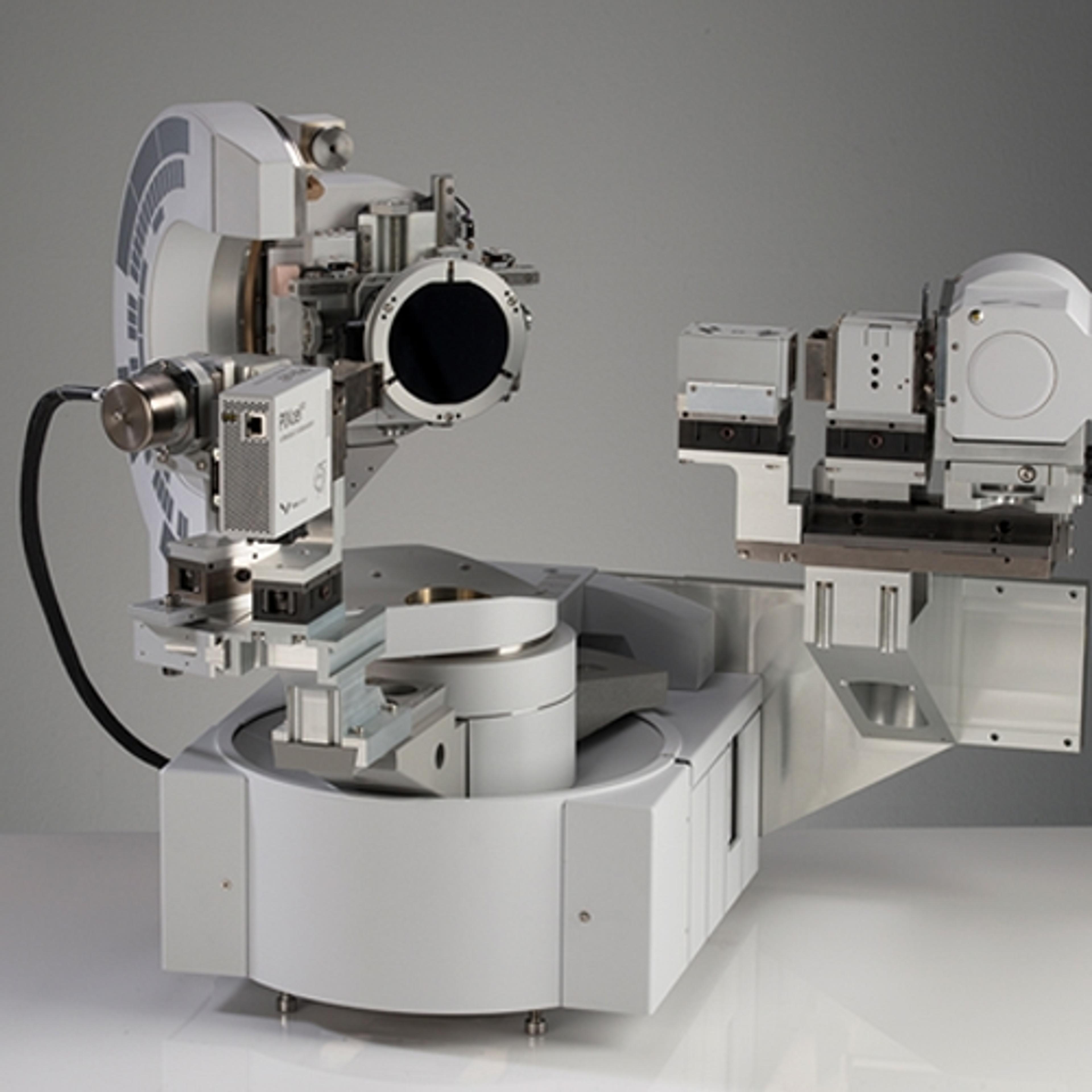
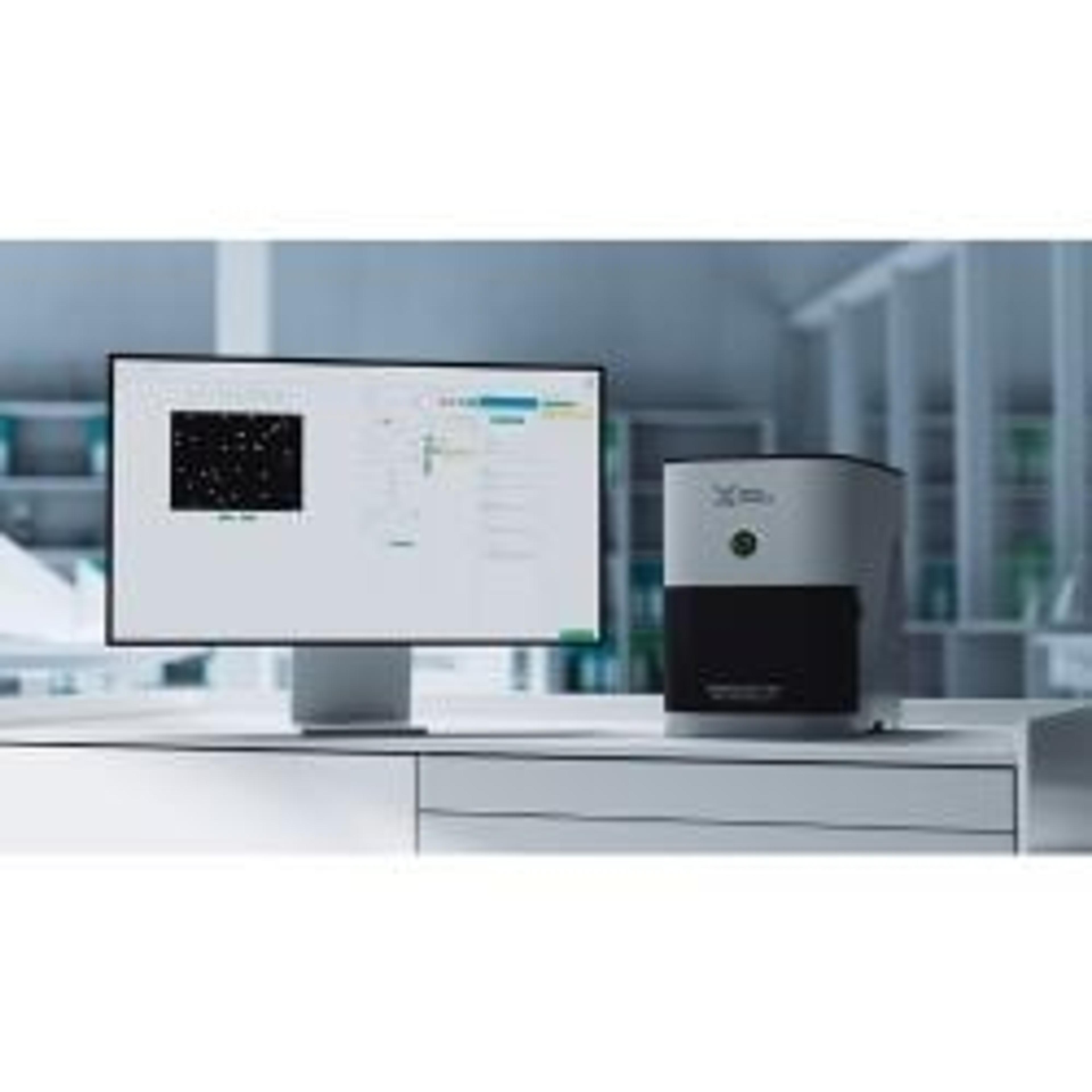
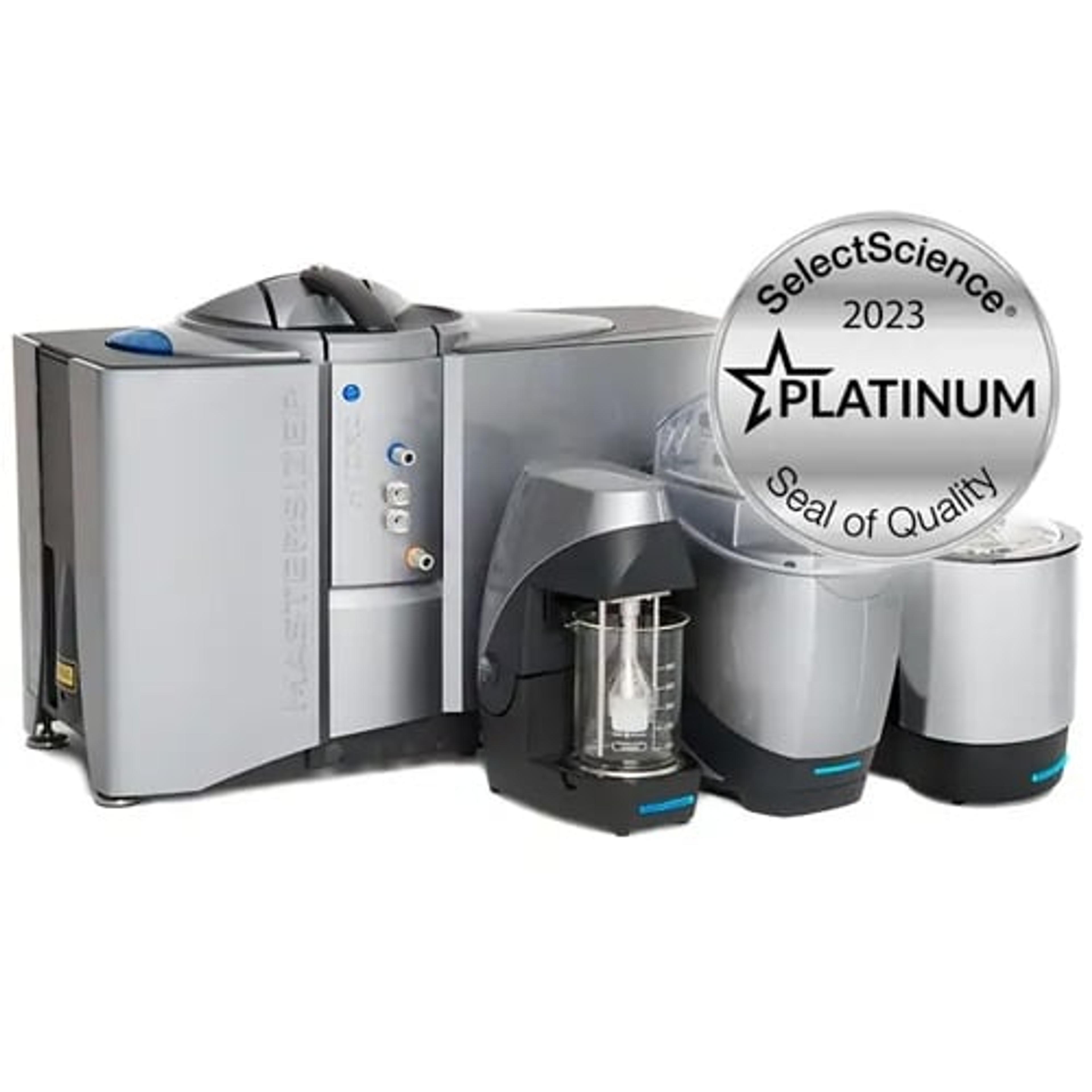
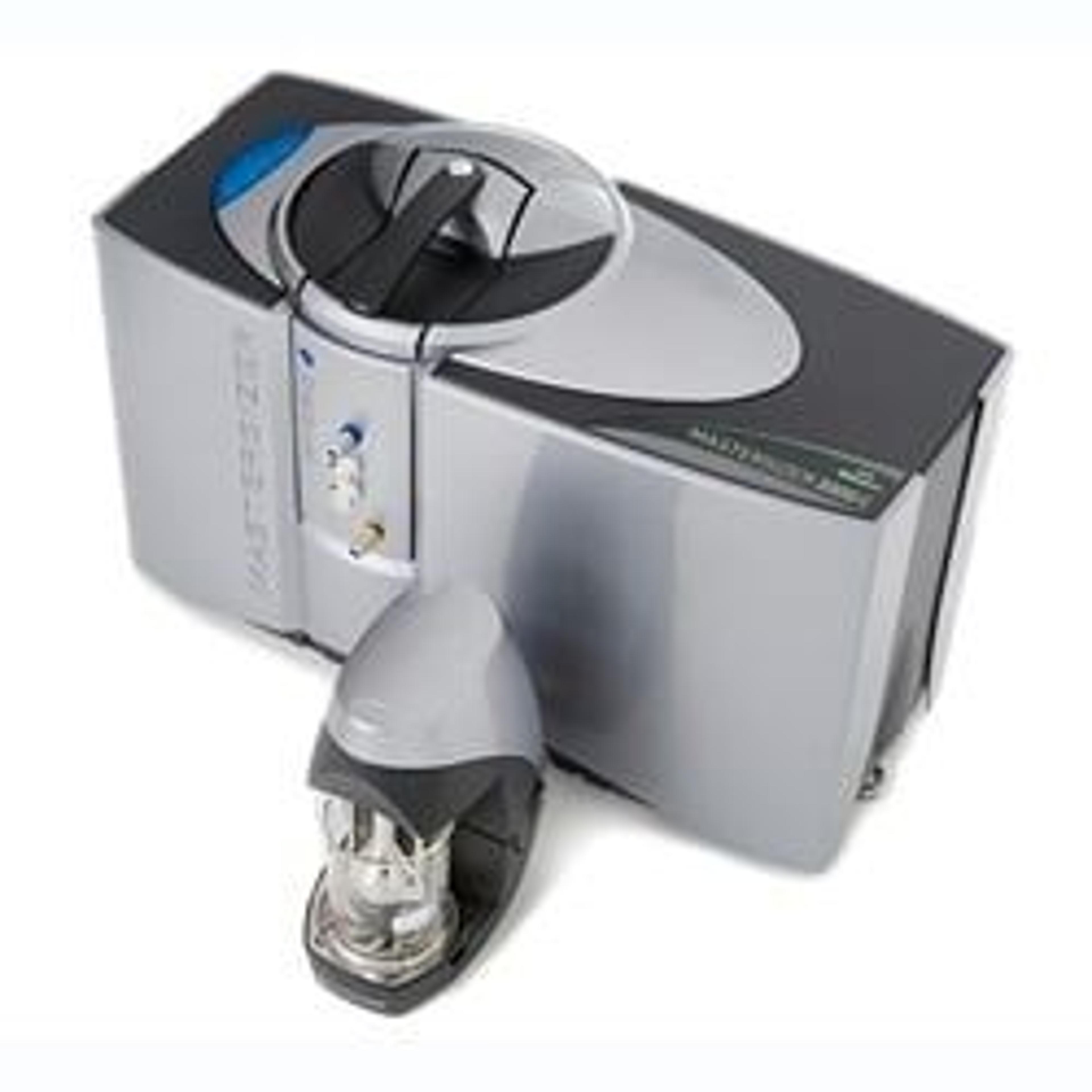
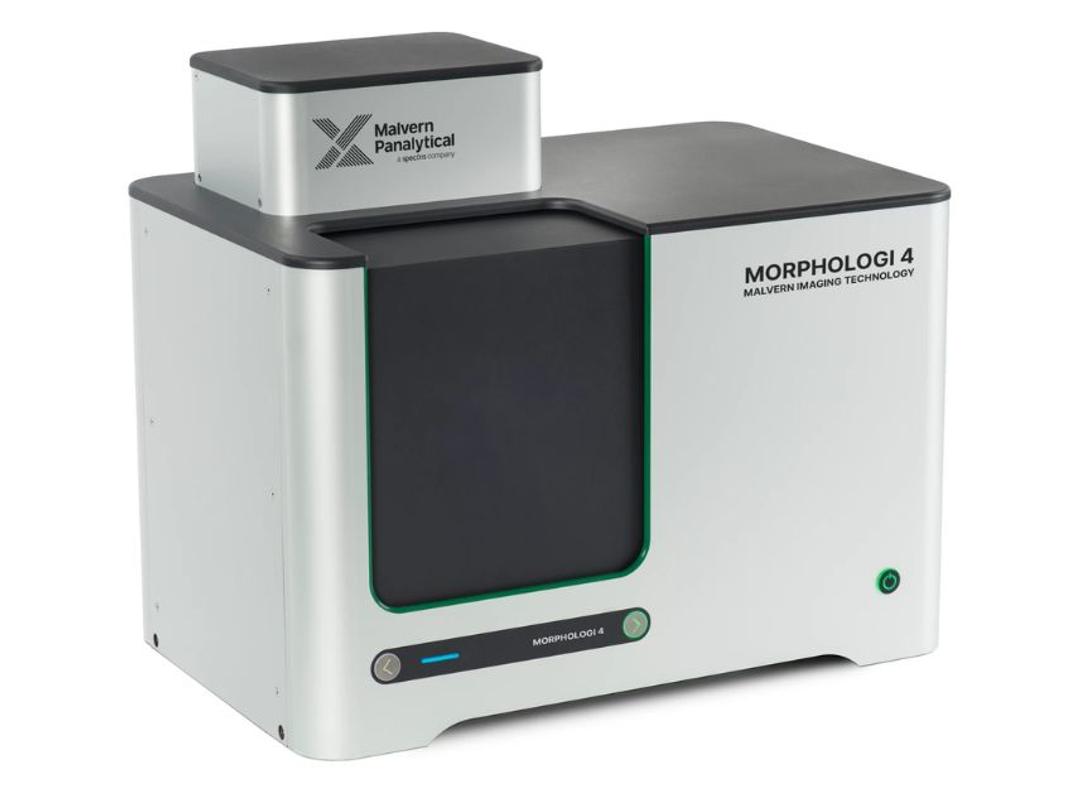
Morphologi 4 provides detailed morphological descriptions of particulate samples through static image analysis, enabling a greater understanding of both sample and process. It can equally be used as an R&D tool to investigate challenging applications and in automated QC analysis where generation of robust, user-independent results and validation are required.
- Broad particle size range, from 0.5 μm to over >1300 μm, enables size measurements of a wide range of samples
- 20+ morphological parameters deliver a highly-detailed description for deeper understanding of your particulate material
- SOP control, from sample dispersion to data analysis, provides simple and automated operation for robust, repeatable measurements
- Automated ‘Sharp Edge’ analysis enables detection of even low contrast particles
- Advanced manual microscope mode and ability to return to particles of interest enables an even closer examination of unexpected particles
- High resolution microscope ensures quality particle images for optimum image analysis data
- Integrated dry powder dispersion unit delivers reproducible sample dispersion, critical to achieving meaningful results
- Dedicated sample presentation accessories enable measurement of a wide variety of sample types, including suspensions and filters
- Advanced data exploration tools generate maximum sample knowledge
- 21 CFR Part 11 software option ensures regulatory compliance
Brochures

Morphologi Range brochure
This product brochure by Malvern Panalytical introduces the Morphologi 4 range, automated imaging for advanced particle characterization.
Grating-coupled interferometry – the weak fragment hit biosensor assay
Grating-coupled interferometry (GCI) is ideally suited for fragment-based drug discovery due to inherent sensitivity of the detection principle, and the ability to capture fast transitions. It uses the refractive index changes that occur with protein binding and are measured as time-dependent phase-shift signals. Explore how the Creoptix® WAVEsystem combines GCI with innovative no-clog microfluidics, permitting the study of biomolecular interactions using crude, unpurified samples, or in complex matrices, such as serum, plasma, or cell supernatant. The WAVEsystem uses a robust sensor and microfluidics cartridge, the WAVEchip®, with four parallel flow channels, available in different surface matrix chemistries suitable for diverse applications, such as protein, antibody, VLPs, lipids, and others.
Tools for a comprehensive characterization of Li-ion batteries
In this article, Malvern Panalytical introduces a toolkit for the analytical characterization of Li-ion batteries. These technologies aim to address many of the development and manufacturing challenges faced by battery production in order to meet the increasing demand for low-cost, lightweight, long-lasting and stable power sources.
The impact of electrode particle size and shape on battery slurry viscosity
When designing and manufacturing batteries, the size and shape of electrode particles are important factors to consider and control, as irregular particles not only reduce packing density, but can lead to the formation of a high viscosity electrode slurry. In this application note, using a Morphologi automated image analysis system, Malvern Panalytical explores the role of size and shape on the viscosity of the electrode slurry.
8 Reasons to Upgrade to Automated Imaging
In this whitepaper, discover why automated image analysis is rapidly replacing manual microscopy for characterizing particle shape and how combining it with Raman spectroscopy adds chemical identification to your analysis.
Physico-alchemy: Optimizing drug formulations through measurements at the microscale
Watch this presentation by Dr. Anne Virden and Dr. Debbie Huck-Jones, Malvern Panalytical, titled: Physico-alchemy: Optimizing drug formulations through measurements at the microscale. This talk was presented at the SelectScience® Virtual Analytical Summit 2021.