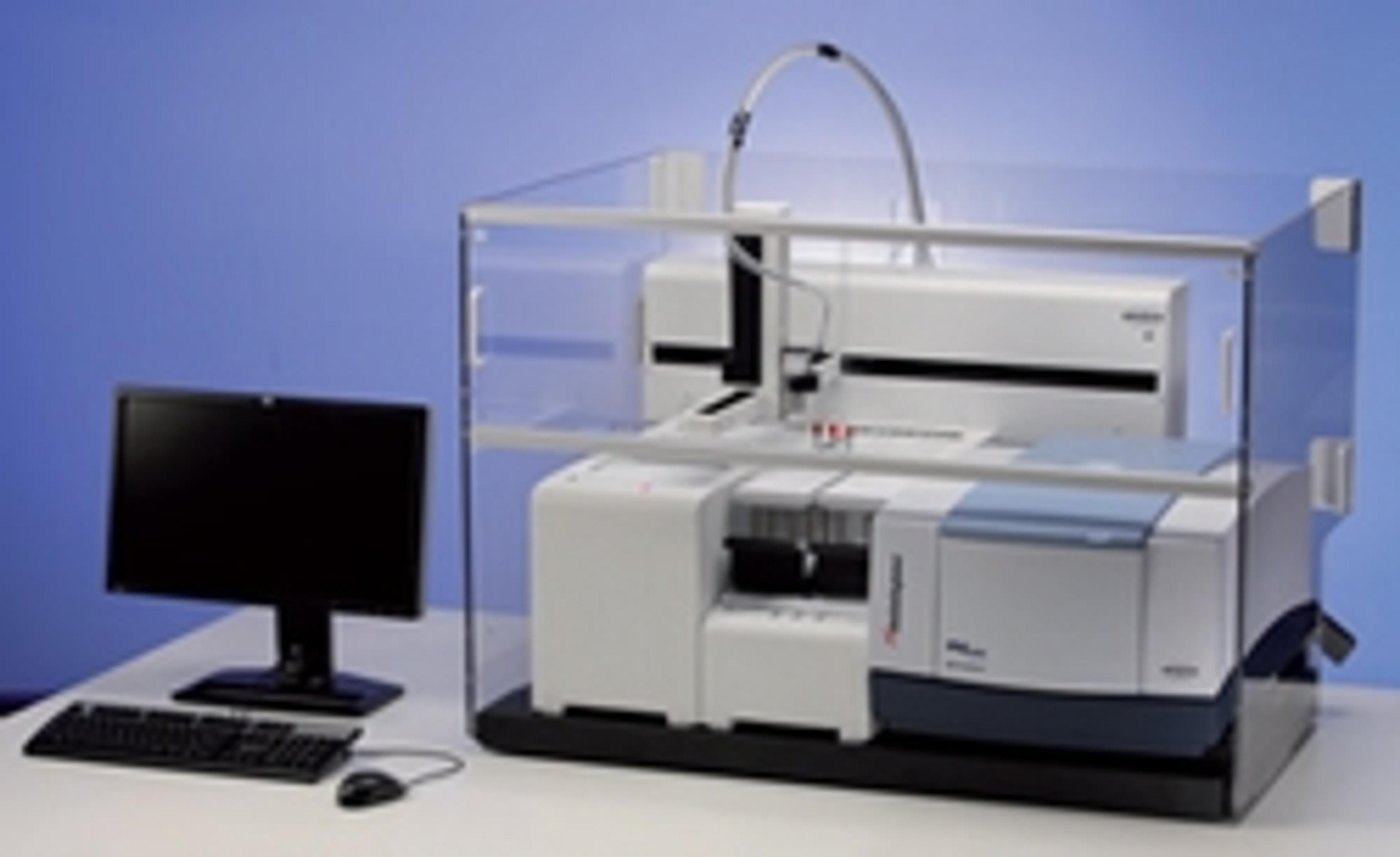
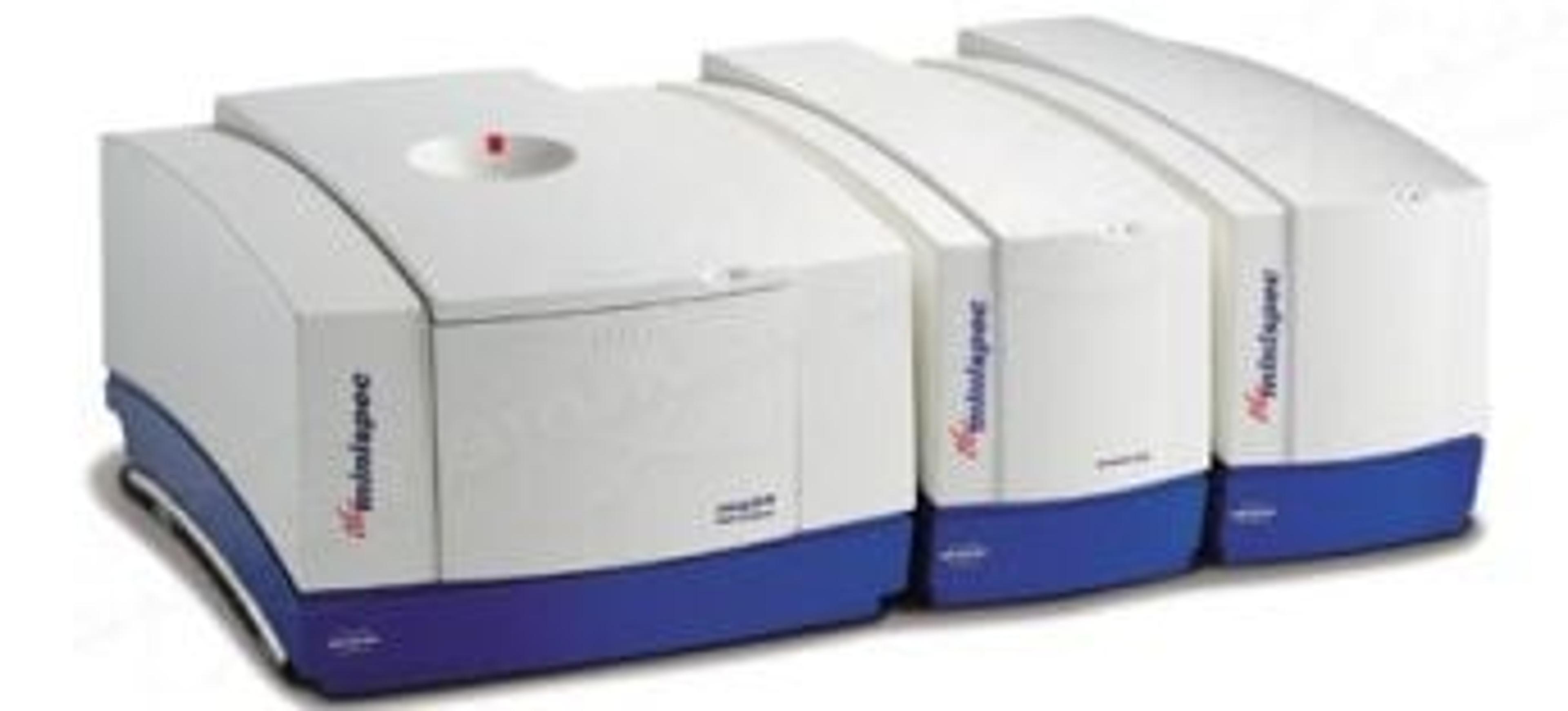
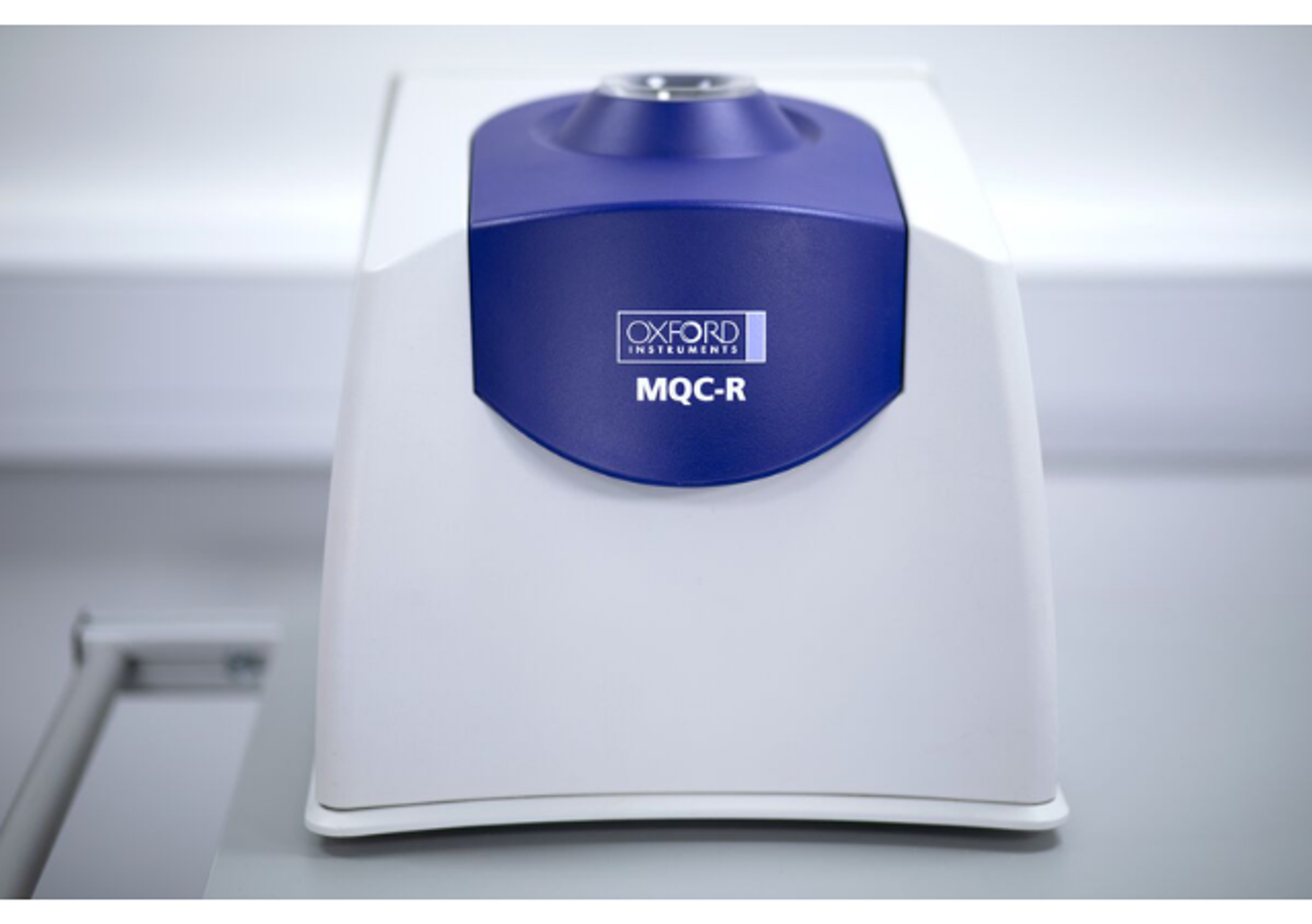
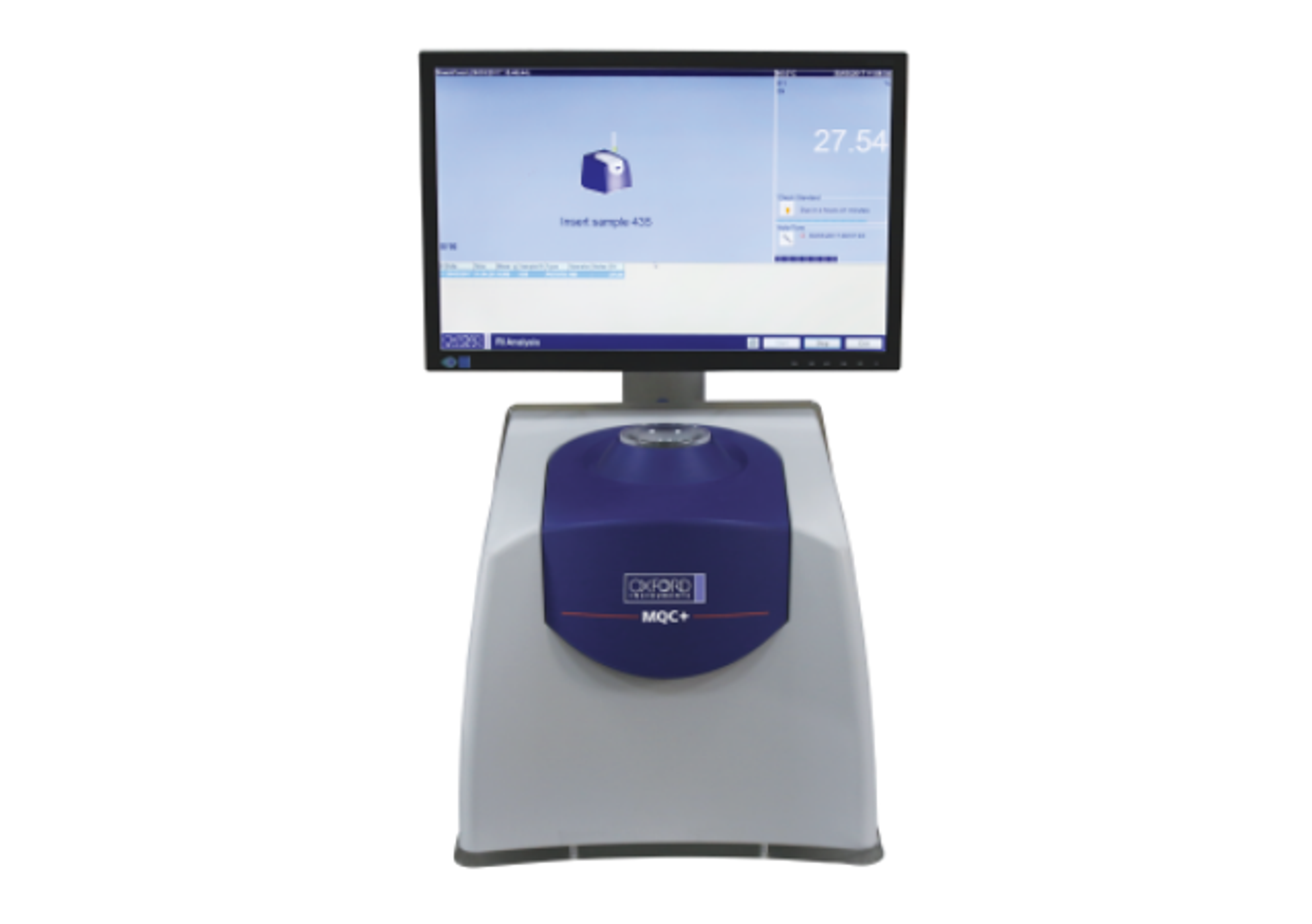
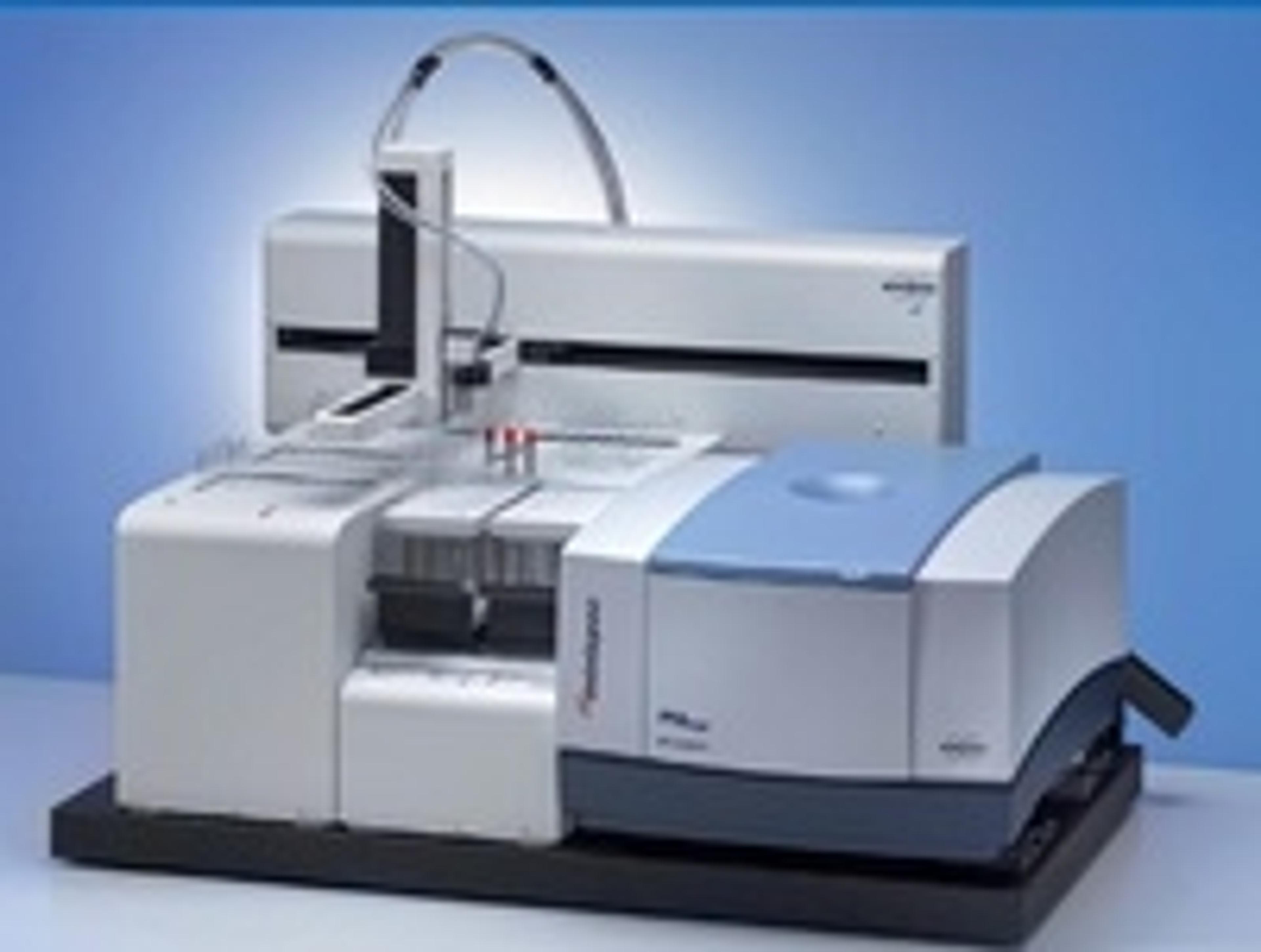
Minispec mq Series TD-NMR Analyzer
Multi-application support and a wide range of upgrade features

Contactless Check Weighing

minispec Contrast Agent Analysis

minispec mq Droplet Size Analysis







The supplier does not provide quotations for this product through SelectScience. You can search for similar products in our Product Directory.
Nice product
Analyze protein digestion products
Nice product
Review Date: 23 May 2022 | Bruker BioSpin
Good product.
Total fat analysis on natural product raw materials
This instrument is easy to use and it produces reliable results. It saves time, solvent cost, and green chemistry.
Review Date: 29 Mar 2022 | Bruker BioSpin
The unit is rugged but dealing with the company can take a long time to get quotes or product back to US.
Analysis of fats in food
A very solid unit that performs well. Its cost is quite high and dealing with the manufacturer is not easy. Very few spare parts are available and it takes a long time to get the product in the USA.
Review Date: 6 Mar 2020 | Bruker BioSpin
Overall good product, but does have some downfalls.
Crosslink Density
Very interesting piece of equipment through extensive trial and error and the development of calibration values it can be used to detect crosslink density in polymers, easier then the conventional ways of Hot Creep/Hot Set and Swell test using solvents. The over all idea is valid, although it does have some down falls. Although you can create specific applications for each type of polymer, it is not necessary due to ability of the device to change the gain strength. Also the device has difficulties with crystallinity in polymers.
Review Date: 18 Jan 2017 | Bruker BioSpin
Great instrument, a standard in the industry.
Edible Oils
The Bruker Minispec gives high quality results and is very easy to use. The instrument is quite robust and works without fail for many years.
Review Date: 9 Mar 2016 | Bruker BioSpin
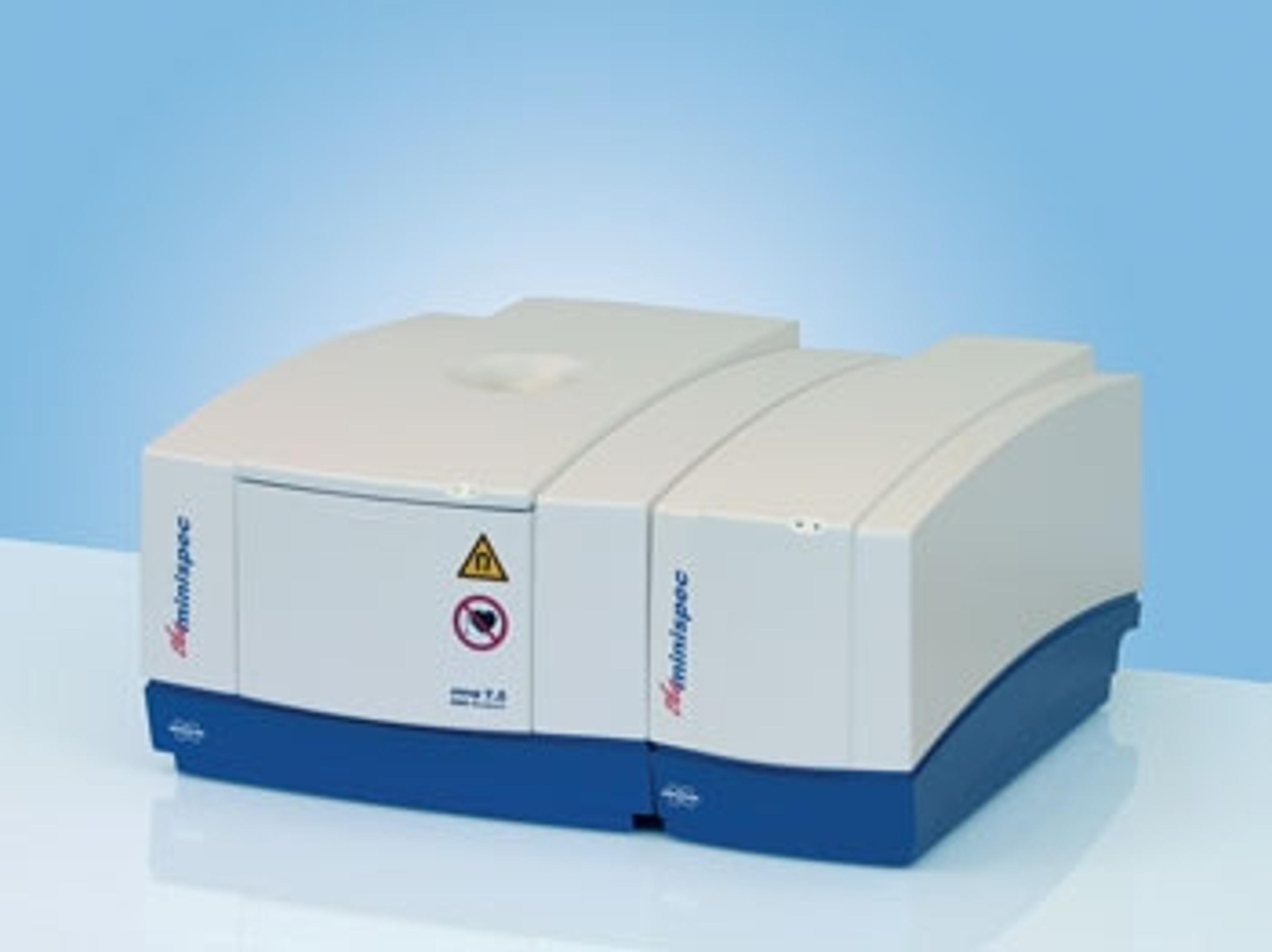
The magnet NMR minispec mq series offers the most comprehensive range of measurement frequencies known today, ranging from 7.5 MHz for samples with large diameters, via 10 MHz, 20 MHz and 40 MHz, to the unparalleled mq60 with 60 MHz operating frequency.
While the minispec mq-one series features the best possible performance-to-footprint ratio for common QC applications, the minispec mq series offers multi-application support and a wide range of upgrade features, like tool-free exchangeable probes, variable temperature NMR probes and pulsed field gradient systems.
Minispec mq Series TD-NMR Analyzer Features:
- Multinuclear MNR and variable frequency 5 – 60 MHz Wide range of magnet fields plus a unique 60 MHz system Ethernet connection from PC to minispec electronic unit Remote control
- system logging and daily check Bruker minispec application pool containing all standard and advanced applications Wide range of probe heads (absolute, ratio, combined, temperature controlled, gradients)
- temperature range: -100 to +200 °C Fast magnet warm-up and precise digital temperature regulation for ultimate stability of results
- Tool-free exchange of Plug-n-Play probes with auto-recognition Linear transmitter with digital pulse attenuation (optional)
- Highly linear fast signal detection Virtually unlimited number of pulses and echoes Pulsed field gradients (optional)
- Zero-maintenance units without direct air exchange
Watch the webinar 'Time Domain NMR: Basic principles and real world applications' to find out more.
Brochures

Food and Feed Industry Fast and Reliable Quality Control by Time Domain NMR
To determine the essential properties of food and feed, Bruker developed a powerful device for fast and reliable answers throughout all production and processing steps: the minispec based on Time Domain (TD)-NMR. This method is well recognized due to its time saving qualities and simplicity of operation. No chemicals and consumables are required. Moreover, a large variety of food can be analyzed with minimal sample preparation. It has been adapted in various AOCS, ISO, and IUPAC standard methods.
Droplet Size Distribution in Food Emulsions
Water-in-oil (W/O) and oil-in-water (O/W) emulsions are found in everyday meals, mainly as margarine, low fat spread, and butter (W/O) or, as mayonnaise, salad dressing, and soft cheese (O/W). The droplet size distribution in these emulsions influences their taste, smell, and appearance, as well as their shelf life and spread behavior. Bruker’s minispec allows a fast, non-invasive, and accurate analysis of the droplet size distribution in these products. It is based on a Time Domain (TD) NMR technique which is equally applicable to free and to flocculated droplets. Moreover, it has the ability to assess individual droplet sizes rather than cluster sizes.
A Novel Approach for the Environmental Study of Organisms in their Natural State
This application note demonstrates the capabilities of multiphase NMR in providing molecular analyses of complex heterogeneous samples. Typical analytical approaches to environmental research rely on sample processing, such as extractions that provide only a selective window into the true natural state. The integration of concepts from different fields of NMR spectroscopy enables us to produce a novel comprehensive approach that can be used to study and differentiate between the various phases in a heterogeneous sample as well as identify the key structures and their molecular interactions within each phase.
Solid Fat Content (SFC) Analysis: The International Standard Method for the Determination of Fat Melting Profiles
Solid Fat Content (SFC) determination is of prime importance for food processing and development. Raw materials like fat compositions or blends need to be characterized and controlled according to their melting profiles. Learn how all types of SFC methods are supported by the Bruker minispec, including direct / indirect and parallel / serial methods.
Droplet Size Distribution in Food Emulsions
Water-in-oil (W/O) and oil-in-water (O/W) emulsions are found in everyday meals, mainly as margarine, low fat spread, and butter (W/O) or, as mayonnaise, salad dressing, and soft cheese (O/W). The droplet size distribution in these emulsions influences their taste, smell, and appearance, as well as their shelf life and spread behavior. Learn how Bruker’s minispec allows a fast, non-invasive, and accurate analysis of the droplet size distribution in these products.
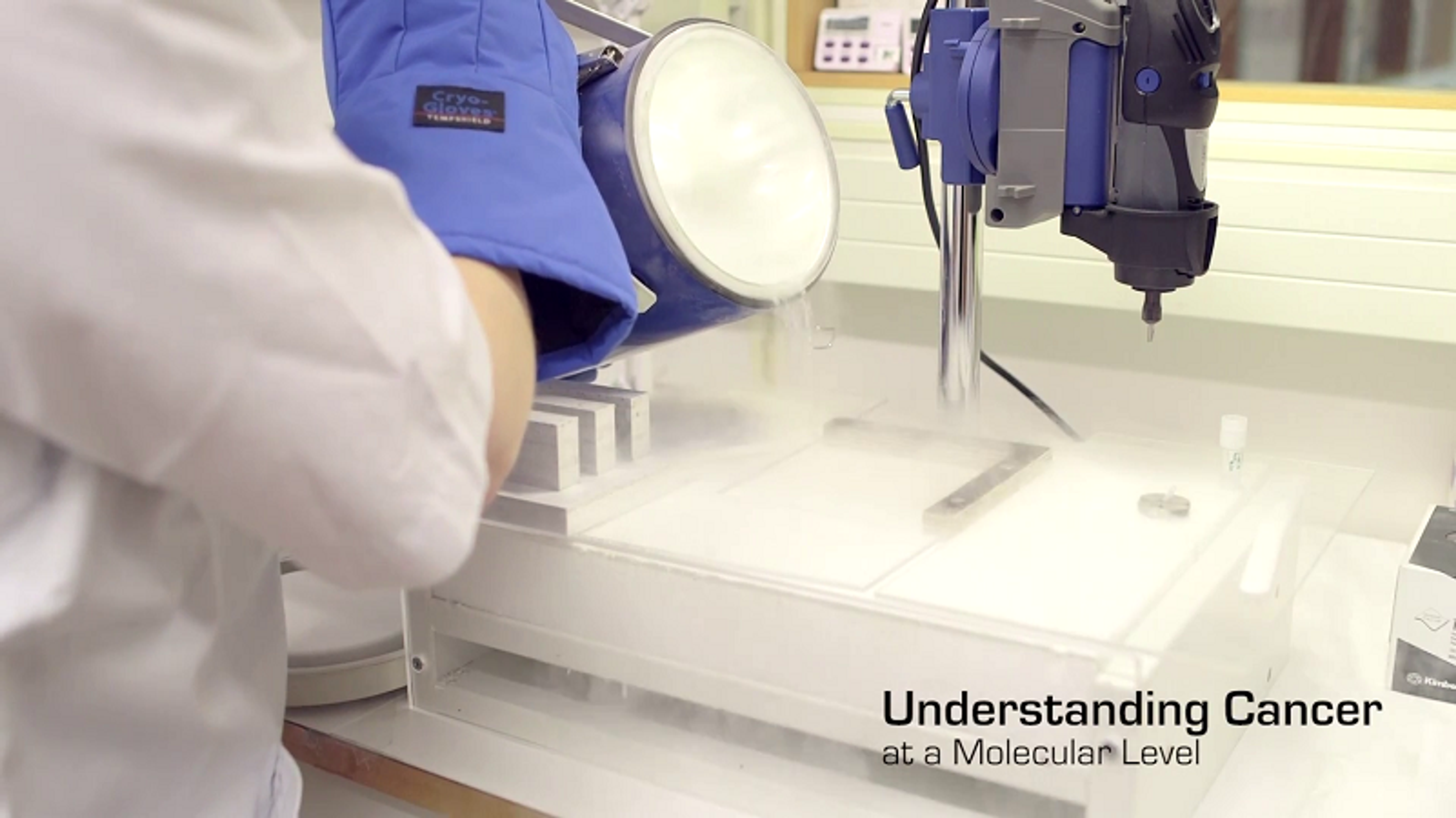
Understanding Cancer at a Molecular Level Using Bruker NMR Spectroscopy (For research use only)
Watch this video to discover how recent efforts in metabolomics can be used to create clinical applications of technology. These can, in turn, can be used to create methods to stratify patients to certain treatments and monitor their responses at an early time-point. There is increasing focus towards targeted treatment of cancer; therefore, a good understanding of cancer, such as a metabolomic profile, is needed to permit the best course of treatment. Several improvements in the last decade have lead to increased accessibility to NMR technology, which has a central role in furthering research and clinical views in personalized medicine.
(For research use only)
Screening of Botanical Dietary Supplements Using NMR and Mass Spectrometry
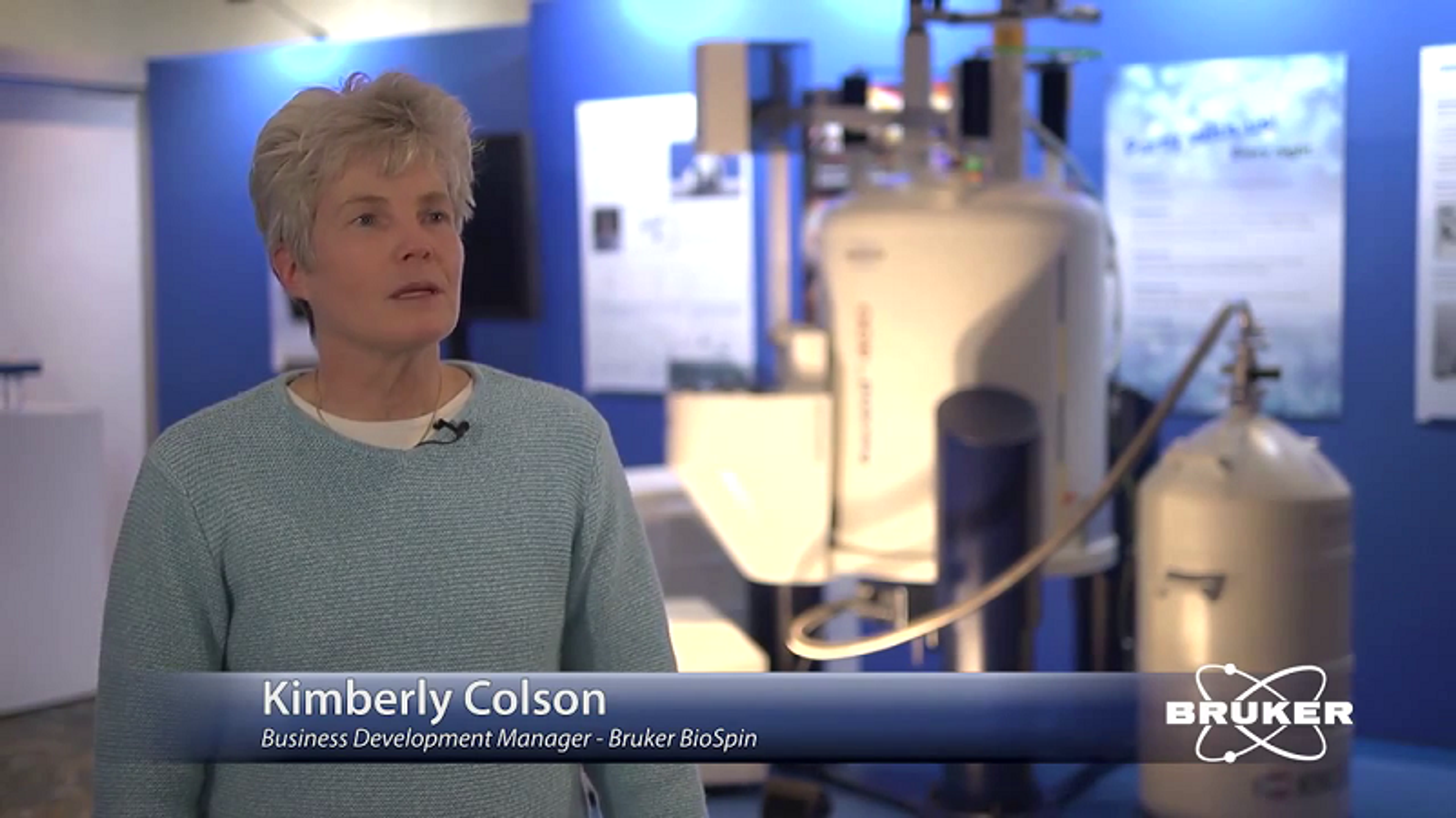
Watch this video to discover how NMR and Mass spectrometry are used to screen botanical and dietary supplements. Kimberly Colson’s group is focused on the botanical and herbal products industry, where they aim to bring improvements that help assess quality control. The botanical and dietary supplement industry is worth over $20 bn at present and, as a result, there are growing concerns over adulteration, particularly of the high-cost products. Furthermore, there is also safety concern for the consumer, which the team aims to help eliminate. New developments in NMR and mass spectrometry analysis are being introduced, which allow for the identification of closely related species that are often sold in place of certified products.
How to Fill a Bruker BioSpin MAS Rotor
Watch this video to learn how to properly pack and handle an MAS rotor to perform a solid state NMR. Following a defined workflow will allow you to enhance your throughput and protect your NMR instrumentation.
The State Art Preclinical Imaging Center of Excellence Bruker
Watch this video to learn about Bruker’s new state-of-the-art Preclinical Imaging Center of Excellence for the Americas, in Billerica, Massachusetts, USA.

Rapid characterization of fats in the chocolate industry
Sample preparation usually takes a lot more time than decision makers have
Non-invasive analysis using benchtop TD-NMR
Analytik has launched a range of benchtop time-domain nuclear magnetic resonance (TD-NMR) systems


Top Innovations in NMR
Reaction monitoring in the pharmaceutical industry and industrial polymer quality control