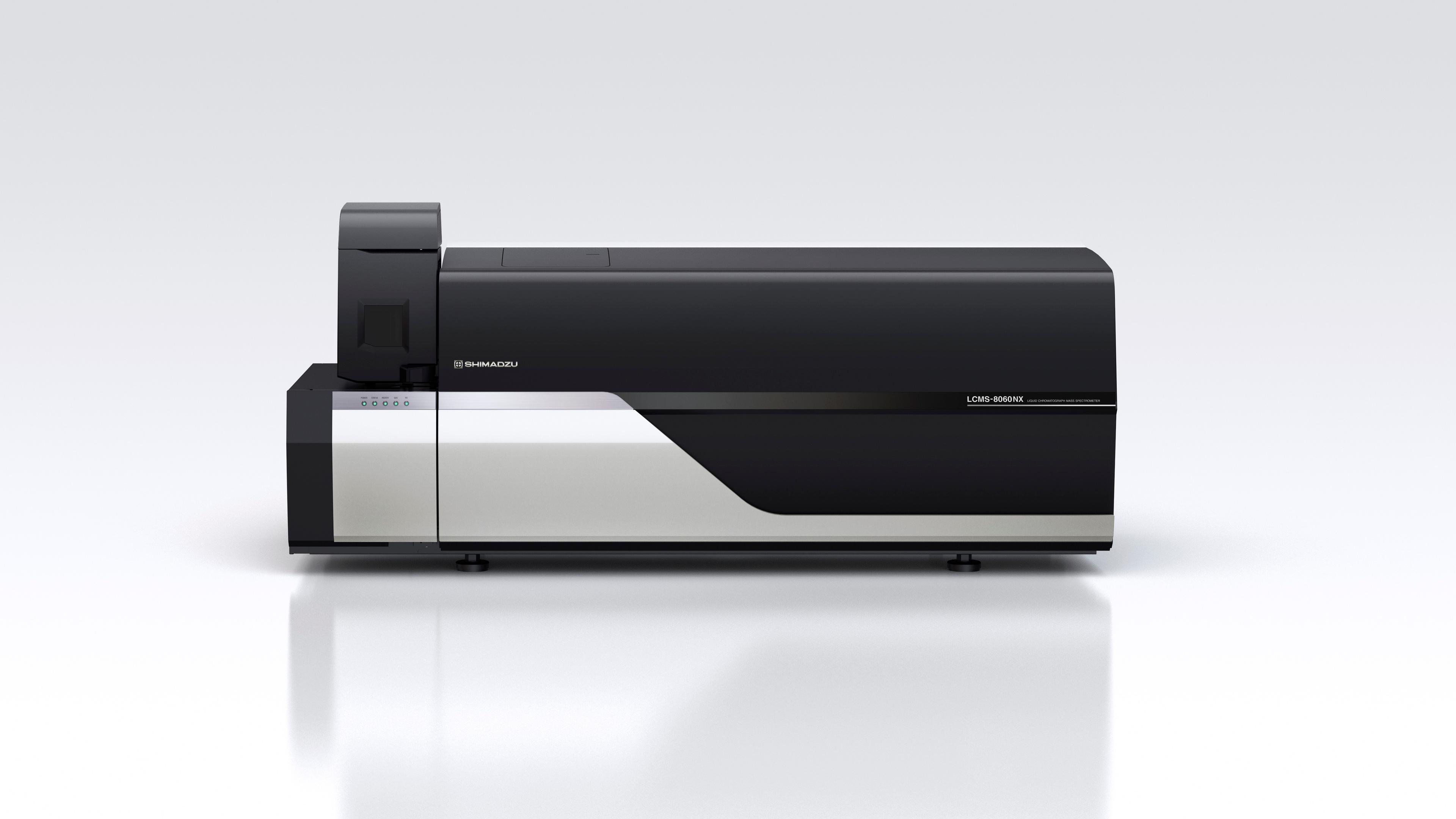
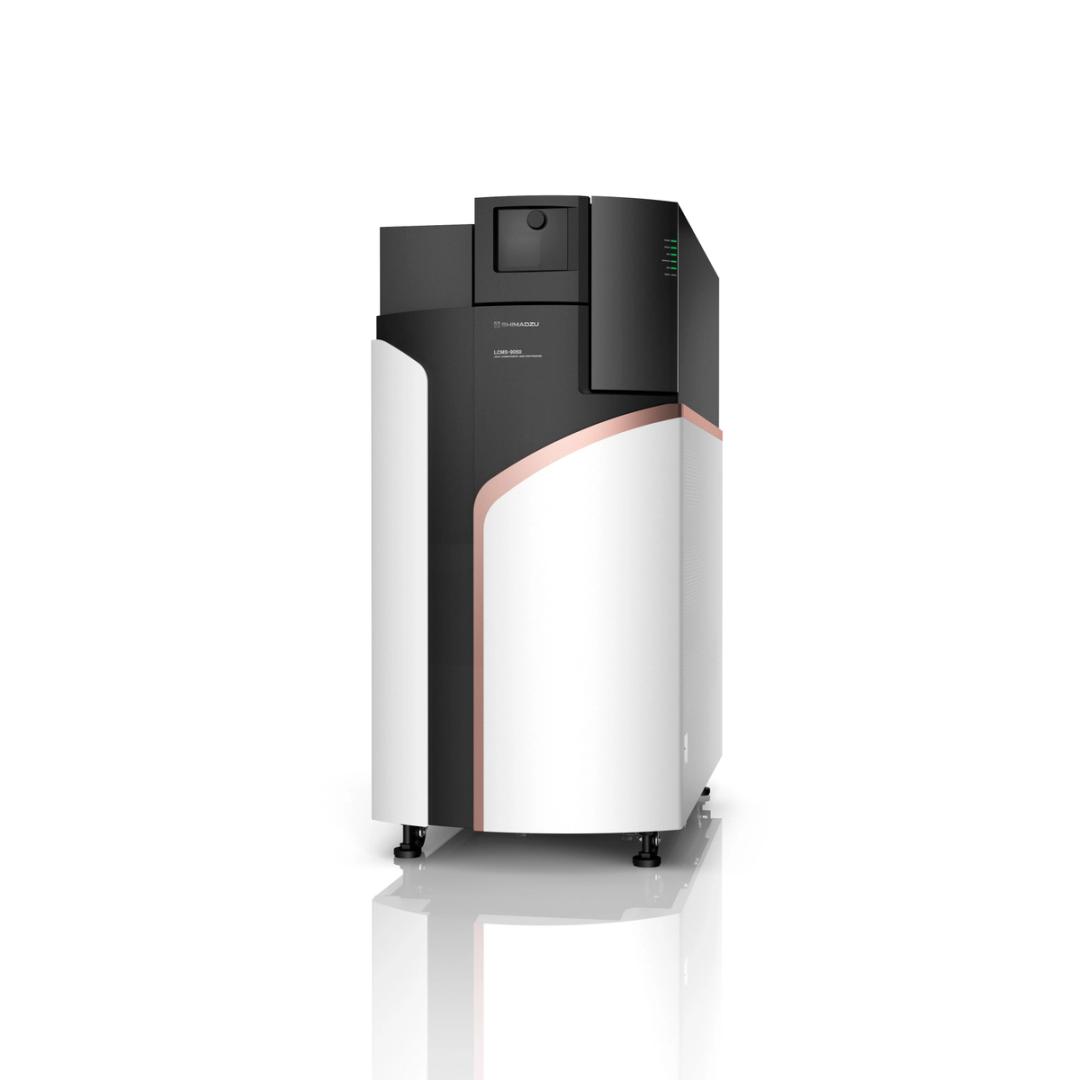
LCMS-9050
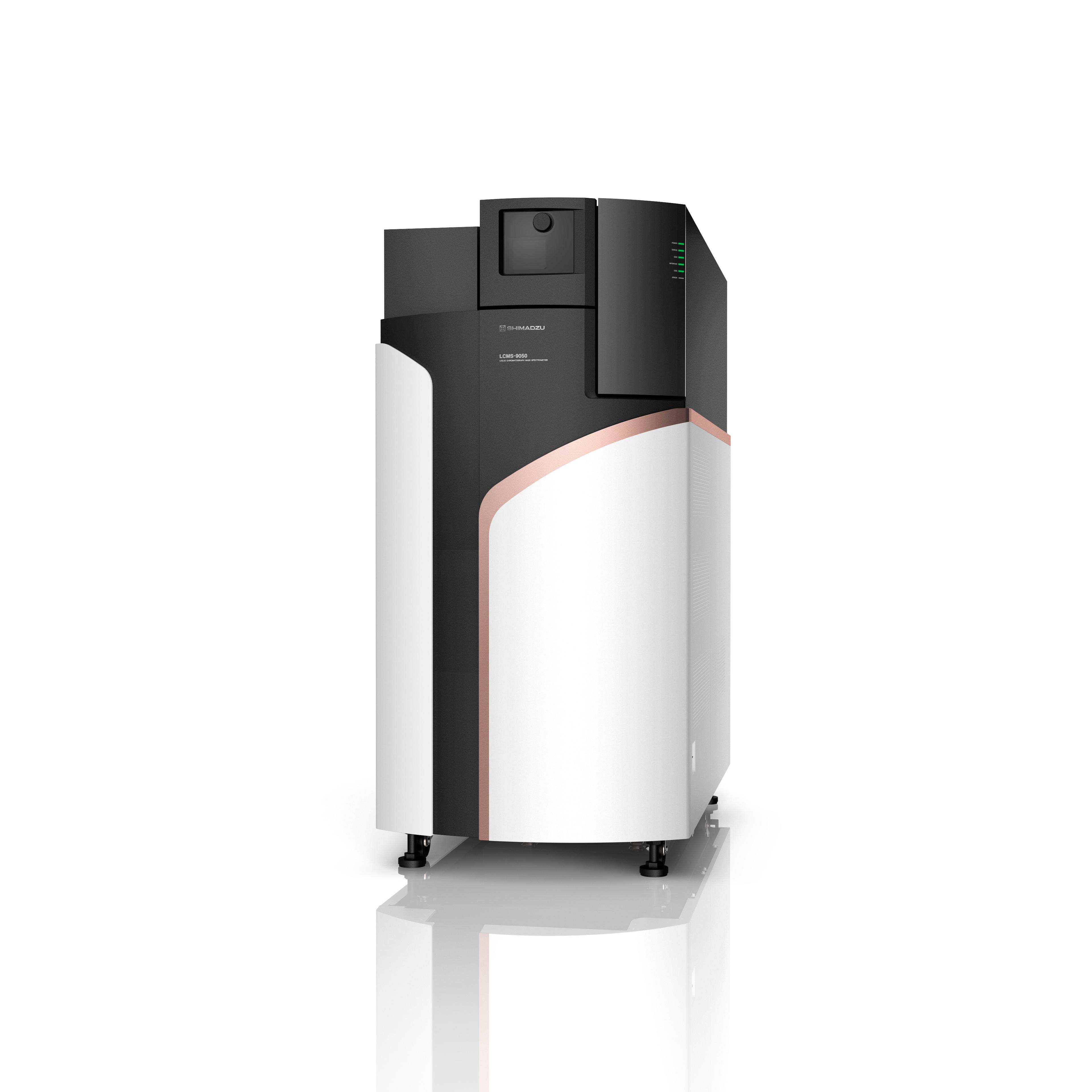
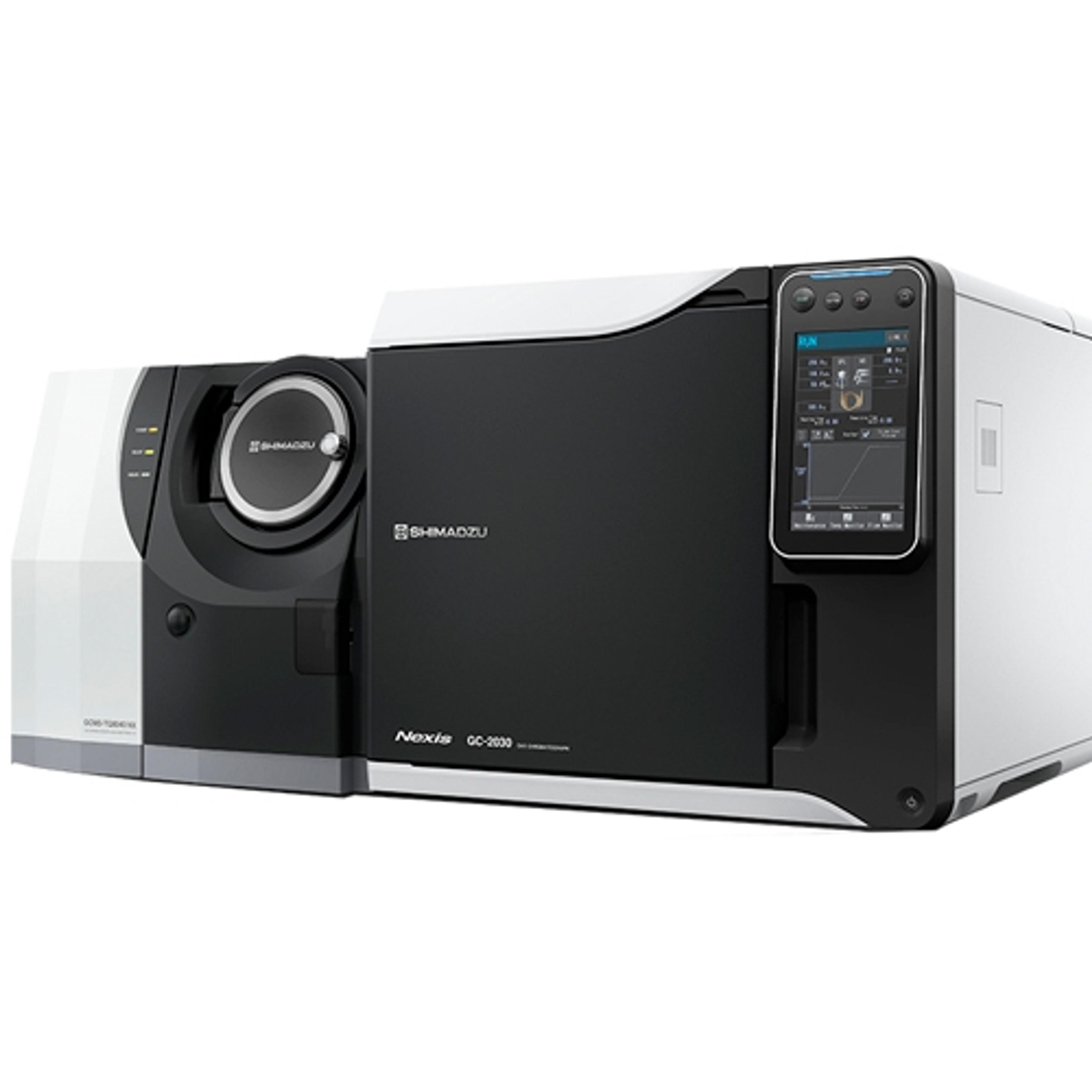
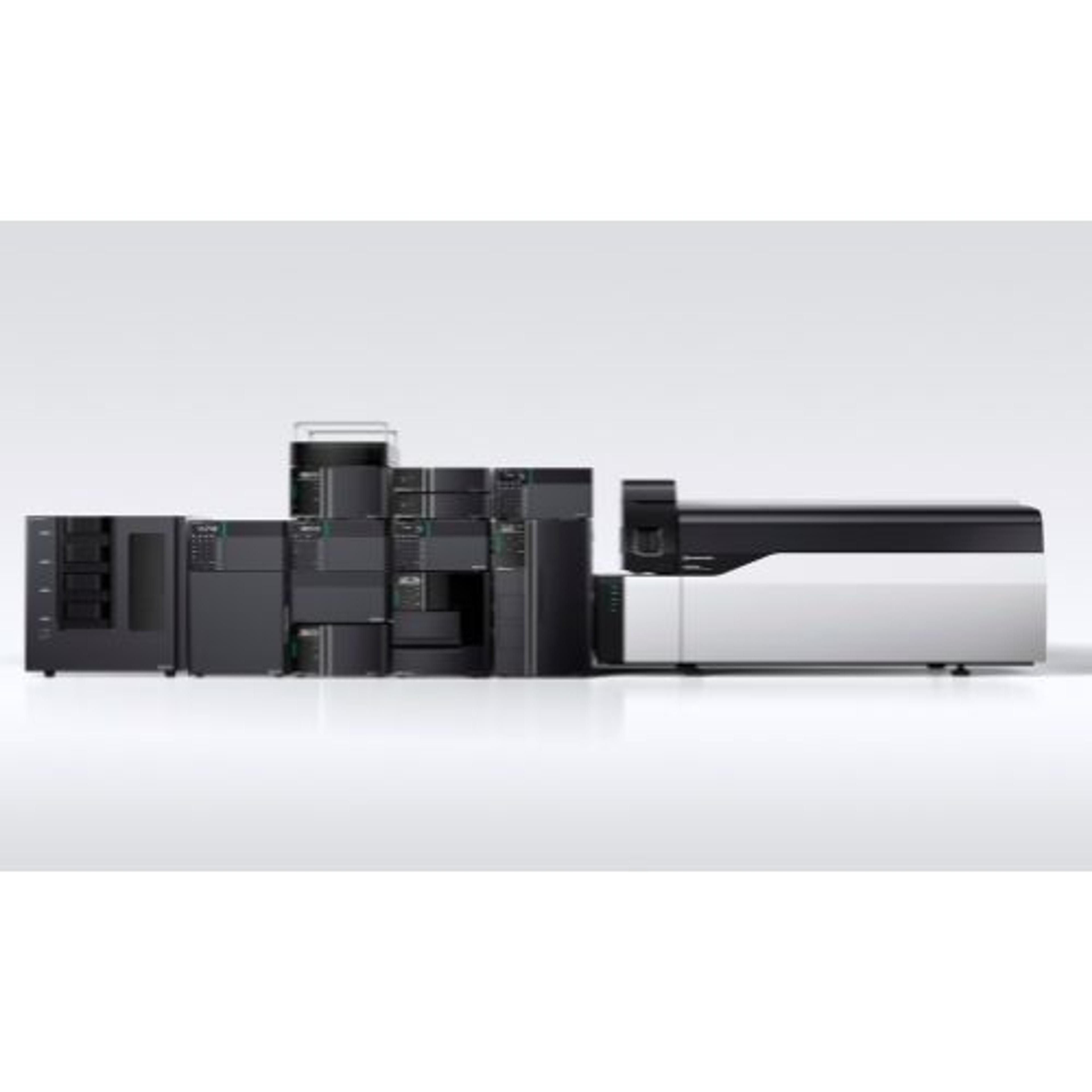
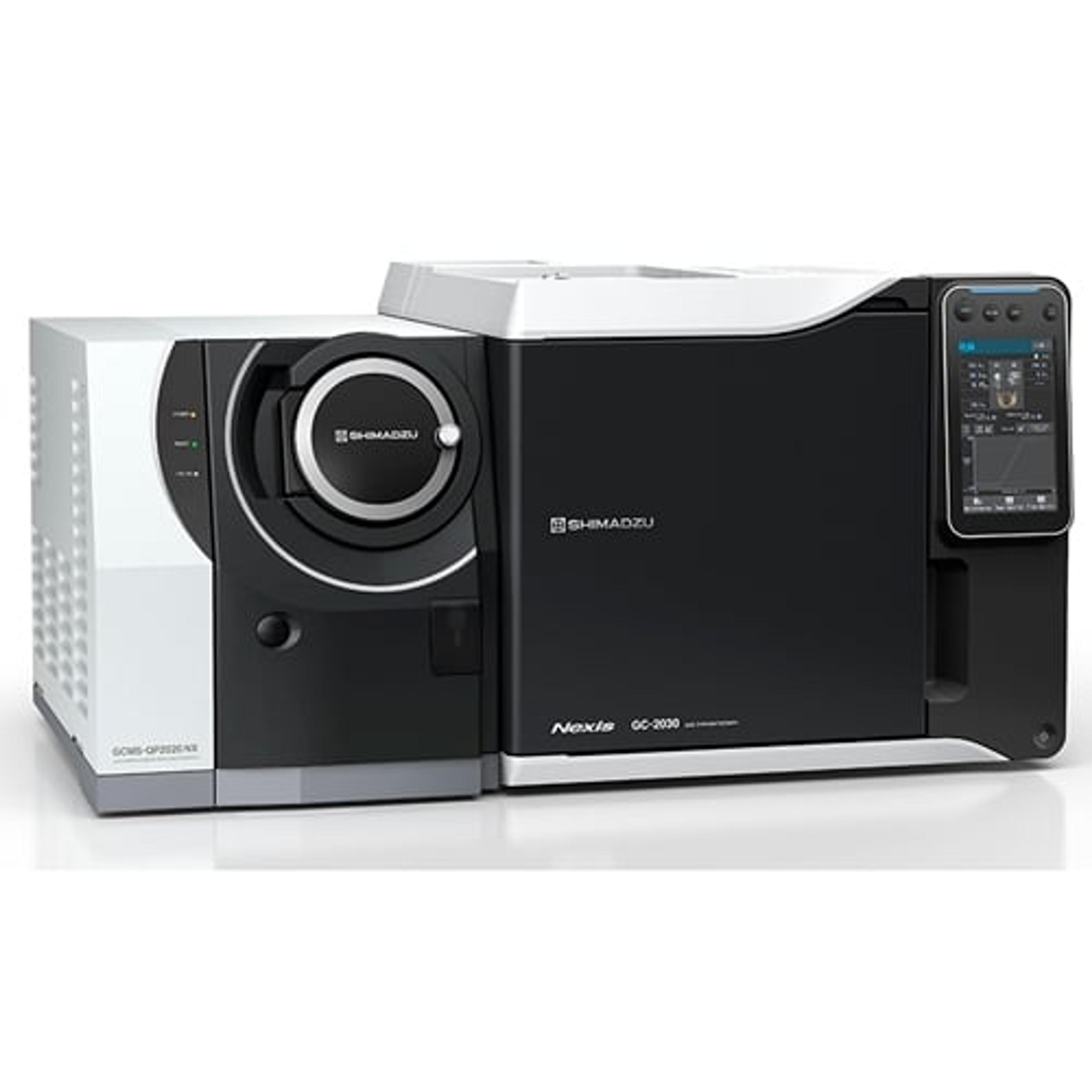
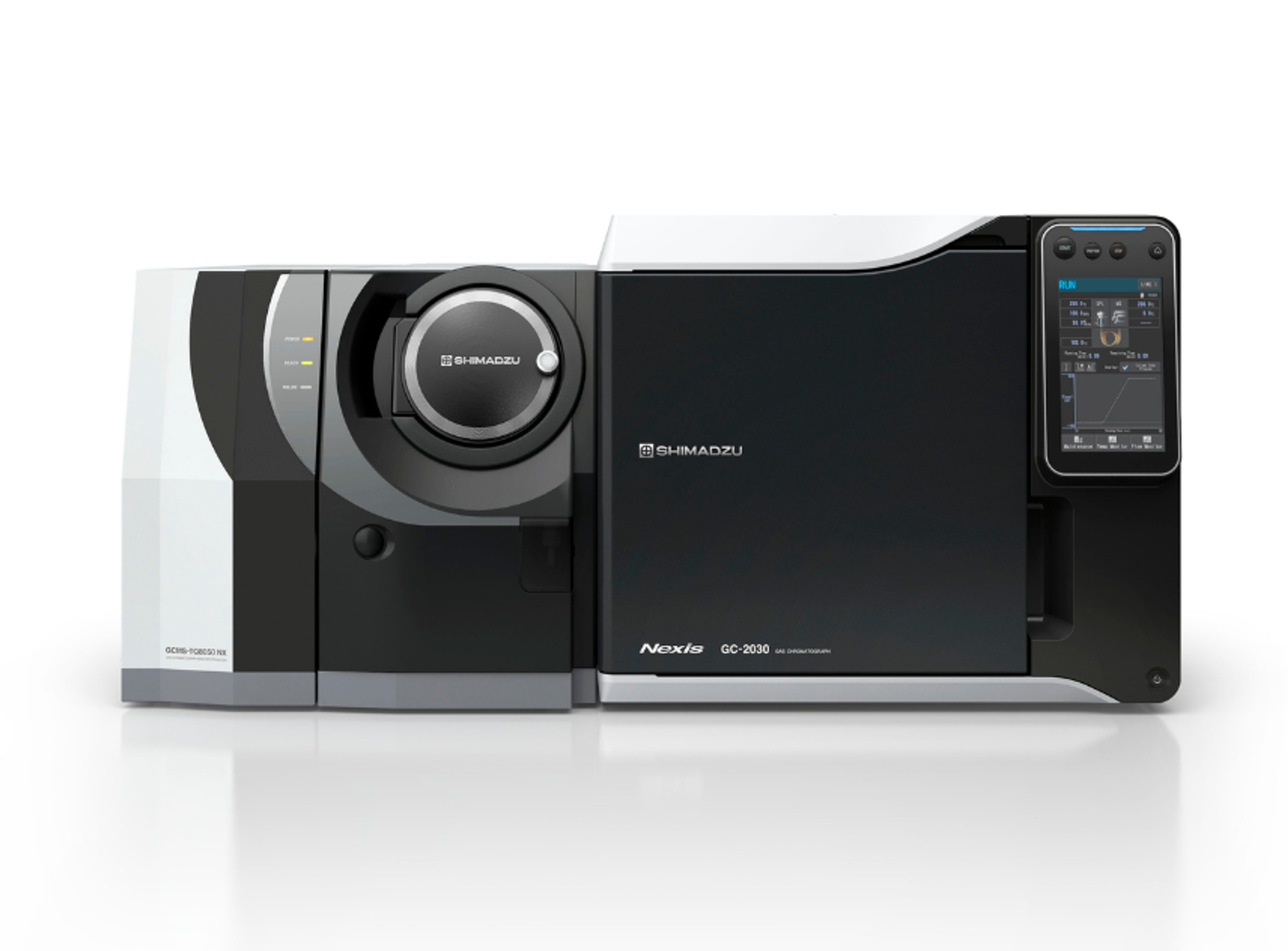
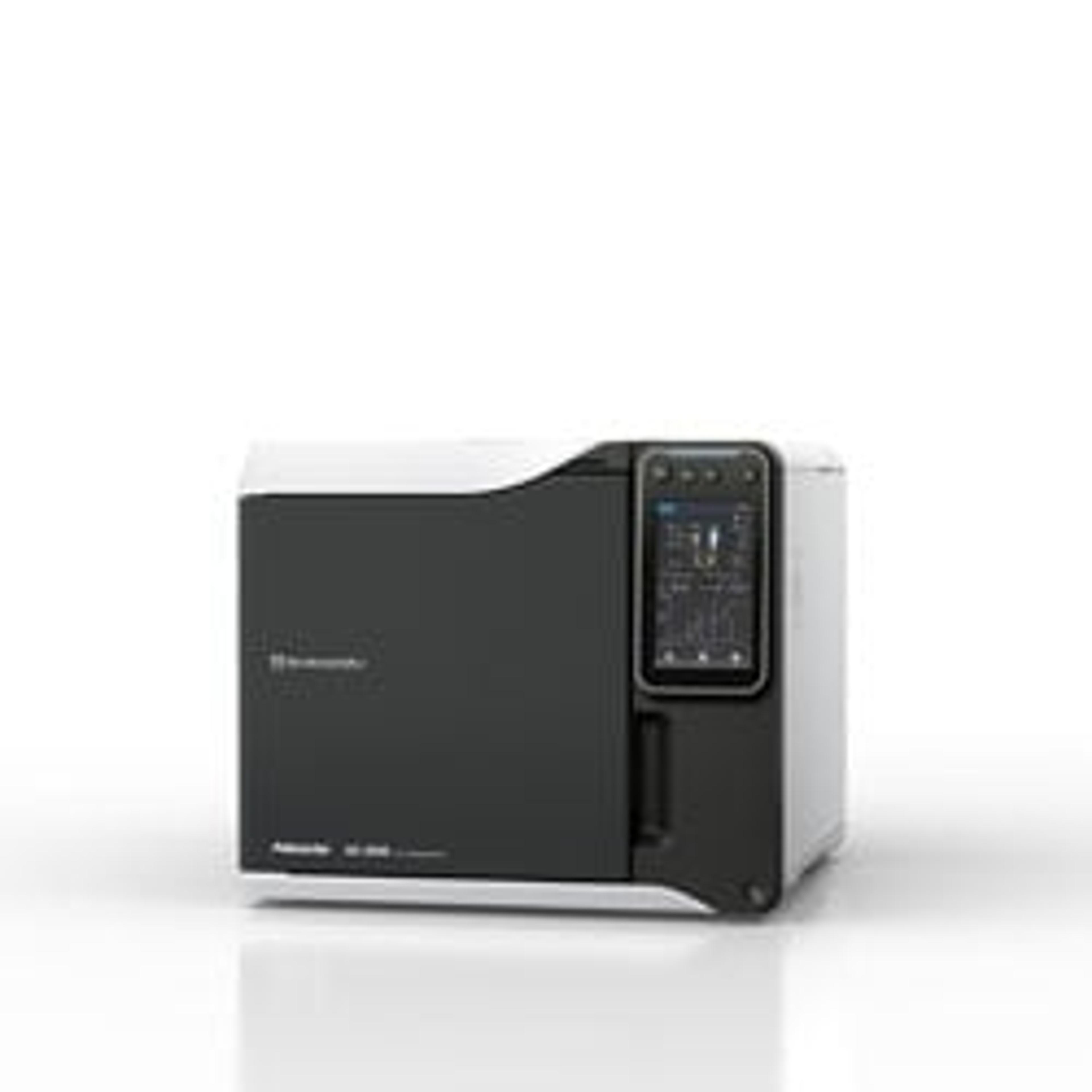
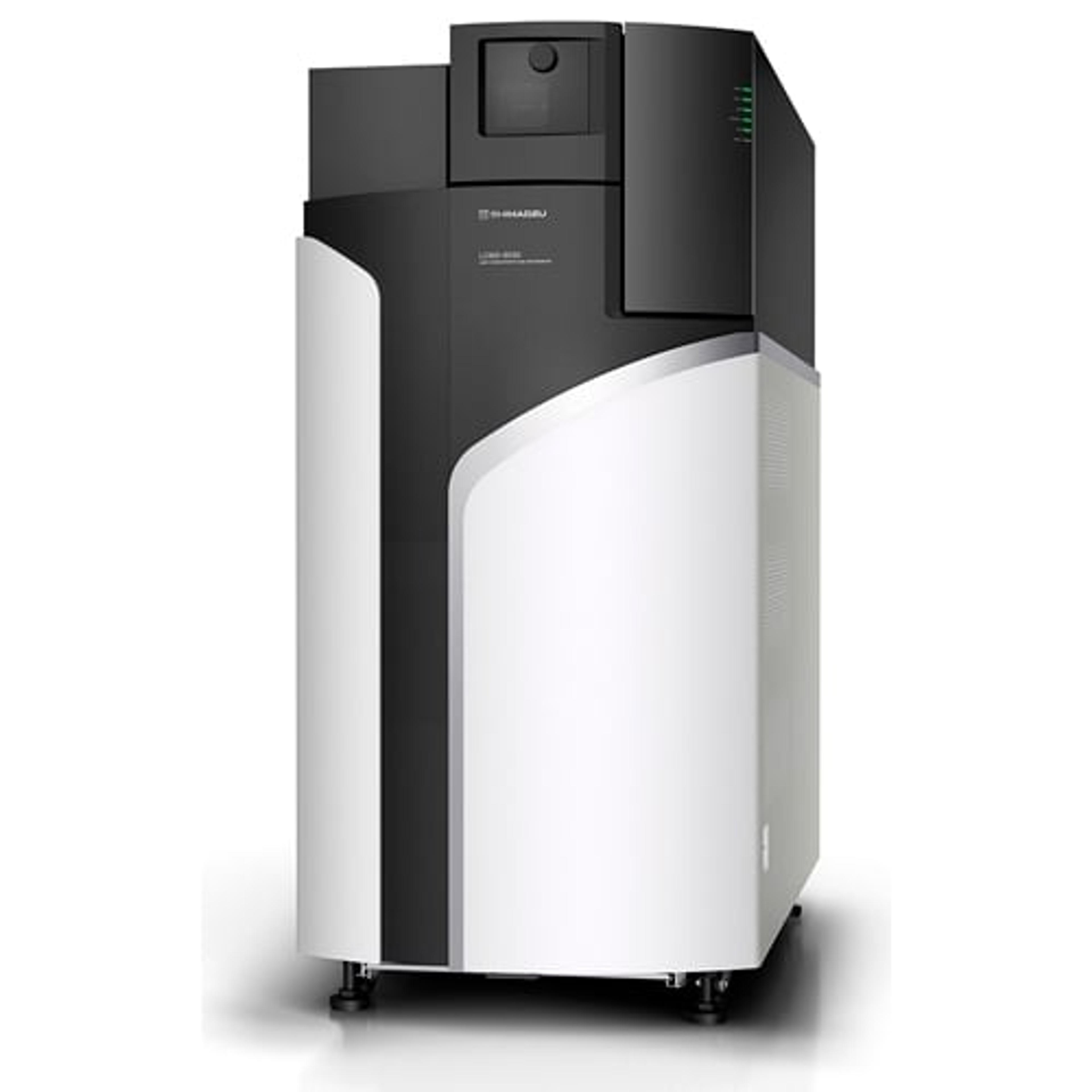
The LCMS-9050 is a Q-TOF mass spectrometer designed for the most reliable and easy acquisition of accurate masses in real laboratory settings. The proprietary innovation for fast polarity switching has the unique capability for high-confidence identification of challenging compounds and high-throughput screening of multiple unknowns.

Receive your quote directly from the manufacturer.
The LCMS-9050 is a Q-TOF mass spectrometer designed for the most reliable and easy acquisition of accurate masses in real laboratory settings. The proprietary innovation for fast polarity switching has the unique capability for high-confidence identification of challenging compounds and high-throughput screening of multiple unknowns. All sorts of applications are possible by the abundance of optional accessories and front-end configurations that leverage the instrument's power. With the LCMS-9050, Shimadzu introduces a new era in time-of-flight mass spectrometry and continues Shimadzu’s tradition of taking on new challenges in LCMS.
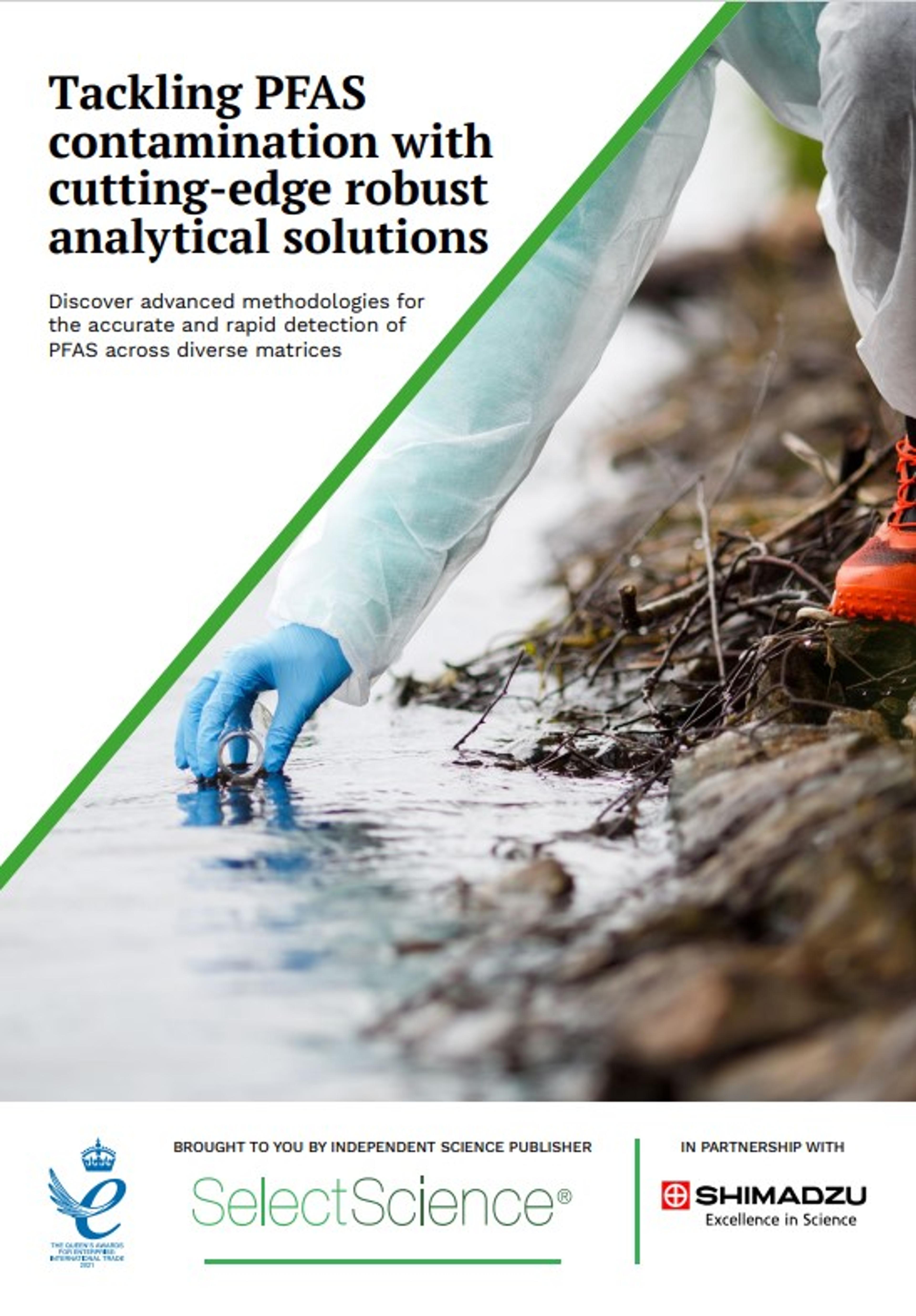
Tackling PFAS contamination with cutting-edge robust analytical solutions
Per- and polyfluoroalkyl substances (PFAS) are a diverse group of over 4000 organic fluorinated compounds, which have been widely used in industry since the 1950s. Their properties make these substances heat-resistant, oil- and water-repellent, and chemically and thermally stable.
For these reasons, PFAS have multiple uses and commonly function as surface treatment agents, water repellents, coatings and even fire extinguishers. Those very properties make them resistant to degradation and this has led to their persistence in the environment and bioaccumulation through food chains and other routes of exposure.
In this expert guide, we explore Shimadzu Corporation’s range of chromatography and mass spectrometry (MS) solutions for detecting very low levels of PFAS in a range of matrices. Plus, learn through a series of case studies how Shimadzu’s Triple Quadrupole LCMS instruments and other analytical methods meet and often exceed performance criteria included in EPA methods for PFAS analysis – generating accurate results with fast turnaround times designed to enhance lab productivity.

Shimadzu Journal: Materials Science
Published biannually, the Shimadzu Journal focuses on specific topics in each issue, introducing collaborative research, and containing technical reports and application notes from Shimadzu.
Volume 10, Issue 1 (November 2022) focuses on Materials Science, particularly on lithium-ion batteries (LiBs). It has two customer interviews where users discuss their relationship with Shimadzu. The first interview is with Dr. Sascha Nowak, head of the Analytics & Environment division of the MEET battery research center in Münster, Germany. The second is a discussion with Mr. Keiji Sumiya from the Japanese chemical manufacturer Showa Denko Materials Co., Ltd.. Plus, Shimadzu highlights four applications of analyzing LiBs from different angles using its latest technologies, and also presents information on current news and topics.