IRSpirit-X Series

Receive your quote directly from the manufacturer.
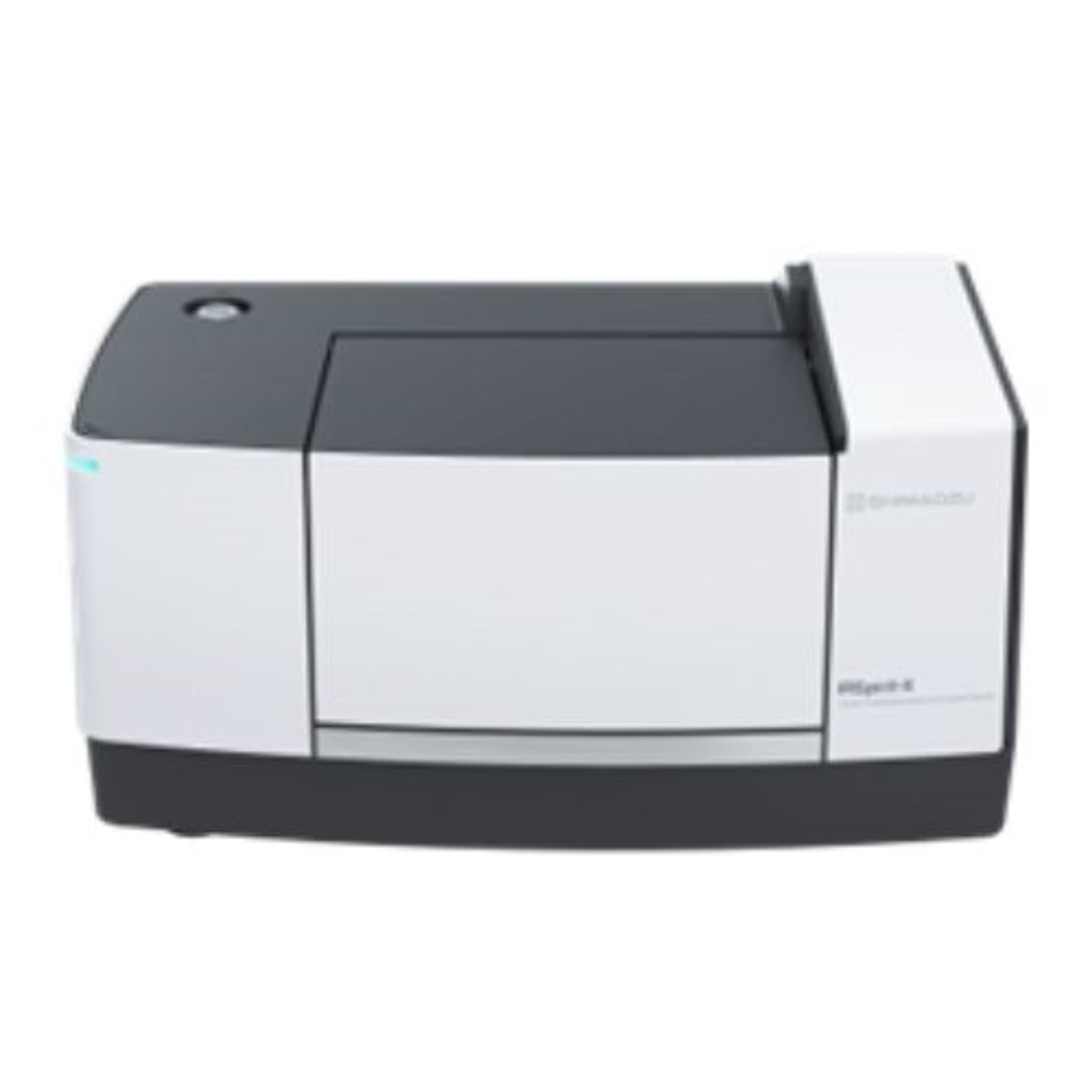
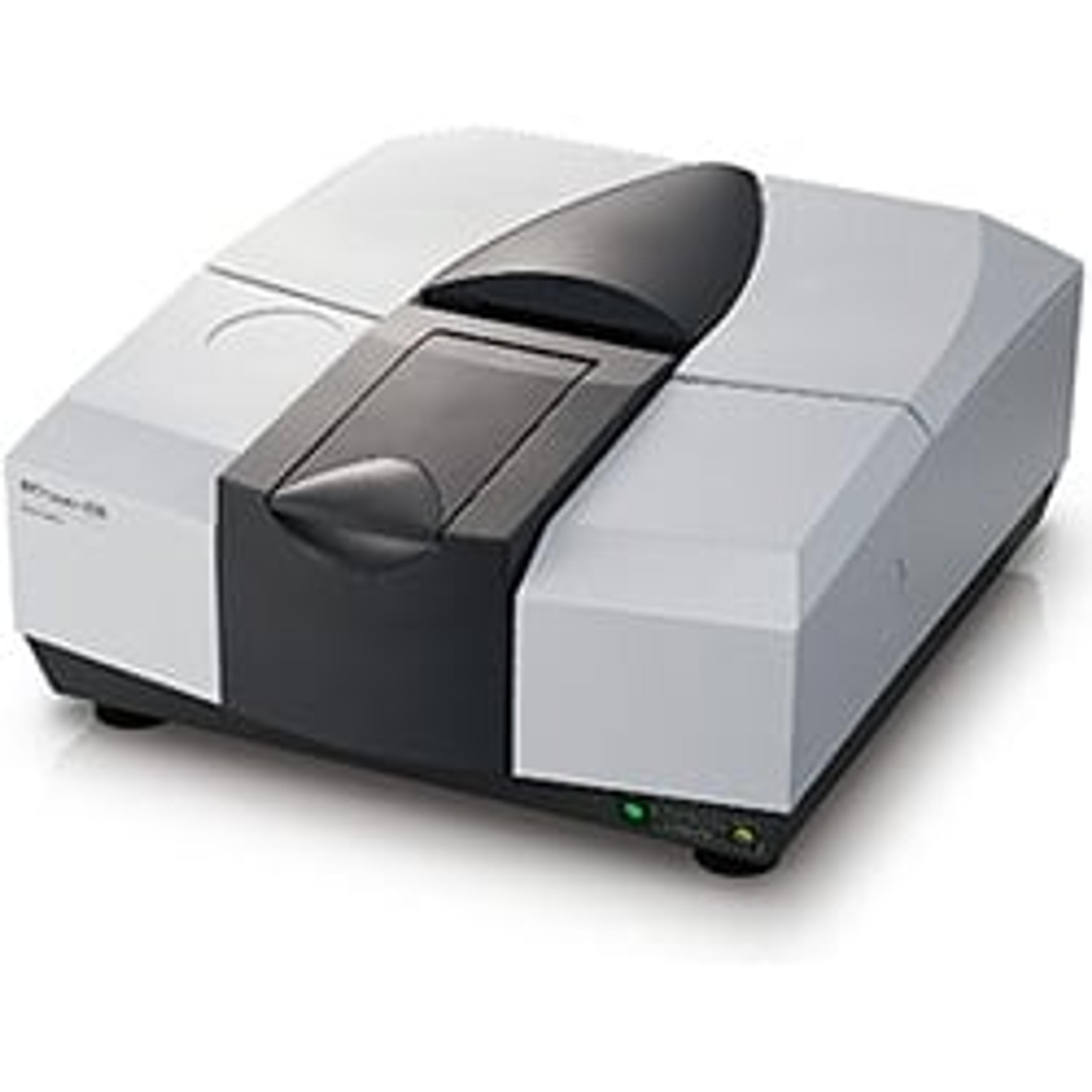
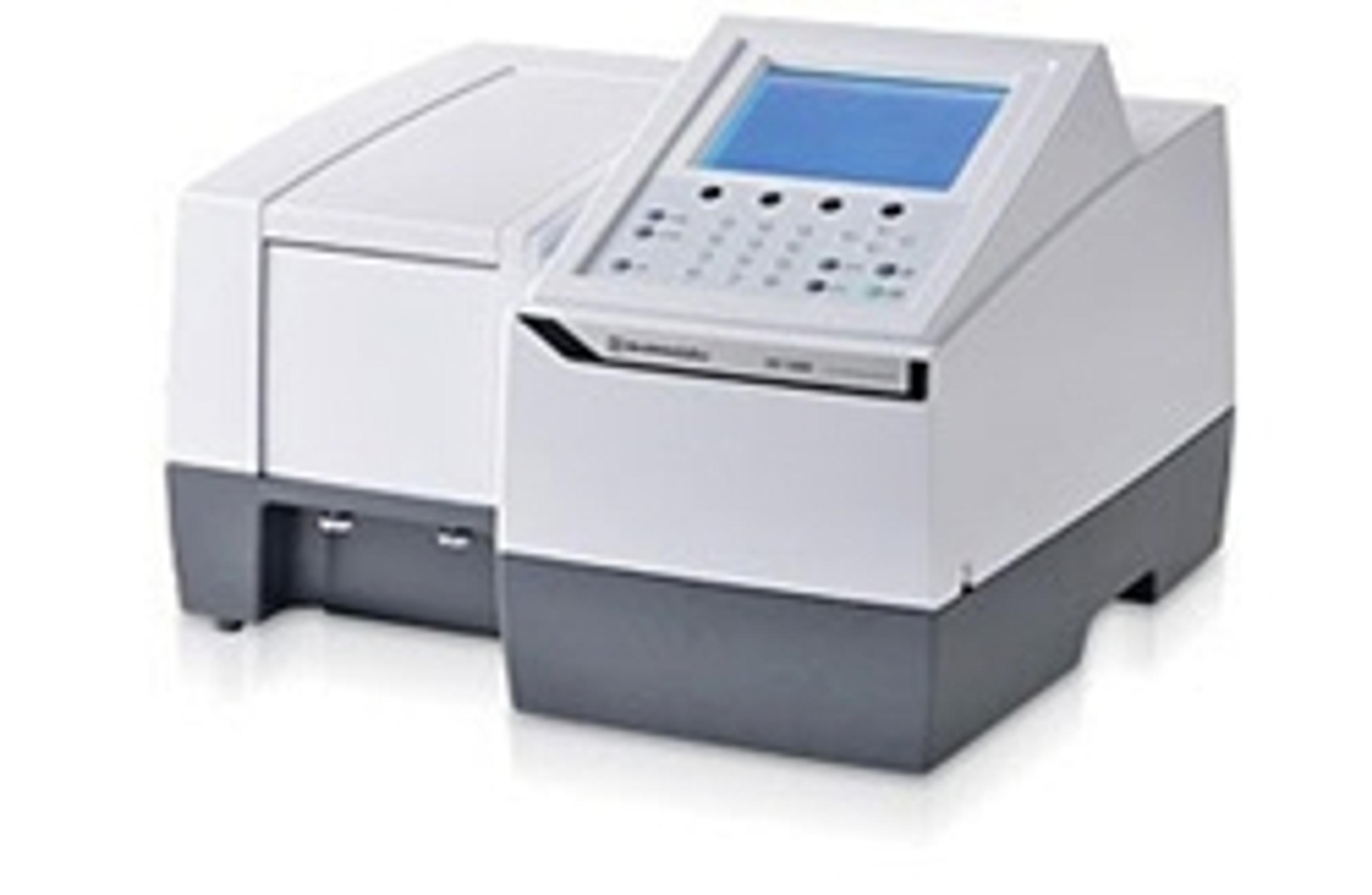
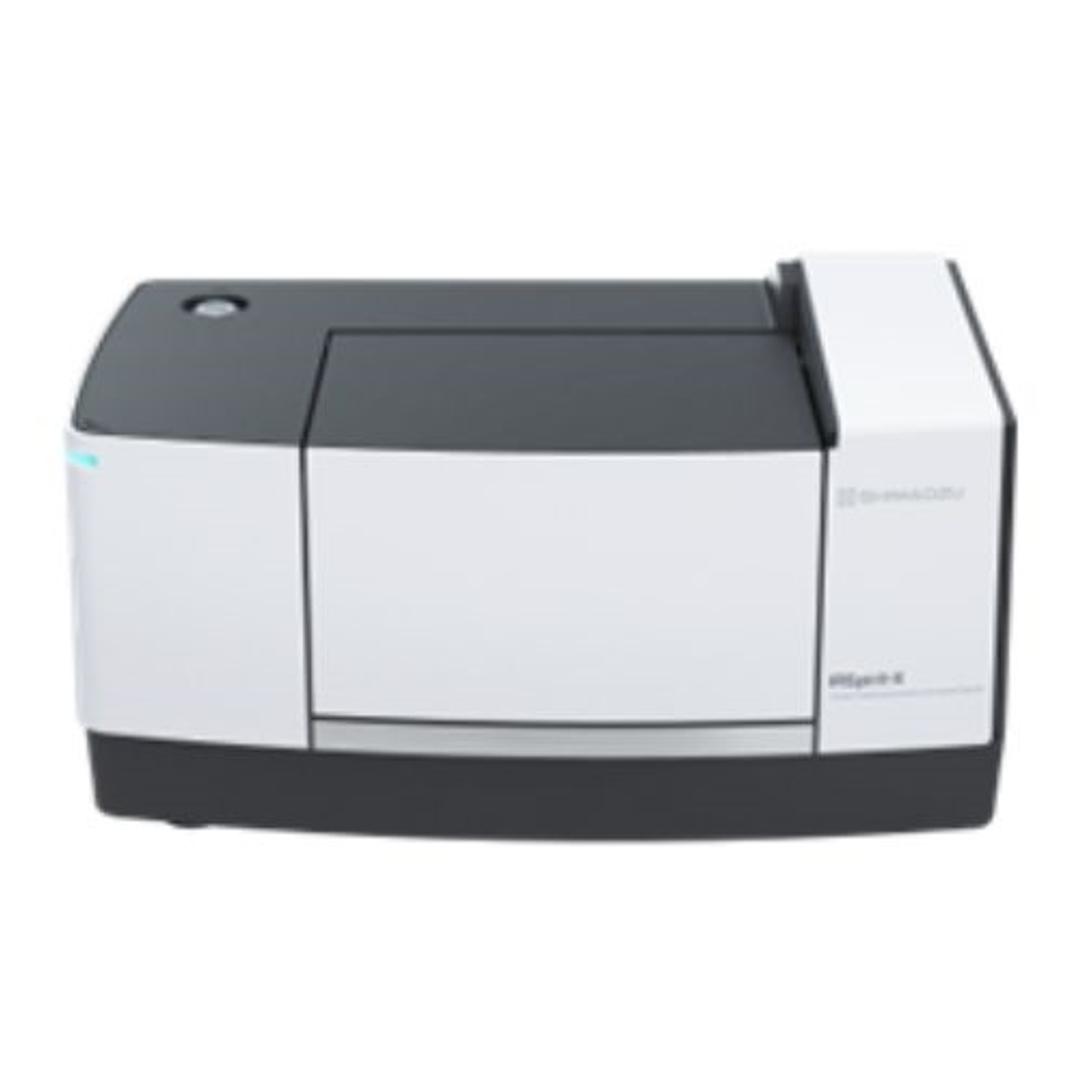
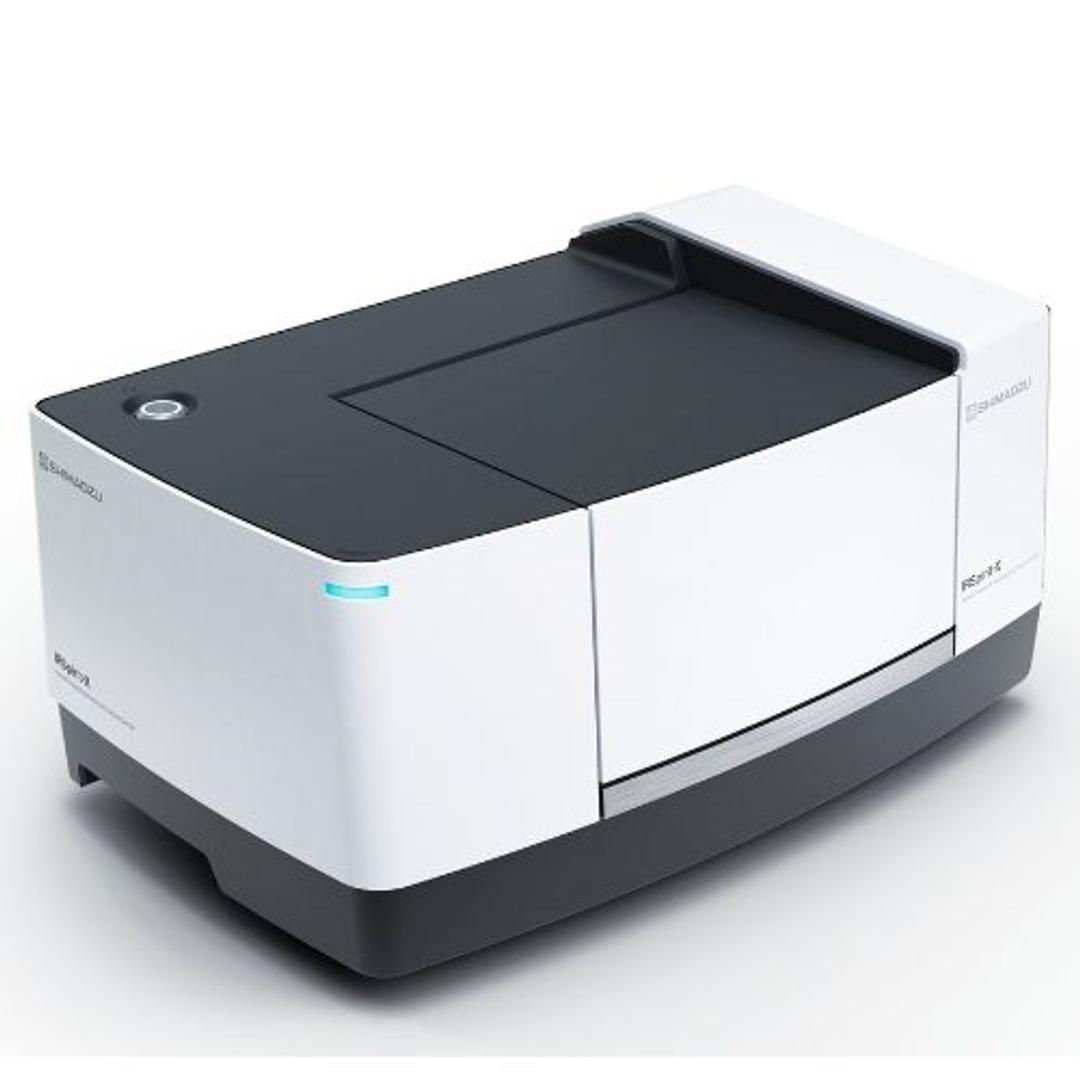
IRSpirit-X series Fourier Transform Infrared (FTIR) spectrophotometers provide both a small, lightweight design and the highest levels of sensitivity in their class. They are equipped with an analysis navigation program enabling novice FTIR users to obtain data easily, and a function that judges the quality of the measurement results and proposes how to obtain favorable data.
This series features three models, which can be selected to suit the objective and environment of use: the entry-level IRSpirit-LX, the IRSpirit-TX, which has the highest sensitivity for a small FTIR, and the IRSpirit-ZX, which is capable of stable measurements in high-temperature and high-humidity regions due to more moisture-resistant components. With the IRSpirit-X series of Fourier transform infrared spectrophotometers, Shimadzu realizes an environment in which highly reliable data is more easily obtained.
Innovations transforming microplastic detection
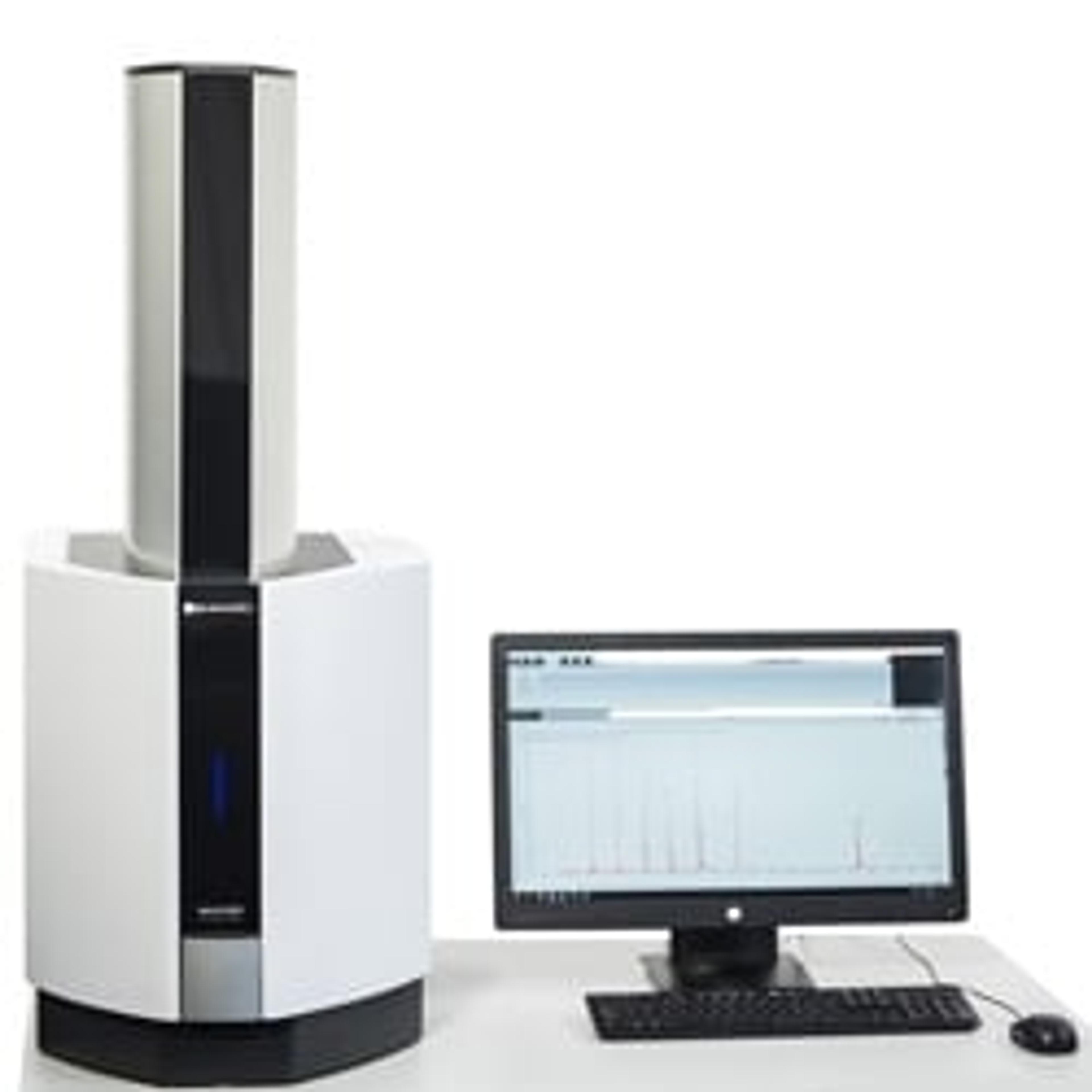
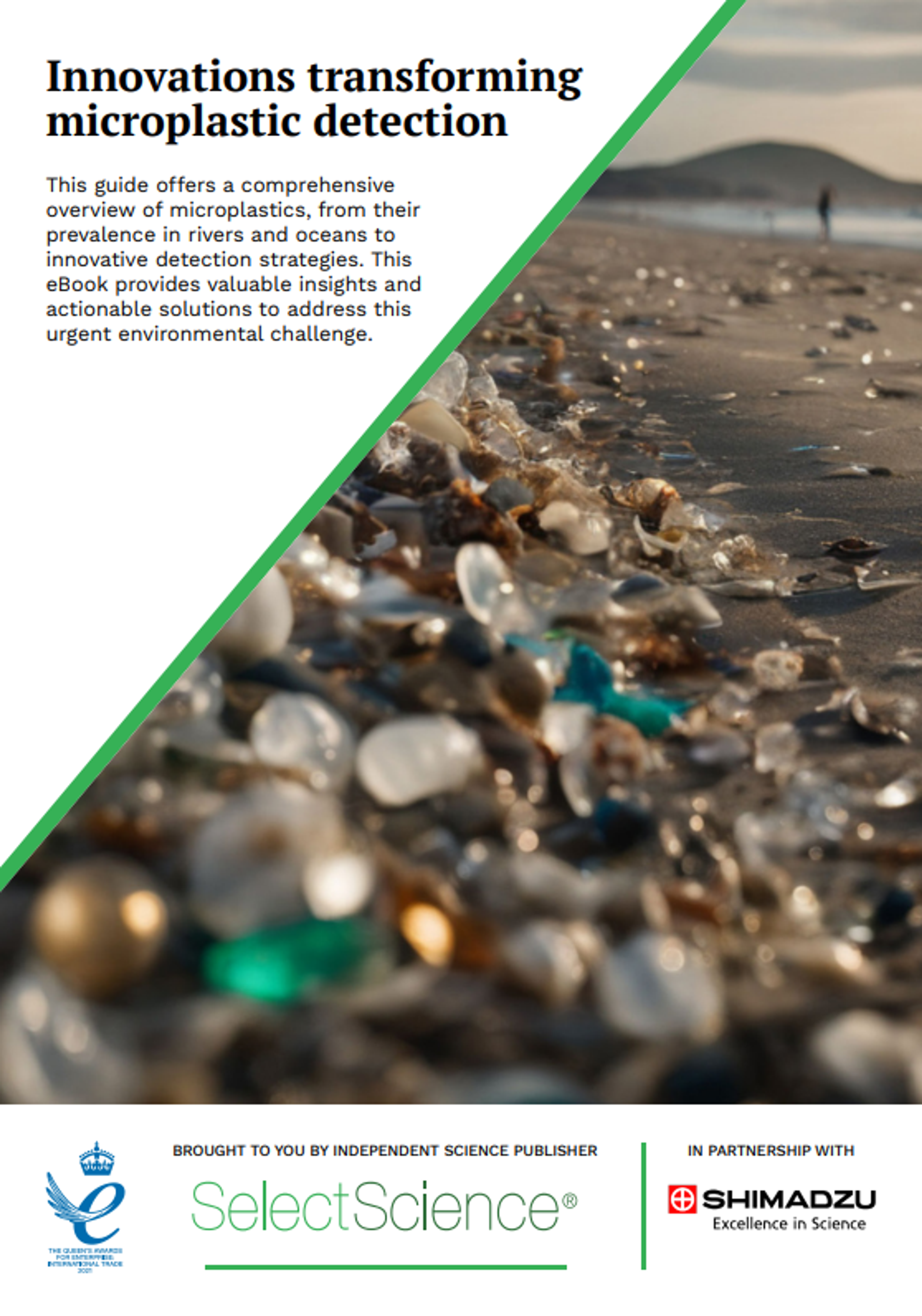
Microplastics, defined as plastic particles smaller than 5 mm, are categorized into primary and secondary types. Primary microplastics are intentionally manufactured for industrial and consumer products, while secondary microplastics arise from the degradation of larger plastics in the environment. The widespread presence of both types in ecosystems, particularly aquatic ones, has raised concerns due to their potential ecological impacts and risks to human health through bioaccumulation.
As research on these risks intensifies, this expert eBook provides a detailed exploration of microplastics, their distribution in water bodies, and advanced detection methods, offering crucial insights and solutions to this environmental challenge.
This eBook also includes various case studies showcasing Shimadzu Corporation’s cutting-edge analytical technologies in characterizing microplastics. As a member of the ISO Commission, find out how Shimadzu plays a key role in microplastics analysis and in standardizing analytical methods.
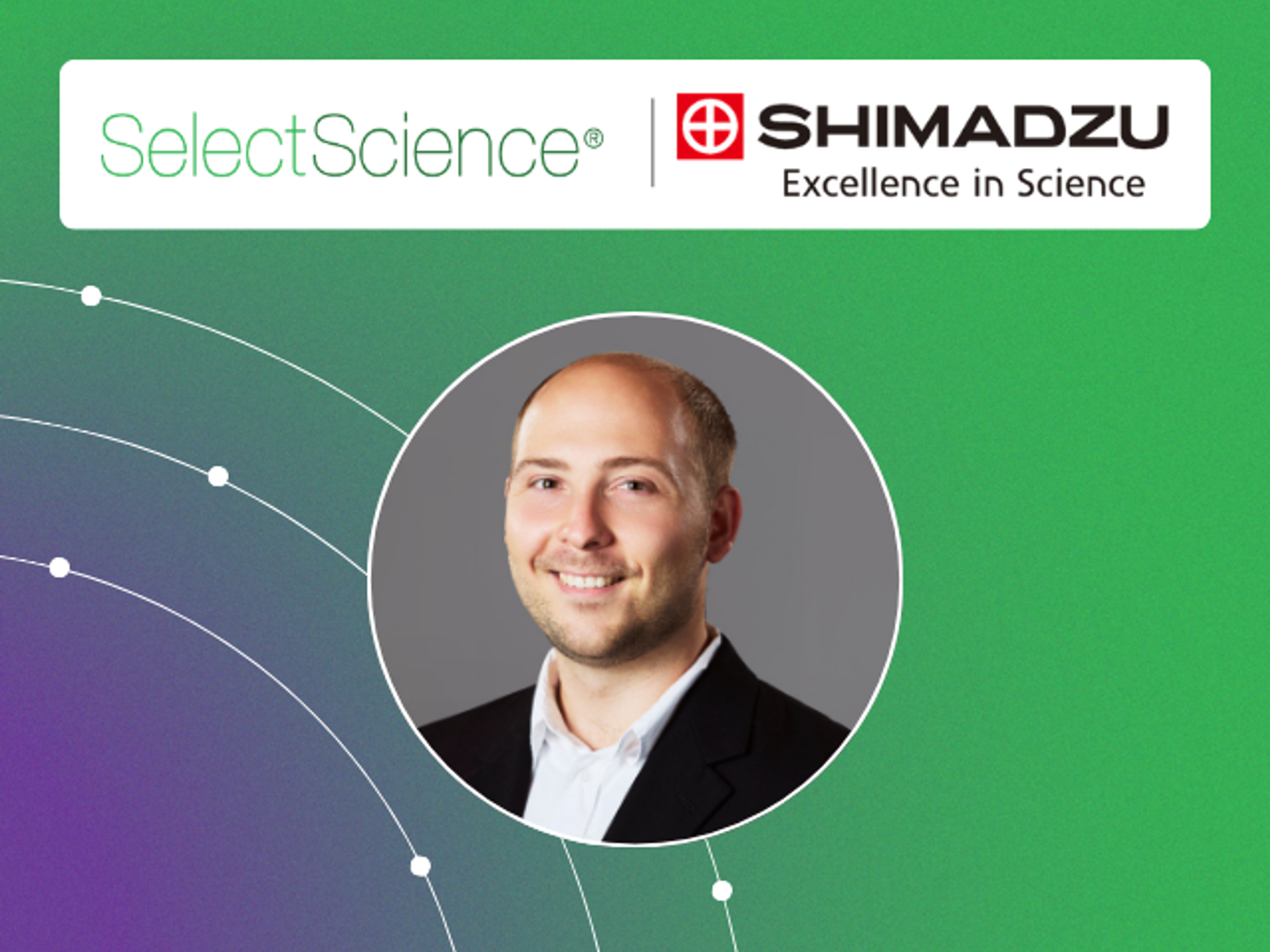
What’s in your hydrogen? Analytical toolkits for fuel purity analysis
Join us for this dual‑session SelectScience® webinar exploring hydrogen impurity testing and analytical strategies for achieving ISO 14687‑aligned fuel quality. To better suit your schedule and time zone, the webinar will be offered in two separate sessions:
Session 1: 09:00 BST | 10:00 CEST
Session 2: 10:00 PDT | 13:00 EDT | 18:00 BST
As hydrogen scales across energy, transport, and industrial applications, understanding fuel purity is fundamental for compliance, safety, and uptime. At present, only a limited number of instruments are capable of addressing the full hydrogen impurity matrix, meaning that most testing strategies continue to rely on a combination of analytical technologies aligned to the specific production pathway.
In this webinar, Tyler Roberts, Market Manager of Applied Markets at Shimadzu, presents a practical, process‑aware framework for hydrogen impurity testing. He will outline how different analytical technologies contribute to a complete workflow, including:
- System GC for permanent gases, hydrocarbons, and sulfur compounds
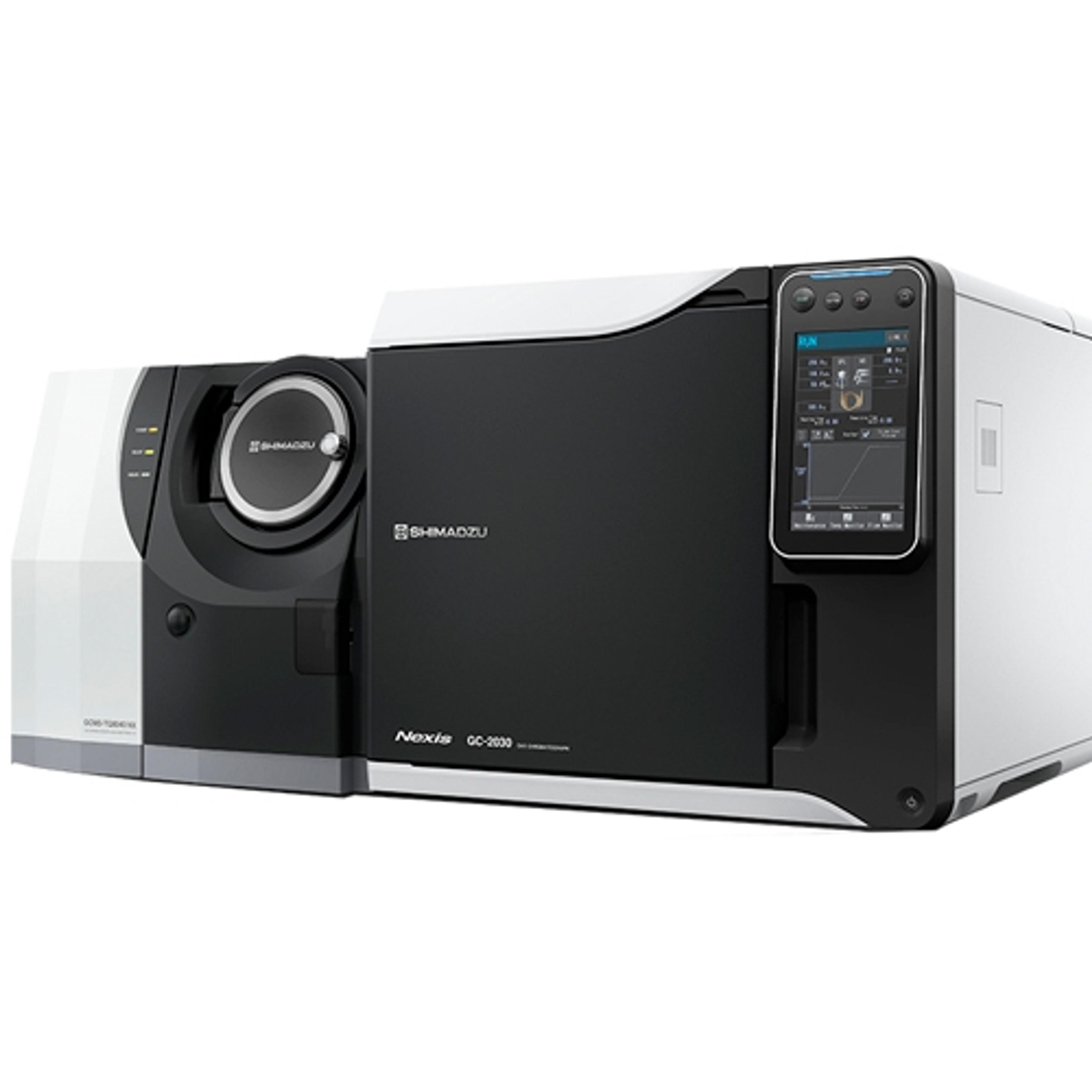
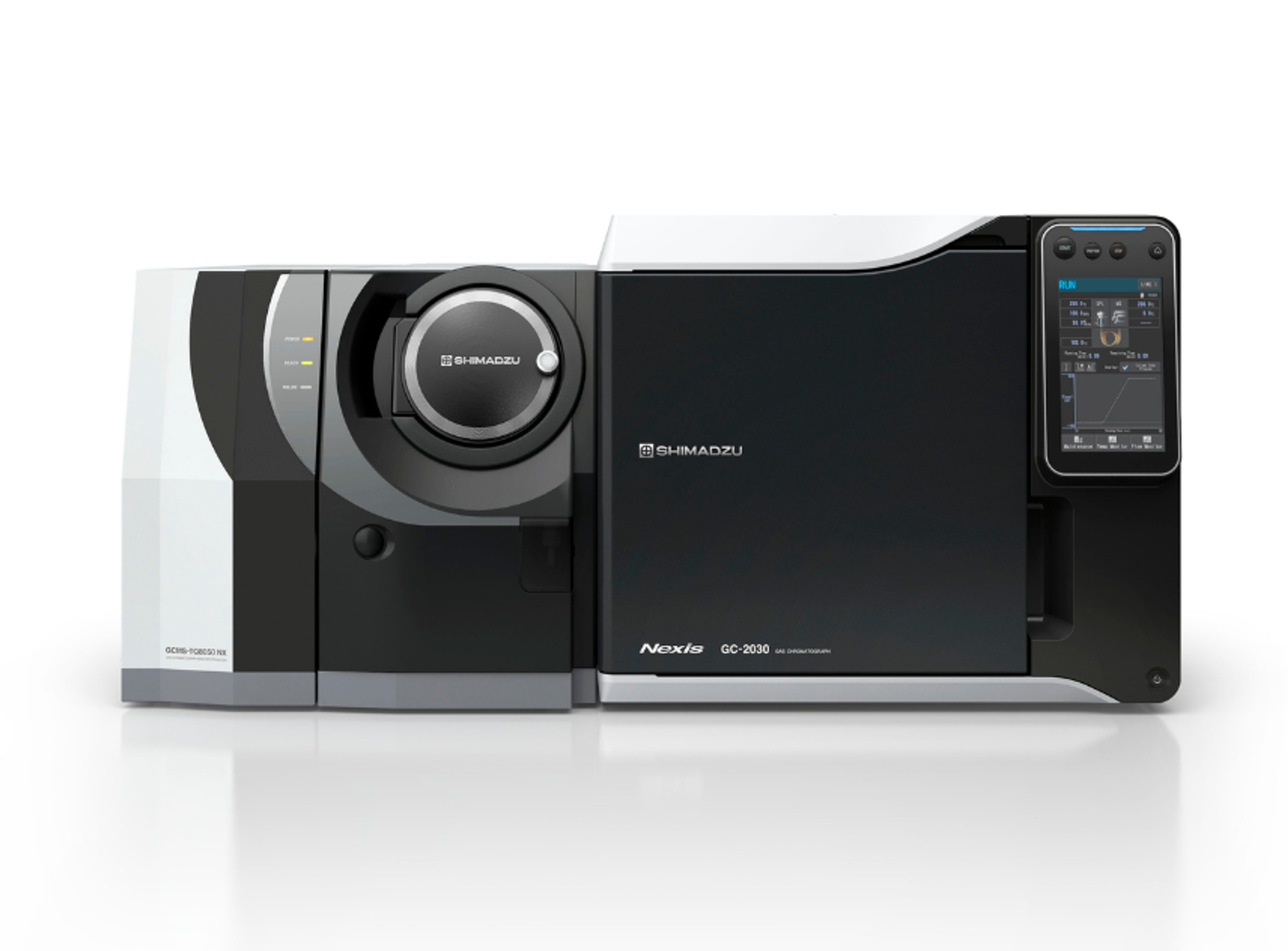
- GC‑MS for organic impurity identification and speciation
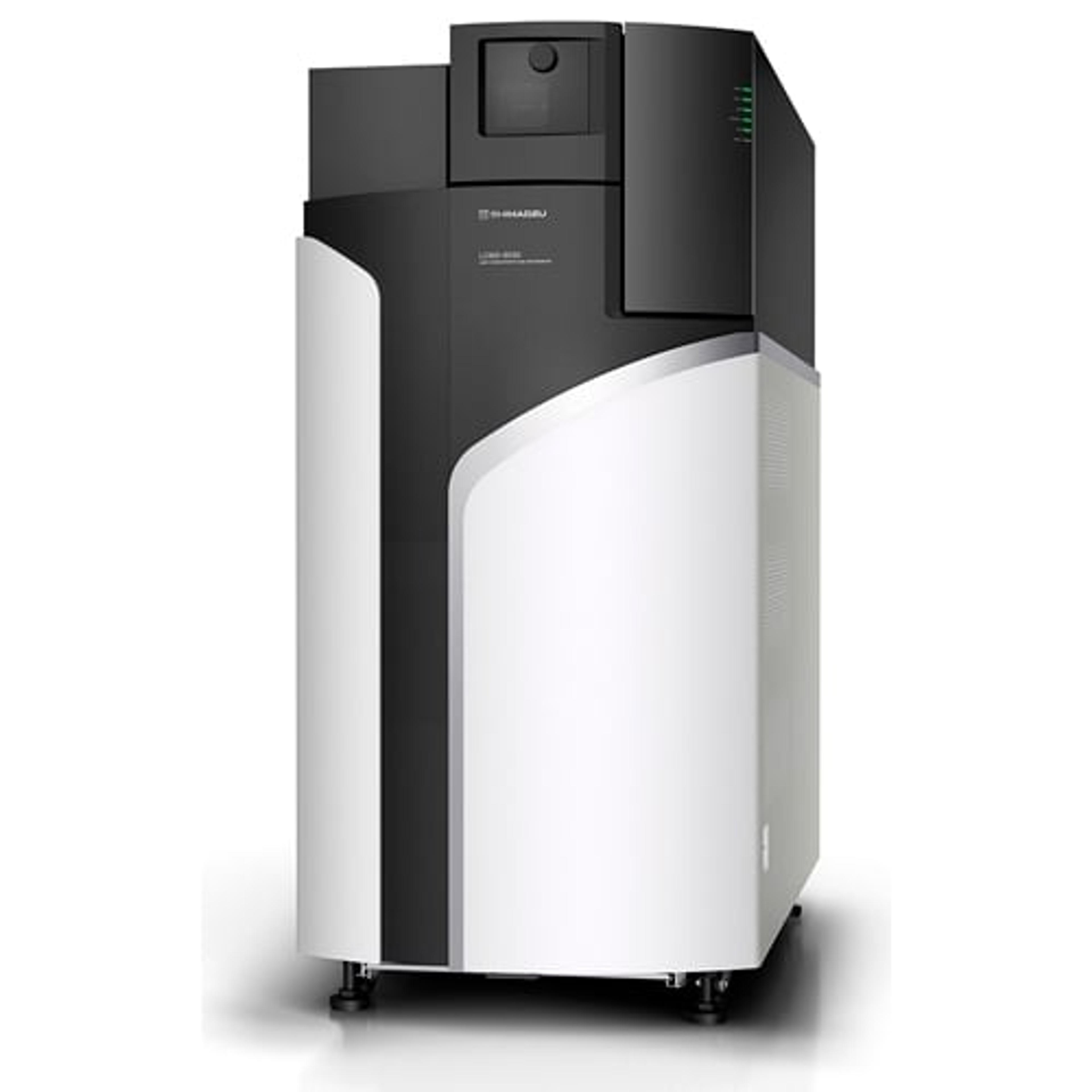
- Ion chromatography for ammonia and halogenated acids at the lowest required detection limits
- FTIR for rapid multi‑component screening from a single sample
Covering pathways from steam methane reforming (SMR) and electrolysis to ammonia cracking and liquid organic hydrogen carrier (LOHC) systems, this session will guide you in building the analytical foundation for confident hydrogen quality assurance benchmarked against ISO 14687.
Certificate of attendance
If you attend the live webinar, you will automatically receive a certificate of attendance, including a learning outcomes summary, for continuing education purposes.
If you view the on-demand webinar, you can request a certificate of attendance by emailing editor@selectscience.net.
Webinar details
- Cost: Free to attend
- Location: Online
- Duration: 60 minutes per session
Registration is required to secure your place. If you register but can’t attend live, you will receive a link to the on‑demand recording once it becomes available