IRDye 680LT Infrared Dyes
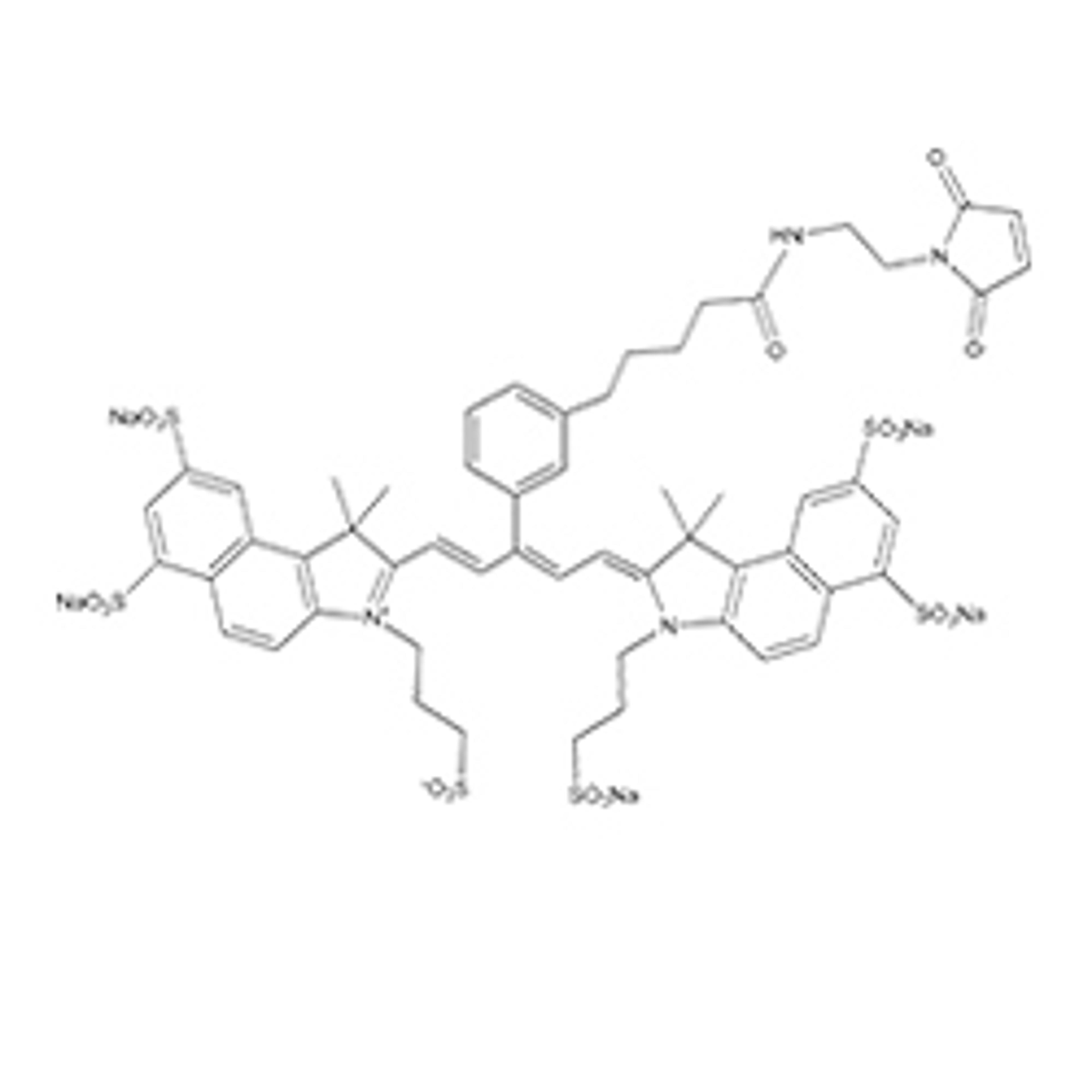
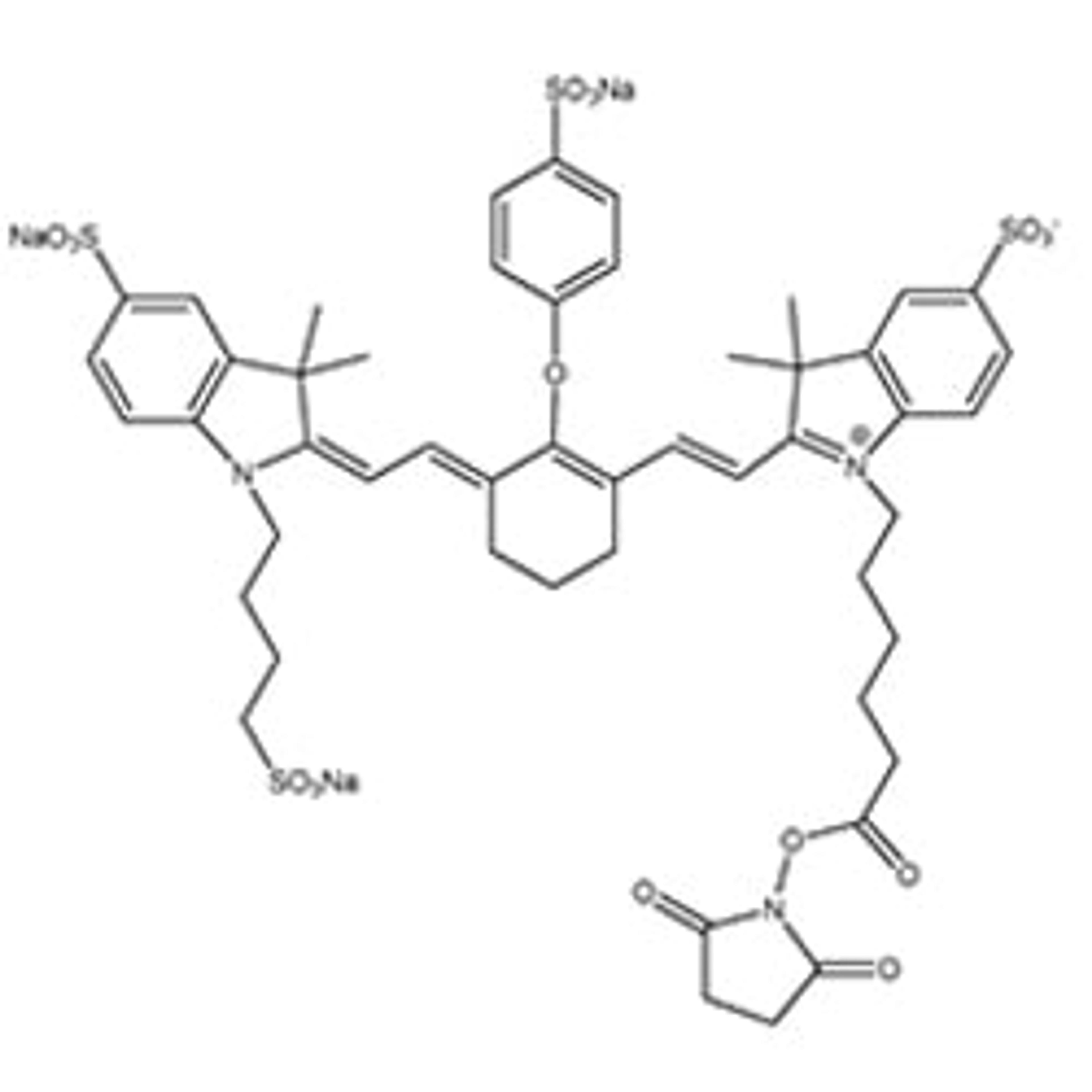
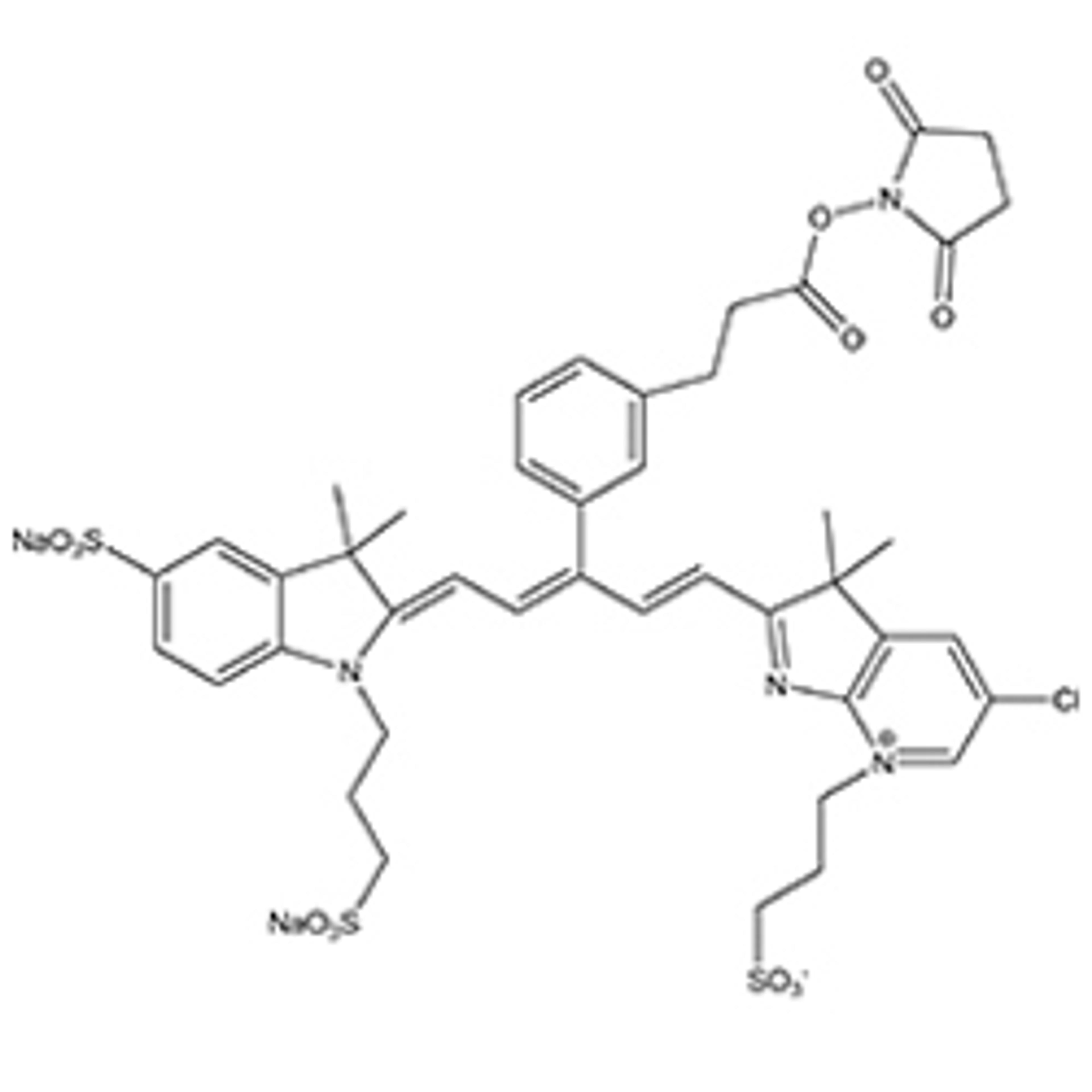
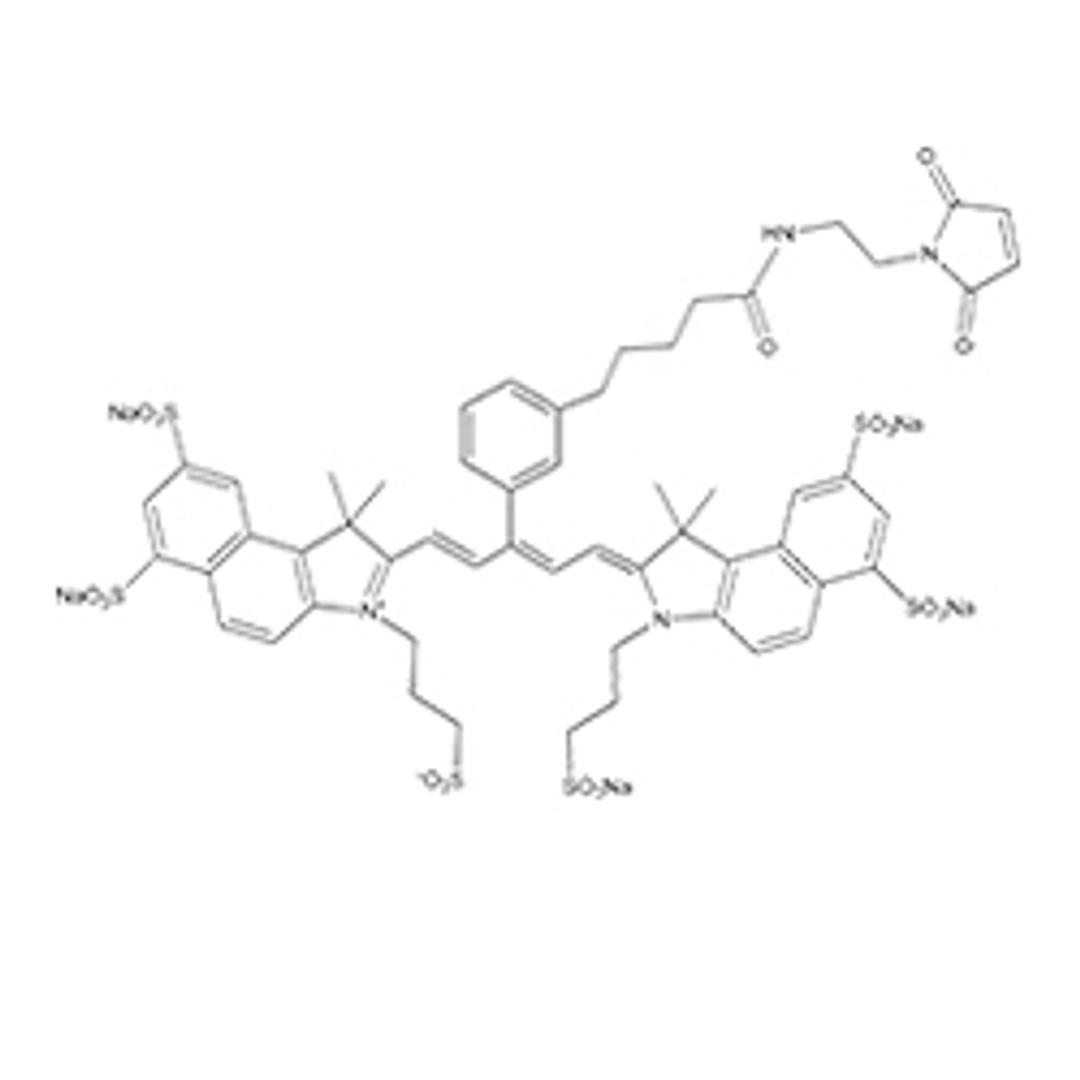
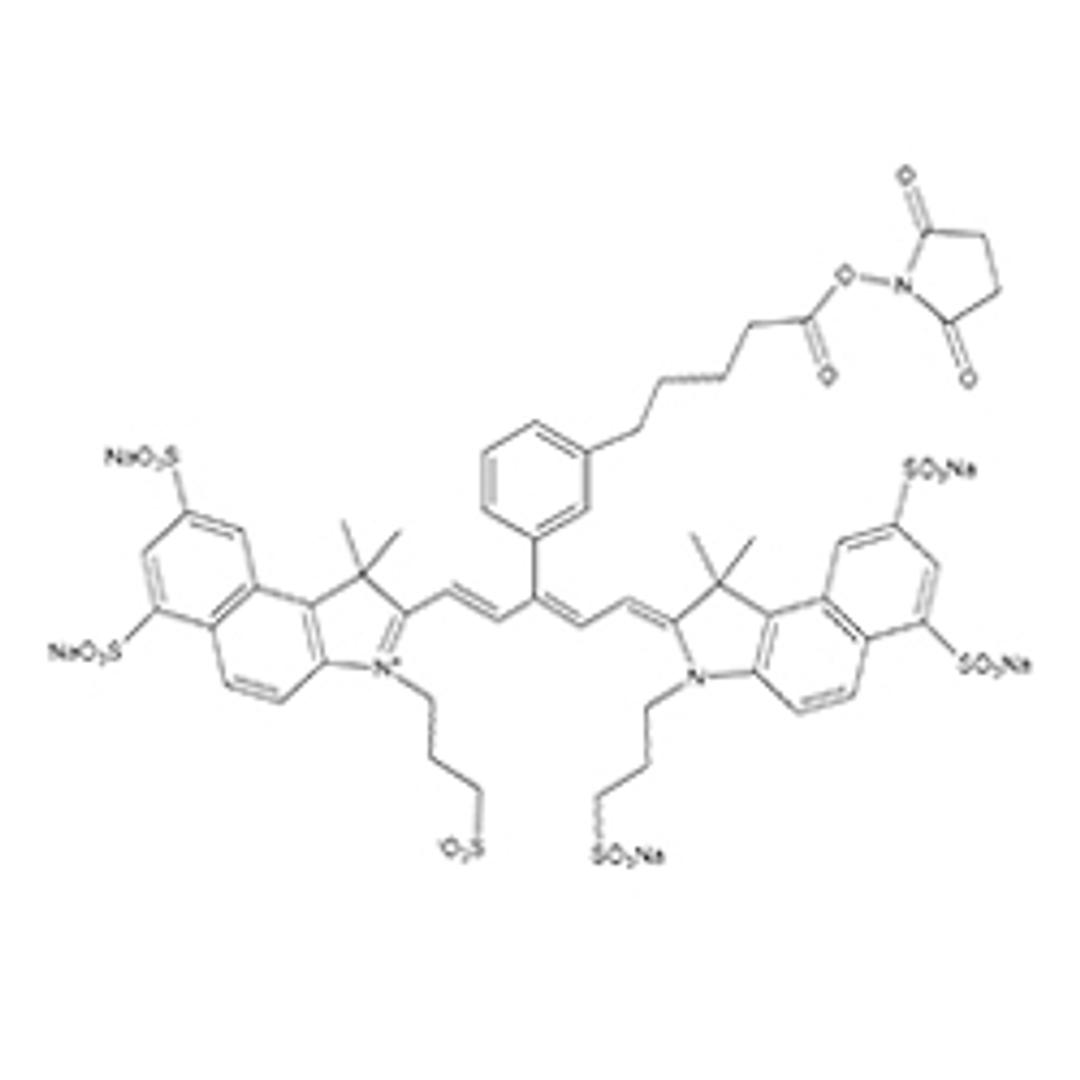
IRDye 680LT dye is highly soluble in water and is significantly brighter and more photostable than many other 700 nm near-infrared dyes.
Place your order directly with the manufacturer.
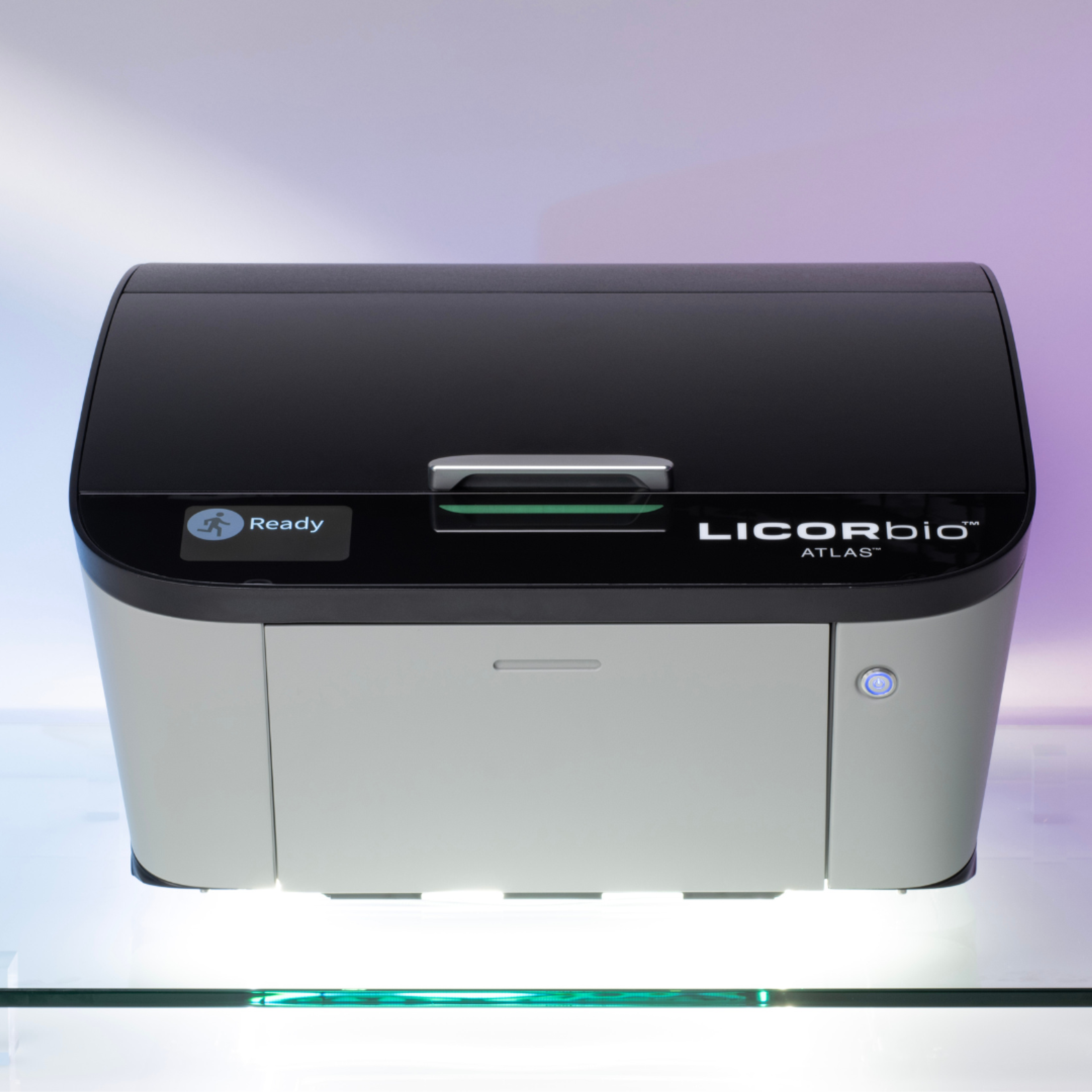
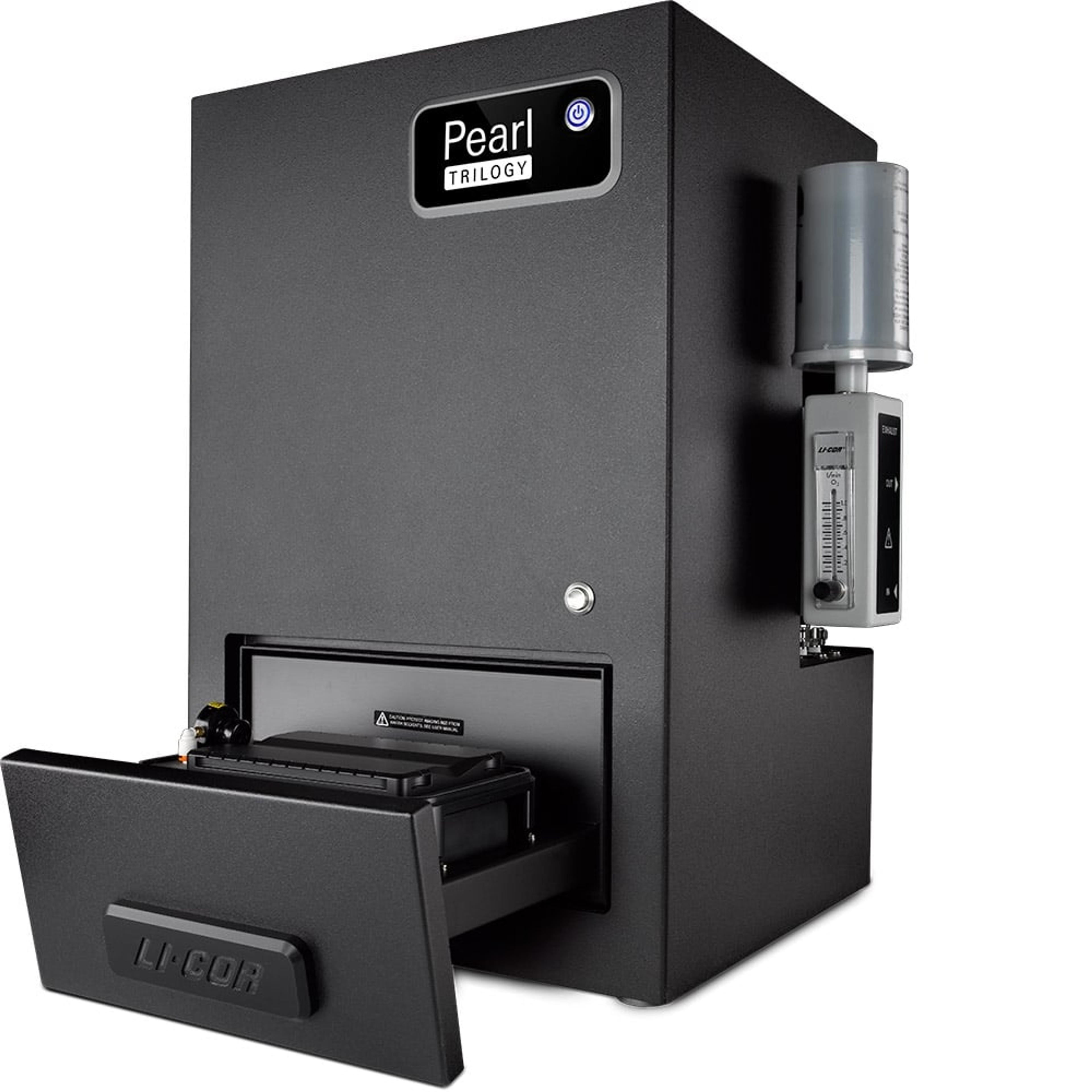
IRDye 680LT dye is highly soluble in water and is significantly brighter and more photostable than many other 700 nm near-infrared dyes. The spectral characteristics of IRDye 680LT are well suited for use on LICORbio imaging instruments with absorbance and emission maxima in aqueous solution and methanol of 676 and 693 nm, respectively.
Features:
- Spectrally matched to LICORbio® imaging systems
- Optimized for protein detection applications, including Quantitative Westerns and In-Cell Western™ assays (may require optimization for best signal)
- As bright as Alexa Fluor® 680 Excellent photostability for fluorescence microscopy
- Low background at near-infrared wavelengths enables higher signal-to-noise ratios

Normalization Accuracy for Western Blotting
The normalization of data to an internal control is critical for meaningful quantitative analysis. Small changes in protein expression can have a huge impact on data interpretation. This white paper discusses normalization controls and how they can affect the accuracy of your Western blots. The use of housekeeping genes and choice of detection methods are also evaluated.
IRDye<sup>®</sup> BoneTag<sup>TM</sup>Optical Probe
This application note introduces Calcium-chelating compounds IRDye 680 and IRDye 800CW BoneTag, conjugated to either IRDye 680 or IRDye 800CW NIR dyes. Used effectively for the detection of bone mineralization, growth, and morphological changes, in addition, IRDye 800CW BoneTag from LI-COR may prove effective for studies dealing with bone metasteses and bone remodeling studies.
BrightSite™ Near-Infrared Fluorescent Targeting Agents for Optical Imaging of Disease
This application note by LI-COR Biosciences assesses the use of NIR dyes for clinical in vivo imaging. In the NIR wavelength range (700–900 nm) tissue autofluorescence is lower and light can penetrate more deeply than in visible light wavelengths. Here NIR fluorophores are used to image mice tumours and bone structure.