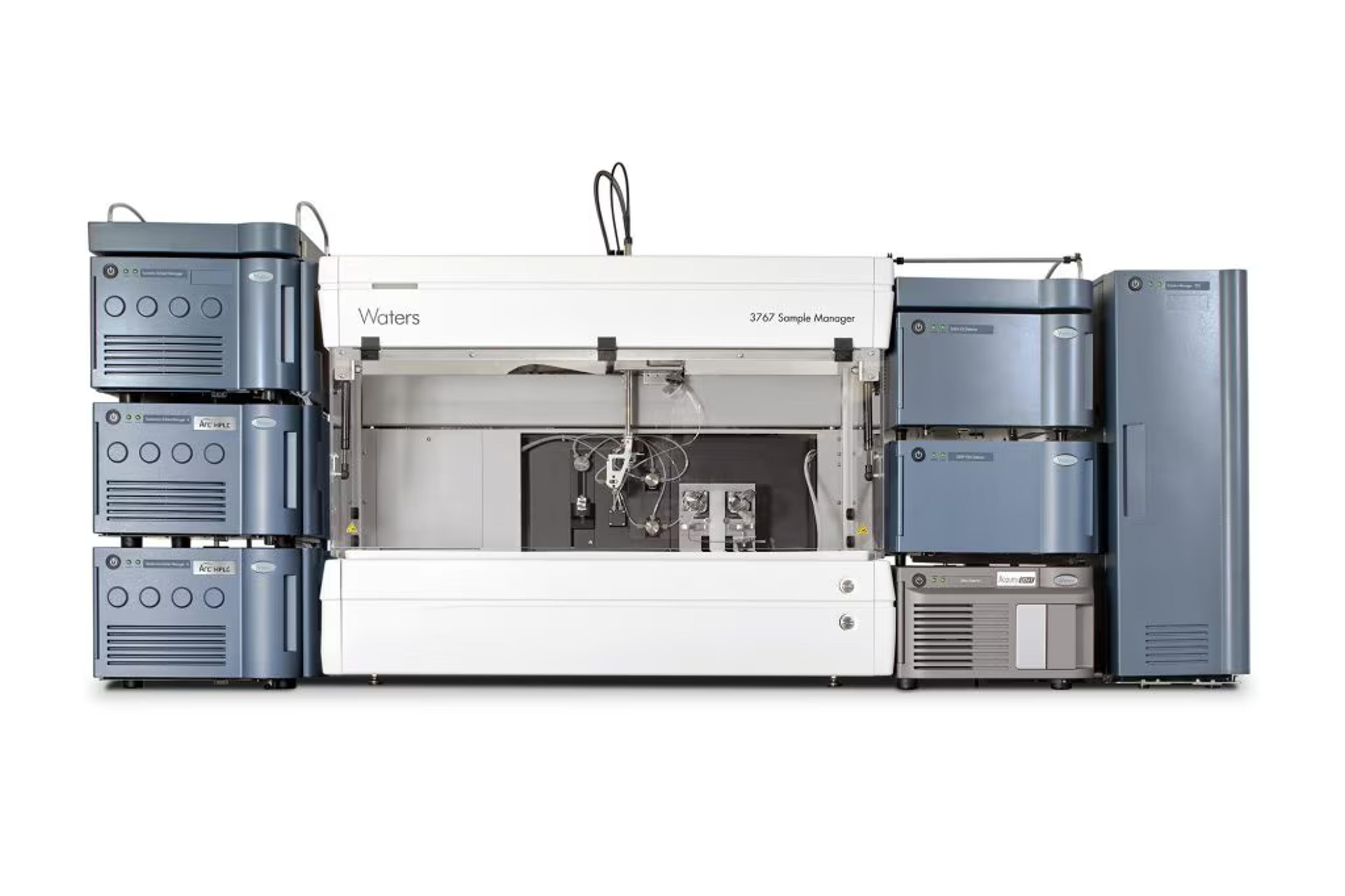
HPTLC Software visionCATS
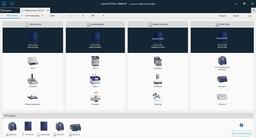
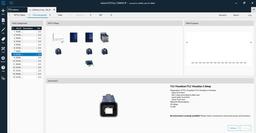
The visionCATS software organizes the workflow of the HPTLC analysis, controls the CAMAG instruments, and manages data evaluation.

CAMAG® HPTLC Software visionCATS
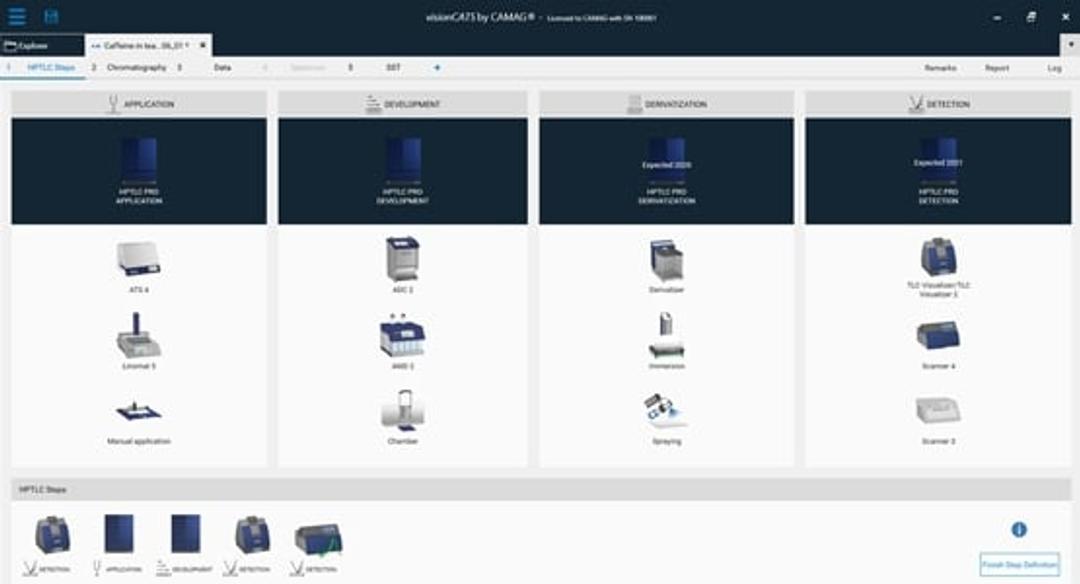
HPTLC Analysis - Made Easy: Create your own method with a fe
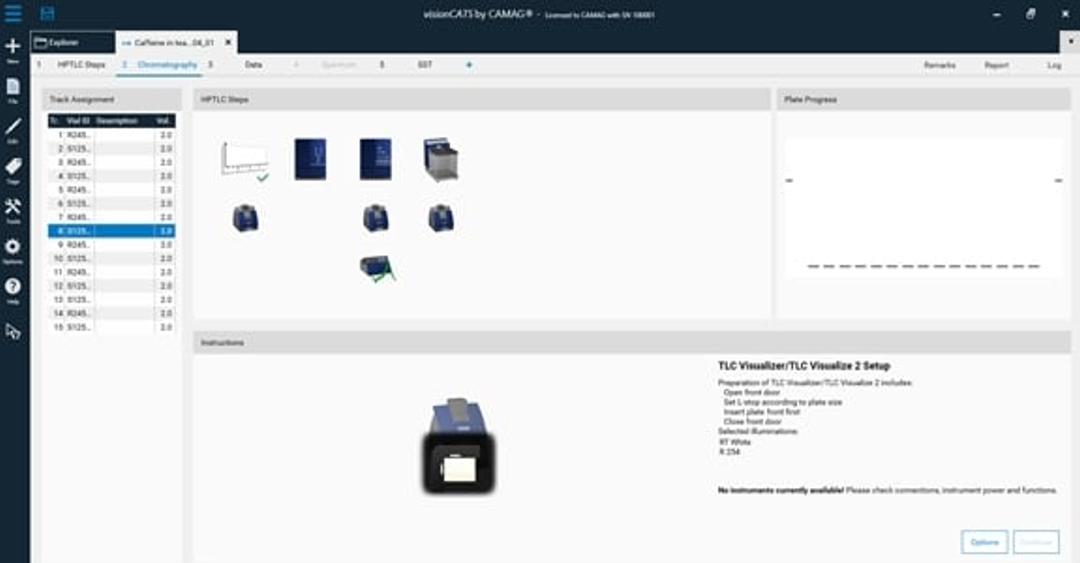
Guided Analysis: Select a method and visionCATS will guide y


The supplier does not provide quotations for this product through SelectScience. You can search for similar products in our Product Directory.
User friendly
Pharmaceutical analysis and quality control
Very friendly and easy to understand, high accuracy and reproducibility
Review Date: 29 Jul 2025 | CAMAG
Great automation! GLP compliant system with more data evaluation capability (HPTLC)!
Chemical Analysis
HI we are using CAMAG HPTLC software (system Manager) with our CAMAG equipment. This is an easy to use software with stepwise guidance on next step to be performed information. Client server architecture has the peace of mind to use without taking tension of data loss. Automatic data backup helps a lot. Overall an enjoyable experience. Needs some time to learn but once acquainted it is extremely simple to use. We dont lose any data of TLC/HPTLC because of the documentation process. The feature of predicting end time when using an automated steps is great and helps in strategizing further our daily workflow! Use to see the difference.
Review Date: 15 Jun 2022 | CAMAG
The instrument is very useful for daily routine analysis.
Herbal products characterization
Easy to use and operate, and can be handled by the analyst easily produced daily routine analysis accurate results.
Review Date: 22 Jan 2022 | CAMAG
Great utility and best service, value for money
Herbal, phytopharmaceuticals, food, pharma
CAMAG HPTLC system is very user friendly and most of the steps are simplified and guides in pictorial format. It manages the entire workflow of analysis and control instruments. Even novice can learn the software in few days. Besides this method library and comparison viewer feature is best and very useful.
Review Date: 20 Nov 2021 | CAMAG
It is a great instrument to have in all pharmaceutical laboratories.
Phytochemical fingerprinting
The instrument is very useful in determining the bio-active compounds found in plants.
Review Date: 18 Nov 2021 | CAMAG
This is vital to our lab, cannot ID botanicals without it.
Analysis of biotanicals
Very user friendly software, colors and lines are easy to distinguish when viewing the test results.
Review Date: 16 Jul 2021 | CAMAG
Great software.
Analyze plant metabilotes
This software has a very friendly interface. It is easy to understand and use.
Review Date: 8 Dec 2020 | CAMAG
Accurate results and cost effective analysis.
Pharmaceutical product analysis
Best available product in the pharmaceutical industry for characterizing new drug substances and drug products.
Review Date: 25 Apr 2020 | CAMAG
visionCATS stands for ease of use and intuitive simplicity. The software organizes the workflow of HPTLC, controls the involved CAMAG® HPTLC PRO Modules and CAMAG® instruments, and manages data. The easy to navigate user interface effectively guides the user through the chromatographic process – from definition of samples and substances to reporting of results. Simply select one of the default methods and start working: fill in the sample table, select a developing solvent and the derivatization reagent. If necessary modify detection parameters. Then visionCATS will guide you.
Creating your own method is easy as well: just select the desired steps. The new sample-oriented approach allows for creating virtual plates from tracks originating from different plates, e.g. for batch-to-batch comparison or long-term stability testing.
With visionCATS relevant samples can be located easier and faster than ever: a powerful search tool within the file explorer that includes extended preview functionalities enables the user to easily search for text and date, samples, methods, and analysis files. Custom search filters can also be created.

Detection of chemical warfare agents by HPTLC
Chemical warfare agents pose a significant threat to human health and can cause a range of symptoms from irritation to death. It is important for law enforcement agencies and military personnel to have the knowledge and tools necessary to detect and prevent exposure to these harmful substances. High-Performance Thin-Layer Chromatography (HPTLC) is a reliable and widely used analytical technique for the identification of chemical warfare agents including nerve agents, blistering agents, irritants and arsenic agents. Explore CAMAG's collection of a range of studies where HPTLC is used to identify and quantify a variety of chemical warfare agents, critical in securing the safety of individuals and communities.
Quality control of lateral flow test strips by scanning densitometry analysis (e.g. COVID-19)
Many diseases, caused by viruses or other pathogens, can be detected by lateral flow (immunochromatographic) test strips as soon as enough antibodies have been produced by the immune system of the person to be tested. In this application note, CAMAG shows a densitometric-assisted evaluation of lateral flow test strips for the purpose of quality control.

2nd HPTLC Online User Meeting, hosted by the HPTLC Association
Promoting the use of HPTLC in plant analysis and other analytical fields is the main purpose of the International Association for the Advancement of High-Performance Thin-Layer Chromatography (HPTLC Association). For this, we bring together representatives from academia, industry, research, regulatory, and standard setting bodies.The “HPTLC Online User Meetings” shall facilitate a worldwide exchange of knowledge between HPTLC users and share the spirit of working in an exciting analytical field!
Using just classical Silica gel 60? There is more!
The stationary phase most commonly used in basic and High-Performance Thin-Layer Chromatography is the classic Silica gel 60 layer. It is also referred to as the normal phase. However, for many applications the choice of a modified silica gel layer could lead to a much better chromatographic result. Plus, the corresponding mobile phase may permit the use of less hazardous solvents. This session will discuss the diverse properties of available stationary phases, and present unique application examples to illustrate the possible improvements of separation conditions.
How to assess the safety of food products in absence of toxicological data
Assessing the safety of food is challenging as foods are complex mixtures containing thousands of known and unknown substances occurring at various concentrations. What is the best method to detect chemicals of most concern on which further toxicological investigations should be focused? Recent progress using Thin-Layer Chromatography (HPTLC) coupled to bioassays has been proposed as a breakthrough solution to fill some of the gaps identified with standard bioassays. In this session, HPTLC effect-direct analysis (EDA) for toxicologically relevant endpoints will be presented, anchoring bioassays and chemical analysis in complex mixtures of unknown composition with the goal to optimize and speed up decision-making in Food Safety.
Space for discussions – Meet the speakers and representatives from the HPTLC Association in a follow-up meeting held via Zoom at 15:15 BST
Take the opportunity to engage in discussions with speakers, colleagues, and representatives from the HPTLC Association in a moderated Zoom meeting, scheduled immediately after the main event. A separate registration for the Zoom meeting is not required – registrants for the main event will receive an email invitation with an access link one day prior to the event. Additionally, a QR code and a shortlink will be displayed after the Q/A session to bridge the gap, enabling a seamless transition from the webinar platform to the Zoom meeting also for last minute registrants.
Key learning objectives
- Extend your knowledge about HPTLC and understand the benefits of HPTLC for diverse applications.
- Get insights into the daily work of HPTLC users.
- Learn how to optimize your HPTLC application(s).
Who should attend?
- Researchers
- Students
- Analysts
- Technicians
- Scientists
- Members of the HPTLC Association
Certificate of attendance
All webinar participants can request a certificate of attendance, including a learning outcomes summary, for continuing education purposes.
This event is sponsored by:
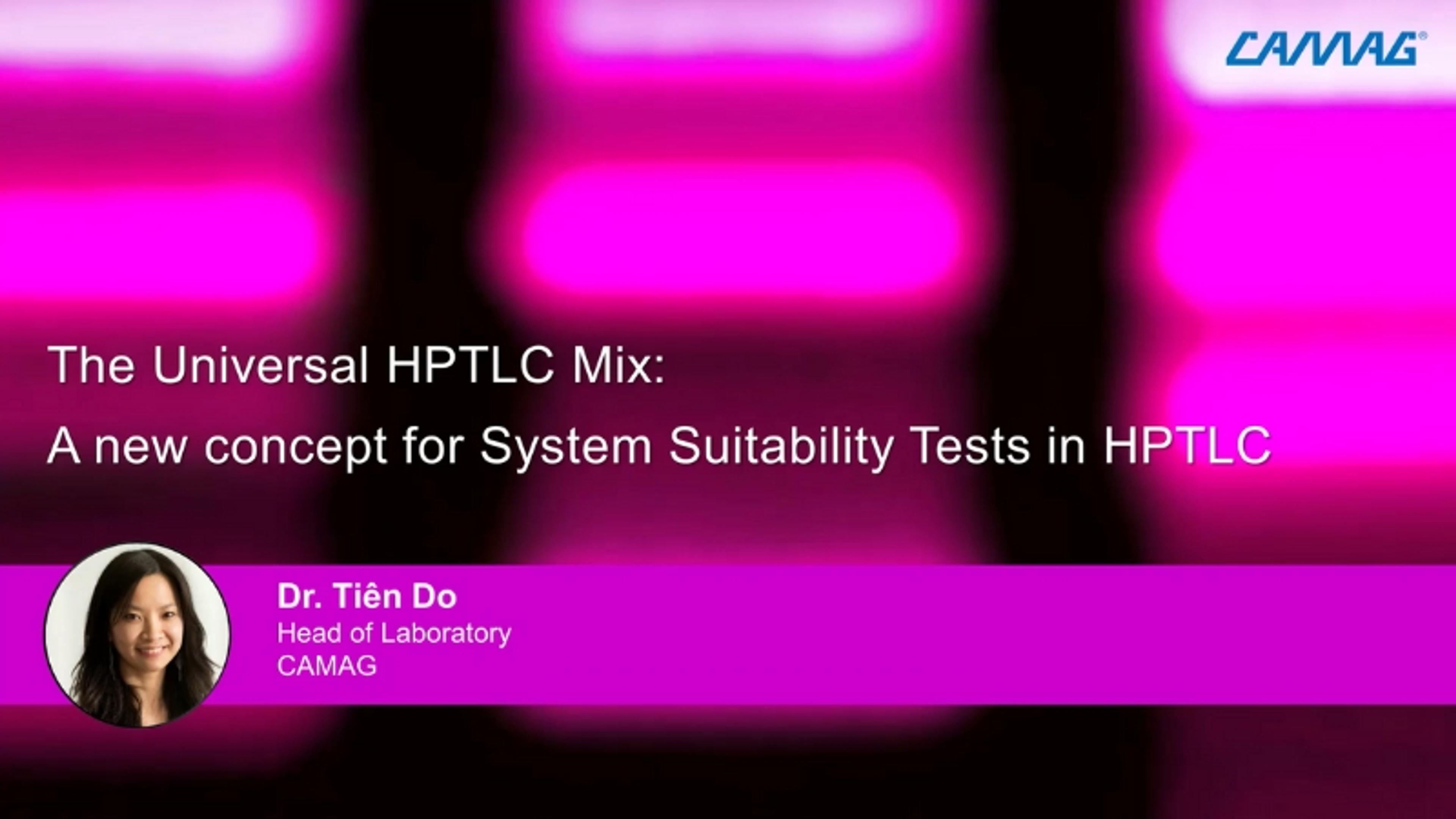
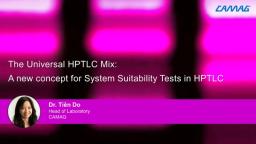
The universal HPTLC mix: A new concept for system suitability tests in HPTLC
In this video, CAMAG presents a webinar where a new method for system suitability tests (SST) in high-performance thin-layer chromatography (HPTLC) is discussed. Dr. Tiên Do, Head of Laboratory, explains the importance of SSTs in chromatography and how they are used to assess the performance of the system and ensure the reliability of results. The new method presented involves using a specially designed plate with eight reference compounds that can be analyzed simultaneously with the sample. The reference compounds cover a range of polarities and Rf values, allowing for a comprehensive evaluation of the HPTLC system. The webinar serves as a practical guide for researchers and practitioners in HPTLC who are interested in improving their SST procedures and ensuring the reliability of their results.