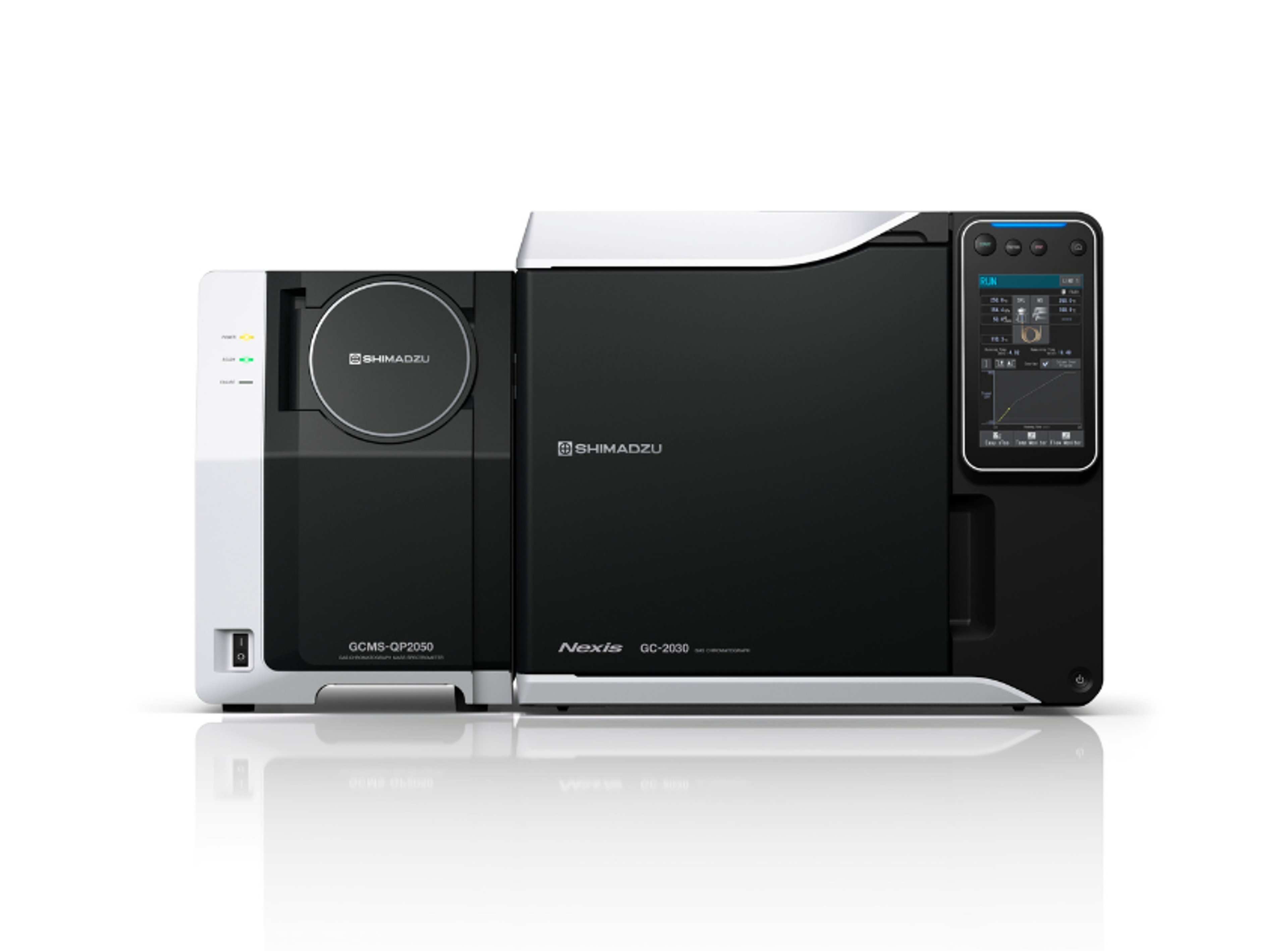
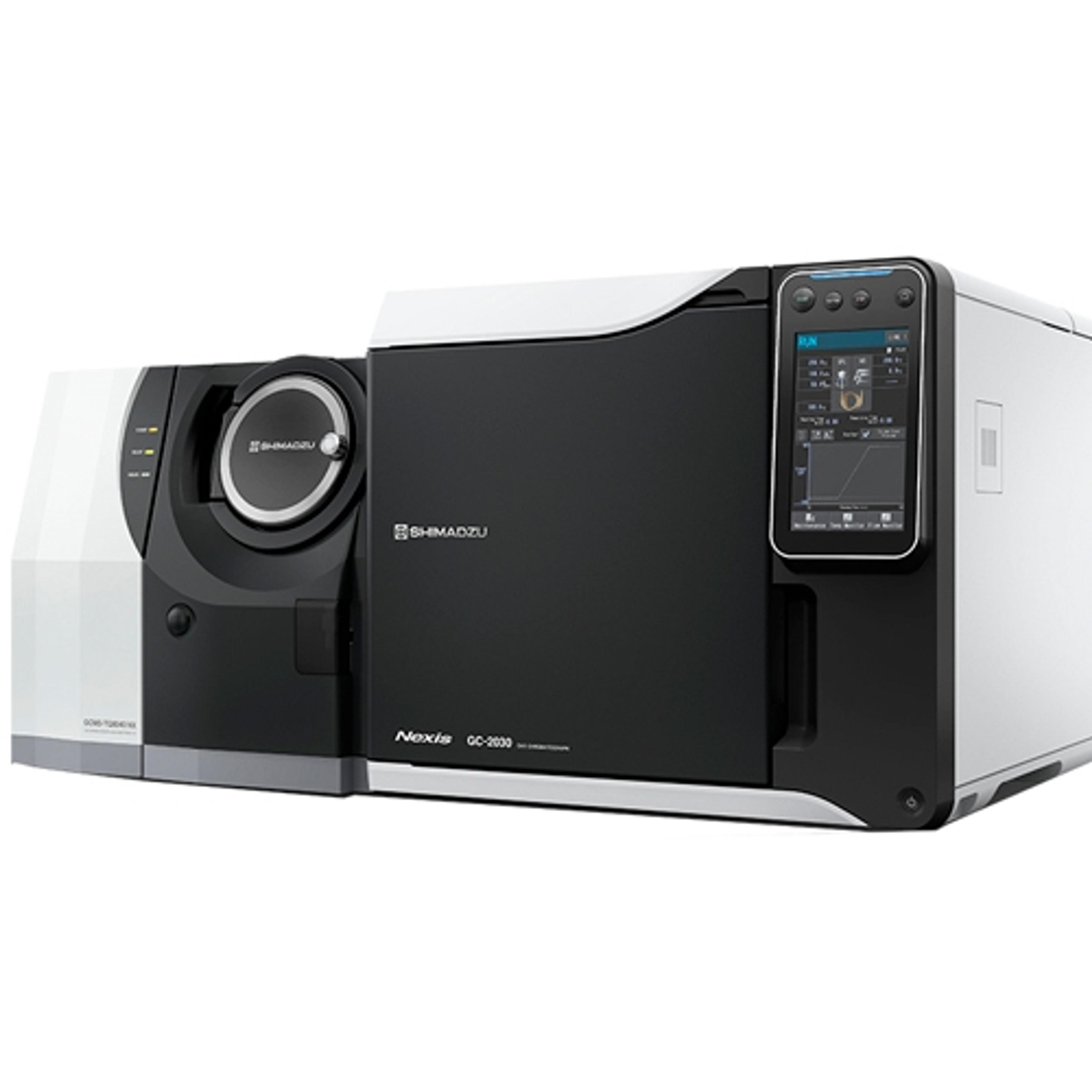
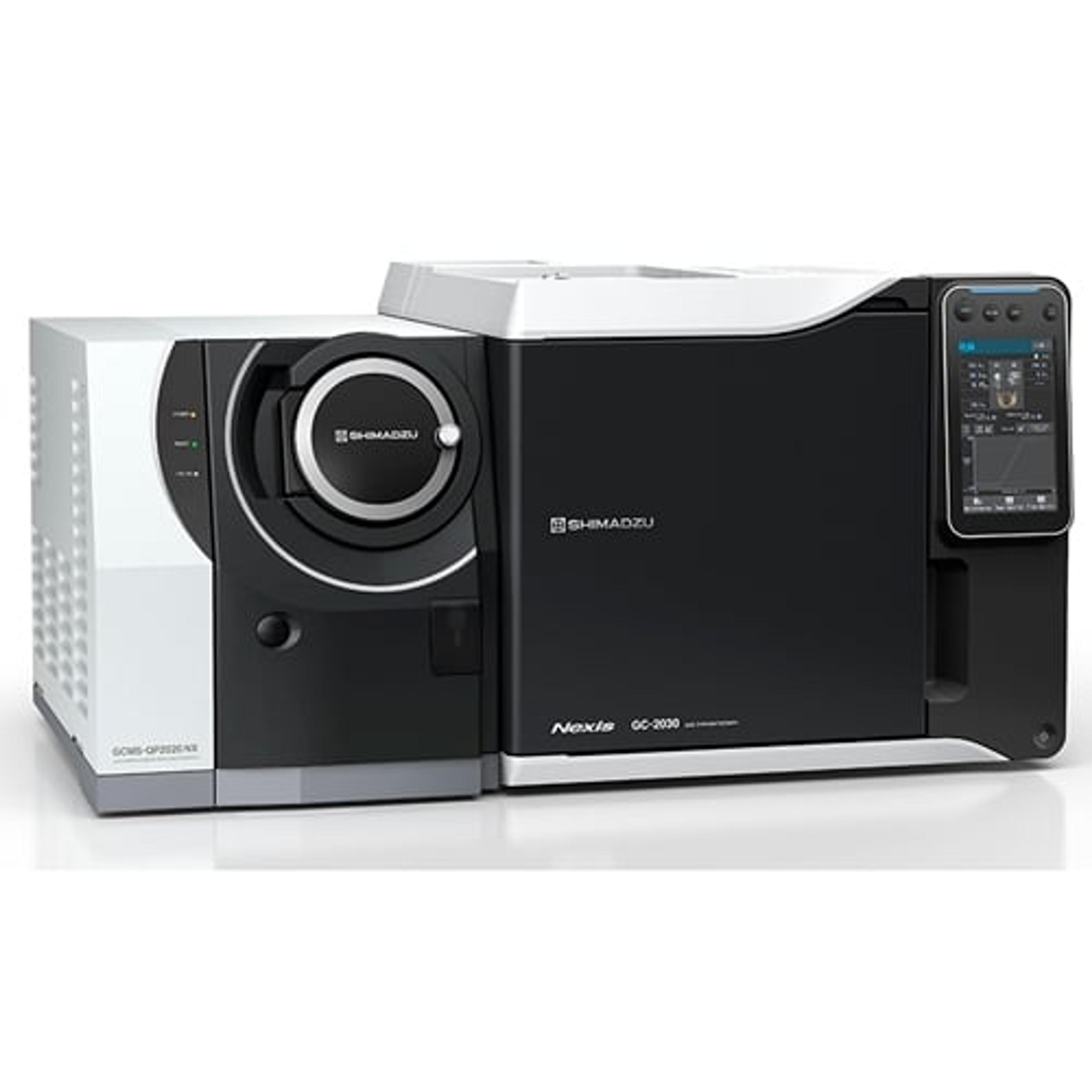
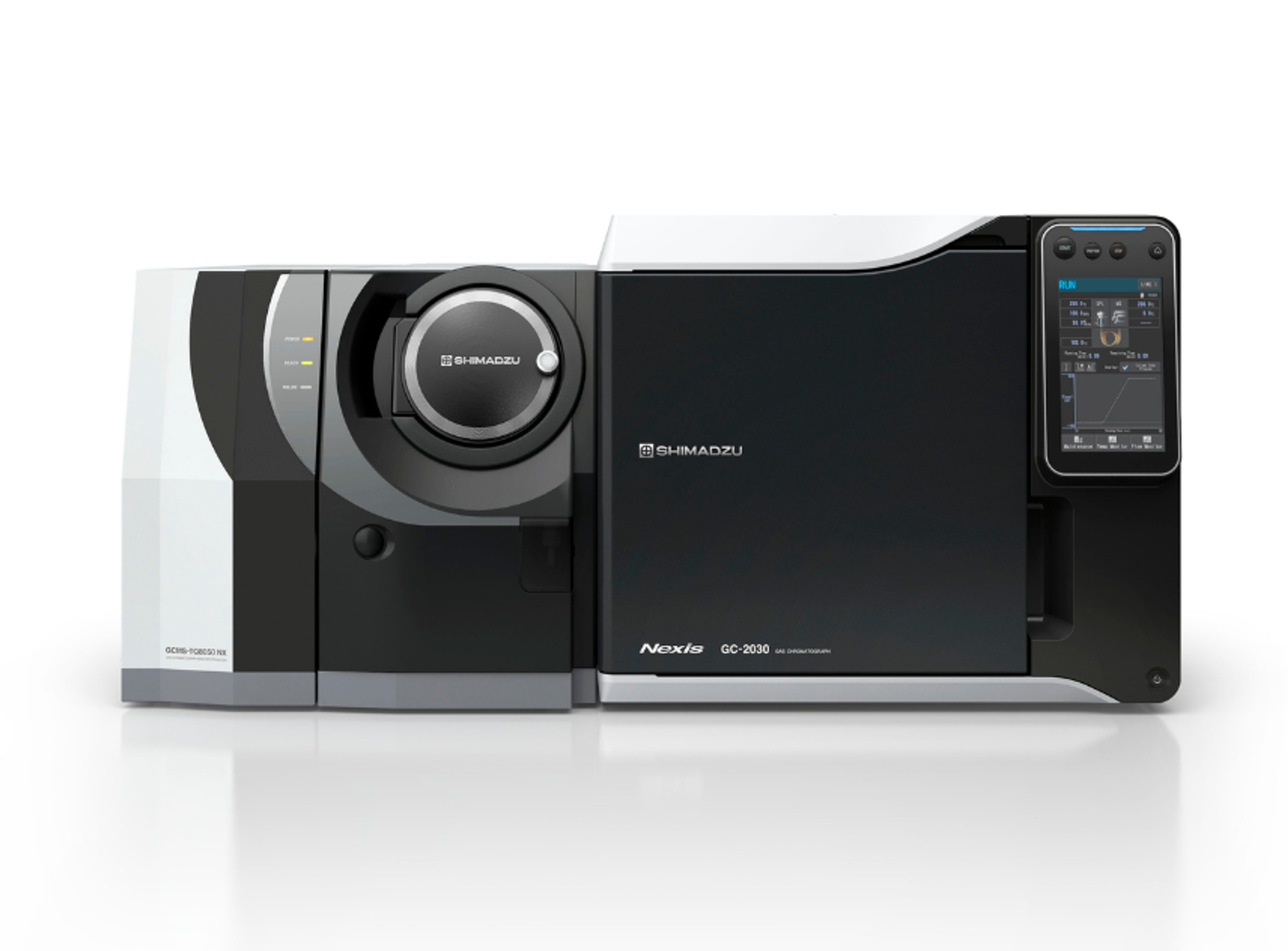
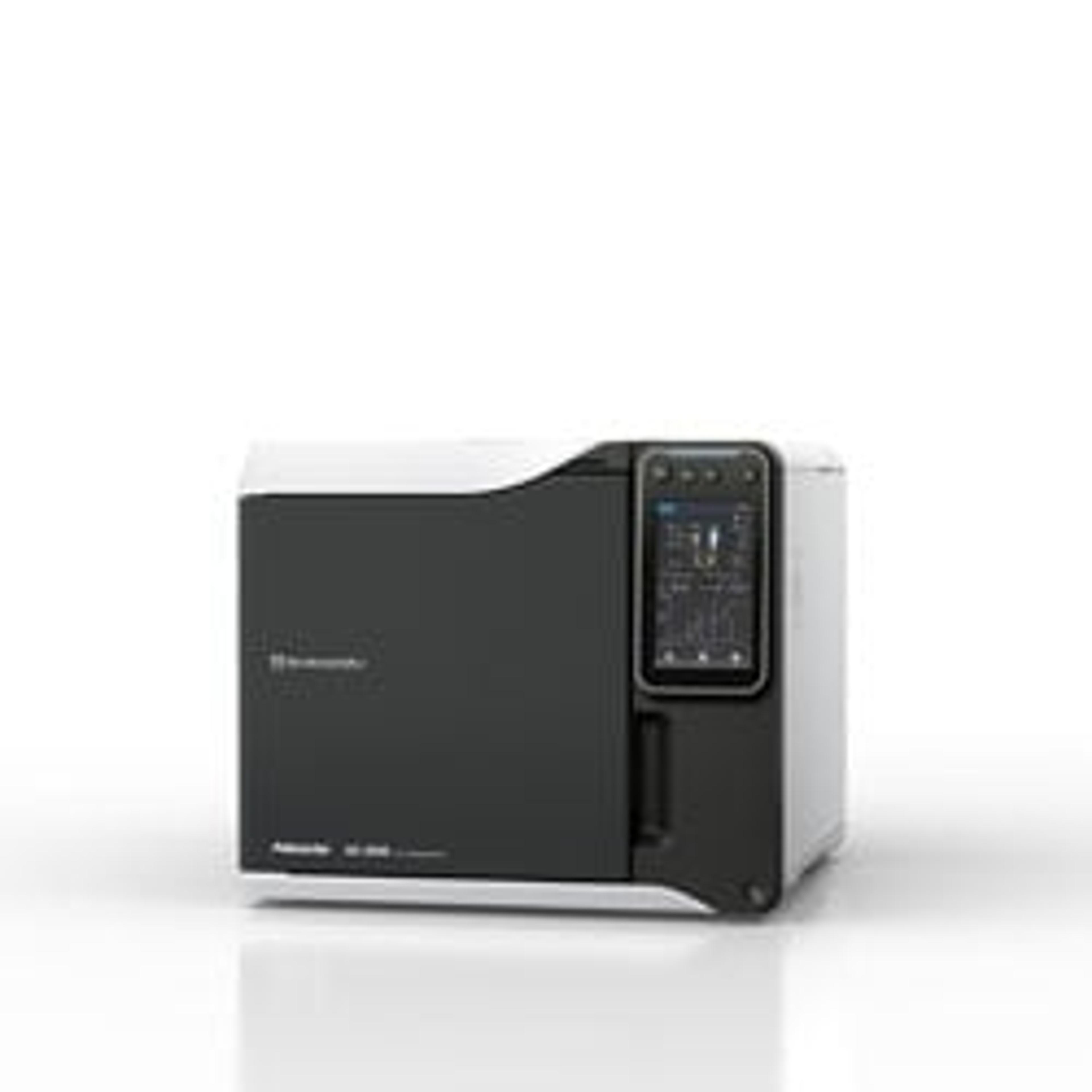
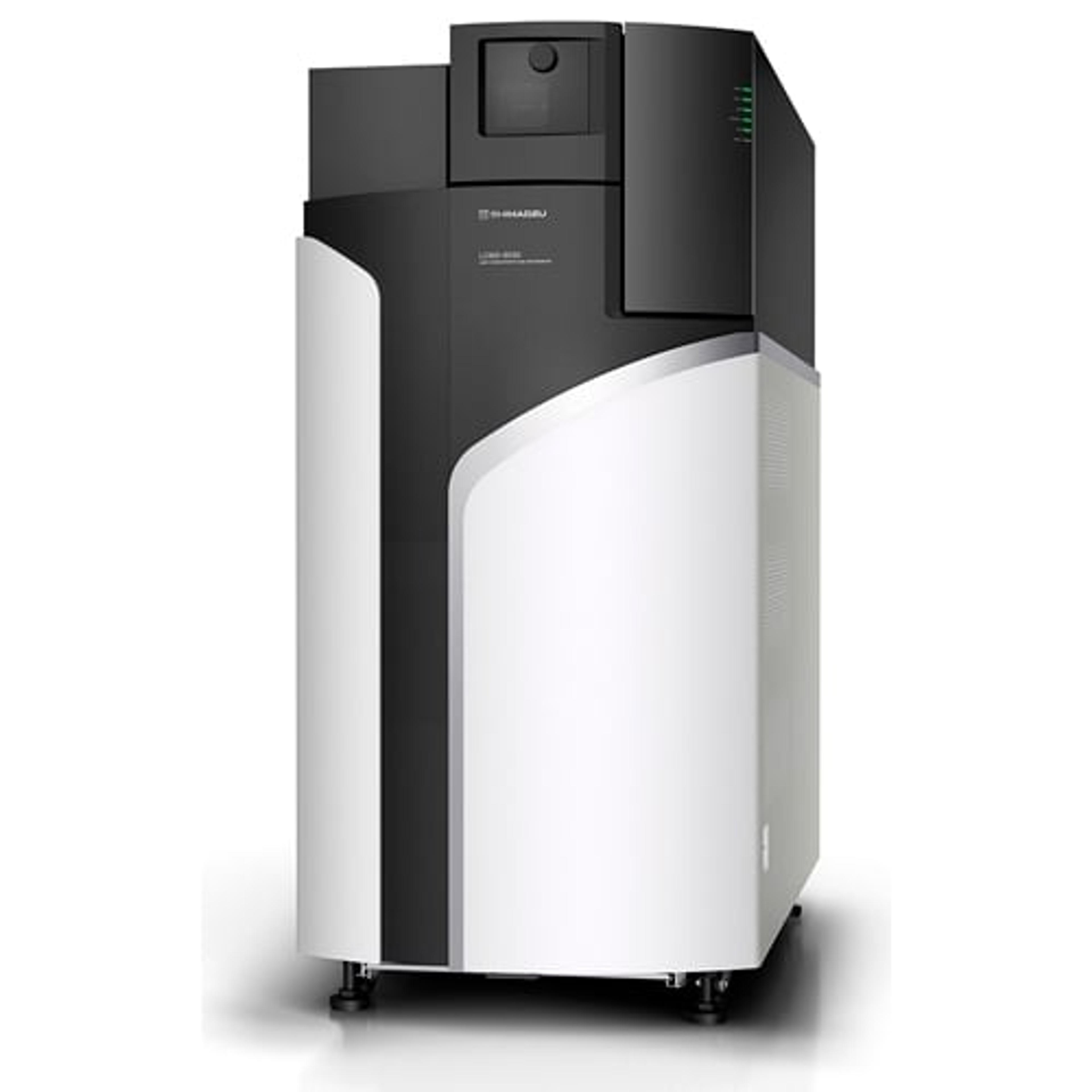
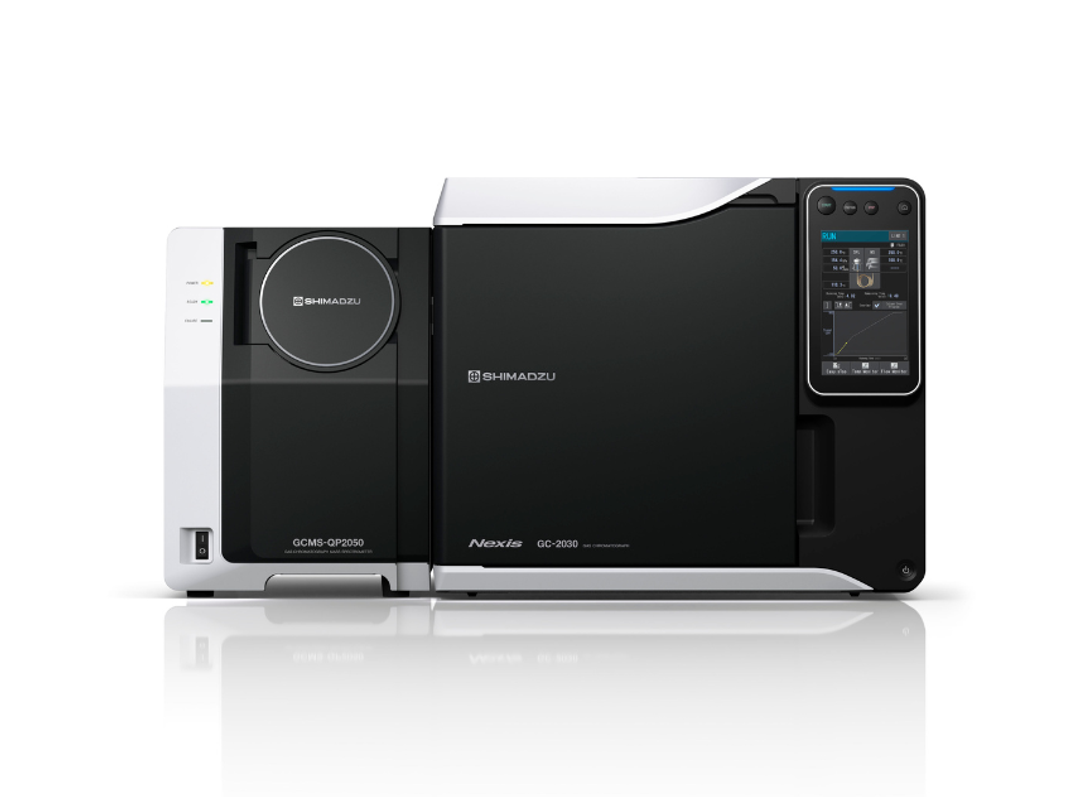
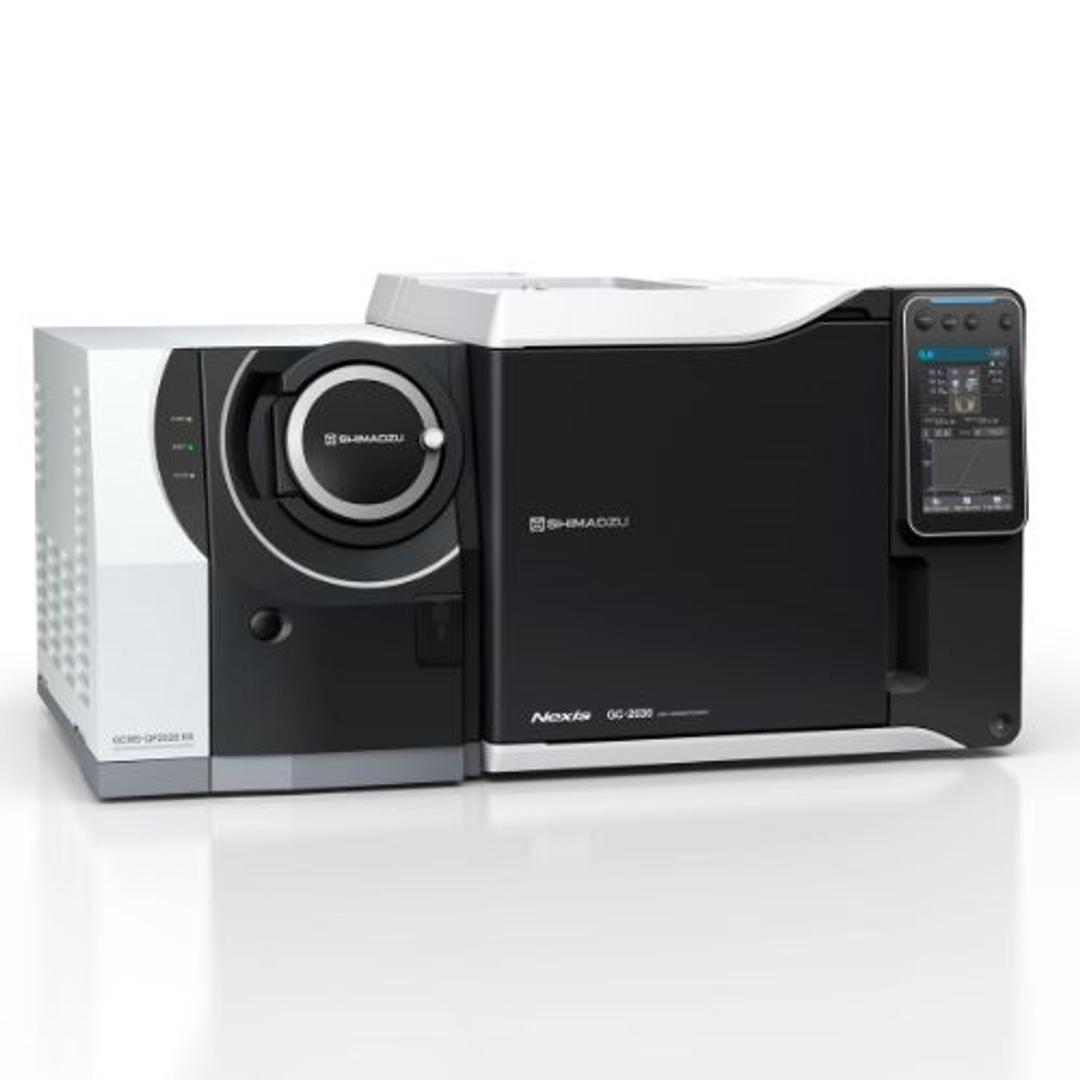
GCMS-QP2050

Receive your quote directly from the manufacturer.
The GCMS-QP2050 has evolved from previous platforms to include the DuraEase ion source, designed in pursuit of high durability and ease of maintenance. Plus, an incomparable combination of stability and speed enables unmatched instrument uptime for maximum productivity and a faster return on investment.
The GCMS-QP2050 is built from more contaminant resistant, gas efficient, and long-life parts to minimize maintenance and consumable costs, all while making necessary maintenance points extremely simple and fast. For example, the ion-source itself can be changed within 1 minute.
With the systems new ion source, detector, and smart analysis software, the GCMS-QP2050 is capable of automatically detecting analysis conditions, creating analysis methods, and acquiring favorable peak shapes and sensitivity even with compounds prone to adsorption, allowing for anyone to produce favorable analysis results.On top of this, the system boasts a 30,000 u/sec scan speed, allowing labs to maximize efficiency where its needed.
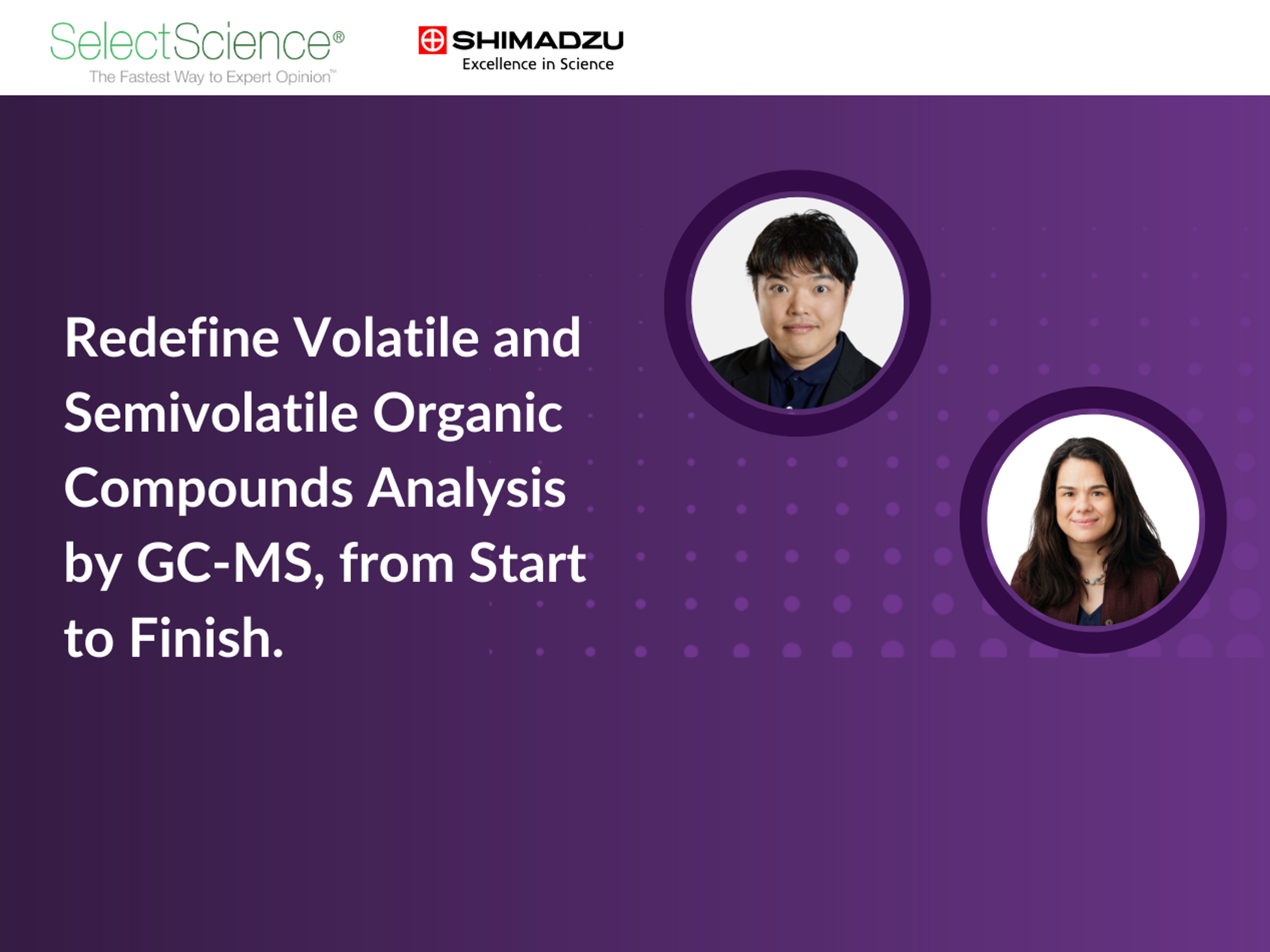
Redefine Volatile and Semivolatile Organic Compounds Analysis by GC-MS, from Start to Finish
Routine analysis and reporting of volatile and semivolatile organic compounds (VOCs and SVOCs) in environmental samples is well established, defined and standardized by the Environmental Protection Agency (EPA) and other organizations. However, cutting-edge GC-MS technology is redefining laboratories’ performance for environmental analysis, whether using single or triple quadrupole mass spectrometry.
Yoshiro Hiramatsu, GC-MS Product Liaison and Dr. Ruth Marfil-Vega, Senior Market Manager, Shimadzu Scientific Instruments, will explore how Shimadzu’s latest GC-MS instruments, in combination with the multi-platform software LabSolutions and LabSolutions Insight, enable successful detection, quantitation, and suspect screening of VOCs and SVOCs. Plus, discover how these tools support EPA methods, from initial sample analysis to final data reporting.
Key learning objectives
- Learn how to boost throughput with the use of an enhanced tuning algorithm, faster data acquisition, and other novel GC-MS designs for prolonged stability and shorter analysis time
- Find out how to effectively mitigate human error, minimize rework, and reduce operational costs with advanced GC-MS technology to simplify maintenance and routine analysis
- Discover how to streamline data processing and reporting through AI-assisted data integration for EPA and other environmental methods
Who should attend?
- Lab managers
- Environmental analytical chemists
- Water quality professionals
- GC-MS users
- Environmental analysts
- Environmental laboratory managers
Certificate of attendance
All webinar participants can request a certificate of attendance, including a learning outcomes summary, for continuing education purposes.