FluidX™ Cryo Consumables
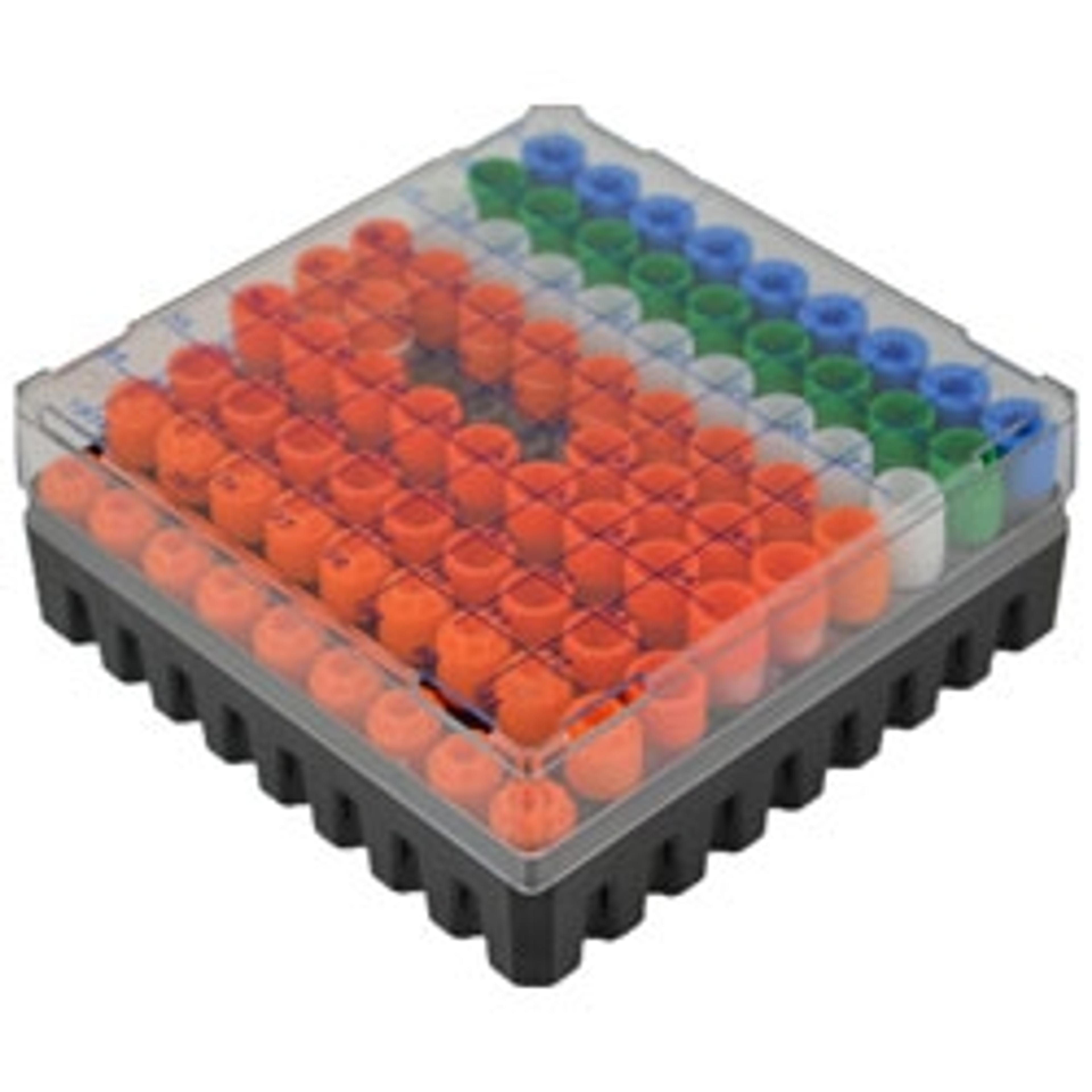
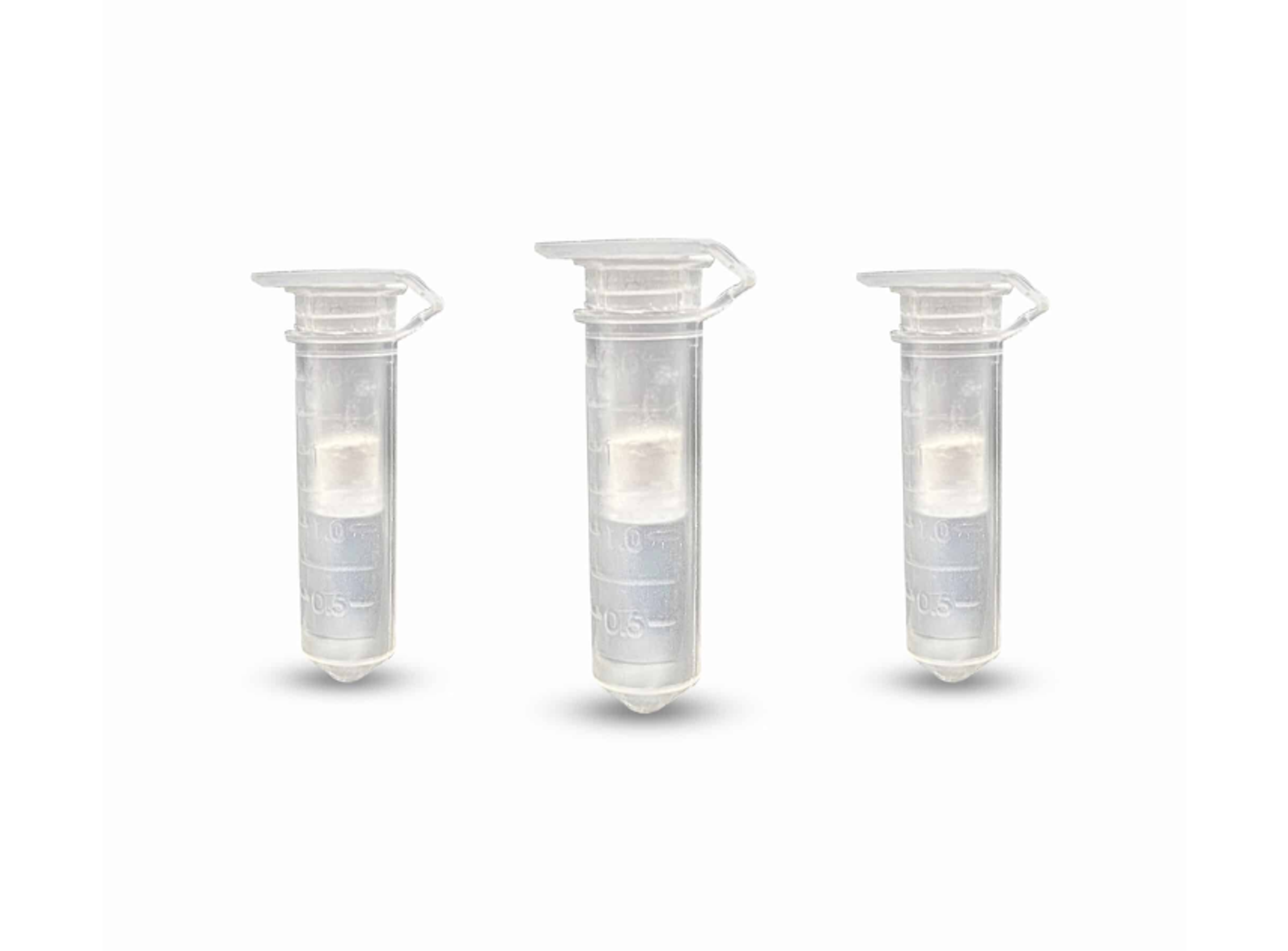
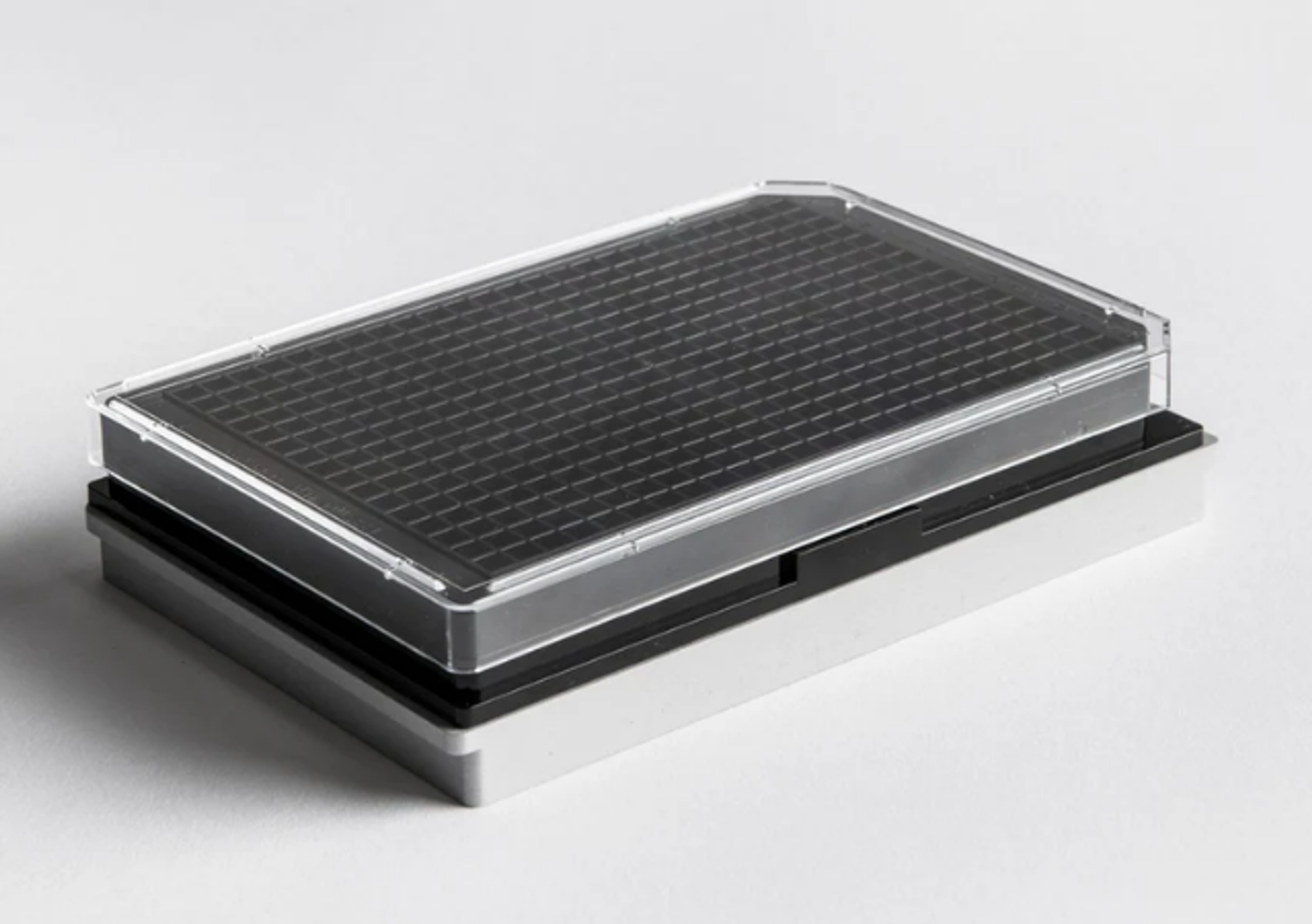
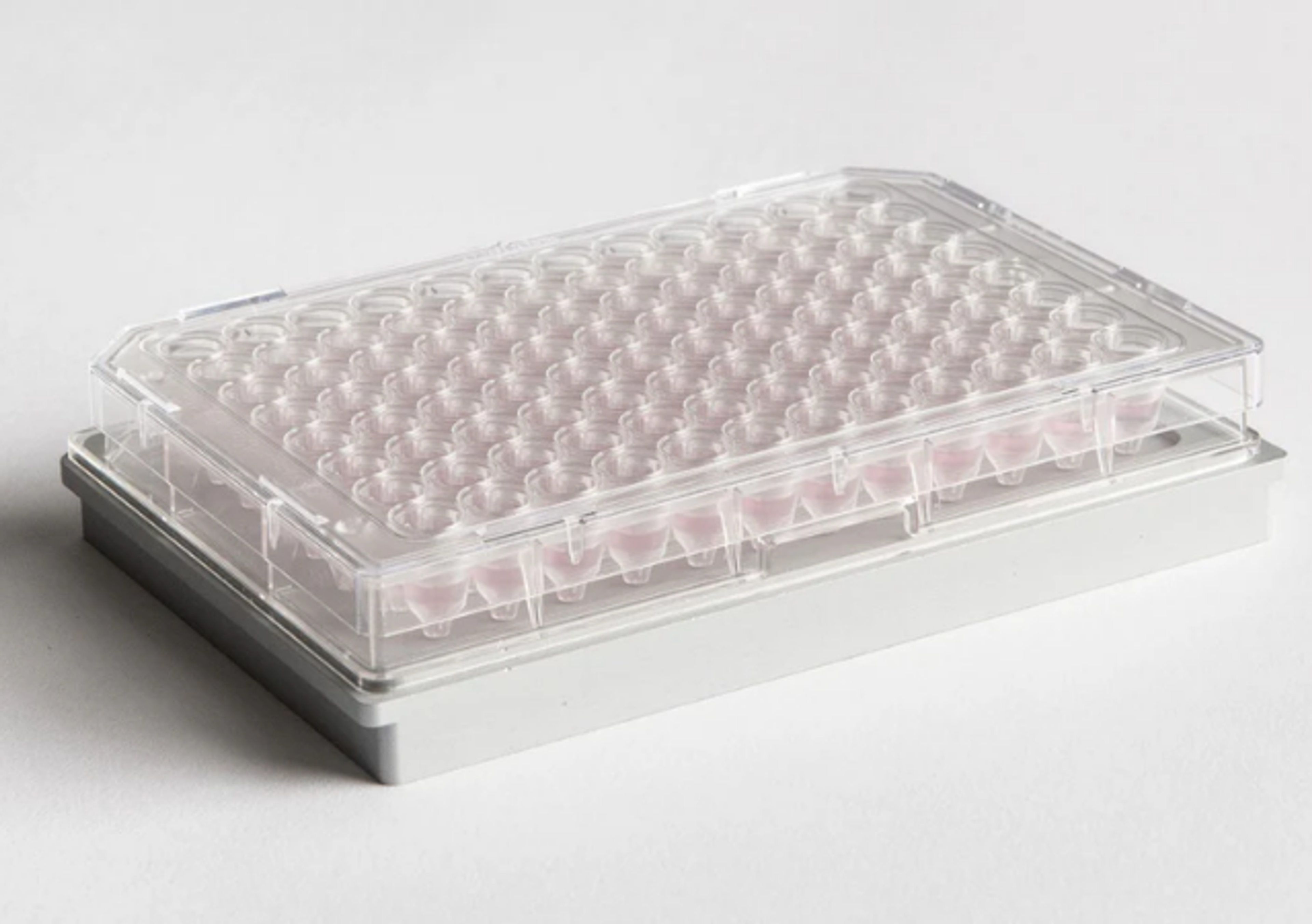
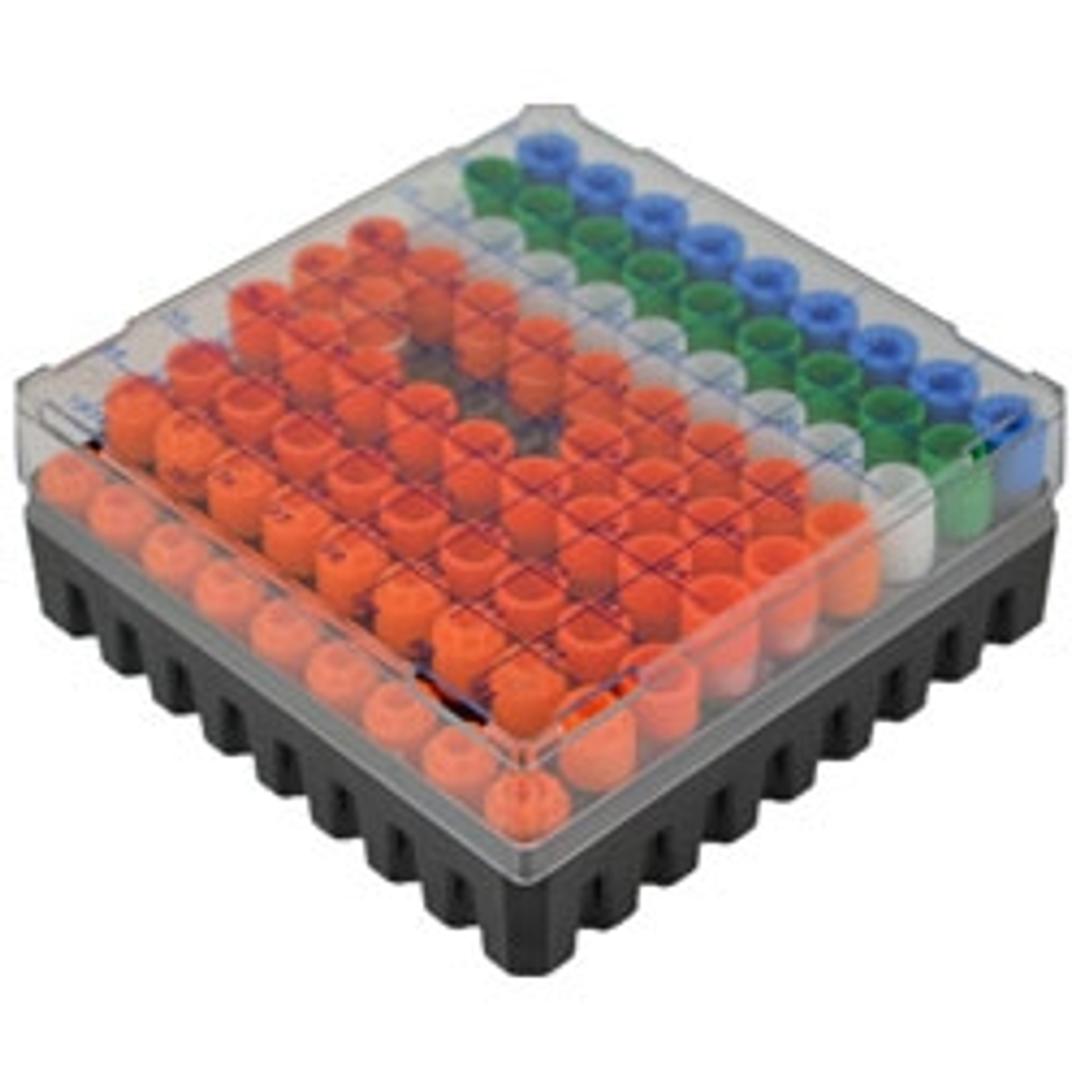
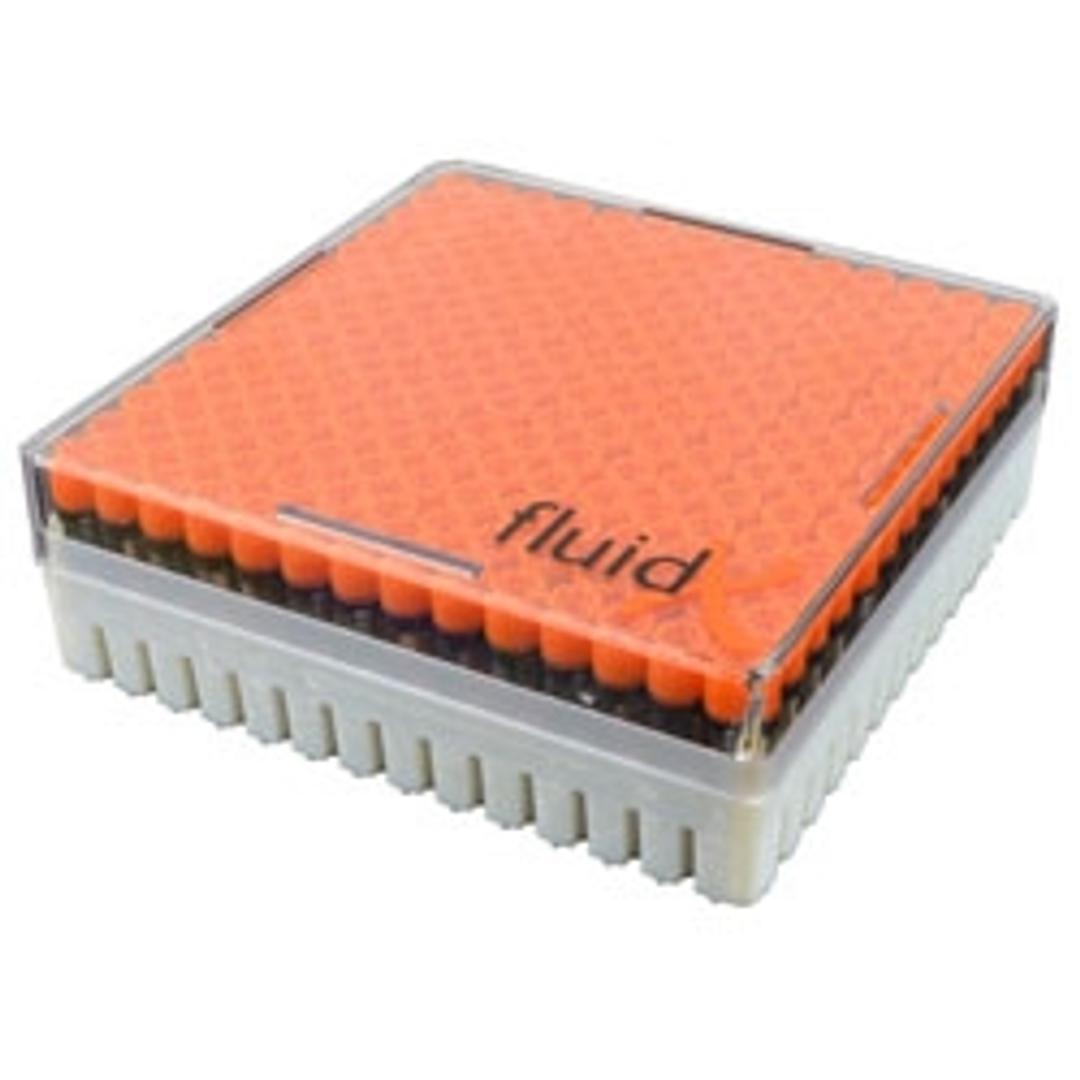
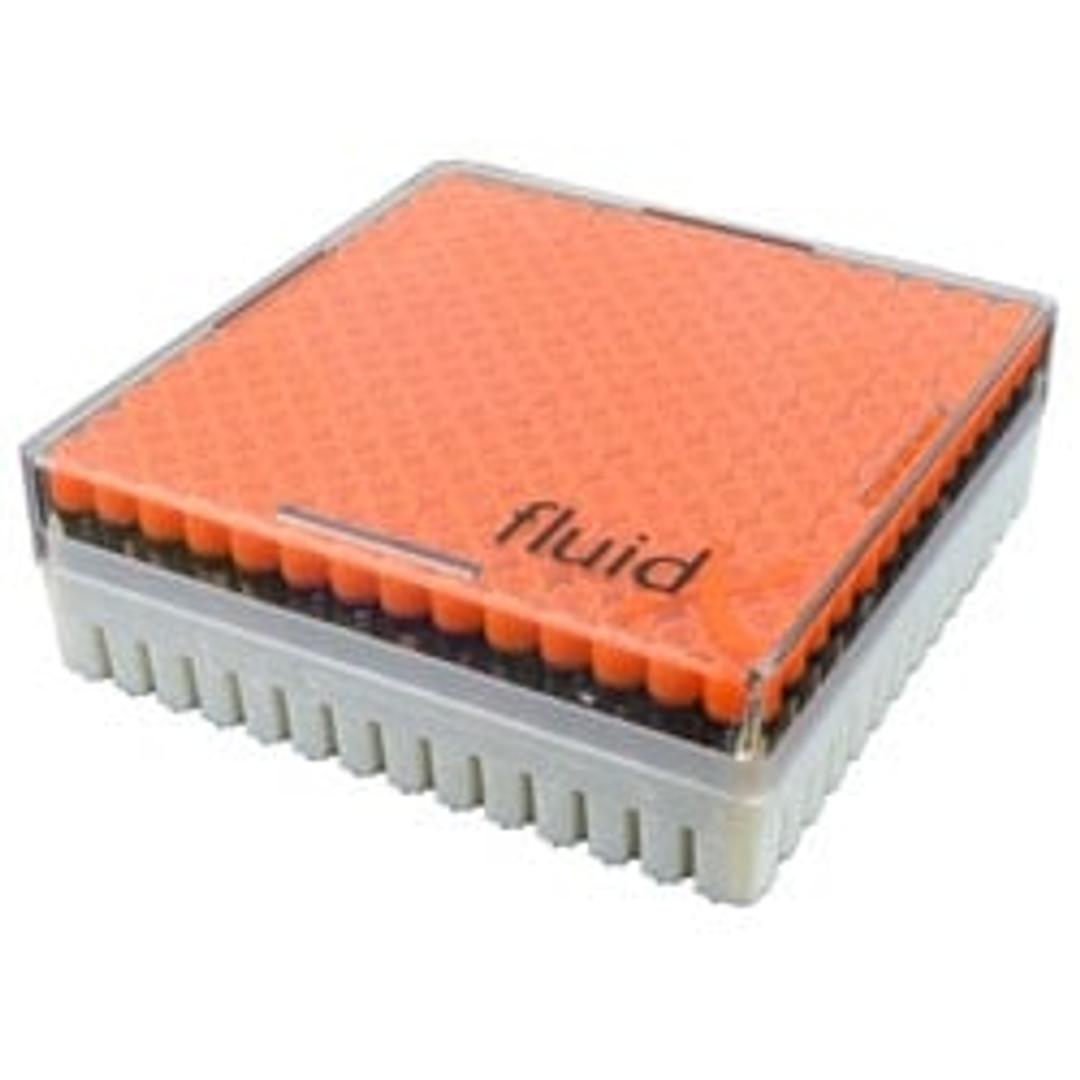
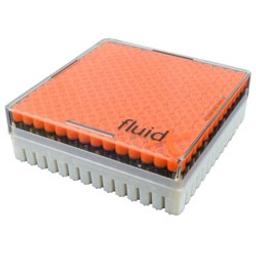
The FluidX™ range of Cryo Consumables is designed to suit the needs of researchers storing samples at cryogenic temperatures. The range includes Cryo Racks and Tri-coded Next-Gen Jacket Sample Tubes.

The supplier does not provide quotations for this product through SelectScience. You can search for similar products in our Product Directory.
The FluidX™ range of Cryo Consumables is designed to suit the needs of researchers storing samples at cryogenic temperatures. The range includes Cryo Racks and Tri-coded Next-Gen Jacket Sample Tubes.
Cryo Racks
• Designed to fit in freezer racking set up for Cryo Freeze Boxes
• Enable ease of access to samples with an open bottom to allow 2D Code reading on the FluidX Perception™ HD LF Legacy Cryo Whole Rack Reader
• Compatible with a broad range of tube formats, allowing you to store legacy collections and maintain ease of access to your valuable samples
• Options available: 14x14 Cryo Rack, 10x10 Cryo Rack, 9x9 Cryo Rack
Next-Gen Jacket Tri-coded Tubes
• Provide a lifelong and secure chain of custody for samples in biobanks, compound libraries and a broad range of biological and chemical stores, including cryogenic storage
• Feature three unique and permanent high-contrast tube identifiers: 2D Code, 1D Linear Barcode and Human Readable Number (HRN)

Best practices for introducing -80°C bio-samples into -190°C vapour phase liquid nitrogen freezers
In this paper, Brooks Life Sciences provide experimental evidence of the cooling rate of -80°C samples into a -190°C liquid nitrogen vapour freezer. Warming rates during routine rack pulls on innocent samples and the thermal penalty that each rack-pull causes are also reviewed. Finally, best practices for introducing pre-cooled -80°C bio-samples into liquid nitrogen vapour storage are also discussed.
Biopreserving the innocents: Bio-sample storage at -190ºC
In this white paper, Brooks Life Sciences summarize an oral presentation on findings given at the May 2015 International Society of Cellular Therapy Conference.
Sample warming during innocent exposures from a liquid nitrogen freezer
Storing samples in liquid nitrogen vapour phase freezers (LN2) is very common and performed throughout the biobanking and cell therapy industries. These freezers are chosen primarily because they maintain a sub -150°C storage environment and thus, keep the samples below -135°C, the glass transition temperature of water (Tg). This cryogenic storage practice preserves sample viability. The concern is what happens to innocent samples (the ones not intended to be thawed) during routine rack exposures. Thousands of innocent samples may be exposed multiple times throughout their storage lifetime. Constant thawing/freezing through the glass transition phase may cause irreversible damage and affect sample functionality when thawed.

Brooks introduces Azenta Life Sciences to advance innovative sample solutions
New life sciences brand enables breakthroughs to market with a fully integrated portfolio which promises unparalleled sample exploration and management solutions