Detection Kit – Anti-CHO HCP
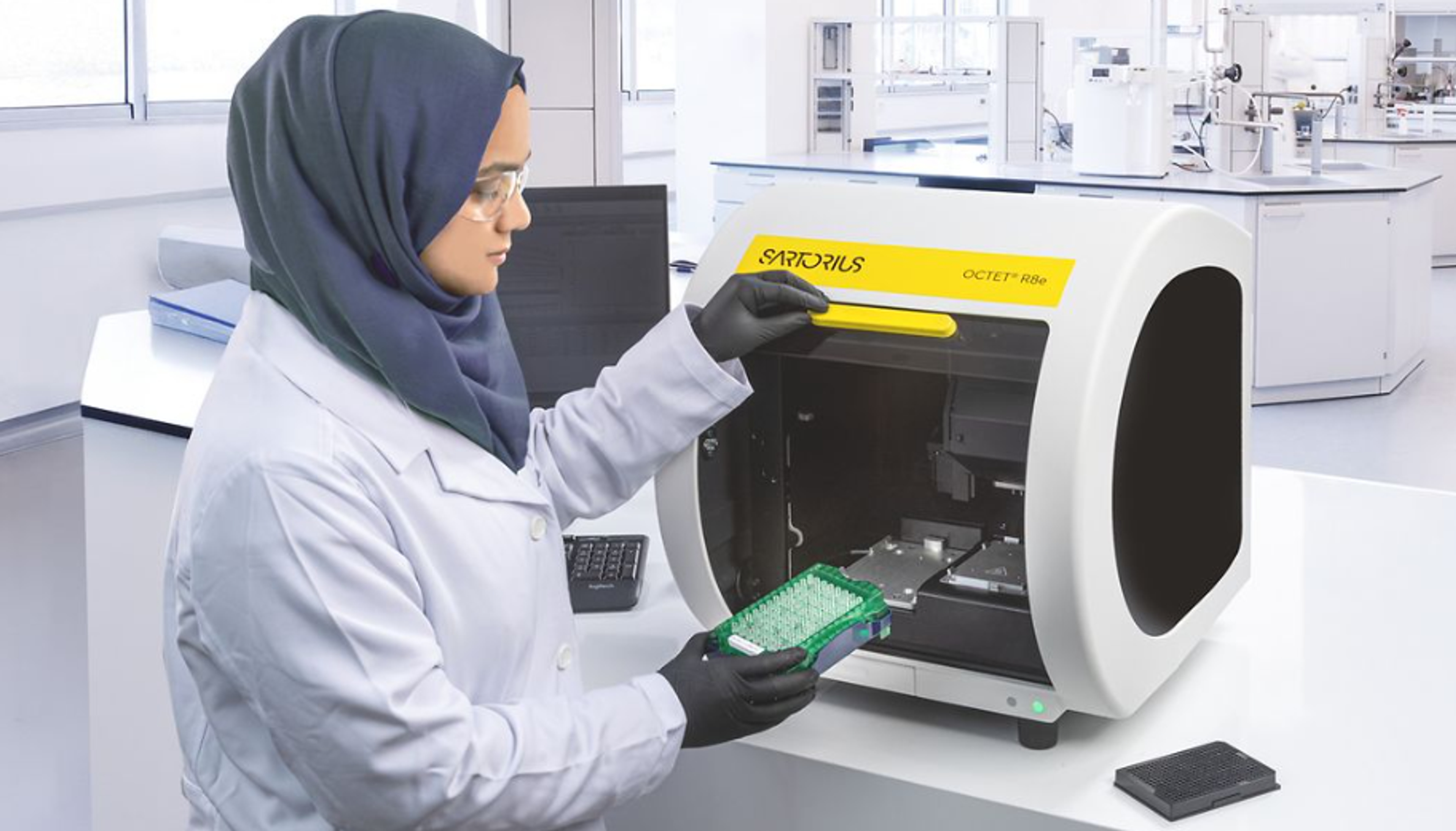
Completely hands-off, walk-away HCP analysis in 1 hour.

Receive your quote directly from the manufacturer.
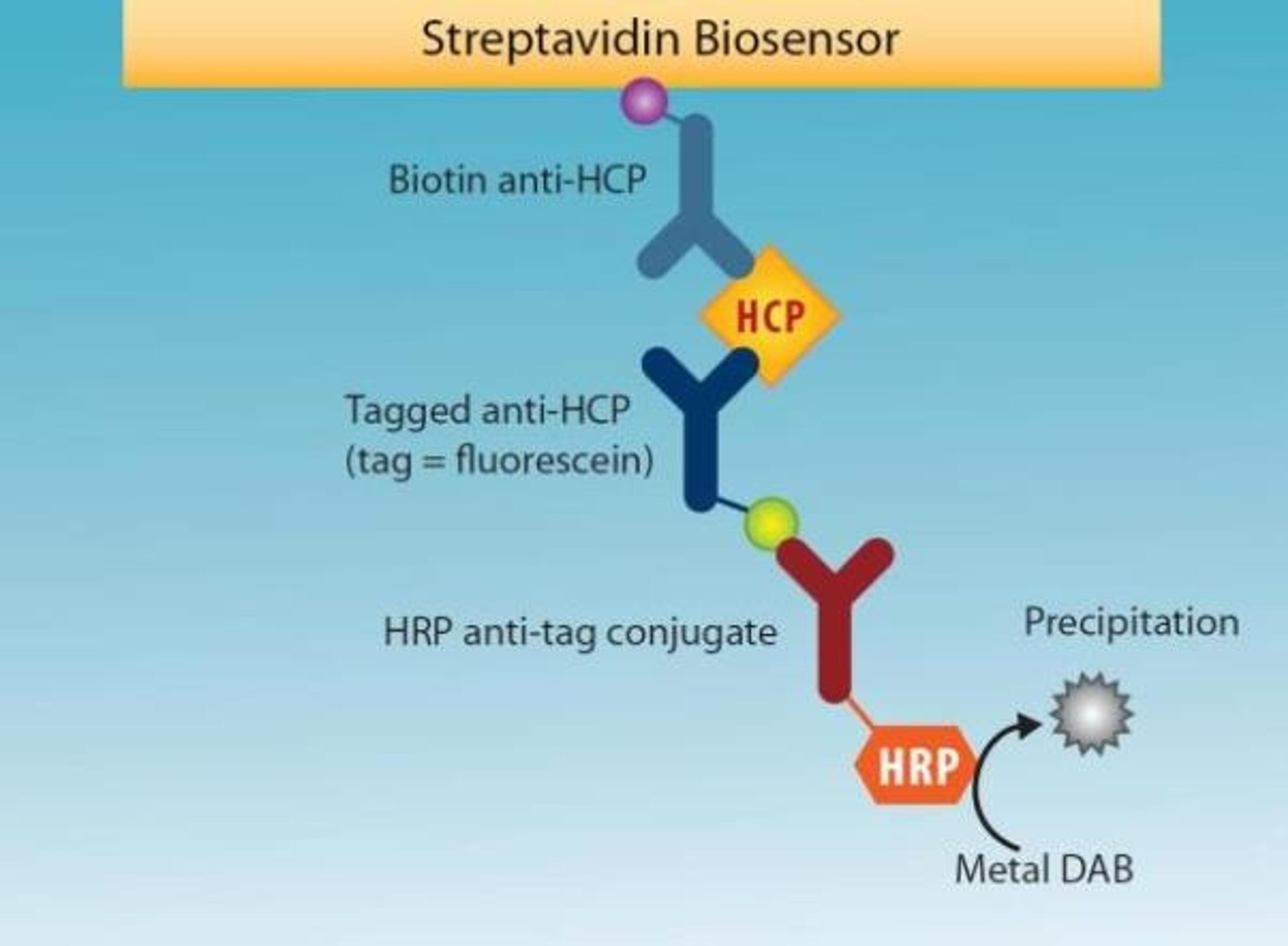
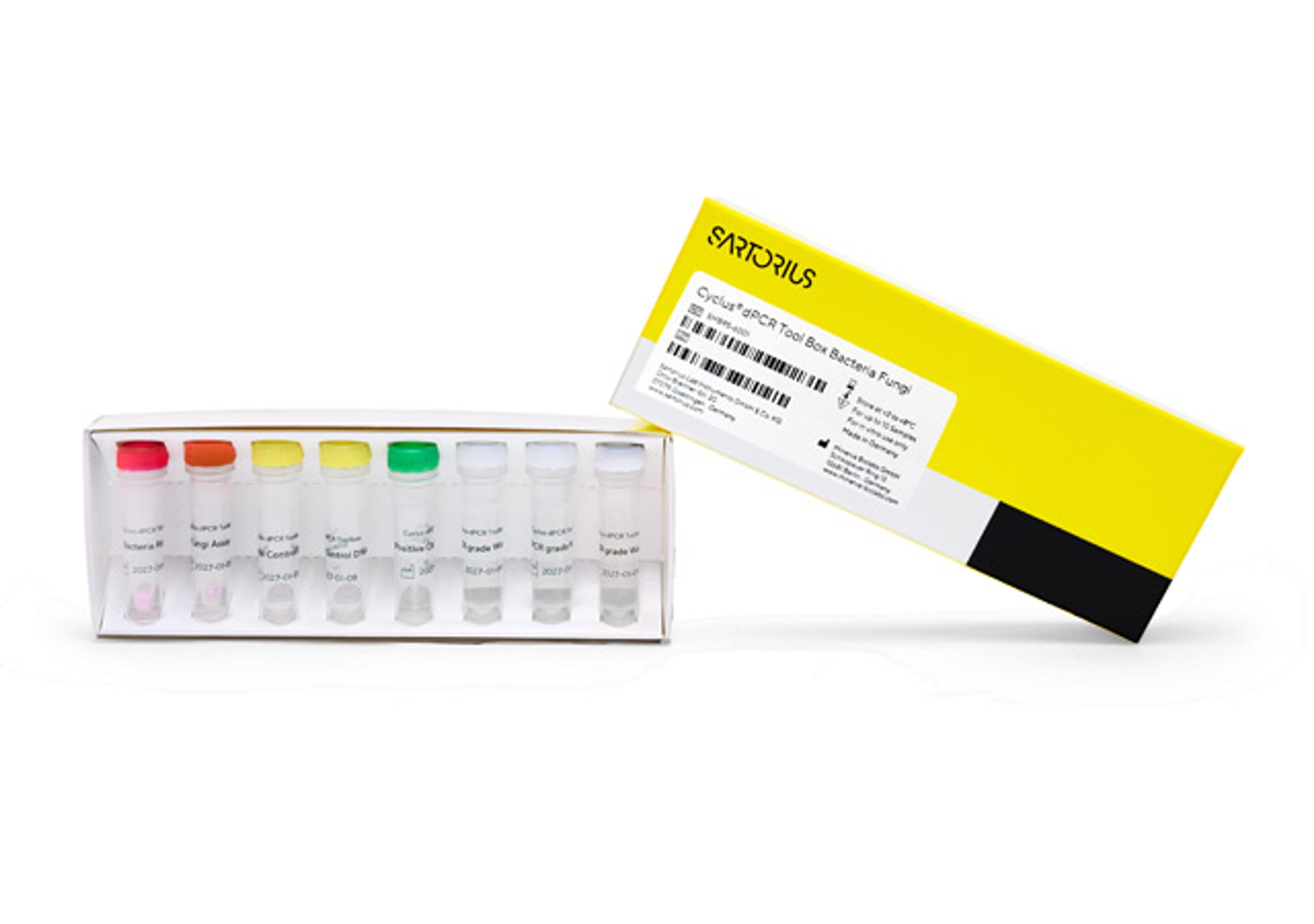
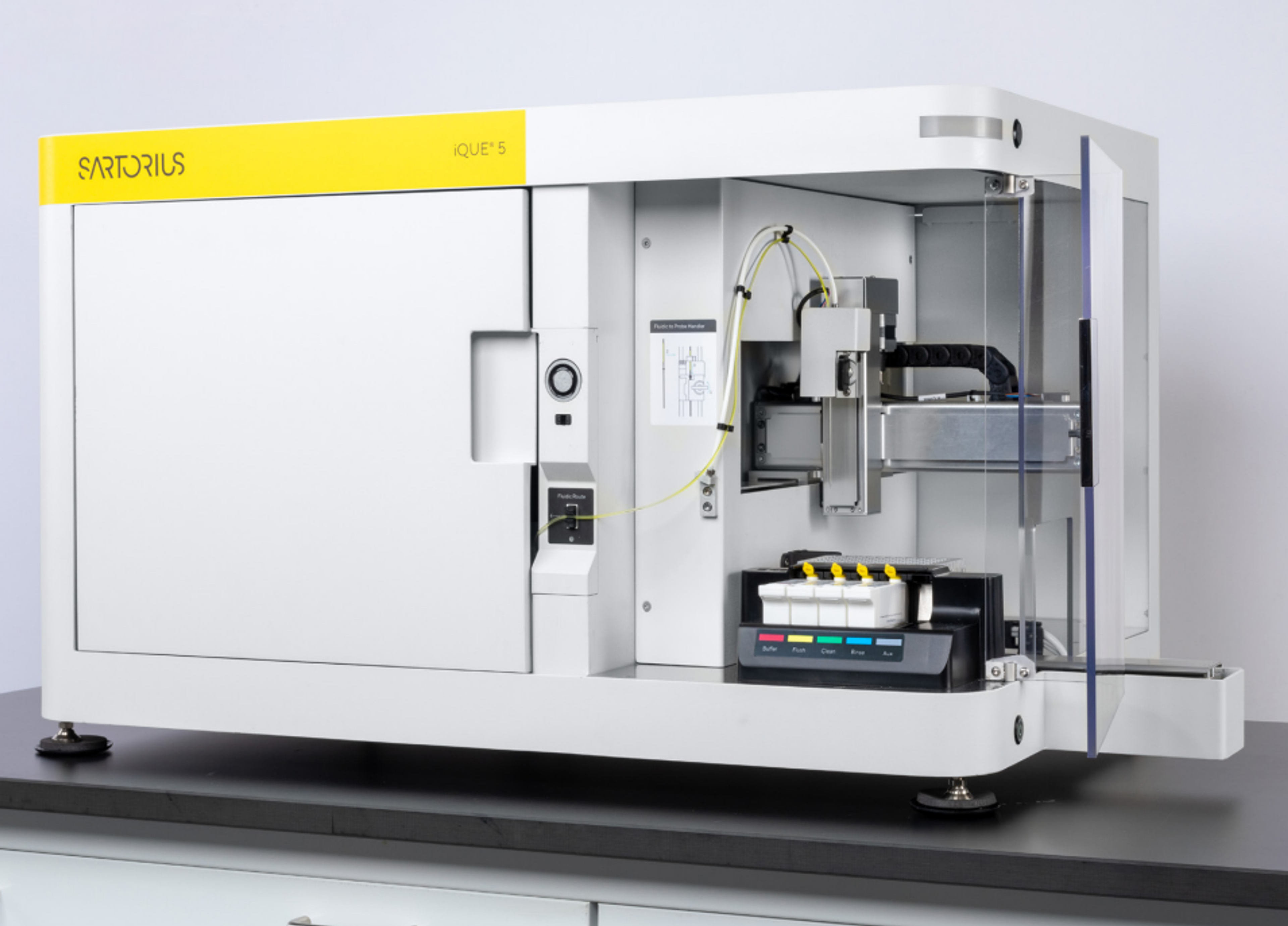
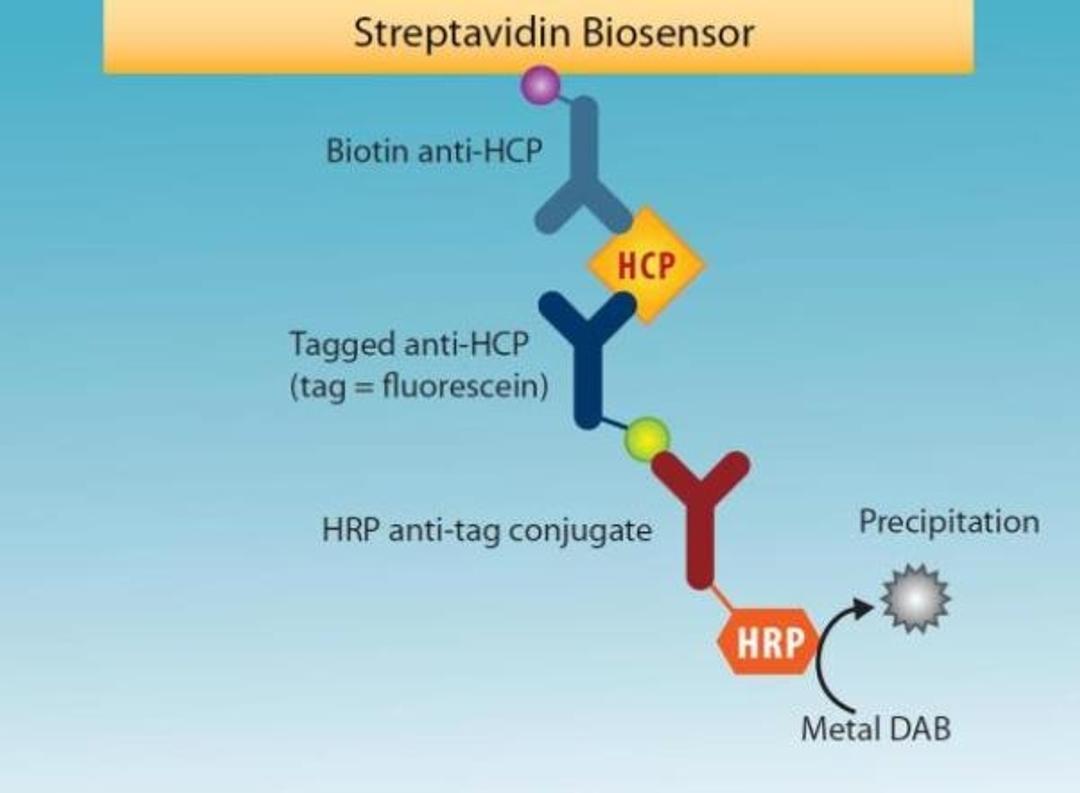
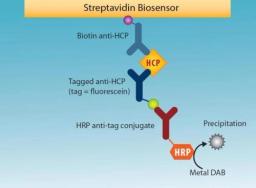
Host cell proteins (HCPs) are contaminants found in biopharmaceuticals expressed in bacterial, yeast or mammalian production cell lines. Among protein expression cell lines, Chinese hamster ovary (CHO) cells are the most commonly used mammalian hosts for industrial production of recombinant protein therapeutics. However, manufacturing and production processes of biopharmaceuticals often leave behind contaminating HCPs from CHO cells. Pall ForteBio and Cygnus Technologies have jointly developed the Anti-CHO HCP Detection Kit for quantitation of residual HCPs. The Octet® platform's rapid high-throughput protein analysis combined with the broad HCP recognition and sensitivity of the industry-standard Cygnus 3G anti-CHO HCP antibody bring scientists the best of both worlds for HCP analysis.
Key benefits:
- Unattended operation - Completely hands-off, walk-away HCP analysis
- Throughput - Fully analyzed HCP results for 96 samples in one hour
- High precision - Minimal assays variability in the range of 5-10% CV
- Sensitivity - Limits of detection as low as 0.5 ng/mL

Kinetic Analysis of Antibody Binding to an Expressed Membrane Protein on Captured Lipoparticles
Membrane proteins govern the majority of input and output signals of cells and represent the largest class of pharmaceutical drug targets, making the analysis of their molecular interactions critical to mapping the interactome as well as drug discovery efforts. Due to their integration into a lipid bilayer, in vitro characterization of molecular interactions of membrane proteins presents a unique challenge compared to soluble proteins. This application note demonstrates how capturing 150 nm sized lipoparticles that contain a targeted membrane protein on the surface of a biosensor using ForteBio’s octet platform enables the kinetic analysis (kon, kdiss and Kd) of membrane protein-analyte interactions.
Dip and Read™ Anti-Mouse IgG Fc Capture Biosensors
Anti-Mouse IgG Fc Capture (AMC) biosensors enable kinetic characterization of macromolecular interactions between mouse Fc-containing proteins and target analytes. Immobilization of mouse Fc-containing proteins is achieved through a factory immobilized anti-mouse Fc-specific antibody whose high affinity for the mouse Fc domain provides the stable baseline required for demanding kinetics applications. Cost-effective regeneration of the biosensors and the ability to directly immobilize mouse Fc-containing proteins from crude matrices make AMC biosensors extremely useful in high-throughput applications.