µCuvette G1.0™
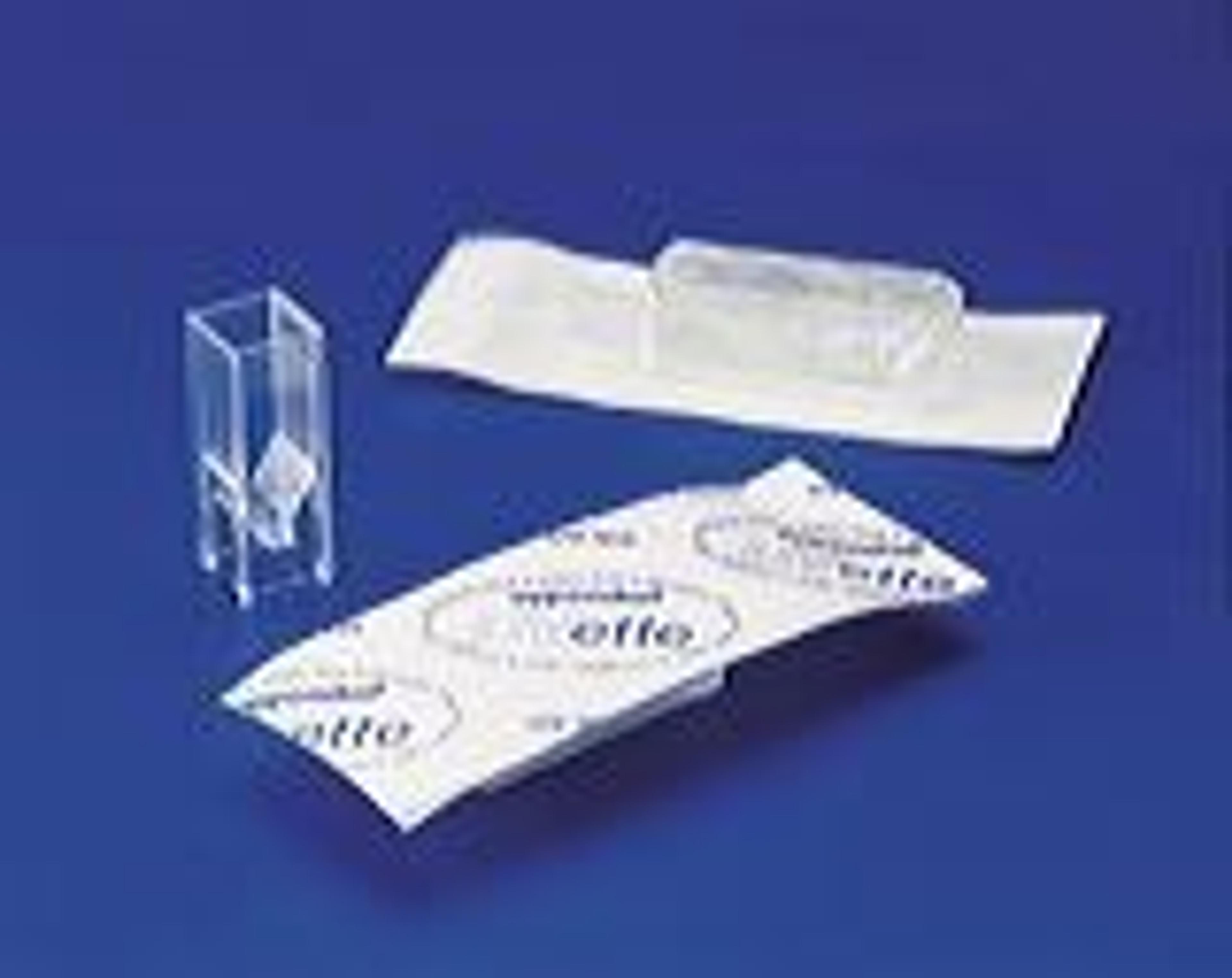
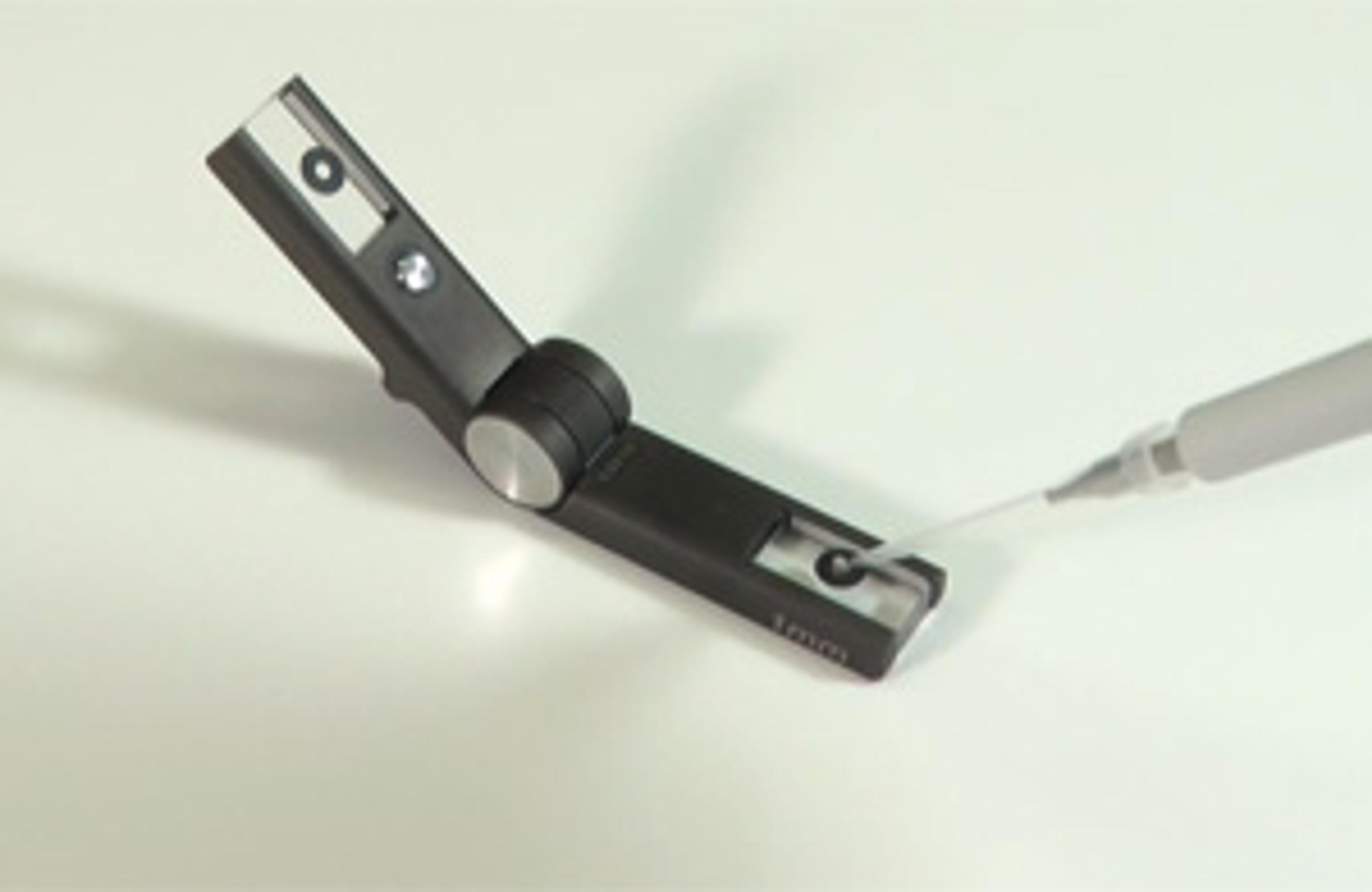
The Eppendorf µCuvette G1.0 is a microliter measuring cell, and therefore it is especially suited for measuring high concentrations. The higher the concentration of a sample, the shorter the optical path length should be with which the sample will be measured. Thanks to a special Eppendorf coating procedure, the sample volume is positioned exactly and the drop will be shaped with precision. This technology makes it possible to…





Receive your quote directly from the manufacturer.
Great test!
Running colorimetry experiments
Eppendorf has a great technical service and they were always eager to help!
Review Date: 17 Jun 2019 | Eppendorf
Good!
Plant and insect tissue analysis
The product is very easy to use, easy to handle and convenient. Really value for money.
Review Date: 31 Oct 2018 | Eppendorf
The EppendorfµCuvette G1.0 is a microliter measuring cell, and therefore it is especially suited for measuring high concentrations. The higher the concentration of a sample, the shorter the optical path length should be with which the sample will be measured.
Thanks to a special Eppendorf coating procedure, the sample volume is positioned exactly and the drop will be shaped with precision. This technology makes it possible to fix the drop without producing any pronounced edges or projections. This minimizes the risk of sample carry-over and simplifies to a large extent the cleaning of the sample surface.
Due to the used materials and the selected measuring principle, the self absorption of the µCuvette G1.0 is very low and can be compared to that of standard quartz glass cuvettes.
The µCuvette G1.0 has been developed exclusively for Eppendorf BioPhotometer and BioSpectrometer. The devices are pre-programmed to a layer thickness of 1mm. The software realizes all calculations considering the layer thickness. In addition, the optical characteristics of the devices, as e.g. the light beam focussing and light beam guidance, are optimally adjusted to those of the µCuvette G1.0. This optimization as well as the connection of both cuvette parts by means of a low-backlash journal bearing joint provide for highly reproducible conditions during measurement.
Application examples:
• Concentration determination of nucleic acids and proteins
• Measurement of high sample concentrations without dilution
• Low sample volumes
Eppendorf Answers Your Questions about Photometry: Part Five
In this video, Eppendorf addresses a frequently asked question regarding detection, a basic application in molecular biology labs. This video answers the following question: "Does background correction effect my results?".
Eppendorf Answers Your Questions about Photometry: Part Four
In this video, Eppendorf addresses a frequently asked question regarding detection, a basic application in molecular biology labs. This video answers the following question: "What do the purity ratios 260 nm/230 nm and 260 nm/280 nm mean?".
Eppendorf Answers Your Questions about Photometry: Part Three
In this video, Eppendorf addresses a frequently asked question regarding detection, a basic application in molecular biology labs. This video answers the following question: "Why are fluorescence measurements more specific and sensitive than absorption measurements?".
Eppendorf Answers Your Questions about Photometry: Part Two
In this video, Eppendorf addresses a frequently asked question regarding detection, a basic application in molecular biology labs. The video answers the following question: "How are sample specific extinction factors used to calculate concentrations based on Beer-Lambert's Law?”. Also discussed is the use of Eppendorf’s Photometers in detection, which have pre-loaded factors for double-stranded DNA/RNA and single-stranded DNA on all of their software.
The New Eppendorf µCuvette™ G1.0 – Less is More
Watch this video to learn about the innovative Eppendorf µCuvette™ G1.0, a microliter measuring cell particularly well suited for photometric measurements of high concentrations in small sample volumes, carried out in the Eppendorf BioPhotometer® or Eppendorf BioSpectrometer®. The µCuvette™ G1.0 expands the measuring range of Eppendorf photometers and the company’s portfolio of products for photometry.