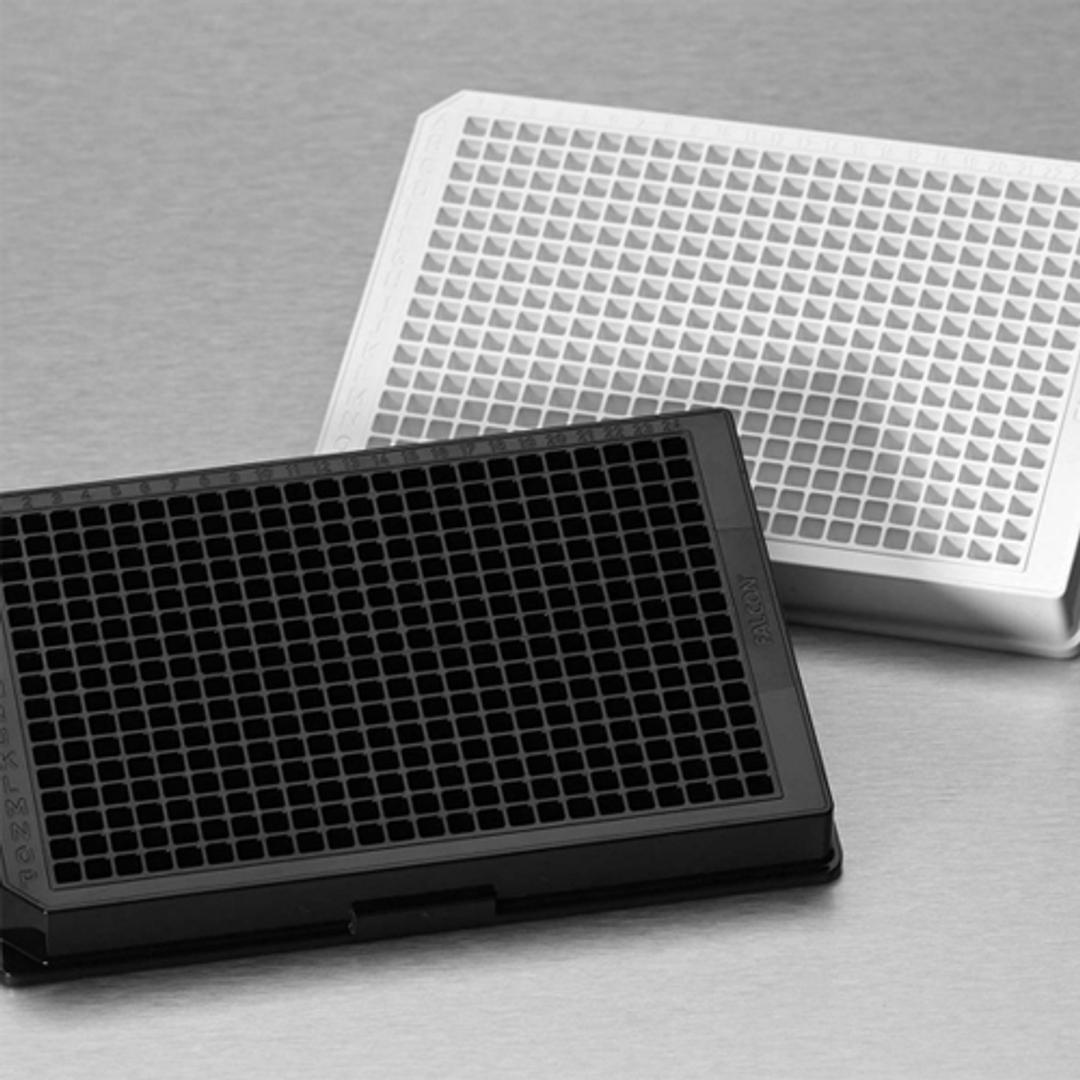
Corning® Matrigel® Matrix-3D Plate
Support consistent and robust growth of 3D cell cultures with Corning Matrigel Matrix-3D Plates

The supplier does not provide quotations for this product through SelectScience. You can search for similar products in our Product Directory.
Convenience. Consistency. Certainty. That is what you can expect from new Corning Matrigel matrix-3D plates.
Corning Matrigel matrix, a natural extracellular matrix (ECM)-based hydrogel, is widely used and referenced in 3D cell culture, in support of organoid and spheroid formation. As 3D cell culture models migrate into a high throughput environment, the need for more convenient, consistent, pre-coated format options has emerged.
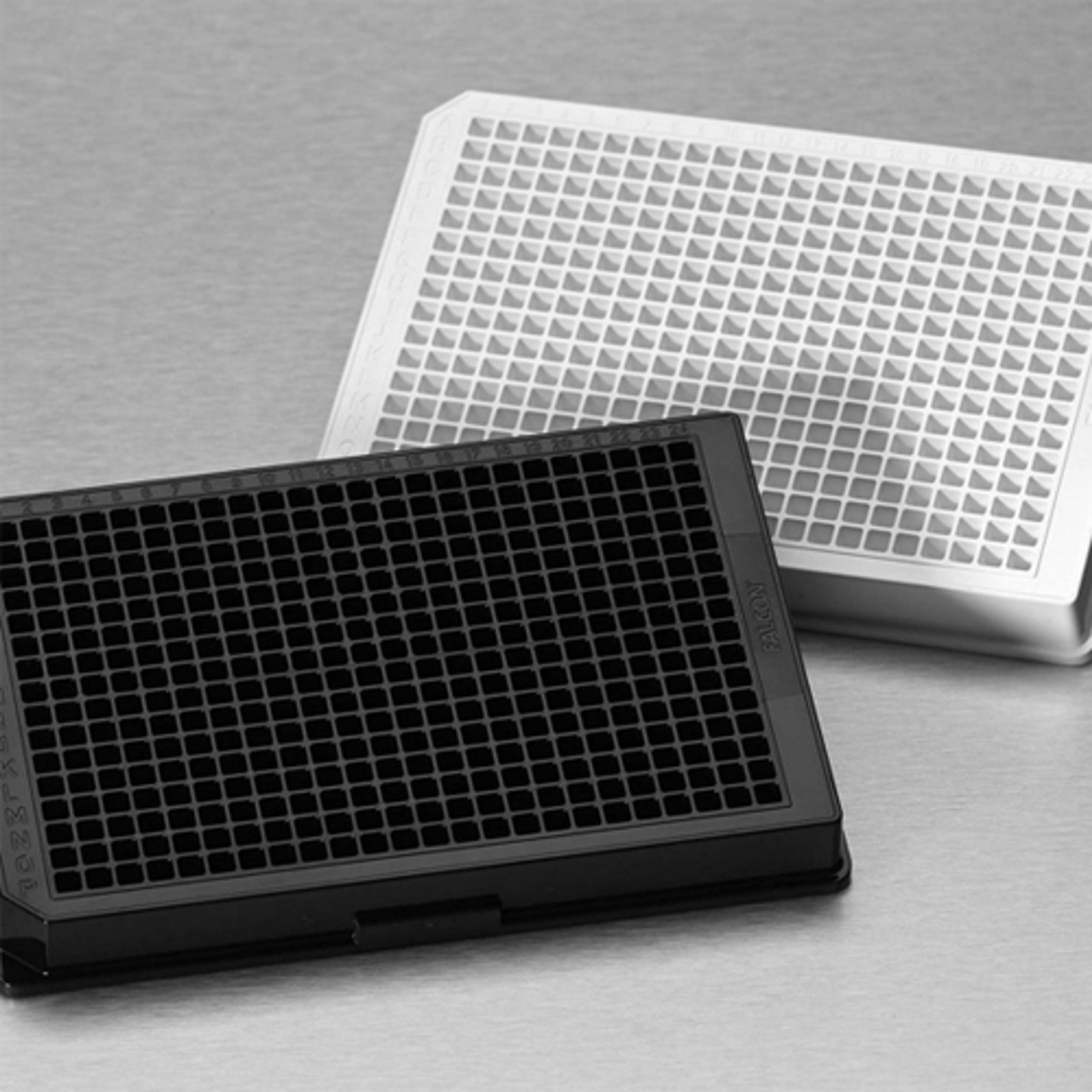
Corning is pleased to offer our new Matrigel matrix-3D plates, a pre-coated, ready-to-use option available in 96-well and 384-well formats. Matrigel matrix is pre-dispensed into each well to support both spheroid and organoid models in a high throughput environment where ‘on-top/sandwich’ and ‘embedded’ workflows are desired to generate 3D cell cultures.

PARP inhibitors: A new frontier in the battle against cervical cancer
Dr. Santu Saha shares his team’s groundbreaking work to develop improved cancer treatments to avoid the potential side effects of chemotherapy
Corning Life Sciences to share suite of 3D cell culture technologies at SLAS2021
The new solutions support evolving industry needs such as COVID-19 response, disease models, and drug discovery

Corning launches X-SERIES cell processing platform to support cell and gene therapy applications
The platform aims to deliver rapid and automated processing of human blood and blood products to obtain purified populations of immune cells
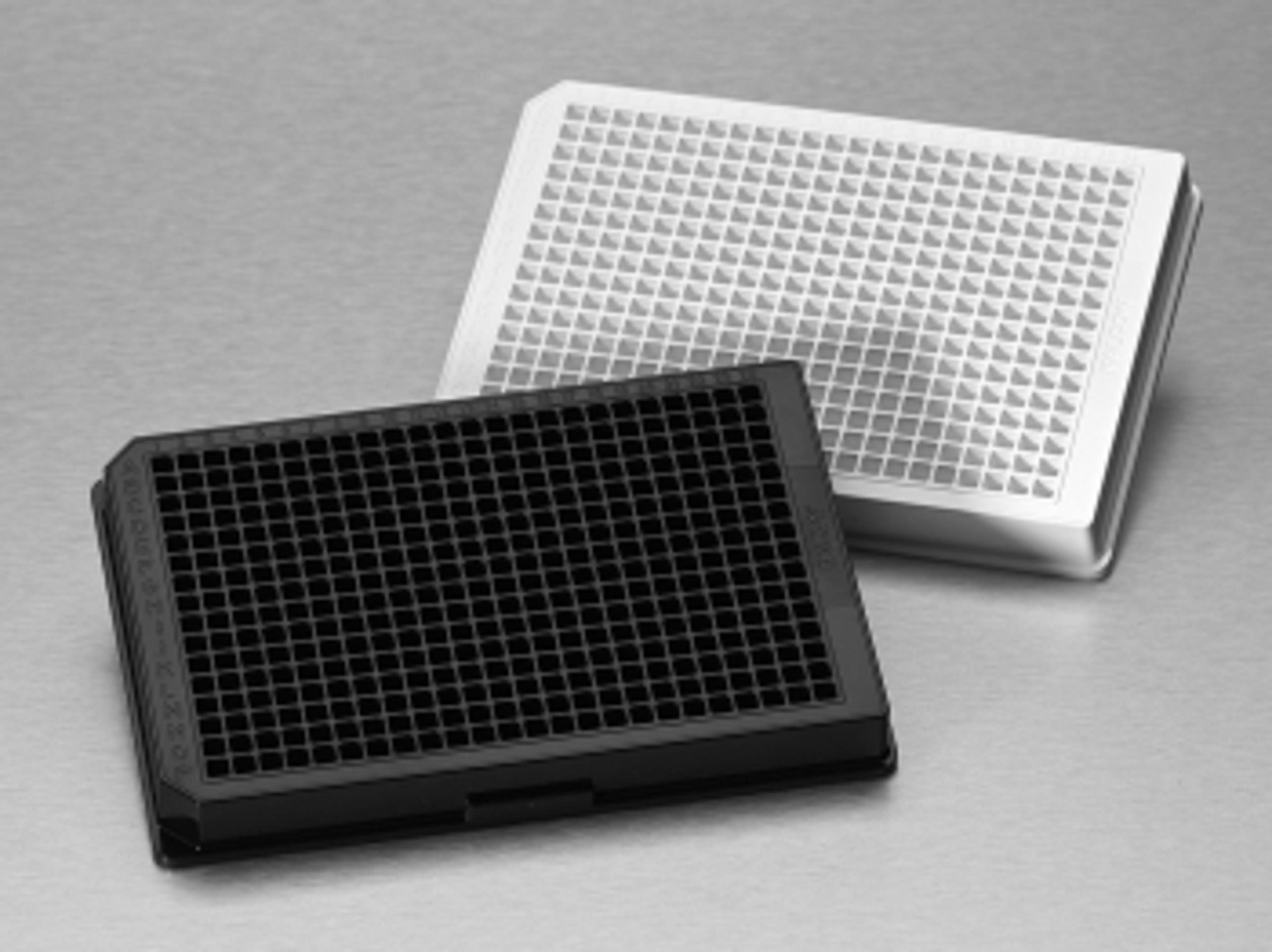
Corning introduces Matrigel Matrix-3D plates to increase consistency in 3D cell culture
The pre-coated Matrigel matrix-3D plates aim to streamline workflows and deliver a more consistent and convenient solution for high-throughput environments
Harvard researcher tackles the big question in cancer research: Drug resistance
Dr. Fang Xie shares insights from his research into prostate cancer and offers hope of overcoming the growing problem of chemotherapy resistance to improve patient outcomes