
Corning introduces Matrigel Matrix-3D plates to increase consistency in 3D cell culture
The pre-coated Matrigel matrix-3D plates aim to streamline workflows and deliver a more consistent and convenient solution for high-throughput environments
17 Jun 2020
Corning Incorporated has announced the launch of Corning® Matrigel® matrix-3D plates, pre-dispensed with Matrigel matrix to provide a more consistent and convenient, ready-to-use cell culture option to support organoid and spheroid culture models. This new 3D tool aims to help improve productivity by reducing workflow steps and offering added convenience and quality control measures to existing protocols.
Organoid models help create a more life-like environment, resulting in more physiologically relevant data in support of areas such as drug discovery, disease modeling, personalized medicine, and cancer research. The increasing popularity of these 3D models has expanded the demand for technologies that provide consistent and reproducible results. Matrigel matrix has been demonstrated to support both spheroid and organoid models. Dispensing a consistent volume of the Matrigel matrix into 96-well and 384-well microplate formats provides researchers with a tool that allows them to grow and assay cells in the same plate, resulting in robust assay performance and consistent plate-to-plate performance.
“The latest addition to Corning’s portfolio addresses the emerging need for more convenient, consistent Matrigel matrix options as 3D cell culture models migrate into a high throughput environment,” said Kim Titus, director, Business Operations, Corning Life Sciences. “These new tools not only increase convenience and consistency, but also help boost the volume of spheroid and organoid generation and assays essential to advancing research in critical areas such as pancreatic, ovarian, prostate and intestinal diseases.”
The continued expansion of 3D cell culture tools, along with other solutions in Corning’s portfolio, are contributing to the advancement and growth of an industry focused on breakthroughs in drug discovery, oncology research, and other disease modeling applications. Corning works to increase efficiencies for customers by creating new products that can be easily adopted into existing workflows and offer added consistency and value. The introduction of Matrigel matrix-3D plates demonstrate Corning’s ongoing commitment to supporting the advancement of scientific achievements in health and medicine.
Do you use products from Corning in your lab? Write a review today for your chance to win a $400 Amazon.com Gift Card.
Related products
Request Quote for All Products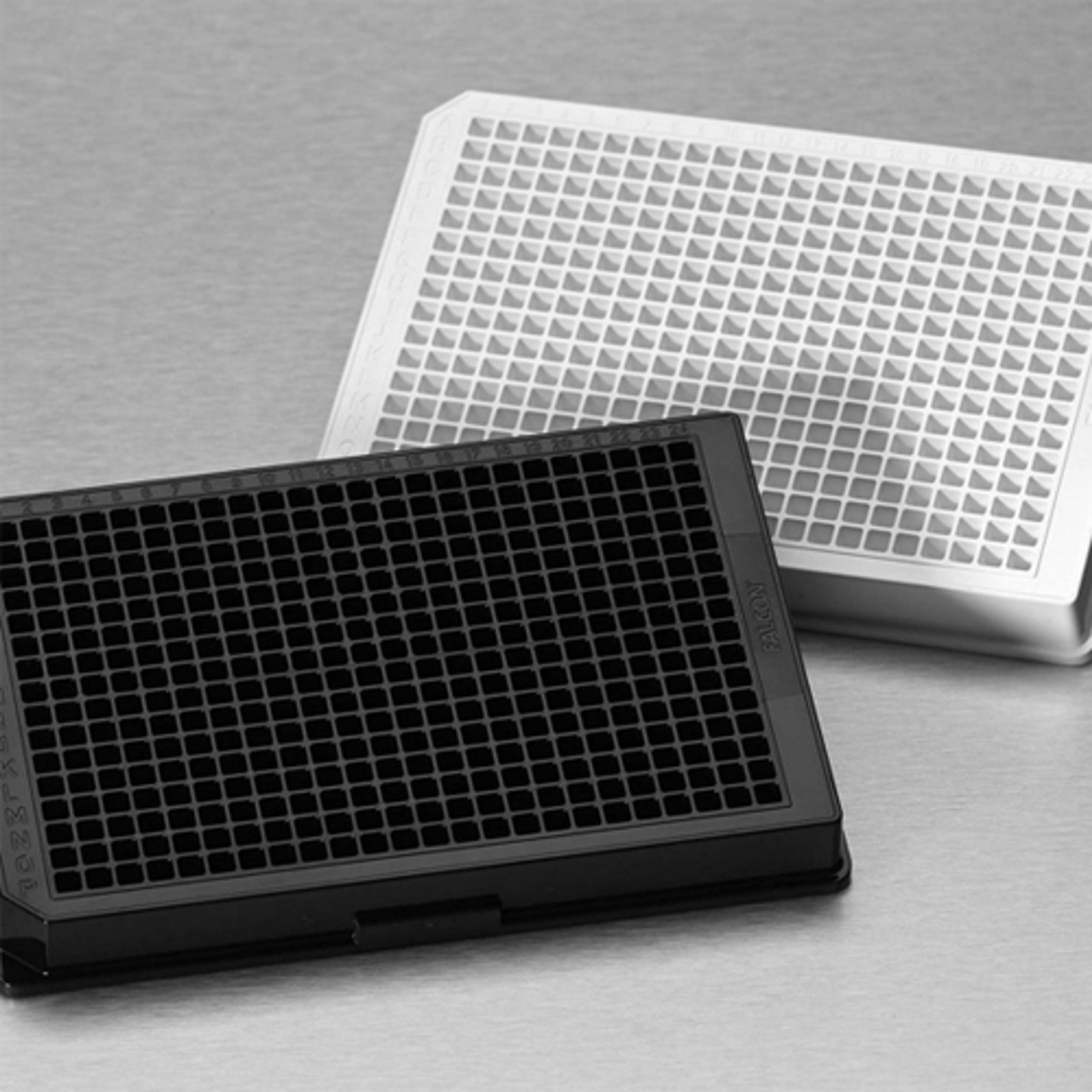
Corning® Matrigel® Matrix-3D Plate
Corning Life SciencesSupport consistent and robust growth of 3D cell cultures with Corning Matrigel Matrix-3D Plates