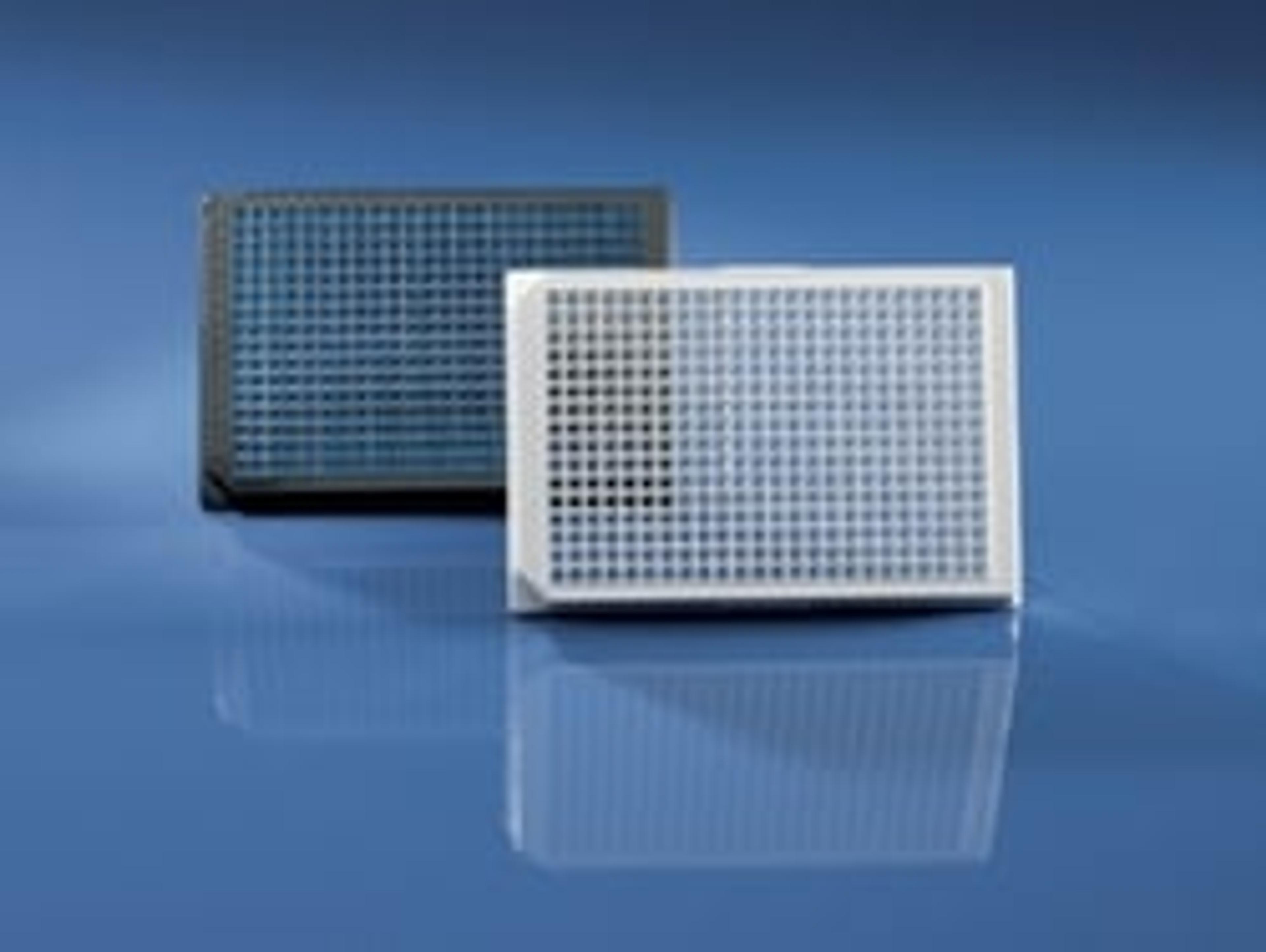
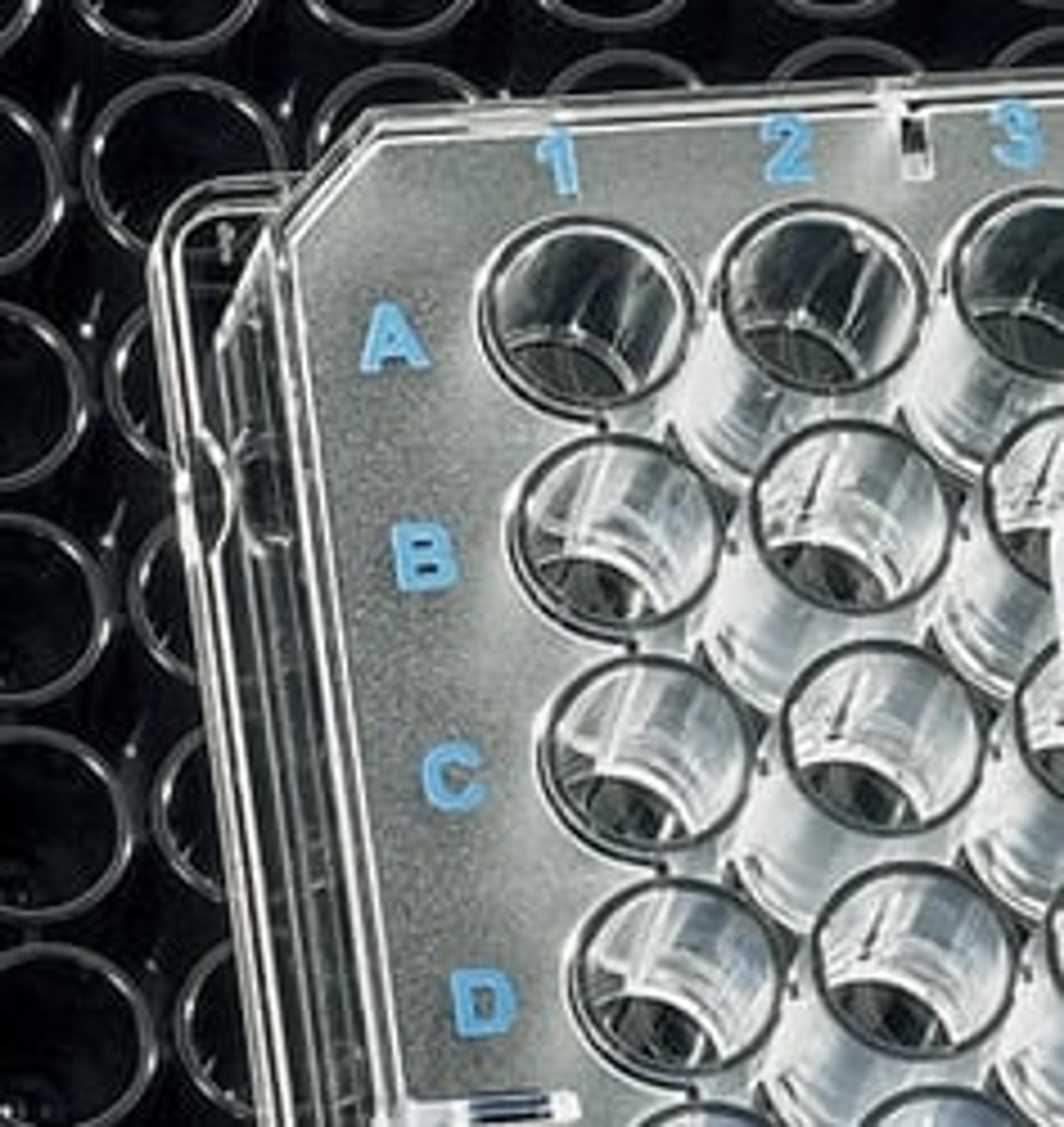
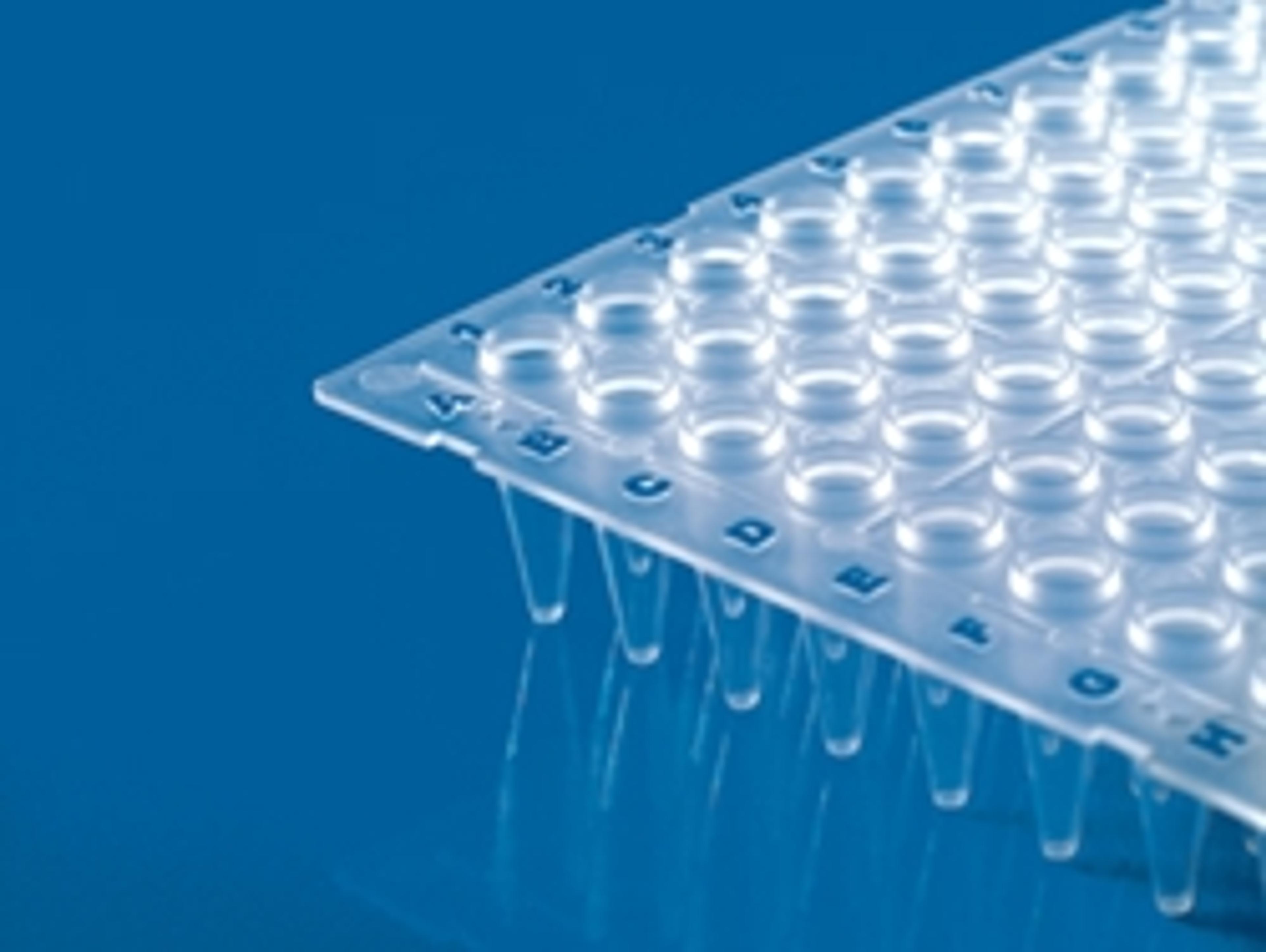
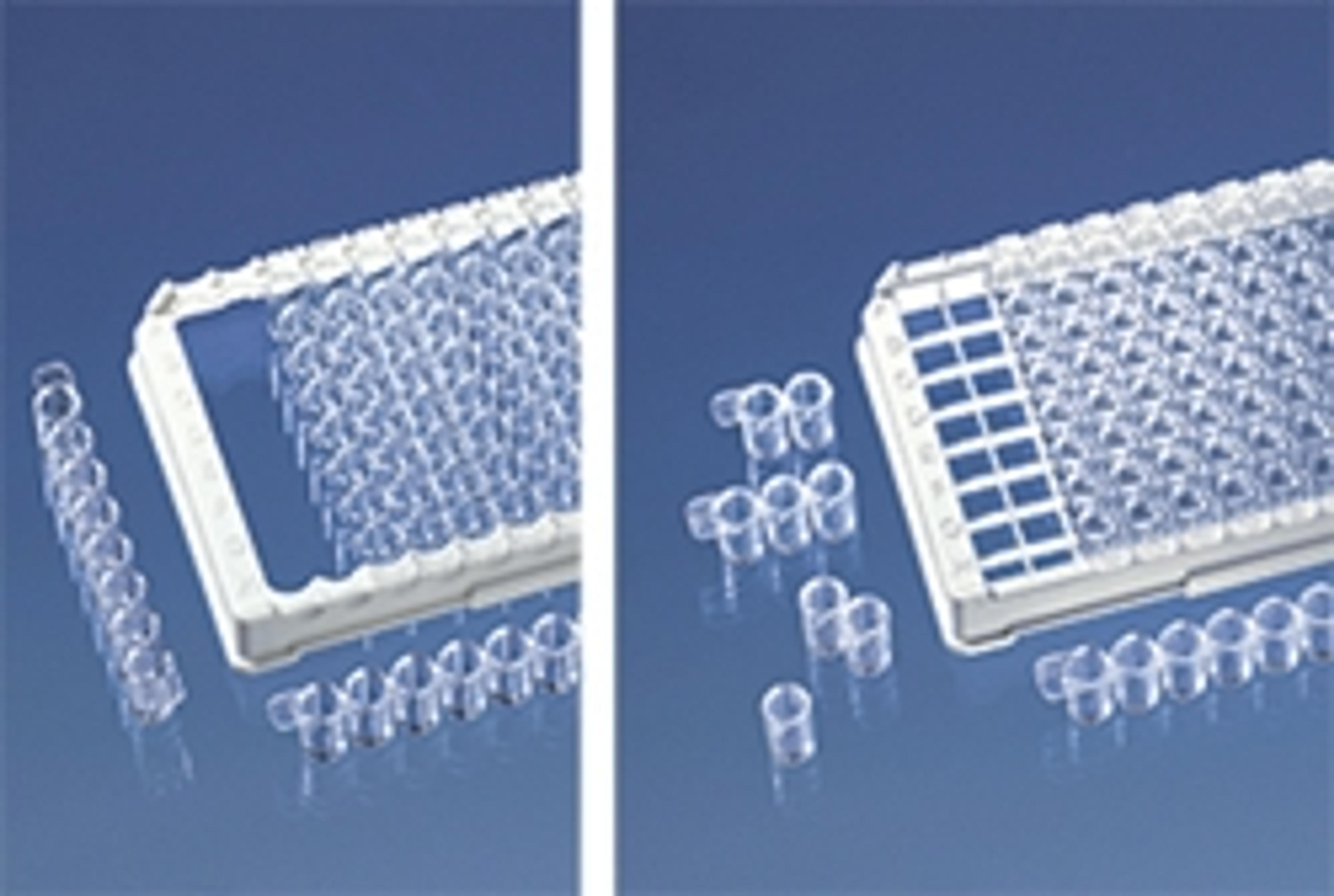
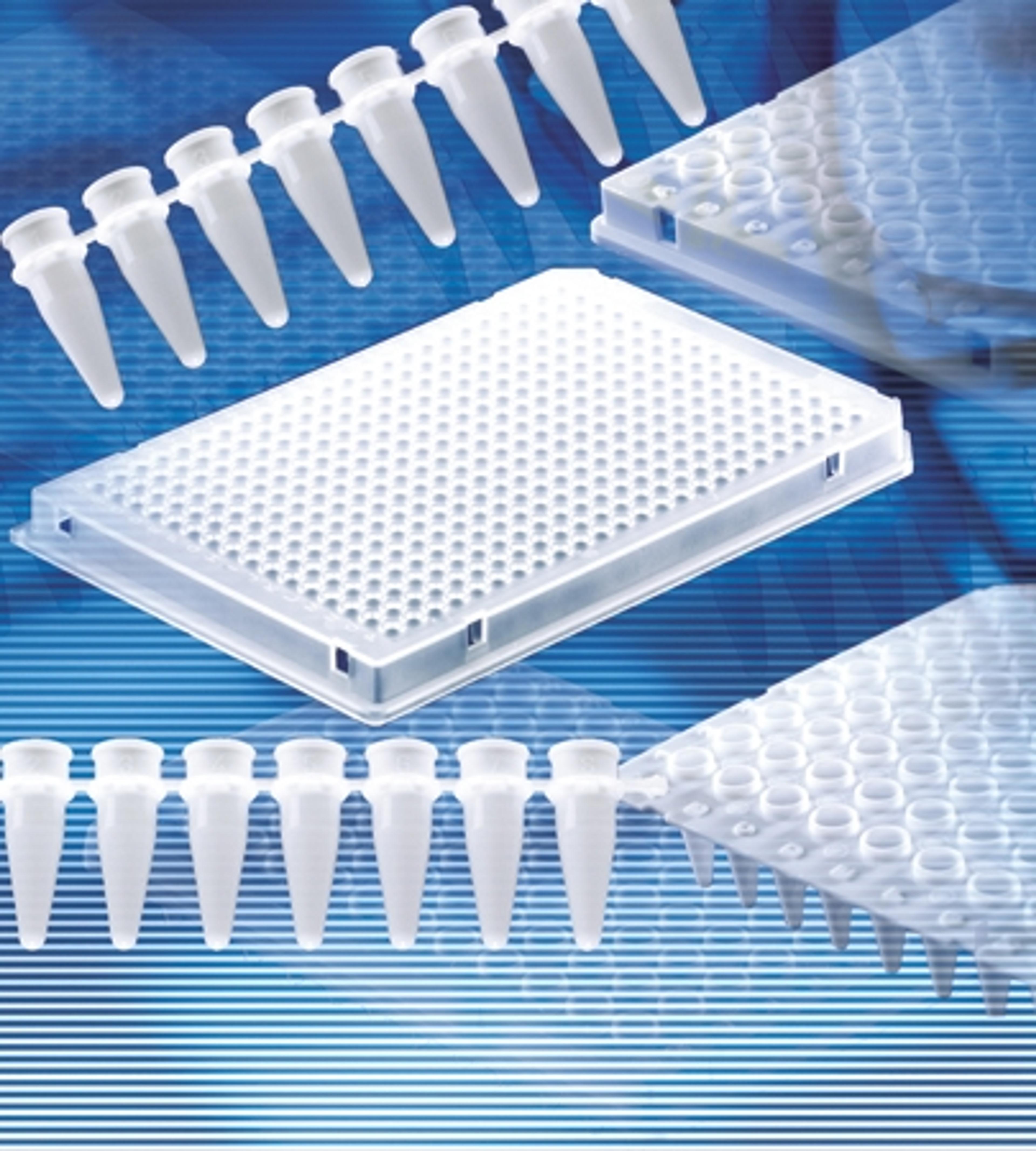
BRANDplates Non-treated 96, 384, 1536-well Microplates
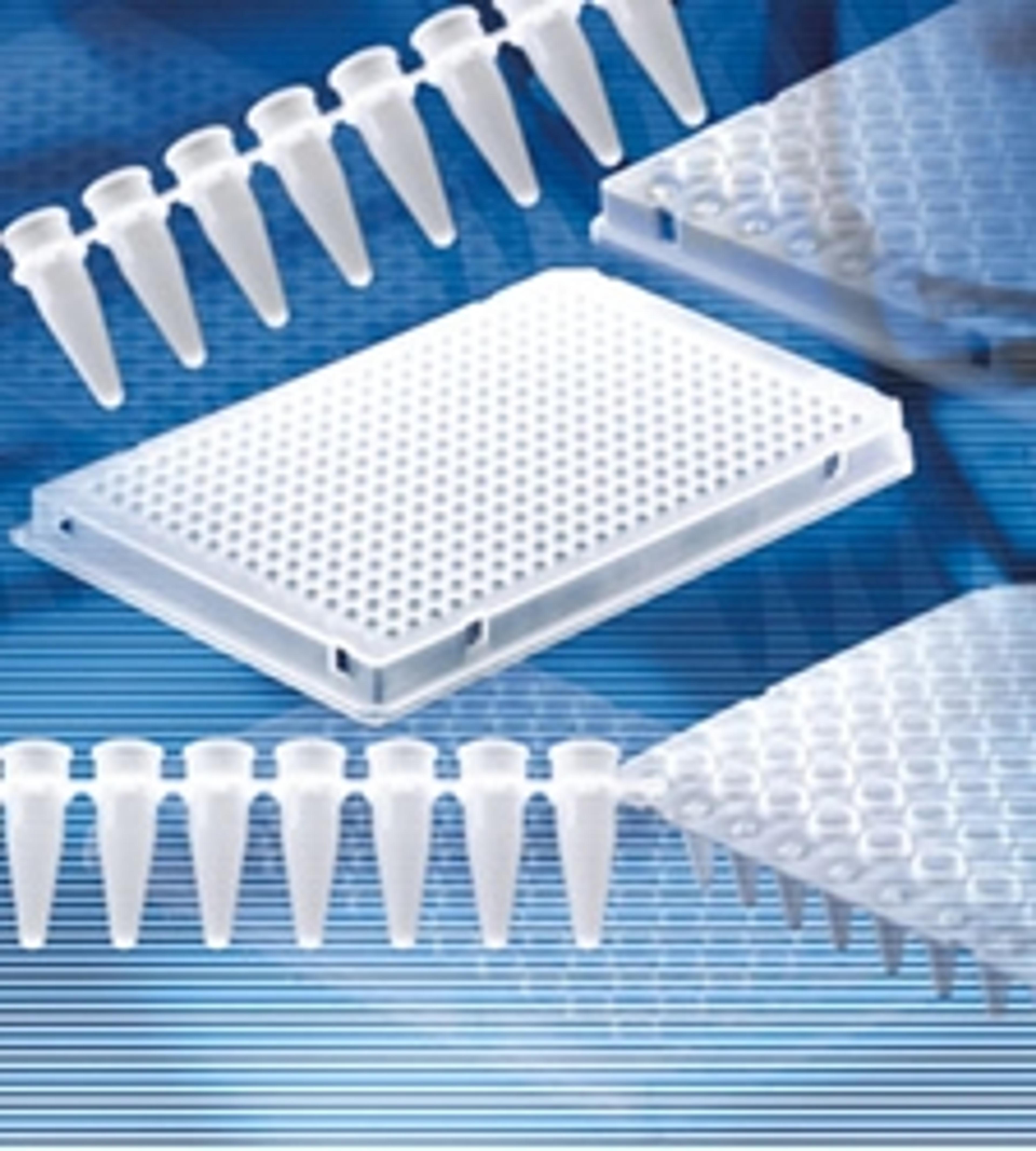
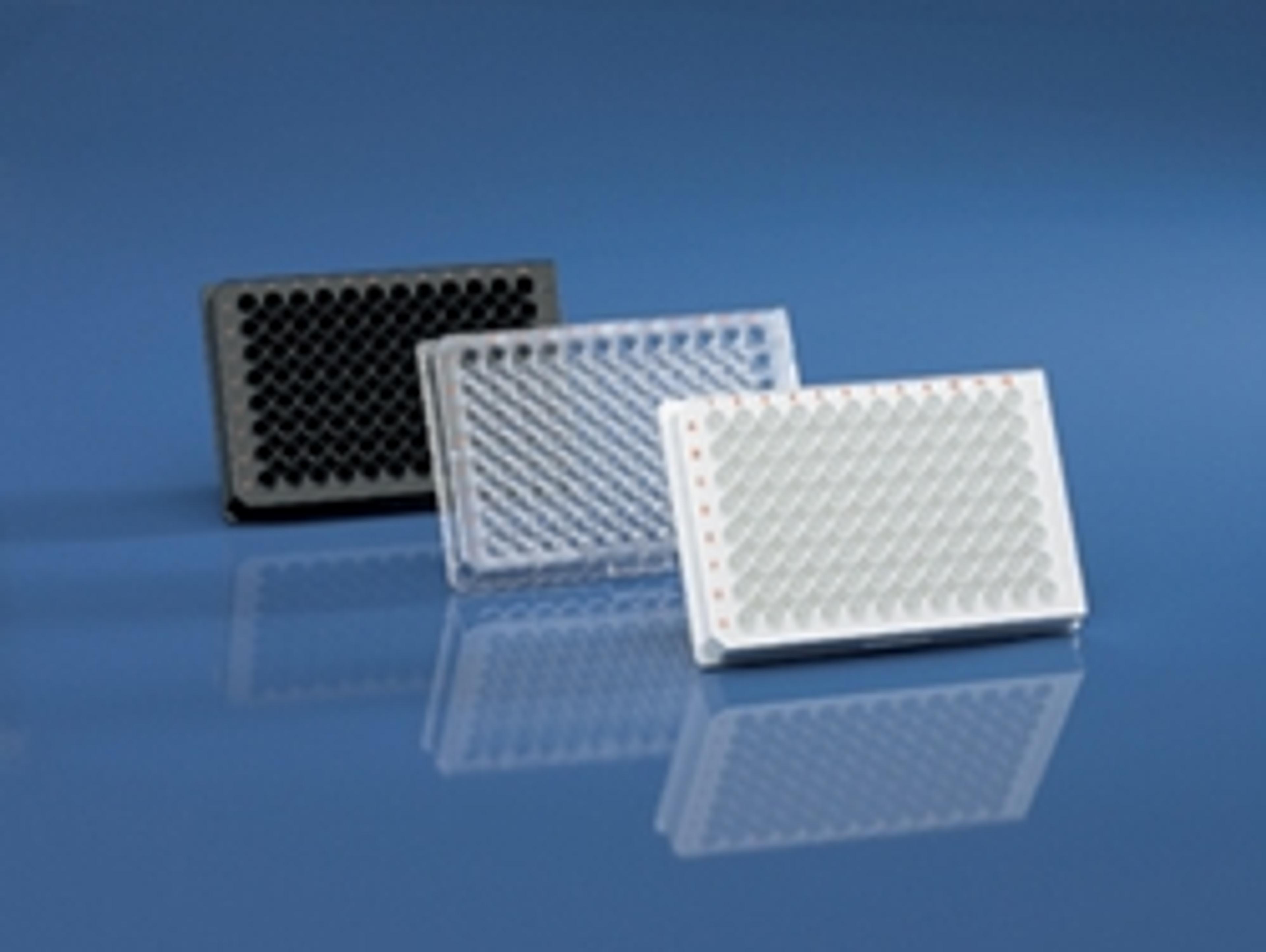
BRAND 96, 384, 1536-well polystyrene and polypropylene microtitration plates are excellent for cell and tissue culture, sample storage, immunological assays, and other applications. BrandTech Plates have 96, 384 and 1536 wells and are available with 330µL or 400µL well volumes. They are fully compatible with most standard plate readers and washers. Both sterile and non-sterile BRAND plates are available with rounded, V-shaped…



Purchase directly from BRANDTECH Scientific.
BRAND 96, 384, 1536-well polystyrene and polypropylene microtitration plates are excellent for cell and tissue culture, sample storage, immunological assays, and other applications.
BrandTech Plates have 96, 384 and 1536 wells and are available with 330µL or 400µL well volumes. They are fully compatible with most standard plate readers and washers. Both sterile and non-sterile BRAND plates are available with rounded, V-shaped, or flat well bottoms to meet the needs of most applications.
Sterile, treated plates with hydrophilic surfaces are also available. Design features of the BRAND 96, 384 and 1536-well microplates help reduce evaporation and contamination. Raised rings around wells simplify sealing with adhesive films and mats. Recessed hollows between wells reduce oversplash. Optional lids are equipped with condensation rings.

High Yields of Transfected Cells with BRANDplates® cellGrade™ Premium Surface
Transfection is defined as non-viral DNA/gene delivery into eukaryotic cells performed by several chemical, physical or biological methods. Serum-free culture medium is necessary for successful transfections to avoid nucleases degrading or forming complexes with DNA. This application note compares three different microplate surfaces regarding their ability to support proliferation and attachment of transfected cells during washing steps.