AIRsight
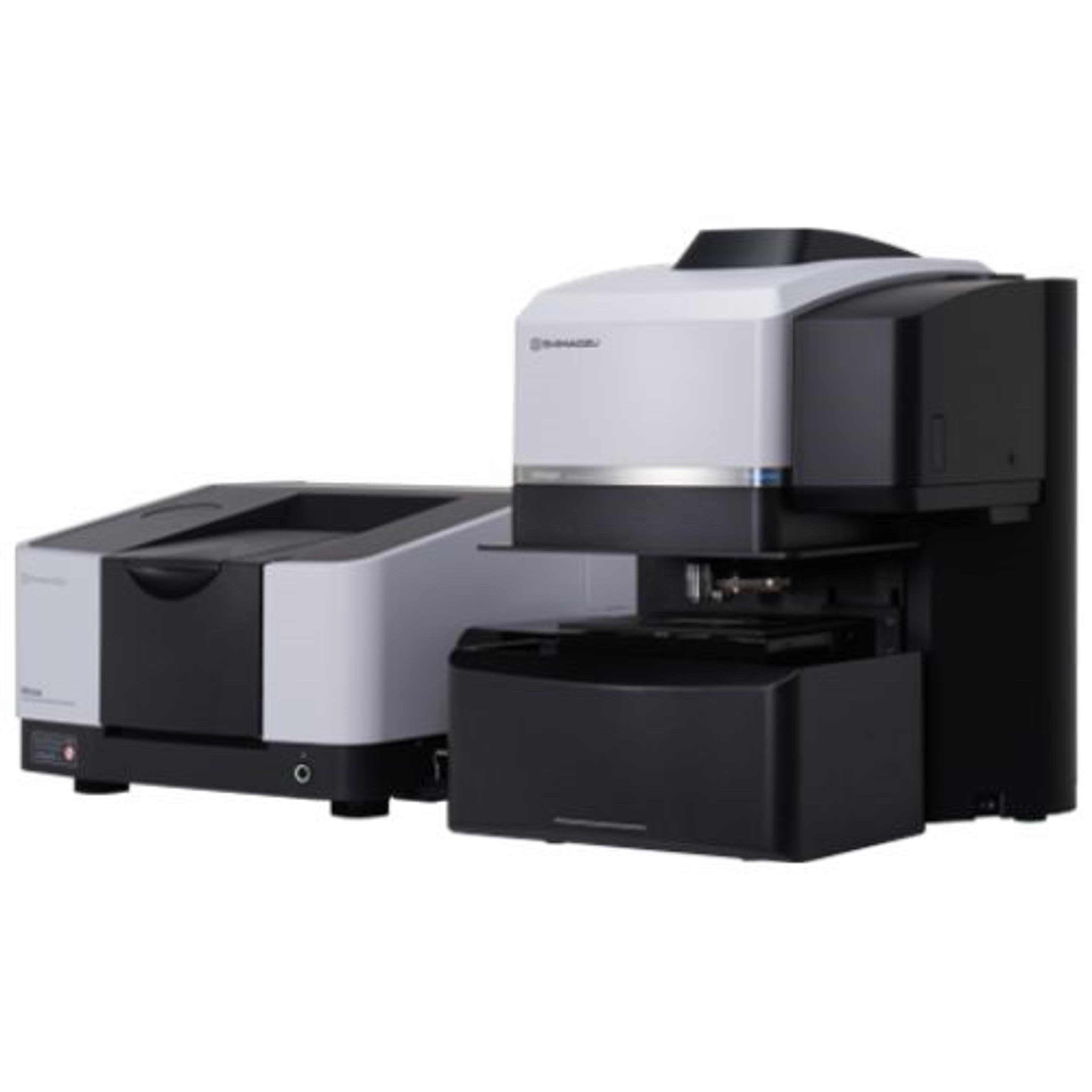
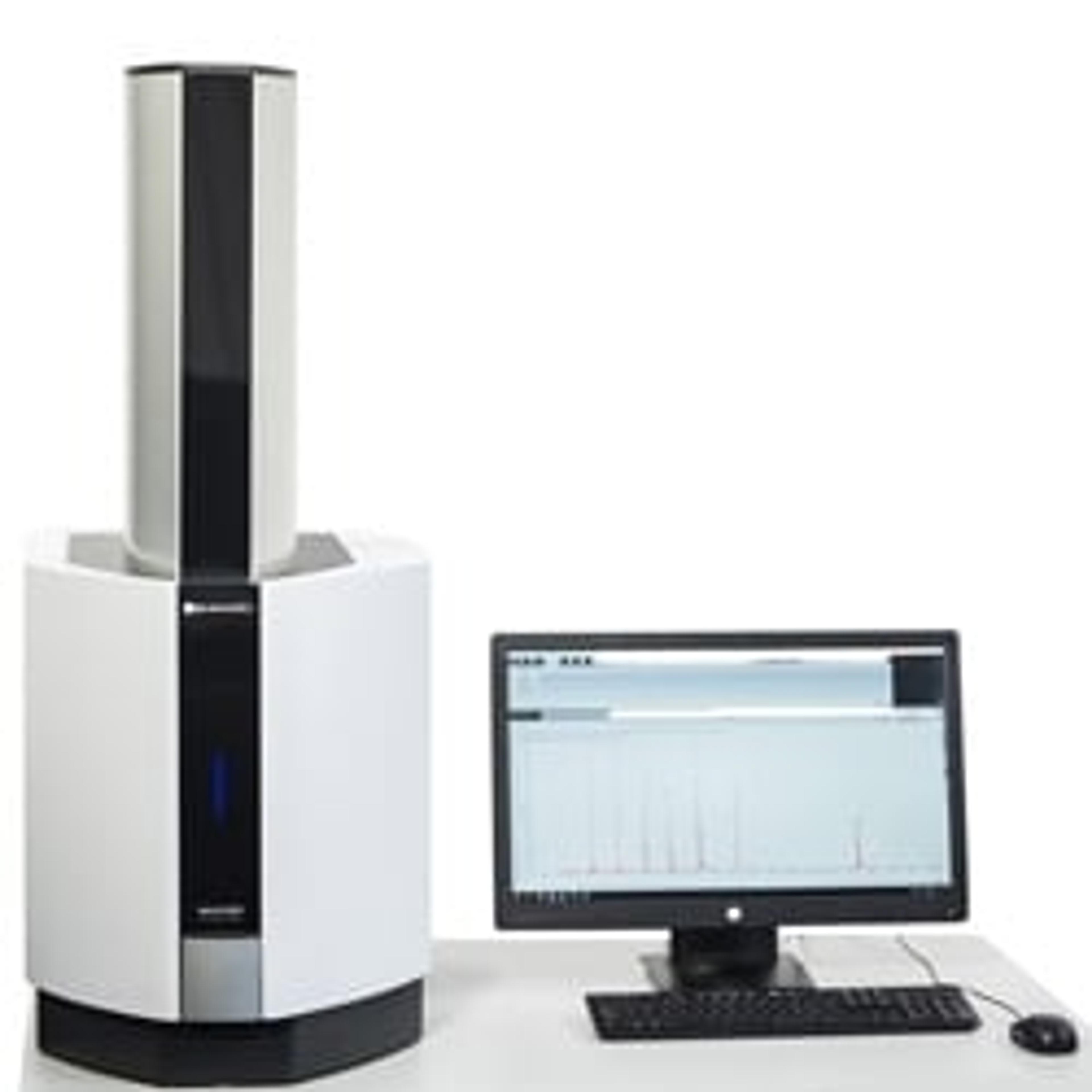
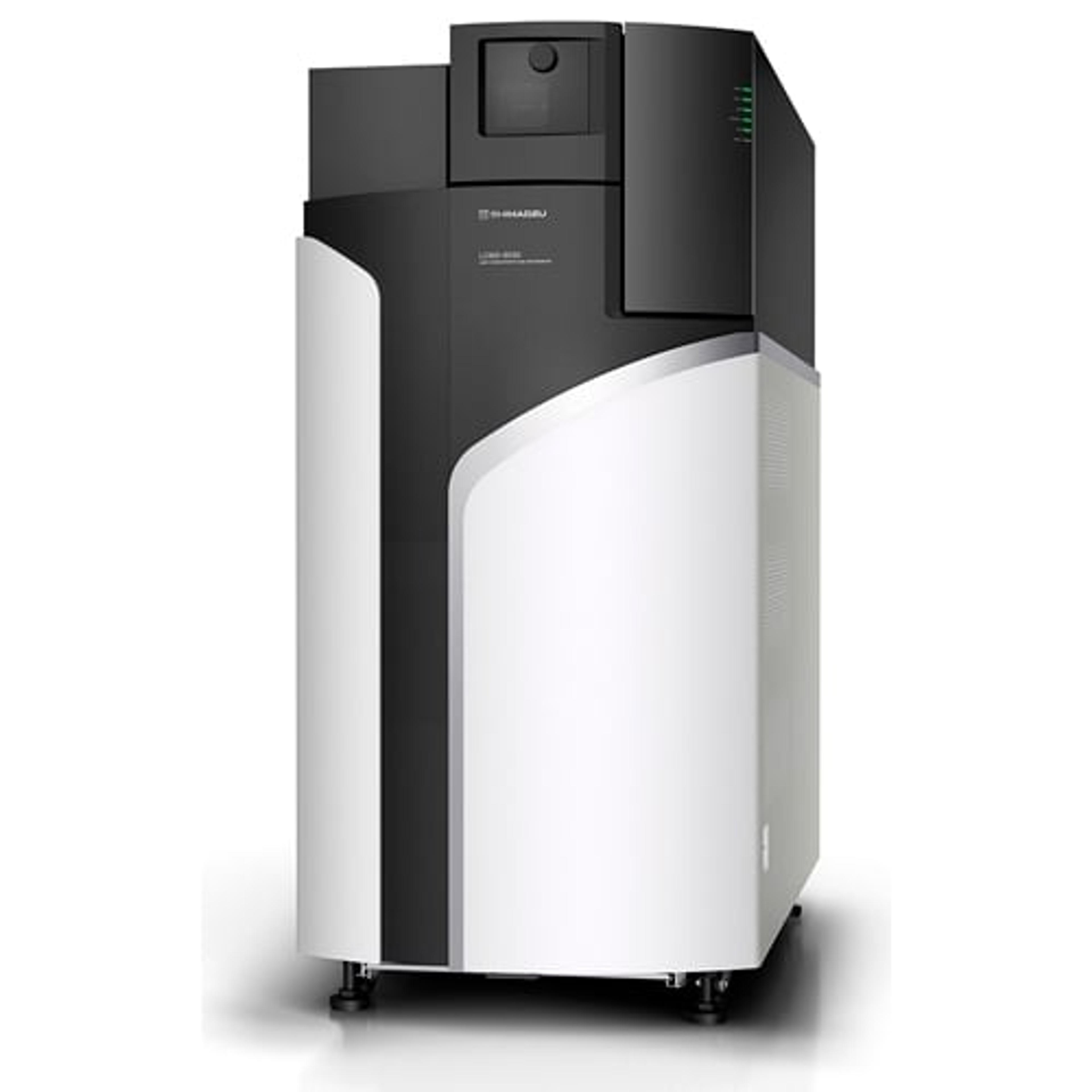
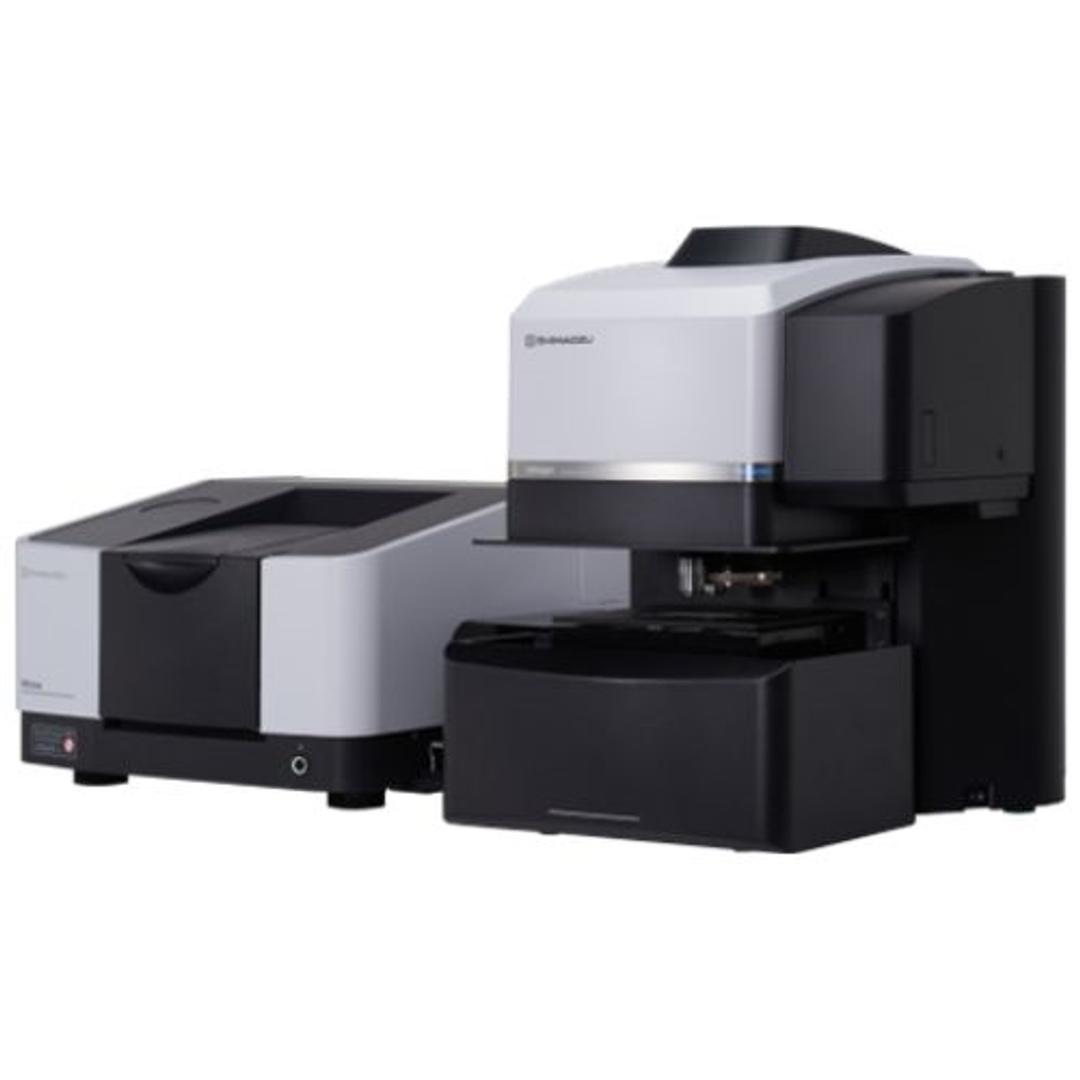
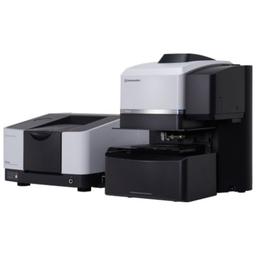
The AIRsight Infrared/Raman Microscope is a unique microscope that combines both infrared and Raman spectroscopy into a single instrument, offering complementary molecular information. This system can be connected to Fourier Transform Infrared (FTIR) spectrophotometers including the IRTracer-100, the IRXross, and the IRAffinity-1series. The AIRsight significantly enhances analytical efficiency by streamlining all process…
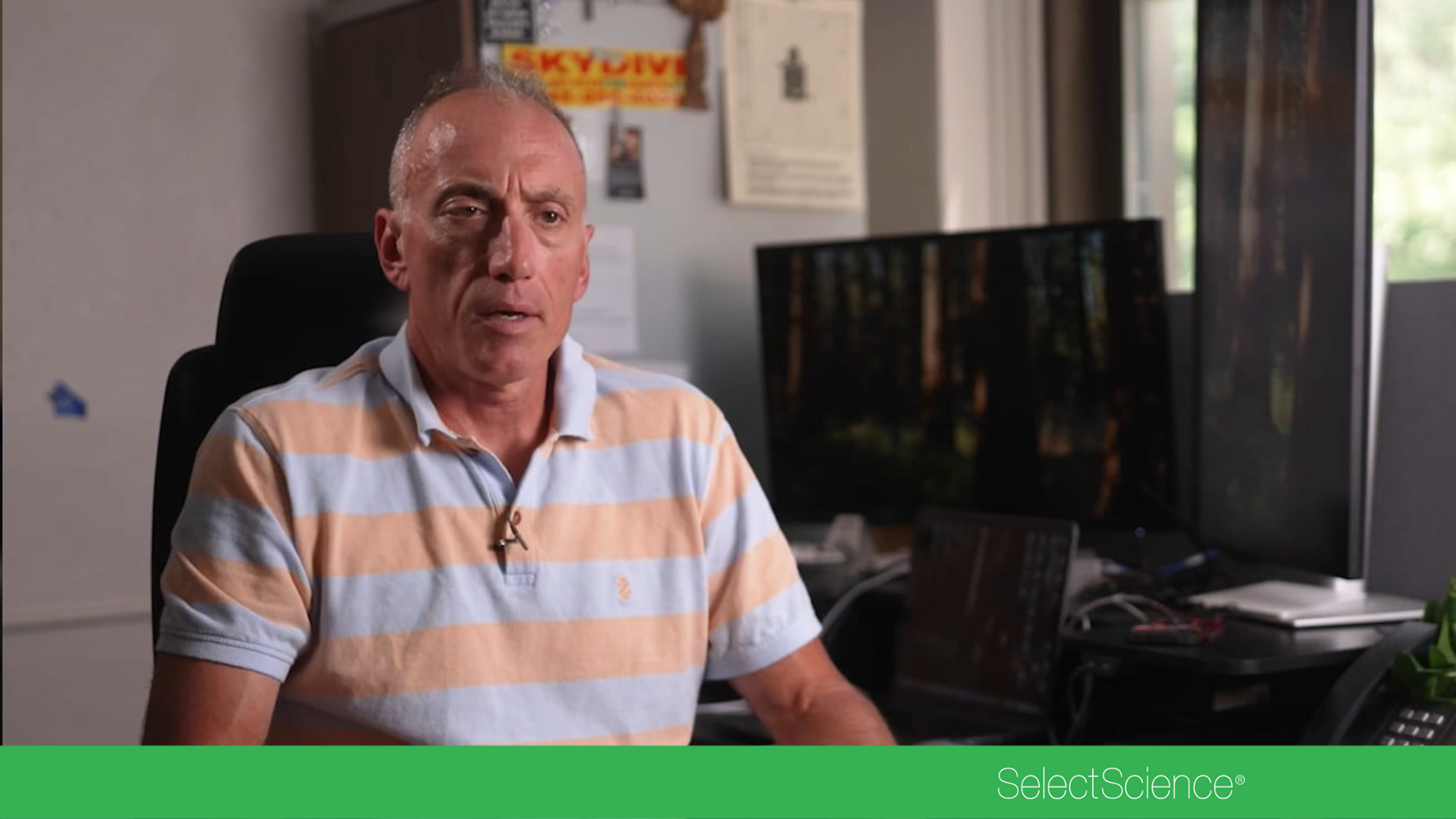
Dr. Tom Spudich, Professor of Analytical Chemistry, discusses the advanced spectroscopy tools that are transforming forensic science


Receive your quote directly from the manufacturer.
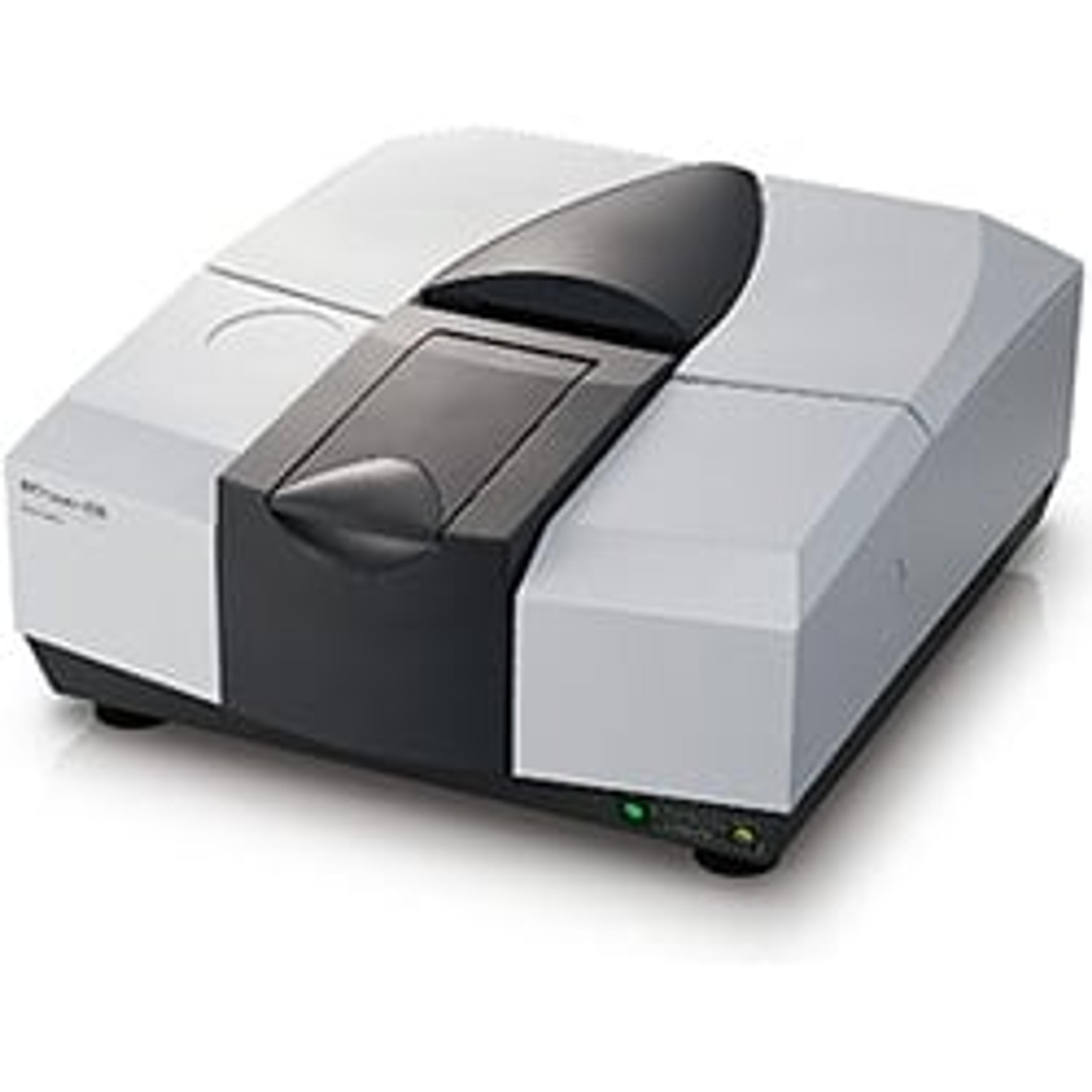
The AIRsight Infrared/Raman Microscope is a unique microscope that combines both infrared and Raman spectroscopy into a single instrument, offering complementary molecular information. This system can be connected to Fourier Transform Infrared (FTIR) spectrophotometers including the IRTracer-100, the IRXross, and the IRAffinity-1series.
The AIRsight significantly enhances analytical efficiency by streamlining all process steps, from sample observation to data analysis. This simple scan acquired qualitative infrared and Raman spectra from the same microscope stage without moving the sample. The equipped wide-view camera shares positional information with the infrared microscope camera and the Raman-use objective lens, ensuring precise observation of the target. Moreover, because it uses the same software to control both infrared and Raman measurements, users can smoothly perform all processes, from image acquisition to measuring infrared and Raman spectra. The AIRsight is useful for analyzing trace contaminants, and maintaining quality control in industries like the chemical, electrical, electronic, machinery, and transportation industries, and is well suitable for research on microplastics.
Innovations transforming microplastic detection
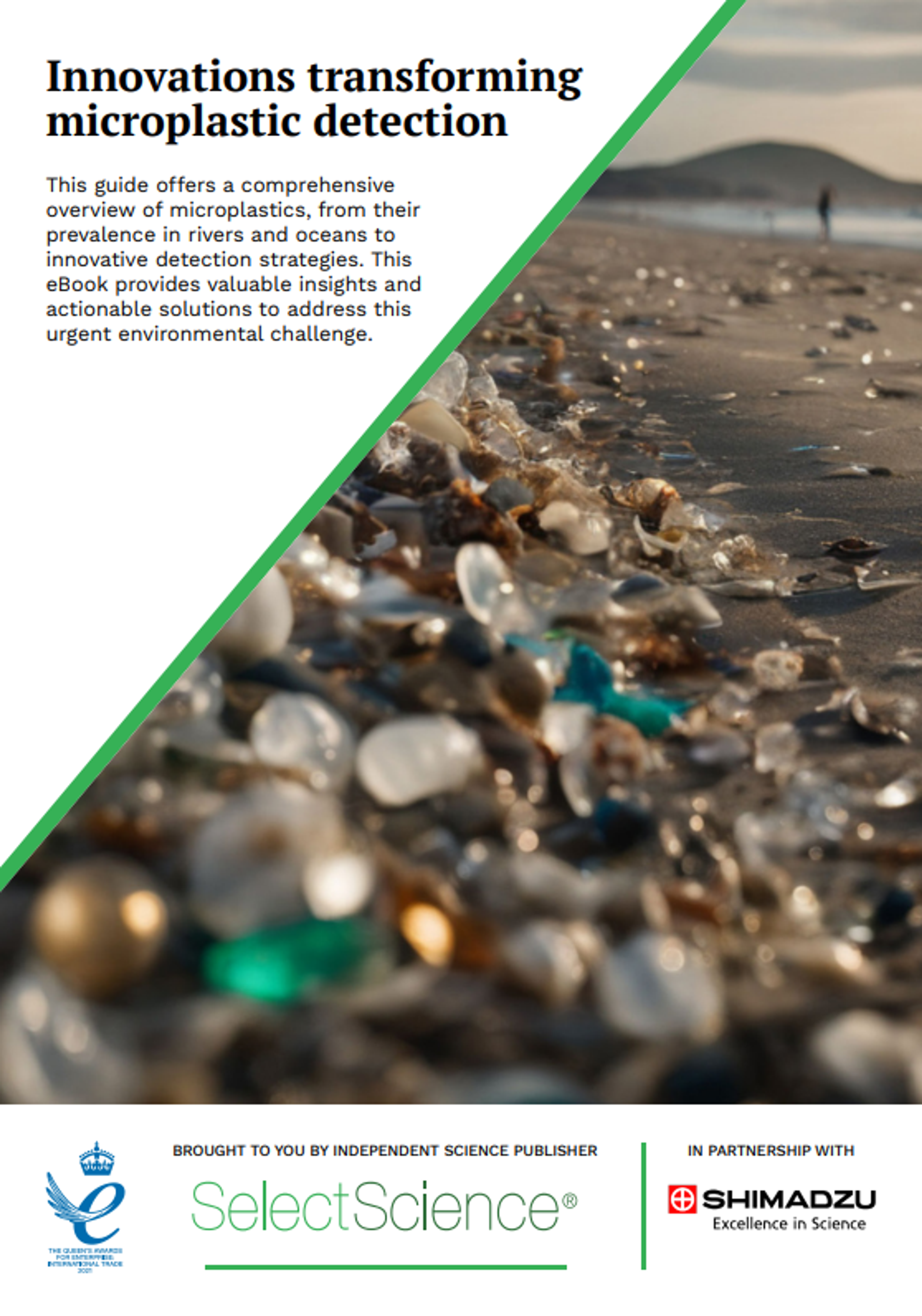
Microplastics, defined as plastic particles smaller than 5 mm, are categorized into primary and secondary types. Primary microplastics are intentionally manufactured for industrial and consumer products, while secondary microplastics arise from the degradation of larger plastics in the environment. The widespread presence of both types in ecosystems, particularly aquatic ones, has raised concerns due to their potential ecological impacts and risks to human health through bioaccumulation.
As research on these risks intensifies, this expert eBook provides a detailed exploration of microplastics, their distribution in water bodies, and advanced detection methods, offering crucial insights and solutions to this environmental challenge.
This eBook also includes various case studies showcasing Shimadzu Corporation’s cutting-edge analytical technologies in characterizing microplastics. As a member of the ISO Commission, find out how Shimadzu plays a key role in microplastics analysis and in standardizing analytical methods.
Speeding up forensics with advanced spectroscopy tools
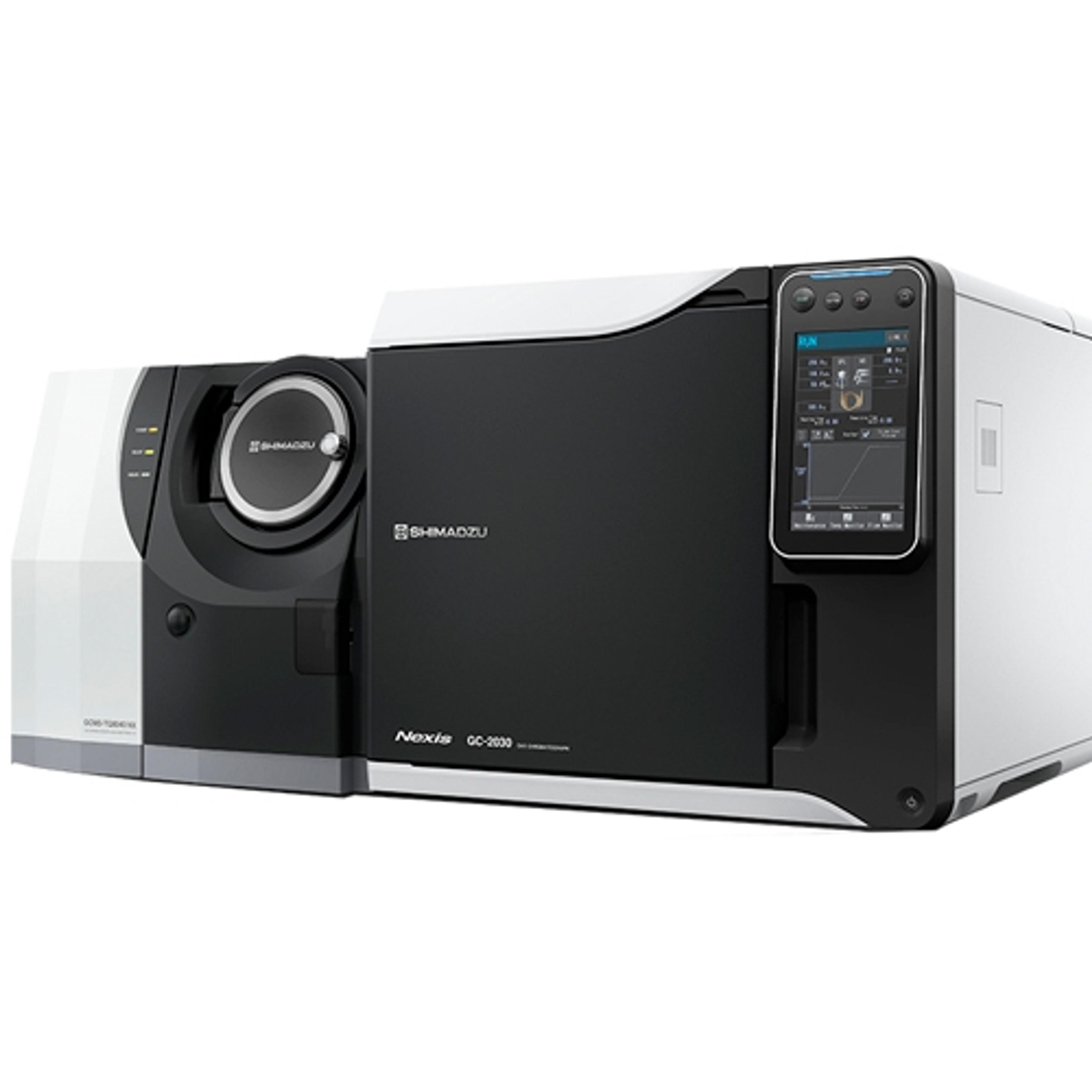
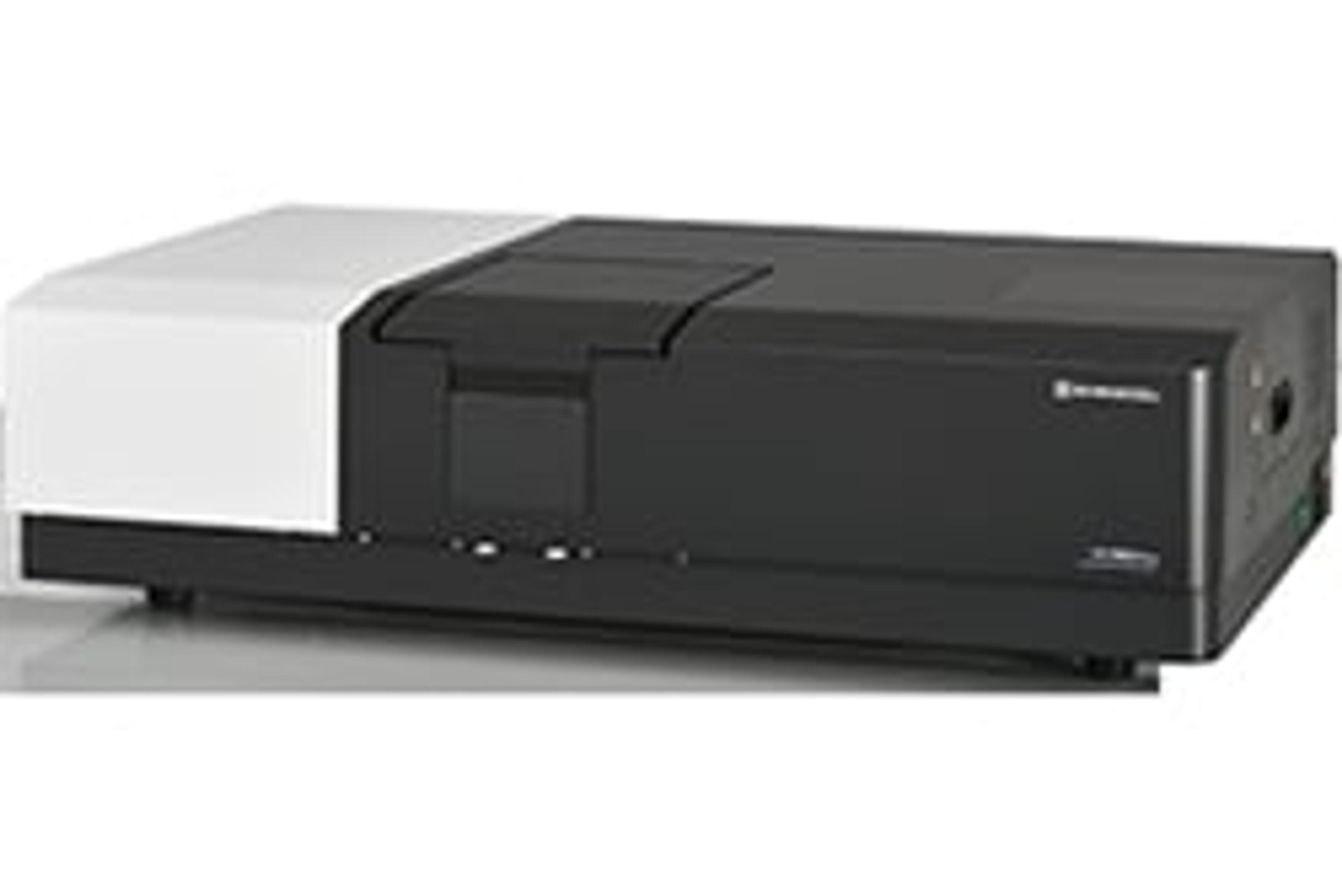
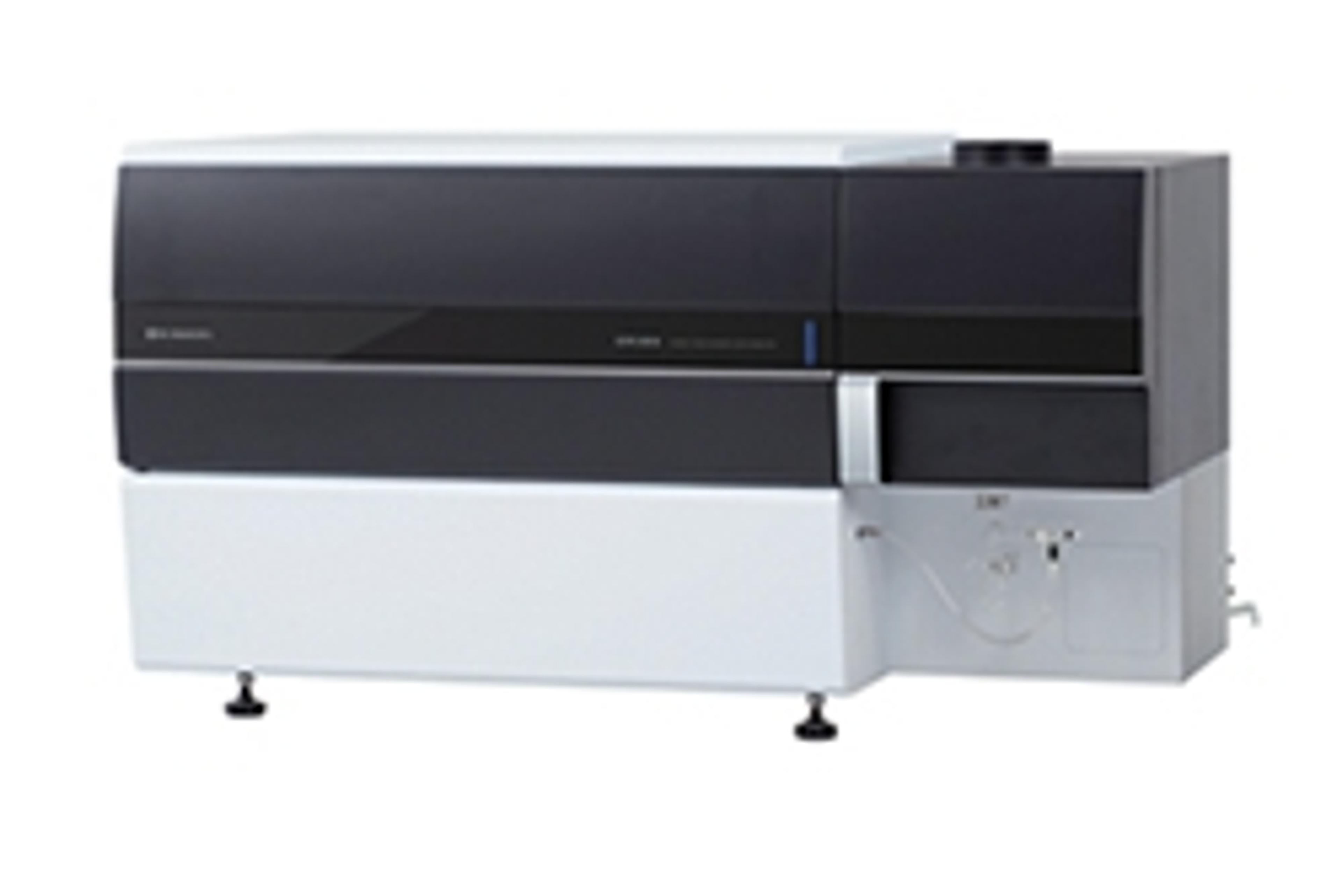
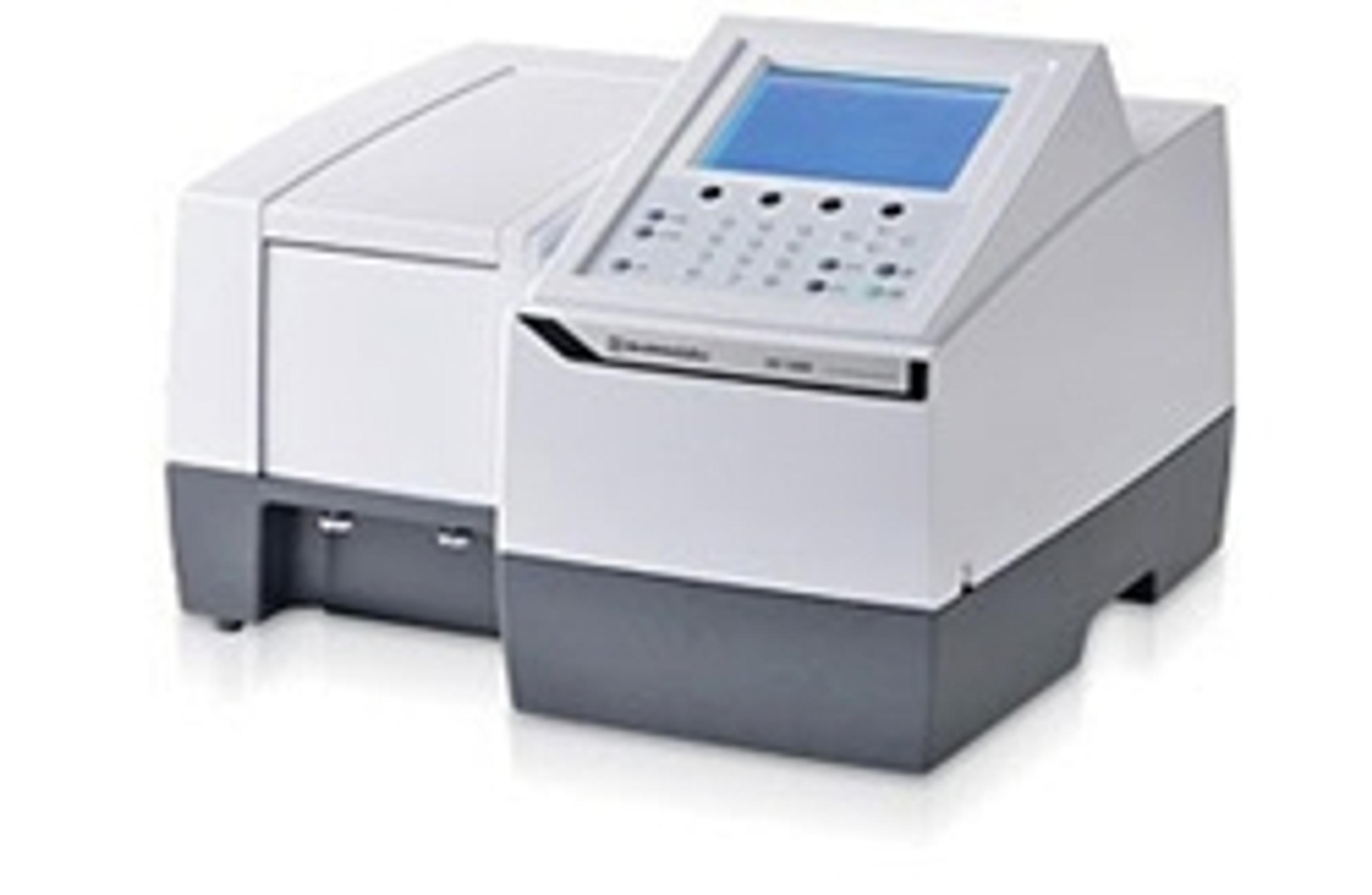
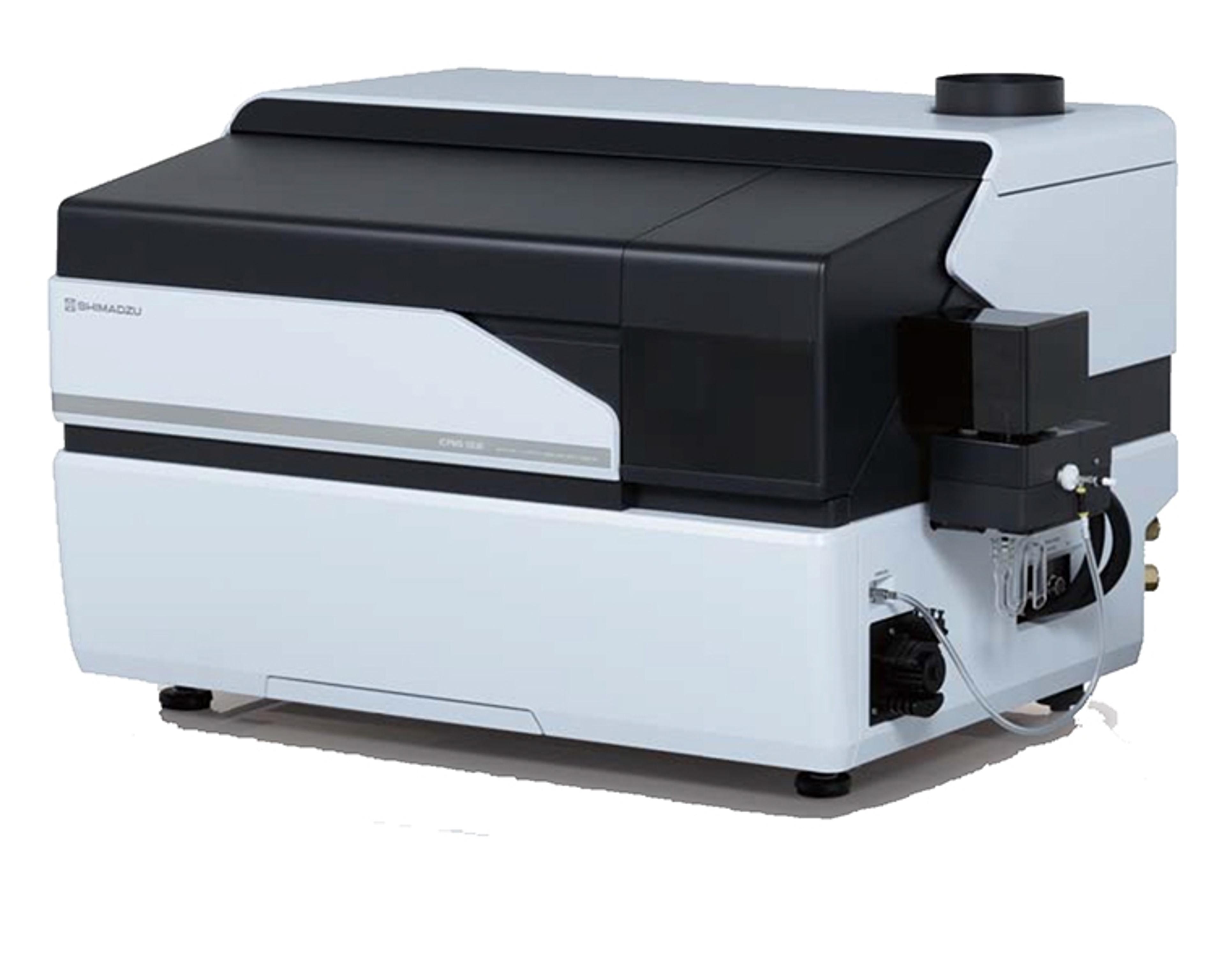
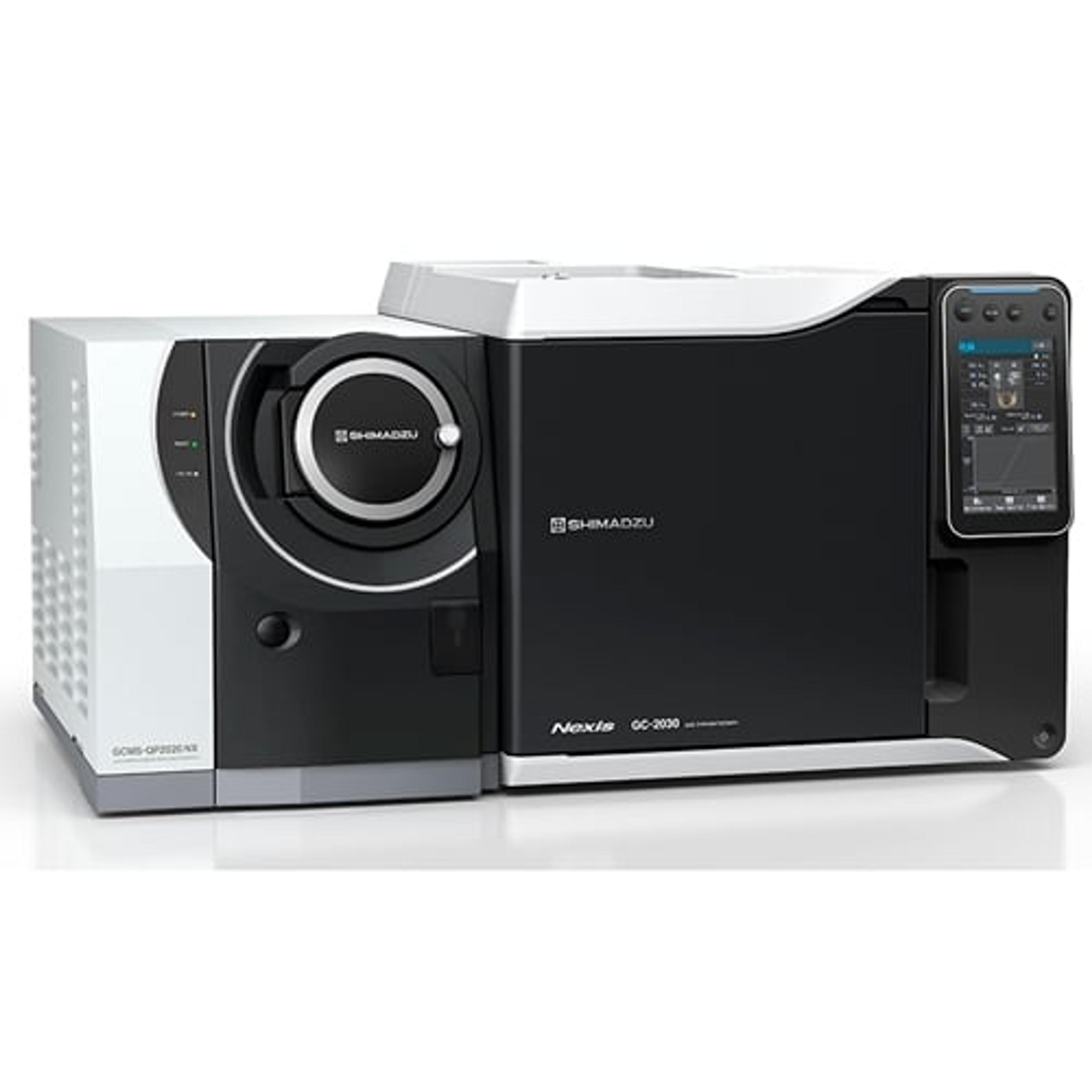
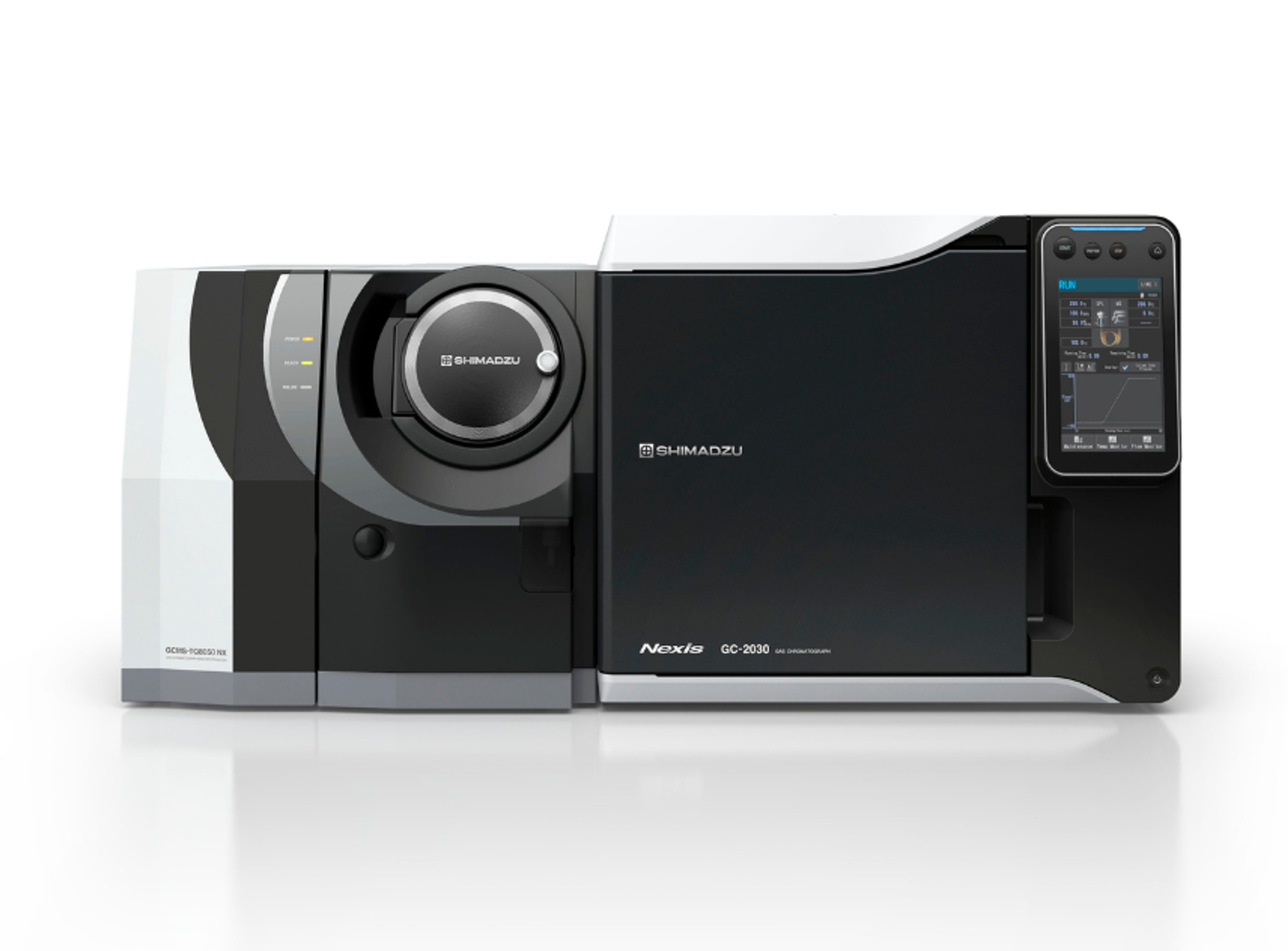
Forensic spectroscopy encompasses a suite of analytical techniques designed to identify unknown substances and quantify trace elements with extreme precision and speed. In this SelectScience interview, Dr. Tom Spudich, Professor of Analytical Chemistry, explores how advanced tools like UV-Vis spectroscopy, GC-MS, FTIR with ATR, and ICP-OES are transforming forensic science workflows.
Discover how these methods are instrumental in diverse applications, from preserving historic documents through elemental analysis to detecting beverage adulterants like 1,4-butanediol. Learn how Shimadzu’s high-sensitivity instrumentation is slashing analysis times from hours to just 15 minutes, significantly boosting sample throughput and accessibility in the field.
Find out more information on Shimadzu forensics solutions here.