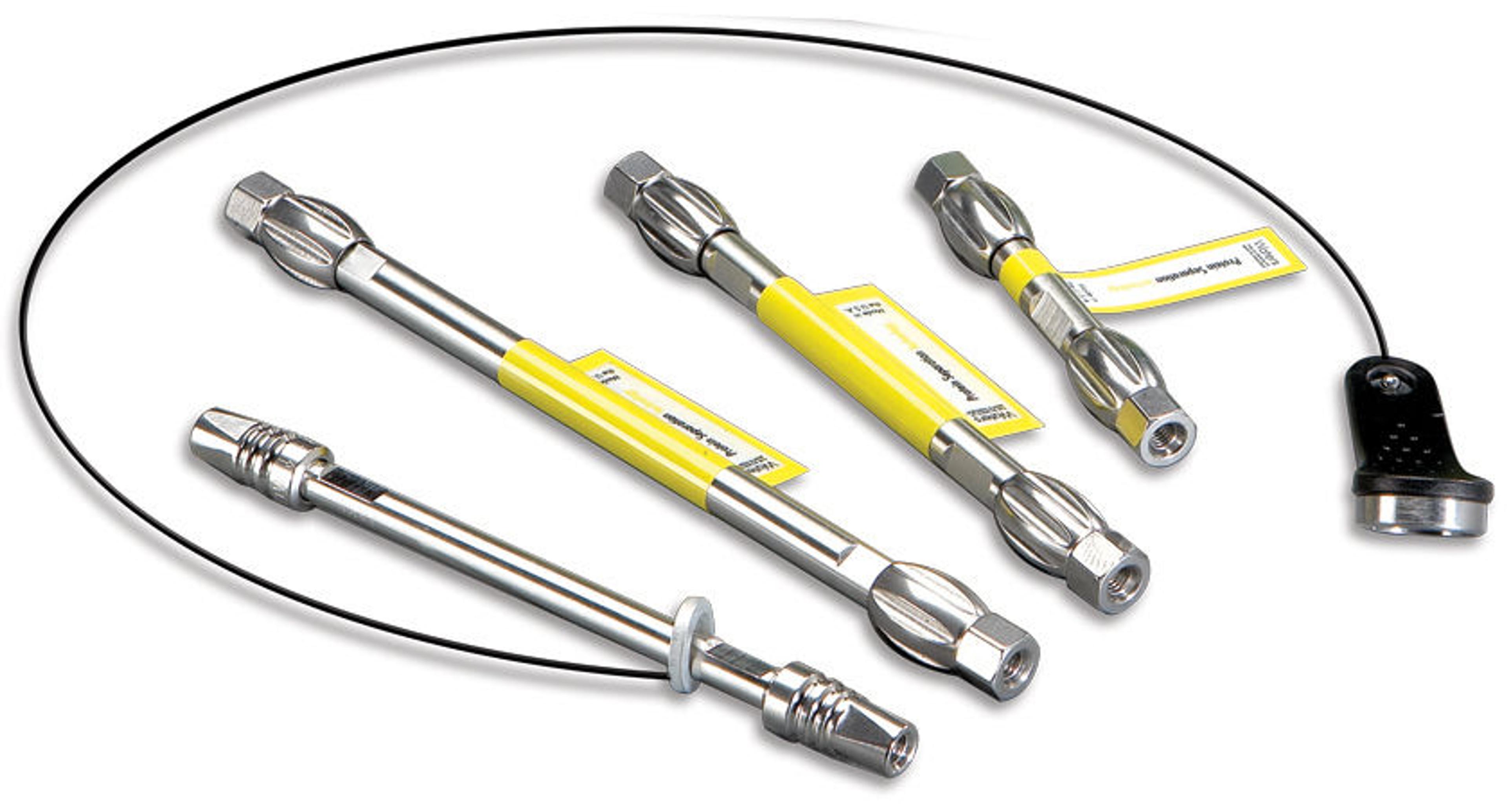
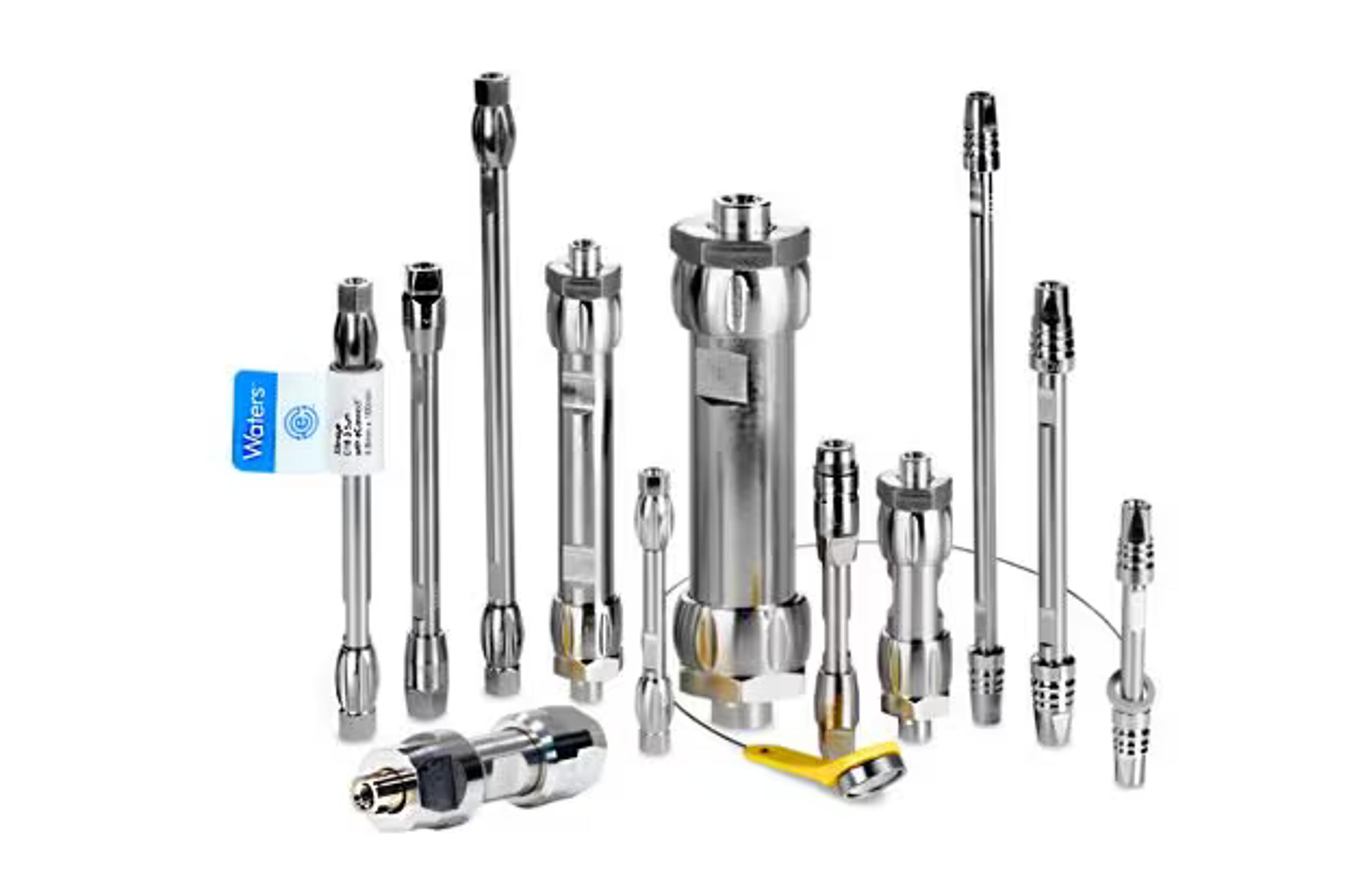
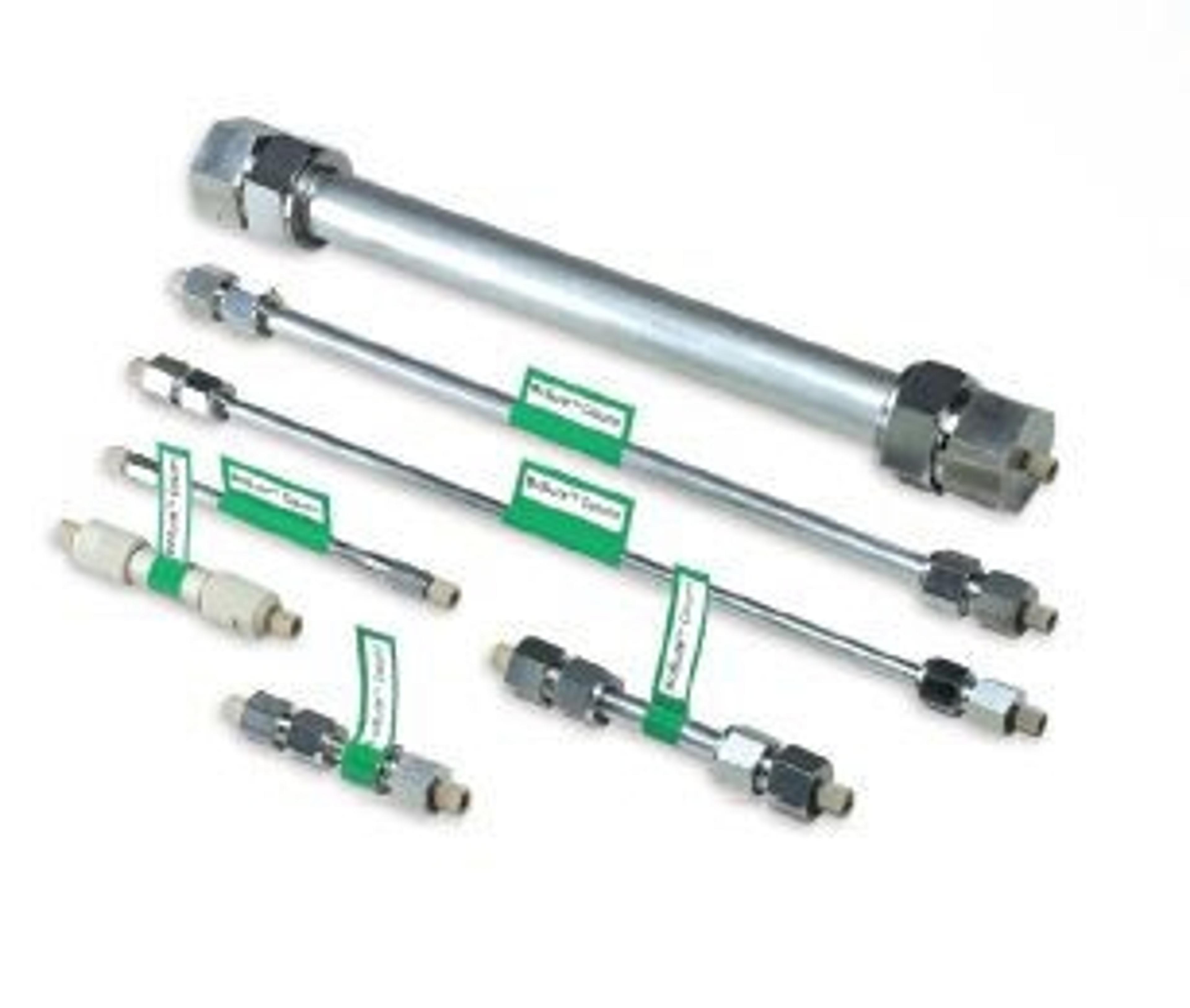
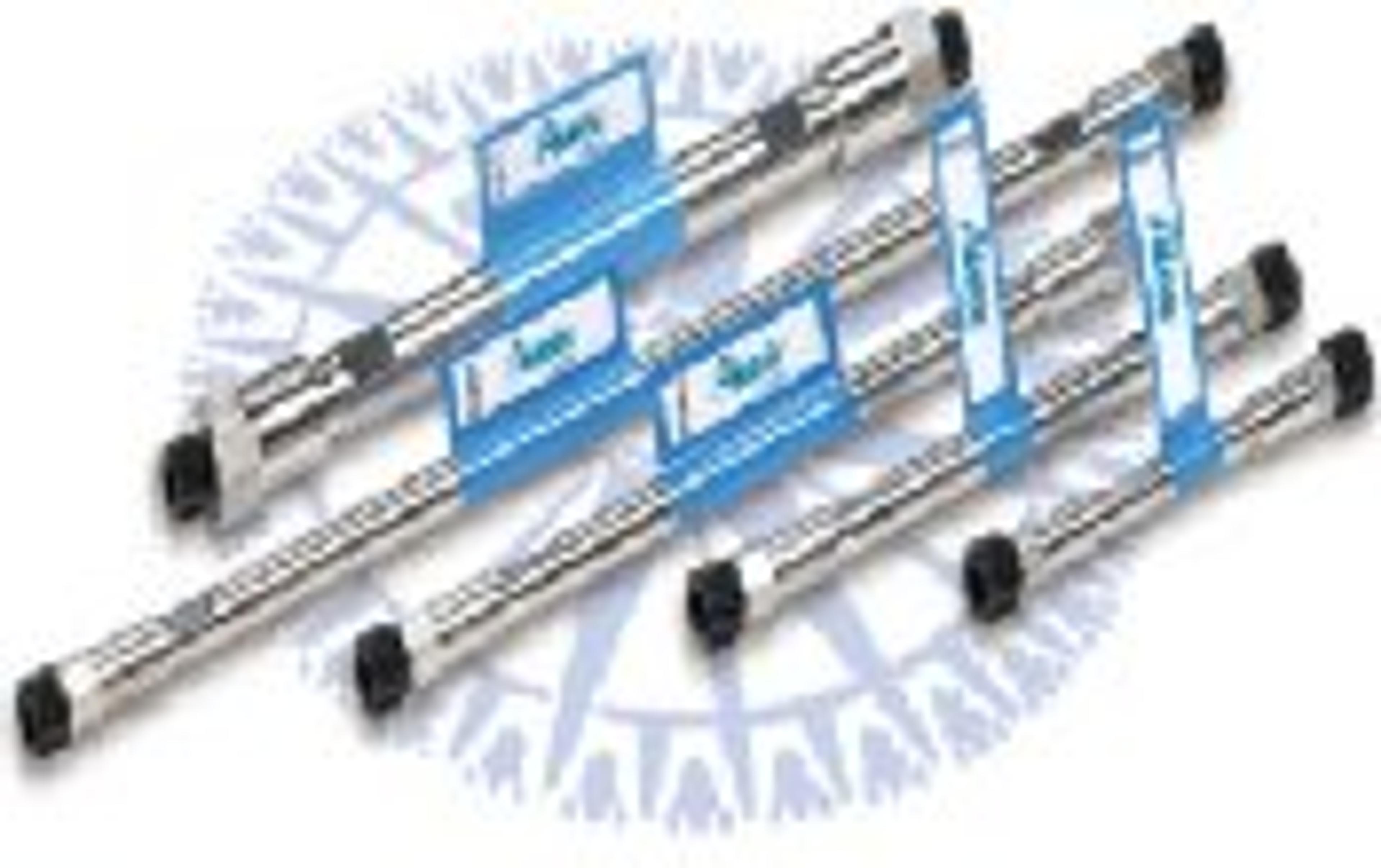
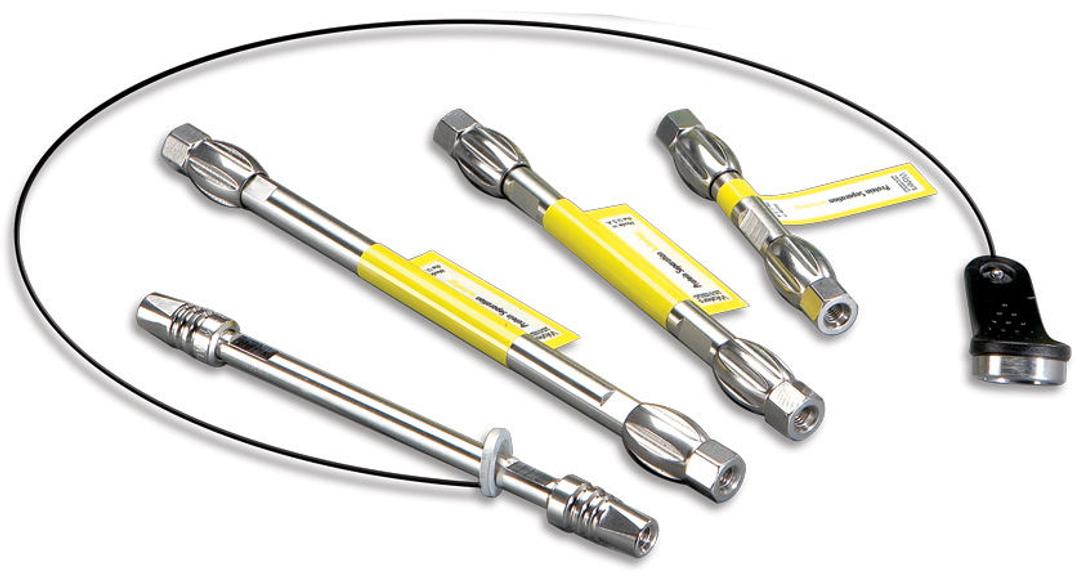
ACQUITY UPLC Protein BEH Columns
Reversed-Phase Peptide Columns
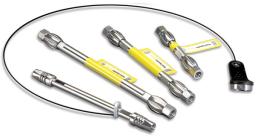

Place your order directly with the manufacturer.
Great tool. I always go for it.
Analyze metabolites in tissue samples, bioanalytical method development, stability assessment
The product is effective to use. It provides pressure maintenance and there is consistency in results.
Review Date: 17 Apr 2019 | Waters
Great and very excited to handle it
Method validation
It's a really nice experience during handling and easy operating with great facilities. Accuracy and precision are very high
Review Date: 11 Apr 2019 | Waters
Features:
- Reproducible Protein Separations
- Well characterized, state-of-the-art bonding procedures
- Low pH and high temperature stability
- Quality-control tested with diverse protein mixture
- Consistent batch-to-batch reproducibility
- Available 1.7 μm particles for UPLC and nano UPLC applications

Untargeted Metabolomics and Lipidomics Notebook
Untargeted metabolomics and lipidomics are hypothesis-generating and exploratory in nature, their purpose is to perform an unbiased screening of metabolites and lipids in biological samples, allowing us to determine patterns or variations between different groups: healthy versus diseased, control versus treated or wild-type versus genetically modified.
This application notebook explains the use of novel and unique chromatographic and spectroscopic tools and methods for metabolomic and lipidomic solutions.
Multi-Dimensional Chromatography Compendium: Loop vs. Trap Injection
This white note compendium by Waters explores multi-dimensional chromatography, focusing on the differences between loop and trap injection. When new technology is introduced, new options and combinations of analysis become available, often enhancing complex analyses. This white paper explains the differences between the two methods and how resolution can be optimized for analyses.