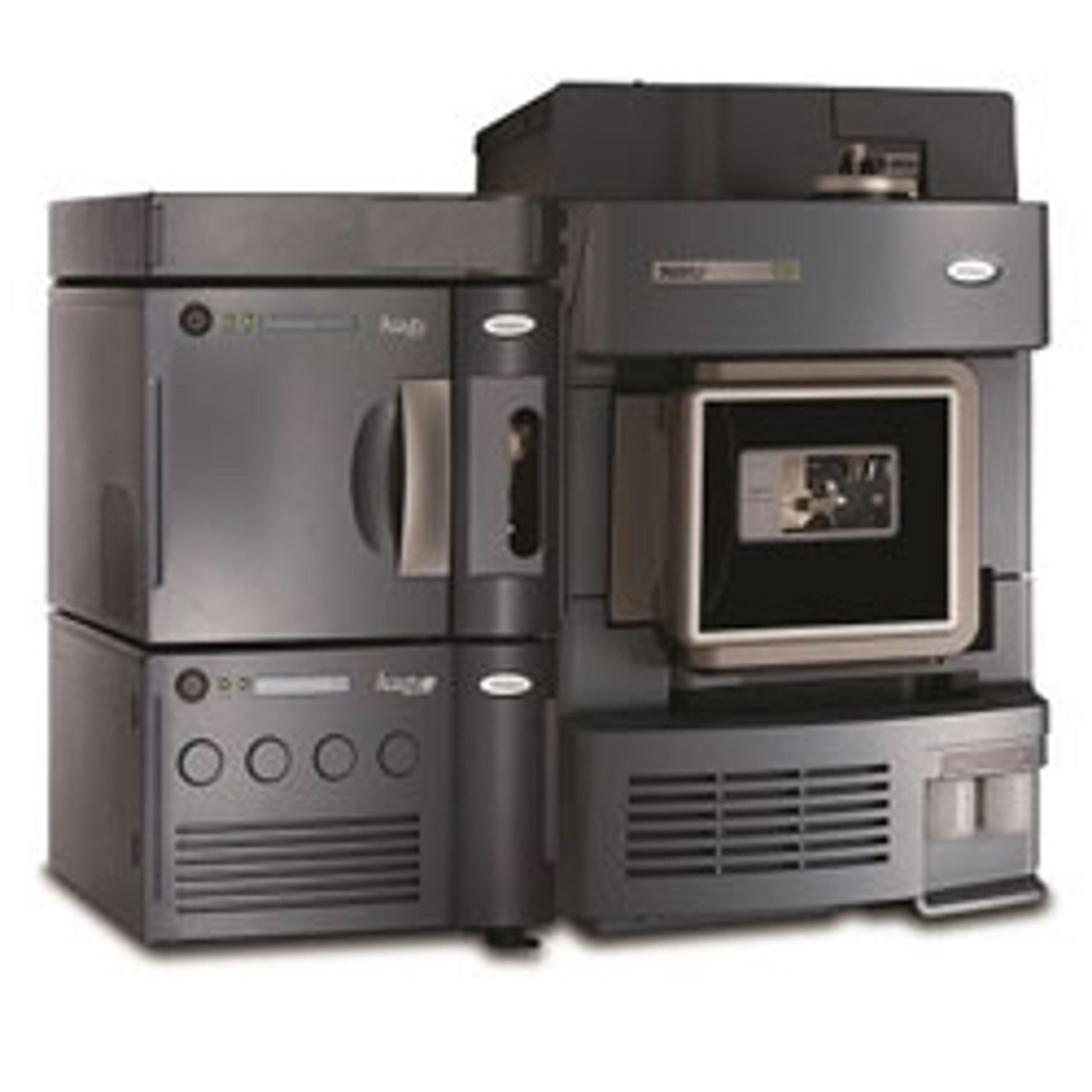
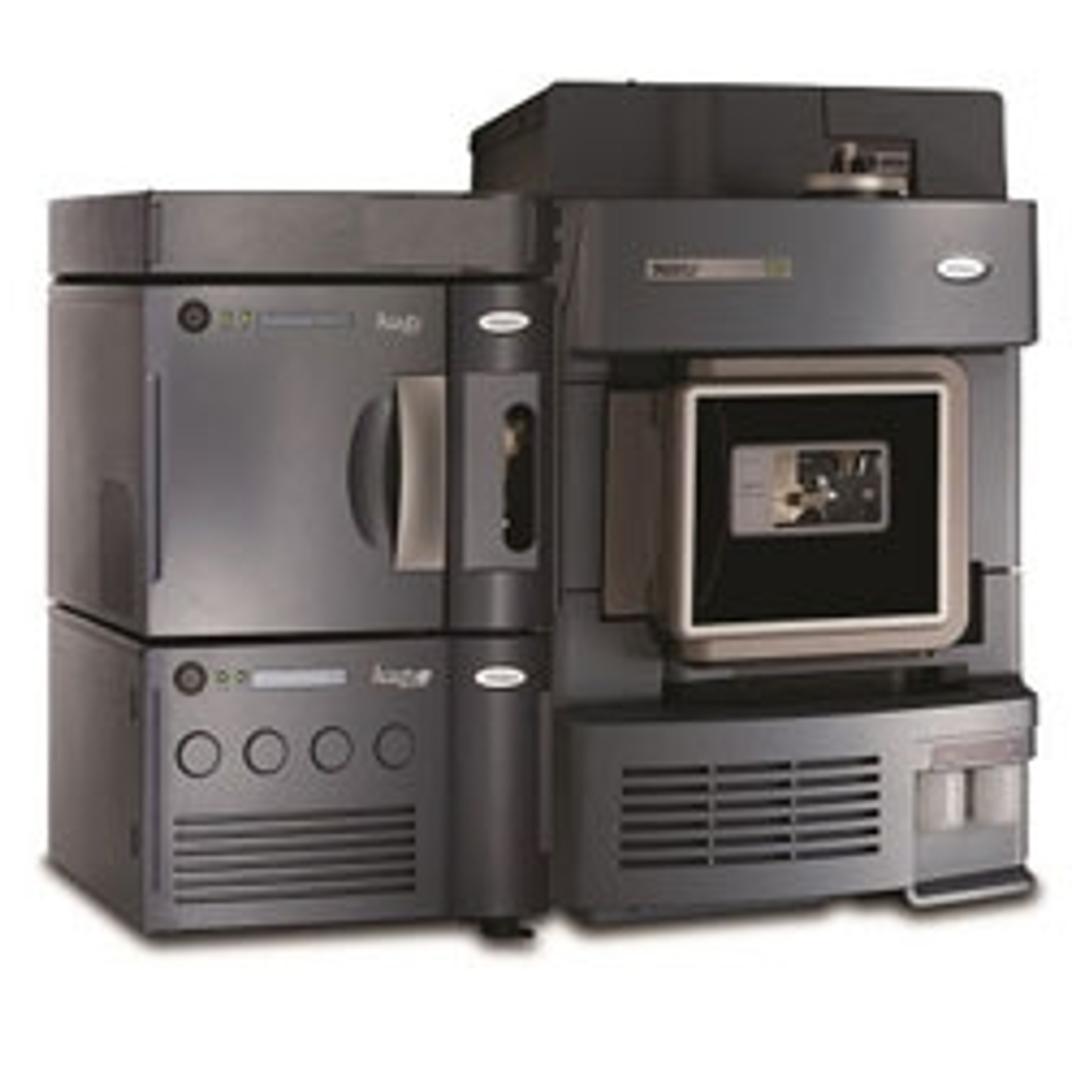
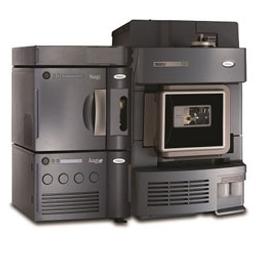
ACQUITY UPLC I-Class / Xevo TQD IVD System
The rugged, robust and reliable Xevo TQD – a solid performer for clinical analyses






The supplier does not provide quotations for this product through SelectScience. You can search for similar products in our Product Directory.
User friendly instrument and software
Metabolites quantitation
Hardware and software is user friendly, and instrument worked without any issues.
Review Date: 26 Mar 2024 | Waters
Highly recommended.
Chemistry characterization
Highly recommended for quality research and results.
Review Date: 17 Jan 2019 | Waters
Great instrument.
Newborn Screening
Good system for routine newborn screening using blood spot.
Review Date: 5 Jul 2018 | Waters
The single vendor solution for routine quantitative LC-MS/MS applications, providing maximum accessibility to the sensitivity, selectivity and robustness needed to ensure maximum productivity with minimum effort.
- Maximum uptime through unparalleled robustness
- Accelerated method development for sensitive and robust methods
- Reduces complexity and increases ease of use
- Maximum throughput and maximum uptime through unparalleled robustness
- The widest range of ionization capabilities today, future-proofing for the innovations of tomorrow
- Clinical laboratories now have access to the selectivity, sensitivity, and versatility of LC-MS/MS analysis not seen using traditional techniques
- Waters follows international quality standards with respect to its medical devices
Brochures

Waters clinical solutions: Analytical technology for better care
In this brochure, Waters provides an overview of its products and services tailored for clinical diagnostic laboratories.
ACQUITY UPLC I-Class/Xevo TQ-XS IVD System: Analytical performance for a mineralocorticoid
In this technical note, Waters describes a test of the analytical performance of the ACQUITY UPLC I-Class/Xevo TQ-XS IVD System for the analysis of aldosterone in plasma.
ACQUITY UPLC I-Class/Xevo TQD IVD System: Analytical performance for antiepileptic drugs
The Waters ACQUITY UPLC I-Class/Xevo TQD IVD System enables the quantification of organic compounds in human biological liquid matrices. In this application note, Waters describes a test of the analytical performance of the ACQUITY UPLC I-Class/Xevo TQD IVD system for the analysis of 10,11-dihydro-10-hydroxycarbamazepine, carbamazepine, felbamate, gabapentin, lacosamide, lamotrigine, levetiracetam, oxcarbazepine, perampanel, phenobarbital, phenytoin, pregabalin, primidone, retigabine, tiagabine, topiramate, valproic acid, and zonisamide in plasma. Here, the Waters ACQUITY UPLC I-Class/Xevo TQD IVD System has demonstrated the capability to deliver an analytically sensitive and precise method for the analysis of antiepileptic drugs in plasma.
ACQUITY UPLC I-Class/Xevo TQD IVD System: Analytical performance for an alkylating agent
The ACQUITY™ UPLC™ I-Class/Xevo™ TQD IVD System developed by Waters provides the capability to precisely measure the amount of organic compounds present in human biological liquid matrices. In this application note, the analytical performance of the ACQUITY UPLC I-Class/Xevo TQD IVD System was tested for the quantitative analysis of busulfan present in plasma. The evaluation test measures the system's ability to accurately and consistently quantify busulfan in plasma samples.
The Analysis of Steroid Hormones Using LC-MS/MS
This application note presents an analytically sensitive, accurate and precise measurement of corticosteroids and androgens in serum, for clinical research.
Discrimmination of Different Unifloral Honeys Using an Untargeted High-Definition Mass Spectrometry Metabolomic Workflow
Food fraud can result in major food safety issues. Interestingly, honey is frequently subjected to fradulent mislabelling and adulteration due to it's high value as a food commodity. Traditional methods of characterization involves complex pollen analyses, which can produce erroneous and non-specific results. This application note describes the verification of honeys from different botanical origins using UPLC-MS/MS.
Ion Mobility-Enabled Data-Dependent Experiments Distinguishing Co-Eluting Isomeric Metabolites Using an IMS-QTof Mass Spectrometer
LC-MS/MS using data-dependent acquisition (DDA) is widely used for characterization of metabolites in drug metabolism studies. In this application note, nefazodone was incubated with rat hepatocytes and analyzed using both DDA and IMS-enabled DDA and co-eluting metabolites were characterized.
Waters Clinical LC-MS/MS Systems: Analytical Capabilities
Explore the analytical capabilities of Waters LC-MS/MS technology for analytes commonly used in the areas of endocrinology and therapeutic drug monitoring (TDM) work in the clinical laboratory.
Untargeted Metabolomics and Lipidomics Notebook
Untargeted metabolomics and lipidomics are hypothesis-generating and exploratory in nature, their purpose is to perform an unbiased screening of metabolites and lipids in biological samples, allowing us to determine patterns or variations between different groups: healthy versus diseased, control versus treated or wild-type versus genetically modified.
This application notebook explains the use of novel and unique chromatographic and spectroscopic tools and methods for metabolomic and lipidomic solutions.
A Multi-Omic Approach for the Study of Heart Regeneration Using Zebrafish as a Model Organism
Previous studies involving the excision of heart tissue from zebrafish have shown tissue to regenerate in only a few days following amputation. Detailed analysis using genomic and proteomic approaches have identified a number of potential candidates that may be implicated in the regeneration process.
This application note uses a multi-omics approach to study zebrafish plasma, rather than the excised tissue, to provide a greater understanding of the mechanisms involved in heart tissue regeneration following the operation. Lipidomic and proteomic data have been collected using a label-free LC-HDMS approach.
Analysis of Busulfan in Plasma for Clinical Research
The bioavailability of busulfan varies greatly between individuals due to factors such as age, underlying diseases and drug-drug interactions. In this application note, an analytically sensitive and selective clinical research method has been developed for the analysis of plasma busulfan.
Waters LC-MS Clinical Laboratory Workflow Tour
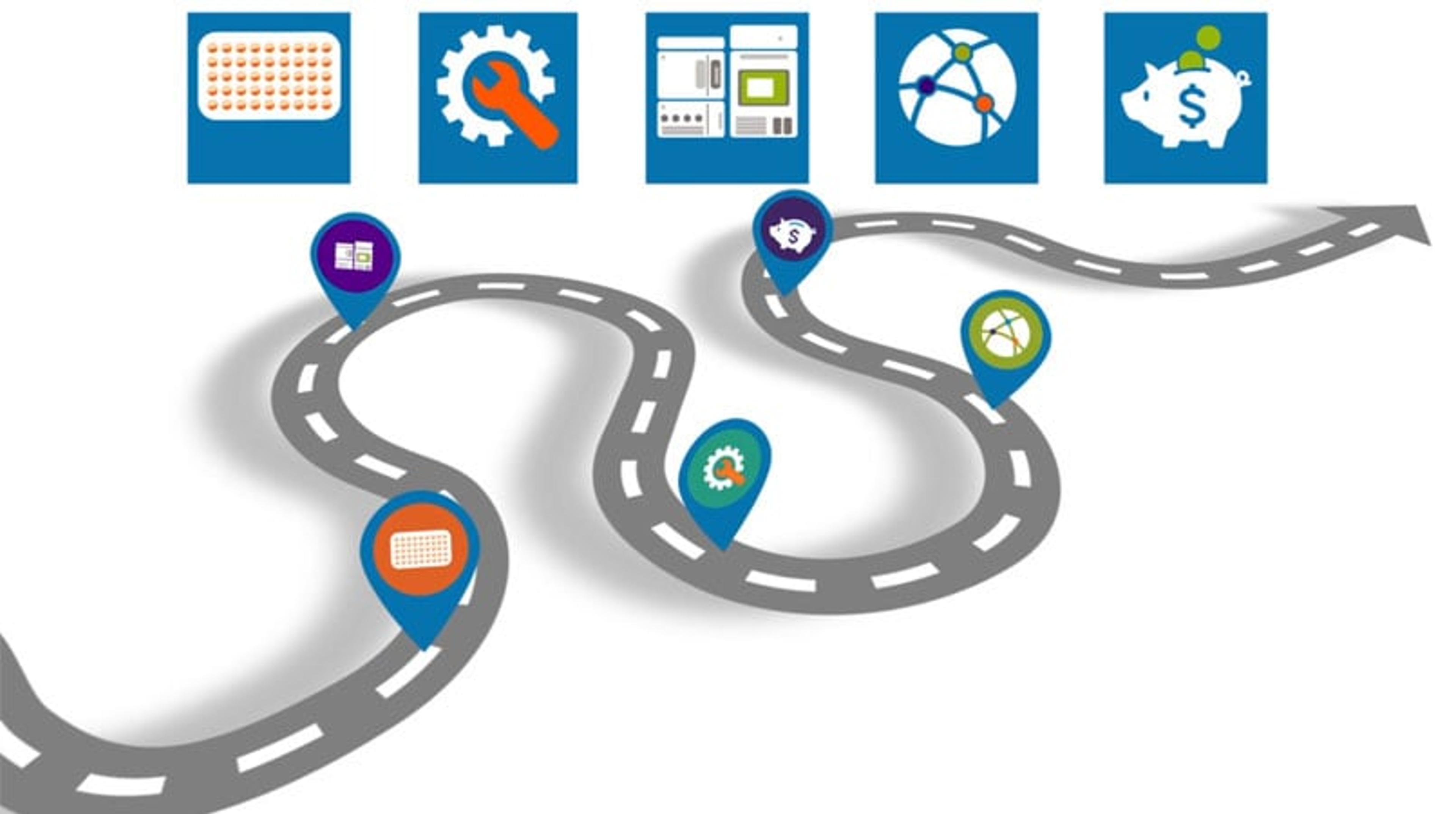
Waters is focused on providing you the resources you need to help you achieve your scientific goals from sample to result in the clinical laboratory.
Waters LC-MS Clinical Laboratory Data Workflow Tour
An integrated solution with a laboratory information management system in the clinical laboratory is more important now than ever. Waters MassLynx LIMS Interface allows you to automate the transfer of clinical data with ease and without error.
AACC 2018 President Dr. Dennis Dietzen on the Here & Now of Clinical Laboratory Medicine
Dr. Dennis Dietzen discusses the future of clinical diagnostics, and how AACC can inspire a generation of future leaders in laboratory medicine. He shares his thoughts on which technologies have made the greatest impact throughout his career in pediatric medicine and how, in a world where there’s a temptation to let electronic communication dictate, the AACC annual meeting has become one of the most important events in the field.
From Sample to Result: The Latest Technology Delivering More Efficient LC-MS Workflows
Clinical LC-MS workflows are often limited by time, workload, and staffing. With this in mind, Waters Corporation is committed to providing new technology that will help to meet these everyday challenges, by delivering more streamlined solutions with increased sensitivity and flexibility. At AACC 2018, Ben Dugas, Senior Global Business Development Manager, discusses how Waters' end-to-end solutions, from sample prep to data integration, are revolutionizing clinical workflows.
High Throughput Vitamin D Analysis Made Simple
MassTrak Vitamin D Solution - An LC-MS/MS-based clinical diagnostic solution for quantitative assessment of vitamin D deficiency. Measure 25(OH)D2 and 25(OH)D3 independently and accurately with this complete CE-marked assay for IVD use. (Not available for sale in all countries.)
Top methods and technologies advancing the field of mass spectrometry
Explore exclusive interviews, methods, and free downloads to help you optimize your mass spectrometry experiments
Optimized clinical diagnostics: Making the leap from immunoassays to LC-MS
Dr. Emma Walker reveals how transitioning from immunoassays to LC-MS/MS has helped deliver better diagnostic services in her lab
Neurodegenerative Diseases: Latest Advances in Technology and Research
A mass spectrometry breath test, artificial intelligence algorithms and novel anti-inflammatory compounds among the innovations that could pave the way for better diagnoses and treatment

‘How Mass Spectrometry Transformed Our Clinical Pathology Lab into a Global Leader’
A mass spec scientist, from a world-renowned clinical pathology laboratory, shares the secrets to their success in this exclusive SelectScience interview

Gradientech Previews QuickMIC, an Ultra-Rapid IVD System for AST at ECCMID 2019
New system promises to deliver antibiotic susceptibility testing results in two hours to help avoid misuse of antibiotics in suspected sepsis patients
This Novel, Non-Amyloid Approach to Alzheimer’s Therapy Could Vastly Improve Outcomes
Immunology-focused pharma company INmune Bio is set to start first-in-man clinical trials with a promising anti-TNF compound that could revolutionize the treatment of Alzheimer’s disease and related symptoms

Expanding the Capabilities of Clinical Toxicology with Mass Spectrometry
Expert in mass spectrometry for therapeutic drug monitoring shares research goals and future predictions

How Will Pharmacopeial Modernization Benefit Your Chromatography Workflow? Your Questions Answered
Dr. Leonel Santos and Dr. Horacio Pappa of the United States Pharmacopeia (USP) describe pharmacopeial modernization efforts in this on-demand webinar
Enhancing the Lives of Children with Tandem Mass Spectrometry
How scientists at Birmingham Women’s and Children’s Hospital have integrated the latest advancements in clinical mass spectrometry to provide better treatment for serious metabolic disorders