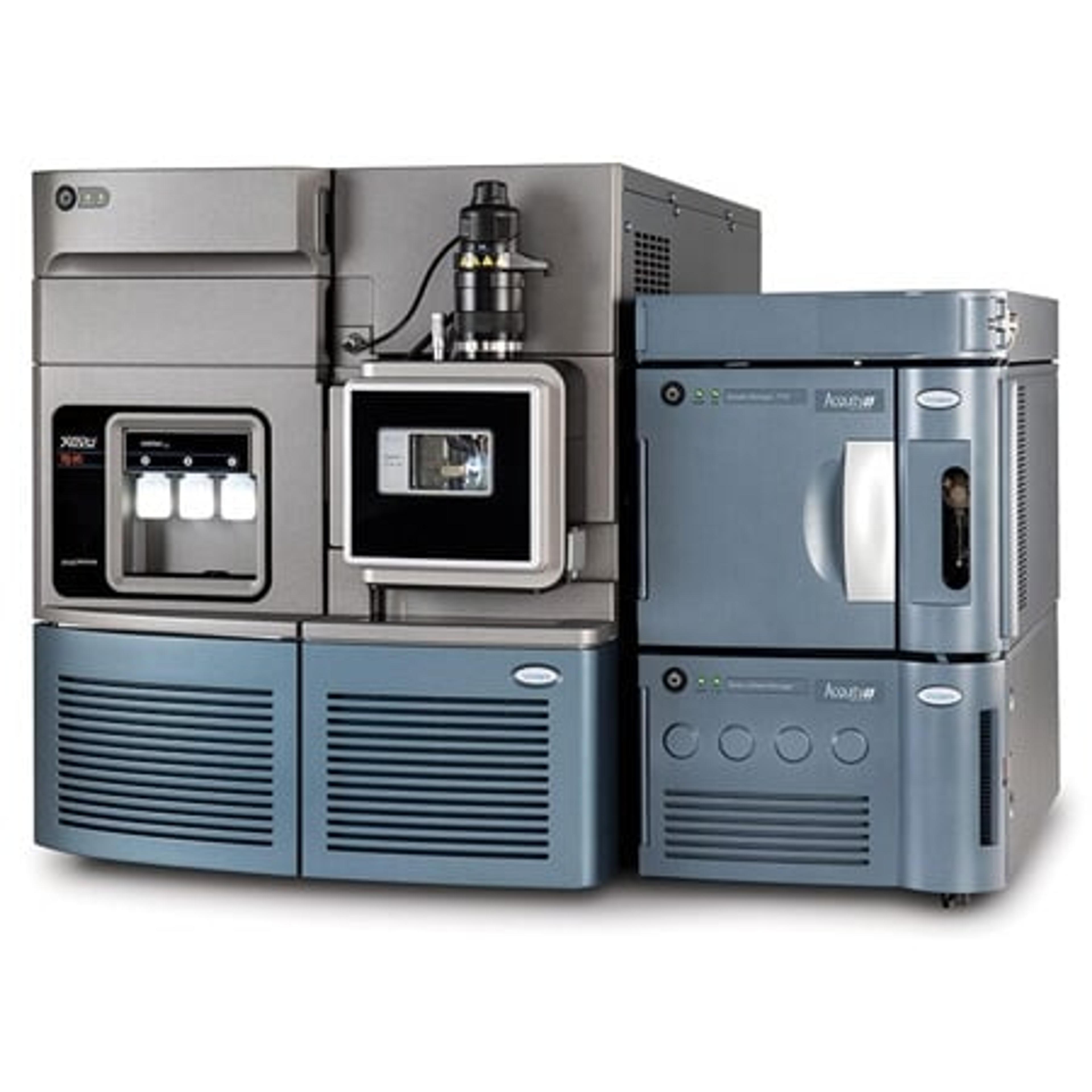
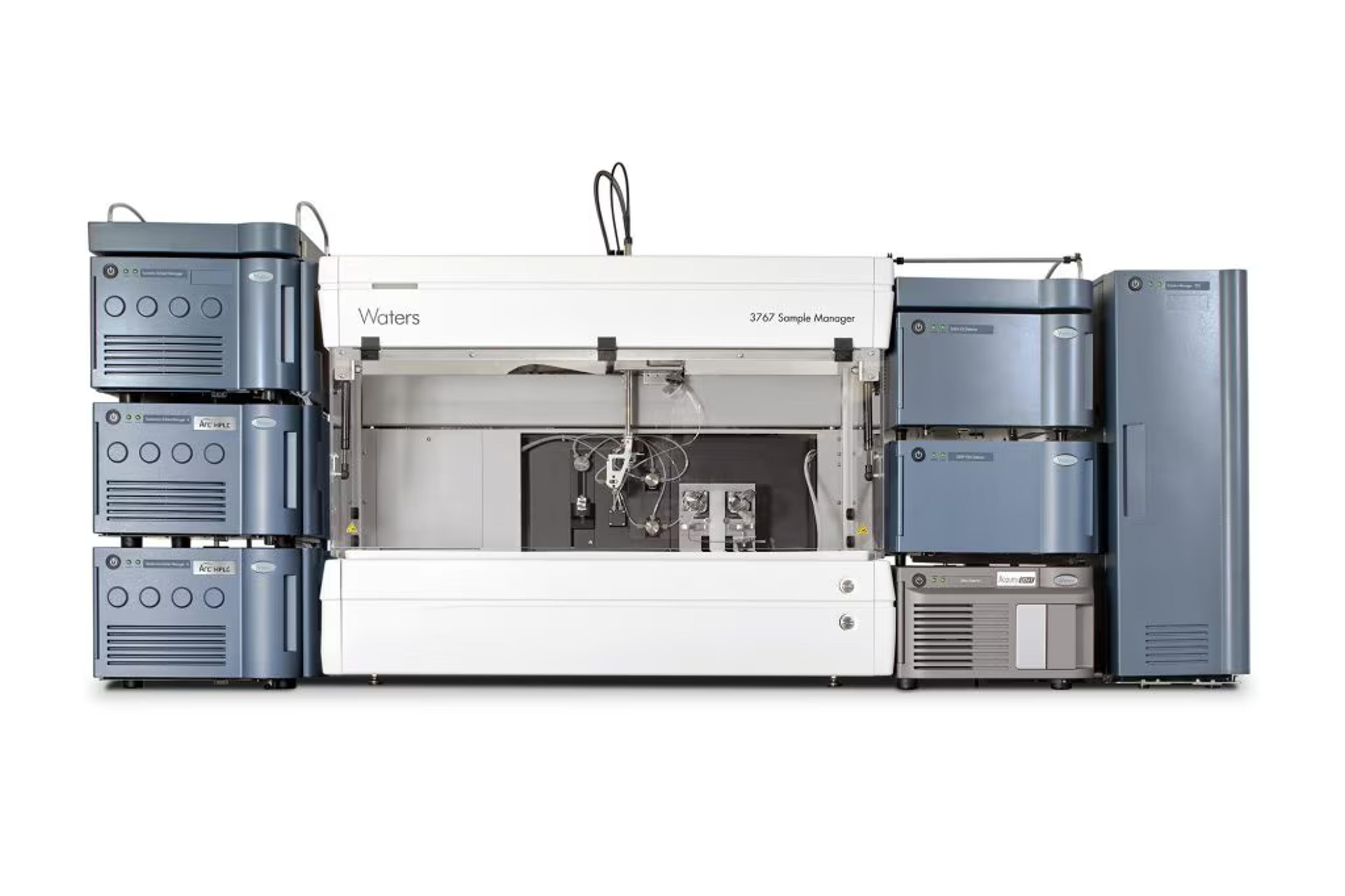
ACQUITY UPLC I-Class / Xevo TQ-XS IVD System
With patented StepWave technology, our highest performance IVD instrument provides ultimate sensitivity, to accurately quantify trace analytes in the most complex of clinical matrices encountered
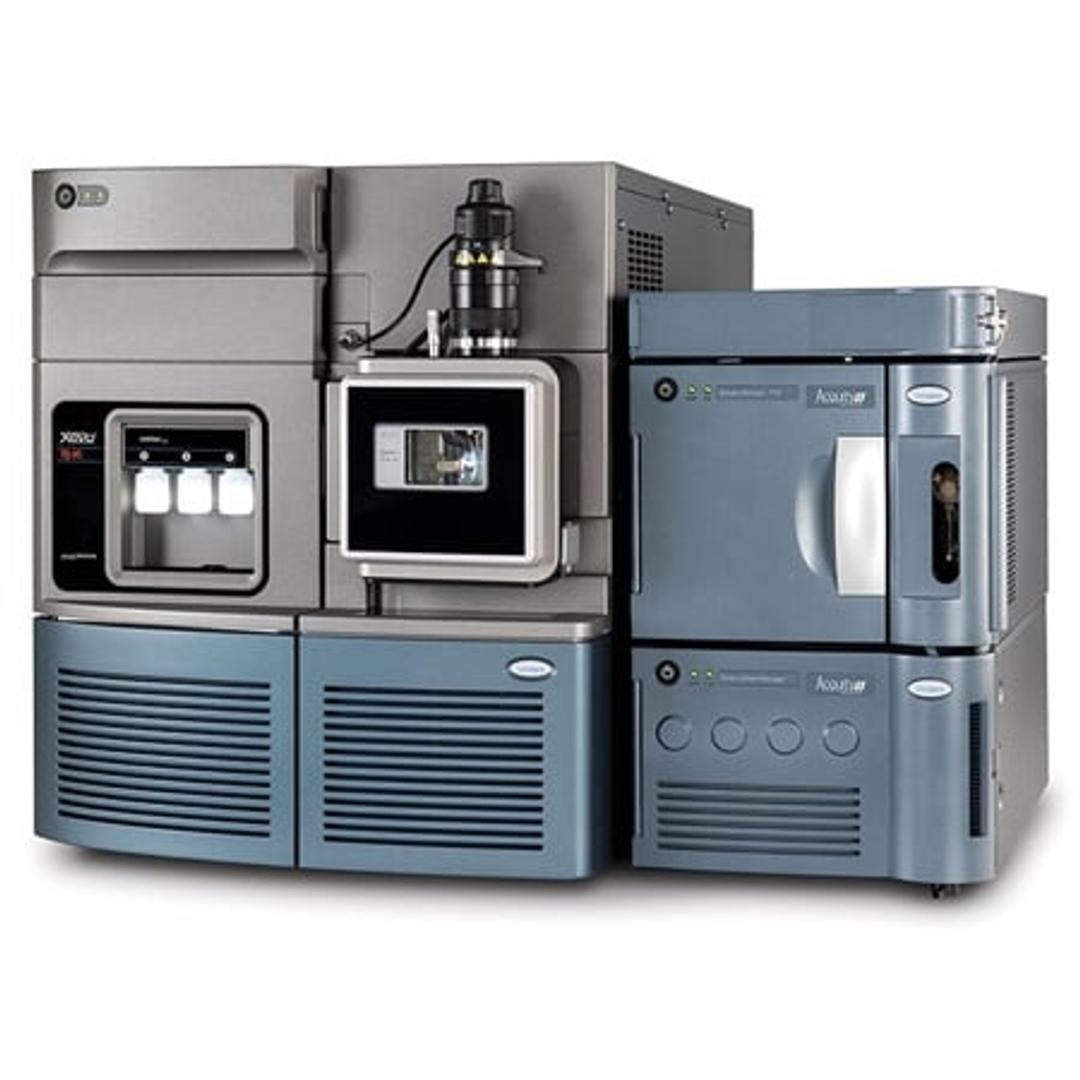
ACQUITY UPLC I-Class / Xevo TQ-XS IVD System




Place your order directly with the manufacturer.
With patented StepWave technology, our highest performance IVD instrument provides ultimate sensitivity, to accurately quantify trace analytes in the most complex of clinical matrices encountered
Designed for the most demanding quantitative LC-MS/MS applications, the ultimate in tandem quadrupole performance allows you to achieve the highest sensitivity and robustness available to clinical laboratories.
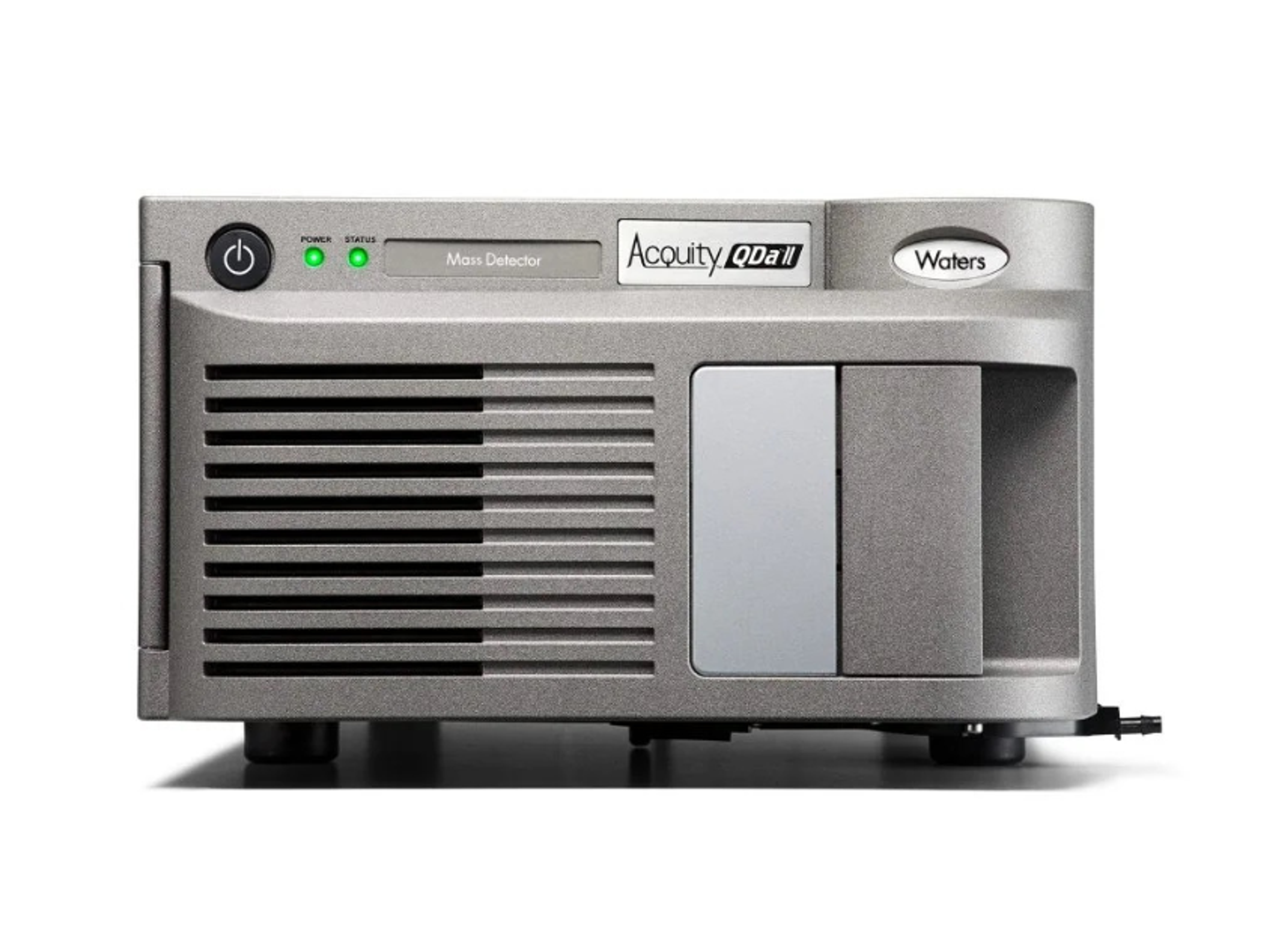
Class leading sensitivity and robustness with qualitative information when you need it most, the ACQUITY UPLC I-Class / Xevo TQ-XS IVD offers:
- StepWave XS ion guide that provides increased sensitivity for challenging compounds
- Enhanced detection system with six orders of linear dynamic range to ensure high performance across your analytical concentration range
- Tool-free probe design reduces the time taken for any routine maintenance and provides improved reproducibility between users
- Accelerated method development for sensitive and robust methods
- Improved workflow and data transfer through connectivity with liquid handling robots and the HL-7 compliant MassLynx LIMS Interface

Best practices for monitoring PFAS contamination in a routine shared-space commercial laboratory
In this whitepaper, Waters proposes a stepwise approach to control per- and polyfluoroalkyl substances (PFAS) contamination in shared-space laboratories. PFAS are toxic to humans, animals and the environment therefore effectively controlling contamination is important. The protocol involves rigorous washing and testing. It includes ensuring the LC-MS/MS system is PFAS-free, testing the reconstitution solution, and examining plastic collection tubes and the nitrogen evaporator. Methanol with the lowest PFAS level is used for washing labware and in the SPE procedure. Clean consumable items are reused, and a full wash procedure is repeated for permanent items between sample batches. This approach effectively minimizes PFAS contamination in the lab.
Ultra-trace detection of PFAS in drinking water to meet new US EPA interim health advisory levels
In this application note, Waters discusses per- and polyfluoroalkyl substances (PFAS), which are synthetic chemicals known for their stability and diverse structures. PFAS are used in various industries and consumer products, such as non-stick coatings and cosmetics. These chemicals are persistent, toxic, and accumulate in humans, animals, and the environment. PFAS can be found in contaminated drinking water, leading to negative impacts on human health. Detection of PFAS is becoming more challenging due to stricter regulatory limits. This application note focuses on achieving stringent PFAS limits using solid-phase extraction and analytical instruments from Waters.
ACQUITY UPLC I-Class with Xevo TQ-XS IVD System: Analytical performance for estrogens
In this application note, Waters describes a test of the analytical performance of the ACQUITY UPLC I-Class with Xevo TQ-XS IVD System for the analysis of 17β-estradiol (E2) and estrone (E1) in serum.
PFAS and the challenges in development of a direct injection method by UPLC-MS/MS
In this webinar, Karima Baudin from Waters shares the growing concern regarding the accumulation of PFAS in water intended for human consumption. The European Commission has recast its Drinking Water Directive to include monitoring and setting limits on specific PFAS. This webinar discusses a direct injection method using the ACQUITY I-Class and Xevo TQ-XS to address the additional PFAS mentioned in the directive. The goal is to improve the limit of quantification without lengthy solid phase extraction cleanup, utilizing new techniques and technology for enhanced sensitivity and robustness.
Delivering an optimized diagnostic service with Waters LC-MS/MS workflows
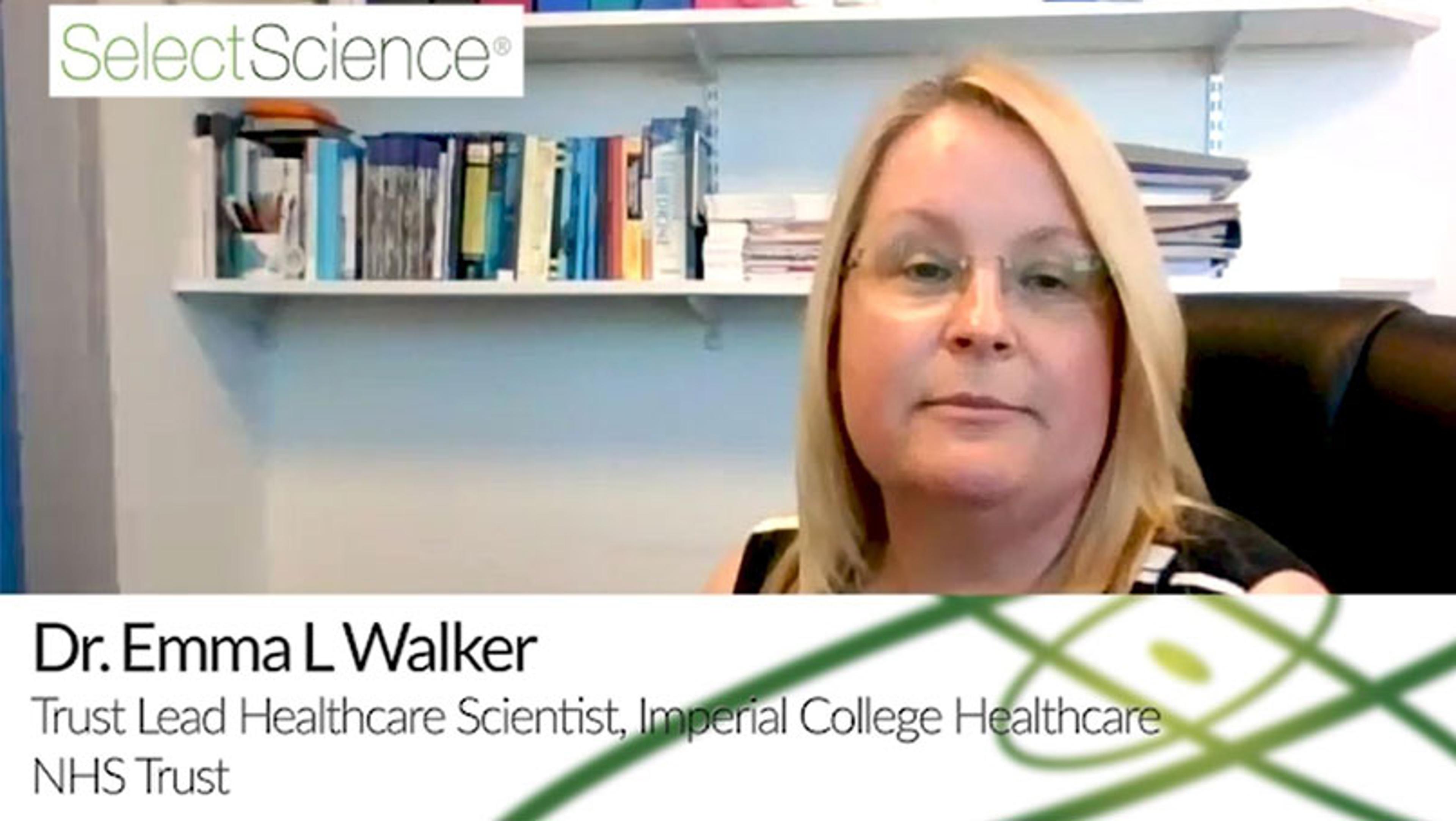
Dr. Emma Walker is a Consultant Clinical Scientist, and Specialty Lead for Diagnostic Endocrinology at North West London Pathology, hosted by Imperial College Healthcare NHS Trust. In this video, Emma discusses the department's role as a Supra-Regional Assay Service receiving and testing samples from all over England and outlines its transition from immunoassay technology to LC-MS/MS technology. Emma also reveals how a longstanding relationship with Waters has supported her lab's work, describing how the superior sensitivity offered by the Xevo TQ XS IVD system has enabled the team to launch new methods and assays.
Optimized clinical diagnostics: Making the leap from immunoassays to LC-MS
Dr. Emma Walker reveals how transitioning from immunoassays to LC-MS/MS has helped deliver better diagnostic services in her lab