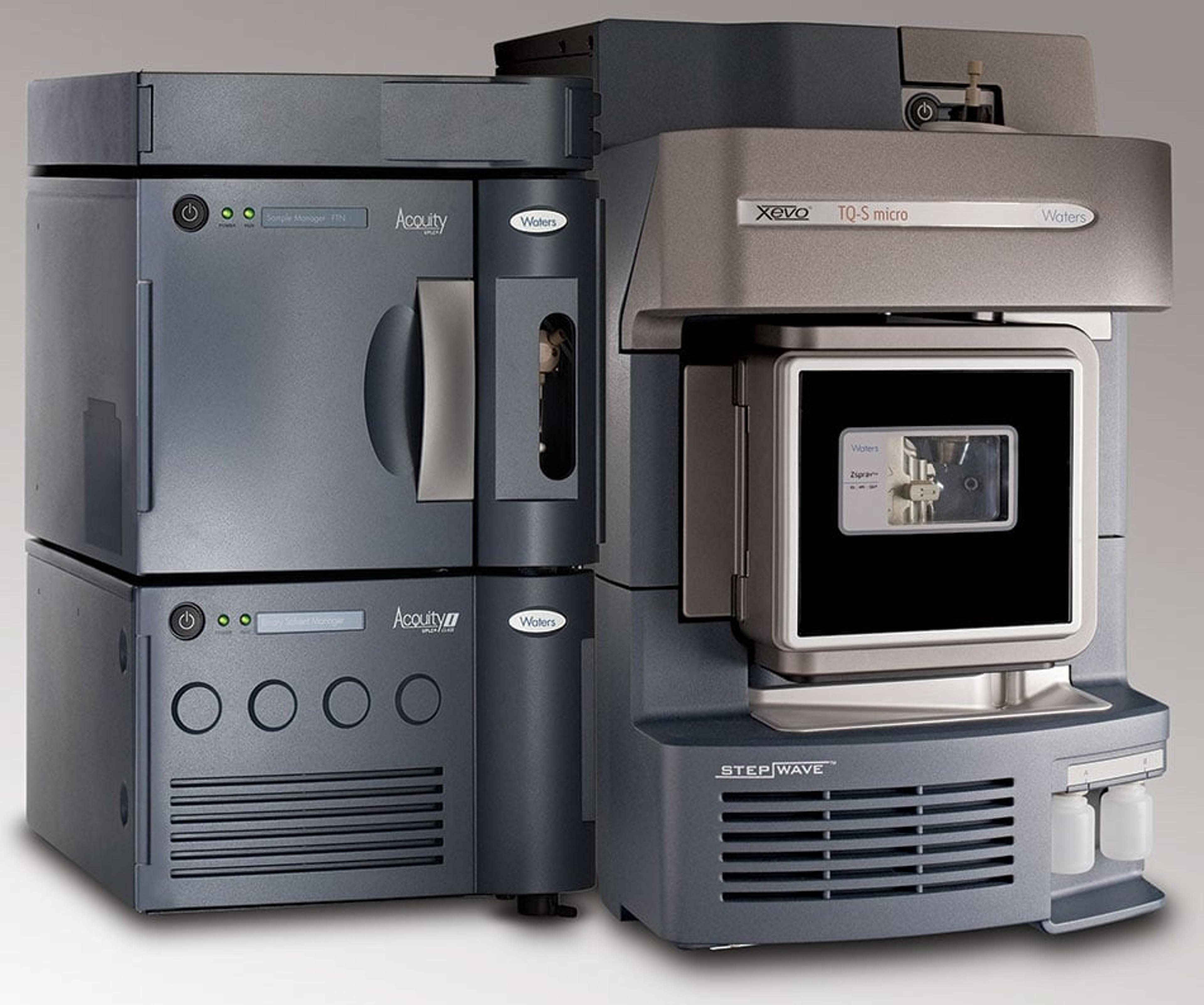
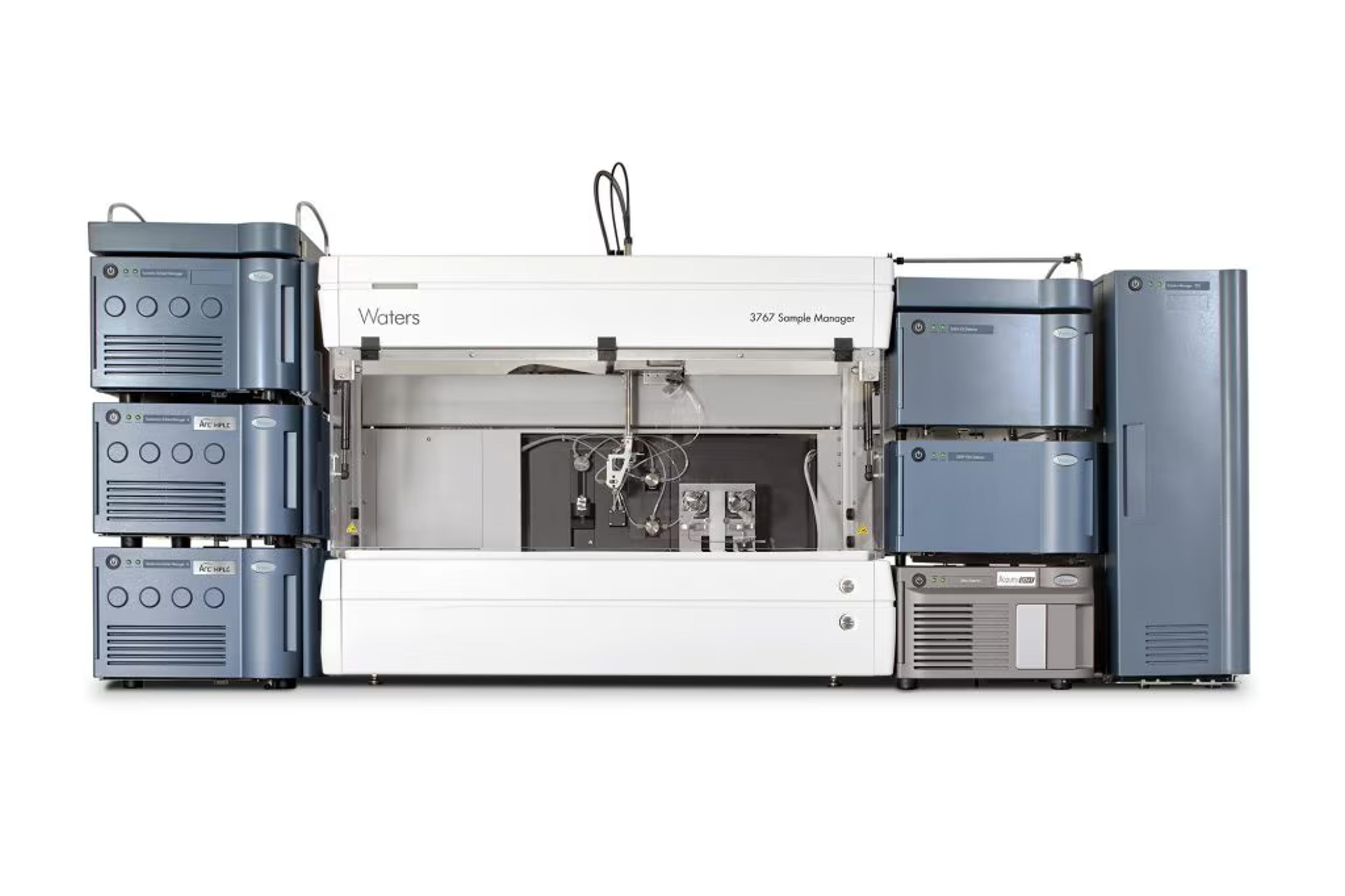
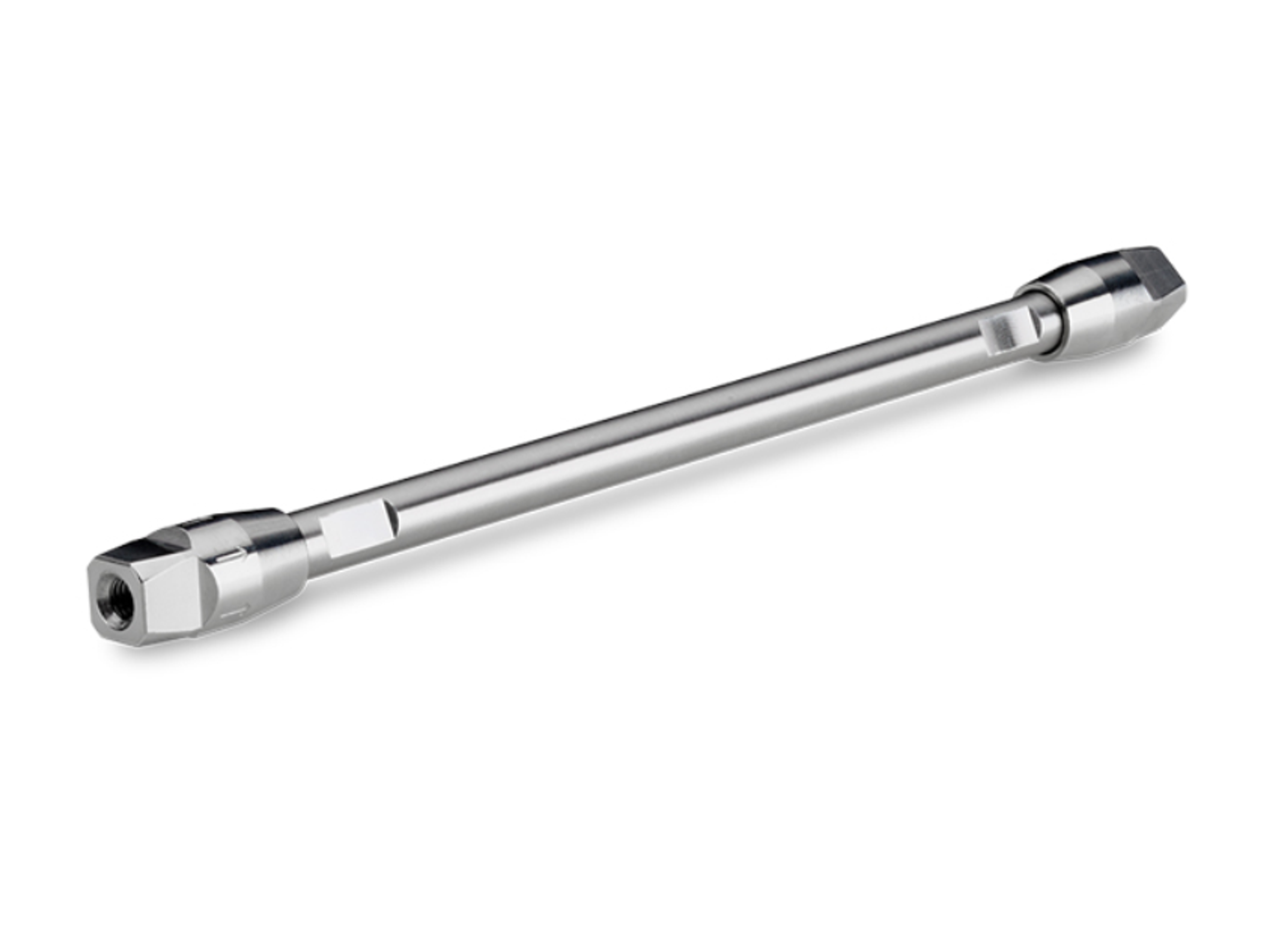
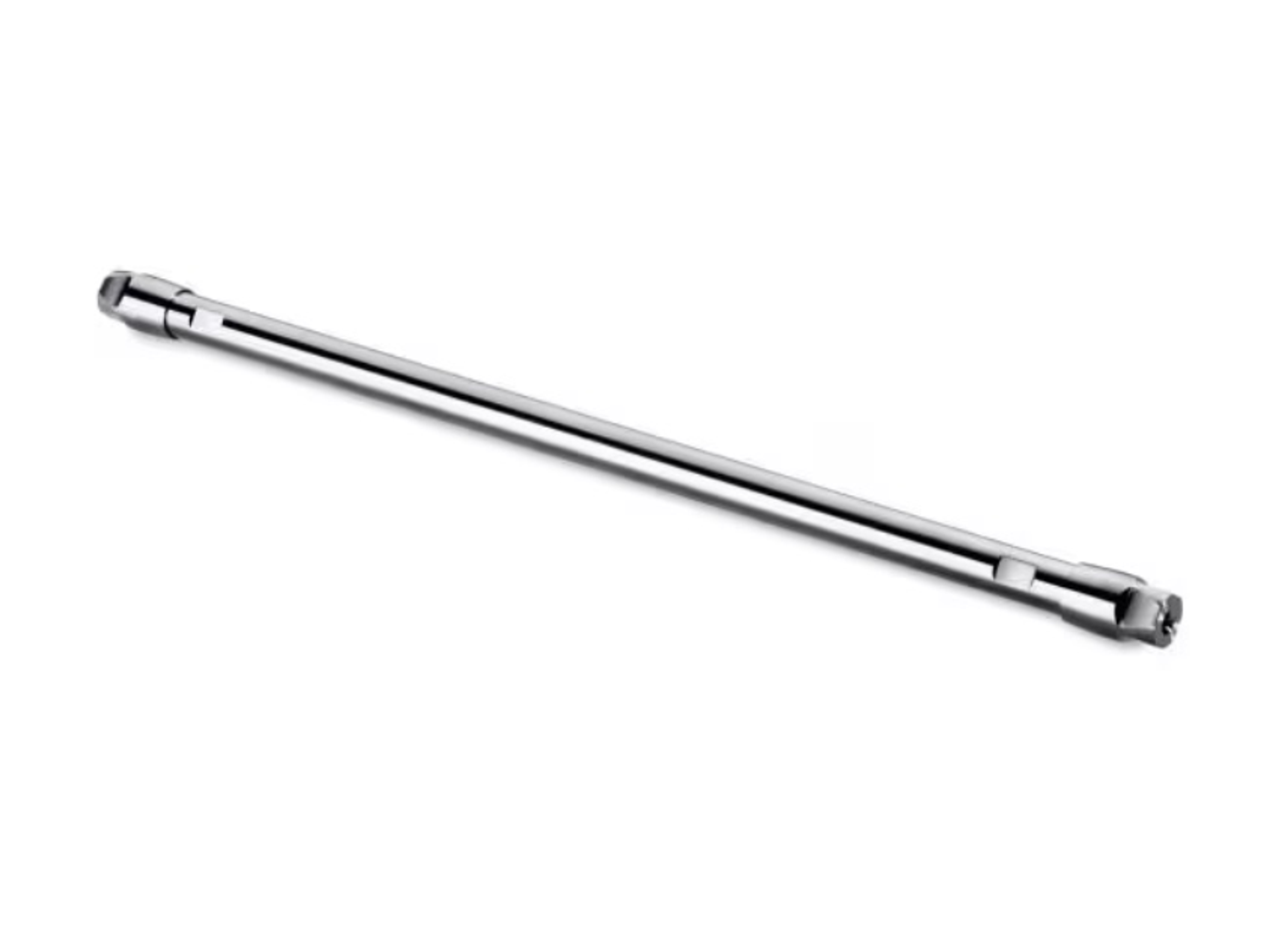
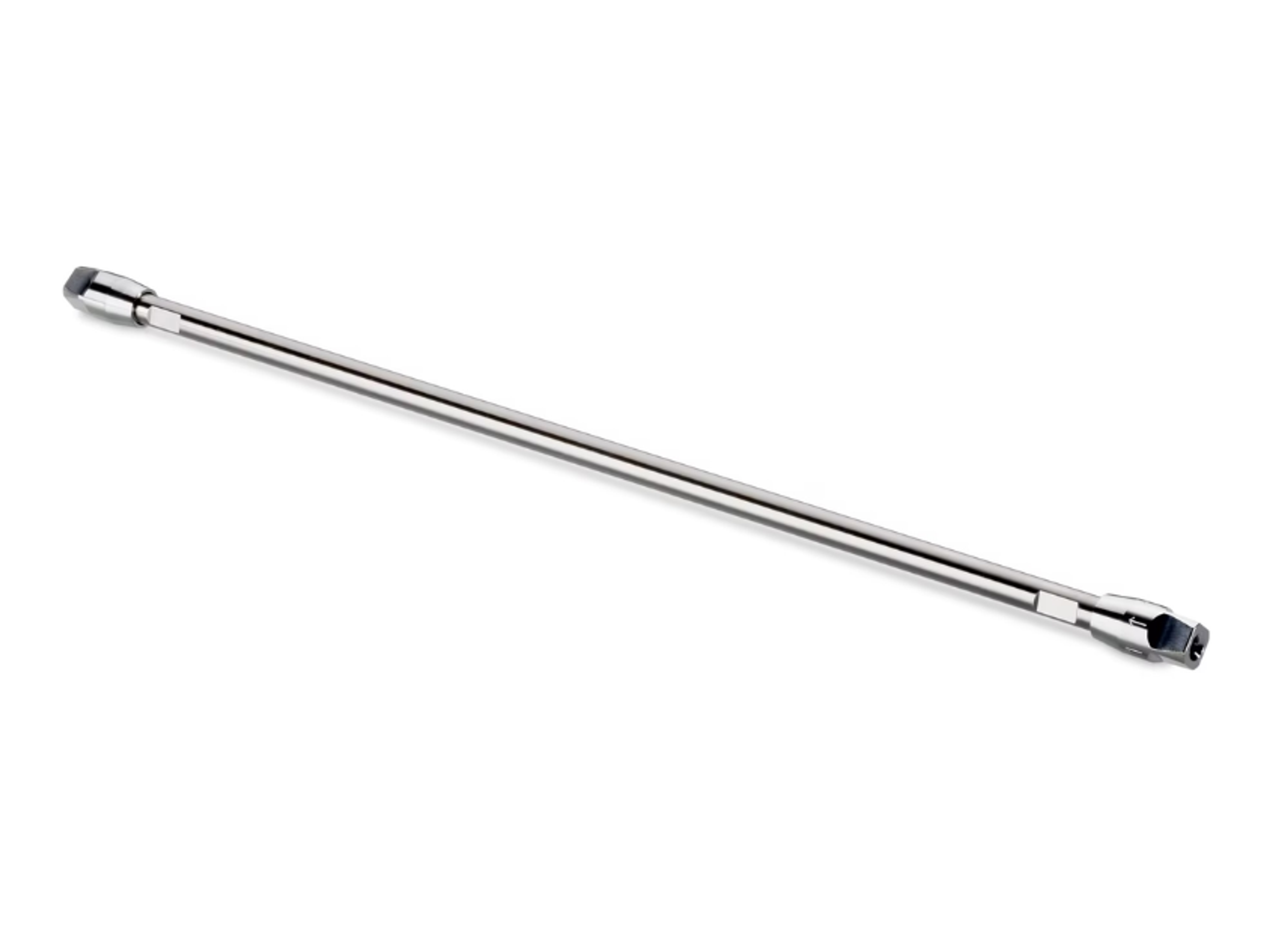
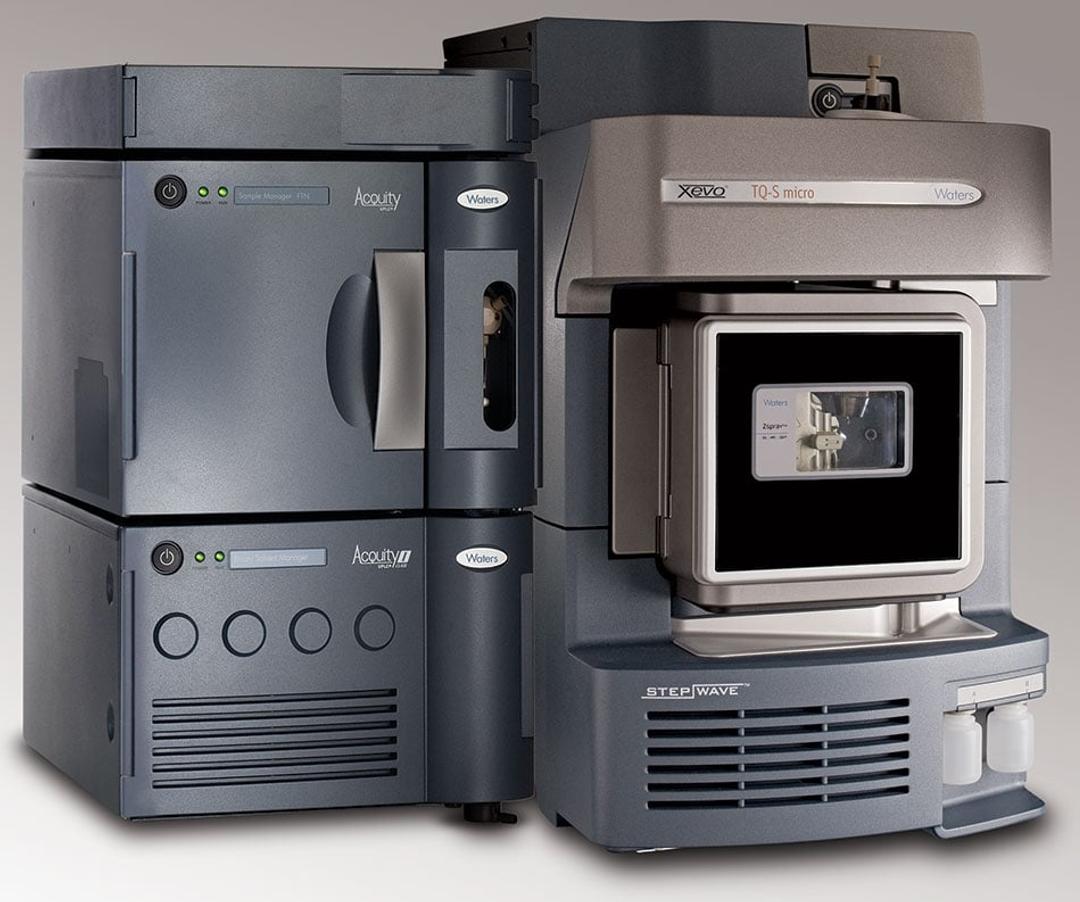
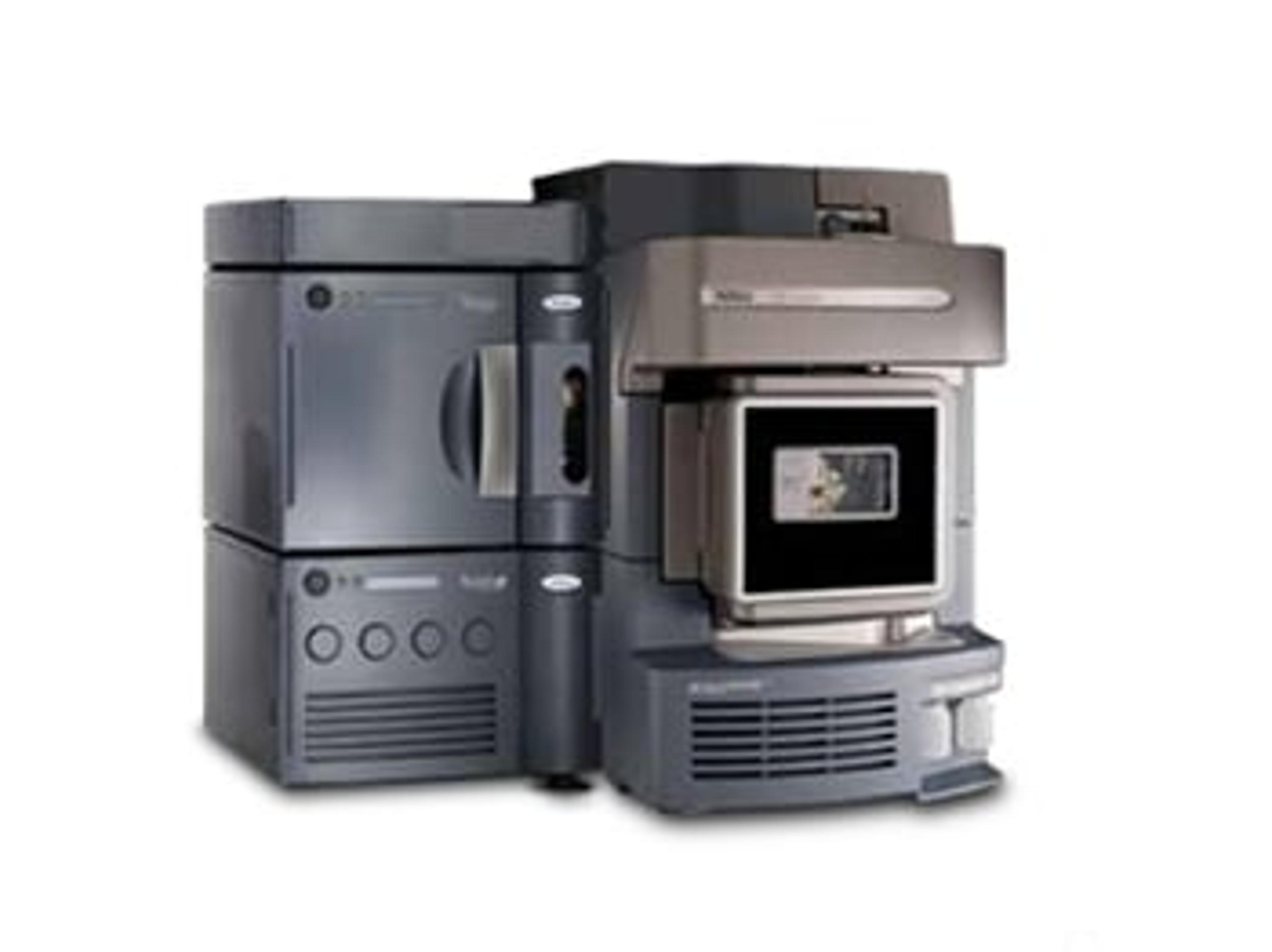
ACQUITY UPLC I-Class/Xevo TQ-S micro IVD System
High performance from a compact design with rapid, reliable, and reproducible quantitative data for the clinical laboratory.

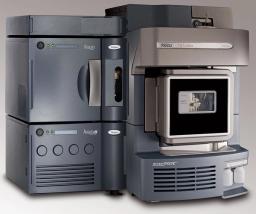


Place your order directly with the manufacturer.
Robust performance from a compact design for clinical laboratories
Robust performance begins in the source with ZSprayTM geometry, efficiently removing neutral molecules while drawing ions through the sample cone into the analyzer. The StepWaveTM ion guide in the Xevo TQ-S micro is designed to cope with the challenges in the modern clinical laboratory that are produced by high sample throughput and difficult matrices.
Neutrals and gas load are passively removed for enhanced transmission with the ions actively transferred into the mass analyzer, improving sensitivity and robustness. All this is achieved while maintaining an extremely small footprint due to the class-leading compact design of the Xevo TQ-S micro.
Acquire data points faster without without loss in sensitivity
Xccelerated Ion Transfer (XITTM) electronics, using SpaceWire technology allow this instrument to acquire data at extremely high speeds without compromising performance. The next generation T-WaveTM collision cell permits acquisition of 500 MRM channels/s whilst minimizing cross-talk and maintaining intensity. The increased MS full scan speed capability of up to 20,000 Da/s reduces the impact on the duty cycle when rapidly switching between MS full scan and MS/MS acquisition (RADAR and PICs).
In addition, fast polarity switching gives coverage of positive and negative ionizing compounds in a single injection. Maintaining performance at these speeds is critical as every clinical laboratory requires high quality data that is reproducible to enable reliable quantification. Method transfer is now even easier with the advanced XDR detector which provides unique Xtended Dynamic Range improving usability with low limits of detection.
Understanding sample complexity in clinical LC-MS/MS method development
Challenges for quantitative methods include:
- Performing targeted analysis for analytes of interest and detecting unexpected analytes in the same injection
- Characterization of background matrix for every sample throughout each run to improve data quality
- Examining matrix background during method development to better characterize targeted methods for interferences as well as ion enhancing and ion suppressing species
These challenges may be overcome by using RADAR which is the ability to obtain full scan (MS) and MRM (MS/MS) data simultaneously.
Comprehensive data processing with uncomplicated results review
Ready access to quantitative data and rapid review of data is essential in any clinical laboratory. The TargetLynx XSApplication Manager provides even more functionality, as well as the ability to perform standard addition to accurately calculate analyte concentrations. Building upon Waters flagship quantitative analysis package, the TargetLynx XS Application Manager provides ready access to quantitative data which is essential to any clinical laboratory. Years of iterative design have lead to an efficient workflow that supports rapid data review and reporting tools to ensure results reach their destinations as smoothly and as quickly as possible.
Features:
- Robust performance for reproducible detection of analytes at low levels in complex biological liquid sample matrices
- Confidence to quantify more analytes using high acquisition rates
- Accessible sensitivity and method transfer with the Xtended Dynamic Range (XDRTM) detector
- Understand sample complexity and improve method development with RADARTM
- Clinical laboratories now have access to the selectivity, sensitivity, and versatility of LC-MS/MS analysis not seen using traditional techniques
- Waters follows international quality standards with respect to its medical devices

ACQUITY UPLC I-Class/Xevo TQ-S micro IVD system: Analytical performance for progestogens and androgens
In this application note, Waters presents an analytical performance test of the ACQUITY™ I-Class/Xevo™ TQ-S micro IVD System, evaluating its effectiveness in analyzing key hormones such as dihydrotestosterone (DHT), dehydroepiandrosterone (DHEA), testosterone, androstenedione, 17-hydroxyprogesterone, and progesterone in serum samples.
ACQUITY UPLC I-Class SM-FL/Xevo TQ-S micro IVD system: Analytical performance for immunosuppressive agents
This application note focuses on the analytical performance of the ACQUITY™ UPLC™ I-Class SM-FL/Xevo™ TQ-S micro IVD System for the simultaneous analysis of four immunosuppressant drugs - cyclosporine, everolimus, sirolimus, and tacrolimus - in whole blood. The test is carried out to evaluate the system's ability to accurately and consistently quantify the target analytes in clinical samples, providing clinicians with reliable information to aid in the diagnosis and treatment of patients.
Clinical LC-MS: Routine diagnostics made simple
Most clinical laboratories are aware of liquid chromatography-mass spectrometry (LC-MS) and its capabilities within the diagnostic environment. However, there are still burning questions that prevent clinicians from adopting this increasingly important tool.
In this eBook, we illustrate the importance of LC-MS in the clinical diagnostics hospital laboratory, outlining the technology available to support you throughout the LC-MS workflow and providing real-world case studies from leading experts in clinical chemistry and pathology.
Plus, explore the new video guide on how to maximize lab efficiency and achieve faster sample preparation to result with Water’s automated LC-MS workflow, designed to help you convert your sample data into valuable clinical knowledge.
ACQUITY UPLC I-Class Xevo TQ-S micro IVD System: Analytical performance for aldosterone
In this technical note, Waters describes a test of the analytical performance of the ACQUITY UPLC I-Class/Xevo TQ-S IVD System for the analysis of aldosterone in plasma.
ACQUITY UPLC I-Class/Xevo TQ-S micro IVD System: Analytical performance for androgens, progestogens and glucocorticoids
In this application note, Waters describes a test of the analytical performance of the ACQUITY UPLC I-Class/Xevo TQ-S micro IVD System for the analysis of androgens, progestogens and glucocorticoids.
Targeted Omics Method Library
This infographic highlights the major bottleneck of core labs and how the Targeted Omics Method Library will address these challenges.
Discrimmination of Different Unifloral Honeys Using an Untargeted High-Definition Mass Spectrometry Metabolomic Workflow
Food fraud can result in major food safety issues. Interestingly, honey is frequently subjected to fradulent mislabelling and adulteration due to it's high value as a food commodity. Traditional methods of characterization involves complex pollen analyses, which can produce erroneous and non-specific results. This application note describes the verification of honeys from different botanical origins using UPLC-MS/MS.
Waters Clinical LC-MS/MS Systems: Analytical Capabilities
Explore the analytical capabilities of Waters LC-MS/MS technology for analytes commonly used in the areas of endocrinology and therapeutic drug monitoring (TDM) work in the clinical laboratory.
Considerations for Selecting the Optimal Stationary Phases for Proteomic Trap-and-Elute Nanochromatography
The trap-and-elute method is a powerful technique to extend the chromatographic capability of nanoLC/MS. It allows a large volume of sample to be injected with the risk of sacrificing peak shape or fouling the column. This study emphasizes the importance of selecting the appropriate stationary phases for the trap and column for proteomic trap-and-elute nanoLC/MS assays.
Your Partner from Sample to Result— For a Complete LC-MS Workflow in the Clinical Laboratory
This infographic introduces the range of LC-MS/MS medical devices from Waters®. As a leading clinical LC-MS/MS solutions partner, Waters® is a trusted provider of IVD medical devices, consumables, informatics, and support services for high performance LC-MS/MS systems. The Waters® range covers all of the analytical needs in the clinical laboratory and provides access to increased selectivity, sensitivity, and versatility for your analysis.
Integrating LC-MS/MS into the Clinical Laboratory
Watch this video to hear Brian Keevil, Consultant Clinical Biochemist at the University Hospital of South Manchester, discuss the advantages of integrating LC-MS/MS into a clinical analytical laboratory.
How to Overcome Current Challenges in Amino Acid Analysis
Watch this on-demand expert webinar to learn about a revolutionary new LC-MS based amino acid analysis kit for physiological samples and get results fast

Kairos: A Total Solution to Overcoming Challenges in Amino Acid Analysis
Join this webinar to discover how to bring mass spectrometry detection to amino acid analysis for unmatched accuracy

Gradientech Previews QuickMIC, an Ultra-Rapid IVD System for AST at ECCMID 2019
New system promises to deliver antibiotic susceptibility testing results in two hours to help avoid misuse of antibiotics in suspected sepsis patients

This Novel, Non-Amyloid Approach to Alzheimer’s Therapy Could Vastly Improve Outcomes
Immunology-focused pharma company INmune Bio is set to start first-in-man clinical trials with a promising anti-TNF compound that could revolutionize the treatment of Alzheimer’s disease and related symptoms
Streamlined Clinical Mass Spectrometry Workflow at Imperial College Healthcare
An optimized, automated workflow enables continued growth of the clinical mass spectrometry service at this leading London Trust
Top 10 Mass Spectrometry Downloads for Clinical Scientists
Discover the application notes, scientific posters and compendiums being downloaded daily by clinical scientists
Why Good Service Engineers are Vital for a Smooth-Functioning Clinical Lab
Clinical scientist Tara Jackson tells SelectScience how her high-functioning clinical lab is supported by a reliable service and maintenance team
A Homegrown Team of Clinical Mass Spectrometry Specialists
Find out how this busy UK biochemistry department has implemented mass spectrometry for clinical practice, for improved specificity and cost-efficiency