ResourceSpectroscopy

Clinical LC-MS: Routine diagnostics made simple

8 Feb 2021

Most clinical laboratories are aware of liquid chromatography-mass spectrometry (LC-MS) and its capabilities within the diagnostic environment. However, there are still burning questions that prevent clinicians from adopting this increasingly important tool.

In this eBook, we illustrate the importance of LC-MS in the clinical diagnostics hospital laboratory, outlining the technology available to support you throughout the LC-MS workflow and providing real-world case studies from leading experts in clinical chemistry and pathology.

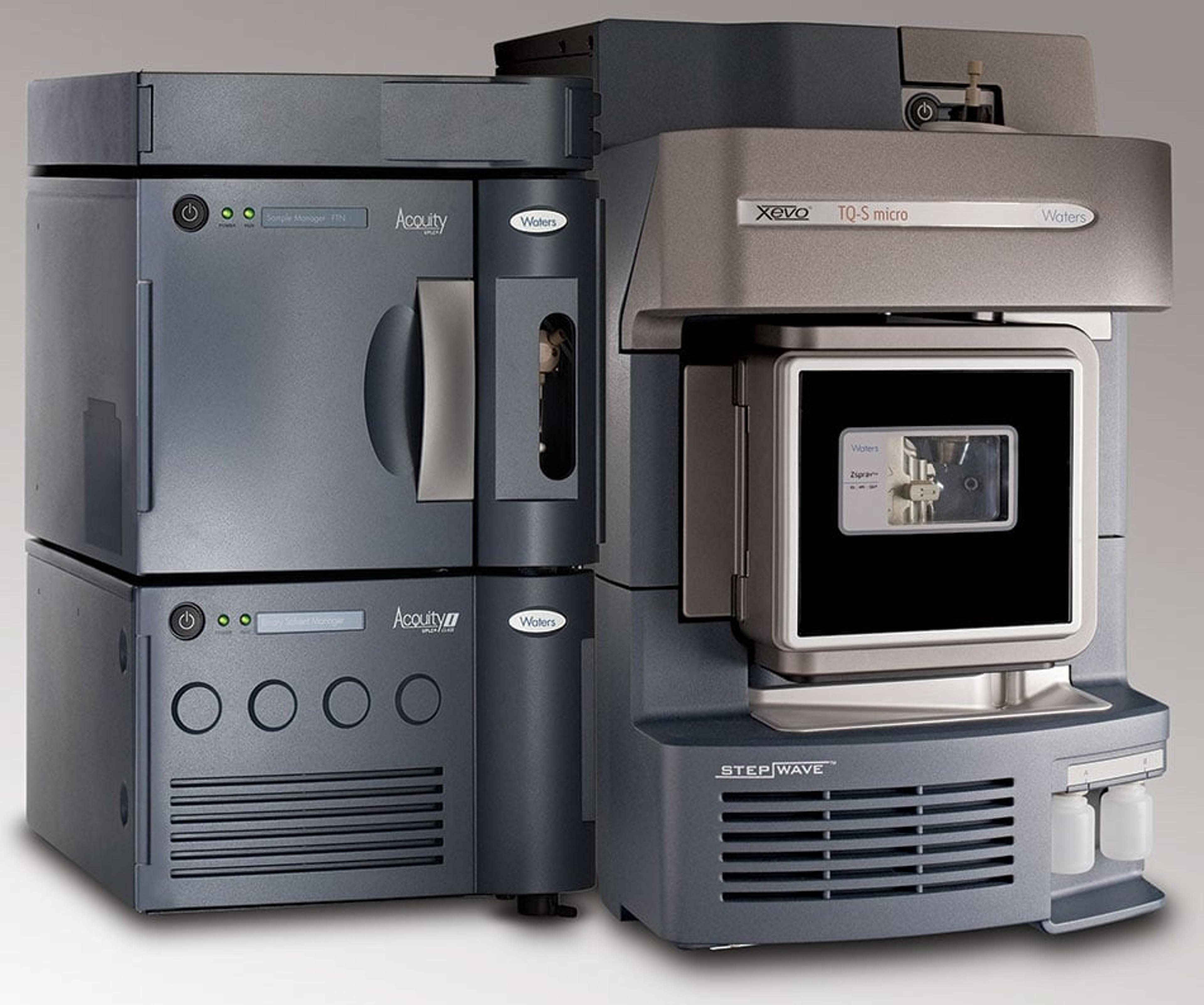
Plus, explore the new video guide on how to maximize lab efficiency and achieve faster sample preparation to result with Water’s automated LC-MS workflow, designed to help you convert your sample data into valuable clinical knowledge.

Links

Tags

LC-MSLC-MS (liquid chromatography-mass spectrometry) systems and equipment are used for separation and quantitative analysis of complex mixtures, combining liquid chromatography and mass spectrometry. Quantify proteins, contaminants, pesticides or screen for drug metabolites with a high level of sensitivity. LC-MS systems and equipment include reverse phase, normal phase and specialized columns integrated with various MS detectors such as time-of-flight (TOF), quadrupole, orbitrap or ion trap mass analyzers. LC-MS/MS instruments equipped with a qTOF or triple quadrupole analyzer give greater sensitivity and resolving power to your analysis. Find the best LC-MS equipment in our peer-reviewed product directory: compare products, check customer reviews and receive pricing direct from manufacturers.Clinical ChemistryBiochemistry (or clinical chemistry) involves the analysis of bodily fluids using chemical tests. Techniques used include HPLC, chromatography, spectroscopy, mass spectrometry, immunochemical, electrophoresis, turbidometric / spectrophotometric assay, MRI and ISE analysis. Tests are often carried out on plasma or serum but urine (urinalysis) and fecal specimens are also processed.AutomationAutomation in laboratories and manufacturing processes enhances efficiency, precision, and scalability by reducing the need for manual intervention. It plays a critical role in improving productivity, minimizing human error, and accelerating workflows in fields like diagnostics, drug development, and industrial testing. Automation technologies include robotic systems, automated liquid handlers, and process control systems that streamline complex tasks and ensure consistent, reproducible results. Explore our peer-reviewed product directory to discover the best automation solutions, compare options, read user reviews, and get prices directly from manufacturers.Clinical AutomationClinical laboratory automation refers to the use of automated systems in clinical laboratories to increase efficiency, reduce human error, and improve patient care. From sample analysis to total laboratory automation, this plays a critical role in modern diagnostics and laboratory workflows. Explore clinical automation solutions in our peer-reviewed product directory; compare products, check reviews, and get pricing directly from manufacturers.Clinical ChemistryClinical chemistry involves the analysis of bodily fluids, like blood and urine, to diagnose and monitor diseases. Tests in clinical chemistry provide critical information for patient care and treatment decisions. Explore clinical chemistry tools in our peer-reviewed product directory; compare products, check reviews, and get pricing directly from manufacturers.
Clinical LC-MS: Routine diagnostics made simple