
Restek’s New EFSA PAH4 Standard Offers Low-Volatility Accuracy and High-Concentration Versatility
18 May 2014
The formulations chemists at Restek have developed a new certified reference material (CRM) of four PAHs—benz[a]anthracene, benzo[a]pyrene, benzo[b]fluoranthene, and chrysene—designed for greater convenience, longer shelf life, and increased long-term accuracy.
Its high 1,000 µg/mL concentration gives analysts the freedom to dilute as needed for greater control and more economical custom mixes. The toluene solvent offers not only low volatility, but also high miscibility with QuEChERS solvents like acetonitrile. In addition, being manufactured and QC-tested in Restek’s ISO-accredited labs means this standard will also help satisfy strict ISO requirements for the use of CRMs.
Restek’s new PAH standard is ideal for pairing with the rugged and uniquely selective Rxi®-PAH column. This innovative GC column is able to easily separate European Food Safety Authority (EFSA) PAH4 compounds from common interferences like triphenylene; cyclopenta[cd]pyrene; and benzo [k], [ j], and [a] fluoranthenes. Restek also offers Q-sep® QuEChERS salts, Resprep® SPE cartridges, and more for unbeatable PAH analyses in food or environmental samples.
Related products
Request Quote for All Products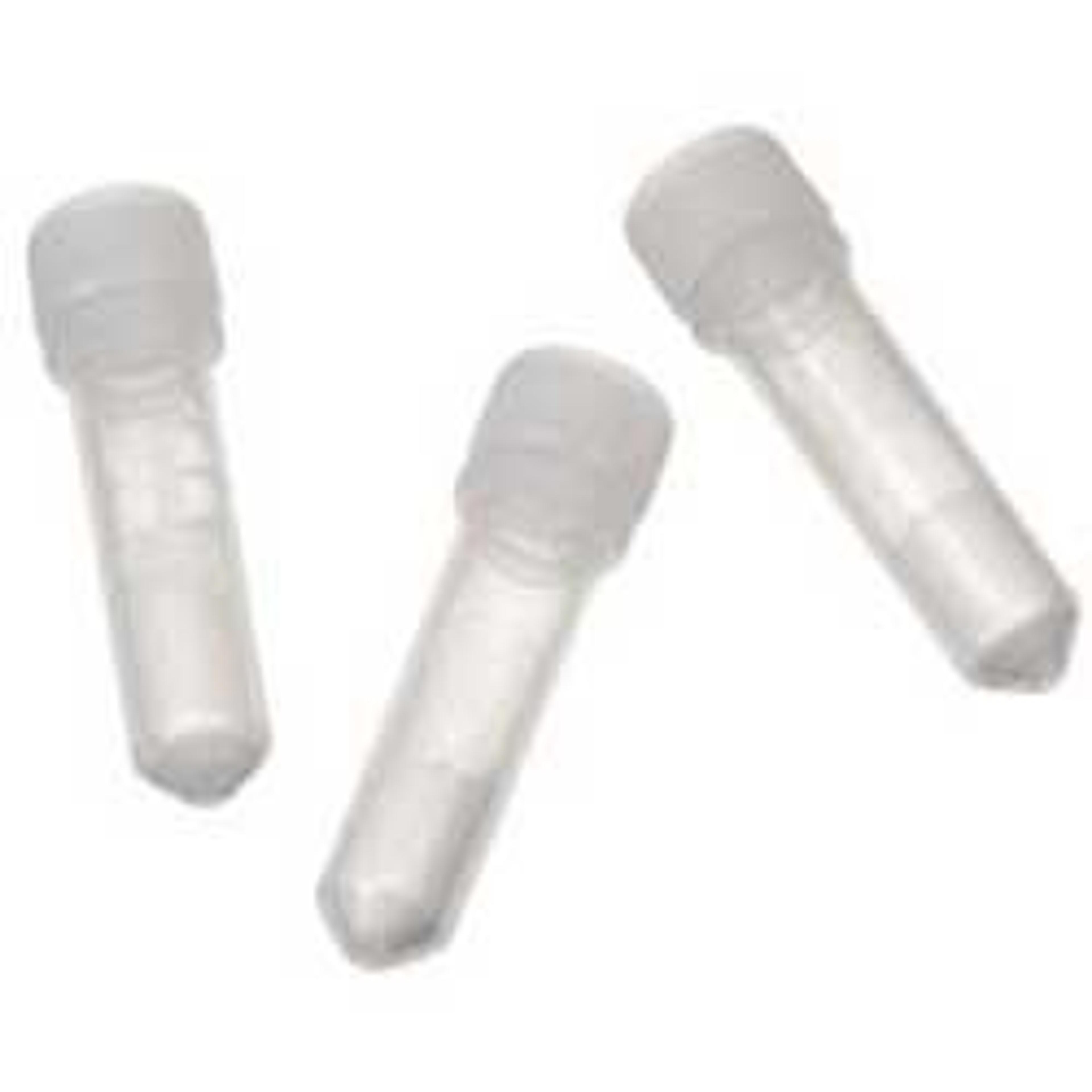
Q-sep™ QuEChERS Tubes
Restek Corp.Q-sep™ QuEChERS Tubes for Pesticide Residue Analysis • Fast, simple sample extraction and cleanup using dSPE. • Fourfold increases in sample throughput. • Fourfold decreases in material cost. • Convenient, ready to use centrifuge tubes with ultra pure, preweighed adsorbent mixes. Quick, Easy, Cheap, Effective, Rugged, and Safe, the QuEChERS ("catchers") method, developed by the USDA Eastern Regional Research Center, has become very popular for extraction and clean-up of pesticide residue samples. Our products are available in three centrifuge tube sizes to meet the needs of both extraction and cleanup of a wide variety of sample matrices following various methods. The researchers developed a simple two-step procedure. First, the homogenized samples are extracted and partitioned, using an organic solvent and salt solution. Then, the supernatant is further extracted and cleaned, using a dispersive SPE technique. Multiple adsorbents are placed in a centrifuge tube, along with the 1mL of organic solvent and the extracted residues partitioned from step 1. The contents are thoroughly mixed, then centrifuged, producing a clean extract ready for a variety of GC or HPLC analytical techniques. Validation and proficiency data for the QuEChERS method are available for a wide variety of pesticides in several common food matrices on their website.
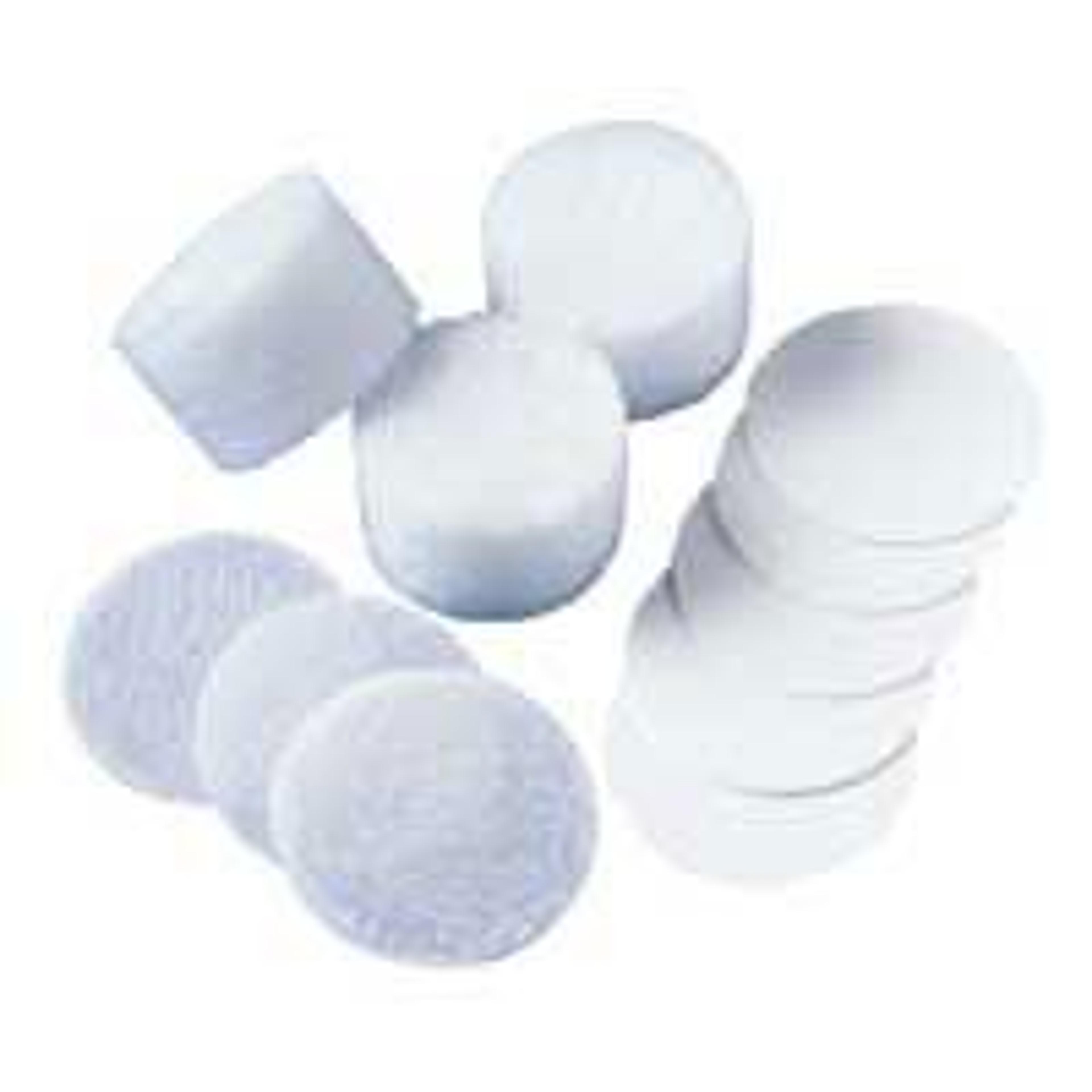
Resprep® Resin SPE Disk
Restek Corp.• 47 mm glass fiber disks embedded with styrene/DVB resin. • For chlorinated, benzidine-containing, or nitrogen-containing pesticides. • Meet requirements of EPA Methods 515.2 and 553.

Rxi®-PAH Columns
Restek Corp.The Rxi®-PAH GC columns were designed by Restek with a higher phenyl-content stationary phase that provides unique selectivity to separate important polycyclic aromatic hydrocarbons (PAH) for food safety that cannot be distinguished by mass spectrometry. Even difficult priority compounds, such as the European Food Safety Authority (EFSA) PAH4, are easily separated and accurately quantified, results that cannot be achieved on typical GC columns.Arylene modification and surface bonding of the stationary phase increase thermal stability and ruggedness so relatively nonvolatile, higher molecular weight PAHs can be analyzed routinely without interference from column bleed.Excellent column efficiency means that the column can be trimmed for maintenance purposes many times without losing critical PAH separations, including those that are part of environmental methods, as well as food safety testing. The selectivity and efficiency of the Rxi®-PAH column make it ideal for EFSA PAH4 analysis; chrysene/triphenylene separation and resolution of all benzofluoranthenes are easily achieved.Features: Ideal for EFSA PAH4 analysis—separates all priority compounds: benz[a]anthracene, chrysene, benzo[b]fluoranthene, and benzo[a]pyrene. Best resolution of chrysene from interfering PAHs, triphenylene, and cyclopenta[cd]pyrene. Complete separation of benzo [b], [k], [ j], and [a] fluoranthenes. 360 °C thermal stability allows analysis of low volatility dibenzo pyrenes.