Spotted at SLAS2019: 9 Top Technologies from the Exhibition Floor

SelectScience editors reflect on the most exciting technologies showcased at the 2019 Society for Laboratory Automation and Screening conference

12 Feb 2019

Frankie MacDonald
Administrator / Office Personnel

Editorial article

For many in the drug discovery and screening industry, the annual SLAS exhibition and conference is the core event. It represents a platform for showcasing state-of-the-art technologies, fostering scientific collaboration, and inspiring the next generation of scientific pioneers. SelectScience editors attended this month’s event to capture the latest emerging laboratory technologies in the field — here’s our thoughts on the most exciting innovations straight from the show floor.
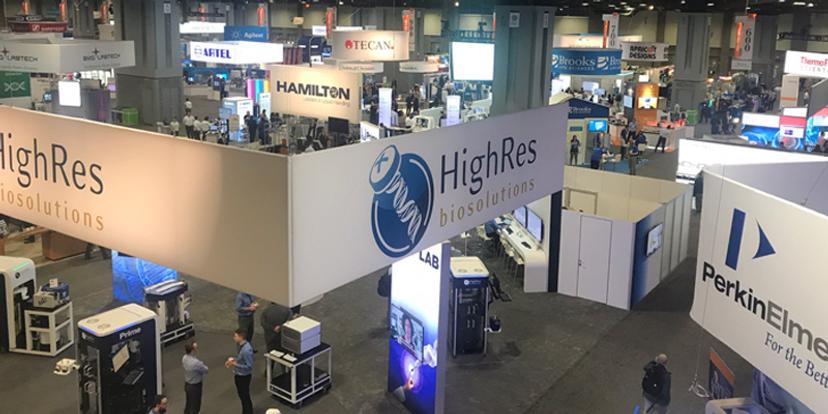
Thousands of scientists attended the 2019 SLAS Conference in Washington, DC, to witness the latest innovations in automation and screening.

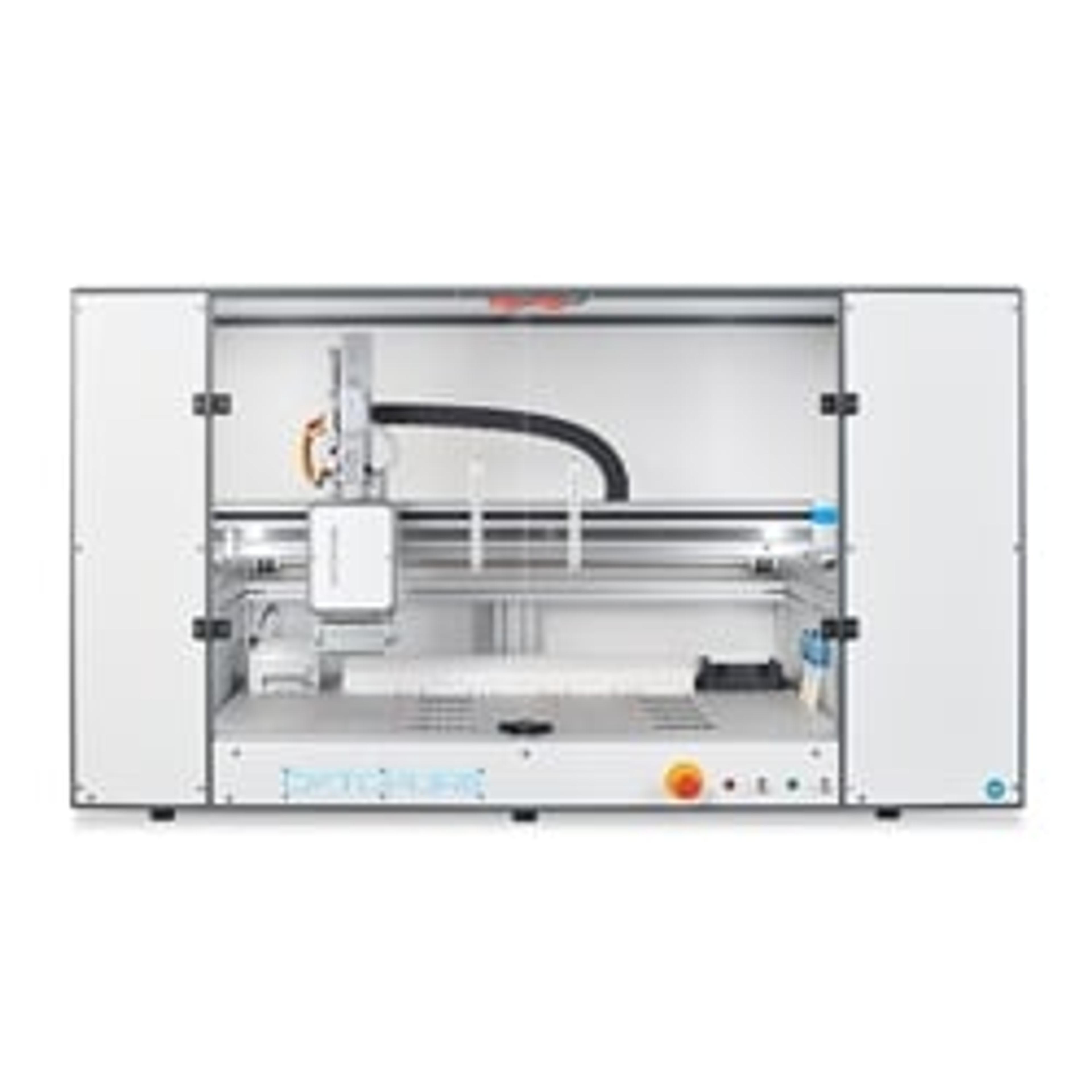
1. NGS DreamPrep - Tecan

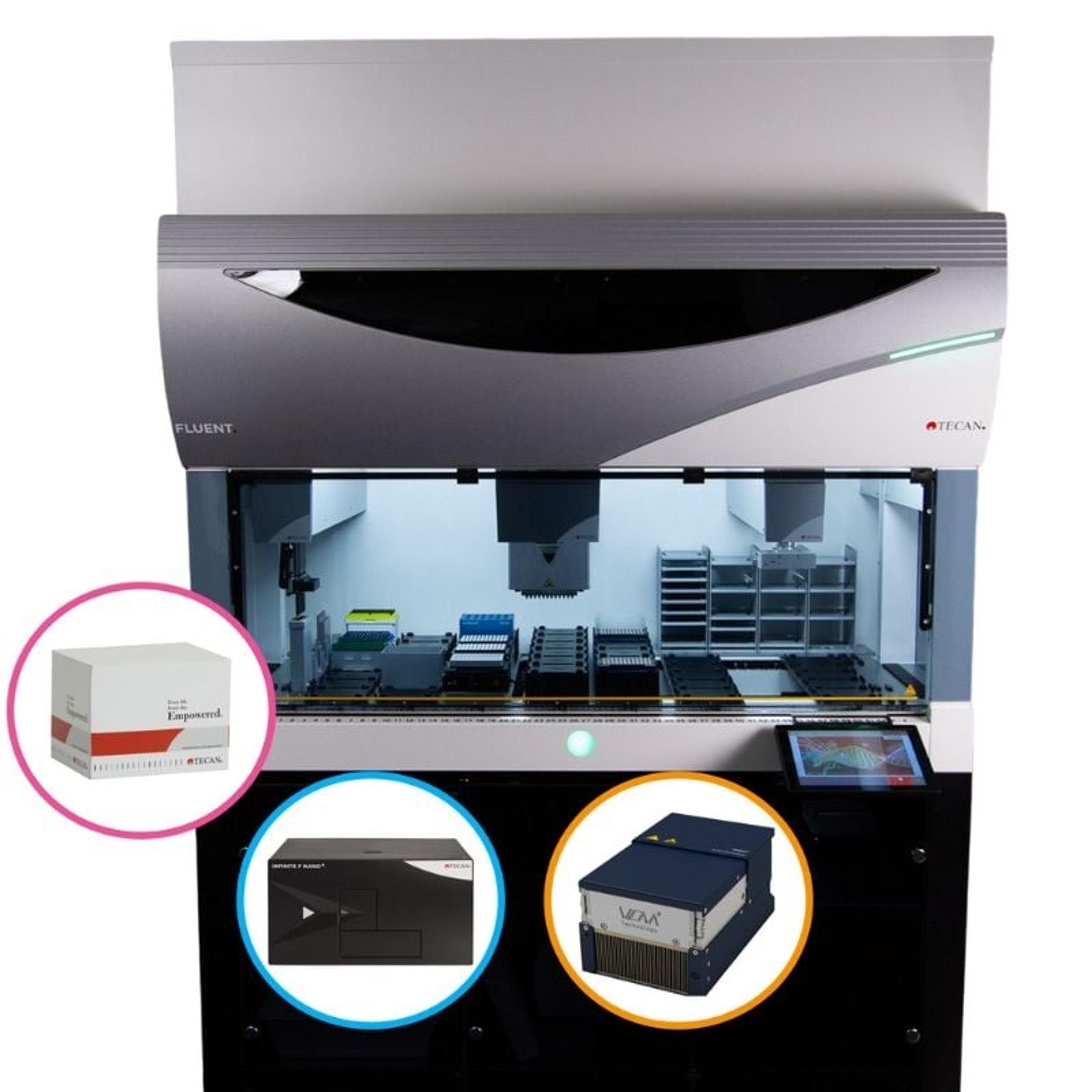
Next-generation sequencing technology has advanced hugely over the last decade, and our ability to accurately sequence samples within a matter of hours has enabled a paradigm shift towards personalized medicine. Tecan is taking it one step further with the launch of their new product: NGS DreamPrepTM Workstation– a fully-automated NGS library preparation platform, with integrated QC steps, that yields the highest quality DNA for downstream applications.
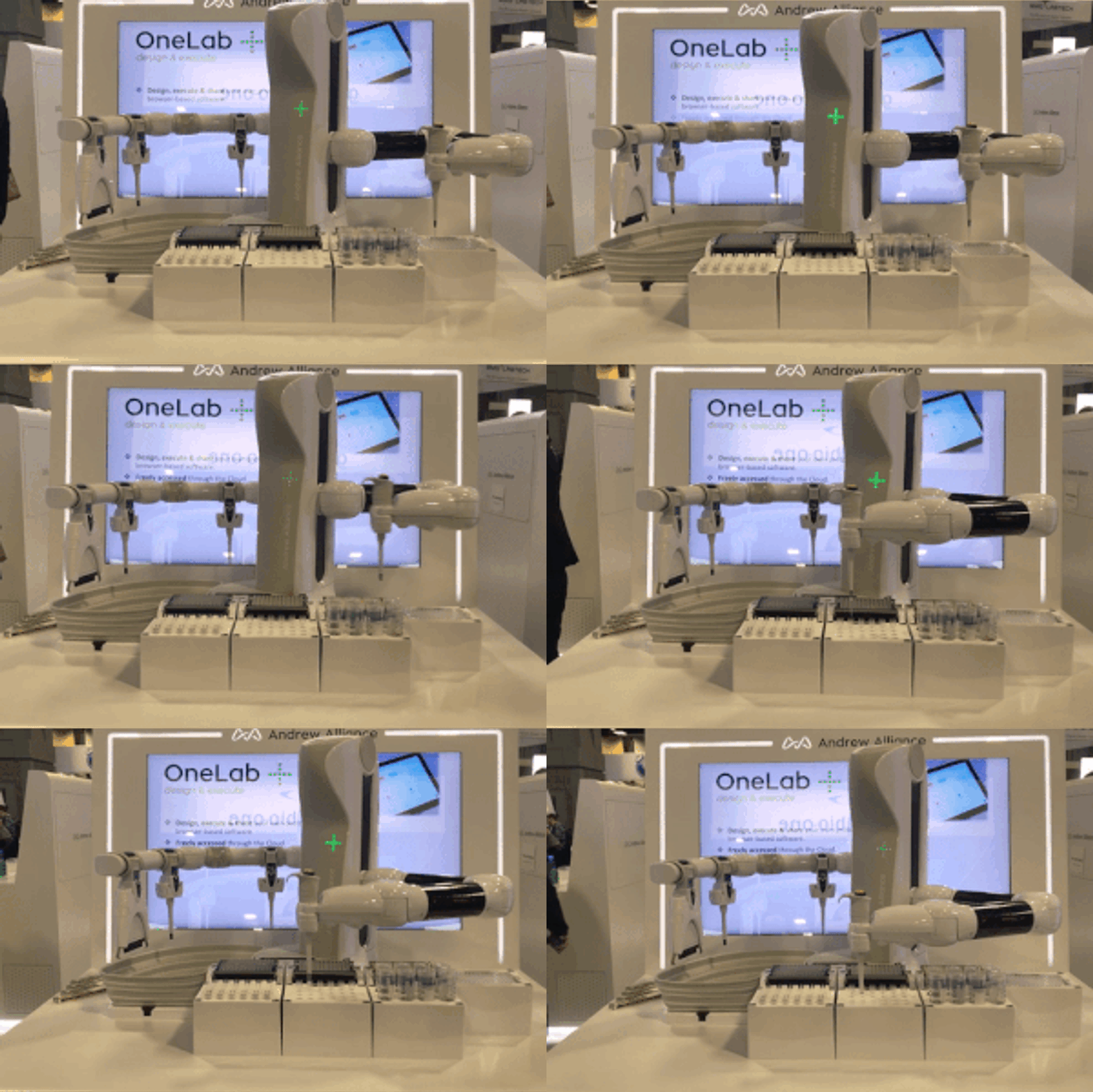
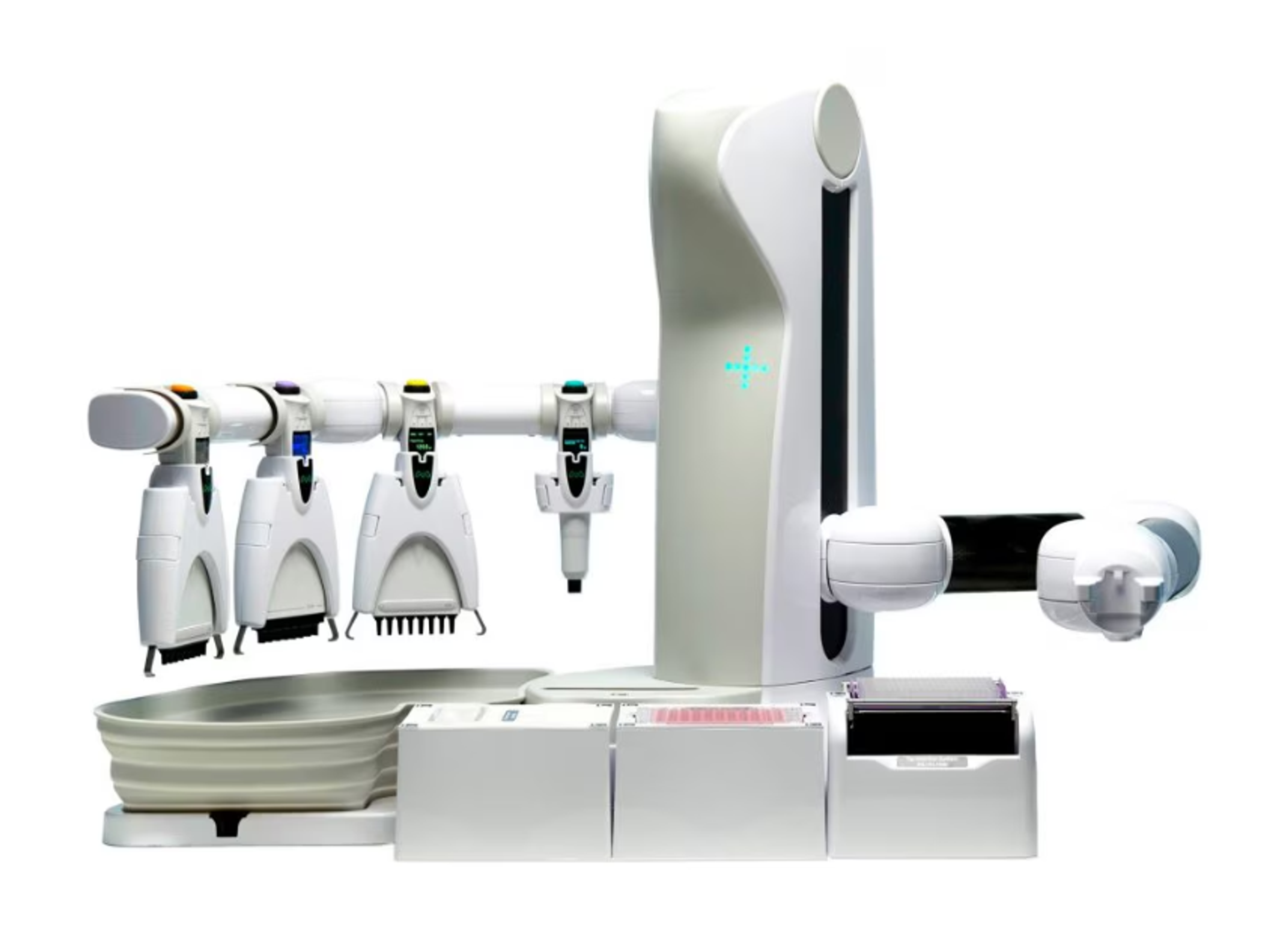
The Andrew Alliance Pipetting Robot in action

2. Andrew Alliance Pipette+ system

The result of a collaboration between Andrew Alliance S.A. and Sartorius, this intelligent pipetting robot brings a fresh approach to liquid handling. Equipped with advanced hardware, the platform aims to challenge the difficulties associated with repeatability and reproducibility – a rising problem emerging in life sciences research. This product, along with others by Nanoview Biosciences and Stilla Technologies, won the new product innovation award. Read more about the New Product Award winners here.

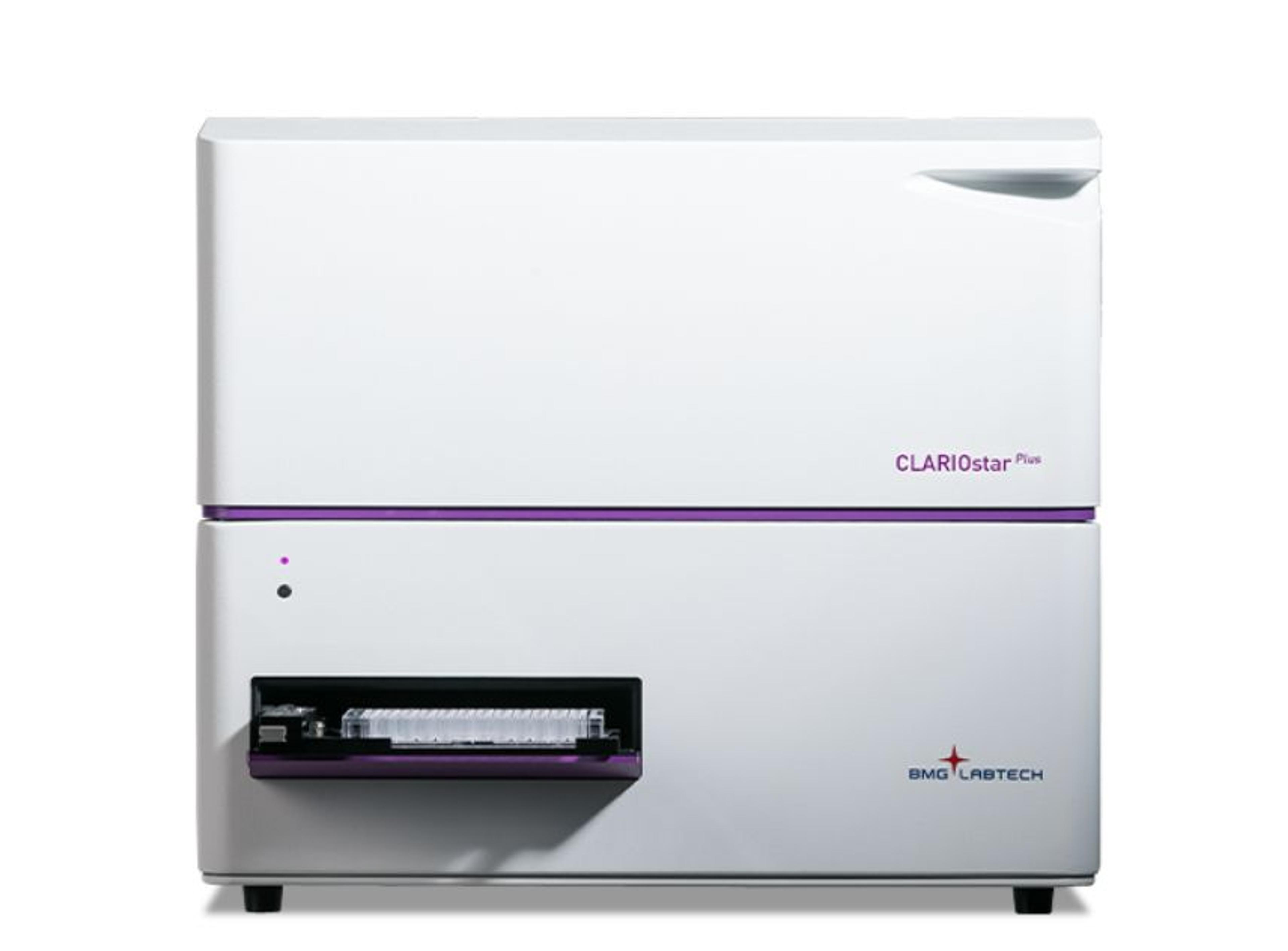
3. CLARIOstar PLUS - BMG Labtech

Officially unveiled at SLAS, the new CLARIOstar PLUS is BMG Labtech's latest microplate reader, with new and improved features, including enhanced dynamic range technology, full-plate autofocus and three dedicated detectors for ultimate sensitivity.

4. Automated ZE5 Cell Analyzer – Bio-Rad

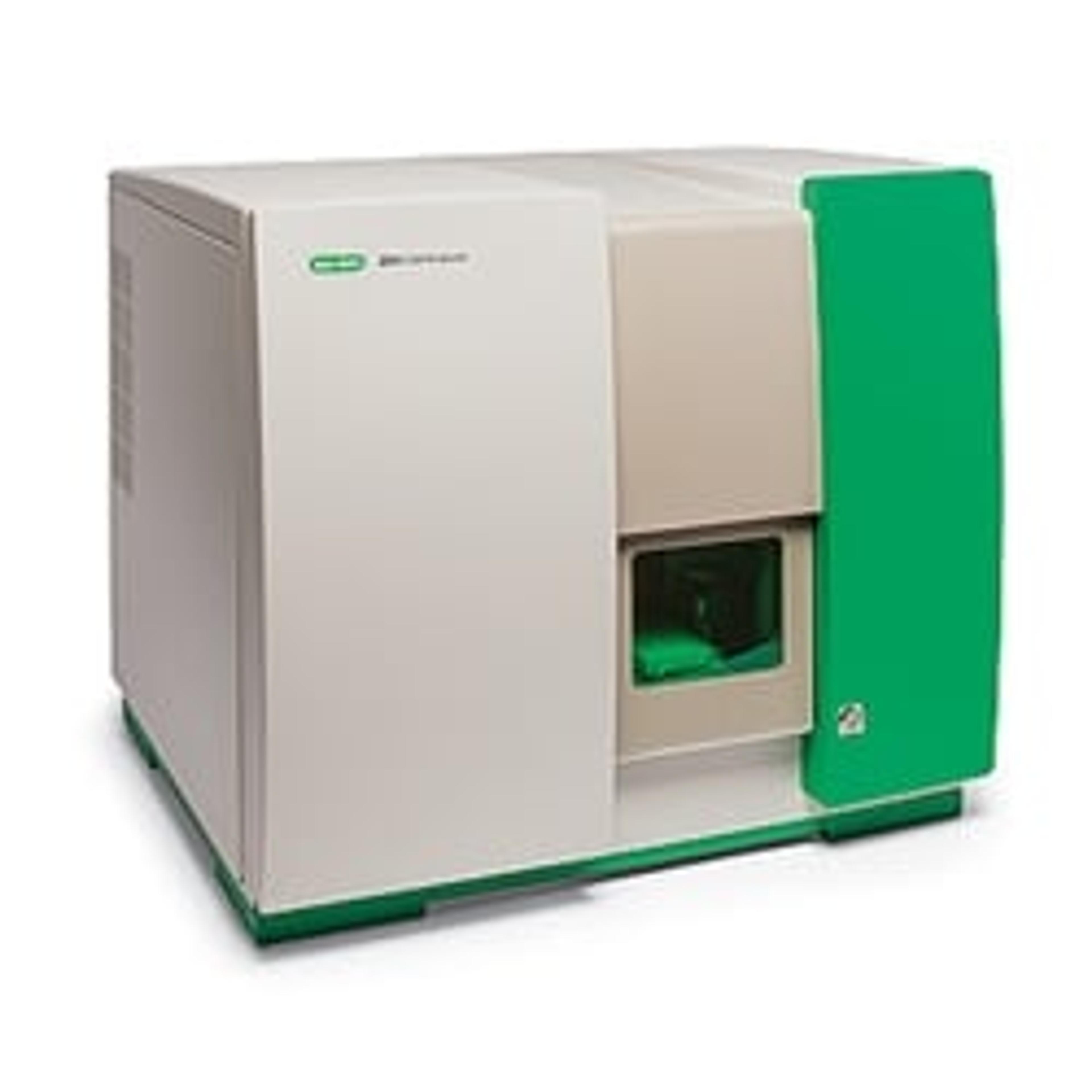
Flow cytometry is a relatively new addition to the screening technology toolbox, previously limited by low throughput and manual sample requirements. The introduction of microplate-based automation front ends, however, has revolutionized cell-based screening assays. Displayed at SLAS, the ZE5 Cell Analyzer by Bio-Rad, is now capable of processing 384-well plates in less than 60 minutes, with no compromise in quality at over 100,000 events per second. It also boasts highly flexible panel design capacity – able to simultaneously detect up to 27 colors.

5. Array TapeTM Technology - LGC, Biosearch Technologies

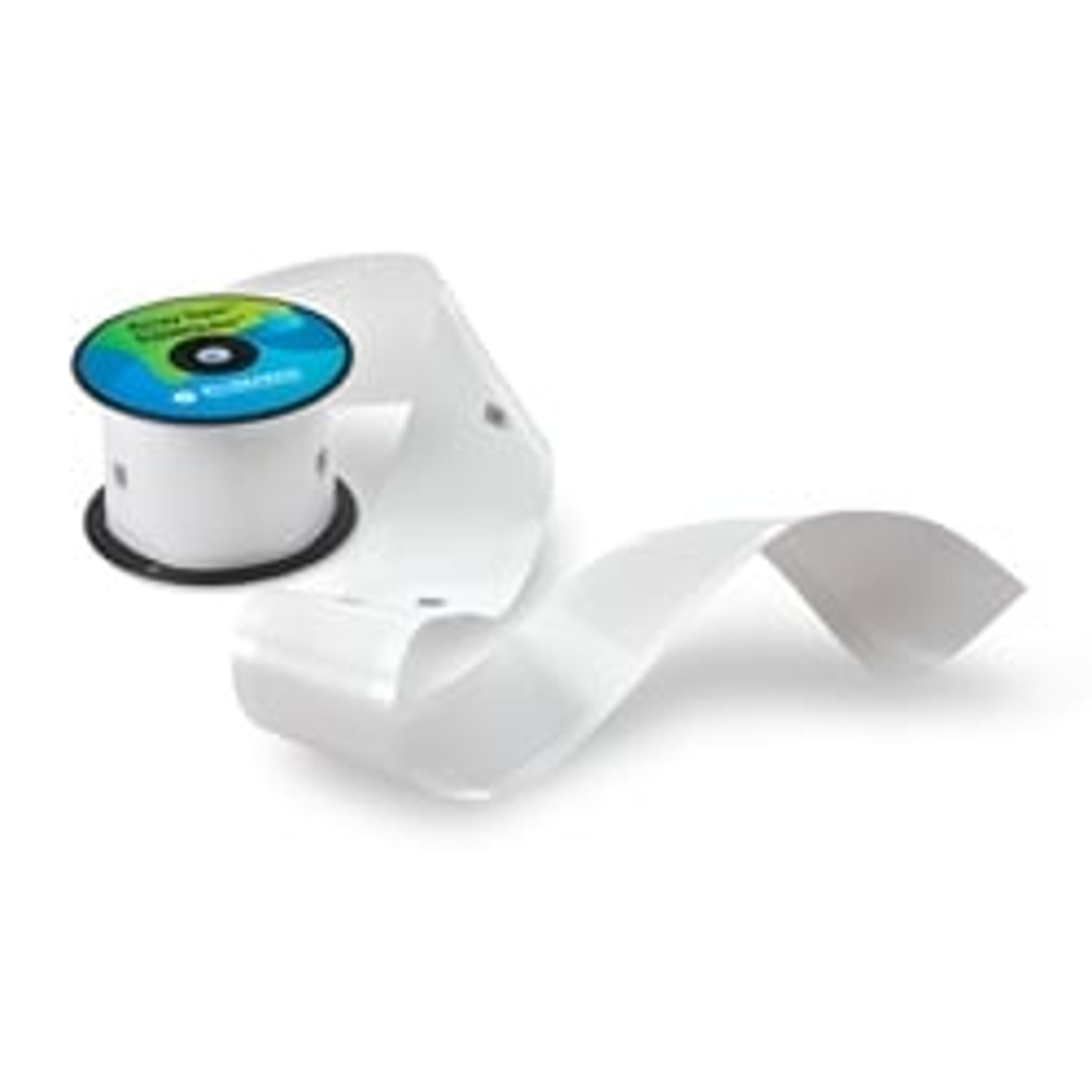
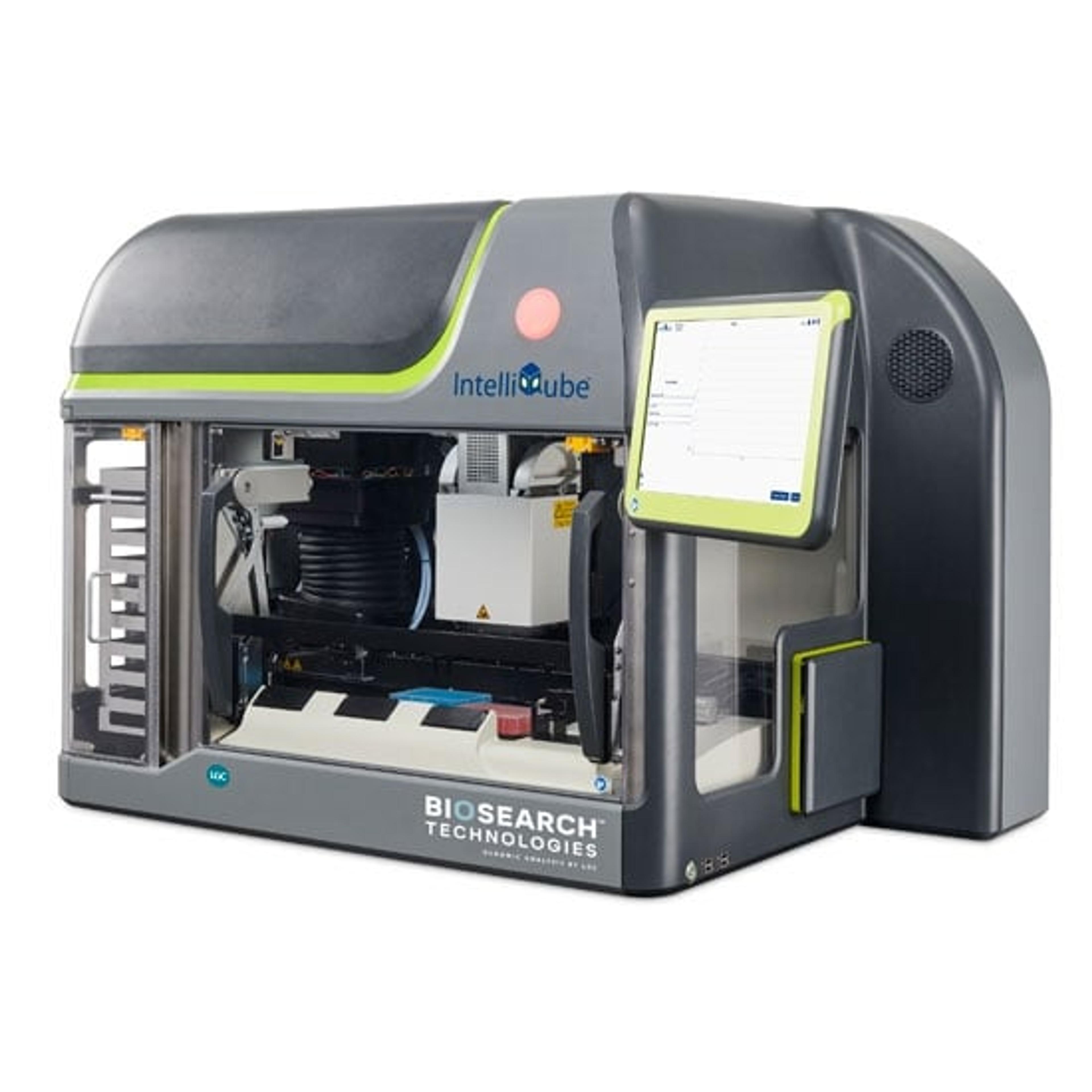
Assay miniaturization is a hot topic in the screening space, where more information from less sample is facilitating higher throughput at lower costs. LGC, Biosearch Technologies has tackled this in a uniquely inventive way: its Array Tape® consumable technology, for use on platforms such as the oKtopure™ and IntelliQube®, eliminates the need for manual microplate handling whilst supporting liquid dispensing down to 0.8µl.

Find out which products came out top in the Drug Discovery and Development category of the annual Scientists' Choice Awards, announced at SLAS2019 >

6. Epitope Mapping Service - MIP

Based on an innovative technique called molecular imprinting, MIP Diagnostics announced the pre-launch of its epitope mapping service at SLAS2019. This unique technology synthesizes nanoparticles to enable researchers to identify previously unknown antigenic surfaces, in a way that could revolutionize the generation of binding molecules for pharma and in vitro diagnostic applications.
Download the Greiner Bio-One's poster presented at SLAS, on 3D cell culture of motor neurones using magnetic 3D bioprinting.

7. M3d 3D Cell Culture - Greiner Bio-One

Ever heard of cell magnetization? Neither had we, before we encountered the technology at the core of Greiner Bio-One’s revolutionary 3D cell culture offering. The team at SLAS captivated show attendees with the launch of their biocompatible NanoShuttleTM nanoparticle, which uses magnetic forces to aggregate cells into structurally representative and reproducible 3D models in vitro.

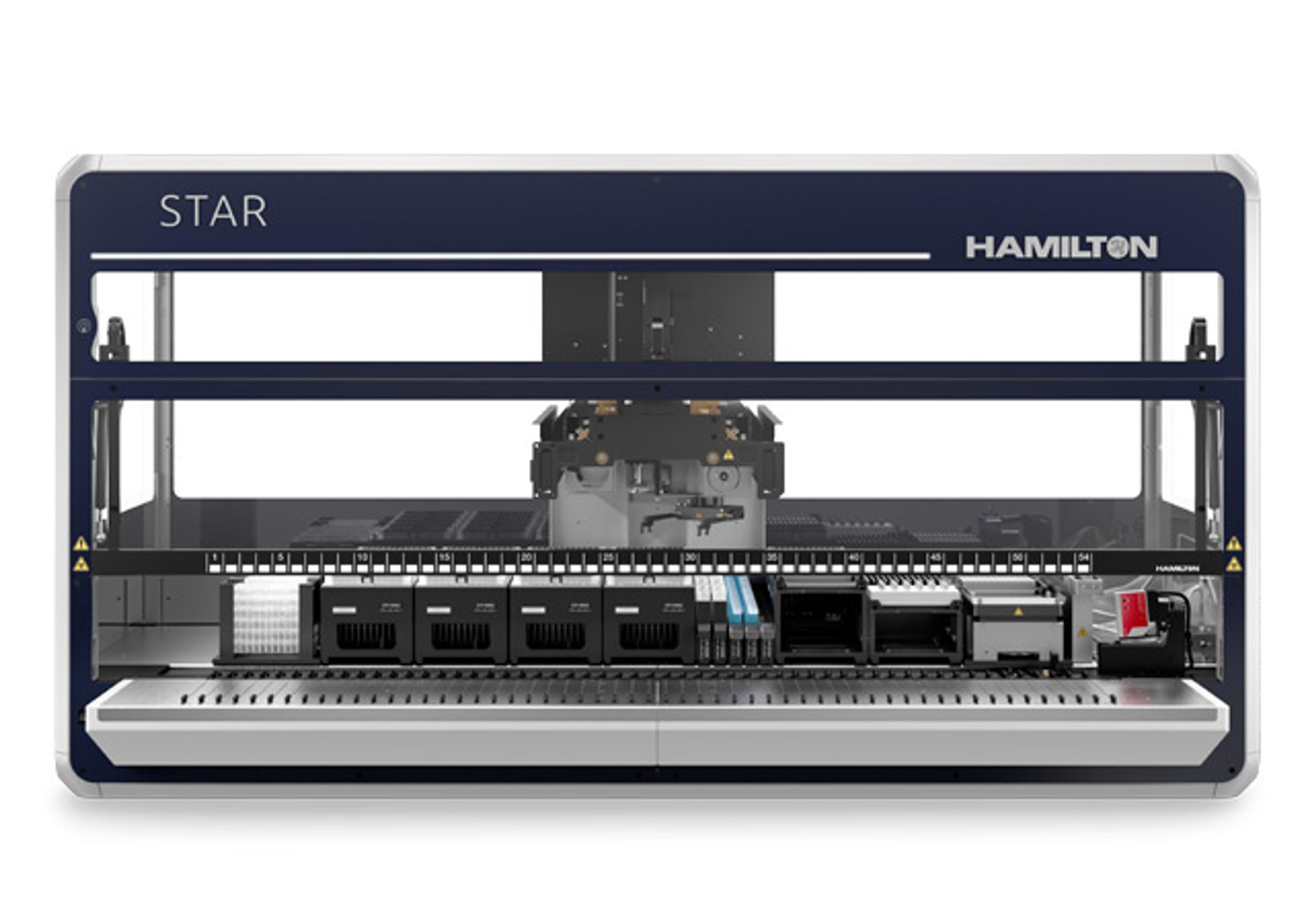
8. Aliquot STARlet – Hamilton Robotics

Whilst the Hamilton party in the Smithsonian Natural History Museum caused a real buzz, the exquisite engineering of its newly-launched Aliquot STARlet platform also sparked conversation on the show floor. Featuring decapping channels, tube-stabilizers, barcode scanning and automated dispensing, this one-of-kind station supports hands-free handling of hazardous samples.

9. ExoViewTM – NanoView Biosciences

The role of extracellular vesicles in disease biology is one of the most exciting and emergent areas of research, and until now, no technology has been dedicated to their analysis. NanoView Biosciences has taken a step forward in the EV field by developing a label-free, direct-from-sample, automated platform to enable full purification and characterization of extracellular vesicles. This bias-free analysis is set to unearth new targets for drug discovery over the next few years.

Visit the SelectScience SLAS2019 page for more news, video interviews, and downloadable content >>
Links

Tags

Microplate Readers / DetectorsMicroplate readers are used to automate the detection and analysis of labeled or label-free components in microplates during assays or live-cell monitoring. Microplate readers are generally distinguished by their mode of detection. Types include absorbance, luminescence, fluorescence intensity, fluorescence polarization, TRF / FRET and multimode microplate readers. Microplate readers deliver a high throughput of samples by reading multiple wells simultaneously, with the 96-well format the most commonly used. As a result, microplate readers are often used in the drug discovery, bioassays, research and pharmaceutical industries for screening applications. Microplate loading can also be automated, with robotic microplate stackers to increase throughput. Find the best microplate readers in our peer-reviewed product directory: compare products, check customer reviews and receive pricing direct from manufacturers.Sample ManagementSample management systems include sample storage devices such as freezers and plate storers, sample environment enclosures and sample organization, retrieval and sorter systems. Useful system features include high-throughput, automation, robotic arms, automated liquid handling and associated database systems. Accessories in sample management include barcode scanners, heat sealers and tubes.Robotic InstrumentsRobotic instruments can be used for high-throughput automation of many lab processes. Such processes use instruments for assays like cell based assays and ELISA, for sample preparation like shakers, centrifuges and incubators, and for analysis such as sequencing and western blot analyzers. Useful features of robotic instruments include speed, reproducibility, barcode readers, software and automation.Robotic WorkstationsRobotic workstations are automated platforms enabling the user to perform high-throughput, multi-application processes, from sample preparation tasks such as PCR set-up, DNA purification and NGS library preparation, to integrated sample prep and analysis workstations. Automation makes processes consistent, fast, precise and fully walk-away. Find the best robotic workstations in our peer-reviewed product directory: compare products, check customer reviews and receive pricing direct from manufacturers.Software PlatformsSoftware platforms are useful for various stages of laboratory experiments from data collection to data storage and processing. For instance lab software is available for system control, data management, data analysis and qualification / validation.Automation Supplies / AccessoriesAutomated accessories and consumables make lab processes fast, efficient and reliable. Useful automation accessories include microplate sealers, label printers and reagent reservoirs.Plate ProcessingAutomated plate processing is used in microplate technologies for high-throughput, speed and efficiency. Plate processing systems include microplate handlers for moving plates, heat sealers, stackers and carousels for storage, retrieval and delivery, microplate washers and piercers. Useful features of plate processors include walk-away automation, compatibility and easy integration with microplate systems.Automated Liquid HandlingAutomated liquid handling equipment is used to mix, dilute and dispense allotted volumes of liquid into microplates and other vessels automatically. The robotic, liquid handling arms can dispense from single channel to 3456 multichannel as well as operate nanoliter dispensing, enabling high throughput of samples. Find the best automated liquid handlers in our peer-reviewed product directory: compare products, check customer reviews and receive pricing direct from manufacturers.Flow Cytometry / Cell CountingFlow cytometers are used to count, sort and examine multiple characteristics of cells. Other cell analysis equipment includes image cytometers, cell counters, fluorescence-activated cell sorters (FACS), magnetic-activated cell sorters (MACS), and a range of flow cytometry assay kits. Flow cytometers can reveal information on cell viability, cell proliferation, apoptosis and cell cycle progression, as well as identify cell populations and intracellular or cell-surface molecules. Additionally, some flow cytometers, known as FACS, have an additional sorting function after analysis. Cell counters and image cytometers count live and dead cell populations and can also conduct cell proliferation assays. Find the best flow cytometers, cell counters and cell sorters in our peer-reviewed product directory: compare products, check customer reviews and receive pricing direct from manufacturers.AutomationAutomation in laboratories and manufacturing processes enhances efficiency, precision, and scalability by reducing the need for manual intervention. It plays a critical role in improving productivity, minimizing human error, and accelerating workflows in fields like diagnostics, drug development, and industrial testing. Automation technologies include robotic systems, automated liquid handlers, and process control systems that streamline complex tasks and ensure consistent, reproducible results. Explore our peer-reviewed product directory to discover the best automation solutions, compare options, read user reviews, and get prices directly from manufacturers.Liquid Handling WorkstationLiquid handling workstations automate the process of sample preparation, improving accuracy and efficiency. These systems are essential for high-throughput applications in biological, chemical, and pharmaceutical research, reducing human error and increasing reproducibility. Workstations come equipped with robotic arms, pipetting tools, and other accessories to streamline lab workflows. Explore liquid handling workstations in our peer-reviewed product directory; compare products, check reviews, and get pricing directly from manufacturers.NGS AutomationNGS automation streamlines next-generation sequencing workflows, increasing throughput, accuracy, and reproducibility. Automated solutions enhance productivity in genomic research, clinical diagnostics, and personalized medicine. Browse peer-reviewed tools to compare products, read reviews, and get pricing.ExosomesLiquid HandlingLiquid handling involves the precise transfer, mixing, and dispensing of liquids in laboratory settings. It is essential for accurate and consistent results in biological, chemical, and pharmaceutical research. Automated liquid handling systems improve efficiency and reduce human error in sample preparation and analysis. Explore liquid handling tools in our peer-reviewed product directory; compare products, read customer reviews, and get pricing directly from manufacturers.