Selecting the best cold storage solution for your lab: Preserve samples for experimental success
Ranya Badran, Corning, discusses the importance of sample preservation over time and reveals state-of-the-art cooling tools that protect precious samples
18 May 2021

Sample storage at cryogenic temperatures is essential for labs that need to preserve specimens, particularly biological materials. Optimum storage will ensure sample integrity and viability is maintained, while poor storage can cause a material to become compromised, leading to unwanted financial losses and inaccurate results. In this exclusive SelectScience® interview, we speak with Ranya Badran, product line manager at Corning Life Sciences, to discuss the importance of sample preservation to generate reproducible results.
Badran uncovers an array of cutting-edge Corning Cool Products on the market and outlines how these tools have been designed to help scientists protect costly samples by conserving sample integrity at low temperatures. Whether you are working with a sample at the bench, or simply storing a sample, Badran highlights how Corning can help ensure you achieve reliable results and store your samples for experimental success.
Tell us about yourself and your role at Corning
RB: I have been with Corning for 15 years, and I have worked in many roles, with my most recent role being product manager. I manage a range of cell culture products, consumables, and Cool Products.
What are the biggest challenges your customers are facing?
RB: A big challenge our customers face in the lab is the need to maintain a suitable temperature for their precious samples, such as slow cryopreservation for their cells. It is critical for cells to freeze at the right temperature to maintain viability, and when scientists are working with temperature-sensitive materials, they need to use the right tools to keep the temperature constant to ensure experimental success.
How does Corning help overcome these challenges?
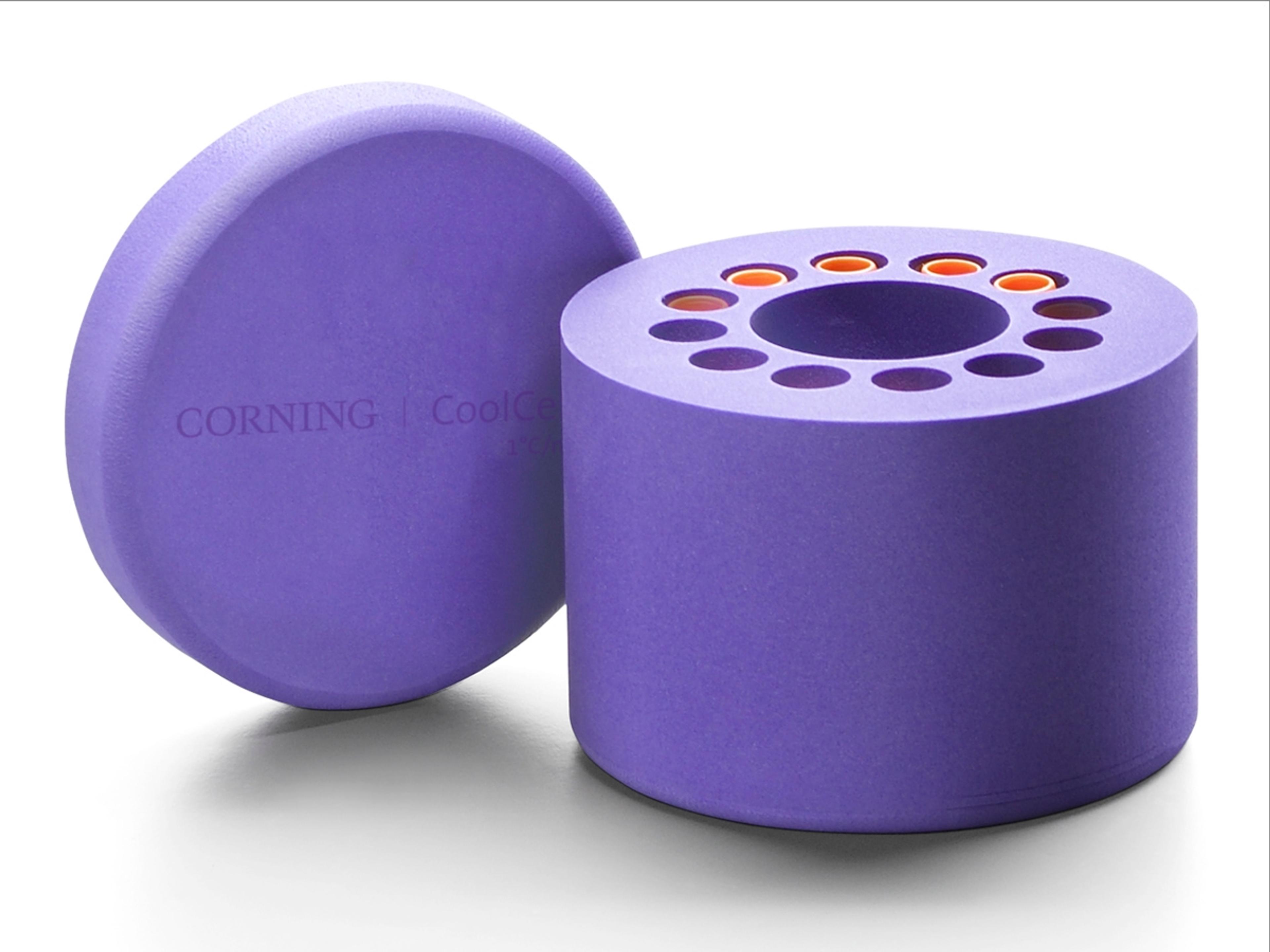
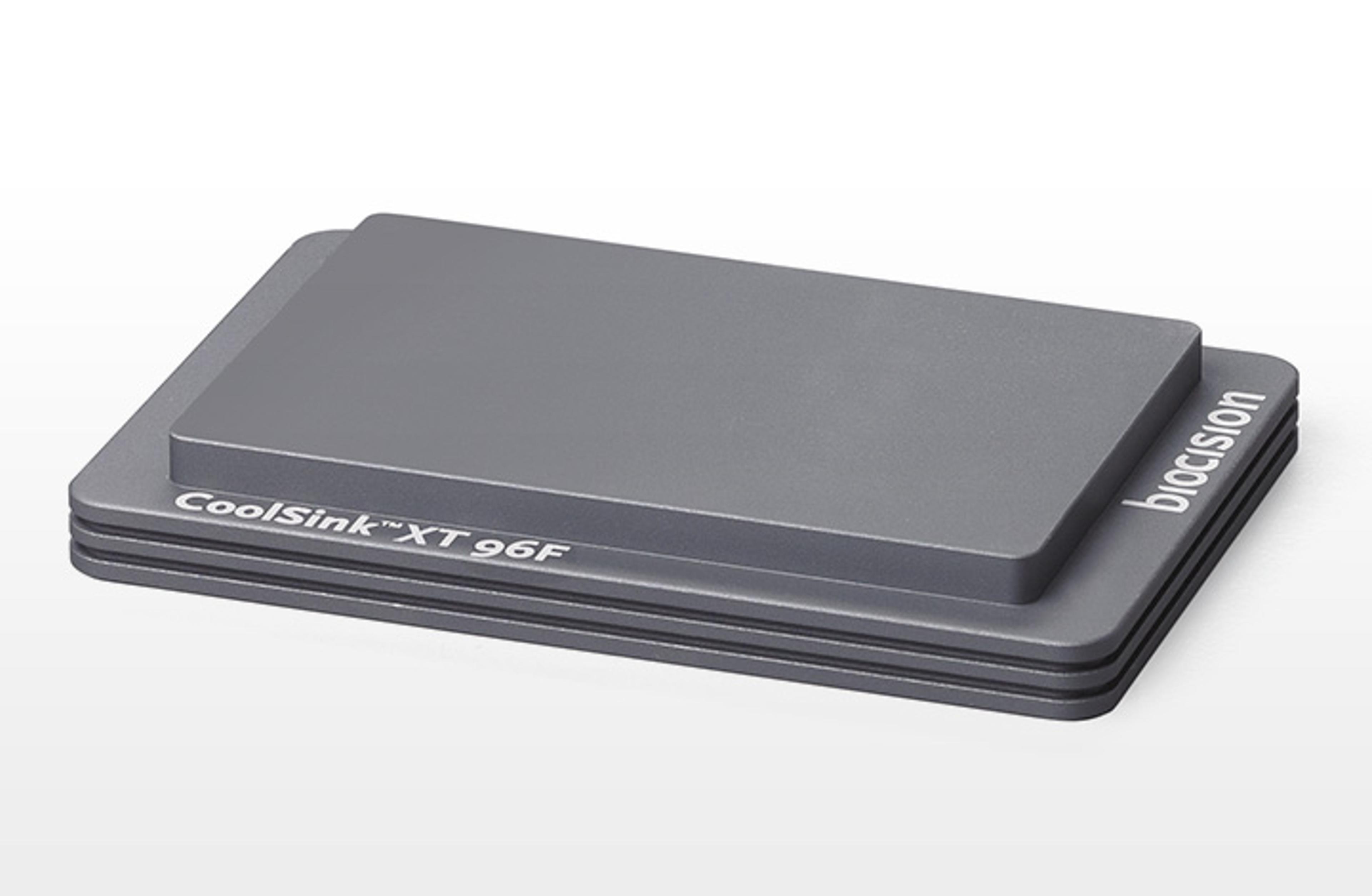
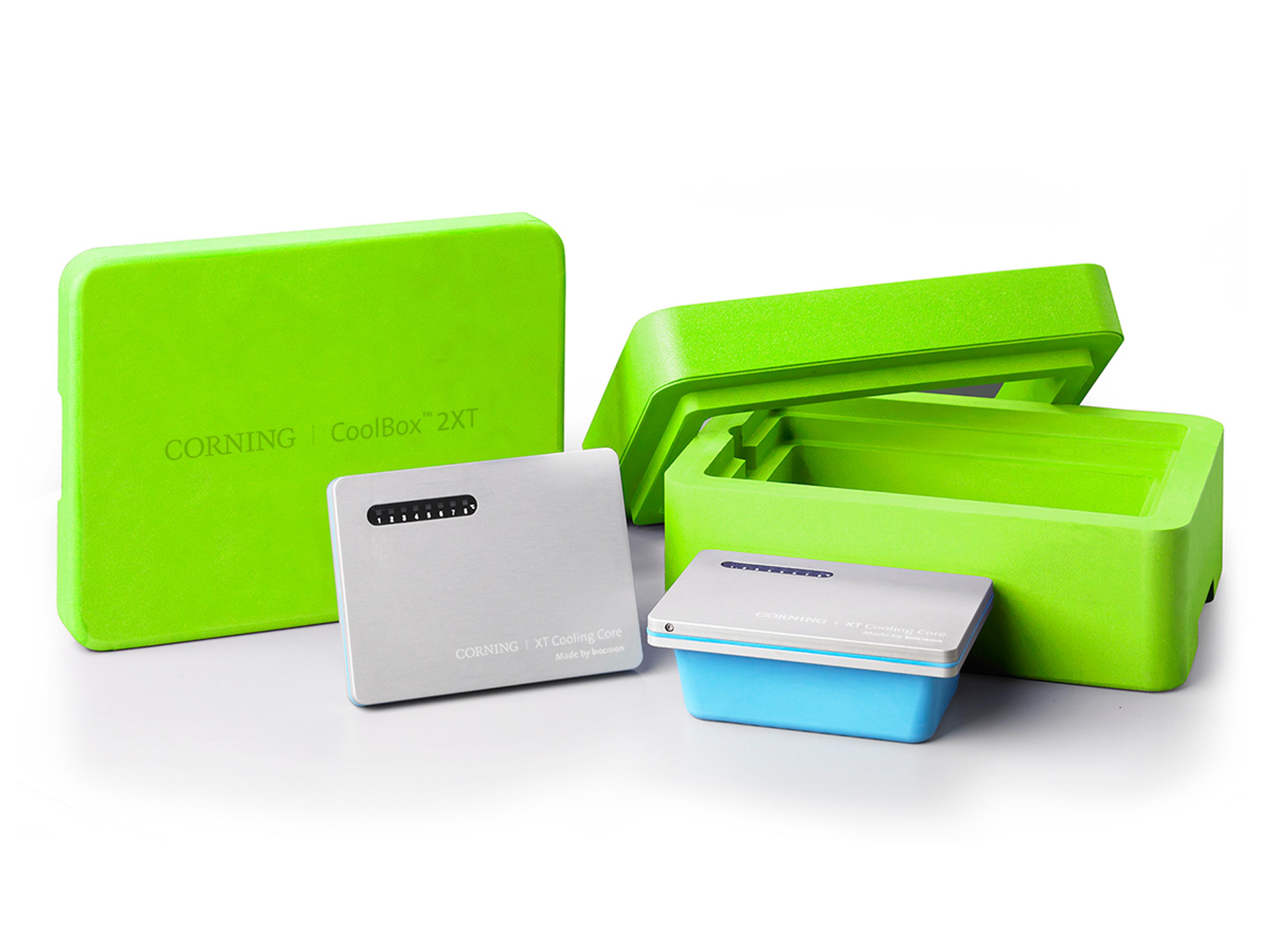
RB: Corning offers Cool Products, which are designed to maintain the proper temperature. The Cool Product line includes Corning® CoolCell® Containers, Corning CoolSink® Modules and Accessories, Corning CoolRack® Modules, and Corning CoolBox™ Ice-free Systems. It is a large, colorful portfolio that is very versatile and has several compatible options to help customers with whatever they are doing in the lab.
What are the benefits of the Corning Cool Products?
RB: Many other storage approaches require the use of ethanol – this means customers must change the ethanol after so many cycles; this can cause cryogenic vials to become stuck inside a unit because of how they freeze. When customers use the CoolCell, it has been designed in a way that is very easy to open and there is no frost inside. This product can be reused immediately, and is easy to clean, with a simple cooling core inside that distributes the temperature evenly.
Our product also comes in many colors and several formats. For example, if a customer requires 12 cryovials, we offer the product in a 12-well format. If a customer requires 30, we offer the product in a 30-well format. For the CoolBoxes, we have a cooling core or a freezing core, depending on what the customer is performing on the bench. We have accessories for any format they need, which are the CoolRacks that work with the CoolBox. The CoolRacks are also compatible with all the consumables we offer. In other words, we do not just offer one product, we have a workflow solution: a CoolBox, with a CoolRack, and compatible accessories.
What feedback have you had from your customers so far?
RB: Well, our customers love them! Multiple people in the lab can use them, and each can have their own color, or, each color can be designated for a different type of work.
If you had to summarize, what are the key standout features of the Corning Cool Products?
RB: Preserving the quality of your valuable research samples is really what this is all about. If you compromise your samples, then you are compromising the outcome of your experiment, resulting in unreliable data.
What do you see as the future developments in this area?
RB: Corning is all about solutions; we have been around for over 160 years because we are innovators. We collaborate with our customers in order to understand their needs to drive our next innovations. We don’t see the necessity to maintain temperature control going away anytime soon. We are always striving to understand our customers’ needs so that we can develop better ways to help make their workflows easier and more consistent.
Do you use the Corning Cool Products in your lab? Write a review today for your chance to win a $400 Amazon Gift Card>>