How-to-buy eBookLife Sciences

How to Buy Cell Imaging Technology

22 Aug 2025

Charlie Carter
Life Sciences Editor

Cell imaging plays a vital role in the analysis of cellular systems, offering valuable insights into various aspects of cell health, behavior, and structure. It enables researchers to understand fundamental cellular processes, monitor changes in response to treatments, investigate structural alterations, and gather data on both individual cells and populations.
How to Buy Cell Imaging Technology

How-to-buy ebook

Choose the best cell imaging technology for your lab
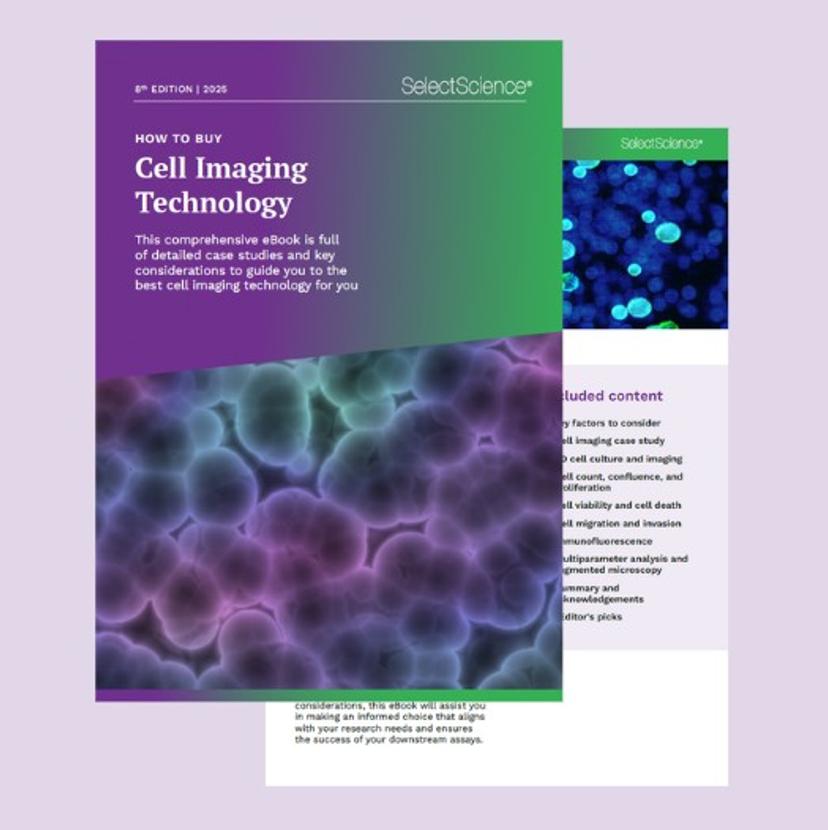
Cell Imaging eBook

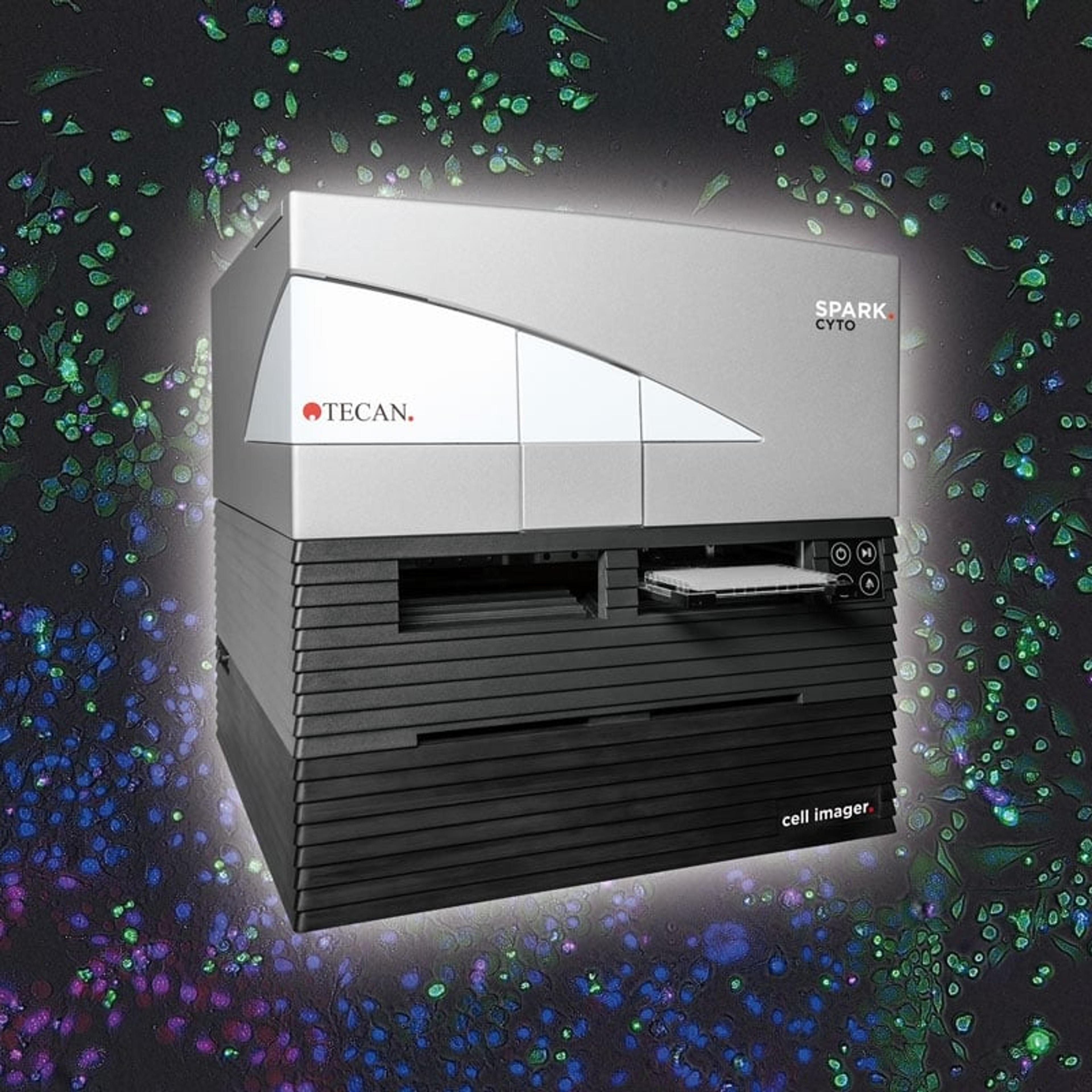
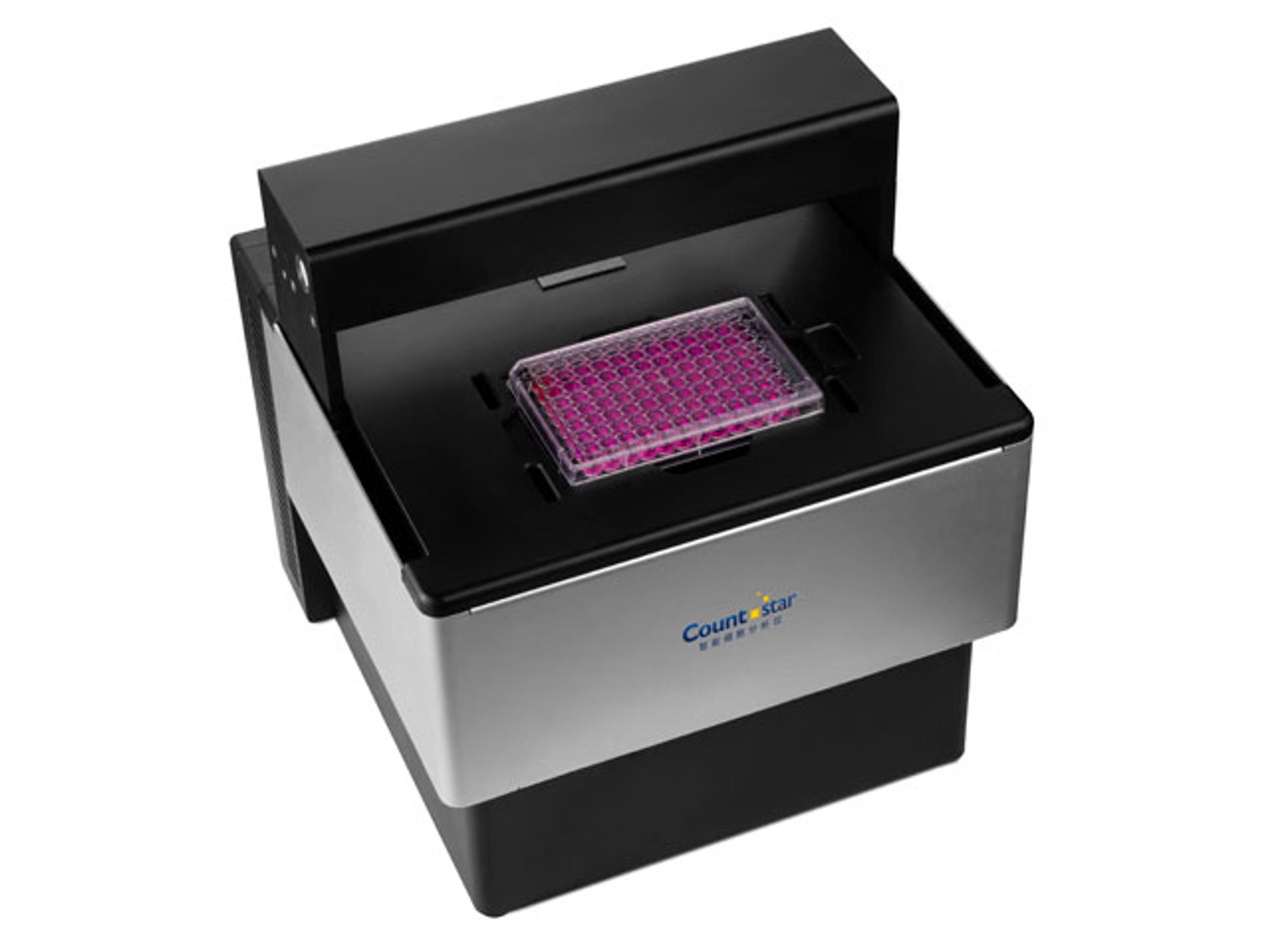
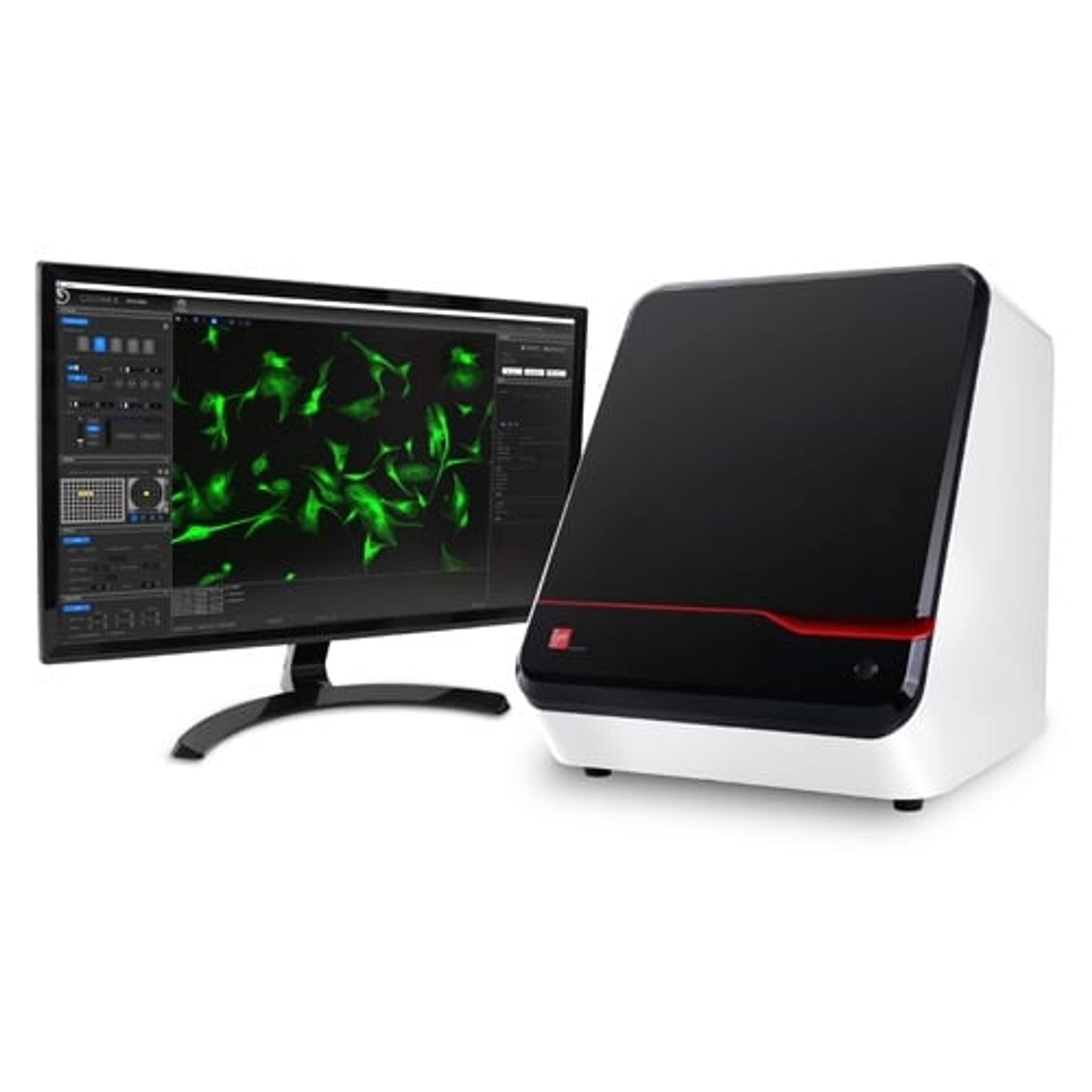
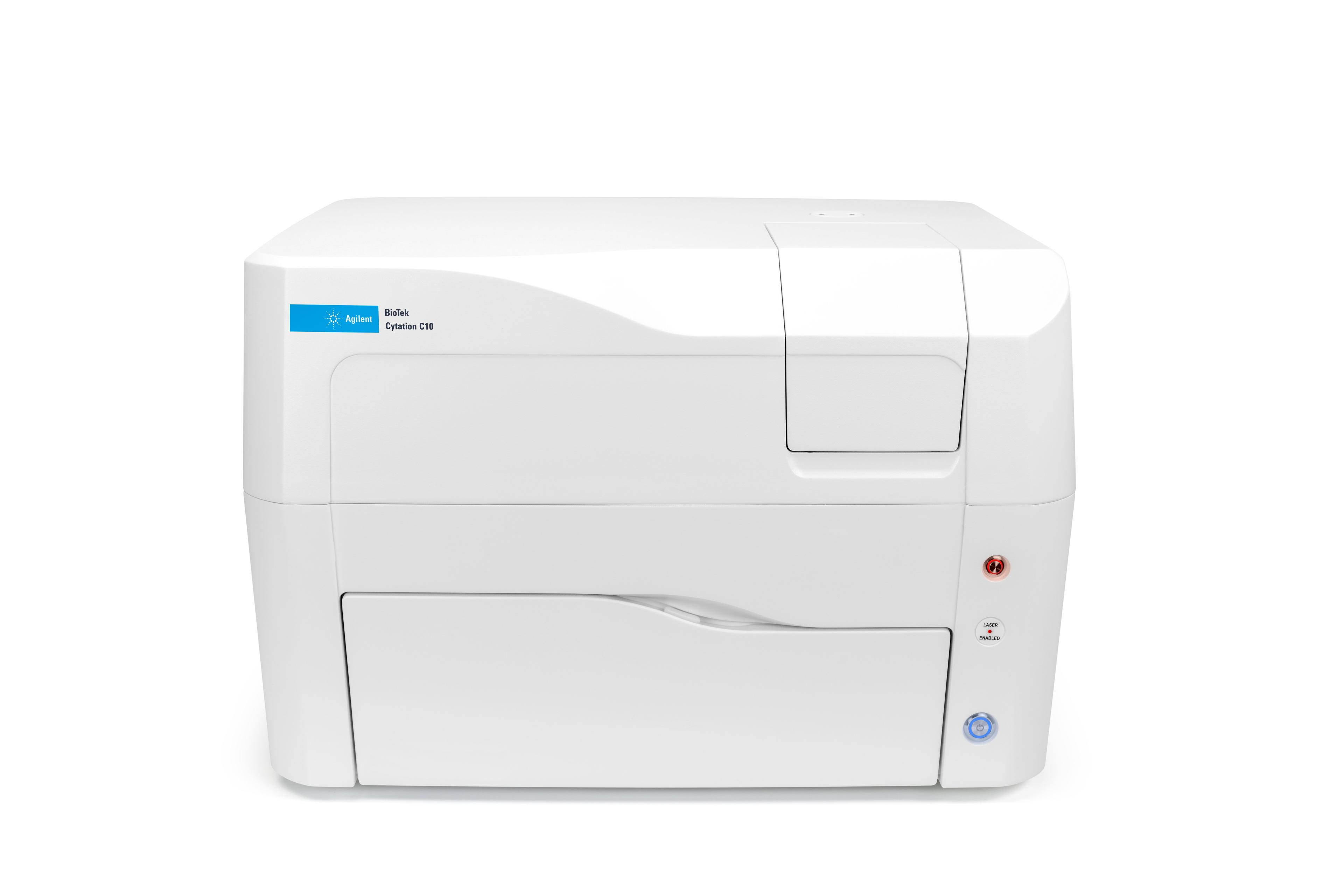
The reliability and capabilities of your cell imager, whether it be a microscope, multi-mode reader, or imager, significantly influence the robustness and reproducibility of your cell imaging experiments.

Accurate cell quantification, precise measurement of cell migration, real-time kinetics, and multi-parameter analyses are all dependent on the capabilities of your chosen imaging instrument.

This SelectScience guide provides valuable guidance to simplify your decision-making process when selecting your next cell imager for applications including:

  • Cell count, confluence, and proliferation
  • Cell viability and cell death
  • Cell migration and invasion
  • Immunofluorescence
  • Multiparameter analysis and augmented microscopy

Plus, gain access to detailed examples of the application of the latest cell imaging technologies for 3D cell culture, including an exclusive case study from Petra Van Damme, group leader of the iRIP (integrative Ribosome profiling, Interactomics, and Proteomics) unit within the Department of Biochemistry and Microbiology at Ghent University, who demonstrates the application of advanced cell imaging technology and riboproteogenomics to illuminate complex host-pathogen interactions.

Resource details:

  • Document type: SelectScience guide
  • Page count: 29
  • Read time: 43.5 mins
  • Edition: 8th

Links

Tags

Cell / Tissue CultureCell culture or tissue culture is used to study the biology of cells or tissues and to isolate cellular products in an environment which can be manipulated and well defined. Accurately control your culture environment with bioreactors or culture incubators, bind your cells to a surface or together with an extracellular matrix. Distinguish cell types with differential media or proliferate cells with certain characteristics using selective media. Enrich your media with supplements such as growth factors, sera and vitamins. Find the best cell and tissue culture products, kits and equipment in our peer-reviewed product directory: compare products, check customer reviews and receive pricing direct from manufacturers.Flow Cytometry / Cell CountingFlow cytometers are used to count, sort and examine multiple characteristics of cells. Other cell analysis equipment includes image cytometers, cell counters, fluorescence-activated cell sorters (FACS), magnetic-activated cell sorters (MACS), and a range of flow cytometry assay kits. Flow cytometers can reveal information on cell viability, cell proliferation, apoptosis and cell cycle progression, as well as identify cell populations and intracellular or cell-surface molecules. Additionally, some flow cytometers, known as FACS, have an additional sorting function after analysis. Cell counters and image cytometers count live and dead cell populations and can also conduct cell proliferation assays. Find the best flow cytometers, cell counters and cell sorters in our peer-reviewed product directory: compare products, check customer reviews and receive pricing direct from manufacturers.In Vivo Imaging Systems<i>In vivo</i> imaging systems, including pre-clinical imaging systems and medical imaging systems are used to non-invasively visualize and capture images of live animals and plants. Monitor the natural processes or diseases of your subjects using small-animal pre-clinical imaging systems, including single photon positron emission tomography (SPECT), positron emission tomography (PET), computed tomography (micro-CT), magnetic resonance imaging (MRI), X-ray radiography, ultrasound, fluorescence and bioluminescence imagers. Multimodal systems and software solutions are also available for correlative analysis of organ, tissue, cell, or molecular-level processes. Find the best in vivo imaging products in our peer-reviewed product directory: compare products, check customer reviews and receive pricing direct from manufacturers.Cell-Based AssaysCell-based assays are used to monitor the presence, quantity and activities of a desired cellular analyte including drug molecules or biomarkers. This can reveal information on cell health (apoptosis, cytotoxicity, viability and proliferation assays), cell metabolism, cell migration and cell signaling mechanisms. Find the best cell-based assay products, kits and equipment with our peer reviewed product directory: compare products, check customer reviews and receiving pricing direct from manufacturers.3D Imaging3D imaging technologies allow for the visualization and analysis of three-dimensional structures at high resolution. These systems are used in fields like molecular biology, material science, and medical diagnostics. 3D imaging can be applied to visualize cells, tissues, and organs, providing valuable insights into their structure and function. Browse our peer-reviewed product directory to find the best 3D imaging solutions, compare products, check reviews, and get pricing directly from manufacturers.3D Cell CultureCulturing cells in three dimensions allows more physiologically relevant observations to be made regarding cellular interactions and gene expression. 3D models provide a more accurate representation of cells in vivo and are more stable than 2D cultures, making them very useful for long-term studies.Organoids