

How AST technologies are reshaping antimicrobial stewardship
Find the latest expert insights and technologies supporting MIC-based antimicrobial susceptibility testing (AST)
How can antimicrobial susceptibility testing help laboratories and clinicians make more confident treatment decisions?
Antimicrobial resistance (AMR) is making infectious disease management increasingly complex, especially for multidrug-resistant Gram-negative infections. As new therapies enter clinical use, laboratories need reliable ways to generate clinically relevant susceptibility data that can support timely treatment decisions and antimicrobial stewardship.
Accurate antimicrobial susceptibility testing (AST), reproducible minimum inhibitory concentration (MIC) data, and relevant testing panels are becoming essential tools for clinical microbiology teams. These approaches can help laboratories detect emerging resistance, guide escalation or de-escalation, and give clinicians greater confidence when selecting therapy.
In this SelectScience® Editorial Feature, explore expert insights, videos, and technology highlights from Thermo Fisher Scientific focused on AMR stewardship and MIC-based AST workflows. Discover how Sensititre™ panels, custom AST solutions, and innovation in susceptibility testing are supporting laboratories as they respond to evolving resistance challenges.

Advancing AMR stewardship through MIC-based susceptibility testing
This expert article explores how accurate antimicrobial susceptibility testing and reliable MIC data are supporting more confident treatment decisions for resistant Gram-negative infections. Discover insights from infectious disease and clinical microbiology specialists on stewardship, lab-clinician collaboration, and clinically relevant AST workflows.
Read article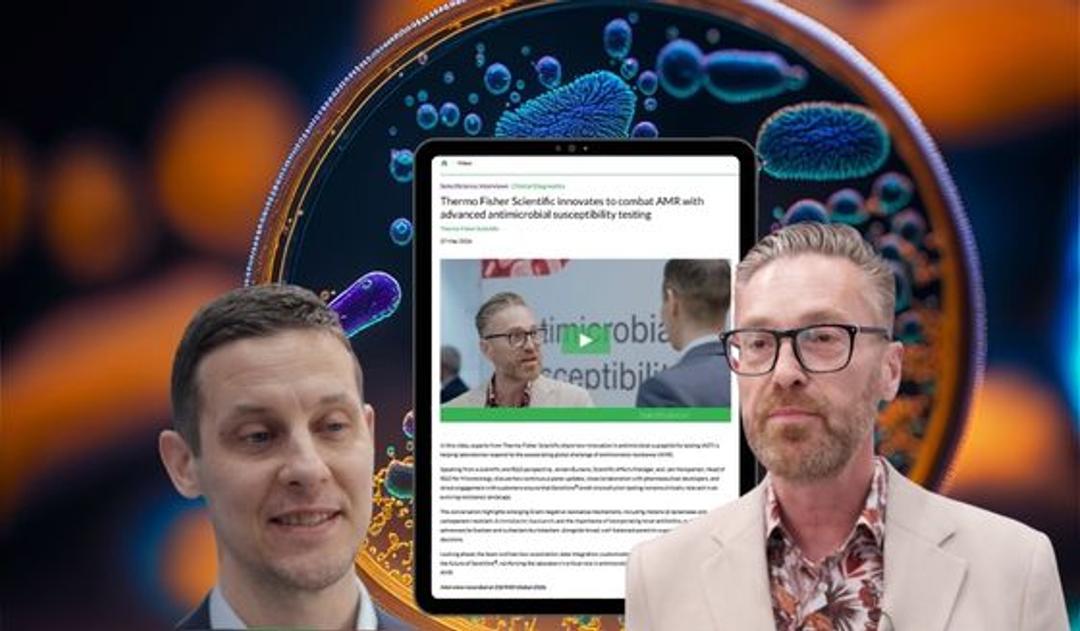
How Thermo Fisher Scientific is advancing AST innovation for AMR
Watch Thermo Fisher Scientific experts discuss how advances in antimicrobial susceptibility testing are helping laboratories respond to evolving Gram-negative resistance, incorporate novel antibiotics, and support stewardship-focused treatment decisions.
Watch videoExpanding MIC testing for resistant Gram-negative pathogens
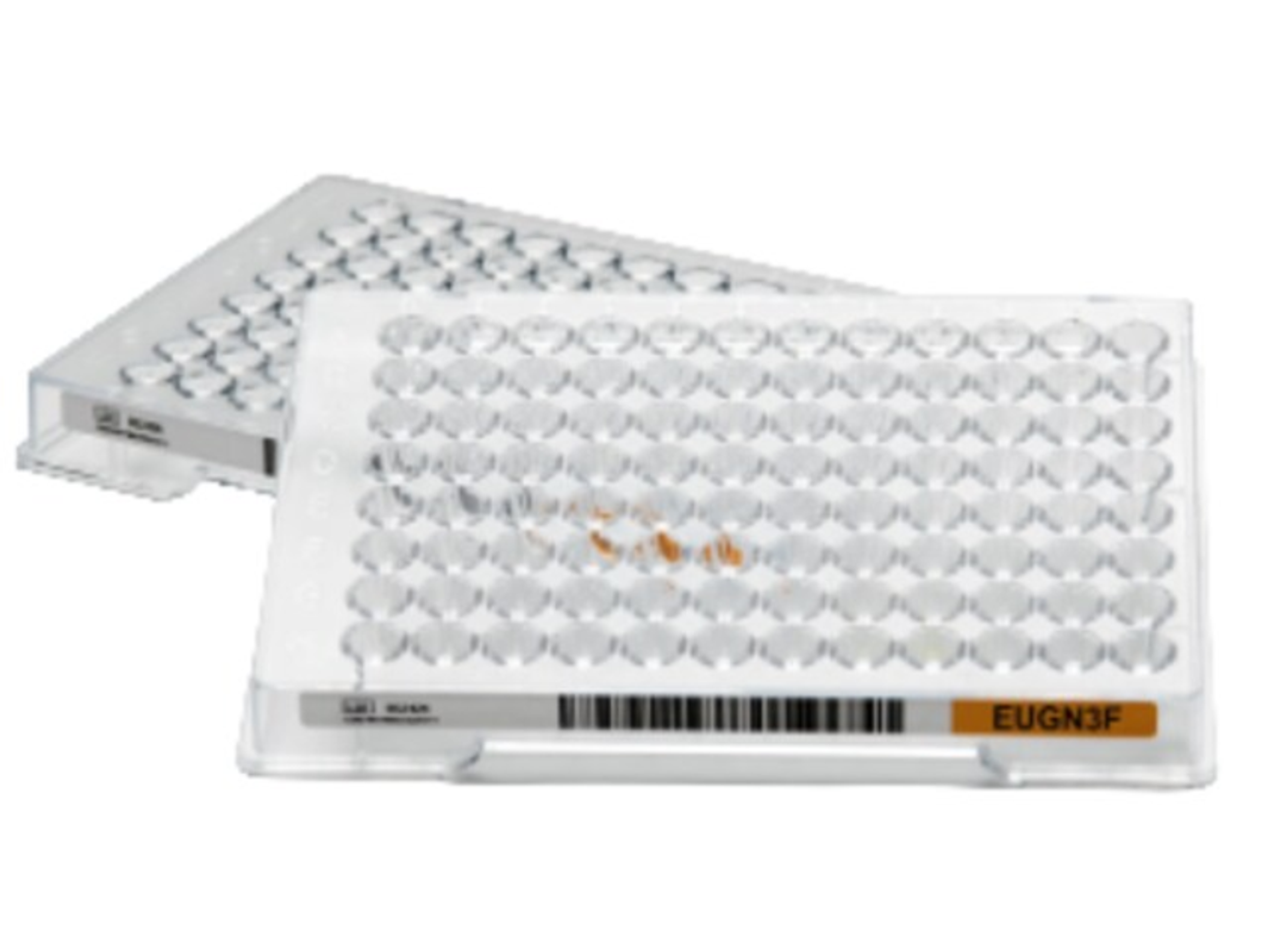
Discover how the Thermo Scientific™ Sensititre™ EUGN3F broth microdilution panel supports AST of non-fastidious Gram-negative organisms, enabling MIC determination across an expanded antimicrobial range, including newer combination therapies.
Download resourceProfiling Gram-negative susceptibility with EUGN2F
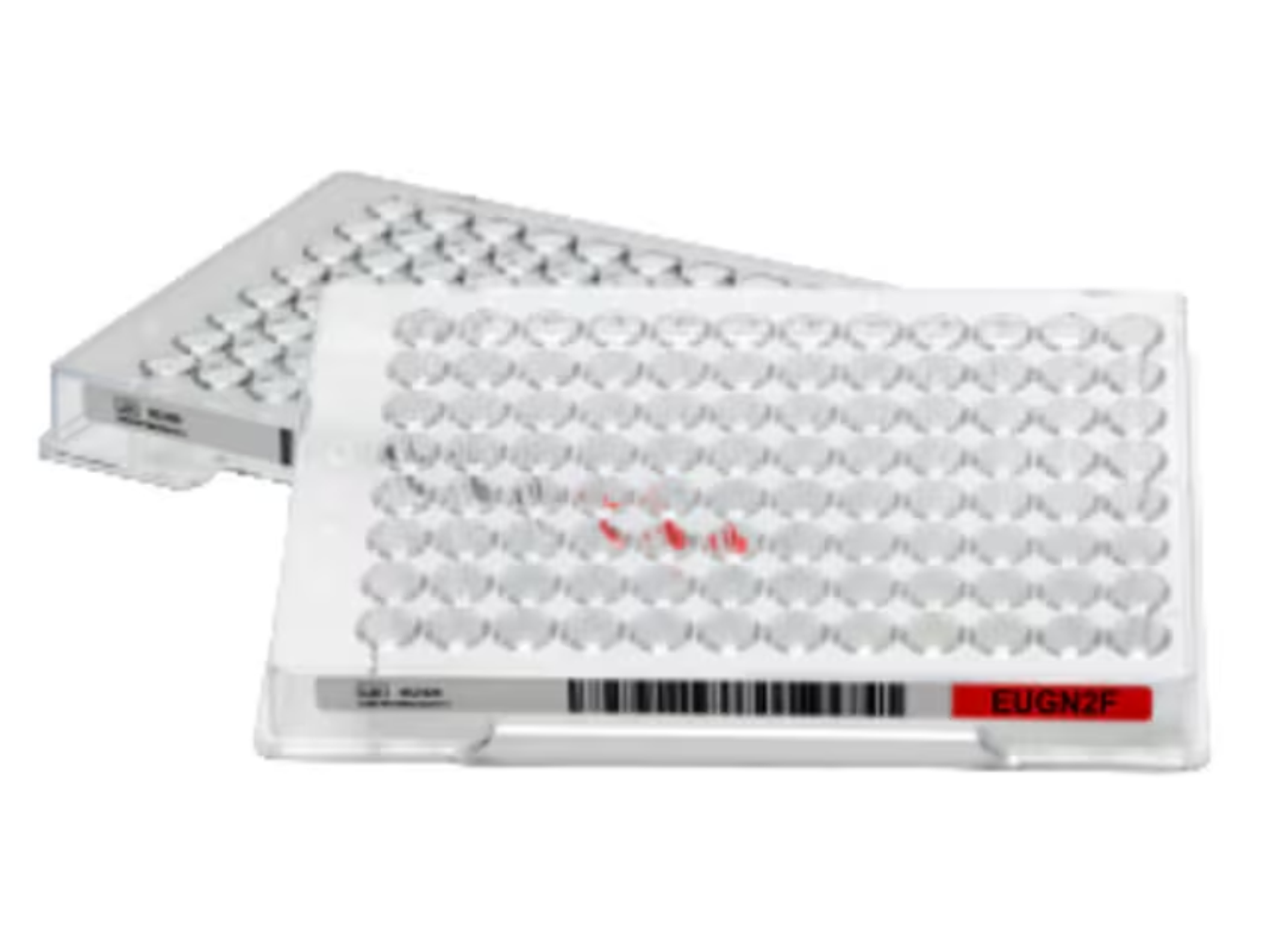
Explore how the Thermo Scientific™ Sensititre™ EUGN2F broth microdilution panel supports MIC testing for non-fastidious Gram-negative organisms, with first-line antimicrobials designed for reliable susceptibility profiling in clinical microbiology workflows.
Download resourceAdvancing MIC testing for multidrug-resistant Gram-negative bacteria
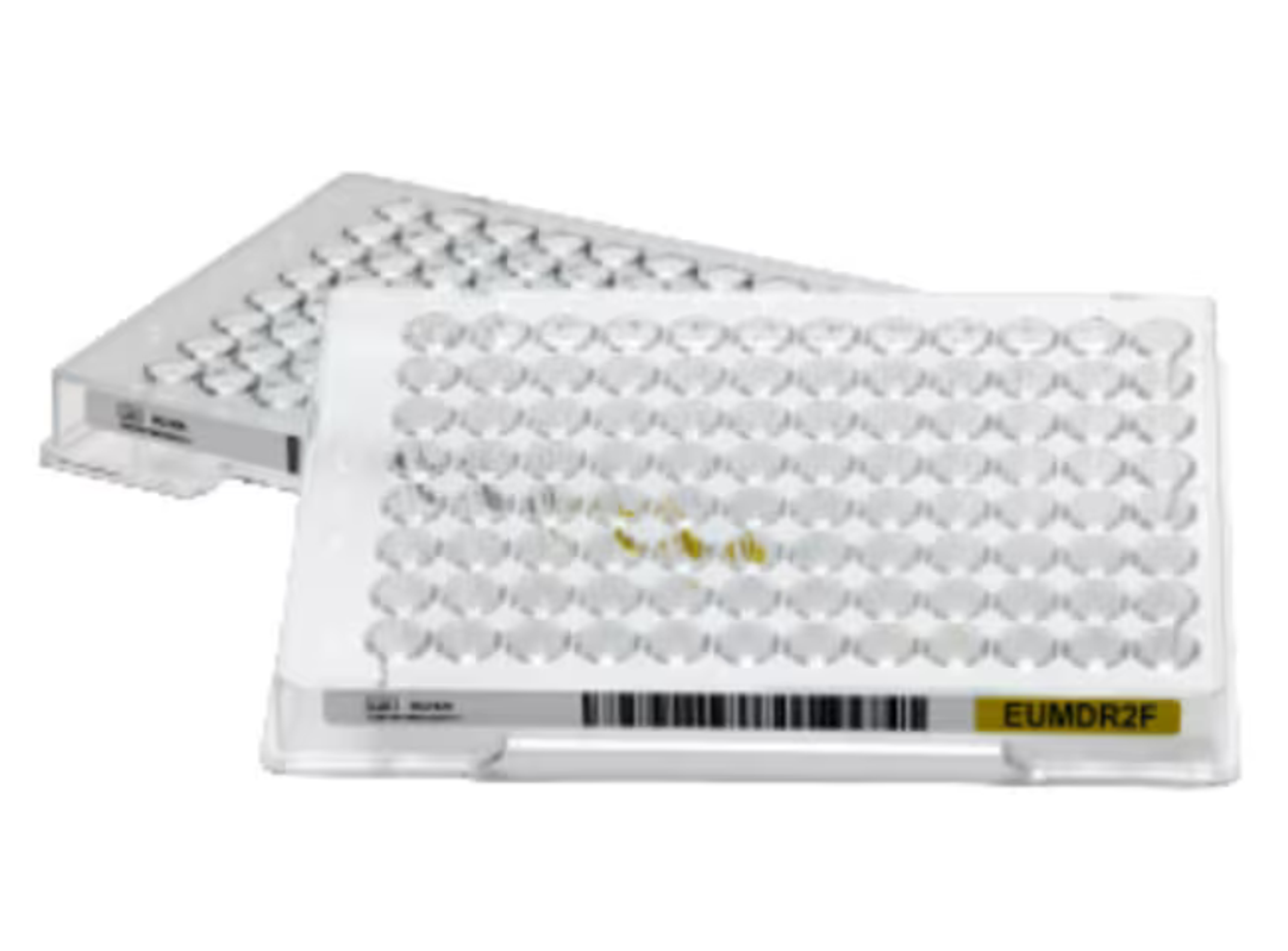
Discover how the Thermo Scientific™ Sensititre™ EUMDR2F broth microdilution panel supports AST of non-fastidious Gram-negative organisms, with expanded coverage of second-line and newer antimicrobial combinations to inform treatment decisions.
Download resource
AST & AMR webinars




Technology highlights

FAQs for AST & AMR
Why are Gram-negative infections a major focus in AMR testing?
Gram-negative bacteria are a major concern in antimicrobial resistance because some species can develop multiple resistance mechanisms, including β-lactamase production, carbapenem resistance, porin changes, efflux mechanisms, and resistance to last-line therapies. Clinically important resistant Gram-negative organisms include:
- Carbapenem-resistant Enterobacterales
- Difficult-to-treat resistant Pseudomonas aeruginosa
- Carbapenem-resistant Acinetobacter baumannii
- Extended-spectrum β-lactamase-producing Enterobacterales
- Stenotrophomonas maltophilia
Because these infections can be difficult to treat, laboratories need AST panels that include clinically relevant agents and can generate susceptibility data to support timely treatment decisions.
How do MIC-based AST panels support treatment decisions?
MIC-based AST panels allow laboratories to test bacterial isolates against defined antimicrobial concentrations and generate MIC values for relevant drugs. These panels can support clinical microbiology workflows by:
- Providing reproducible susceptibility data
- Expanding testing options for resistant organisms
- Including newer and second-line antimicrobial combinations
- Helping clinicians determine whether a treatment option is likely to be active
- Supporting stewardship teams in therapy review and optimization
Panels such as Thermo Scientific™ Sensititre™ EUGN2F, EUGN3F, and EUMDR2F are designed to support Gram-negative AST workflows across first-line, expanded, and multidrug-resistant testing needs.
Why does communication between the lab and stewardship team matter?
AST results only improve patient care when they are interpreted and acted on effectively. Clinical teams may not always have time to review every microbiology result in detail, especially in high-pressure settings such as sepsis, bloodstream infection, or hospital-associated pneumonia. Collaboration between laboratories, infectious disease specialists, pharmacists, and stewardship teams can help ensure that AST results are:
- Delivered at the right time
- Interpreted in clinical context
- Linked to practical treatment recommendations
- Used to support escalation or de-escalation
- Integrated into local treatment pathways
This multidisciplinary approach helps turn susceptibility data into actionable decisions for patient care and antimicrobial stewardship.
Latest AST news & resources



Interested in more?
Become a SelectScience member for free and get the latest news straight to your inbox.