
The 2022 AACC Annual Scientific Meeting and Clinical Lab Expo: Clinical laboratory news round-up

Discover the latest clinical laboratory science hot topics and trends from the 2022 AACC meeting

1 Sept 2022


Sonia Nicholas
Managing Editor and Clinical Lead

Editorial article

The 2022 AACC Annual Scientific Meeting and Clinical Lab Expo was held in Chicago

Blog post written by Sonia Nicholas, Editor at SelectScience

At the end of July 2022, laboratory professionals and clinicians from all around the world gathered in Chicago for the 2022 American Association of Clinical Chemistry (AACC) Annual Scientific Meeting and Clinical Lab Expo. This event marked a significant return to in-person clinical events after a turbulent few years during the COVID pandemic. SelectScience® attended the event and this article is a summary of the clinical laboratory news highlights from the show.

A key event in the clinical laboratory calendar

SelectScience® has a large, global community of clinical laboratory scientists and healthcare professionals who visit the website regularly to find out about the very latest technology being used in medical science. The SelectScience editorial team attended the conference as official media partners of the 2022 AACC event, gathering technology highlights from the Expo show floor, attending talks and presentations to learn about the latest hot topics and trends in the industry, and recording video interviews with experts in the field of clinical laboratory science. These interviews are available on the dedicated SelectScience 2022 AACC News Page. There was a real buzz during the entire event, with fascinating talks from leaders in the field on topics from point-of-care testing to the latest laboratory-developed testing advances.

Some key themes emerged during the conference but the one that seemed to resonate most strongly this year was about how laboratory staff need to really reconnect with the patient care pathway. Key to this is understanding how laboratory services directly impact on patient care. So, an important message from the meeting this year is that from technicians to lab managers, we must all work hard to retain this connection and involvement with the patient care loop. This connection is more important than ever as we move into the post-pandemic era in the clinical laboratory. Learn more about the topics leading experts were talking about at the 2022 AACC event by watching the exclusive video interviews below.


AACC President delivers key message from 2022 AACC

Dr. Stephen Master, Chief of the Division of Laboratory Medicine, and Director of the Metabolic Lab at the Children’s Hospital of Philadelphia, spoke to SelectScience to discuss the achievements of the AACC during his year as president. As well as highlighting the work the AACC has carried out on promoting the value of laboratory medicine, Dr. Master also discussed the importance of effective communication between clinical laboratory professionals and their clinical colleagues to provide the highest quality healthcare to patients.

Watch video


The importance of building trust in healthcare
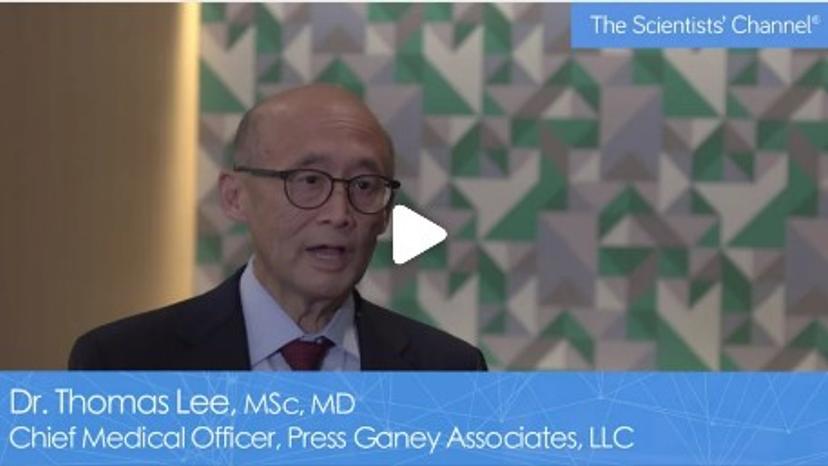
Dr. Thomas Lee discusses the importance of building trust between lab staff, healthcare professionals and patients

Dr. Thomas Lee, Chief Medical Officer, Press Ganey Associates, LLC, spoke to SelectScience to explain the highlights of his plenary speech during the conference, on building trust in healthcare. During his talk, Lee explains the absolute importance for laboratory professionals to build trust with other healthcare providers and patients. Watch this video to listen to a summary of the talk and discover a practical 3-point plan for clinical laboratory staff to help reduce anxiety and mistrust that may be felt by patients and the wider community.

Watch video

Clinical laboratory news: Technology highlights

SelectScience also spoke to manufacturers on the Expo show floor to learn more about their latest products and news. Peter Soltani, Beckman Coulter Diagnostics, and Itai Hayut, Scopio Labs, spoke of their exciting new partnership enabling them to bring an innovative digital morphology solution to hematology labs. The partnership will bring a new AI-powered workflow solution to laboratories that enables full-field scanning of digital morphology slides.
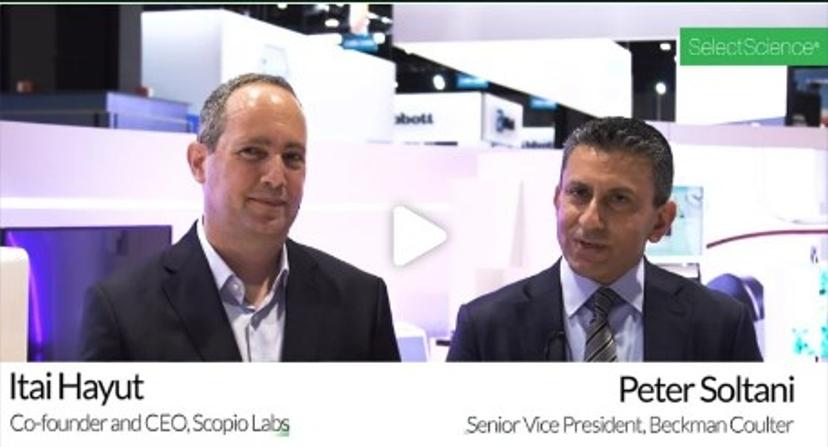
Peter Soltani and Itai Hayut discuss their new partnership in digital morphology

Watch video

The team at Fapon Biotech showcased the Shine i1000 analyzer at the show and explained how the company’s years of experience in the IVD industry has helped them to deliver a compact immunoassay analyzer to clinical laboratories.
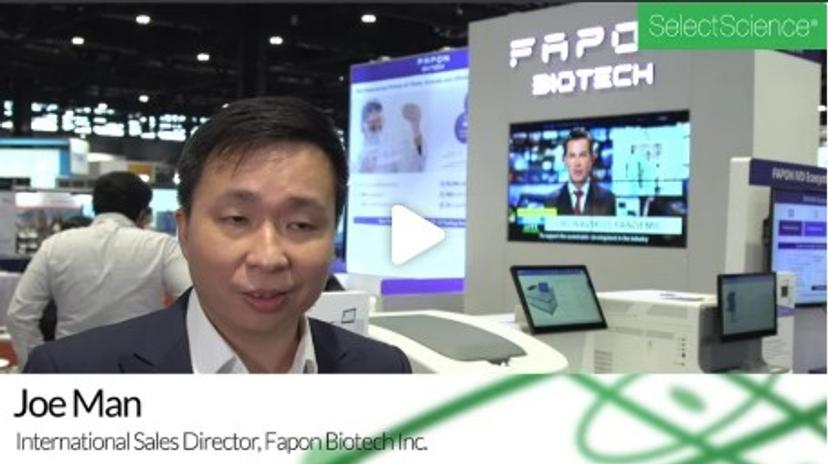
Joe Mann Fapon Biotech
Joe Mann, Fapon Biotech introduces the Shine i1000 analyzer

Watch video

Advanced Instruments displayed its OsmoPRO® MAX automated osmometer. Watch the video interview to see Julie MacKenzie describe how this hard-working osmometer was developed in close collaboration with their customers to really help busy laboratories meet modern challenges.
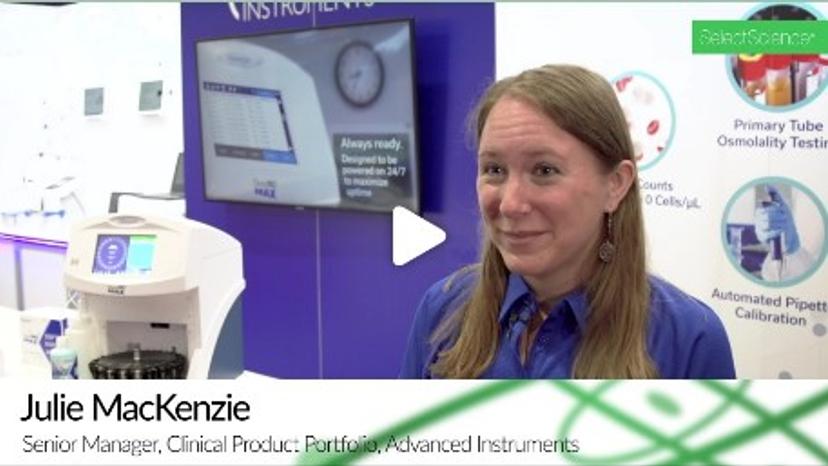
Julie MacKenzie presents the OsmoPRO MAX

Watch video

EKF Diagnostics presented a new era of diabetes management, with its Lucica® Glycated Albumin-L test, manufactured by Asahi Kasei Pharma Corporation. Shane O’Neill from EKF Diagnostics describes the uses and benefits of this glycated albumin test to physicians for the intermediate-term monitoring of patients with diabetes.
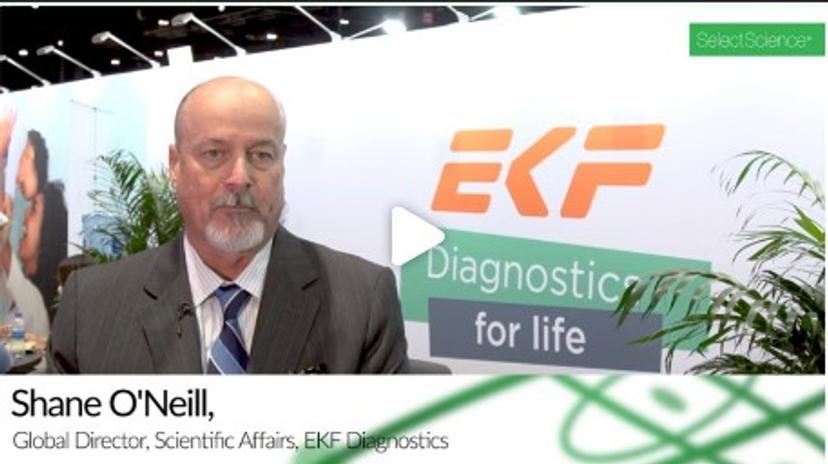
Shane O'Neill discusses the Lucica Glycated Albumin-L test

Watch video

For more clinical laboratory news from the 2022 AACC Annual Scientific Meeting and Clinical Lab Expo, visit our dedicated 2022 AACC News page.

Links

Tags

Blood TransfusionBlood Transfusion involves giving donor blood to a recipient patient. Screening is essential to avoid transfusion reactions. Blood banks use immunohematological techniques to determine rh and ABO blood group, and screen for antibodies using specific antisera. Blood Banks use Direct Coombs Tests (DCT) and Indirect Coombs Tests (IAT) to detect hemolysis and Haemolytic Disease of the Newborn (HDN).HematologyIn Haematology / Hematology, complete blood cell counts (or full blood counts) are obtained using automated blood count analyzers to enumerate blood cell types.  Hematology also encompasses haemostasis and coagulation, thrombophilia and hemophilia, plasma viscosity and ESR analysis, hemoglobinopathies, cell morphology and haematinic measurement.ImmunologyImmunological techniques measure and characterize immune responses. Immunology kits and analysis systems often use techniques such as ELISA, radioimmunoassay (RIA) and immunodiffusion assays, Immunohistochemistry, and flow cytometry. Immunologists use equipment such as flow Cytometers, plate readers, plate washers and fluorescent microscopes.Cellular PathologyCellular Pathology deals with the microscopic analysis of tissue samples and cells. Sample preparation and processing includes fixation, staining, sectioning and slide mounting, using equipment such microtomes and cryostats. In choosing immunohistochemistry and immunocytochemistry kits, consider chromogens, staining method, antibodies, microscopes and imaging.Point-of-CarePoint-of-Care Testing (POCT) or Near Patient Testing (NPT) products are available for urine, blood and other clinical chemistry analyses. POCT includes: blood glucose testing, blood gas and electrolytes analysis, rapid coagulation testing (PT / INR), rapid cardiac markers diagnostics, drugs of abuse screening, urine strips testing, pregnancy testing, fecal occult blood analysis, food pathogens screening, hemoglobin diagnostics, infectious disease testing and cholesterol screening.Clinical ChemistryBiochemistry (or clinical chemistry) involves the analysis of bodily fluids using chemical tests. Techniques used include HPLC, chromatography, spectroscopy, mass spectrometry, immunochemical, electrophoresis, turbidometric / spectrophotometric assay, MRI and ISE analysis. Tests are often carried out on plasma or serum but urine (urinalysis) and fecal specimens are also processed.Clinical GeneticsMolecular Genetics covers the analysis of hereditary genetic disease and chromosomal abnormalities. Genetics can be analysed using DNA, RNA, and protein microarrays, PCR, RT PCR and DNA sequencing. Genetic equipment includes genetic workstations, thermal cyclers, cooling blocks and electrophoresis products. Diagnostic kits are used for DNA / RNA extraction and purification.Clinical MicrobiologyMicrobiology is the study of microorganisms including protists, prokaryotes, fungi, and, often, viruses. Microorganisms are a useful research tool as genetic vectors and, in immunology, for antibiotic susceptibility testing, cellular biology and genetics. Microorganisms commonly grow readily in incubators with microbial culture media; this can contain chromogenic supplements to differentiate between cell lines. Estimate your culture’s density of microorganisms with colony counters, or screen and select colonies for desirable clones with automated colony pickers. Additionally, equipment is available to monitor environments for the presence of microbes and identify with microbial identification instruments. Find the best microbiology products in our peer-reviewed product directory: compare products, check customer reviews and receive pricing direct from manufacturers.Embryology / IVFEmbryology refers to the development of an embryo resulting from the fertilization of the ovum, to fetus stage. In vitro fertilization (IVF) refers to the fertilization of the egg outside of the human body, and is an important treatment for infertility.AACCThe American Association for Clinical Chemistry (AACC) Annual Meeting and Clinical Lab Expo is the largest meeting for clinical laboratory professionals in the world. This year's meeting is being held in Atlanta, USA, July 26th-30th, 2015.